
Quick Tip: I’ll show you how to grow healthy dahlias with sun, rich soil, steady water, plant support, and care before the first frost.
Dahlia flowers bring bright color and full blooms to beds, borders, and pots. I’ll help you choose dahlia plants that fit your space and give them a strong start.
You’ll learn when to water and feed growing dahlias, how to spot pests, and how to save tubers for next season. A few simple habits can keep your plants blooming instead of sulking.
Choose Dahlias for Your Space
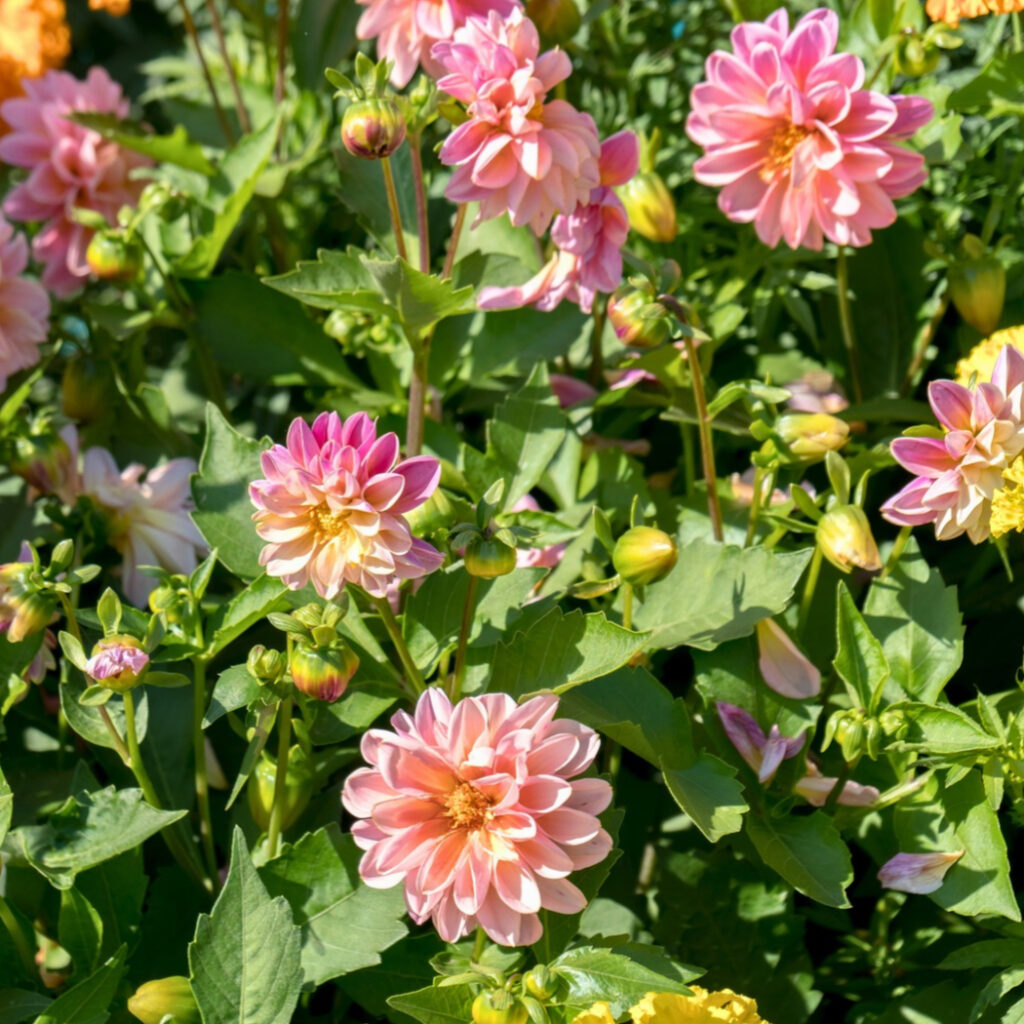
I choose dahlias by checking their mature height, flower use, and available sunlight. The right plant size keeps beds neat, pots manageable, and flower stems easy to cut.
Match Dahlia Varieties to Height and Purpose
I use dwarf dahlias for small spaces because most grow 12 to 24 inches tall. They suit front beds, window boxes, and patio pots without blocking shorter plants.
For middle areas, I plant border dahlias and other garden dahlia types that reach about 2 to 4 feet. Their blooms add color without taking over the bed.
I save tall varieties for the back of borders or a cutting garden. Dinnerplate dahlias can grow 4 to 6 feet tall and need sturdy stakes.
Their huge flowers look great, but rain and wind can bend the stems.
Quick Tip: I check the plant tag for mature height, not just flower size. A 10-inch bloom can come with a very tall plant.
Best Types for Borders, Pots, and Cut Flowers
I choose compact border dahlias for tidy flower beds. Ball, pompon, and smaller decorative dahlia varieties give steady color and work well with zinnias, salvia, and marigolds.
For growing dahlias in containers, I pick dwarf dahlias or compact varieties. I use a pot at least 12 inches wide with drainage holes, then place it in full sun.
Large dinnerplate dahlias usually outgrow small pots fast. They are not shy about it.
I grow cactus dahlia types for cut flowers because their pointed petals add texture to bouquets. Ball dahlias also make excellent cut flowers since their rounded blooms often hold their shape well in a vase.
Quick Tip: I plant several varieties with different bloom forms. A mix of round, flat, and spiky flowers makes garden beds and bouquets look less uniform.
Plan a Pollinator-Friendly Planting
I include open-centered, single-flowered dahlias for bees and butterflies. These flowers expose pollen and nectar, while tightly packed dinnerplate and decorative blooms may offer less access.
I plant pollinator-friendly dahlias in groups of three or more, so insects can find them easily. I also add simple flowers nearby, such as cosmos, calendula, and single zinnias, to provide food through the season.
I avoid spraying open blooms with insecticides. I water at the soil level in the morning, which keeps leaves drier and lets bees visit once the flowers warm in the sun.
Quick Tip: I choose at least one single-flowered garden dahlia for every few fuller blooms. Pollinators need an easy landing spot.
Give Dahlias the Right Start
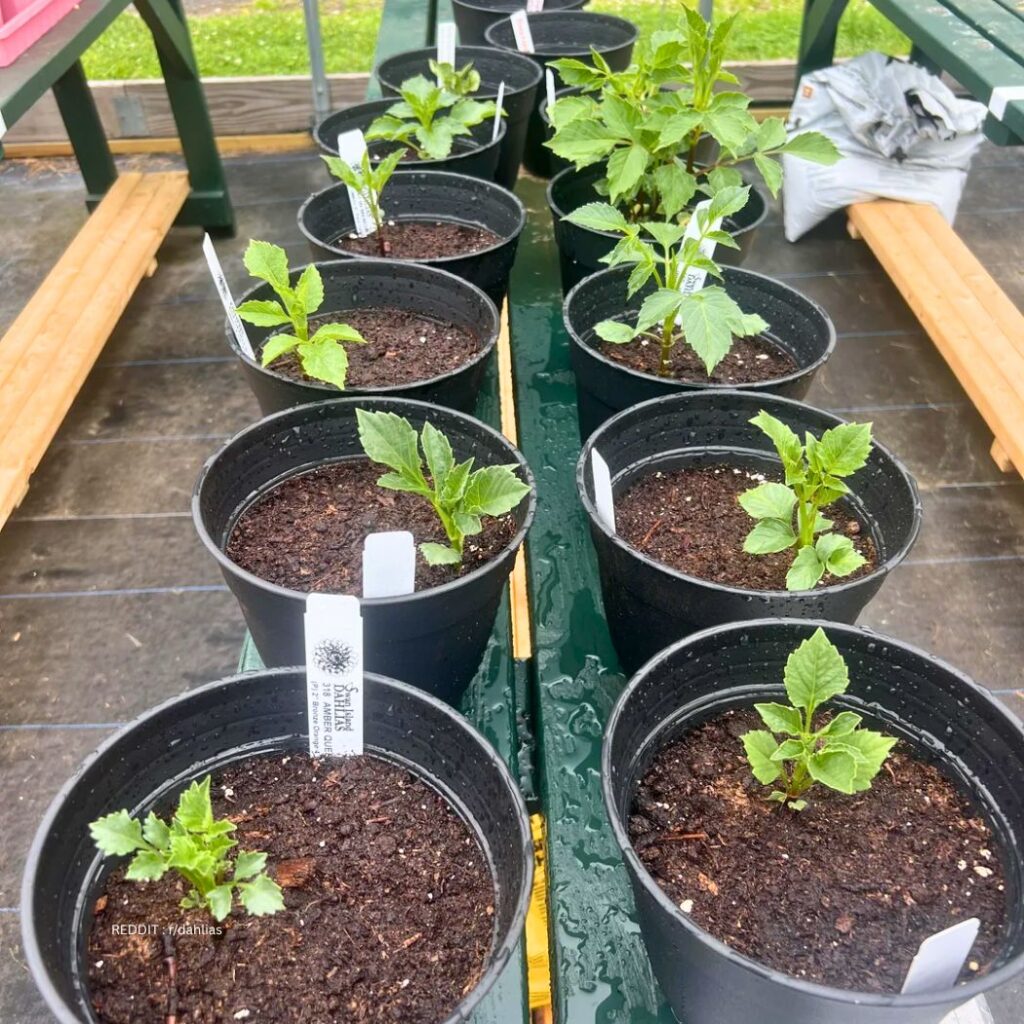
I plant dahlias after frost, in loose soil, with enough sun and room to grow. A careful start helps the tubers sprout evenly and keeps wet soil from causing trouble.
Know When to Plant After Frost
I wait until the last frost date has passed before planting dahlias outdoors. Cold, wet ground can rot dahlia tubers before they have a chance to grow.
I also check soil temperature. Dahlias grow best when the soil reaches about 60°F (16°C).
In many areas, this means planting one to three weeks after the last frost, not on the date itself.
Quick Tip: I wait if the soil feels cold and sticky after rain. A few extra days beat replacing rotten tubers.
In warm zones, I may plant earlier if frost is no longer likely. In short-season areas, I can start tubers indoors in pots about four weeks before planting time, then move them outside after nights stay mild.
Prepare a Sunny, Free-Draining Bed
I choose a sunny location that gets at least six to eight hours of direct sun each day. Morning sun works well, but dahlias also handle hot afternoon light if they get steady water.
I loosen the soil about 10 to 12 inches deep and mix in compost. Compost adds nutrients and helps the bed hold enough moisture without staying soggy.
Quick Tip: I avoid low spots where puddles sit after rain. Dahlias do not enjoy wet feet.
For heavy clay soil, I plant in raised beds or mounded rows to improve drainage. Sandy soil drains fast, so I add compost to help it hold water.
I skip peat moss in already wet soil because it can hold too much moisture. I do not add bone meal unless a soil test shows low phosphorus.
Too much fertilizer can lead to leafy plants with fewer flowers.
Inspect Tubers and Find the Growing Eye
Before planting dahlia tubers, I inspect each one closely. I use firm tubers that feel solid, like a small potato, and discard any that are soft, hollow, moldy, or badly shriveled.
Each tuber needs a visible growing eye near the top, where it joins the stem or crown. The eye looks like a tiny bump, nub, or pale point.
No eye means no shoot, even if the tuber looks healthy.
Quick Tip: I label each variety before planting. Once the plants grow, the tubers all look alike.
I leave a tuber alone if I cannot spot the eye right away. A healthy eye may become easier to see after the tuber sits in a dry, warm spot for a day or two.
I do not soak tubers before planting, since extra moisture can encourage rot.
Plant at the Proper Depth and Spacing
I lay each tuber on its side with the growing eye facing up. I cover it with 4 to 6 inches of well-draining soil and leave the surface level rather than making a deep hole that holds water.
I space most dahlias 12 to 18 inches apart. I give large dinner-plate types and tall varieties 24 to 36 inches so air can move between the plants.
Quick Tip: I place a stake at planting time for tall dahlias. Adding one later can pierce the tuber.
I do not water heavily right after planting unless the soil is very dry. Overwatering before shoots appear is a common mistake.
I wait until green growth breaks the soil, then water when the top inch of soil feels dry.
Water, Feed, and Support Growing Plants
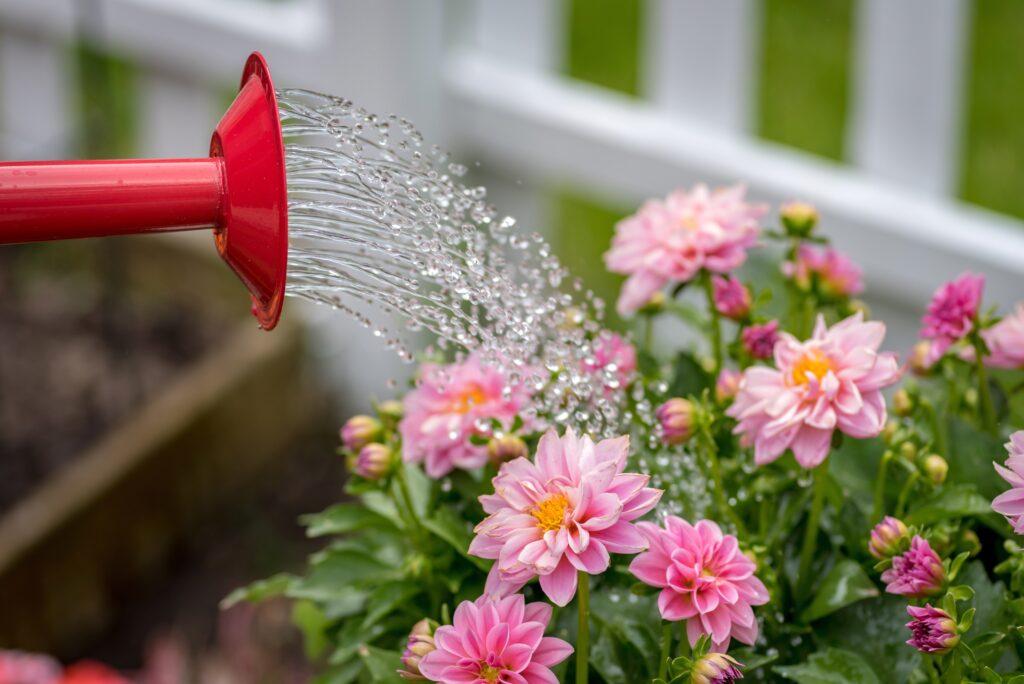
I keep dahlia plants evenly watered, lightly fed, and physically supported as they grow. These simple jobs help stems stay strong and keep dahlia flowers coming through the season.
Water Deeply Without Soaking the Roots
I water dahlias deeply when the top 1–2 inches of soil feel dry. I soak the soil around the base until moisture reaches the root zone, then let the surface dry slightly before watering again.
Most gardens need about 1 inch of water each week, including rain. During hot, dry weather, I check plants every day because large leaves can lose water fast.
Quick Tip: I water early in the morning and aim the hose at the soil, not the leaves.
Overwatering causes yellow leaves, soft stems, and tubers that can rot. If the soil feels wet and heavy several inches down, I wait.
In cool or rainy areas, dahlias often need less water than plants in hot, dry zones.
Fertilize for Blooms Instead of Excess Foliage
I mix compost into the planting area before growth starts, but I avoid rich, high-nitrogen fertilizer during the season. Too much nitrogen gives me tall, leafy dahlia plants with fewer flowers.
Nobody plants dahlias for leaves alone.
I use a low-nitrogen fertilizer every 3–4 weeks after plants begin active growth. A product with a lower first number, such as 5-10-10, supports roots and blooms without pushing soft green growth.
Quick Tip: I spread fertilizer a few inches away from the stem, water it in, and keep it off the leaves.
I do not rely on bone meal as a main fertilizer. It can add phosphorus, but soil may already contain enough.
Compost improves soil texture and adds slow, gentle nutrients, which helps dahlia care without forcing rapid growth.
Stake and Pinch Tall Dahlias
I place stakes when dahlia plants are young, before roots and tubers fill the soil. A 4–6 foot bamboo stake, metal rod, or sturdy support works well for tall types.
I tie stems loosely with soft garden tape or twine. Wind and heavy rain can snap stems fast, especially when flowers open.
I check ties often and add new ones as each plant gets taller.
Quick Tip: I install the stake about 6 inches from the main stem so I do not spear the tuber later.
When a plant reaches about 12–16 inches tall and has three or four pairs of leaves, I pinch out the center shoot just above a leaf pair. This encourages side branches and more flower stems.
I skip pinching compact border dahlias unless the plant looks thin or weak.
Deadhead and Cut Flowers for Continued Bloom
I remove faded dahlia flowers before they form seed. I follow the flower stem down to the first strong side branch or leaf joint, then make a clean cut.
Leaving short, empty stems looks messy and does not help the plant.
A spent bloom feels dry or papery and often points downward. A new bud looks round, firm, and usually stands upright beside it.
Quick Tip: I cut dahlia flowers in the cool morning, when stems feel firm and blooms hold their shape.
For a cutting garden, I harvest flowers that are fully open or nearly open. Dahlia buds do not open well after cutting.
I place stems in water right away, and I keep deadheading every few days to encourage more blooms.
Prevent Pests and Diseases
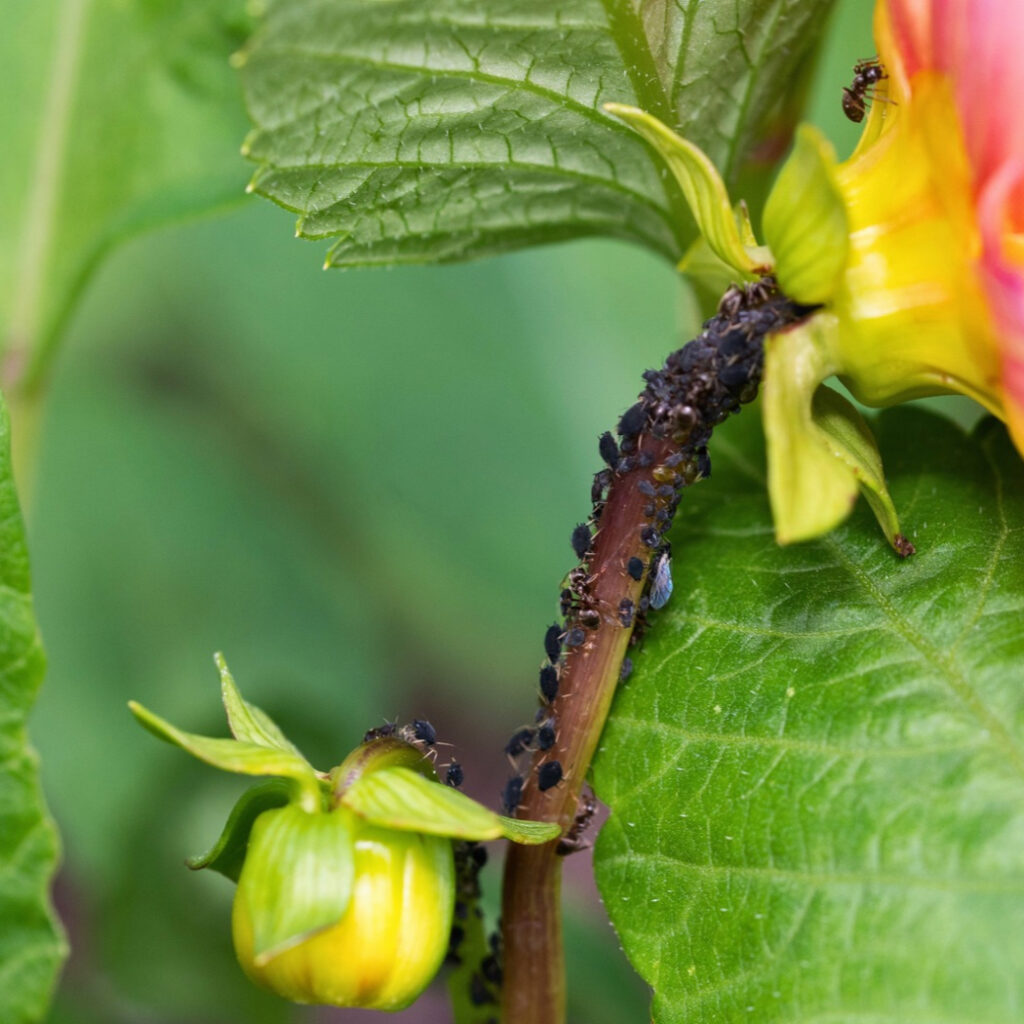
I check dahlia leaves, buds, and soil often, especially after wet weather or hot, dry spells. Early action keeps small pest problems and leaf diseases from spreading.
Spot and Control Common Chewing Pests
I look for ragged leaf edges, holes in young shoots, and petals with chewed spots. Slugs and snails often feed at night, leaving shiny slime trails.
Earwigs may hide in flowers and chew petals, though they also eat some smaller pests.
I hand-pick slugs and snails at dusk or early morning, then remove damp boards, pots, and leaf piles where they hide. A shallow dish trap can catch earwigs, but I avoid removing every earwig if they are not damaging flowers.
Quick Tip: I check beneath leaves and around the plant base after rain, when slugs are easiest to find.
I keep mulch a few inches away from stems. In rainy areas, I use a thin mulch layer so the soil does not stay soggy.
Manage Sap-Sucking Insects Safely
I inspect new growth and flower buds for aphids, thrips, and spider mites. Aphids gather in soft clusters and leave sticky residue. Thrips can cause pale streaks or brown marks on petals, while spider mites leave tiny pale dots and fine webbing on dry, dusty leaves.
I spray aphids off with a steady stream of water early in the day. For larger problems, I use insecticidal soap or neem oil exactly as the label directs. I spray in the evening, never in hot sun, and avoid open flowers where beneficial insects feed.
Quick Tip: I turn over a few leaves twice a week during hot, dry weather. Spider mites love those conditions.
I avoid broad insect sprays because they can kill ladybugs, lacewings, and other helpful insects along with pests.
Reduce Mildew and Rot Problems
I watch for white, dusty patches that signal powdery mildew, especially when days are warm and nights are cool. I remove badly affected leaves and put them in the trash, not the compost pile.
I space plants so air can move between them and water the soil instead of soaking leaves. Morning watering gives foliage time to dry before nightfall. In humid climates or rainy zones, this small habit matters a lot.
Quick Tip: I water only when the top inch of soil feels dry, then soak the root area deeply.
I plant dahlias in well-draining soil and never leave tubers in standing water. Soft, dark stems and a sour smell can mean rot. I remove affected plant parts quickly and let the area dry before watering again.
Grow Dahlias in Containers and Garden Designs
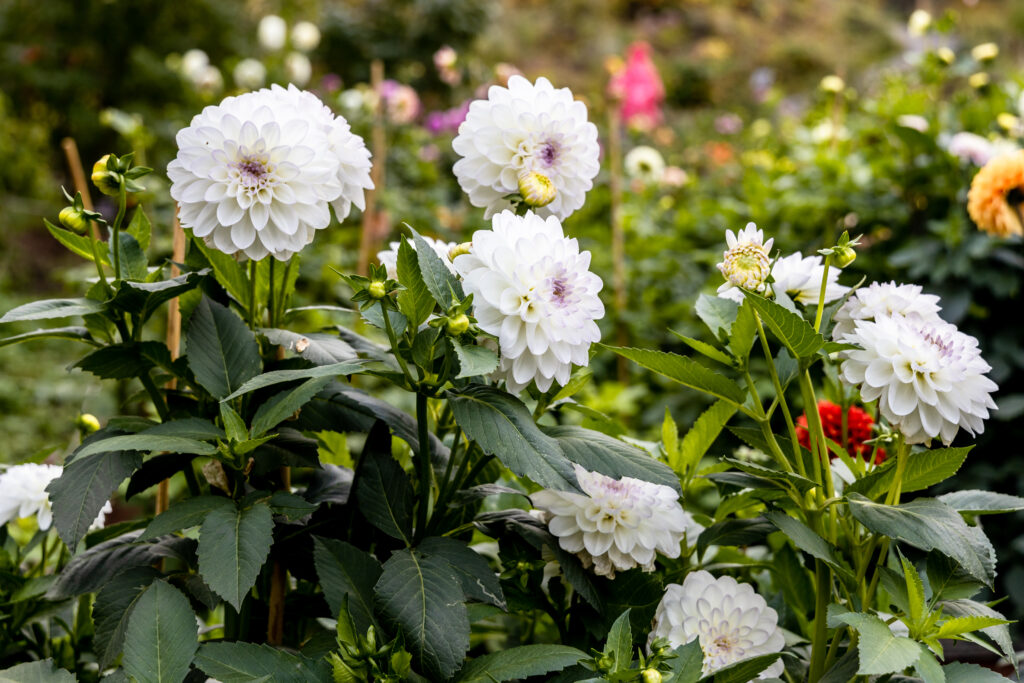
I use pots, borders, and cutting beds to fit dahlias into almost any sunny space. Good spacing, steady water, and smart plant partners help the flowers stand out.
Set Up Containers for Reliable Blooms
I grow dwarf dahlias in containers that are at least 12 inches wide and deep. Larger types need a pot 16 to 20 inches wide, with drainage holes at the bottom. A heavy pot helps prevent tall plants from tipping in wind.
I fill pots with fresh potting mix and mix in compost. I place the tuber 4 to 6 inches deep, then add a stake at planting time. Trying to push in a stake later can damage the tuber. Sneaky roots do not forgive much.
Quick Tip: I water when the top inch of soil feels dry. Pots dry out fast during hot, windy weather.
I place containers where they get at least six hours of sun. In very hot zones, afternoon shade can prevent leaf scorch. I feed plants every two to four weeks once they start growing, using a low-nitrogen flower fertilizer.
Create Colorful Borders and Companion Plantings
I use border dahlias near the front or middle of beds because they usually stay shorter than dinnerplate types. Raised beds work well too, since the soil warms quickly and drains well. I leave 18 to 24 inches between plants so air can move around the leaves.
I pair dahlias with zinnias for bold summer color. Alyssum makes a soft, low edge around the bed, while ornamental grasses add movement behind taller plants. A daisy can also fill open spots with simple white or yellow flowers.
Quick Tip: I keep dahlias away from crowded roses. Both need airflow to help limit mildew and leaf disease.
I place sunflowers at the back of a large border, but I do not let them shade dahlias. I choose colors with a plan: deep red dahlias look sharp beside pale alyssum, while orange blooms pair well with gold zinnias.
Use Dahlias as Long-Lasting Cut Flowers
I plant several dahlias in a cutting garden so I can pick flowers without leaving bare spots in my main border. I choose strong-stemmed varieties and plant them in rows for easy access. Staking keeps stems straight and clean.
I cut flowers early in the morning or late in the evening, when the stems hold the most water. I choose blooms that are fully open, since tight dahlia buds rarely open well in a vase.
Quick Tip: I cut stems long, remove leaves below the water line, and place them in cool water right away.
I change the vase water every two days and recut the stem ends. I pick flowers often, too. Regular cutting and deadheading tells the plant to keep making more blooms.
Overwinter Tubers and Plan for Next Season
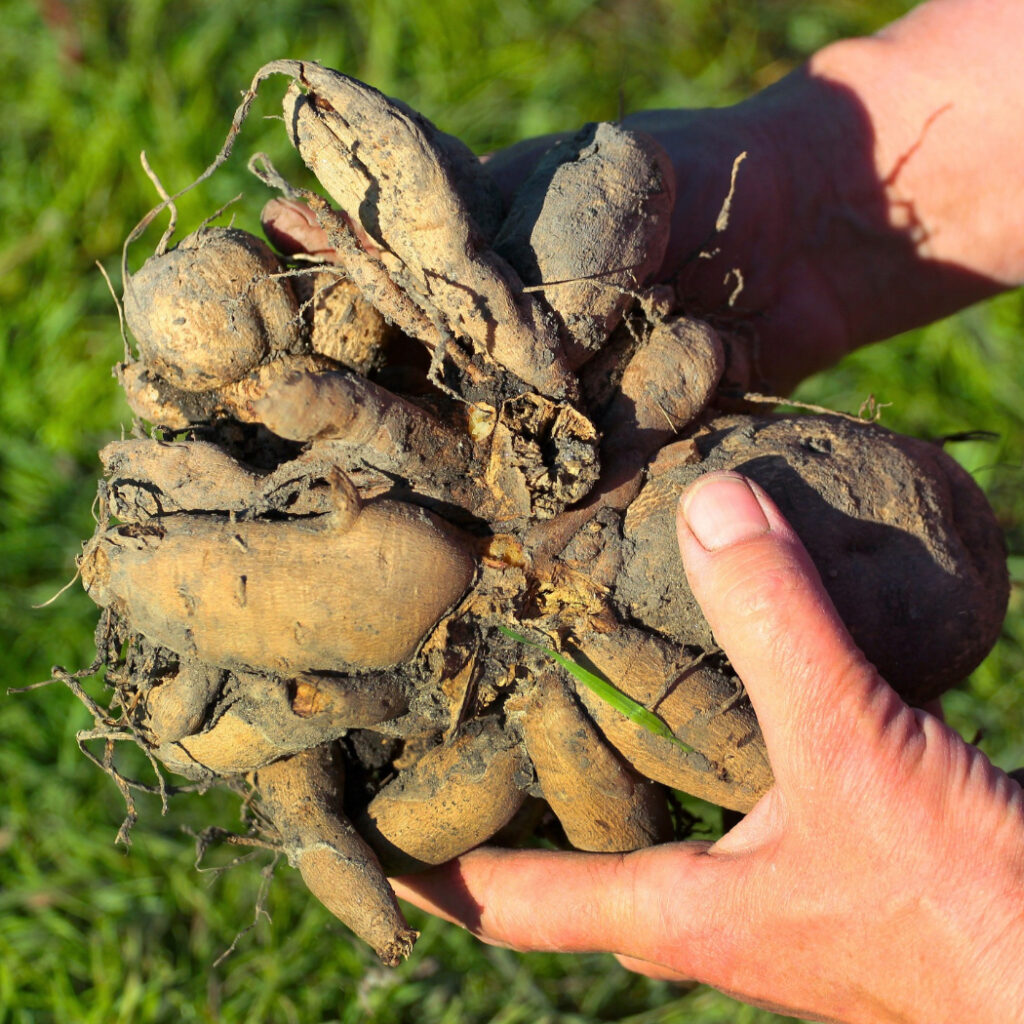
Dahlias are tender perennials from Mexico in the Asteraceae family, so winter care depends on your USDA hardiness zone. I protect dahlia tubers from hard freezes, check stored roots during winter, and choose divisions or seeds for new plants.
Decide Whether Tubers Can Stay in the Ground
I leave dahlia tubers in the ground only in USDA hardiness zones 8 through 10, where soil rarely freezes hard. Even then, I cut stems to 4 to 6 inches after frost blackens the leaves.
I cover the planting area with 3 to 4 inches of mulch, such as straw, shredded leaves, or pine needles. Keep mulch loose so rain can drain away. Wet winter soil can rot tubers faster than cool soil.
Quick Tip: I mark each clump with a sturdy label before winter. Bare garden beds look very different in spring.
In zones with wet, mild winters, I still lift tubers if the bed stays soggy. Dahlias need winter dryness as much as they need frost protection. Growers such as Longfield Gardens also advise lifting tubers where freezes are common or soil drainage is poor.
Lift, Cure, and Store Tubers in Cold Climates
I wait until the first frost kills the top growth, then cut stems to about 4 inches. After a few days, I dig at least 10 inches from the stem so I do not spear the tubers.
I shake off loose soil and rinse only if soil clings heavily. I let the clumps dry in a frost-free, airy spot for several days, until the outside feels dry but not shriveled.
Quick Tip: I never store tubers in a sealed plastic bag. They need a little airflow, or mold moves in.
I place cured tubers in a cardboard box or ventilated crate with barely damp vermiculite, peat moss, or wood shavings. Store them at 40 to 50°F in a dark place that does not freeze.
I inspect them once a month. If a tuber feels soft or smells sour, I remove it. If it looks wrinkled, I lightly mist the packing material.
Divide Tubers or Start New Plants From Seed
I divide dahlia tubers in late winter or early spring, when the eyes begin to swell. Each division needs a firm piece of crown tissue and at least one visible eye. A tuber without an eye will not grow a new stem.
I use a clean, sharp knife and let cut surfaces dry for a day before planting. I label each division right away, especially if I grow several varieties. Names vanish quickly once soil gets involved.
Quick Tip: I keep the largest, healthiest divisions and discard thin, damaged, or rotten pieces.
I start dahlia seeds indoors 6 to 8 weeks before my last frost date. Seeds make new plants, but they may not match the parent plant because the dahlia genus cross-pollinates easily.
I sow seeds about 1/4 inch deep in moist seed-starting mix and keep them warm with bright light. After frost danger passes, I harden seedlings off and plant them outside.
Frequently Asked Questions
I grow fuller dahlia plants by giving them sun, steady moisture, and the right pruning at the right time. Small changes, such as removing spent blooms, can keep flowers coming until frost.
How do I get more flowers on my dahlias?
I plant dahlias where they get at least 6 to 8 hours of direct sun. In very hot climates, light afternoon shade can prevent scorched leaves and faded flowers.
I pinch young plants when they reach about 12 to 16 inches tall and have three or four pairs of leaves. This encourages side stems, which means more places for buds to form.
Quick Tip: I cut spent flowers back to the next set of leaves as soon as petals look brown, limp, or papery.
How often should I water dahlias?
I check the soil every few days and water when the top inch feels dry. Dahlias usually need about 1 inch of water per week, but hot, dry, or windy weather may call for more.
I water deeply at the soil line so moisture reaches the tubers and deep roots. Wet leaves can invite mildew, especially during cool, humid weather.
Quick Tip: I water early in the morning so damp soil has time to settle before the heat builds.
What is the best fertilizer for healthy dahlia blooms?
I use a low-nitrogen fertilizer with more phosphorus and potassium, such as a 5-10-10 or 5-10-5 blend. Too much nitrogen makes big green plants with fewer flowers. A classic dahlia trick, but not the fun kind.
I apply fertilizer after plants establish and then about every three to four weeks through midsummer. I stop feeding in late summer so the plants can focus on blooming and forming strong tubers.
Quick Tip: I keep fertilizer a few inches away from stems and water it in well.
When should I pinch and deadhead dahlias?
I pinch most dahlia varieties once when the main stem reaches 12 to 16 inches tall. I cut just above a set of leaves, leaving at least two or three leaf pairs below the cut.
I deadhead throughout the growing season, removing faded blooms before they form seeds. A spent flower often feels dry and pointed, while a new bud looks round and firm.
Quick Tip: I use clean snips and cut the whole flower stem back to a leaf joint, not just the flower head.
What are the most common mistakes when growing dahlias?
I avoid planting tubers in cold, soggy soil because they can rot before they sprout. I wait until frost danger has passed and soil feels warmer, usually around 60°F.
I also avoid crowding plants, overfeeding with nitrogen, and skipping support. Tall stems can snap in summer storms, so I place stakes at planting time rather than wrestling with a full-grown plant later.
Quick Tip: I give most dahlias 18 to 24 inches of space for better airflow and easier harvesting.
What does Epsom salt do for dahlias?
Epsom salt adds magnesium and sulfur to the soil, but dahlias benefit only when the soil lacks magnesium. It isn’t a general flower booster, and it won’t fix poor sunlight, weak soil, or uneven watering.
I use it only after a soil test shows a magnesium shortage or when a local extension office recommends it. Too much can throw the soil’s nutrients out of balance.
Quick Tip: I skip Epsom salt unless I have a clear reason to use it.