
Asters seem pretty tough, but honestly, they can fall apart fast if something goes off. Yellow leaves, sad-looking blooms, chewed petals—I’ve seen all of it in my own beds, and usually, the cause is pretty clear once you know what to look for.
You can fix most common aster problems by catching stress early, tweaking water or sunlight, and handling pests or disease before things spiral. Once you get a feel for the warning signs, you can stop tiny annoyances from turning into a full-blown disaster. I’ll share what I look for, how I tackle diseases and bugs, and the little adjustments that keep my asters thriving.
Quick Tip: If the top inch of soil feels dry and leaves droop during the heat, water deep at the base and double-check drainage—asters hate soggy roots just as much as bone-dry soil.
Recognizing Early Signs of Aster Stress
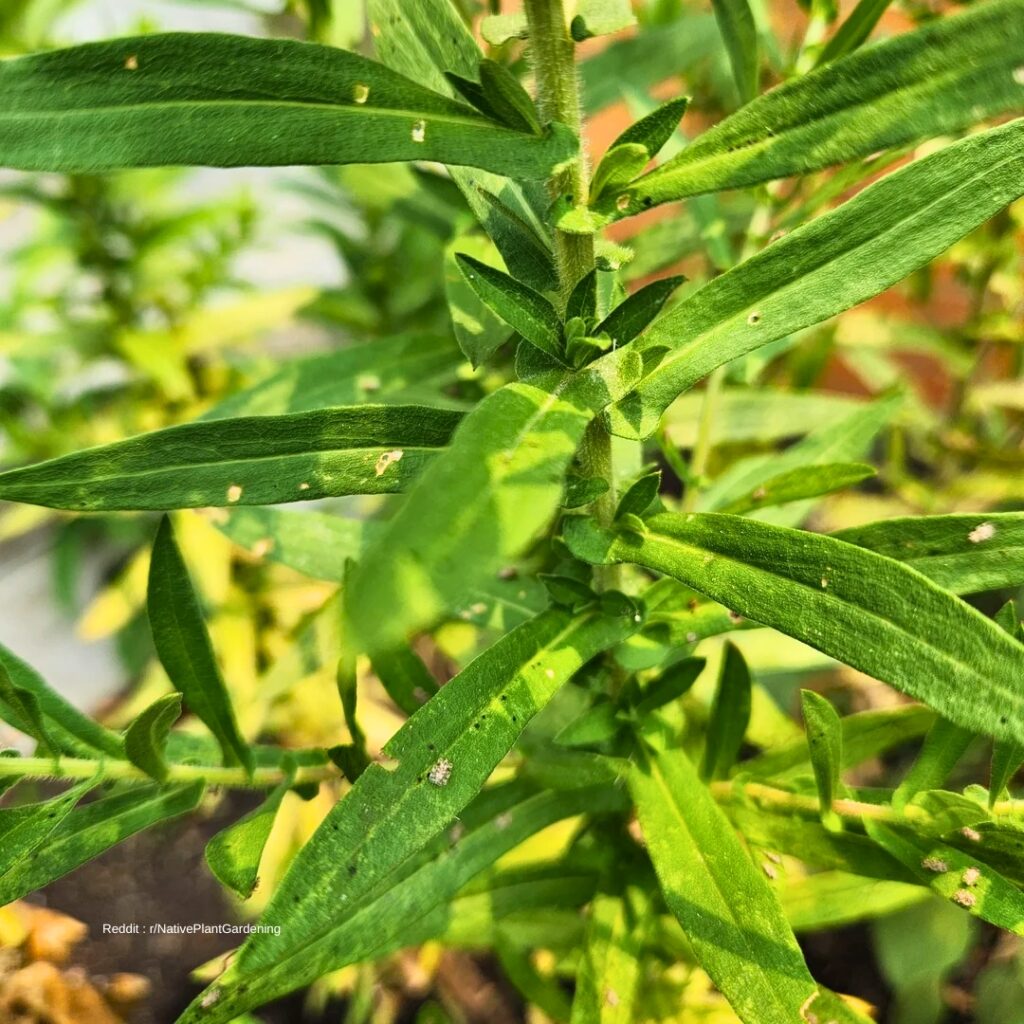
Asters don’t hide stress for long. If you watch closely, changes in leaf color, texture, or the way they grow can tell you a lot before things get out of hand.
Yellowing and Wilting Leaves That Signal Water or Root Trouble
Yellow leaves are usually my first clue something’s up. Lower leaves go pale, then yellow, and might drop off. If the soil feels soggy and smells a bit funky, I immediately suspect overwatering or root rot.
Wilt can look a few different ways. Dry soil makes leaves limp and dull, but they bounce back after a good soak. If the soil’s moist but the plant still droops, I start worrying about fungal wilt sneaking in.
When it’s hot, asters sometimes wilt in the afternoon but perk up by evening. If they don’t recover, that’s a red flag for deeper issues.
Quick Tip: I poke my finger about an inch down. If it’s wet and leaves are drooping, I back off watering and make sure the drainage’s not blocked.
White Coating and Powdery Symptoms That Spread Fast in Humid Weather
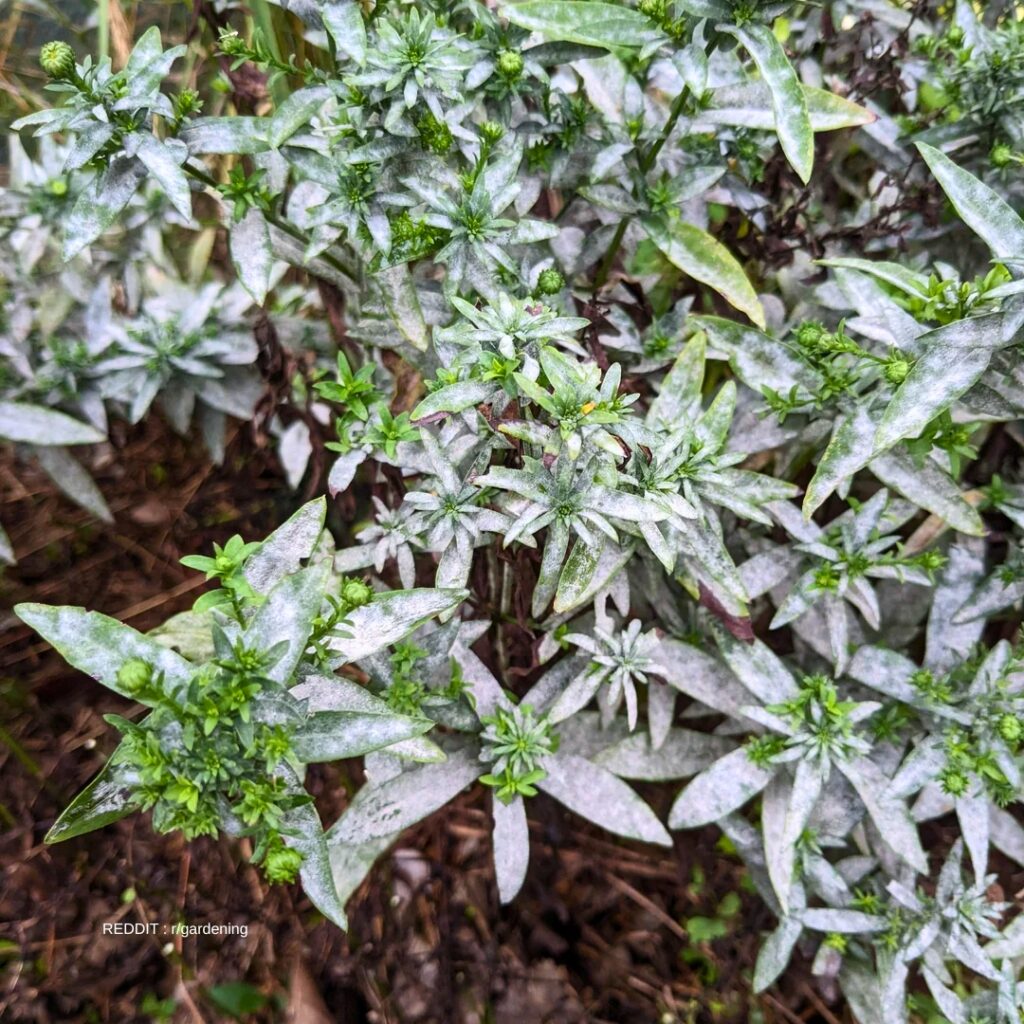
That white or gray powder on leaves? Almost always powdery mildew. It starts low and creeps up, looking like someone dusted the plant with flour.
Humidity and bad airflow make mildew go wild. Crowded plants and muggy days are a recipe for trouble. Leaves might curl, yellow, and dry out as it spreads.
I snip off affected leaves early and thin out stems nearby to let air move. Always water at the base—wet leaves just invite more fungus.
Quick Tip: Even a tiny white patch gets my attention. The sooner you act, the easier it is to stop mildew from taking over.
Spots, Blights, and Discoloration Patterns That Point to Leaf Diseases
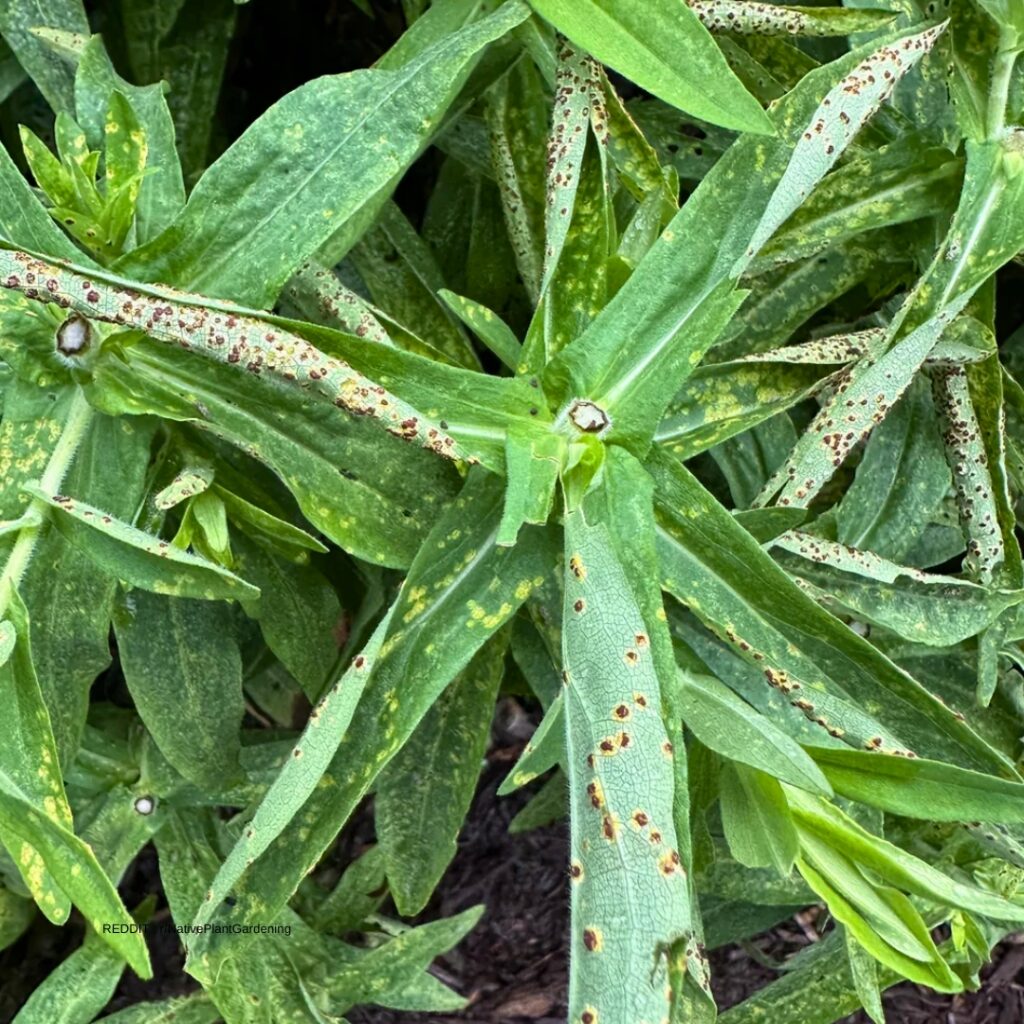
Leaf spots show up as little brown, black, or tan circles—sometimes with yellow halos. They can merge and make big blotches.
After rain, random spots usually mean fungal leaf spots. If you see dark patches killing off big sections, blight might be the problem.
Wet leaves and overhead watering just make this worse. During cool, damp stretches, these diseases spread fast. I cut off spotted leaves and avoid splashing water on healthy ones.
Quick Tip: Prune away infected leaves right away. Clean your shears, too—no sense spreading problems around.
Leaf Deformation and Growth Stunting That Suggest Pests or Systemic Issues
Twisted or narrow leaves always catch my eye. Healthy asters should have upright, full leaves. When new growth looks weird or stunted, something’s stressing the plant.
Aphids, those sap-sucking pests, can make leaves pucker and leave sticky gunk behind. Sometimes, viral or systemic diseases mess with growth and drain flower color.
I check under the leaves for bugs. If new growth suddenly looks off, I know it’s time to dig deeper.
Quick Tip: If growth stays stunted after fixing water and pest issues, I usually pull the plant to keep things from spreading.
Common Aster Diseases and Management
Asters get hit by a handful of diseases that can ruin blooms and weaken plants in no time. I stay ahead by watching for early symptoms, watering smart, and keeping things clean around the garden.
Powdery Mildew and Its Control Options for Cleaner, Healthier Leaves
Powdery mildew is easy to spot—white or gray powder on leaves and stems, usually in late summer when it’s warm by day and cool at night. Humidity makes it worse, even if the soil’s dry.
Leaves might curl, yellow, and drop early, and flowers can look off. The plant might survive, but it’ll look scraggly.
I always space my asters for good airflow and stick to watering at the base. If mildew gets ahead of me, I use a fungicide made for powdery mildew and follow the directions closely.
Quick Tip: If you see white dust on just a few leaves, pull them off and toss them in the trash—not the compost pile.
Dry climates have less mildew. In damp areas, I keep an eye out from midsummer on.
Root Rot and Fusarium Wilt: Prevention and Treatment That Protect Roots
Root rot starts in soggy soil, and fusarium wilt is a nasty fungus that blocks water inside the plant. Both can wipe out asters fast.
When leaves wilt but the soil’s still wet, I check the roots. Rotting roots look brown and mushy, sometimes with a bad smell. Fusarium wilt often yellows one side of the plant first, and stems can show brown streaks inside.
I plant asters in well-drained soil and avoid heavy clay unless I fix it up with compost or sand. I never let pots sit in water trays.
If I spot root rot or fusarium wilt, I pull the plant and check the roots. Infected plants go straight to the trash. Fungicide might help root rot early, but fusarium wilt is usually game over.
Quick Tip: If the top inch of soil stays wet for days, fix the drainage before planting again.
Once roots are gone, there’s not much hope. Good drainage is everything for asters.
Aster Yellows and Its Transmission by Leafhoppers and Phytoplasma
Aster yellows looks bizarre—flowers turn weirdly green or leaf-like, and new growth is thin and pale.
Leafhoppers spread this disease by feeding on sap. Once a plant’s infected, it’s done for.
I yank out and trash infected plants right away. I also keep weeds down and use row covers early in the season if leafhoppers are a big problem here.
Quick Tip: If flowers look green and twisted, pull the plant immediately.
Leafhoppers are more active in warmer spots. Keeping beds tidy helps cut down the risk.
Rust, Botrytis Blight, and Leaf Spots That Damage Foliage and Blooms
Rust shows up as orange or brown bumps under leaves. Leaf spots look like dark circles with yellow edges. Botrytis blight brings gray mold on flowers, especially during cool, wet stretches.
I remove any moldy or spotted leaves as soon as I see them. Fallen debris gets cleaned up in fall since fungi love to overwinter there. Spacing and sun help keep leaves dry.
If things get bad during wet weather, I use a fungicide labeled for rust, botrytis, or leaf spots, and I stick to the label’s timing.
Quick Tip: After rain, I check the lower leaves first—rust and spots usually show up there.
Dry leaves are always healthier. I water in the morning so plants dry out before nightfall.
Pest Challenges Impacting Asters
A few common bugs can knock asters down fast. I watch for sap-suckers, disease-carrying leafhoppers, and big colonies hiding under leaves. Catching problems early keeps blooms coming and stops pests from spreading through the whole bed.
Leafhoppers and the Spread of Disease: Why Fast Action Matters
Leafhoppers look tiny and harmless, but they’re trouble. They jump when I touch the plant and feed on sap, spreading aster yellows—the disease that twists growth and turns blooms green.
There’s no fix once aster yellows hits. I pull the plant and toss it in the trash, not the compost. That way, leafhoppers can’t pass the disease to others.
Pale leaves, stunted stems, and weird flowers are all warning signs. Hot, dry weather seems to bring more leafhoppers, especially in late summer.
Quick Tip: If I spot yellowing and deformed blooms, I pull the plant fast and keep an eye on the rest for a couple weeks.
To keep leafhoppers down, I use row covers early and keep weeds short—leafhoppers love hiding in tall grass and wild plants.
Aphids, Lacewings, and Other Insect Threats: Spotting the Signs Early
Aphids cluster on soft stems and hide under leaves. Usually, I notice sticky honeydew before I see the bugs themselves. Leaves might curl or feel sticky.
Spider mites and thrips also attack asters, especially when it’s hot and dry. Mites leave webbing and pale speckles; thrips scar petals and streak the blooms.
I start with a strong blast of water to knock aphids off. If they stick around, I use insecticidal soap or horticultural oil, making sure to coat the leaf undersides. Early morning is best for spraying—never in the heat.
Quick Tip: I flip leaves over every few days in summer. If I see clusters or webbing, I deal with it right away.
Lady beetles and lacewings often show up when aphids do. I skip broad sprays that might hurt these good bugs.
Cultural Controls for Pest Reduction: Simple Habits That Prevent Big Problems
Most pest outbreaks start with poor habits. I always space asters so air can move between them. Crowded plants trap moisture and draw bugs.
I water at the base, not over the leaves. Wet foliage just invites trouble. If the top inch of soil is dry, I water deep, then let it dry again before the next round.
Plant debris comes out in fall. Dead stems can hide bugs over winter, especially where winters are cold. In warmer places, pests stick around longer, so I stay on guard all year.
Quick Tip: I clean up dropped leaves and cut back weak growth. Fewer hiding spots mean fewer pests next year.
Healthy plants fight off bugs better. I avoid overdoing nitrogen—soft, lush growth is an aphid magnet.
Introducing Beneficial Insects: Let Nature Help With Pest Control
I count on beneficial insects to keep pest numbers down. Lady beetles, lacewings, and parasitic wasps all eat aphids and other soft-bodied bugs.
To bring them in, I plant flowering herbs like dill and alyssum nearby. These give nectar and shelter. I also skip chemicals that might kill the good guys.
If pests get out of hand, I’ll buy lacewing larvae and let them loose in the evening. They get right to work on aphids.
Quick Tip: I release beneficial insects at dusk after a light watering, so they’re more likely to stick around.
Mixing natural predators with good habits means fewer pest problems and stronger aster blooms.
Environmental and Cultural Factors Affecting Health
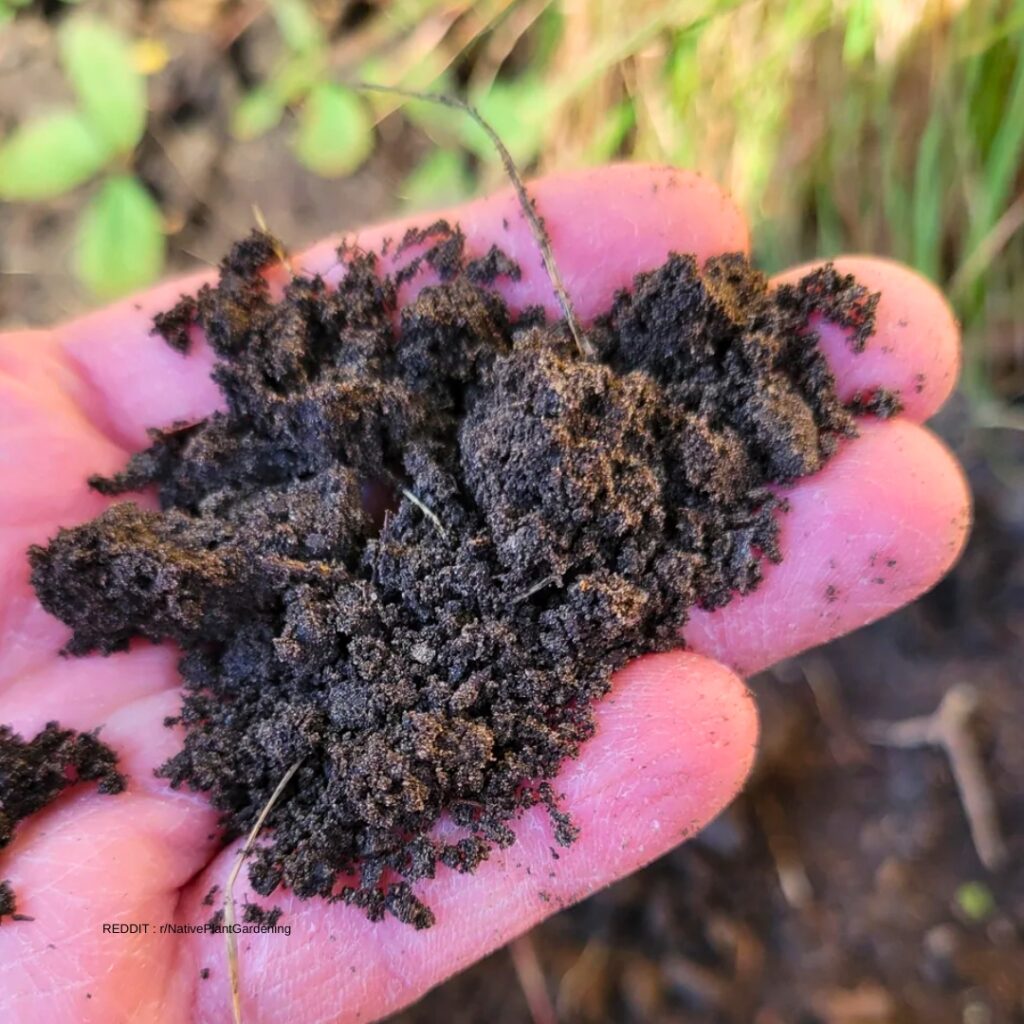
Asters really need the right soil, steady moisture, and enough sun and air. When I get these basics right, most common headaches never even show up.
Soil Quality and Drainage Requirements That Keep Roots Strong and Rot-Free
I always start with well-draining soil. Asters hate soggy roots, and if water lingers, you’ll usually end up with rot or stunted growth.
If puddles stick around after rain, that’s a red flag for slow drainage. Heavy clay just suffocates roots, while sandy soil drains too fast and dries out before you know it.
I like to work compost into garden beds to loosen things up and help hold just enough moisture. For pots, I use a good potting mix—never plain garden dirt. Drainage holes are a must.
Quick Tip: After you water, poke your finger in the soil the next day. Soggy and sour-smelling? Time to fix the drainage, no excuses.
Some aster varieties tolerate heavier soil a little better, but honestly, none of them will put up with standing water. Good soil is where healthy asters begin—there’s no shortcut.
Effects of Watering and Humidity on Leaf Health and Disease Risk
I water asters deeply but not too often. If you just sprinkle the top every day, you’ll end up with shallow roots and weak plants.
I always check the top inch of soil with my finger—if it’s dry, I water at the base. I avoid soaking leaves because wet foliage is just asking for mildew or fungus.
Hot, sticky weather ramps up disease risk, especially where summers drag on. In dry climates, I’ll water more often, but I still let the surface dry out a bit between sessions.
Quick Tip: Water in the morning. Sunlight dries off leaves faster, which keeps disease at bay.
Light, Spacing, and Airflow Concerns That Prevent Weak Growth and Mildew
I always plant asters where they’ll get at least six hours of sun. Shade makes stems stretch and flop, and you’ll see fewer blooms.
Most varieties want full sun, though a few can handle a little shade. Still, you’ll get better flowers in bright spots.
Spacing is just as important as light. Crowded plants trap moisture and block airflow, making powdery mildew a real headache.
I space asters for their full-grown width, not how they look in the nursery pot. I also thin out dense growth in early summer—it’s worth the effort.
Quick Tip: If leaves stay wet long after rain, trim back nearby plants or move pots to increase airflow.
Fresh air keeps foliage dry and tough. Simple spacing and pruning really do make a difference for healthy asters.
Best Practices for Prevention and Recovery
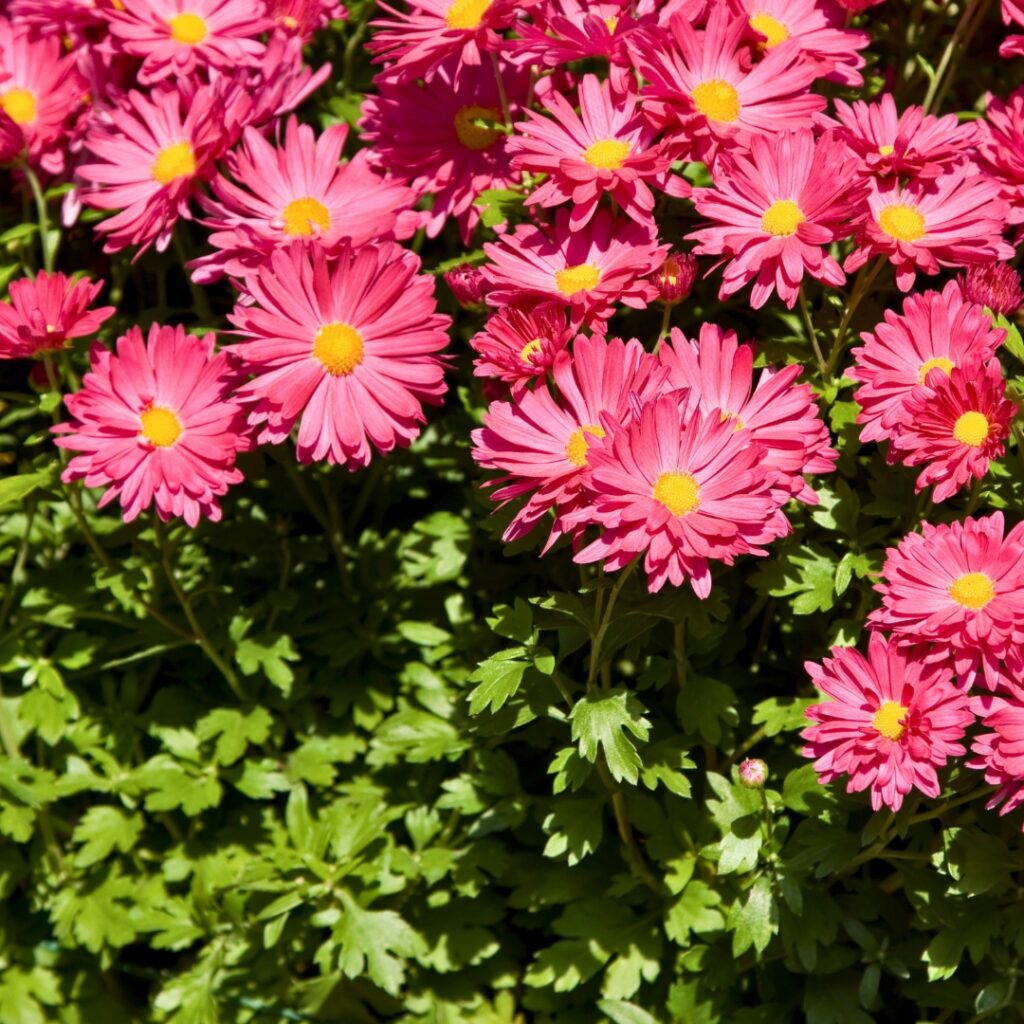
I stick with sturdy plants, steady care, and clean habits to avoid most aster problems. If issues pop up, I act fast and use the basics before thinking about sprays.
Selecting Disease-Resistant Varieties That Start Strong and Stay Healthier
I hunt for disease-resistant aster varieties. Newer types often resist powdery mildew and rust, which are big problems in humid places. I always check for “mildew-resistant” or “improved strain” on plant tags or nursery notes.
If I’m gardening in a wet climate or an area with muggy summers, I skip old-fashioned asters that struggle with mildew. Even in dry spots, I pick tough plants—stress invites disease anywhere.
I give each plant 12–18 inches of space, depending on type. Good airflow keeps leaves dry and cuts down on fungus.
Quick Tip: When I’m buying, I inspect leaves closely. Any yellow spots, white powder, or wilt? I pass on those.
Monitoring and Maintenance Routines That Catch Problems Early
I check my asters every week. I flip leaves to look for spots, sticky stuff, or white coatings—early signs are easier to handle.
If the top inch of soil is dry, I water at the base. I skip overhead watering, especially at night, because damp leaves invite fungus.
I cut off yellow or spotted leaves right away. It slows down disease. I also thin crowded stems to keep air moving.
If mildew shows up early, I’ll use a fungicide made for asters, and I always spray in the morning when there’s no wind.
Quick Tip: I wipe my pruners with alcohol after trimming anything diseased. It’s a small habit that pays off.
Seasonal Sanitation and Cleanup to Stop Disease Before It Spreads
When the season ends, I cut asters down to a few inches above the soil. I clear out all the fallen leaves and stems.
Fungal spores love to hide in old plant debris. Leave it there, and you’ll fight the same problems next spring.
I never compost anything heavily infected. I bag and toss it to keep the garden cleaner next year.
In spring, I put down fresh mulch but keep it a few inches from stems. That helps prevent rot at the base.
Quick Tip: After cleanup, I rake the soil lightly to catch any leftover debris before mulching.
When to Remove or Replace Plants That Keep Getting Sick
Some plants just can’t bounce back, no matter what. If an aster keeps wilting, turns black at the stems, or has leaf spots everywhere, I pull it up—roots and all.
I’m careful not to shake soil onto nearby plants. If a disease looks nasty, I destroy the whole plant instead of composting.
If that spot keeps having trouble, I rotate and plant something unrelated for a year or two. Crop rotation really helps.
Quick Tip: If over half the plant looks rough, I replace it. One sick plant isn’t worth risking the whole bed.
Companion Planting and Landscape Considerations
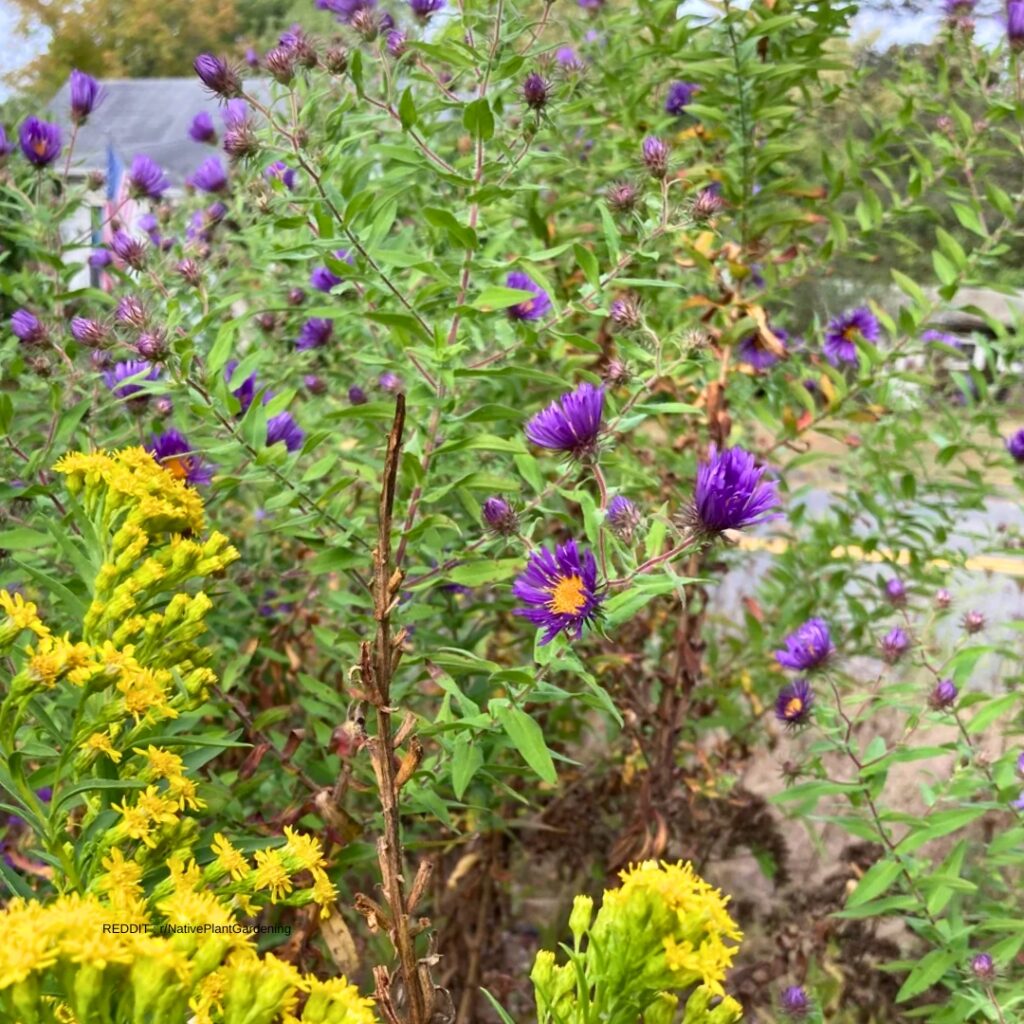
When I plan aster beds, I think about airflow, sun, and bloom timing. The right neighbors help avoid mildew, flopping stems, and root competition.
Choosing the Right Neighbors for Asters to Reduce Disease and Improve Bloom
I plant asters where they’ll get full sun and steady air movement. Tight spacing just creates a mildew mess.
They do best with companions that like similar soil—well-drained and not too rich. Ornamental grasses, coneflowers, and sedum fit right in. Their sturdy stems also hide aster leaves that might yellow late in the season.
- Give 12–18 inches of space between most aster varieties.
- Skip heavy feeders that hog root space.
- Keep tall plants to the north so asters soak up all the sun.
Quick Tip: If leaves stay wet after rain, thin out nearby plants. In humid zones, this simple step cuts down on fungus fast.
I steer clear of aggressive spreaders like mint—they suck up water and stress asters, leading to weak blooms and more pests.
Companion Impact: Black-Eyed Susans and Others That Support Healthy Growth
I love planting black-eyed susans near asters. They flower together and like the same sun and soil. Plus, their yellow blooms make purple and pink asters pop.
Both attract bees and butterflies, which helps pollinate everything nearby and keeps the bed lively.
- Black-eyed susans shrug off heat and short dry spells.
- Asters prefer steady moisture, especially when it’s hot.
- In colder areas, I use a light mulch to protect shallow roots.
Quick Tip: If the soil’s dry an inch down, water deeply at the base. Wet leaves just invite mildew on both plants.
Sometimes I’ll add coreopsis or salvia for longer color. I don’t bother with shade lovers or anything that likes wet feet—those just cause problems for asters.
Frequently Asked Questions
I get a lot of questions about asters—brown leaves, yellowing, wilting, and winter dieback come up all the time. Most of these issues have a clear cause, and a few tweaks usually fix things.
Why are my asters turning brown, and what can I do to stop it before the whole plant suffers?
Brown leaves usually mean the plant’s thirsty, it’s too hot, or there’s a fungus in play. I always check the soil first—if it’s dry and dusty, I water deeply at the base.
If leaves look spotted or crispy after rain, fungus is likely. I trim off the worst stems and open up crowded spots for better airflow.
Hot afternoon sun can scorch leaves, especially in warmer areas. In really hot spots, I give them a break from direct sun after 2 p.m.
Quick Tip: Water early and keep water off the leaves to avoid brown spots.
How can I tell if my asters have blight, and how do I treat it before it spreads?
Blight usually starts as dark spots on the lower leaves. The spots spread, leaves yellow, and then drop off.
I cut off infected leaves right away and never compost them. I always clean my pruners with rubbing alcohol after.
Wet, humid spells make blight worse. I space plants for air flow and avoid watering from above.
Quick Tip: If rain drags on for days, I keep an eye out and remove spotted leaves as soon as I see them.
What are the signs of aster yellows, and should I remove infected plants to protect others?
Aster yellows makes leaves turn pale and weirdly twisted, and flowers stay green or look deformed. Leafhoppers spread it, and there’s no cure.
Once I spot the signs, I pull the plant right away. It’s tough, but it saves the rest of the garden.
Quick Tip: If flowers are green and misshapen instead of bright, I yank the plant fast.
How do I revive an aster plant that’s wilting or struggling in the heat?
Wilting usually means the plant’s thirsty. I stick my finger in the soil—if it’s dry an inch down, I water slow and deep.
If the soil’s soggy and smells bad, roots are stressed from too much water. I let things dry out before watering again.
Crowded roots can also cause problems. If the plant’s outgrown its spot, I divide it in early spring or fall.
Quick Tip: Water deeply once or twice a week instead of giving it a daily sprinkle.
Do asters die back in winter, and how should I care for them over cold months in different zones?
Most perennial asters die back after frost. Leaves turn brown and dry as winter settles in.
In colder zones, I leave a few inches of stem and add a light mulch after the ground freezes to protect roots. In milder spots, asters may stay partly green, but I still trim dead growth in late winter for a fresh start.
Quick Tip: I wait for early spring to cut plants down all the way—unless disease forces me to act sooner.
How and when should I deadhead asters to keep them blooming longer into fall?
I usually cut off faded flowers just above a set of healthy leaves. That keeps asters looking tidy and actually encourages more blooms.
As soon as I spot the first flowers fading, I grab my scissors. During peak bloom, I end up checking every few days—sometimes I miss a few, but that’s fine.
If you want seeds for birds or to try growing new plants next year, just leave some flowers alone in late fall. The birds always seem to appreciate it.
Quick Tip: I stick with clean, sharp scissors and snip off spent blooms before they get brown and papery. It makes the job easier and keeps the plant healthier.