
Orchids are stunning, aren’t they? Maybe you’ve wondered if you can plant orchids in the ground. While most people think orchids should stay in pots, some types can actually thrive in the soil. 🌿
I once tried planting one in my backyard, and it was a game-changer! The key is to know which kinds of orchids can handle it and how to prep the ground properly. Curious to learn more?
Drop a comment if you’ve ever tried this or want to give it a go! Let’s share our orchid adventures and make our gardens bloom together! 🌸🌞
Understanding Orchids
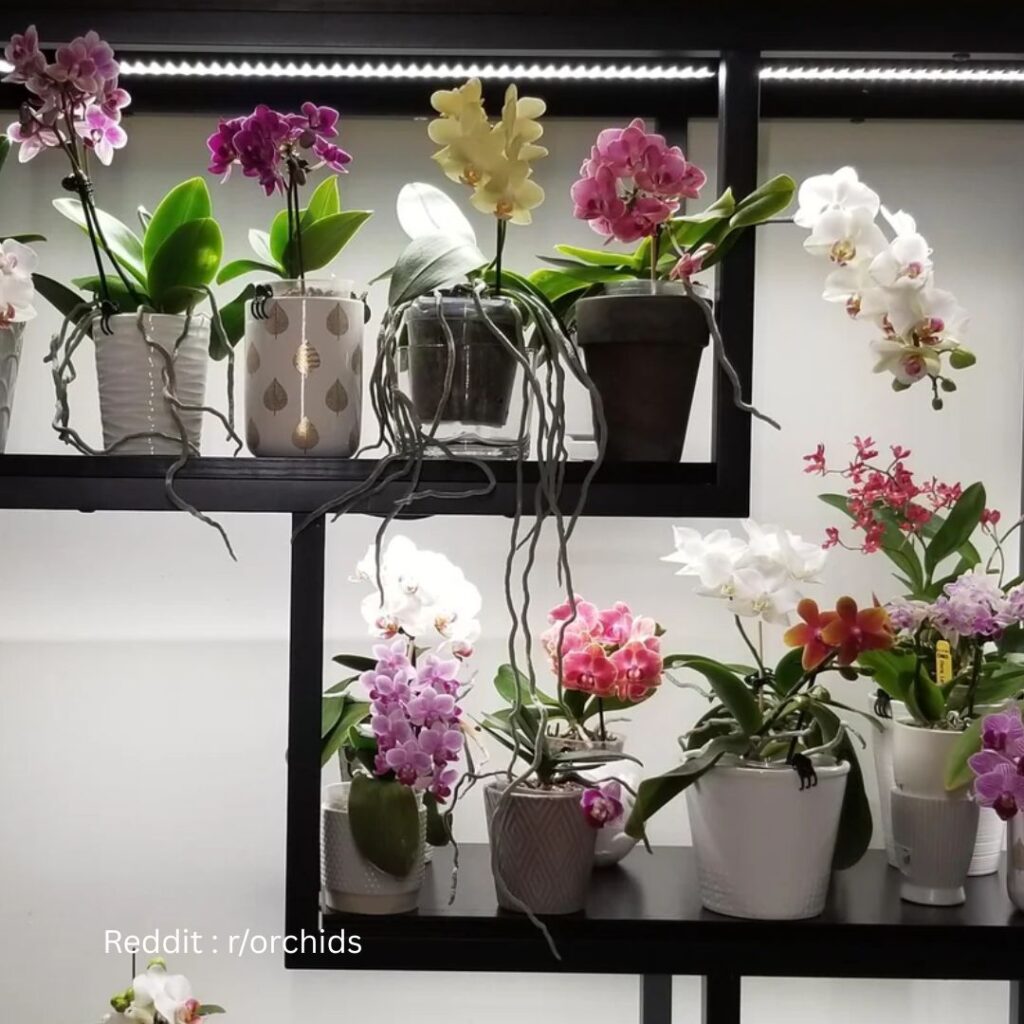
Orchids are unique and beautiful flowers with a wide variety of species. They grow in different habitats and have interesting characteristics that set them apart from other plants. Let’s dive into some key points.
Orchid Varieties and Characteristics
There are over 25,000 species of orchids. Some popular varieties include Phalaenopsis, Cattleya, and Dendrobium. Each type has its own unique look and growing needs.
Phalaenopsis, often called the moth orchid, is known for its wide, flat petals. Cattleyas, or corsage orchids, have large, fragrant flowers. Dendrobiums have long-lasting blooms and can tolerate cooler temperatures.
Orchids have special roots called aerial roots. These roots can absorb moisture from the air. They also have a special relationship with fungi, which helps them get nutrients.
Natural Habitats of Orchids
Orchids can be found in a variety of natural habitats. Most orchids are epiphytic, meaning they grow on trees. They get their nutrients from the rain and the air, not the soil. 🌳
Some orchids grow in the ground and are called terrestrial orchids. They can be found in grasslands, forests, and even deserts. Cymbidium orchids, for example, prefer cooler climates and are often found in mountainous regions.
Orchids need specific conditions to thrive. They usually prefer high humidity, good air circulation, and indirect sunlight. 🌞
How cool is that? Do you have a favorite type of orchid? 🌸 Feel free to drop your comments below!
Pre-Planting Considerations
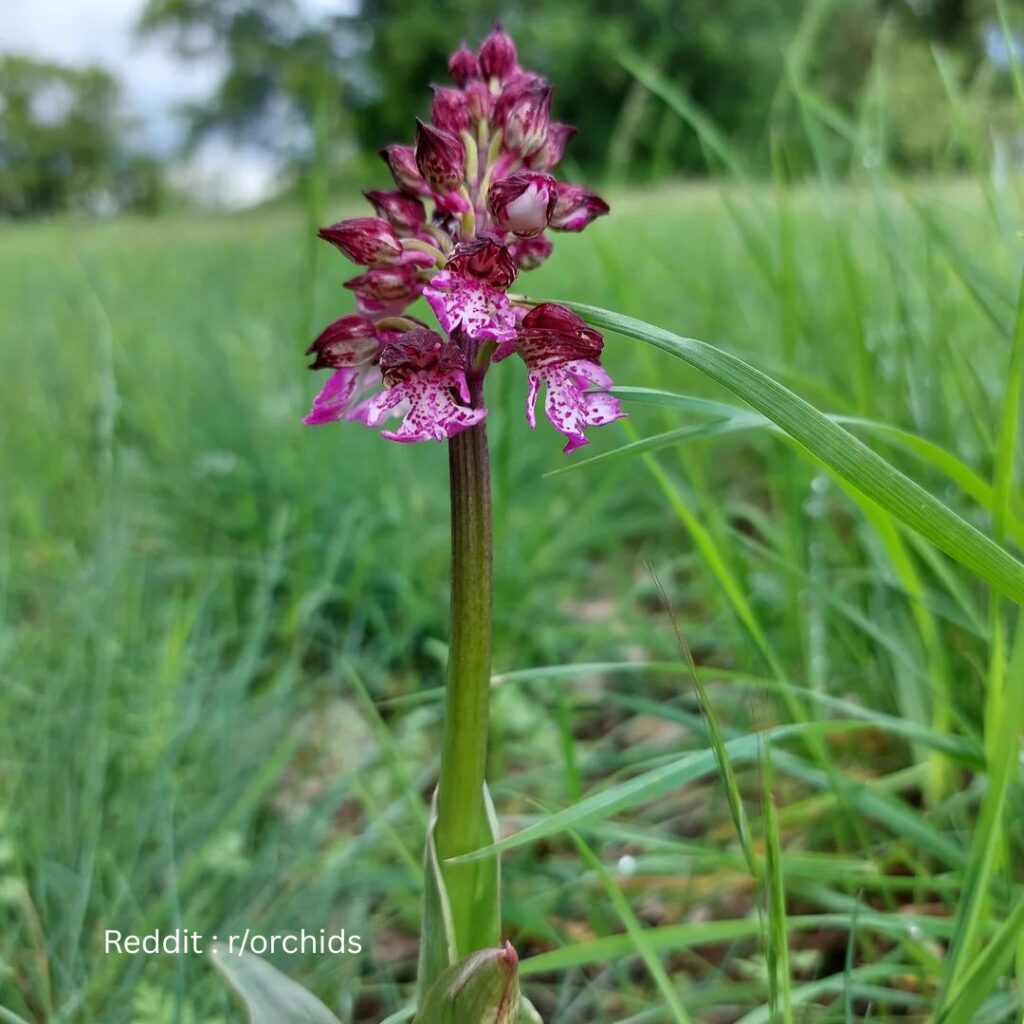
Thinking about planting orchids directly in the ground? Let’s talk about some important factors!
Climate Compatibility
First, check if your local climate is right for orchids. Orchids love warmth and humidity. They thrive in places where temperatures stay above 60°F (15°C) most of the year. 🌞 Too cold? They won’t last.
If you’re in a cooler zone, think about planting them near structures or under trees for protection. Sometimes, adding a greenhouse is necessary. Anyone else love a cozy greenhouse? 🌿 Don’t forget, too much direct sun isn’t good. Partial shade works best.
Soil Preparation
Next up is soil. Orchids are picky. They prefer loose, well-drained soil. Regular garden soil is a big no-no. Trust me, it’s like trying to grow a cactus in a swamp.
Start with a mix of bark, perlite, and sphagnum moss. This provides the perfect drainage and nutrient balance. Adding organic matter? Awesome idea! Helps retain moisture while staying airy. Keep the pH around 5.5 to 6.5 for best results. Strange but true: too much water is worse than none at all.
Choosing the Right Orchids for Ground Planting
Finally, let’s pick the right orchid species. Not all orchids are ground-lovers. Some, like Cattleya and Phalaenopsis, prefer pots. 🌸 A few good choices for the ground include Bletilla, Habenaria, and Spathoglottis.
Look for orchids labeled as “terrestrial”. These are naturally adapted to soil conditions. 🏞️ Anyone have lucky stories with ground orchids? It makes a difference!
Remember to space them properly. Crowded plants struggle to thrive. About 12 inches apart should do the trick.
Ready to plant orchids in your garden? Share your thoughts and don’t forget to ask questions in the comments! 🌼✨
Planting Process
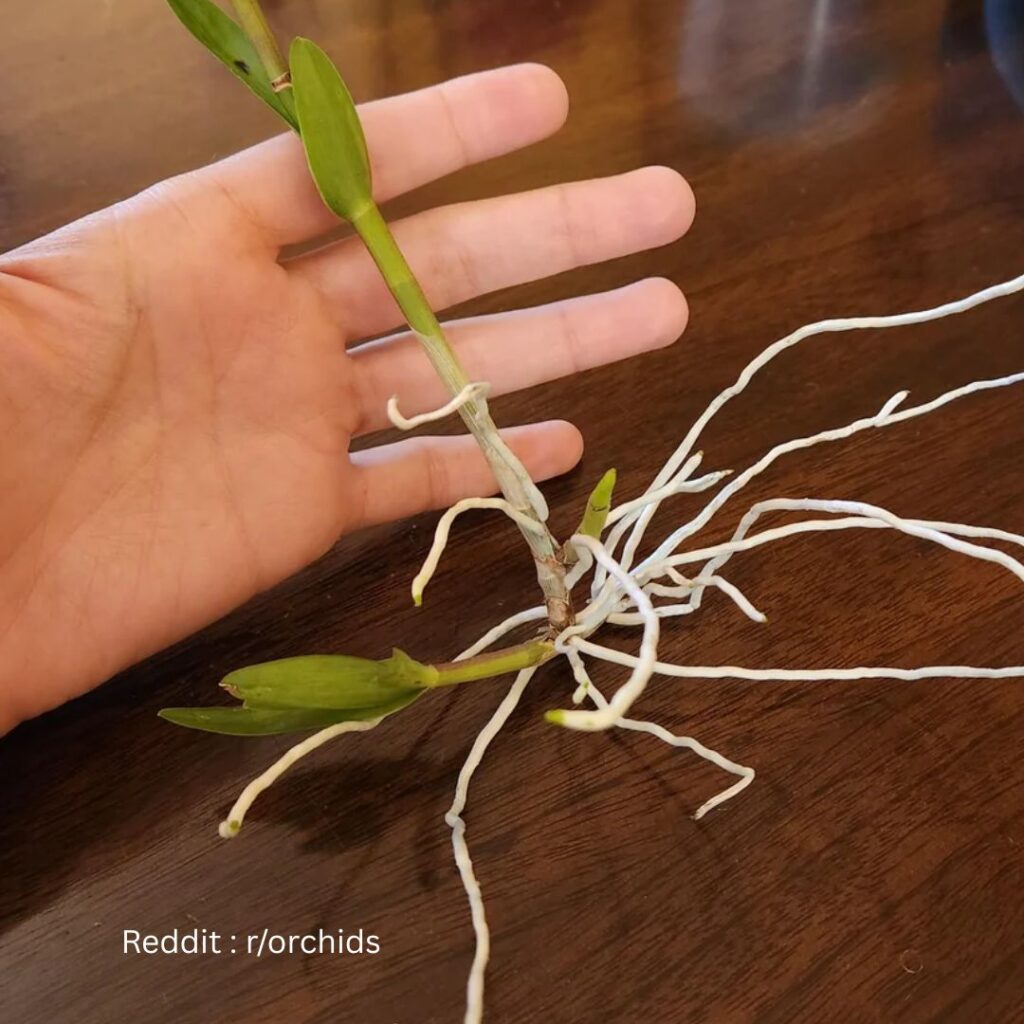
Yo! Ready to get those orchids into the ground? 🌸 Start by picking the best time to plant and follow the easy steps below. Let’s get those beautiful blooms growing!
Timing for Planting
The right time to plant orchids is super important. I found that late spring or early summer is best. The weather is warm, but not too hot. Avoid planting during the rainy season to keep the roots healthy and happy. 🌞
Remember, orchids need a stable environment. If it’s too cold, they might not grow well. Keep that in mind when deciding when to plant. Timing is key! ⏰
Step-by-Step Ground Planting Guide
Choose a Spot: Find a shady spot in your garden. Orchids love filtered sunlight. Think dappled shade under a tree.
Prepare the Soil: Use well-draining soil. Mix in some orchid bark for better drainage. Orchids hate wet feet! 🦶
Dig a Hole: Make a hole that’s big enough for the orchid’s roots. It should be wide and shallow, just like how you’d plant a flower bulb.
Place the Orchid: Gently place the orchid in the hole. Spread the roots out, but don’t pack them too tight. Let them breathe! 🌱
Fill the Hole: Cover the roots with soil, leaving the base of the plant exposed. Don’t bury it too deep. Orchids like to sit on top of the soil a bit.
Water: Water the orchid lightly right after planting. Keep the soil moist, but not soggy. Orchids prefer to dry out a bit between waterings.
Are you excited to see your orchids bloom? I sure am! Share your planting experiences in the comments. Happy planting! 🌸💬
Post-Planting Care

After planting your orchids in the ground, it’s crucial to ensure they thrive by paying close attention to watering, fertilization, and sunlight needs. Let’s break down the essential care steps.
Watering Requirements
Orchids need consistent moisture but hate soggy roots. 🌱 I water mine deeply once or twice a week, depending on how dry it gets. Too much water can lead to root rot, so I always check if the top inch of soil feels dry before watering again. Using a drip irrigation system or a soaker hose can help keep the right balance without overwatering.
I avoid watering the foliage and flowers since this can cause fungal issues. Fun fact: early morning is the best time to water because it gives the leaves time to dry out during the day. Do you have a watering schedule that works wonders? Share it in the comments! 💧
Fertilization and Nutrient Management
Fertilizing orchids is crucial for robust growth. 🌸 I use a balanced 20-20-20 water-soluble fertilizer every two weeks during the growing season, usually spring and summer. Applying fertilizer in the right amount is vital; too much can burn the roots, which we don’t want!
I find it helpful to dilute the fertilizer solution to half-strength to avoid any issues. I also skip fertilizing during the dormant winter months, giving my orchids a little break. Have you tried any organic fertilizers? I’d love to hear your experiences!
Sunlight and Shade Necessities
Orchids are picky about their light exposure. ☀️ I plant mine in a spot where they get indirect sunlight—about 4 to 6 hours a day. Direct sun can scorch their leaves, so I use shade cloths or plant them under trees for filtered light. Ever noticed your orchids showing yellow leaves? That’s a sign they’re getting too much sun!
During hot summer days, I make sure to provide them with extra shade to protect them from heat stress. It’s like giving them a little vacation from the harsh sun. Have a cool tip for managing sunlight exposure? Drop your comments below! 😎
Common Challenges
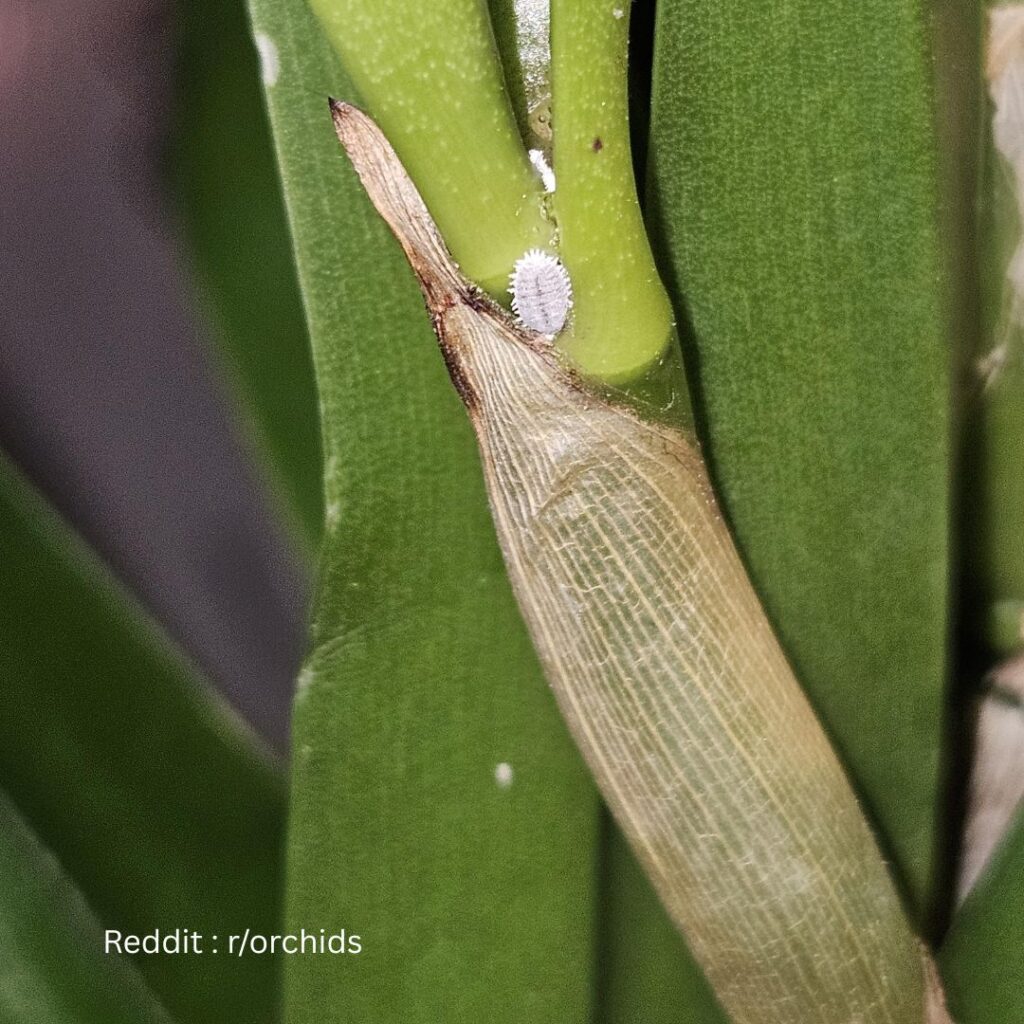
Growing orchids in the ground can present several challenges, including dealing with pests and diseases, and coping with different weather conditions.
Pests and Diseases
One of the biggest challenges of planting orchids directly in the ground is dealing with pests and diseases. Bugs like aphids, slugs, and mealybugs can attack your beautiful plants. These pests can munch on leaves and flowers, causing damage and even spreading diseases.
Fungal diseases are also a concern. Poor airflow and too much moisture can lead to root rot and leaf spots. Yuck, right? So, it’s important to keep an eye on moisture levels and make sure there’s enough space between plants for air circulation.
Have you ever found pests on your orchids? 😱 Share your tips for managing them in the comments!
Weather and Environmental Stress
Weather can also be a big challenge. Orchids are tropical plants and they don’t like the cold. If you live in an area with frosty winters, you might need to dig up your orchids and bring them indoors.
Too much sunlight can scorch the leaves, while too little will stunt growth. It’s like a balancing act! Make sure to plant them in a spot where they get morning sun and afternoon shade.
Oh, and don’t forget about soil! Orchids prefer well-draining soil. Planting them in heavy clay can lead to waterlogging and root rot. So, always check your soil type before planting.
Ever had to replant orchids due to a sudden frost? I’d love to hear your experiences!
Got any tips or challenges of your own? Drop a comment and let’s chat! 🌸✨
Pros and Cons of Ground Planting
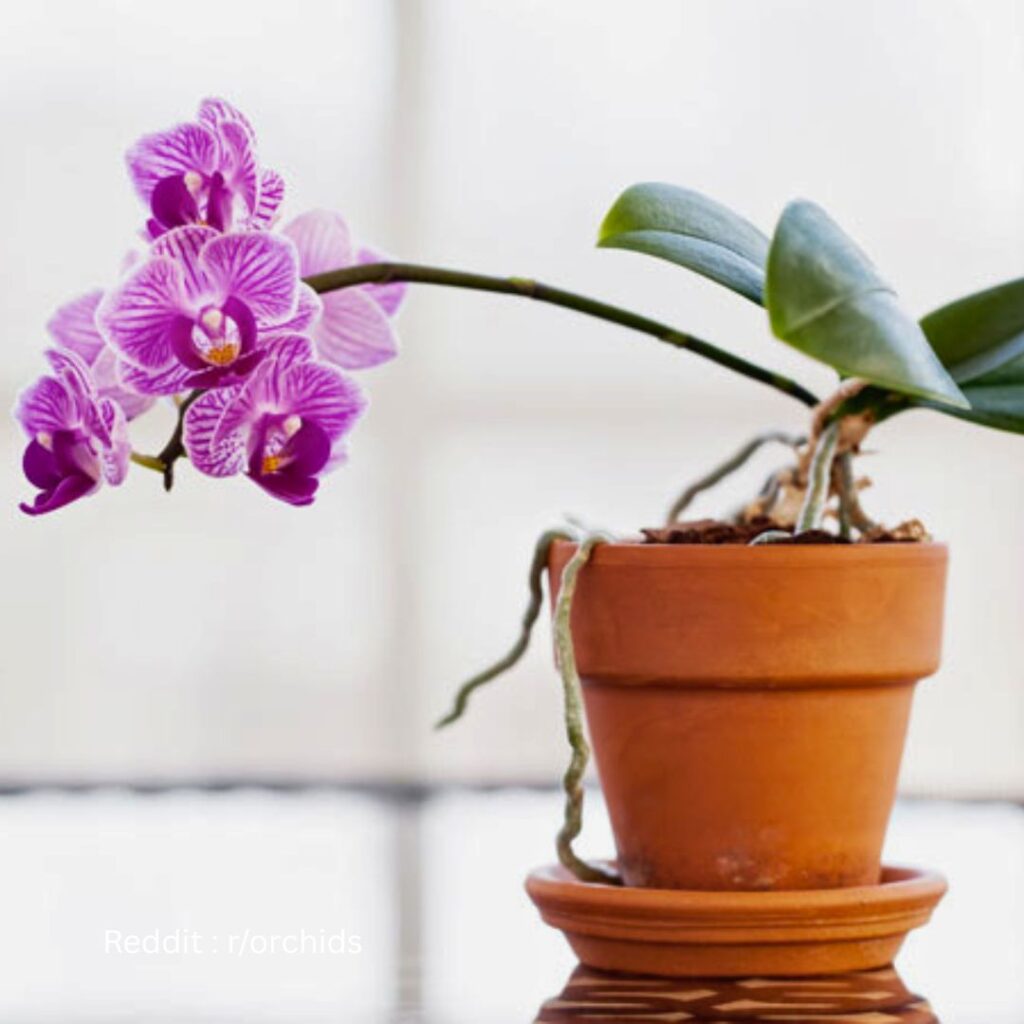
Planting orchids in the ground has its perks and pitfalls. Let’s look at both sides to help you decide if this method is right for you. 😊
Advantages of Ground Planting
One benefit of planting orchids in the ground is that it can be more natural for the plant. Orchid roots spread out and find nutrients in a wide area, just like in their natural habitat. This can make them healthier and stronger.
Ground planting also means less maintenance. No need to worry about watering as often because the soil retains moisture. 🌧️ Also, the ground provides more stability, protecting orchids from being easily knocked over.
When orchids are in the ground, they blend seamlessly into your garden. This creates a more cohesive look, adding beauty to your outdoor space. Imagine your garden as a little slice of paradise!
Potential Drawbacks
Planting orchids in the ground does come with some challenges. One issue is that the plant may be more prone to pests and diseases. Bugs and decay can harm your orchids faster than if they were in pots.
Another downside is that orchids in the ground are harder to move. If you need to relocate them, it can be tricky and might damage their roots. 🚚 Also, you have to consider the soil quality. Not all garden soils are ideal for orchids; some may be too dense or not drain well enough.
Finally, you can’t control the environment as easily. Changes in weather or unexpected frosts might be rough on your orchids. 🌨️ If you live in a place with unpredictable weather, this could be a big issue.
Have you tried planting orchids in the ground? Share your experience in the comments! 🌸✨
Long-Term Maintenance
Keeping orchids happy in the ground involves some ongoing tasks. Let’s look at how to keep them looking their best!
Regular Care Schedule
Orchids love a consistent routine. I water mine once a week, making sure the soil is damp, not soaked. Over-watering can lead to root rot, which is a big no-no!
Fertilizing is also crucial. I use a balanced fertilizer every other week. Remember to dilute it to half-strength to avoid burning the roots. 🌸 Pruning is another key task. Trim off any dead or yellowing leaves to keep the plant healthy and prevent diseases.
Keeping an eye out for pests is important too. I check my orchids weekly for any signs of insects and treat them promptly if I see any.
Repotting and Dividing Orchids
Every couple of years, I repot my orchids to refresh the soil and give the roots more room to grow. Spring is usually the best time for this.
Dividing orchids might sound scary, but it’s not so tough. When the orchid outgrows its pot or has multiple growths, I split it into two (or more!) plants. This helps the orchid stay healthy and gives me more plants to enjoy or share!
Keep in mind that fresh, well-drained soil is key. I usually use a mix of bark and other organic materials for the best results. 😊
Do you have any orchid tips? Share them in the comments!
Innovative Ground Planting Ideas
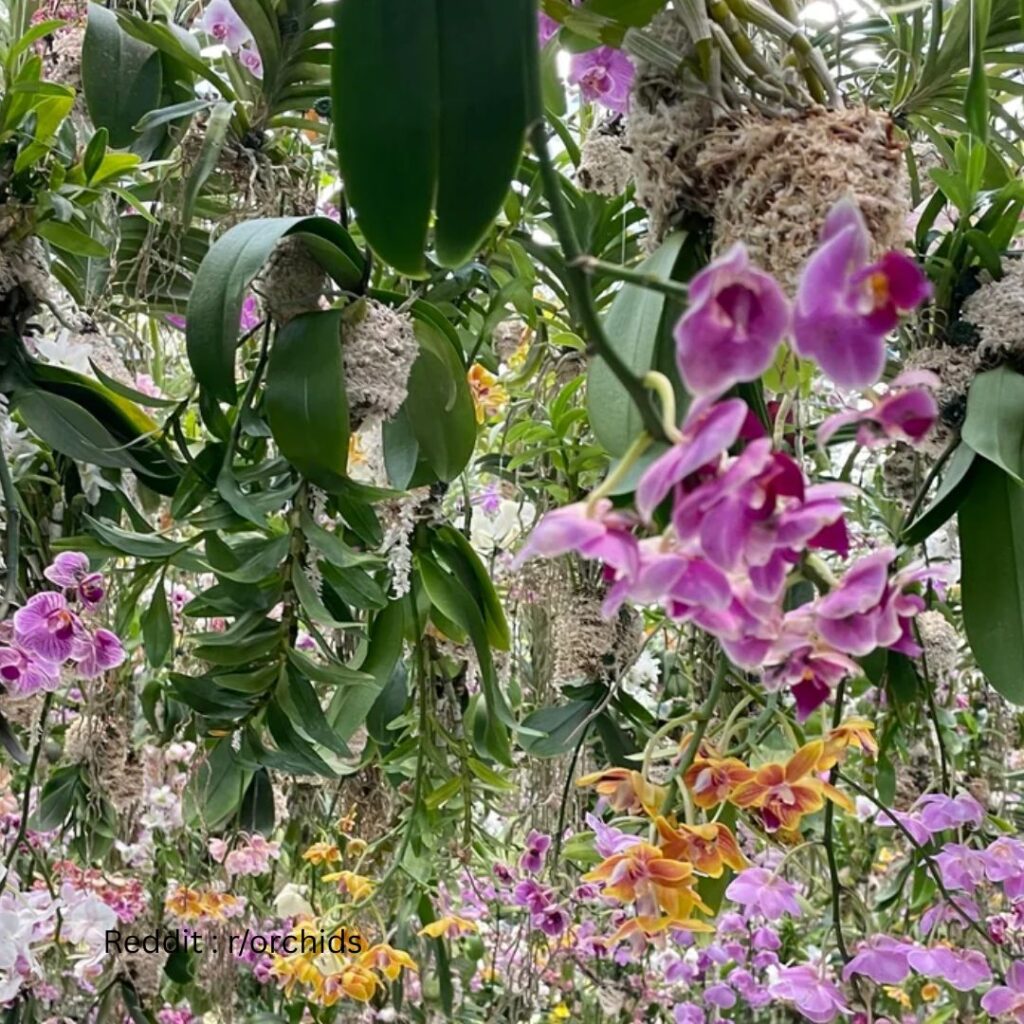
Ever thought about planting orchids right in your garden? 🌸 It’s totally possible and can make your garden stand out!
One idea is to plant orchids in raised beds. This can help with drainage, which orchids need. Plus, it looks super neat and organized.
Another creative way is to use orchid-friendly soil. Orchids need a special mix, like bark and perlite. It’s like giving them a comfy bed to grow in.
Orchid rock gardens are another fun idea! You can place orchids among rocks to create a natural, wild look. It’s like bringing a mini tropical jungle to your yard.
Hanging orchids on tree branches is also super cool. 🌱 Just tie them carefully, and they’ll draw everyone’s eyes up. It’s a great way to use vertical space.
Ever tried using decorative pots embedded in the ground? You get the look of orchids growing from the earth, plus the control of a pot. Best of both worlds!
Mix in some colorful flowers around your orchids. Contrast in colors can make your garden really pop. Imagine reds, yellows, and your beautiful orchids all together!
Do you have any unique ideas for planting orchids? 🌿 Drop your thoughts in the comments! Let’s share and grow our gardens together.
Conclusion
Planting orchids in the ground can be a bit tricky. 🌱
Many orchids thrive better in pots because it allows for better control over their environment. The ground might not have the ideal drainage or soil conditions.
If you do want to try planting them in the ground, make sure the soil is well-draining and slightly acidic.
Have you tried planting orchids in the ground before? I’d love to hear about your experience! Drop a comment below and let’s share tips. 💬🌸
Also, don’t forget to share this article with fellow orchid lovers! 🌺✨
Happy planting! 🌿
Frequently Asked Questions
Here are some of the key points to help you grow orchids directly in the ground. These tips will get you started on the right track for success.
How can I successfully grow orchids in the soil of states like Florida, California, and Texas?
If you live in Florida, California, or Texas, you’re in luck! These states have a climate that’s great for orchids. Just make sure to provide plenty of shade and humidity. Also, keep an eye on soil drainage to prevent root rot. 🌿
What are the best practices for planting orchids directly in the ground?
When planting orchids in the ground, dig a hole that’s twice the size of the root ball. Use a mix of soil and bark to help with drainage. Water regularly, but don’t overdo it. Your orchids will need good air circulation, so don’t plant them too close together.
Which types of orchids are suitable for ground planting?
Not all orchids will do well in the ground. Terrestrial orchids, like the Bletilla and Phaius species, are the best choices. These types are already adapted to growing in soil.
Can orchids thrive outdoors when planted in the ground, and where is the best location for them?
Orchids can thrive outdoors if you plant them in the right spot. Choose a location with indirect sunlight and good air movement. Avoid areas where water can pool, as orchids don’t like wet feet. 😀
Is it possible to plant my orchid in regular garden dirt?
Regular garden dirt usually isn’t the best for orchids because it can hold too much water. Mix it with bark or perlite to improve drainage. Orchids need airy soil to keep their roots healthy. 🏡
Are there certain terrestrial orchids that are recommended for ground planting?
Yes, there are! Some recommended terrestrial orchids include the Chinese Ground Orchid (Bletilla striata) and the Nun’s Orchid (Phaius tankervilleae). These orchids are hardy and can adapt to different soils. They’re a great choice for any garden.
Do you have more tips or questions about growing orchids? 🌸 Feel free to share them in the comments! Let’s get growing! 🌱✨