Basil and mint are two of my favorite herbs, and planting them together can be tricky. Both herbs grow well in similar conditions, like lots of sunlight and well-drained soil. So, can you plant them side by side in your garden? 🌿🌞
The answer is yes, but it’s not always ideal. Basil and mint have different growth habits. Basil enjoys plenty of space, whereas mint tends to spread rapidly and can overtake other plants. To avoid this, you might consider planting mint in a pot to keep it contained.
Ever had a rogue mint takeover in your garden? 😂 It’s happened to me! Share your thoughts or any tips you’ve got in the comments below. It’s always great to hear from fellow herb lovers! 🍃
Benefits of Companion Planting
Planting basil and mint together has some cool perks. They can help each other grow better, keep pests away, and make the most of the space in your garden.
Enhanced Growth
When basil and mint grow side by side, it’s like they’re helping each other out. 🪴 Basil likes the slightly shaded area that mint provides. Mint, in turn, benefits from the nutrients that basil leaves behind in the soil.
Ever noticed how your friends motivate you? It’s kinda the same for these plants! Healthy plants create a better-growing environment for each other. This teamwork helps them grow stronger and healthier.
Pest Management
Nobody likes unwelcome bugs, right? 🐛 Basil and mint have natural pest-repelling qualities. Basil is known to keep mosquitoes and flies away, while mint does a great job at discouraging ants and aphids.
Have you ever used mint toothpaste? That fresh scent is what insects dislike. Growing them together means fewer pesticides and healthier plants. Plus, you get a clean garden without the annoying little critters!
Optimal Space Utilization
Got a small garden? No problem! These two plants use space efficiently. Mint spreads out and basil grows up, so they use the vertical and horizontal spaces nicely. It’s like fitting a jigsaw puzzle together.
Ever tried fitting everything into a tiny suitcase? If done right, you can fit a lot! Similarly, combining basil and mint means more herbs in less space. 🍃 Perfect for those limited garden areas or even container gardening.
Do you have a favorite herb combo in your garden? Let me know in the comments!
Understanding Basil and Mint
Basil and mint are popular herbs with different growth needs. Let’s break down what each plant requires to thrive. 🌱
Basil Plant Profile
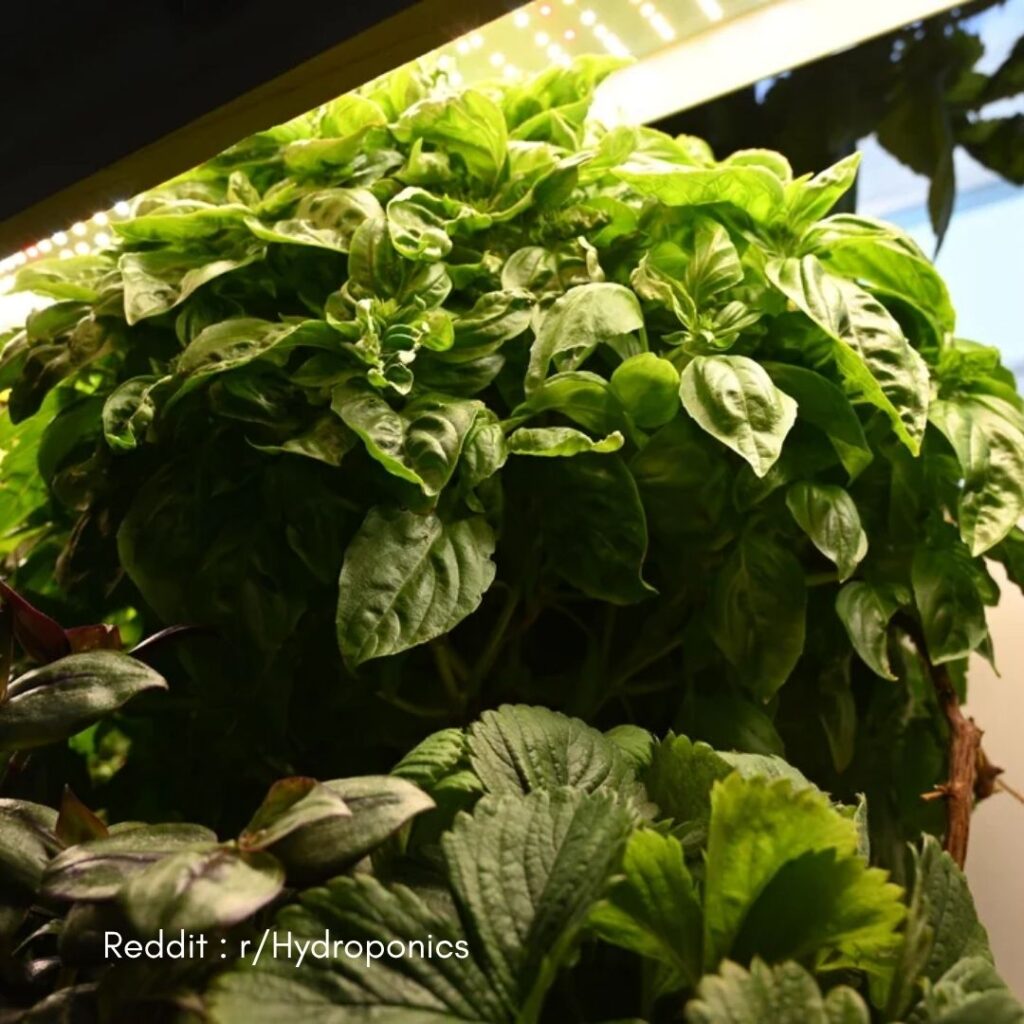
Basil is a delightful herb that loves warm, sunny spots. I always find it best to plant basil in well-drained soil with lots of organic matter. It enjoys 6-8 hours of sunlight daily. If you, like me, enjoy fresh pesto, you’ll want to give it good space to spread out.
Basil needs consistent watering, but make sure you don’t overdo it. Watering in the early morning prevents the leaves from staying wet too long, which can cause diseases. If you’re using containers, make sure they have good drainage to keep those roots happy.
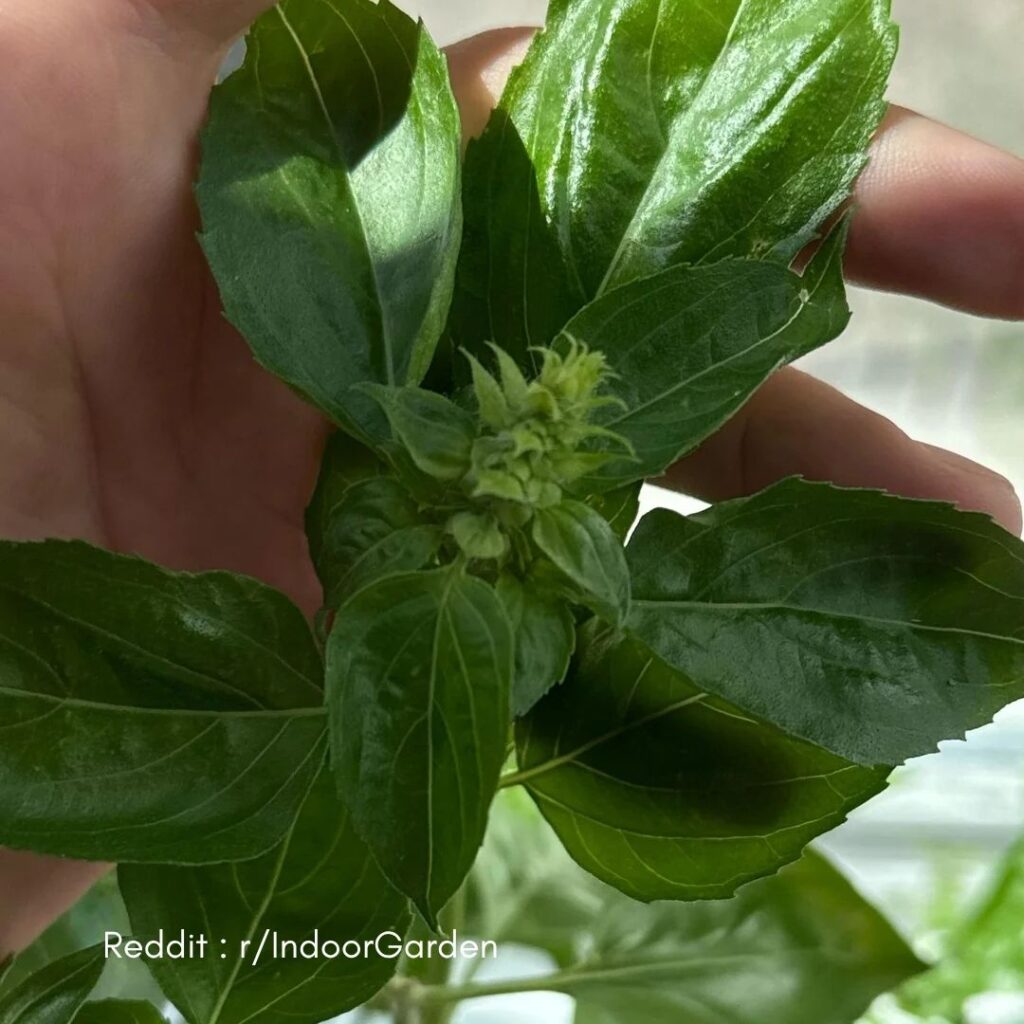
Pruning is critical for basil. By pinching off the flower buds, the plant focuses its energy on producing more leaves. Ever tried pinching a basil leaf and inhaling its aroma? It’s so refreshing!
Mint Plant Profile
Mint, on the other hand, is notoriously easy to grow. It’s almost too easy! Mint loves partial sun and thrives with moderate watering. I find that mint grows best in moist, rich soil. Unlike basil, mint can handle a bit of shade, so it’s quite versatile in where it can be planted.
Mint spreads like wildfire. Seriously, if left unchecked, it will take over your garden. I recommend planting mint in containers to keep it from invading other plants. A fun fact: mint is a natural pest repellent, so it can be useful to have around your garden.
Mint varieties are so diverse. From spearmint to peppermint, each type has its unique flavor and use. Growing mint means you’ll always have fresh leaves for your tea or mojito. 🍃
Do you grow basil or mint at home? 🍃 Share your experiences and tips in the comments!
Compatibility of Basil and Mint
Basil and mint can grow well together if their needs are carefully met. They have different requirements for soil, water, and light, which makes it important to cater to both plants specifically.
Soil Requirements
Basil loves well-draining soil that is rich in organic matter. Think of it as giving basil a comfy, nutrient-packed bed. You can use compost to enrich the soil, making your basil super happy.
Mint, on the other hand, can tolerate a variety of soil types, even those that are a bit heavier. It isn’t as fussy about soil as basil is. Still, both plants will benefit from a nice, loamy mix. Consider using a mix of garden soil and compost to suit both plants.
So, when planting them together, it’s all about finding a good balance. A soil mix rich in compost should keep both plants thriving. And don’t forget, mint can be quite invasive. You might want to plant it in a separate container within the same bed to keep it from taking over.
Watering Needs
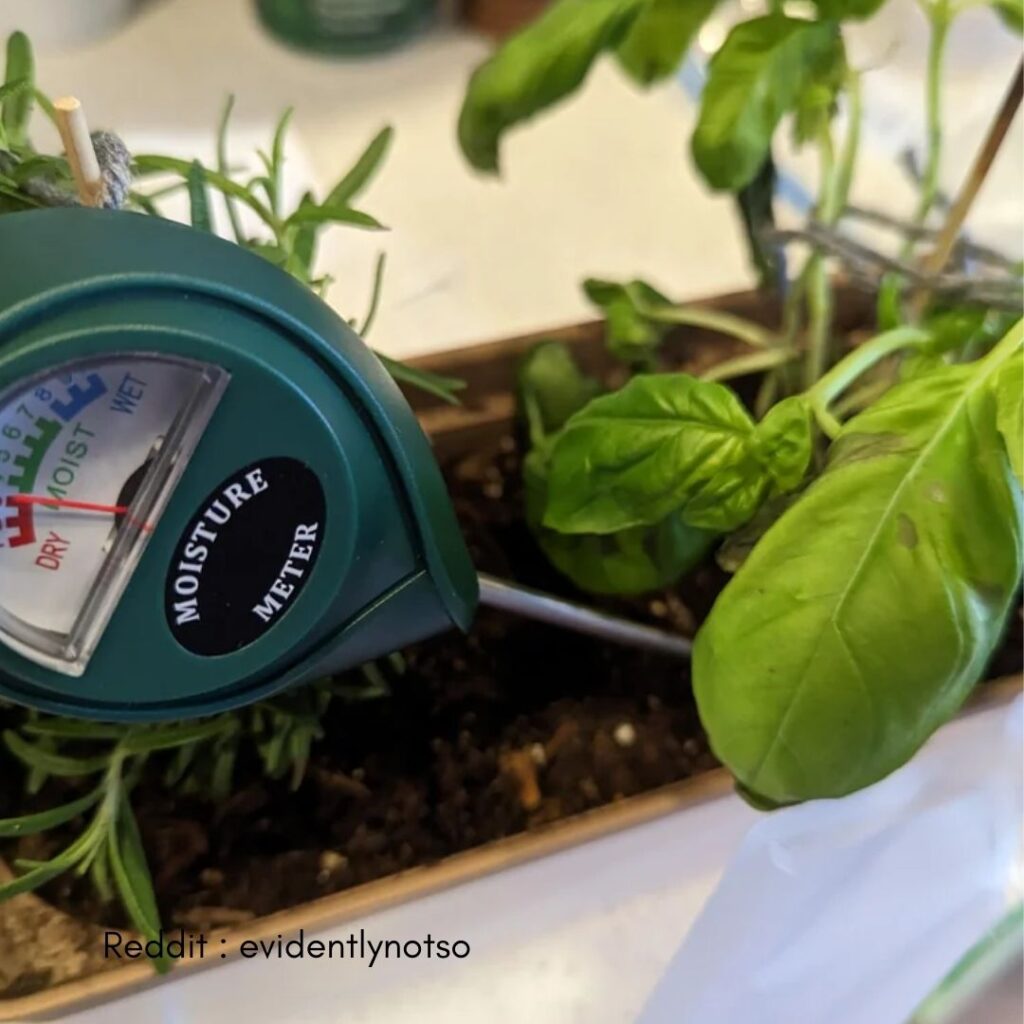
Basil likes its soil to stay moist but not soggy. Think of it as giving your basil a gentle shower, not a swim. Water it regularly, but make sure the soil has a chance to drain and dry slightly between waterings.
Mint, being the hardy plant that it is, can handle a bit more water. If you overwater basil by mistake, you might see it getting unhappy. Mint can handle soggier conditions better than basil.
When growing these two together, aim to water evenly but carefully. A watering routine that allows the soil to remain consistently damp will work best. You want to make sure you’re not drowning the basil while trying to keep the mint satisfied. Maybe a little trial and error will help you find the perfect balance! 💧
Light Preferences
Basil is a sun lover. It needs lots of sunlight to thrive. Ideally, basil will soak up 6-8 hours of sunlight per day. Imagine it sunbathing and getting stronger with all that energy!
Mint prefers a bit more shade. It can handle some sunlight but doesn’t thrive as well in full, direct sun. A spot with partial shade can prevent mint from getting scorched.
The best way to cater to both is to find a location where basil gets plenty of direct sun and mint gets a bit of protection. Maybe place them where some taller plants or a trellis can provide intermittent shade for the mint while still giving basil its full sun requirements. 🌞
Have you tried growing these two herbs together? How did it go for you? Share your experiences in the comments below! 👇🌱
Planting Techniques
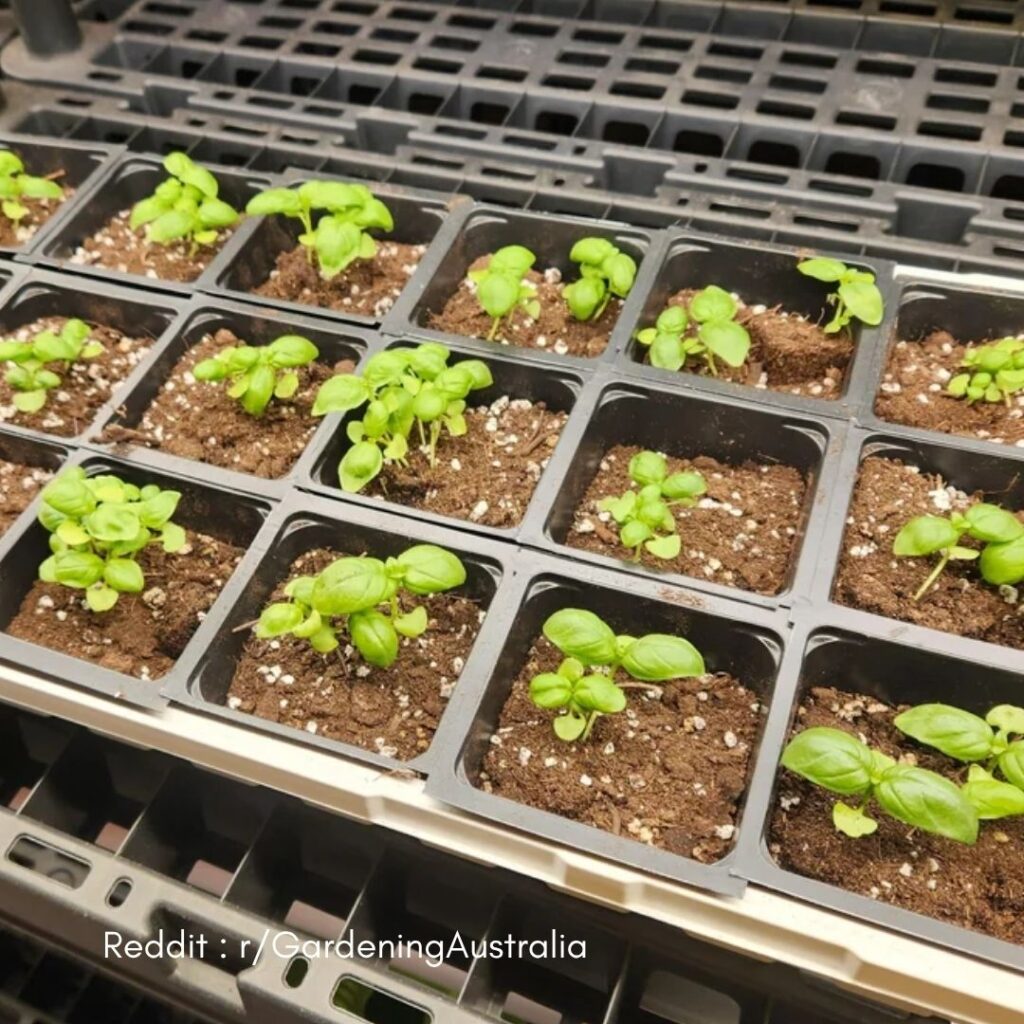
When planting basil and mint together, specific techniques help them thrive side by side. Let’s focus on spacing and when and where to plant these two herbs.
Spacing Considerations
Basil and mint grow differently, so spacing is essential. Mint spreads quickly, taking up more space if not controlled. It’s almost like it has a mind of its own! Basil prefers a bit of breathing room to spread its leaves and capture sunlight.
For mint, I recommend using containers or raised beds to keep it from invading basil’s space. Plant mint about 12-18 inches apart. This will give it enough room to grow without overwhelming everything nearby.
For basil, spacing should be about 8-12 inches. This distance provides enough air circulation to prevent disease and allows each plant to have its own space to flourish.
You can use a raised bed with dividers or individual pots for each herb to keep them happy. Using a container with dividers ensures both herbs get what they need without crowding each other.
Timing and Positioning
Timing is everything when planting basil and mint. Basil loves warm weather, so plant it after the last frost when the soil is consistently warm. Mint, on the other hand, is more forgiving and can be planted as soon as the ground is workable in spring.
Positioning is key for both herbs. Basil needs full sun for about 6-8 hours a day. Plant it in a spot where it gets plenty of light. Mint is more adaptable and can thrive in partial shade, making it a good companion for basil in areas with mixed sun and shade.
Think about your garden layout and how the sun moves throughout the day. Place basil where the sun hits the most, and mint can fill in the shadier spots.
Have you tried planting basil and mint together? Share your experiences in the comments! 🌿🔆
Ongoing Care and Maintenance
Growing basil and mint together can be rewarding, but it does require some attention. Let’s dive into pruning, harvesting, and keeping an eye out for any problems.
Pruning and Harvesting
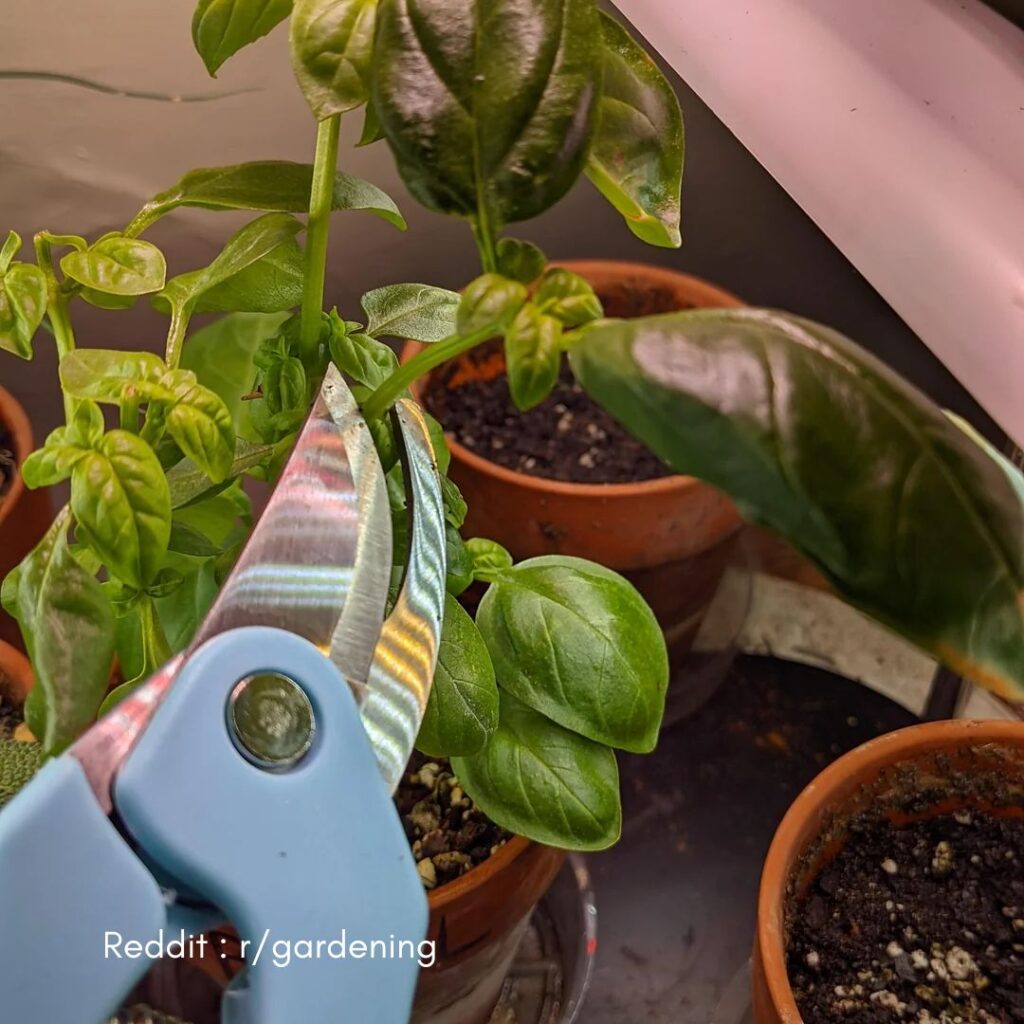
I love how both basil and mint respond well to pruning. 🪴 Trim the top leaves regularly to encourage bushy growth. If you see flowers forming on your basil, pinch them off. It keeps the plant focused on growing tasty leaves.
When it comes to harvesting, snip the stems just above a pair of leaves. This method not only gives you fresh herbs but also promotes more growth. Remember, more leaves = more flavor!
Basil needs a bit more frequent pruning than mint, which can get a bit wild. So, keep an eye out and trim regularly to maintain control over your little garden.
Monitoring and Troubleshooting
Keep an eye out for any signs of trouble in your herb garden. Yellowing leaves? Maybe over-watering. Wilting? Could be too little water or too much sun.
Pests like aphids or spider mites may try to snack on your plants. Inspect the leaves and stems regularly. Sticky residue or small holes can be indicators. If you spot any, a gentle spray of soapy water can usually do the trick.
If you grow basil and mint together in a pot, make sure they’re spaced well. That way, they won’t compete for nutrients and space. This keeps both plants healthy and thriving.
Your thoughts? Ever had an issue? Let me know in the comments! 🌱🌿🎉
Potential Challenges
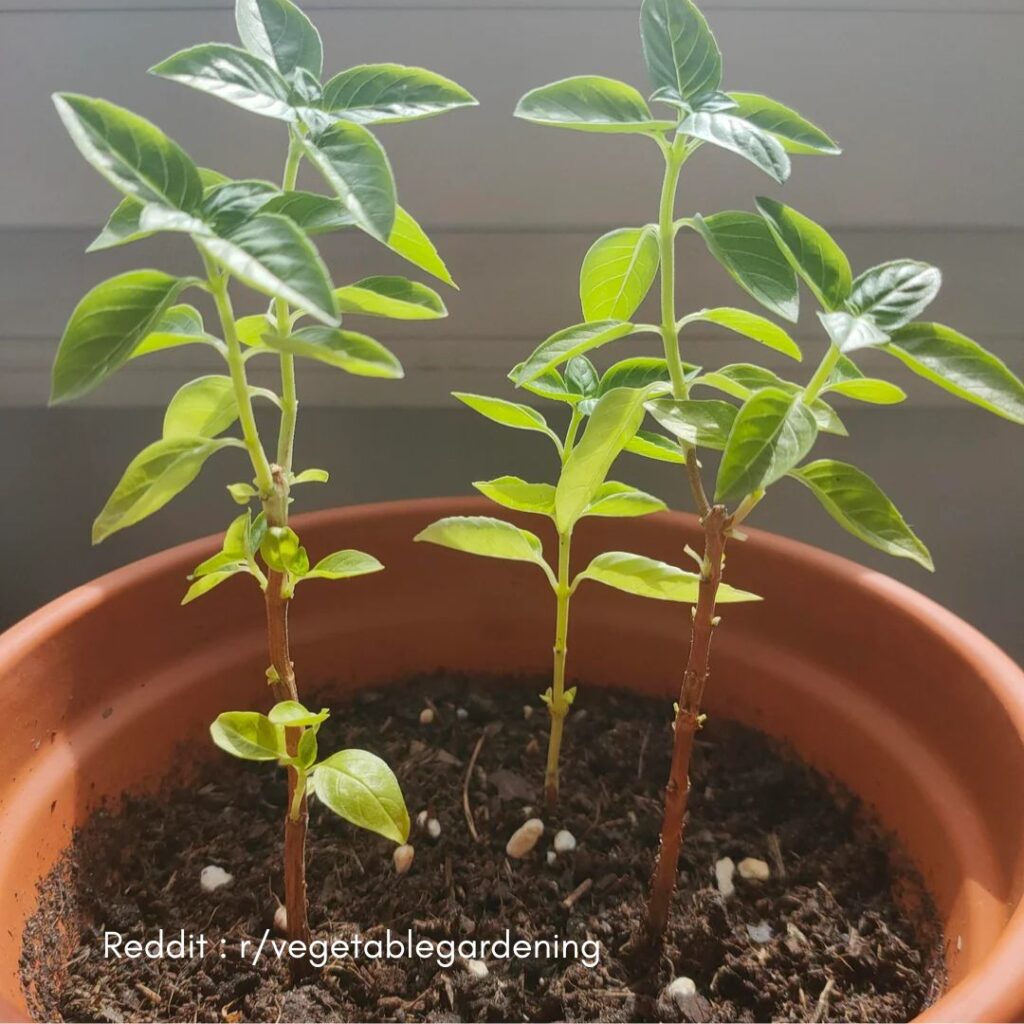
Planting basil and mint together can be tricky. They have different growth habits and may compete for space.
Invasive Growth Habits
Mint grows fast and can spread quickly. If you don’t control it, it can take over the whole garden. I once planted mint in my yard and it tried to grow everywhere! It’s best to plant mint in a separate container or use barriers to keep its roots in check.
Basil stays in its space. It doesn’t try to spread like mint does. Basil needs room to grow upwards. It needs space to breathe and get plenty of sunlight. Keep an eye on it so it doesn’t get shaded out by the mint.
Cross-Pollination Considerations
Basil and mint are both herbs, but they don’t usually cross-pollinate with each other. This means your basil won’t turn into mint and your mint won’t turn into basil. 🌿 So no need to fear magical plant transformations!
What you might notice is that mint can sometimes attract the same pests as basil. Ever had little bugs munching on your plants? I have! Keeping them a bit apart can help manage this issue. Separate pots or a little distance can save a lot of trouble!
Have you ever tried planting these together? Share your tips below! 🌱✨
Frequently Asked Questions
Wondering about basil and mint in your garden? Here are some key points about growing them together and with other plants.
What are some good companion plants for basil in a container garden?
Basil loves having tomatoes and peppers nearby. 🪴 This combo not only looks great but helps all plants thrive! Have you tried oregano with basil? It’s another buddy that works well.
Are there any plants that should not be grown alongside mint?
Mint is a bit of a garden bully! It can overtake other plants quickly. Avoid placing mint near parsley or chives as it might crowd them out.
What should I consider when planting basil and mint together in pots?
Think about space. 😄 Basil and mint can compete for room. Use a pot that’s big enough for both. Also, keep an eye on moisture levels since they have different watering needs.
Can mint and basil be grown in the same container without issues?
Yes, but there are challenges! Mint’s roots spread aggressively. Consider using a divider in the pot to keep each plant in its own space. That way, they don’t fight over nutrients.
What herbs can be successfully co-planted with basil to enhance growth?
Basil loves company! 🌿 Pair it with thyme, oregano, or rosemary. These herbs share similar light and water requirements. Plus, they all add great flavors to your recipes!
Which plants should be avoided when creating a companion planting with mint?
Stay away from planting mint with lavender or camomile. Mint’s fast growth can overshadow these more delicate plants. Stick to more robust companions like sages and thyme instead.
Have you had success with these tips? 🌱 Drop a comment and let’s chat about our garden adventures!