Basil and dill are both favorites in my herb garden, but can you plant basil and dill together? Yes, you can, and it’s a great idea! These herbs not only taste amazing but also help each other out when grown side by side. 🌿✨
When planted together, dill’s feathery leaves can provide light shade for basil, which helps it thrive in hot weather. Plus, the fragrant combo is perfect for cooking. Imagine stepping out to your garden and grabbing fresh basil and dill for your dishes! 🥗🍃
Have you tried planting these herbs together before? I’d love to hear about your experiences. Drop a comment below and let’s chat about our garden adventures! 🌱💬
Benefits of Companion Planting
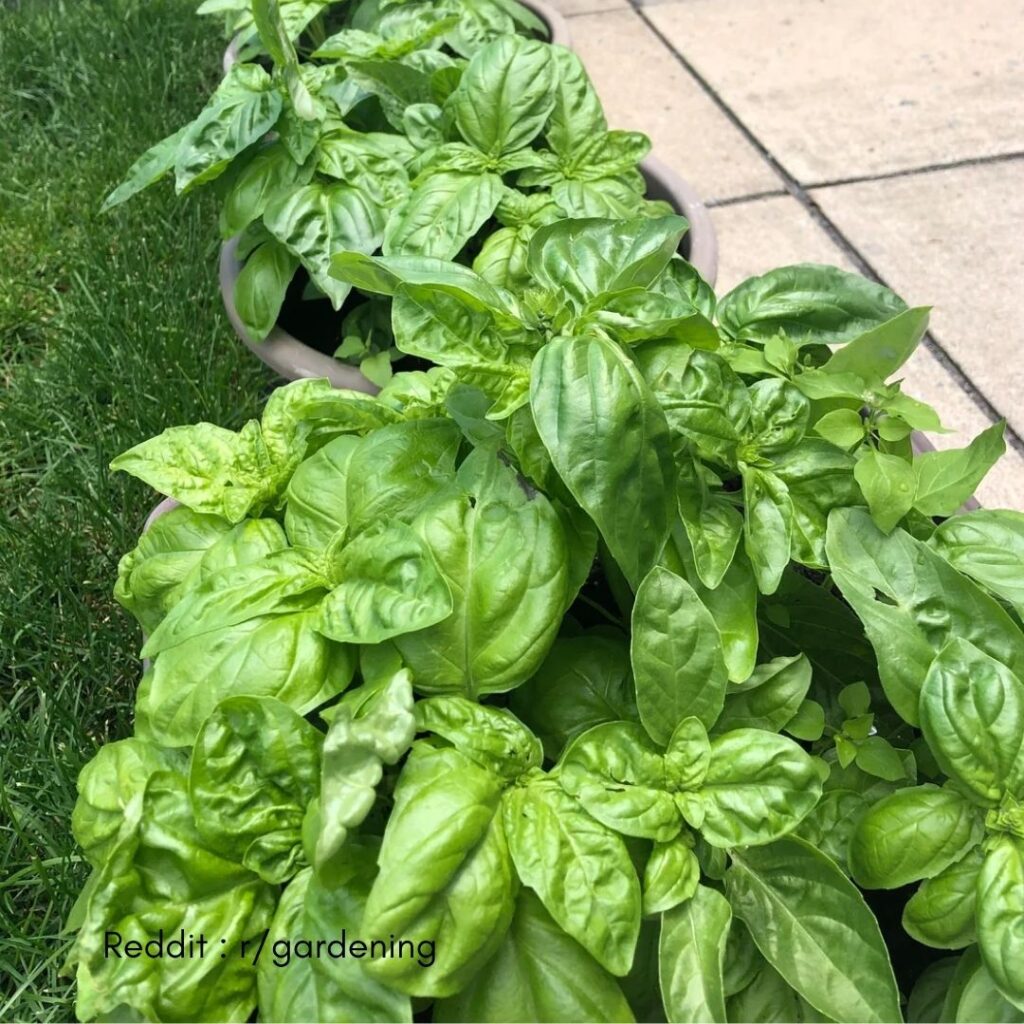
Companion planting is a great way to make your garden healthier and more productive. It helps with growth, keeps pests away, and uses space better.
Improved Growth
When I plant basil and dill together, I notice that both plants grow stronger. They seem to help each other out. Basil improves the flavor of nearby plants, while dill attracts beneficial insects. These insects help the plants grow by improving pollination and reducing the need for artificial fertilizers. 🌱
Pest Management
Ever noticed pesky insects munching on your garden? Planting basil and dill together can help! Basil deters some insects with its strong smell, while dill attracts good bugs that eat the bad ones. This teamwork reduces the number of harmful pests naturally, so I don’t have to use as many chemicals.
Optimal Space Utilization
Got limited garden space? Companion planting is a huge help! Planting basil and dill together means I can grow more herbs in less space. Dill grows tall and slender, while basil stays low and bushy. This way, they don’t compete for sunlight or soil nutrients, making my garden more efficient and productive. 🌼
Do you have any favorite gardening tips? Share them in the comments! 🌿👩🌾
Understanding Basil and Dill
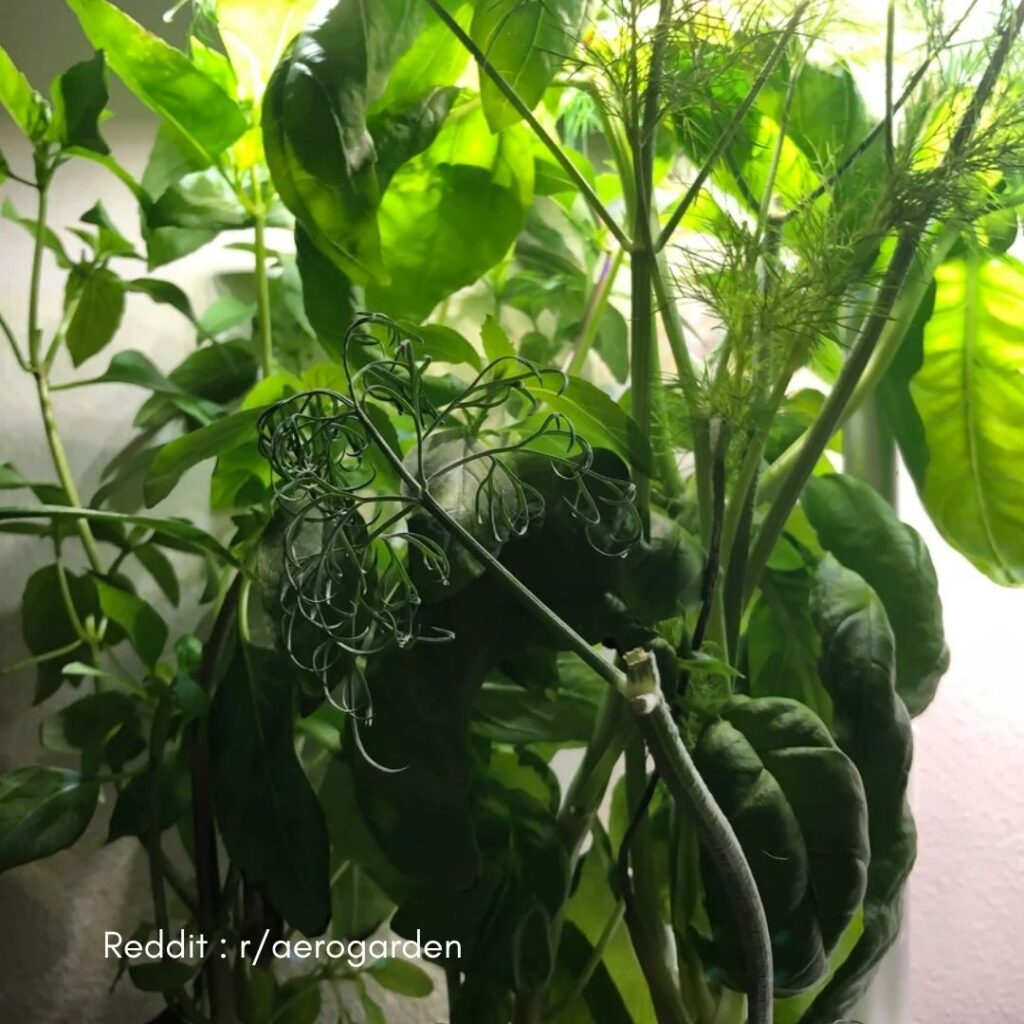
Basil and dill are two popular herbs that offer unique flavors and benefits. Let’s explore what makes each plant special.
Basil Plant Profile
Basil is a warm-weather herb that loves sunlight. It’s great for pasta, pizza, and soups. Basil comes in different varieties like Sweet Basil, Thai Basil, and Lemon Basil. Each kind offers a unique twist on the classic basil taste.
Here’s a tip: Keep your basil in well-drained soil and water it regularly. Also, pinch off the flower buds when they appear. This keeps the leaves fresh and tasty. 🌿
Do you use basil in your cooking? Share your recipes in the comments!
Dill Plant Profile
Dill is another sun-loving herb. It’s perfect for pickles, fish dishes, and salads. Dill has feathery green leaves and a slightly tangy flavor. It can grow quite tall, so give it some space!
Did you know dill attracts beneficial insects like ladybugs? Plus, it’s a breeze to grow. Just make sure it gets enough water and sunlight.
Have you ever tried making dill pickles? Let me know below!
Companion Planting Basics
Let’s talk about how certain plants help each other out when grown together. For example, some plants keep pests away, while others improve soil health. This can lead to stronger, more productive gardens. 🌱💪
Complementary Characteristics
Basil and dill have unique traits that can benefit each other. Basil repels pests like mosquitoes and flies, which can help protect dill. Dill attracts beneficial insects like ladybugs and bees, which help pollinate basil and other plants in your garden. 🌸🐝
Have you ever thought about how some friends just click? That’s how basil and dill work together. They support each other by keeping away pests and attracting the right kind of insects. 🐞
Sunlight and Watering Needs
Both basil and dill love the sun. They need at least 6 hours of sunlight each day to thrive. Make sure they aren’t shaded by taller plants. Placing them in a sunny spot ensures they get the light they need. ☀️
When it comes to watering, basil and dill prefer consistently moist soil. Water them regularly but don’t let the soil get soggy. Use mulch to help retain moisture and keep the roots cool.
Got any tips for keeping your herbs happy? Share in the comments! 🌿💧
Planting Basil and Dill Together
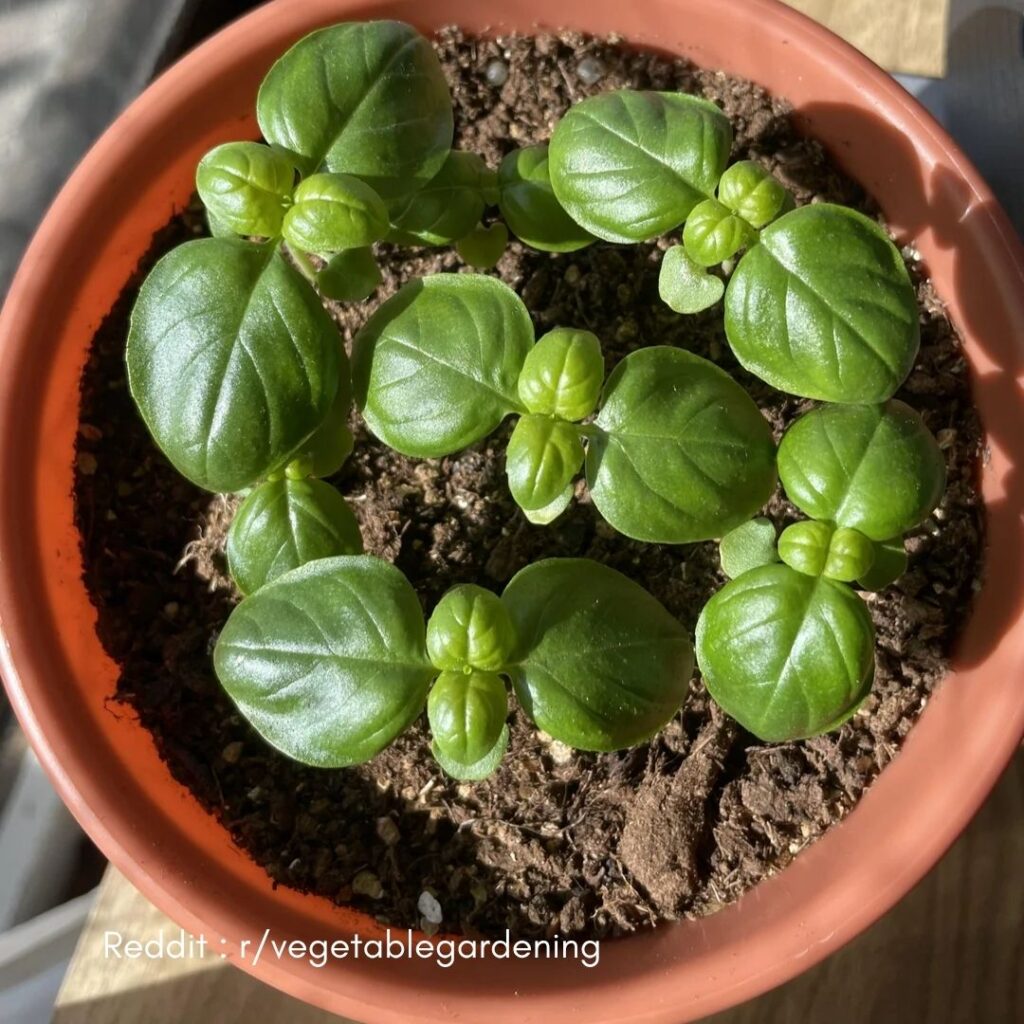
Planting basil and dill together can be very rewarding. These two herbs have different needs but can coexist happily with a little extra attention.
Soil Preparation
When planting basil and dill together, soil quality is everything. I always start by ensuring the soil is well-draining and rich in organic matter. Use compost or other organic fertilizers to boost the soil nutrients. Basil loves slightly acidic to neutral pH, around 6.0 to 7.0, while dill can adapt but prefers the same range.
Mixing in some sand or perlite can also help improve drainage. Both herbs dislike soggy roots. Have you ever struggled with herbs wilting after rain? Ensure your soil isn’t overly dense to avoid this problem!
Spacing and Arrangement
Proper spacing is vital to keep both herbs thriving. I space basil plants about 12 inches apart, while dill needs a bit more room, at about 15 inches apart. This ensures they don’t compete for nutrients or sunlight.
To make the most of my garden, I often arrange basil and dill in alternating rows. This setup allows adequate airflow, preventing diseases and promoting healthy growth. Have you tried this method? It’s a real game-changer.
Timing for Planting
The timing for planting basil and dill is another key factor. I usually plant them in the early spring after the last frost. Basil needs warmer soil, around 70°F. Dill, on the other hand, can handle slightly cooler temperatures.
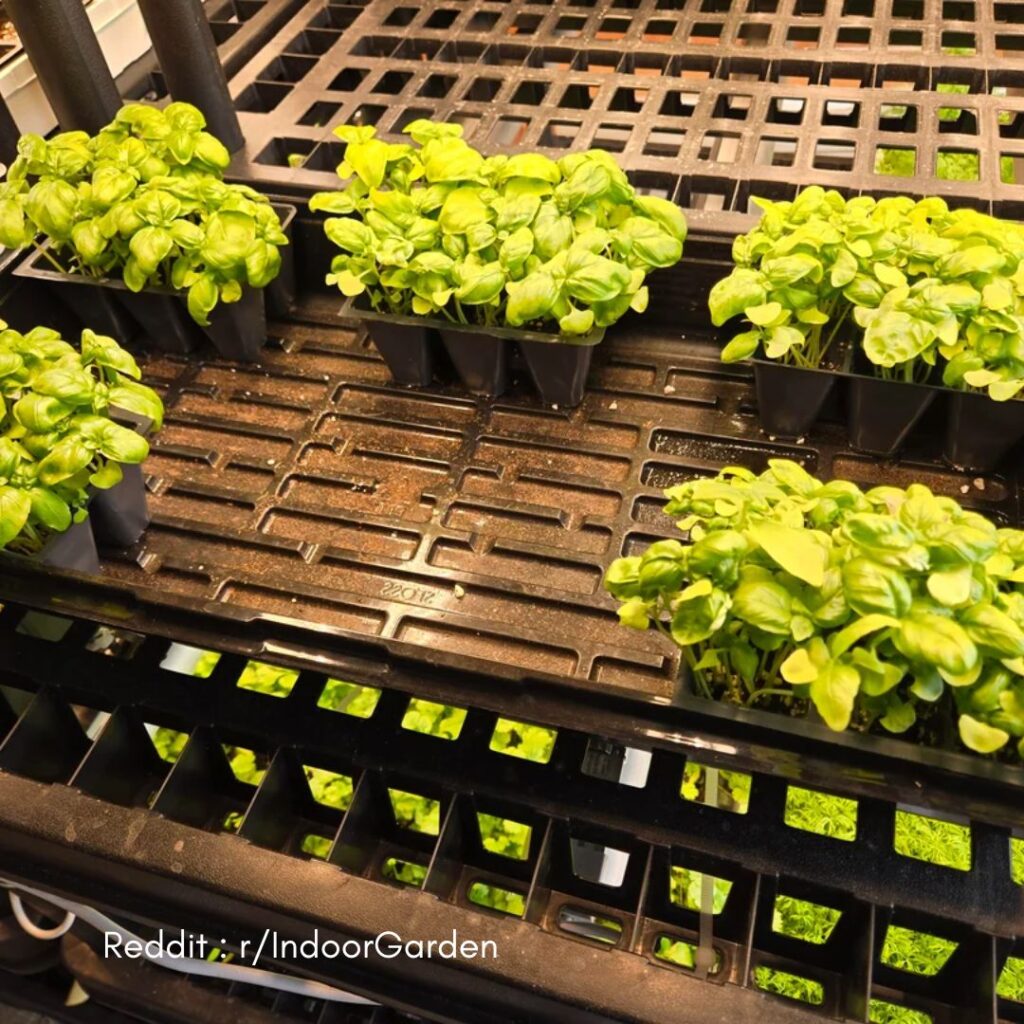
I often start my basil indoors 4-6 weeks before the last frost and then transplant it outside. Dill can be direct-sown in the garden. Have you ever started seeds indoors? It’s exciting to watch them sprout! 🌱
Remember to plant more seeds every 2-3 weeks for a continuous harvest throughout the growing season. Do you love fresh herbs throughout the summer as much as I do?
Care and Maintenance
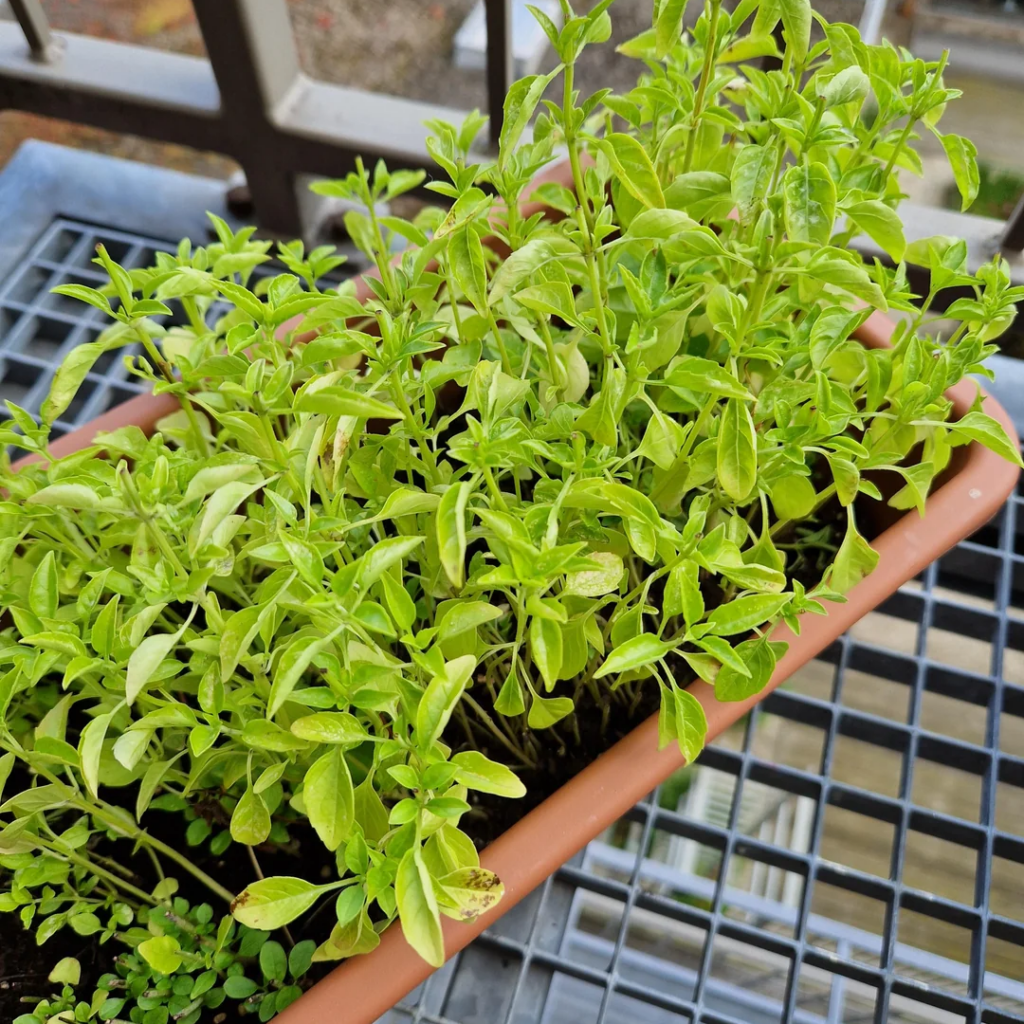
Taking care of basil and dill doesn’t have to be hard. With a few easy steps, you can keep these herbs healthy and productive. Let’s dig in!
Fertilizing
Basil and dill thrive with balanced fertilizer. I like to use a 10-10-10 mix for both types of plants.
- Basil: Fertilize every 4-6 weeks.
- Dill: Fertilize less often, about every 6-8 weeks.
Mix the fertilizer into the soil around the plants. Make sure to water after fertilizing to help nutrients soak in. Be careful not to over-fertilize, as this can harm the plants. Have you tried using compost? It’s a great natural option!
Pruning and Harvesting
Pruning and harvesting are key to healthy basil and dill. Snip basil leaves as they grow to encourage more leafy growth. For dill, cut the tops to avoid flowering too early.
- Basil: Pinching off the top leaves encourages the plant to become bushier.
- Dill: Harvest the leaves when they’re bright green, and cut the flower heads for seeds.
Prompt harvesting helps the plants stay vigorous. Plus, who can resist those fresh herbs in summer dishes? 🌿
Disease and Pest Control
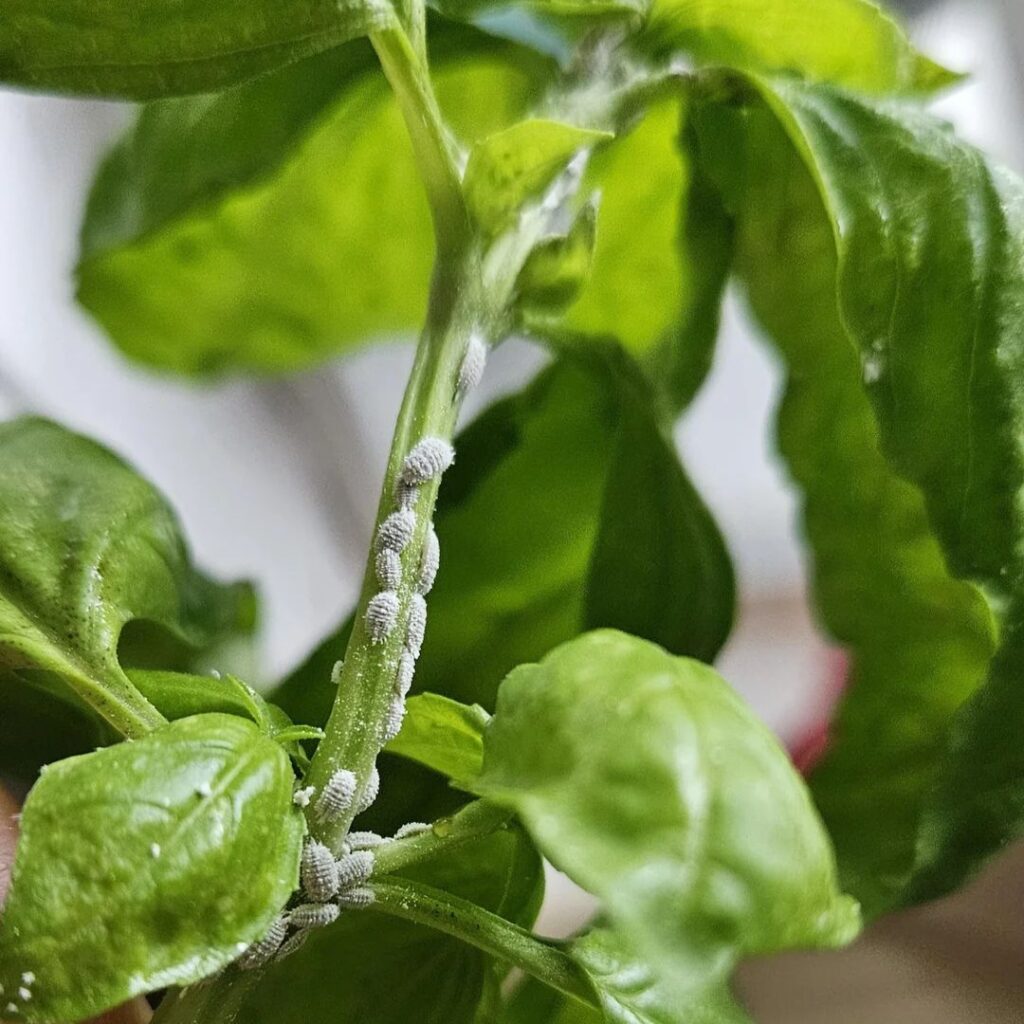
Keeping your herbs pest-free and healthy is essential. For basil, watch out for aphids and fungal infections. Dill can attract caterpillars and powdery mildew. Here’s what I do:
- Basil: Spray with a mix of water and mild soap to deter aphids.
- Dill: Handpick caterpillars or use a gentle insecticidal soap.
Regularly check your plants and remove any affected leaves. Want a fun fact? Ladybugs can help control aphids naturally! 🐞
What tips do you have for caring for basil and dill? Let me know in the comments!
Potential Challenges
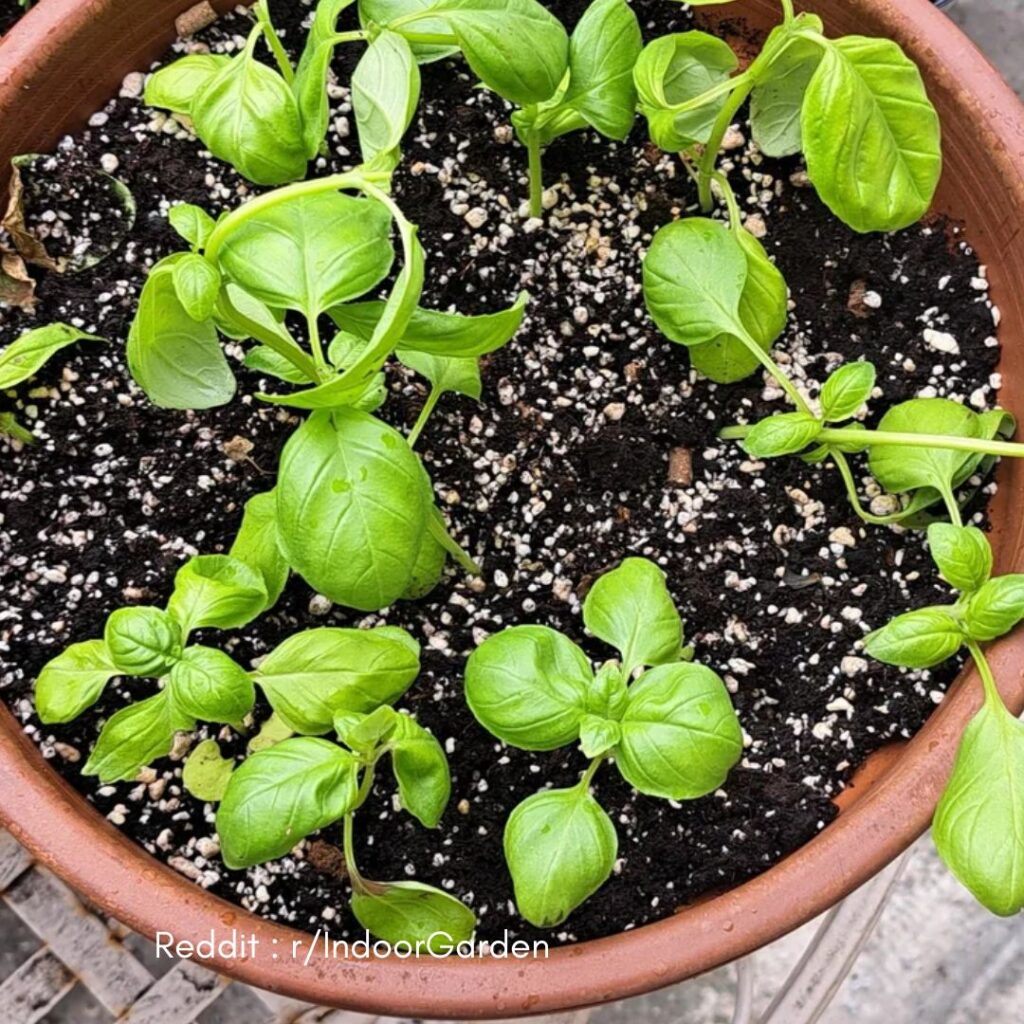
When planting basil and dill together, there are a few challenges to keep in mind. These include fighting over nutrients and the timing of flowering and seed production.
Competition for Resources
Basil and dill both love the sun and require plenty of water. 🌞💧 If they’re too close, they might fight for nutrients in the soil. This can make both plants weaker.
To avoid this, space them out properly. You might even think about using raised beds or containers. How do you handle plant spacing in your garden? Drop your tips below! 📣
Flowering and Seed Production
Dill can flower and produce seeds pretty quickly. 🏃♂️ When this happens, it can overshadow basil and take up more space. Basil, on the other hand, likes to keep growing leaves for you to harvest.
To tackle this, try trimming the dill’s flowers. Doing this helps keep both plants healthy. 🌿✂️ Do you find it tricky to manage flowering plants together? Let’s talk about it in the comments!⬇️
Harvesting and Usage
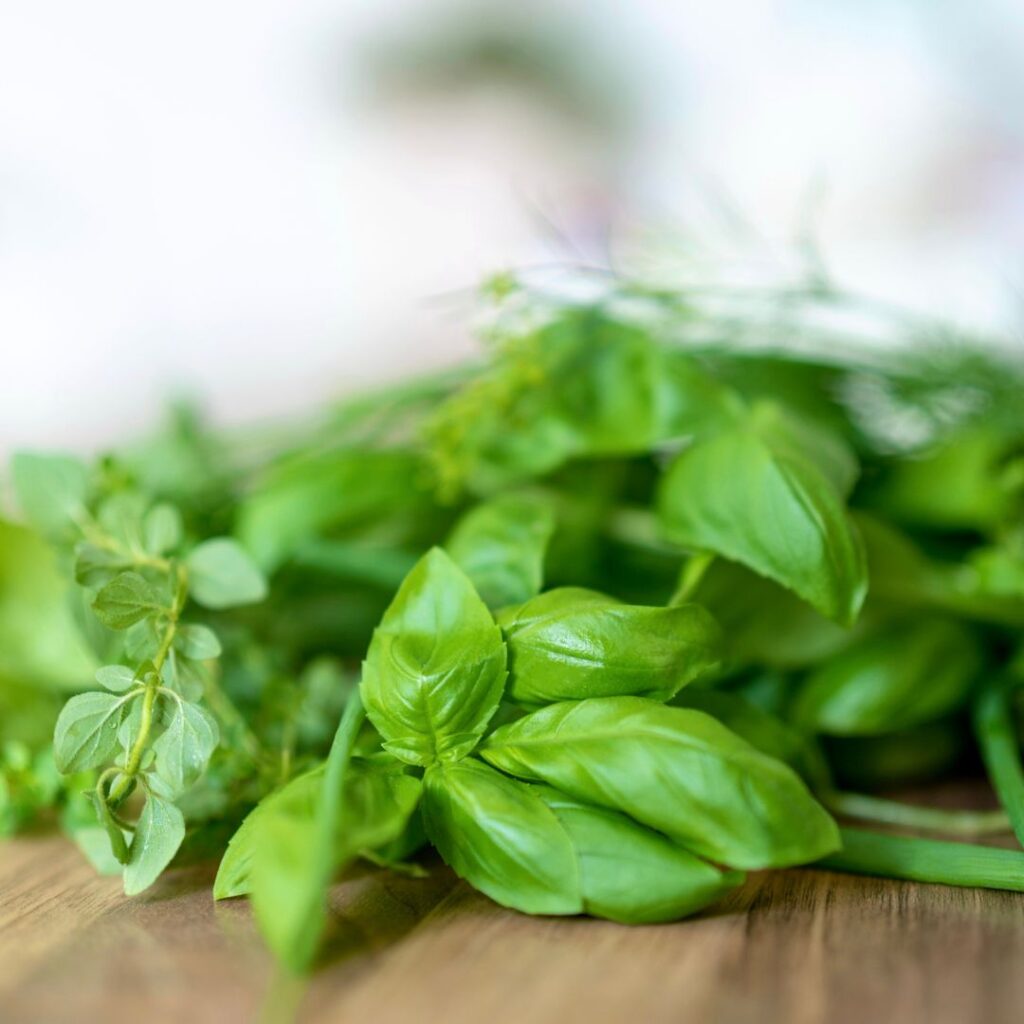
Basil and dill can be harvested with a few simple tips to maximize freshness and flavor. Both herbs have unique culinary uses, making them great additions to various dishes.
Harvesting Tips
I love harvesting basil and dill because it’s so easy! For basil, pick the leaves once the plant is about 6 inches tall. Snip right above a leaf pair to encourage bushy growth. Pick in the morning when the oils are strongest. A little tip: don’t take more than one-third of the plant at a time.
For dill, wait until it has at least 4-5 stems that are about 8 inches long. Cut the outer stems first, near the base. This keeps the plant producing. Flowers can be harvested for seeds if you love making pickles.
Do you have any secret tips for harvesting? Share them below! 🌿✨
Culinary Uses
Basil and dill add amazing flavors to many dishes! I like to use basil in:
- Pesto: Blend with garlic, pine nuts, Parmesan, and olive oil.
- Salads: Fresh leaves can brighten up any salad.
- Pizza: Sprinkle on top for a burst of flavor.
Dill is perfect for:
- Pickles: Fresh dill heads make great pickles.
- Salmon: Sprinkle over grilled or smoked salmon.
- Dips: Mix with yogurt and garlic for a quick dip.
What are your favorite recipes using basil and dill? Drop them in the comments! 🍃🍕
Frequently Asked Questions
Curious about how to perfectly mix herbs in your garden? Let’s dive into some common questions about planting basil and dill along with other herbs.
What are the best companion plants for dill in a herb garden?
Dill gets along well with cucumber, onion, and lettuce. These plants benefit from each other, making your herb garden flourish! 🌱
Is it okay to grow basil and oregano in the same planter?
Yes, you can plant basil and oregano together! They both enjoy the same growing conditions and won’t compete for nutrients. Win-win! 🎉
Are there any disadvantages to planting basil and parsley side by side?
Basil and parsley can grow together, but they might not be the best companions. Basil prefers a little more sun than parsley. Keep an eye on their growth to make sure both are happy! 🌞
Which herbs should not be planted together with dill for optimal growth?
Avoid planting dill with carrots, bell peppers, and lavender. These herbs don’t get along well with dill and can stunt each other’s growth. 🚫
What should you avoid pairing with basil in a mixed herb garden?
Try not to plant basil near sage or fennel. These herbs can affect basil’s flavor and growth. Stick with other friendly herbs like tomatoes and chives. 🍅
Can dill and cilantro be successfully cultivated in close proximity?
Yes, dill and cilantro can grow well together. Both herbs enjoy similar conditions and won’t compete. Plus, they make a tasty combo in recipes! 🌿
Do you have any other questions about herb gardening? Drop your thoughts in the comments below! 💬