
Quick Tip: You can plant a poinsettia outside after Christmas if you live in a frost-free area, usually USDA Zones 9–11. I keep mine indoors when cold nights are still possible because frost can damage this tropical holiday plant fast.
If your weather stays warm, you can give Euphorbia pulcherrima a sunny, sheltered spot with soil that drains well.
I’ll cover when planting is safe, how to help poinsettias settle in, and what to do when winter returns.
You can also keep a potted poinsettia outdoors through warm months and bring it inside before temperatures drop.
With steady care, you might even get it to grow colorful bracts again next holiday season. Wouldn’t that be nice?
When Outdoor Planting Is Safe
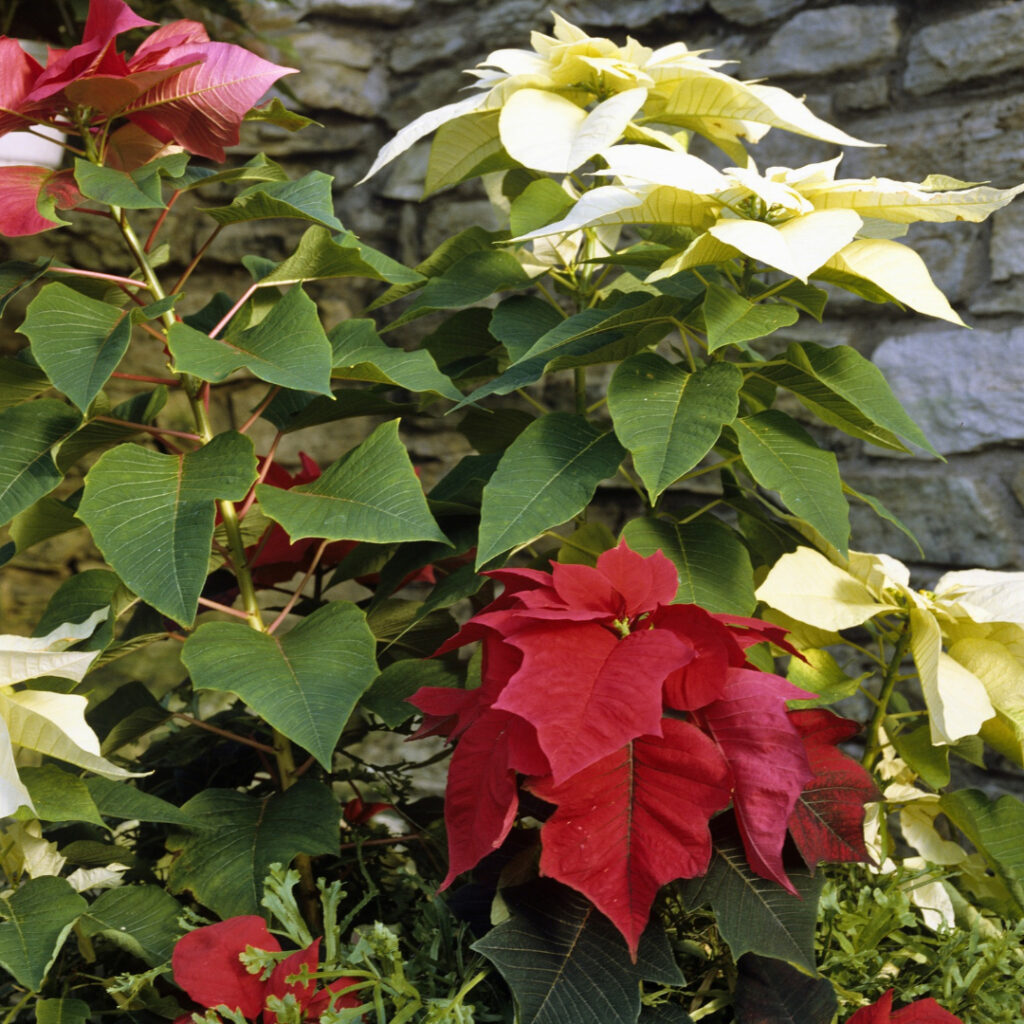
I wait for warm, frost-free weather before moving poinsettias outdoors. Local winter lows and nighttime temperatures matter most, and I always let the plant adjust slowly.
Climate Zones and Frost Risk
I grow poinsettias outside year-round only in USDA Zones 9 through 11. They handle warm conditions but really struggle when temperatures drop below 50°F (10°C).
Frost can kill them in a single night. In Zone 9, I plant them near a warm wall and cover them during rare cold snaps.
In Zones 10 and 11, poinsettias can turn into big shrubs if they get enough warmth and shelter.
Quick Tip: I check my local frost date, not just the calendar. One chilly night can wipe out a healthy plant.
In colder zones, I keep the poinsettia in a pot outdoors during summer and bring it inside before fall nights get chilly.
The Right Spring Timing
I wait until all danger of frost has passed and nighttime temperatures stay above 55°F (13°C). For many places, this means late spring, often weeks after the last frost date.
I also check the soil—it should feel warm, not cold and soggy. Poinsettias outdoors need well-drained soil because soggy roots just rot.
Quick Tip: I plant when warm nights have lasted at least one to two weeks. If I still need a jacket after dark, I hold off.
I pick a site with morning sun and light afternoon shade, especially in hot climates. Strong afternoon sun can scorch leaves, while deep shade leads to weak, leggy growth.
How To Acclimate a Potted Plant
I never move a poinsettia straight from indoors to full sun outside. The leaves are soft and will burn, even on a mild day.
I start with the pot in a shaded, sheltered spot for two to three days. Then I give it a bit more morning sun each day over seven to ten days.
Quick Tip: If the forecast calls for nights below 55°F (13°C), strong wind, or heavy rain, I bring the pot back inside.
I check the soil daily during this change. If the top inch feels dry, I water slowly until moisture drains out.
Once the plant looks firm and healthy in outdoor light, I either plant it in the ground or leave it in its container.
Choose the Right Location and Soil
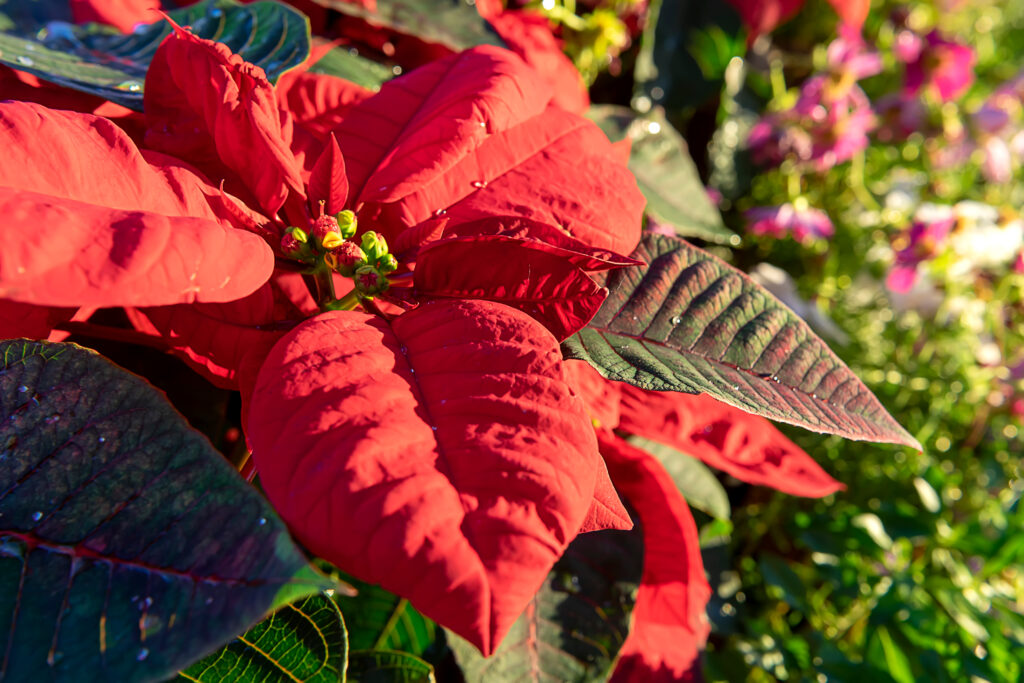
I put poinsettias where they get bright sun, good drainage, and shelter from wind. The right spot helps them thrive after the holidays instead of sitting in cold, wet soil.
Light, Night Darkness, and Wind Protection
I look for a spot with at least 6 hours of direct sun most days. Morning sun is gentler, while harsh afternoon sun can dry the leaves and soil too fast in hot areas.
Poinsettias outdoors need warm weather, so I wait until nighttime temps stay above 55°F (13°C). Frost can kill these plants, so pots are safer if winters get cold.
If I want those red bracts to return, the plant needs long, fully dark nights in fall. Porch lights, streetlights, and bright windows can mess this up—even a little light can spoil the show.
Quick Tip: I plant near a wall or fence that blocks wind, but avoid tight corners where air gets stale.
Well-Draining, Slightly Acidic Soil Helps Roots Stay Healthy
I use slightly acidic soil, with a pH around 6.0 to 6.5. Poinsettias hate soggy roots, and heavy clay holds way too much water after rain.
Before planting, I mix compost and pine bark fines into the soil to help with drainage. The soil should feel loose and crumbly, not thick and sticky.
Plain indoor potting soil doesn’t work well in the garden—it breaks down fast and stays wet. For containers, I use fresh potting soil labeled for containers, sometimes mixed with perlite for extra drainage.
Quick Tip: After rain, I check the soil. If water sits in the hole for hours, I pick a raised bed or just use a pot instead.
In-Ground Planting Versus Containers: Pick What Fits Your Climate
I plant poinsettias in the ground only in frost-free areas—usually USDA Zones 9 through 11. In these climates, they can grow into woody shrubs several feet tall.
I set the root ball at the same depth it grew in the pot and leave space around the plant for airflow. After planting, I water deeply and let the top inch of soil dry before watering again.
In colder zones, I keep poinsettias in containers during warm months. Pots let me move the plant indoors before cold nights hit. I always use a container with drainage holes; decorative pots without holes are just asking for trouble.
Quick Tip: I use a pot about 2 inches wider than the root ball. Huge pots hold too much wet soil, which can rot the roots.
Planting Steps for a Healthy Start
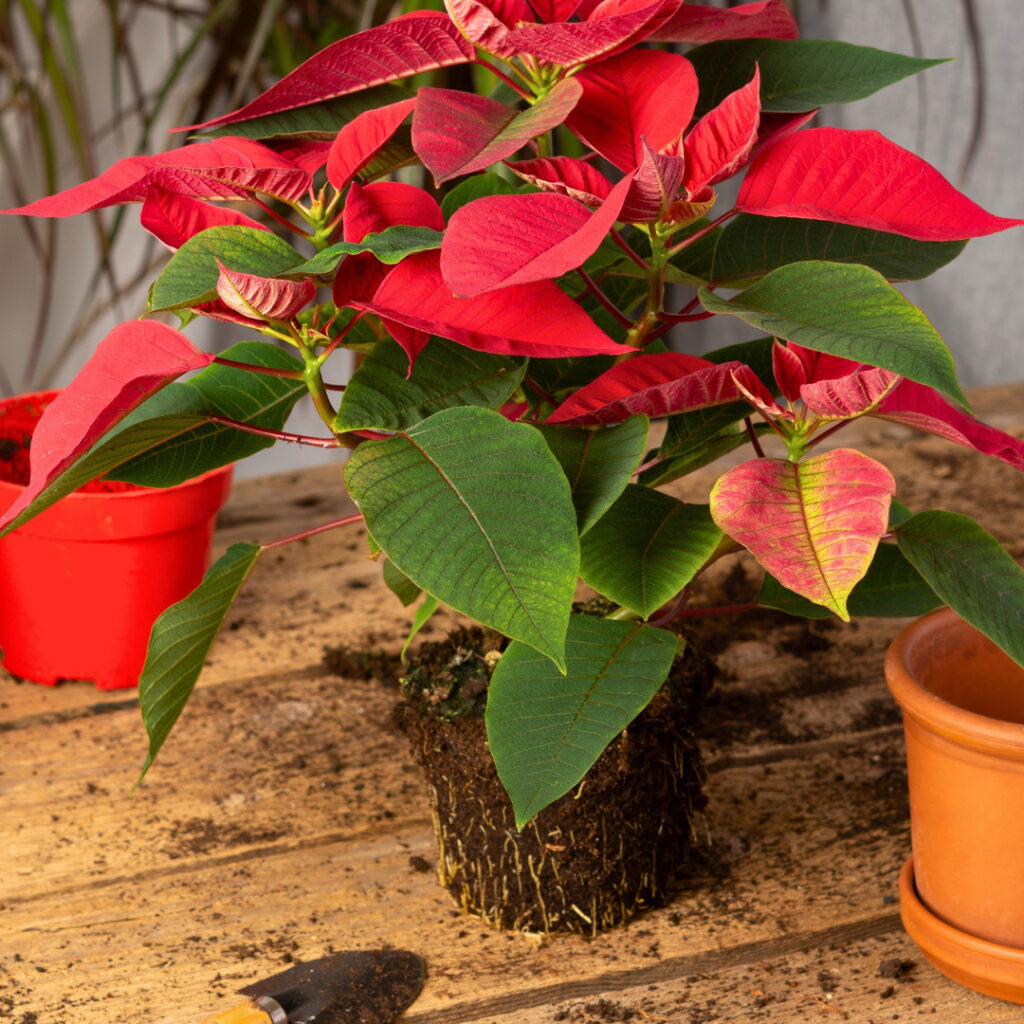
I plant poinsettias only after frost risk is gone and nighttime temps stay above 55°F (13°C). I use well-drained soil, water carefully, and give each plant enough space to spread.
Preparing the Plant and Planting Hole
I move the poinsettia outside gradually over 7 to 10 days. I start with shade, then give it more morning sun each day.
Sudden hot sun can scorch the leaves, so I never rush this part. I dig a hole twice as wide as the root ball and no deeper than the pot.
The top of the root ball should sit level with, or just above, the surrounding soil. Planting too deep keeps roots wet and cranky.
I loosen any circling roots with my fingers before planting and refill the hole with the soil I removed. I skip potting soil in the garden bed—it holds water differently than garden soil.
Quick Tip: If the soil feels heavy and sticky after rain, I plant on a small raised mound for better drainage.
Watering After Transplanting
I water the poinsettia deeply right after planting. This settles the soil around the roots and gets rid of air pockets.
The soil should feel evenly damp, not muddy. For the first two to three weeks, I check the soil every few days.
If the top inch feels dry, I water slowly at the base of the plant. I avoid spraying the leaves late in the day—wet leaves can attract disease.
Once the plant settles in, I water when the top 1 to 2 inches of soil dry out. Hot, windy weather dries soil faster, but rainy weather means I water less or not at all.
Quick Tip: I use my finger as a moisture meter. If the soil feels cool and damp an inch down, I wait.
Poor drainage causes more problems than a short dry spell. If water stands around the plant after rain, I fix the drainage before the roots start to rot.
Spacing for Mature Growth
I give poinsettias more space than their tiny holiday pots suggest. A mature outdoor plant can grow 3 to 10 feet tall and wide, depending on variety, climate, and pruning.
I space smaller varieties at least 3 feet apart. For larger types, I allow 6 to 8 feet between plants.
This gives air room to move through the branches and helps leaves dry after rain. I also keep each plant away from walls, paths, and sprinkler heads.
Plants pressed against a wall get too much reflected heat, and crowded plants stay damp longer. I leave extra room if I plan to prune them into a hedge—tight spacing looks neat at first, but leads to tangled branches and poor airflow later.
Quick Tip: I picture the plant at its widest size, not its current size, before choosing a spot.
Outdoor Care Through the Growing Season
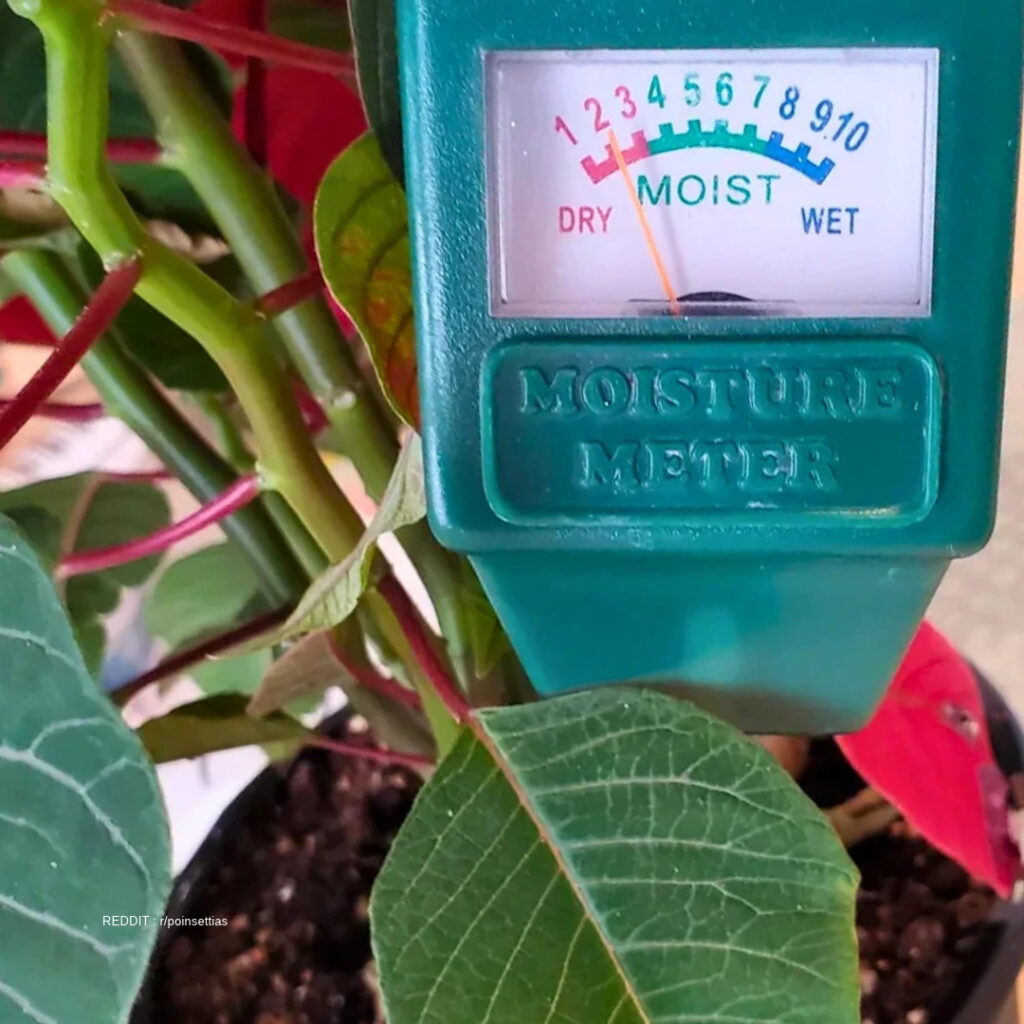
I keep the soil lightly moist, feed the plant during active growth, and protect it from harsh weather. Regular checks help me catch root rot, insect damage, and heat stress early.
Watering Without Causing Root Rot
When I grow poinsettias outside, I water deeply only when the top 1 inch of soil feels dry. I soak the root area until water runs through the drainage holes or into the soil, then let extra water drain away.
Poinsettias hate wet roots. Yellow lower leaves, soft stems, and a sour smell from the soil usually mean root rot.
If I notice these, I stop watering, remove dead leaves, and make sure the pot or planting bed drains well.
Quick Tip: I empty saucers under container plants after rain or watering. Poinsettias should never sit in standing water.
Outdoor plants may need water every day during hot, dry spells. After steady rain, I check the soil before adding more water.
Fertilizing and Summer Pruning for Fuller Growth
I start feeding after new growth pops up in spring. I use a balanced houseplant fertilizer at half strength every two to four weeks, usually from spring through late summer.
I never fertilize a dry plant. First, I water the soil, then add fertilizer to protect the roots from burn.
Quick Tip: I stop regular fertilizer in early fall, about six to eight weeks before I want colored bracts to show up.
I pinch the soft tip from each new branch in late spring and again in early summer. This makes the plant bushier with more branches.
I stop pruning by late August—cutting later can delay the winter color.
Managing Heat, Rain, and Pests Before They Spread
I give outdoor poinsettias bright light with afternoon shade in really hot areas. Strong summer sun can bleach leaves or leave dry brown edges, especially in warmer zones.
Heavy rain can soak the soil for days. If storms are common, I move container plants under cover or use a raised bed with loose, fast-draining soil.
Quick Tip: I check leaf undersides once a week for whiteflies, aphids, spider mites, or sticky residue.
If I find a few pests, I rinse them off with a firm spray of water early in the day. For bigger problems, I use insecticidal soap as the label says.
I remove badly damaged leaves so pests have fewer places to hide.
Winter Protection and Bringing Pots Indoors
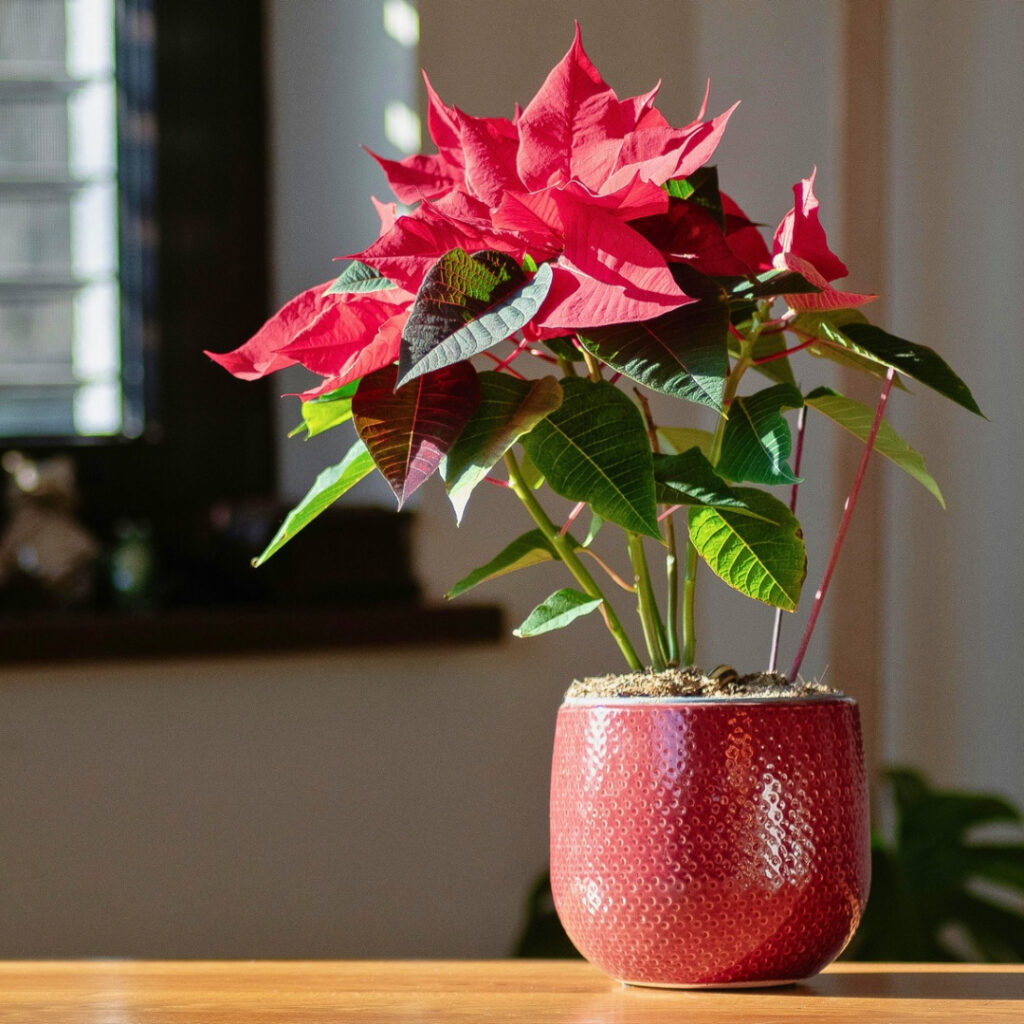
I protect poinsettias from cold air, frost, and sudden temperature drops. A warm indoor spot helps holiday plants bounce back after the display season.
Cold-Weather Temperature Limits: When Poinsettias Must Come Inside
I bring poinsettias inside before nighttime temperatures dip below 50°F (10°C). They really seem to thrive when days hover between 65–75°F (18–24°C).
Cold wind can rough up the leaves even before frost sets in. One frosty night can kill a poinsettia fast.
Blackened, mushy leaves and droopy stems usually show up after a cold snap. If you keep them outdoors, a sheltered spot by a warm wall helps, but honestly, a freeze will still do them in.
Quick Tip: I always check the overnight forecast, not just the daytime high. If it looks like it’ll hit 50°F or lower, I drag the pots inside before sunset.
Inside, I keep plants away from drafty doors, cold windows, and those blasting heat vents. Quick swings from cold air to dry heat tend to make the leaves drop, which is just frustrating.
Overwintering in Cooler Climates: Keep Pots Safe Until Spring
In USDA Zones 9–11, I can usually keep poinsettias outside all winter if there’s no frost. In colder places, I treat them as houseplants once autumn nights get chilly.
I set my potted poinsettia in bright, indirect light, usually near an east window. A south window works too, but if the afternoon sun feels hot on the leaves, I move the pot back a bit.
I water only when the top inch of potting mix dries out. Let the extra water drain—poinsettias hate sitting in a soggy saucer.
Quick Tip: If I can, I move outdoor pots inside gradually. First, a porch or garage for a few days, then into their spot indoors.
If my house is dry, I keep the plant away from radiators and forced-air vents. Dry heat makes the leaf edges crisp up, which nobody wants.
What To Do After Holiday Bracts Fade: Help the Plant Rest and Regrow
The red, pink, or white parts are bracts, not actual flowers. When they fade and lower leaves start dropping, I don’t panic—the plant’s just resting.
I keep it in bright light and water less, but I never let the root ball get bone dry. After the bracts fade, I cut stems back to about 4–6 inches tall, usually in late winter or early spring.
Quick Tip: I use clean pruners and cut just above a leaf node. New shoots tend to pop up as days get longer and warmer.
In spring, I only repot if roots fill the pot, using fresh, well-draining mix. Once nights stay above 55°F (13°C), I start moving poinsettias outside little by little, into morning sun and light shade.
Helping Poinsettias Color Up Again
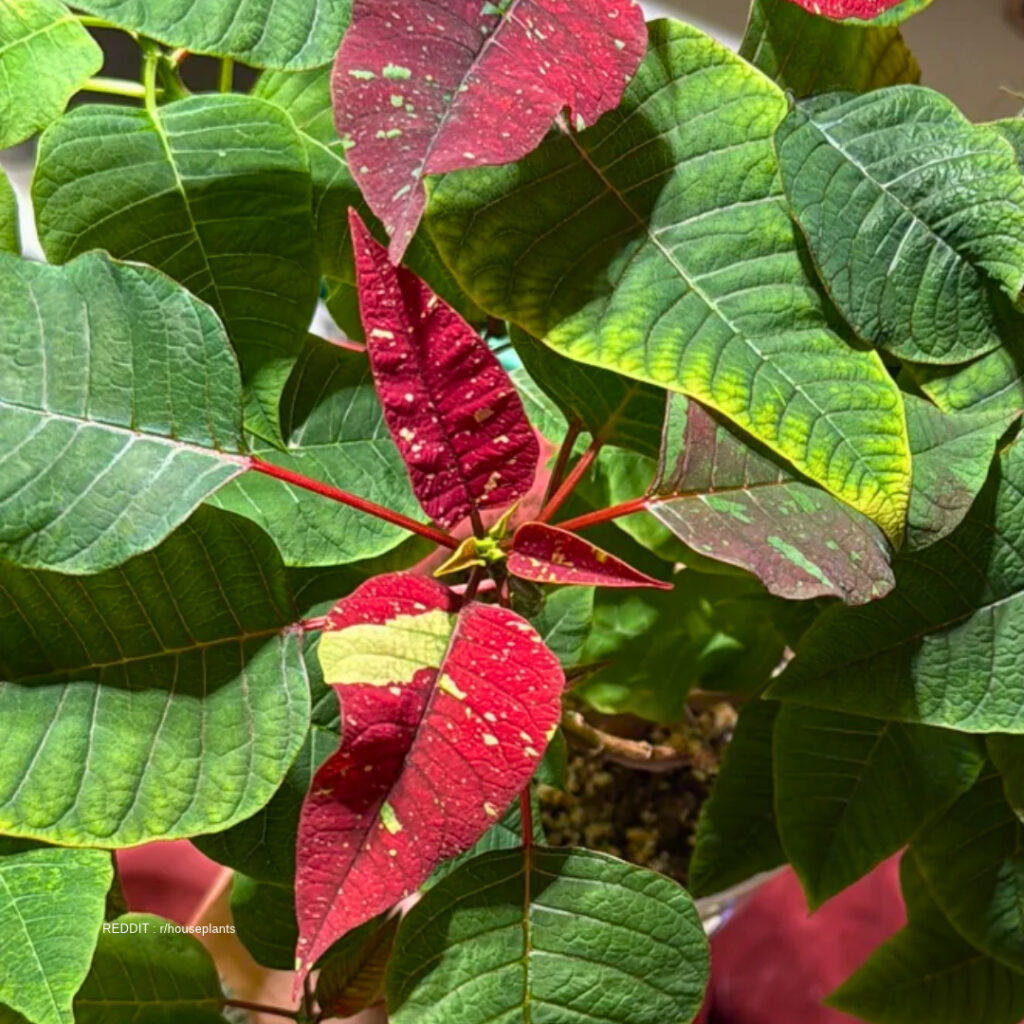
I can get a poinsettia (Euphorbia pulcherrima) to show off colorful bracts again, but it takes a strict light routine in the fall. Warm days, dark nights, and steady care really make the difference.
Why Bracts Change Color
Those red, pink, or white parts? They’re bracts, not flowers—just colored leaves around the tiny yellow flowers in the middle.
Poinsettias change bract color when they sense shorter days and longer nights. Nature triggers this in fall, so I start the process about 8 to 10 weeks before I want color—usually late September or early October.
First, I make sure the plant’s healthy. Bright daylight, water when the top inch dries, and never soggy roots. If the plant’s weak, it’ll grow leaves but not much color.
Quick Tip: I look for new green growth before starting the dark-night routine. If the plant’s stressed, I fix watering or pest issues first.
Creating Long, Uninterrupted Nights
I give my poinsettia 14 to 16 hours of total darkness every night. Even a little light from a lamp or TV can mess up the cycle. The plant’s picky about this, so I don’t cut corners.
For example, I stick it in a dark closet from 5 p.m. to 8 a.m. each day. During the day, I move it to a sunny window or bright spot for at least six hours.
I try to keep nighttime temps near 60 to 70°F and avoid drafts. If the plant’s outside in a frost-free area (USDA Zones 9 to 11), outdoor lights can still stop bract color from forming.
Quick Tip: I set a phone alarm to remind me to move the plant. Missing one night probably won’t ruin things, but too much light can delay the color.
A Simple Fall Care Timeline
Here’s the schedule I follow to keep things simple:
| Time | What I Do |
|---|---|
| Late September | I start 14–16 hours of darkness each night. |
| October | I keep up the routine and only water when the top inch dries out. |
| Early November | I watch for colored bracts near the stem tips. |
| Late November to December | I stop the darkness routine once the bracts color up and keep the plant in bright light. |
I avoid heavy fertilizer while the plant colors up. Too much just pushes leafy growth, not color. If I fertilize, it’s a light dose of balanced houseplant fertilizer early in fall, then I stop when the color starts.
Quick Tip: I keep the soil just lightly moist. If lower leaves turn yellow, the roots probably stayed too wet.
Frequently Asked Questions
I wait for warm nights, shield poinsettias from cold, and pick sunny, well-drained spots for outdoor growing.
When is the best time to move a poinsettia outdoors after Christmas?
I move a poinsettia outside only after frost danger passes and nights stay above 55°F. For most places, that’s late spring or early summer.
I start with a few hours of morning shade, then slowly add more outdoor time over a week or so. Too much sun too fast can scorch the leaves.
Quick Tip: If a chilly night below 50°F is coming, I bring the plant back inside.
How cold is too cold for a poinsettia to stay outside?
Anything below 50°F is too cold for a poinsettia, in my experience. Cold air makes leaves yellow, droop, or fall.
Frost will kill the plant. If the forecast calls for frost, I move it inside or cover it with frost cloth.
Quick Tip: I skip using plastic right on the plant—it traps cold moisture against the leaves.
Where should I plant a poinsettia outdoors?
I plant poinsettias in soil that drains quickly and doesn’t get muddy after rain. I pick a spot with morning sun, light afternoon shade, and shelter from strong wind.
I avoid low spots where cold air or water gathers. A raised bed works if my yard has heavy clay soil.
Quick Tip: I plant it at the same depth as the pot—never deeper.
Can poinsettias grow outside in full sun?
I give a poinsettia gentle sun at first, especially if it’s been indoors. Strong afternoon sun can bleach or burn the leaves.
Once established, it can handle more sun in warm climates, but I keep an eye on it during heat waves. In really hot areas, afternoon shade keeps the leaves from looking worn out.
Quick Tip: Every few days, I check the soil. If the top inch is dry, I water deeply.
Can a poinsettia survive outdoors through the winter?
I only leave poinsettias outside all winter in warm places—USDA Zones 9 through 11. They can grow as shrubs where frost is rare and temps stay mild.
In cooler zones, I bring the plant inside before nights drop below 50°F. Garages are usually too dark and cold for them.
Quick Tip: Indoors, I put them near bright light but away from cold window glass and heating vents.
How do I keep an outdoor poinsettia alive year after year?
I water when the top inch of soil feels dry. Then I let the extra water drain away—poinsettias really dislike soggy roots, so I never keep the soil wet for long.
In late winter or early spring, after those colorful bracts finally fade, I prune back the long stems. That way, the plant grows fuller instead of shooting up all leggy and bare.
Quick Tip: I always wear gloves when pruning, since the milky sap can really irritate your skin.