
Can orchids grow outside? Yes, orchids can thrive outside in the right conditions! I find it fascinating how these delicate flowers can bloom beautifully in our backyards with a bit of TLC. 🌸
I’ve tried growing orchids outdoors myself, and with the right climate and care, they can be a fantastic addition to your garden. Do you have a shady spot with indirect sunlight? Perfect! Orchids love that. Just imagine your friends’ reactions when they see your gorgeous outdoor orchid display!
Interested in giving it a shot? It’s easier than you think! I can’t wait to share my tips and tricks. Have you already tried growing orchids outside? Let me know in the comments! 🌿
Understanding Orchids
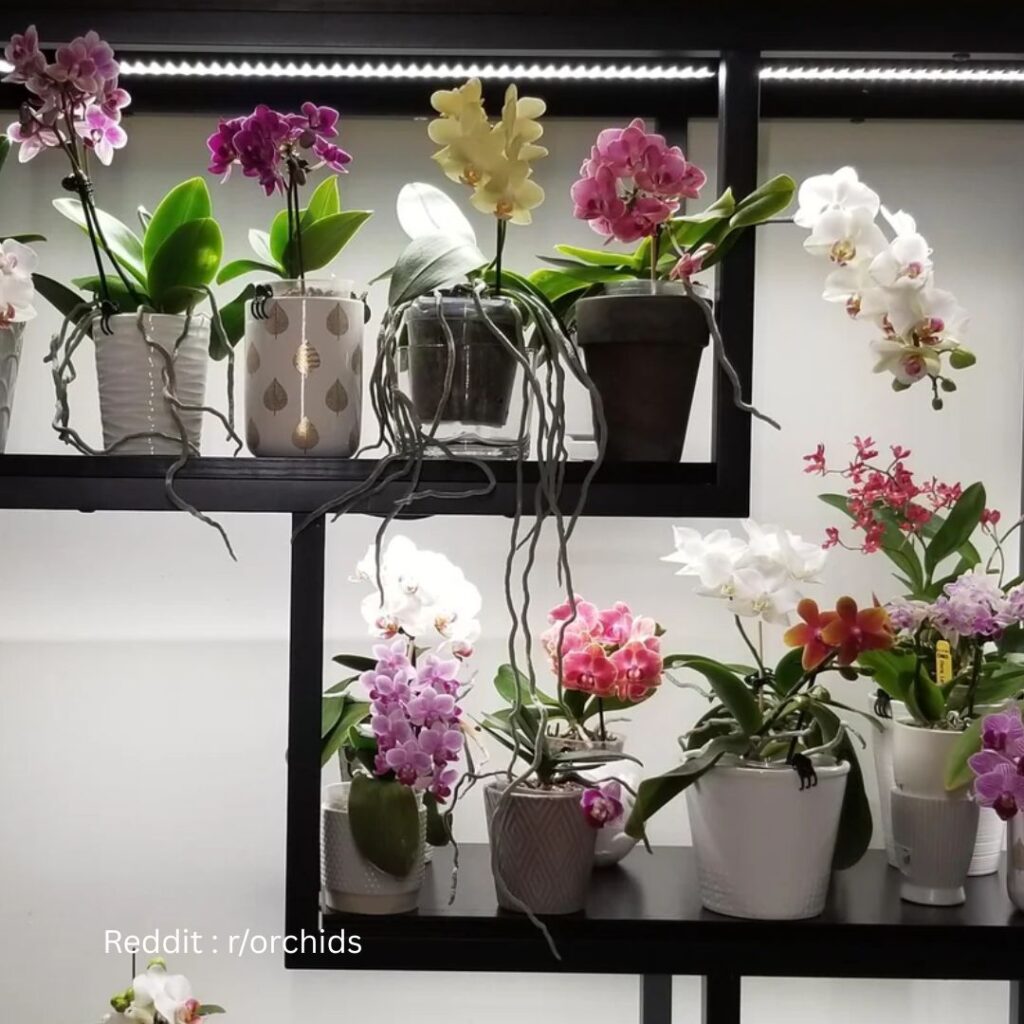
Orchids are fascinating and beautiful plants 🌸. They come in a wide variety of shapes and colors. Did you know that there are over 25,000 species of orchids? That’s a lot of variety to choose from!
Orchids naturally grow in many different places, from tropical forests to mountain regions. Some types love trees, while others thrive on rocks or in the ground. It’s amazing how adaptable they are!
One cool thing about orchids is their roots. Unlike most plants, their roots often grow above ground. This helps them absorb moisture and nutrients from the air. 🌿 Interesting, right?
I’ve noticed that orchids can be a bit picky about their environment. They crave a specific amount of light, humidity, and temperature. If you can get these right, your orchid will be much happier. Have you ever tried growing an orchid at home?
Here’s a quick look at some common orchid needs:
- Light: Bright, indirect light.
- Water: Regular but not too much! They hate soggy roots.
- Humidity: They love a bit of moisture in the air.
- Temperature: Warm days and cooler nights.
Orchids can be tricky to care for, but also super rewarding. Share your orchid-growing experiences with me in the comments! 🌺 Have any tips or funny orchid stories? Let’s hear them! 🗣️
Ideal Outdoor Conditions for Orchids
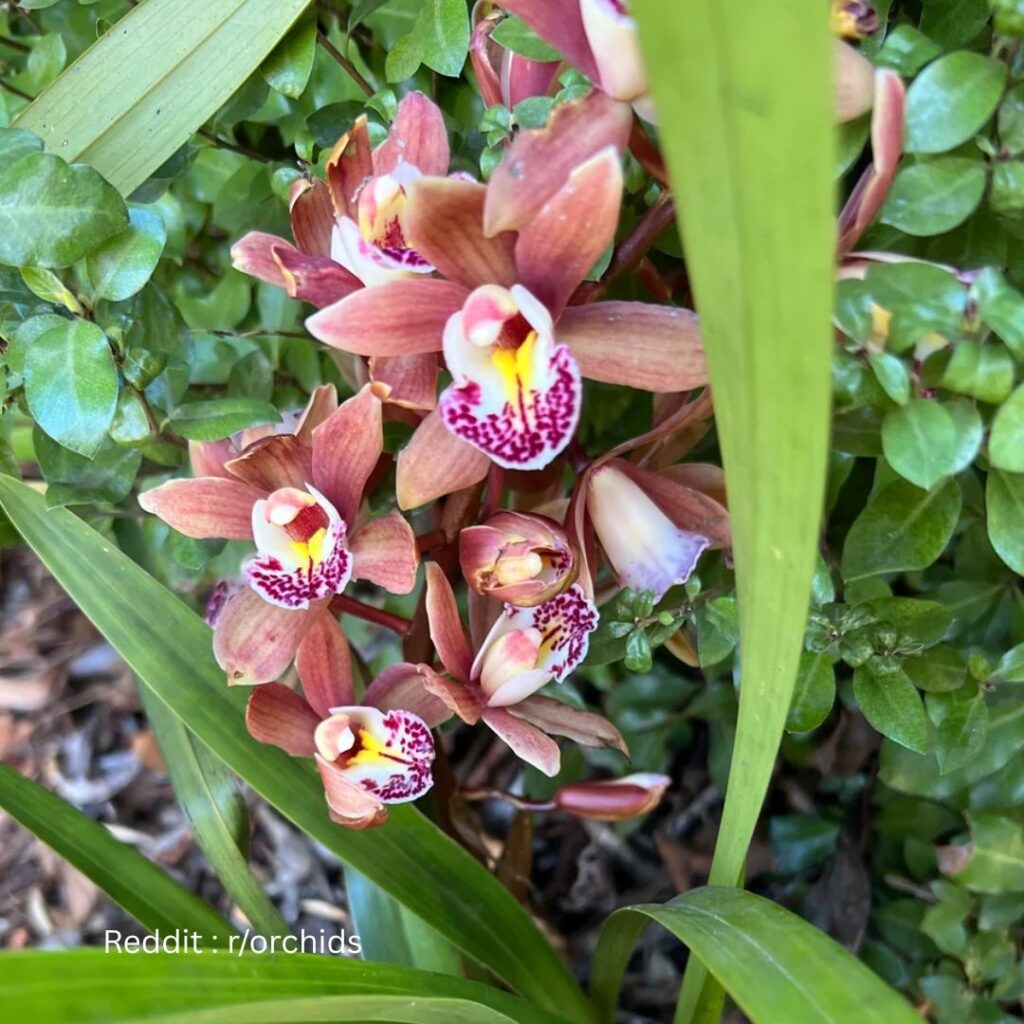
Orchids can indeed thrive outside if you provide the right environment. 🌿 The key factors involve the climate suitability and making seasonal adjustments to ensure the best growth.
Climate Suitability
Orchids need a specific climate to grow well. They love warm temperatures between 60-80°F during the day and slightly cooler nights. Think of the places you enjoy when it’s not too cold or too hot—orchids feel the same way.
Humidity is also crucial. Orchids thrive with 50-70% humidity. They enjoy a bit of moisture in the air without it being overly wet. If you’re in a dry area, consider misting them or using a humidity tray.
Light is another crucial factor. Orchids prefer indirect sunlight. Too much direct sun can burn their leaves, while too little light can stunt their growth. Place them in a spot where they can get filtered light, like under a tree or an awning. 🌳
Seasonal Adjustments
As seasons change, so should your orchid care. In the warmer months, keep an eye on their water needs. They might need more frequent watering but ensure the roots don’t stay soggy. Orchids dislike standing water.
During colder seasons, orchids will need protection. Frost can be deadly, so if the temperature drops, bring them inside or cover them with a frost cloth. Have you ever had to bundle up on a cold day? Orchids need that same protection!
You might also need to adjust the amount of light they receive. With shorter days in winter, ensure they’re still getting enough light. Moving them to a brighter spot or using grow lights can help.
Are you a fan of orchids? Have you tried growing them outside? Share your experiences in the comments! 🌸
Choosing the Right Orchids for Outdoor Growth

Picking the right orchids for your garden depends on the climate in your area and the hardiness of the orchid variety. Some orchids are tougher than others and can handle outdoor conditions better.
Hardy Orchid Varieties
Certain orchids are better suited for outdoor growth because they can withstand cooler temperatures and more variable weather. Cypripedium and Bletilla are hardy orchids that do well outside. These types can often survive frost and continue to thrive year after year.
Many people have successfully grown Dendrobium species outdoors. I personally love seeing the Dendrobium nobile in my garden. It’s like having a slice of the tropics right at home! 👍 Who wouldn’t want vibrant orchids adding a splash of color outside? 🌺
Region-Specific Recommendations
Your orchid’s success largely depends on where you live. In warmer regions like Florida or Southern California, tropical orchids like Vanda and Cattleya can grow outside with ease. These areas provide the warm and humid conditions that tropical orchids love.
Live in a cooler place? If you’re in a colder region, stick with hardy varieties like Bletilla. Up north, these will be your best bets for outdoor gardening. It’s always smart to check with local gardeners or garden centers. They can give you the best advice for your specific area.
Do you grow orchids outside? Tell me which varieties you’ve had success with! 🌸👇
Preparing the Outdoor Space
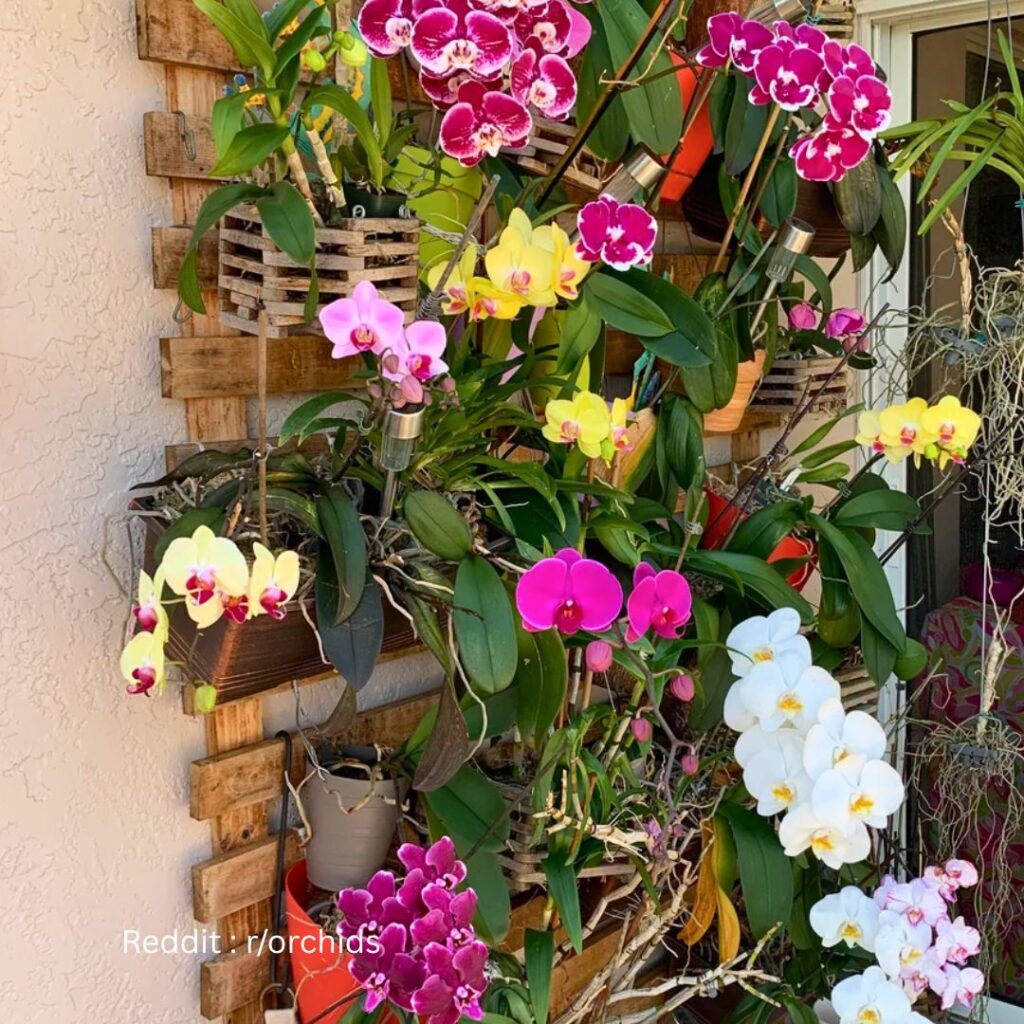
Getting your outdoor space ready for orchids needs some planning. You’ll need to think about location, soil, mounting, lighting, and shade.
Selecting Location
Choosing the right location for your orchid 🌸 is key. Orchids love spots with good air flow but not too windy. A sheltered area like near a fence or wall can work well. If you live in a place with mild temperatures, you’re in luck! 🌤️ Too hot or too cold can stress the plants.
Another thing to think about is humidity. Orchids like it a bit humid. If it’s too dry where you live, consider misting them or placing a shallow water tray nearby.
Soil and Mounting Options
Orchids aren’t your typical garden plant. They often prefer to be mounted on tree barks or in well-draining soil mix.
Here’s a quick soil mix:
- Bark chips
- Perlite
- Charcoal
If you mount them, you can use tree bark or even a piece of cork. Just make sure to secure them well so they don’t fall off.
Tip: Don’t use regular garden soil. It’s too dense and can harm the roots.
Lighting and Shade Requirements
Orchids need bright light but not direct sun. Too much sun can burn the leaves. A partially shaded spot is best, like under a tree or a shade cloth. ☀️
If you notice yellow leaves, it means they’re getting too much light. Dark green leaves mean they need more light. Adjust their position as needed.
Do you have any tips for growing orchids outside? Share in the comments! 🪴💬
Planting and Transplanting Tips

When it comes to planting orchids outside, you need to choose the right spot. Orchids thrive in places with indirect sunlight and good airflow. Too much direct sun can burn their delicate leaves.
Planting in the ground? Make sure the soil is well-draining. Orchids hate soggy roots. If you’re using a pot, pick one with plenty of drainage holes.
When transplanting, be gentle with the roots. They can be fragile, and rough handling might harm the plant. I usually water the orchid a day before. This makes the roots easier to work with. 🌱
- Dig a hole just deep enough for the roots.
- Place the orchid in the hole or pot.
- Cover the roots with a mix of soil and bark.
Water it well, but don’t drown it. A light misting can do wonders, especially in the early days.
Got any tips or stories about growing orchids? Drop them in the comments! Your green thumb adventures can help someone else. 😊
Daily and Seasonal Care Routines

Orchids can grow outside with the right daily and seasonal care. These plants need special attention with watering, fertilizing, and temperature management to thrive.
Watering Practices
I find that watering orchids can be a bit tricky. Orchids don’t like “wet feet,” so I always make sure the soil is well-draining. During hot, dry seasons, I water my orchids every morning to keep them hydrated. In cooler months, I scale back to once or twice a week.
A fun tip: try to mist the leaves rather than soaking the soil. This mimics their natural habitat and keeps my orchids happy. Keep an eye on the weather and adjust as needed. Do you water your plants in a special way? Share in the comments! 🌸
Fertilizing Needs
Orchids love a good meal! I feed my orchids with a balanced 20-20-20 fertilizer. During the growing season, I fertilize every two weeks. I usually mix the fertilizer at half strength to avoid burning the roots.
In the colder months, I cut back fertilizing to once a month. Remember, over-fertilization can harm your orchids. A good rule of thumb is, “Less is more.” Have you found a favorite orchid fertilizer? Let’s discuss! 🌿
Temperature Management
Temperature plays a big role in outdoor orchid care. Orchids prefer warm days and cool nights. I’ve found ideal temperatures are 65°F to 80°F during the day and about 10 degrees cooler at night.
To protect my orchids from chill, I cover them or move them indoors when temperatures drop below 50°F. High heat above 90°F can also stress them out, so I use shade cloths. What’s your strategy for managing temperature? ❄️🔥
What are your orchid care secrets? 🌼 Drop a comment below!
Protecting Orchids from Pests and Diseases
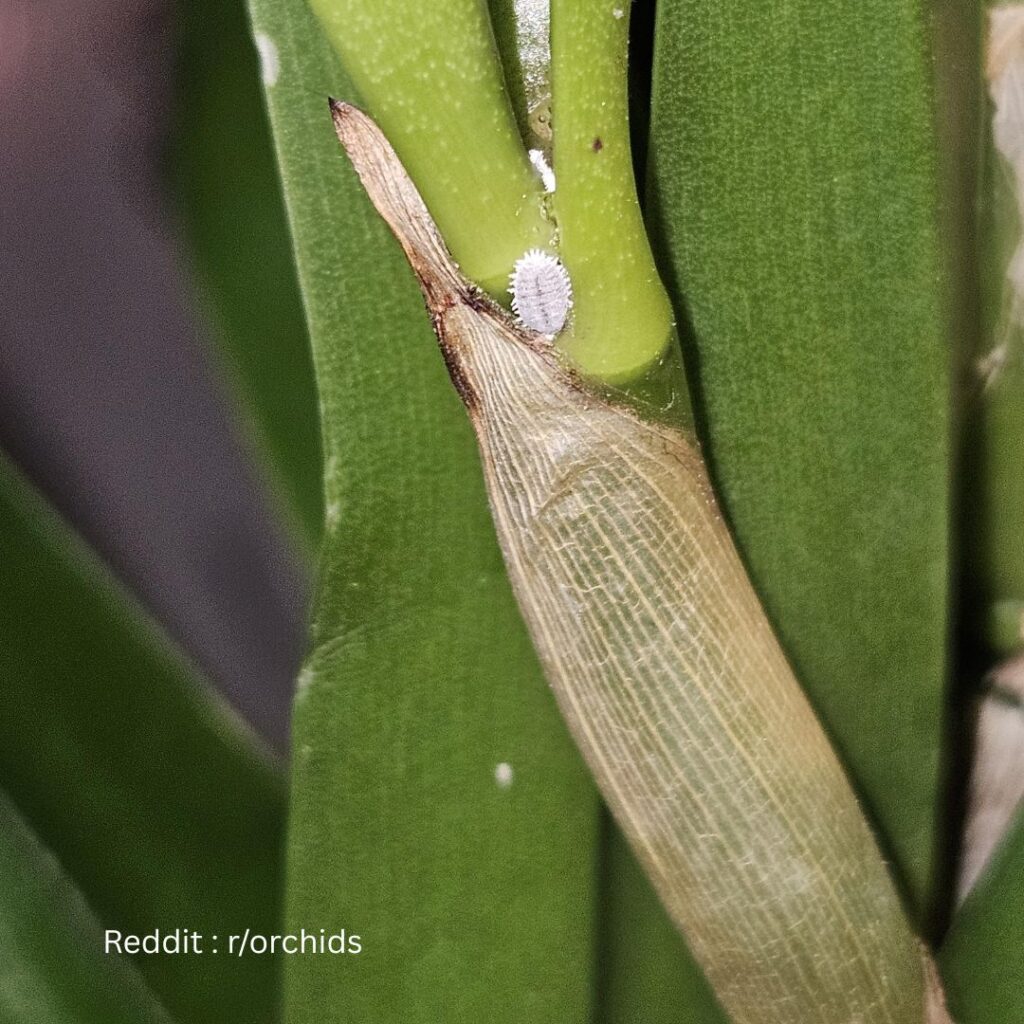
To keep orchids healthy outdoors, we need to watch out for pests and diseases. Some pests love snacking on orchids, and diseases can spread easily. Let’s explore how to handle these issues effectively.
Common Pests
Orchids attract a variety of pests like aphids, mealybugs, and spider mites. These tiny creatures can cause big problems!
I once found aphids on my orchid, and they were sucking the sap, leaving it weak. I used a mild soap solution to wash them off, and it worked great!
Mealybugs love hiding in the roots. They look like tiny cotton balls. I used a neem oil spray, and they were gone in no time!
Spider mites are sneaky. You might see tiny webs on the plants. Using a damp cloth to wipe the leaves can keep them in check.
Got another tip? Share it in the comments! Let’s help each other keep our orchids pest-free. 🌸🪲
Disease Prevention
Keeping orchids disease-free is all about cleanliness and good airflow. Orchids don’t like wet feet, so make sure their roots dry out between waterings.
I once had a problem with root rot because I overwatered. Lesson learned! Now, I water less and my orchids are happy.
Fungal infections can be sneaky. They show up as dark spots on the leaves. I’ve found that using a bit of cinnamon powder on the affected areas works wonders. Plus, it smells nice! 🍂
To avoid bacterial infections, I always sterilize my gardening tools before using them on different plants. It’s a small step but makes a big difference.
How do you keep your orchids healthy? Comment below and share your tips! 🌼💧
Orchid Repotting and Division
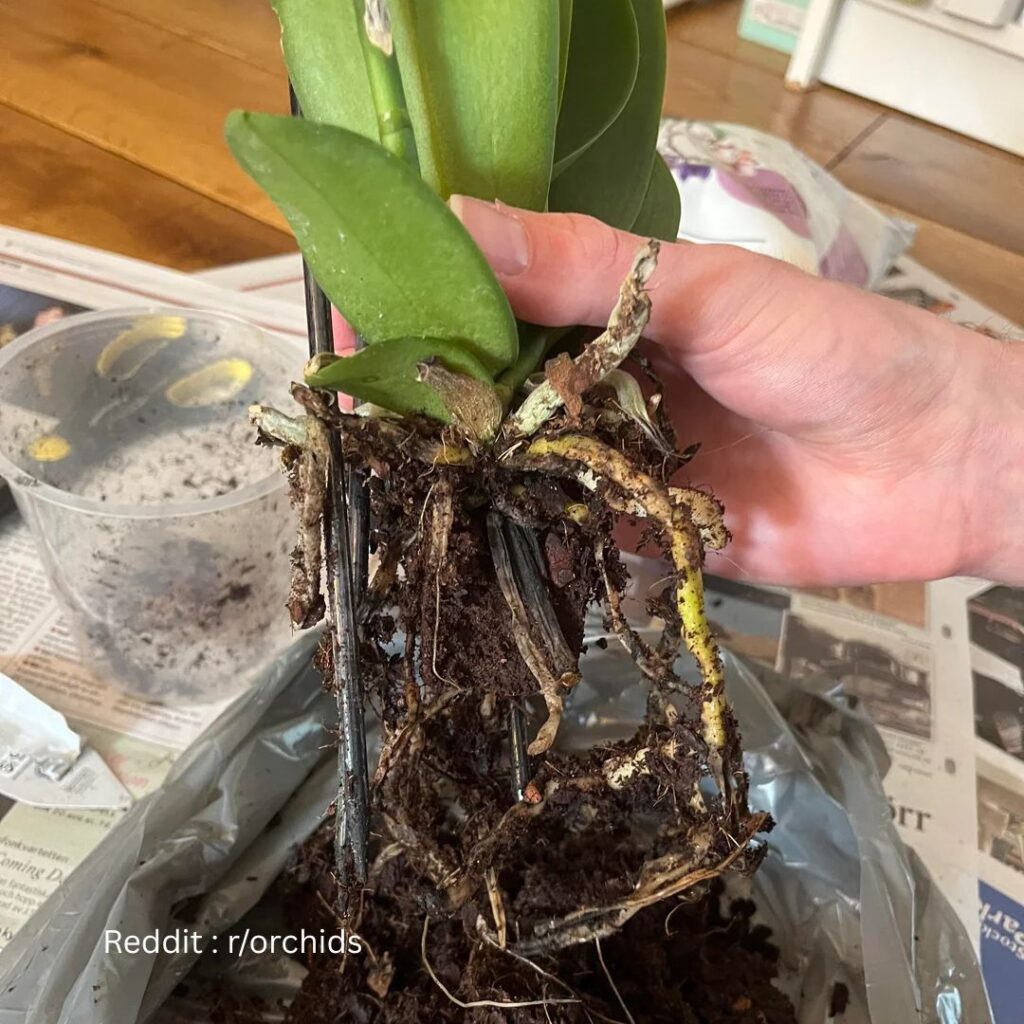
When it’s time to repot your orchid, it might feel a bit intimidating. But trust me, it’s easier than it seems! 🌼 I usually start by soaking the orchid in water for 15-20 minutes. This softens the roots and makes them easier to handle.
Once your orchid is nice and hydrated, gently remove it from its pot. Shake off the old potting mix. Don’t be afraid to trim any dead or rotted roots. It’s like giving your plant a fresh start!
Next, if you notice multiple clumps or growths, it’s time for division. Each division should have at least 3-4 healthy pseudobulbs. Carefully separate them, ensuring each new section has enough roots to support itself.
Place your orchid into a new pot that’s just large enough to accommodate its roots. I prefer clear plastic pots; they let me keep an eye on the roots. Fill the pot with a fresh orchid mix, gently packing it around the roots.
Water your newly repotted orchid sparingly at first. Too much water right away can shock the plant. I usually wait about a week before resuming regular watering.
How often do you repot your orchids? Have you tried dividing them before? Share your experiences in the comments! 🌸✨
Advantages of Outdoor Orchid Cultivation
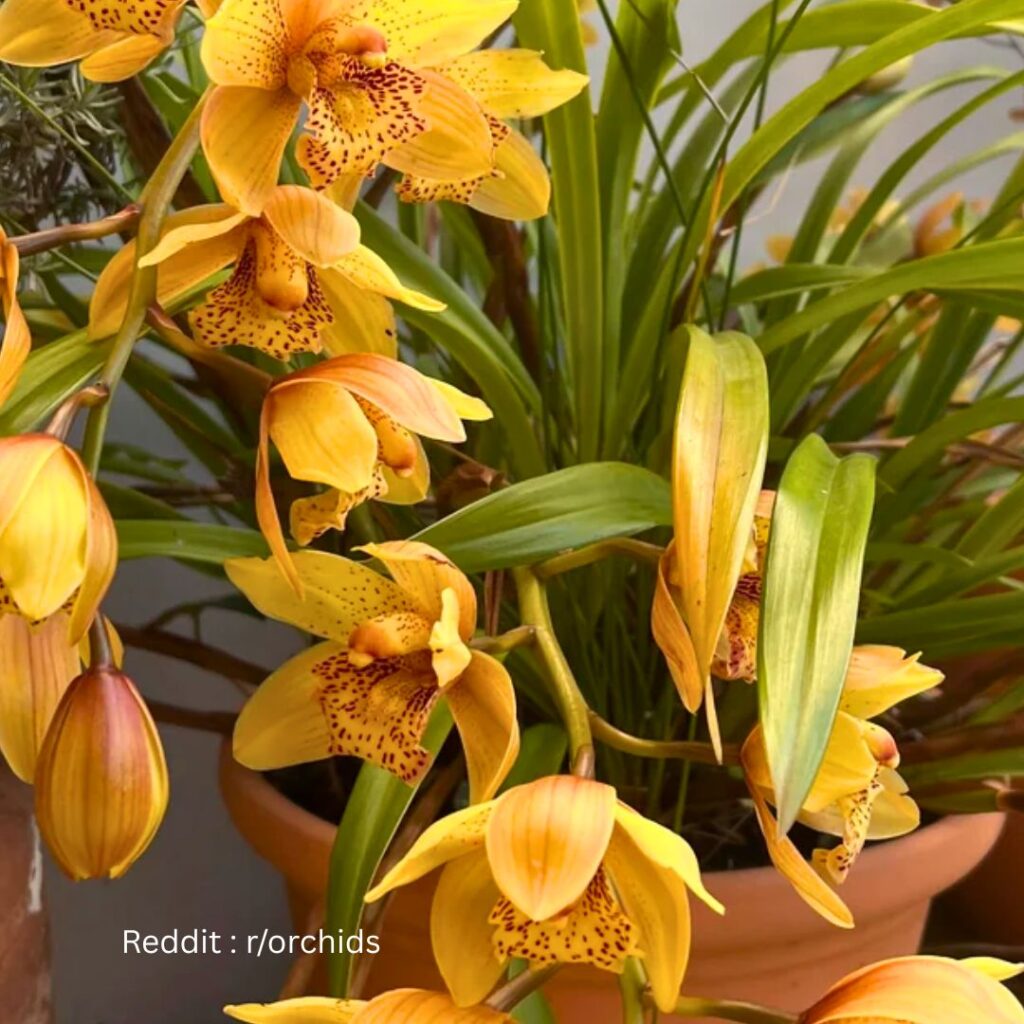
Orchids growing outside? Yes, please! 🌿
Natural Light: Orchids love natural sunlight. Growing them outside means they get the perfect amount of light, making them bloom beautifully. No more guessing if your window spot is right!
Fresh Air: Just like us, orchids enjoy fresh air. It helps them stay strong and healthy. Plus, who doesn’t enjoy a nice breeze?
Space to Grow: Outside, orchids have more room to stretch their roots. They can grow bigger and show off their full beauty. 🌸
Less Fuss: When outside, orchids aren’t as picky about temperature and humidity changes. They can handle a bit more variety, making them easier to care for.
Visitor Friendly: More orchids in the garden can attract lovely butterflies and bees. It makes your garden lively and more beautiful. 🦋
Have you tried growing orchids outside? Share your experience in the comments! 🌺
When to Bring Orchids Inside
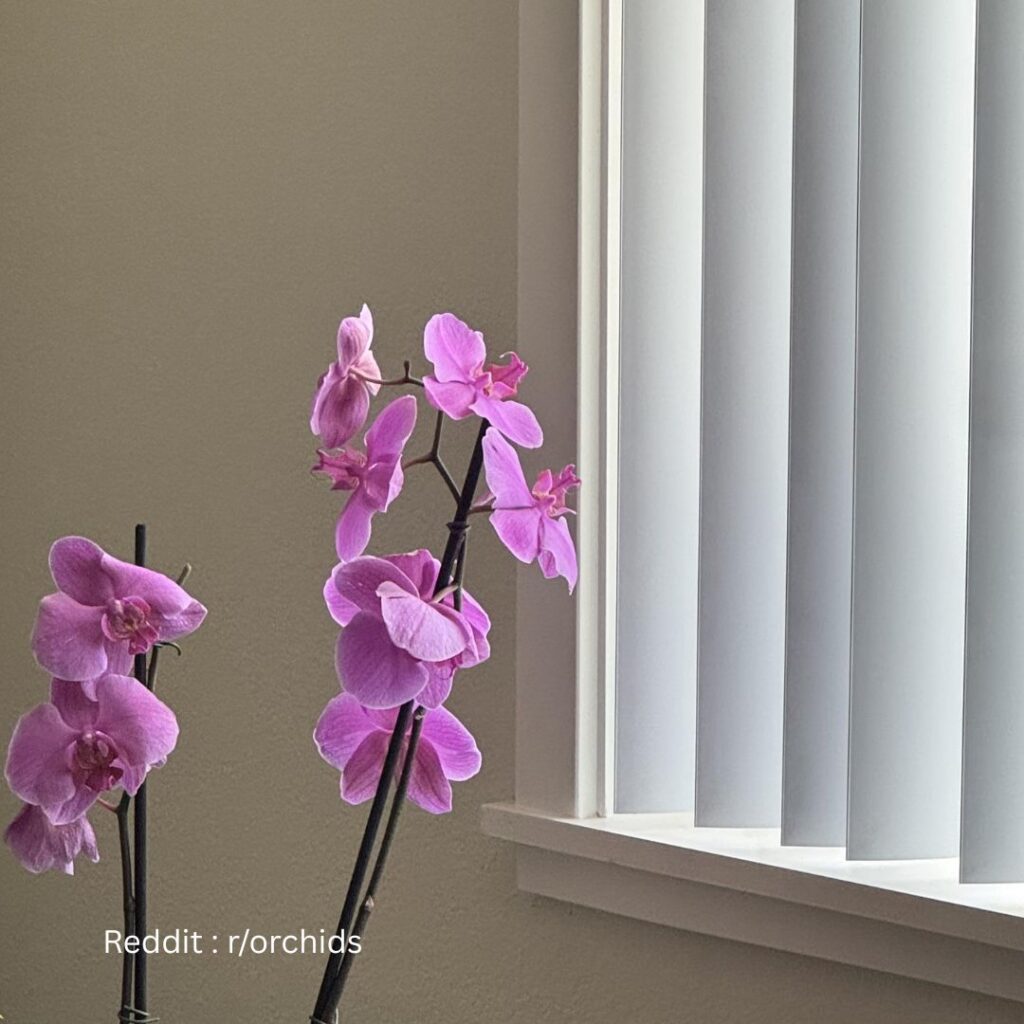
I love my orchids, and I’m sure you do too! 🌸 Knowing when to bring orchids inside is super important to keep them happy and healthy. Here’s the lowdown:
Temperature Check: Orchids love warm weather, but they’re not fans of the cold. When nighttime temperatures drop below 50°F (10°C), it’s time to bring them inside. They might get chilly!
Rain, Rain, Go Away: Heavy rain can damage the delicate flowers. If the forecast shows a lot of rain, I bring mine indoors to protect them.
Windy Days: Strong winds can snap stems and scatter flowers. I move my orchids inside if it gets too gusty outside.
Pests Alert: If I notice pests like snails, slugs, or aphids, I take my orchids indoors and give them a thorough check.
Humidity Matters: Orchids need high humidity. Indoors, I use a humidity tray or a humidifier 🏡. Outdoors, dry spells can stress them out, so I bring them in if it gets too dry.
Do you love orchids as much as I do? 🌿 Drop your tips and tricks for taking care of them in the comments! 😊
Frequently Asked Questions
Growing orchids outside can be a rewarding experience if you know the right tips and tricks. Let’s tackle some of the most common questions about outdoor orchid care.
What types of orchids are best suited for outdoor growth?
Different orchids thrive in various climates. Cymbidiums and Dendrobiums are great picks for growing outside. They’re hardy and can handle a range of conditions.
How do you care for orchids outdoors if you’re a beginner?
Start small and keep it simple. Water your orchids early in the morning and avoid letting them sit in waterlogged soil. Remember to check the weather so you can move the plants if necessary.
Do orchids thrive better indoors or outdoors?
This depends on the type. Some orchids love the fresh air and light outside. Others might be happier inside where you can control temperature and humidity.
What are the ideal temperature conditions for keeping orchids outside?
Orchids prefer a range of 60-80°F (15-27°C). Make sure the temperature doesn’t fluctuate too much. If it gets too hot or cold, consider moving them temporarily.
Are orchids able to survive outdoors during winter months?
It can be tough for orchids during winter. If you live in a place with frost or snow, it’s better to bring them indoors. Tropical orchids especially dislike cold weather.
Is direct sunlight beneficial or harmful to outdoor orchids?
Be careful with direct sunlight as it can scorch the leaves. Filtered sunlight or partial shade is usually better. Keep an eye on the leaves; if they turn yellow, it might be too much light.
Do you have any more questions about growing orchids outside? 🌱 Share your thoughts in the comments! 😊