
Orchids are one of my favorite plants to grow, but can they actually live in water? Yes, orchids can grow in water! It might sound surprising, but it’s true. This method is called water culture and is becoming quite popular.
I remember my first attempt at growing an orchid in water. I was unsure if it would survive, but it turned out to be a fun experiment. 🌱 Now, I regularly share my success with friends and family and encourage them to try it too.
Do you have an orchid at home? Have you ever thought about putting it in water? Give it a go and see the magic for yourself! 💧 Don’t forget to share your experience in the comments below!
Understanding Orchids and Water Culture
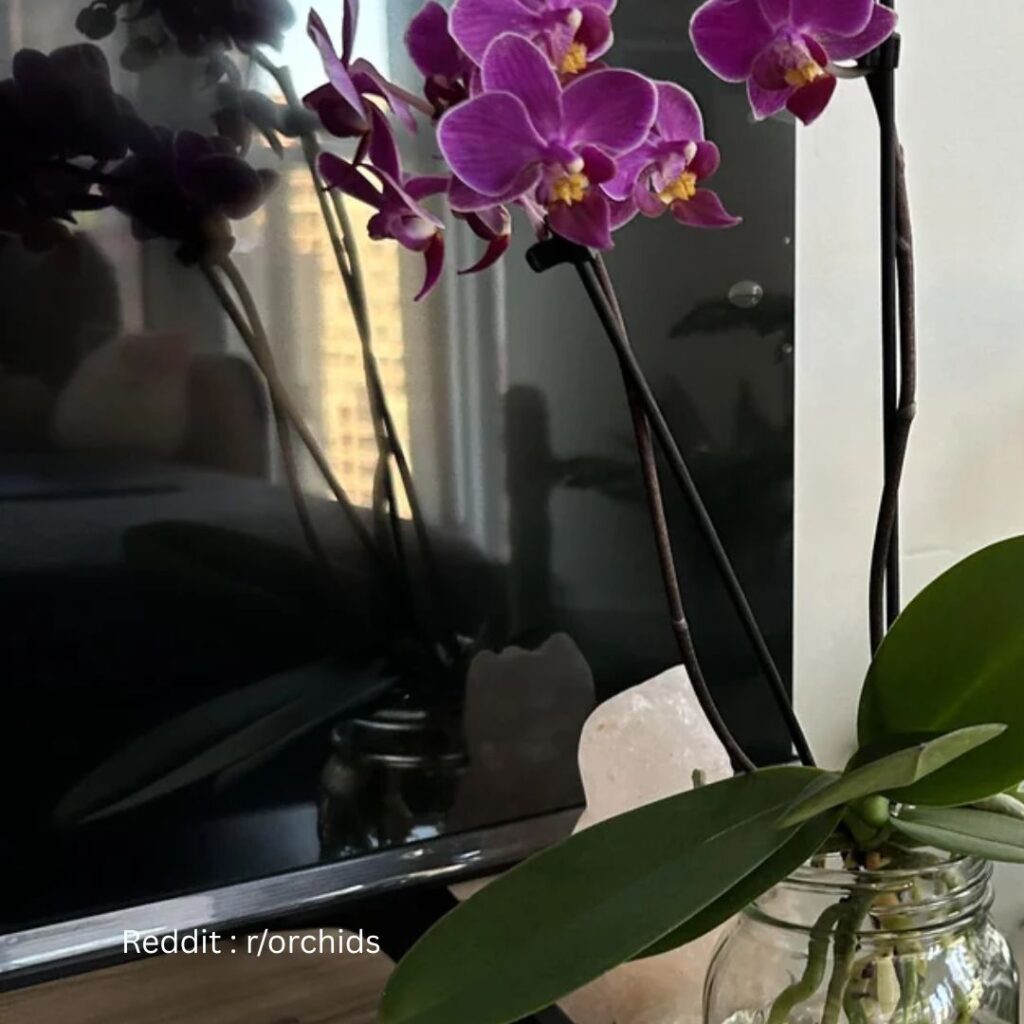
Orchids are beautiful and unique, but did you know you can grow them in water? Let’s dive into the basics and see how water culture works for these fascinating plants. 🌿💧
Basics of Orchid Biology
Orchids are different from many other houseplants. They usually grow on trees in the wild, which means they don’t need traditional soil. Instead, their roots absorb moisture and nutrients from the air. This makes them perfect candidates for water culture.
Orchid roots are thick and fleshy. They store water and nutrients, allowing the plant to survive in different environments. This is why they can adapt well to growing in water.
Some orchids that do well in water include Phalaenopsis and Cattleya. Do you have one of these at home? You might be in luck!
What Is Water Culture?
In water culture, orchids are grown with their roots submerged in water. It sounds simple, but there are a few tricks to make it work.
First, pick a clear vase so you can see the roots. This helps you track their health. Healthy roots should be white or green. Any brown or mushy roots need to be trimmed away.
Change the water every week to keep it fresh. This prevents bacteria and algae from building up.
A little fertilizer once a month can keep your orchid happy and blooming. Just be sure not to overdo it!
Growing orchids in water can be a fun and rewarding hobby. Have you tried it yet? Let me know in the comments below! 🌸😊
Benefits of Growing Orchids in Water
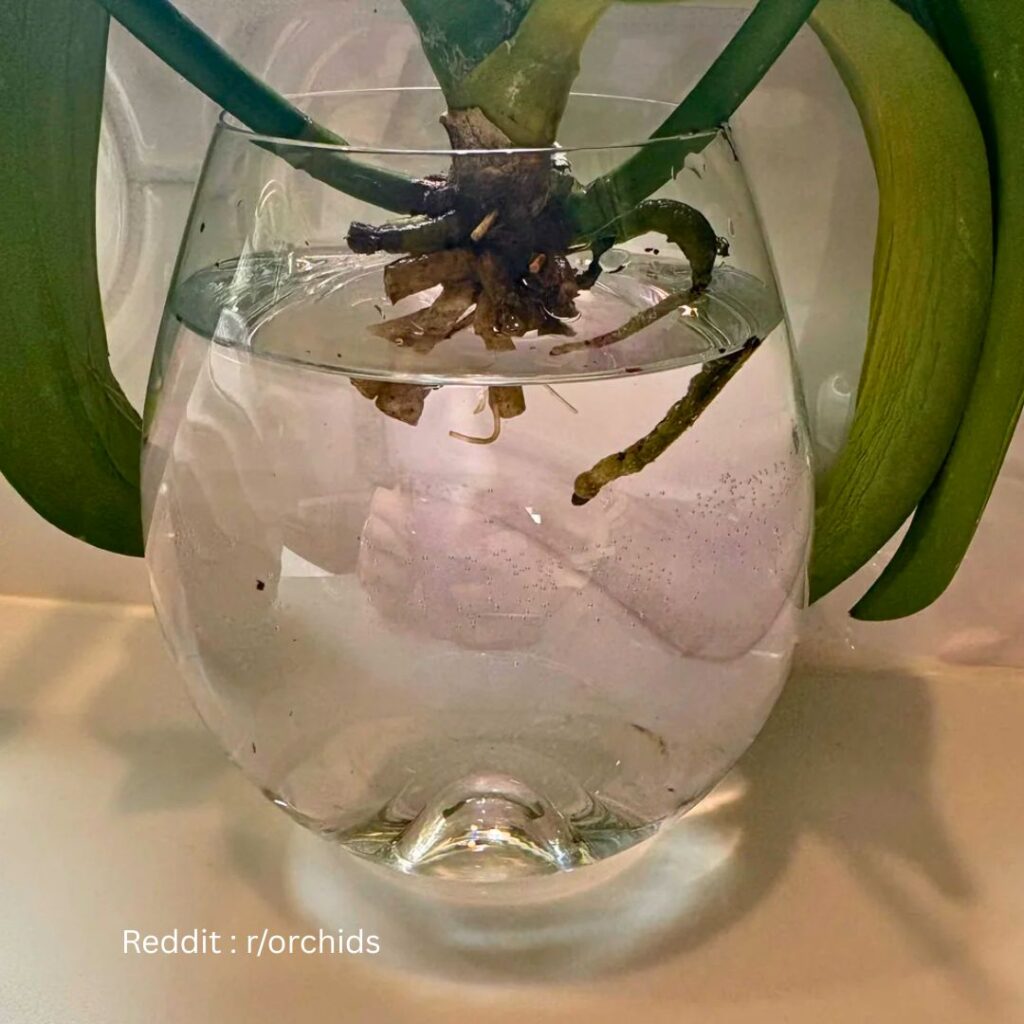
Growing orchids in water has some unique benefits that can make orchid care easier and more enjoyable. This method can help orchids thrive, keeping their roots healthy, reducing maintenance, and preventing diseases.
Enhanced Root Health
When orchids grow in water, their roots get plenty of oxygen. This is because water can deliver oxygen directly, which helps the roots stay strong and healthy. Healthy roots mean a happy and blooming orchid. 🌸
An important part of this benefit is that you can see the roots through a clear container. You can check if they are growing well and spot any problems early. Isn’t it great to have such a clear view of your orchid’s health?
Ease of Maintenance
Orchids in water are super easy to take care of. You don’t have to worry about soil types or fertilizers as much. These orchids just need regular water changes to stay happy.
You can even set a reminder on your phone to change the water every week or two. This makes it simple and stress-free to keep your orchid thriving. 🕒
Ever forget to water your plants? With this method, it’s much harder to over or under-water your orchid, which makes plant care way simpler.
Disease Prevention
Growing orchids in water can help prevent common diseases. Soil can sometimes hide pests or germs that can harm your plant. Without soil, there’s a lower risk of these issues.
Changing the water frequently keeps everything clean and reduces the chance of root rot or fungus. This means less worry for you and a healthier plant overall. 🌿
Do you have tips for keeping orchids healthy? I’d love to hear your thoughts in the comments below! 💬
Getting Started with Water Culture
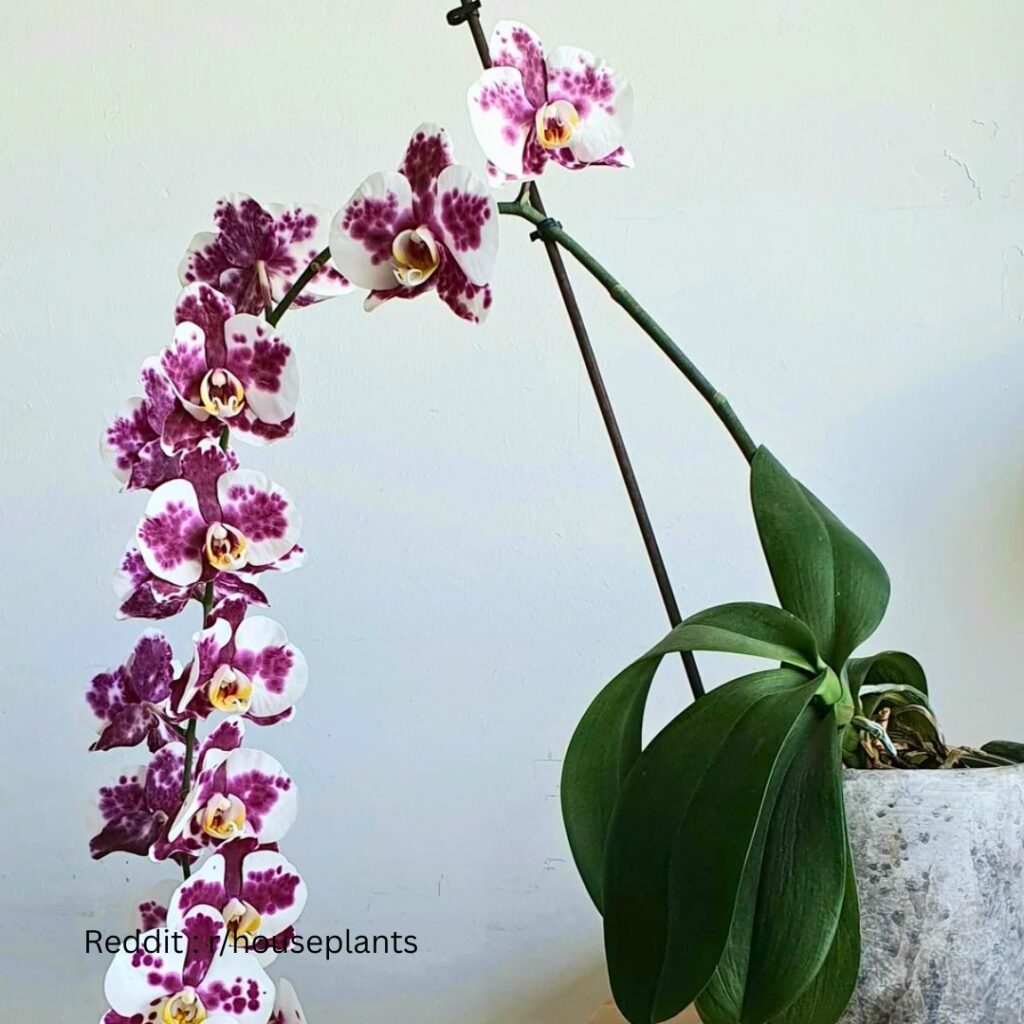
Growing orchids in water can be fun and easy. The key steps are picking the right orchid, the perfect container, and the best water.
Selecting the Right Orchid
Not all orchids love water. Phalaenopsis and Vanda orchids are the best for water culture. They are hardy and adapt well.
Look for healthy plants with strong roots and green leaves. Avoid orchids with mushy roots or spots on their leaves. Healthy roots mean a better chance at success.
Tip: Check local gardening shops or online stores for these types. Often, you can find a wide variety, ensuring you get a good start.
Already have an orchid at home? Great! Just make sure it’s a Phalaenopsis or Vanda.
Choosing Containers and Water
Picking the right container is crucial. Use clear glass or plastic containers to easily monitor the roots. Make sure the container is clean and free of any chemicals.
Step-by-Step:
- Find a container that’s slightly bigger than the orchid’s root system.
- Add water until it covers the roots but leaves some space for air.
For water, tap water might work, but distilled water or rainwater is better. Avoid using softened water as it contains salts harmful to orchids.
Change the water regularly. 💧 Change it every week to keep it fresh and prevent algae.
Setting Up Your Water Culture System
Put your orchid in the chosen container with water touching the roots. Place the container somewhere with indirect sunlight. Too much sun can burn the plant, but too little can stunt growth.
Daily Care:
- Check water level: Make sure the roots always touch water.
- Look for root health: White or green roots are healthy, but brown or black roots are not.
Fun Thought: Imagine your orchid saying “I need a drink!” and help it out by keeping that water fresh.
Interested in testing this out? Maybe you’ve tried different ways to grow orchids. Share your thoughts and tips below! 🌿💬
Ongoing Care for Water-Grown Orchids
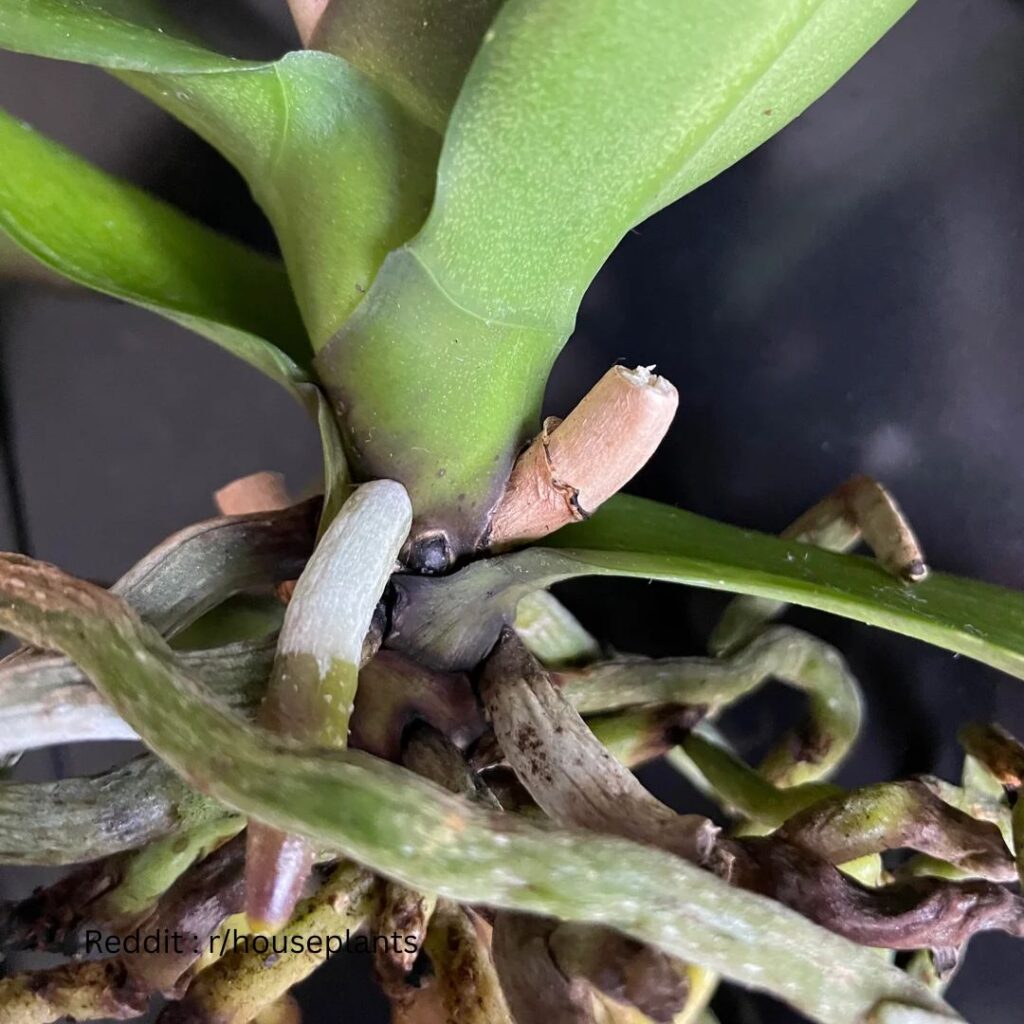
Taking care of orchids that grow in water is a bit different from growing them in soil. It’s all about keeping the water fresh, using the right fertilizers, and watching out for root health.
Changing the Water
Changing the water is really important. 💧 You should swap out the old water for fresh water every week.
Stagnant water can cause algae and bacteria to build up. Nobody likes a smelly plant, right? 😅 Make sure to use room-temperature water. It’s best for the roots. If you like, you can let the water sit out for a day to help get rid of chlorine.
Fertilizing Orchids in Water
Orchids still need food even though they are in water. I use a weak liquid fertilizer made for orchids.
Every third time I change the water, I add a few drops of this fertilizer. Too much fertilizer can burn the roots, so be careful! 🌱 I always read the instructions on the fertilizer bottle. Less is more when it comes to feeding water-grown orchids.
Monitoring Root Health
Healthy roots are the key to happy orchids. I check the roots weekly when I change the water. Roots should look white and firm.
If they turn brown and mushy, it’s a sign of root rot. 😟 Soft roots can mean your orchid is getting too much water or the water isn’t fresh. If you see any bad roots, trim them off with clean scissors. Healthy roots mean beautiful flowers later!
Do you have any tips for growing orchids in water? 🧐 Share your thoughts in the comments below!
Common Challenges and Solutions
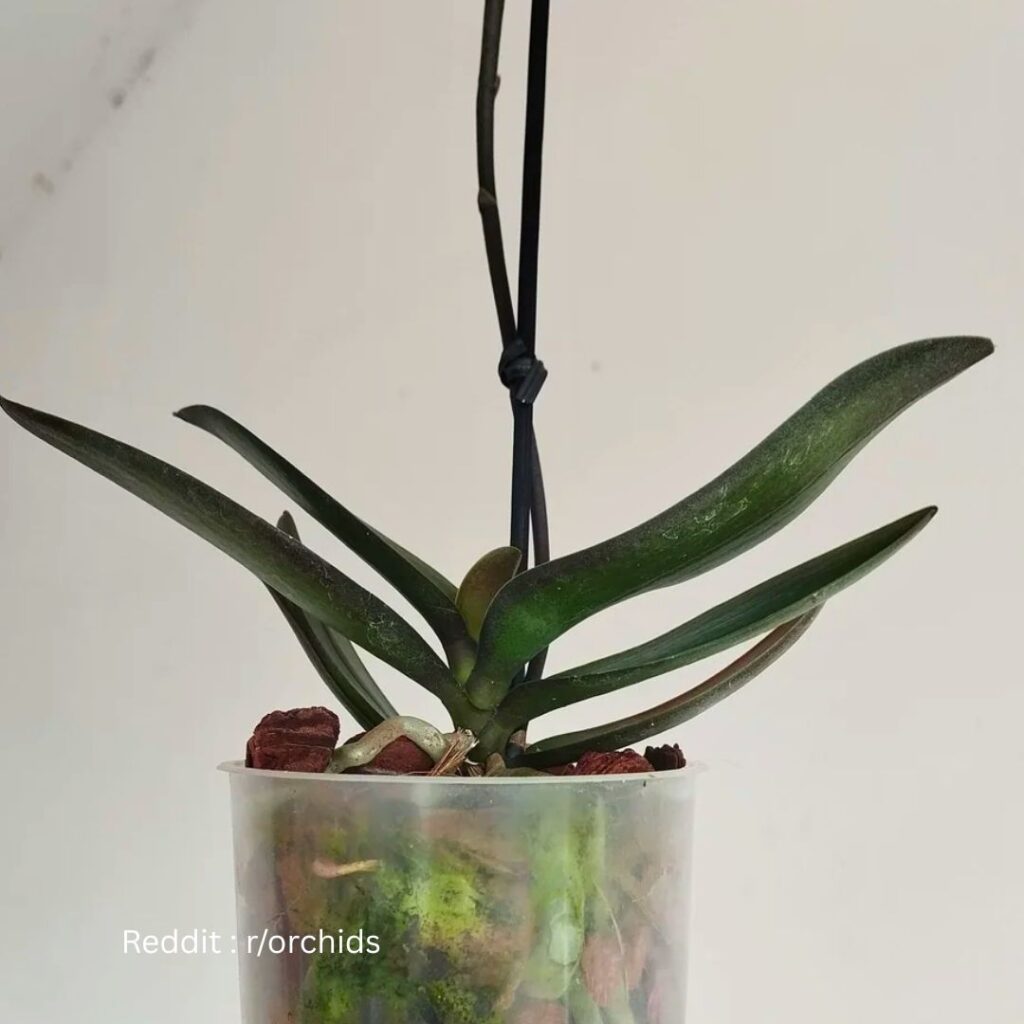
Growing orchids in water can be rewarding, but it does come with a few challenges. Here are some common issues you might face and how to handle them effectively.
Algae Growth
Algae can really mess up your orchid setup. 🌱 It loves moisture and light, just like your orchid. If you see green slime in your water, it’s time to act.
Change the water regularly, at least once a week, to keep algae at bay.
Use opaque containers to block out light or place your orchid away from direct sunlight.
If algae still shows up, adding a few drops of hydrogen peroxide can help. Don’t worry! Hydrogen peroxide is safe for your orchid roots but tough on algae.
Water Quality Issues
Not all water is good for orchids. Hard water or water with a lot of chemicals can harm your plant. 🚱
I always suggest using filtered water or rainwater. Both are free from harmful additives and are orchid-friendly.
If you’re stuck with tap water, let it sit out for 24 hours to help some chemicals evaporate, or use a water conditioner. Testing kits can also help you check if your water is safe for orchids.
Root Rot Prevention
Root rot is a common problem and can be fatal for your orchid. 😢 Keeping roots in water for too long without proper care can lead to this issue.
Make sure to only submerge the lower part of the roots, leaving the base of the plant dry. Change the water frequently to keep it fresh.
If you see brown or mushy roots, trim them immediately and switch the water. Adding a bit of cinnamon powder can help, as it’s a natural antifungal agent.
Do you have tips on growing orchids in water? Share in the comments! 🌸
Transitioning Orchids to Water Culture
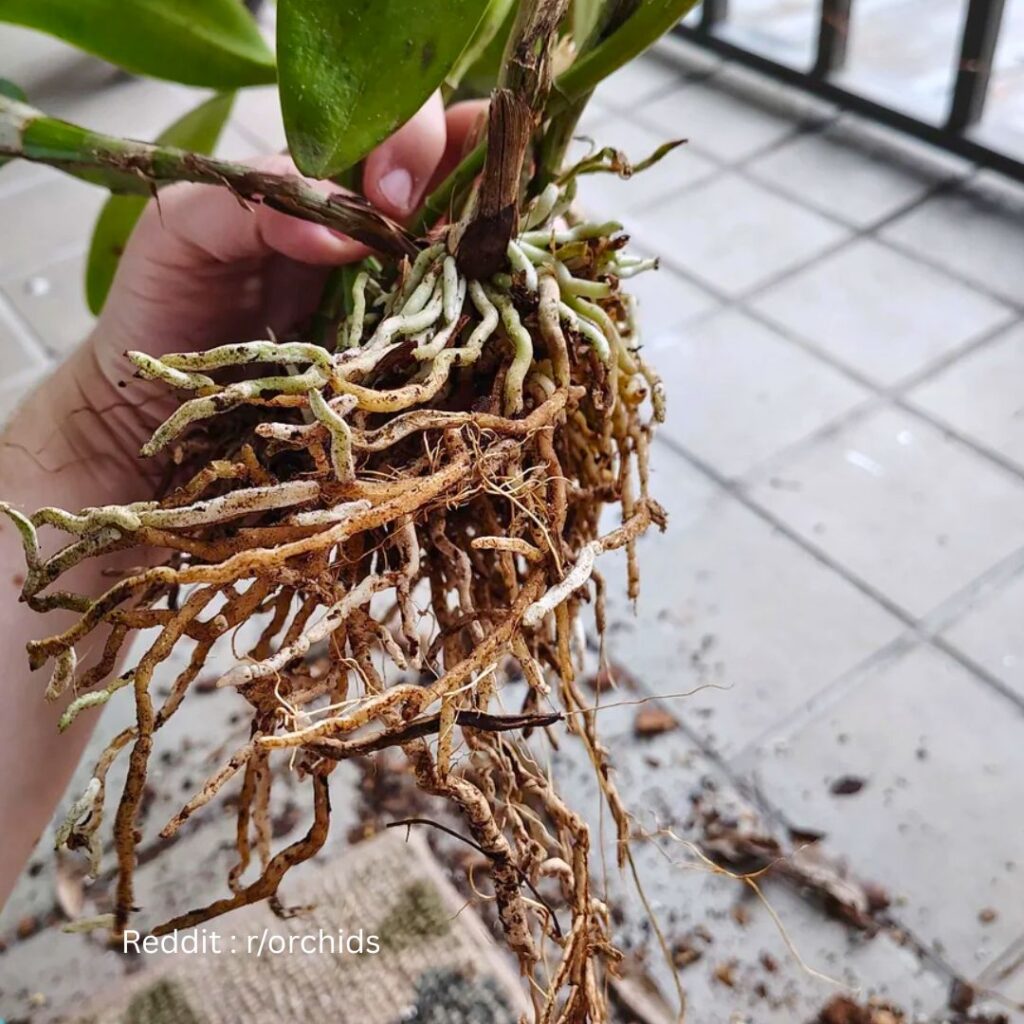
Switching orchids to grow in water can be both exciting and tricky. Let’s explore the practical steps to make this transition smooth! 🌿
Preparation Phase
First, choose healthy orchids with strong roots. Skip any with dark, mushy roots or weak leaves. Next, gather a clear container to easily watch root growth. Clean the container well—sanitize it to avoid bacteria.
Trim off any dead or rotten roots with sterilized scissors. Rinse roots gently to remove all soil or bark. This keeps the water clean and helps roots breathe. Finally, let the roots dry for a bit before placing them in the water.
Transitioning Tips
Place the roots in water but keep the leaves above water level. If the leaves are wet, they might rot. Use room-temperature water, and change it every few days. This keeps it fresh and full of oxygen.
At first, roots might look wrinkly. Don’t worry—this is normal. Be patient! 🌱 You might see some algae. These can be cleaned by scrubbing the container, but avoid using soap or chemicals.
If you’re new, try adding some orchid nutrients to the water. This helps feed the plant. Just follow the instructions on the packet.
Observation and Adjustments
Over the days, watch for new root growth. This shows your orchid is adjusting. If roots are turning brown or black, it might be too wet. In this case, let the plant dry out for a day before placing it back.
If your orchid blooms while in water, congrats! 🙌 Just make sure to give it extra care.
Have you tried growing orchids in water? Share your tips or ask questions in the comments! 🌸
Advanced Techniques in Water Culture
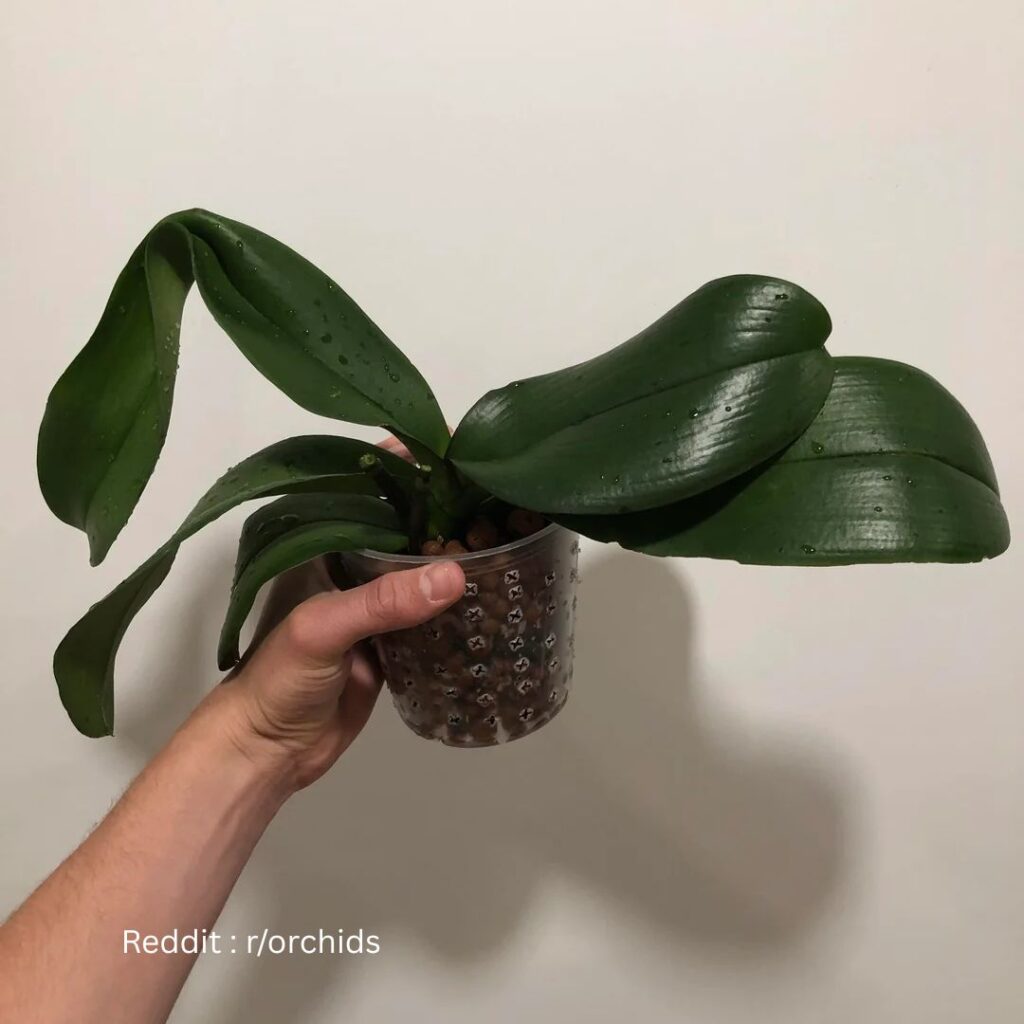
It’s amazing how orchids can grow merely in water! Let’s look into some advanced techniques like Semi-Hydroponics and Full Water Immersion to boost your orchid game.
Semi-Hydroponics
In Semi-Hydroponics, the orchid roots grow in an inert medium like clay pellets. These pellets soak up water from a reservoir below, keeping the roots hydrated.
Here’s the step-by-step process:
- Choose an orchid and remove it from the soil.
- Clean the roots gently.
- Place the orchid in a pot with a layer of clay pellets.
- Fill the bottom reservoir with water.
Tip: Don’t let the roots sit directly in water; they should just touch the moist pellets.
Ever tried this? 💧What was your experience?
Full Water Immersion
In Full Water Immersion, you let the orchid roots sit in water full-time. This method requires regular water changes to avoid root rot.
Step-by-step guide:
- Remove the orchid from its pot and clean the roots.
- Place it in a glass jar or vase filled with water.
- Change the water every 1-2 weeks.
Here’s a fun fact: Orchids can thrive in water because their roots can absorb oxygen directly from it! 🌿
Have you given this method a shot? Let me know in the comments! 🌸
Showcasing Your Water-Grown Orchids
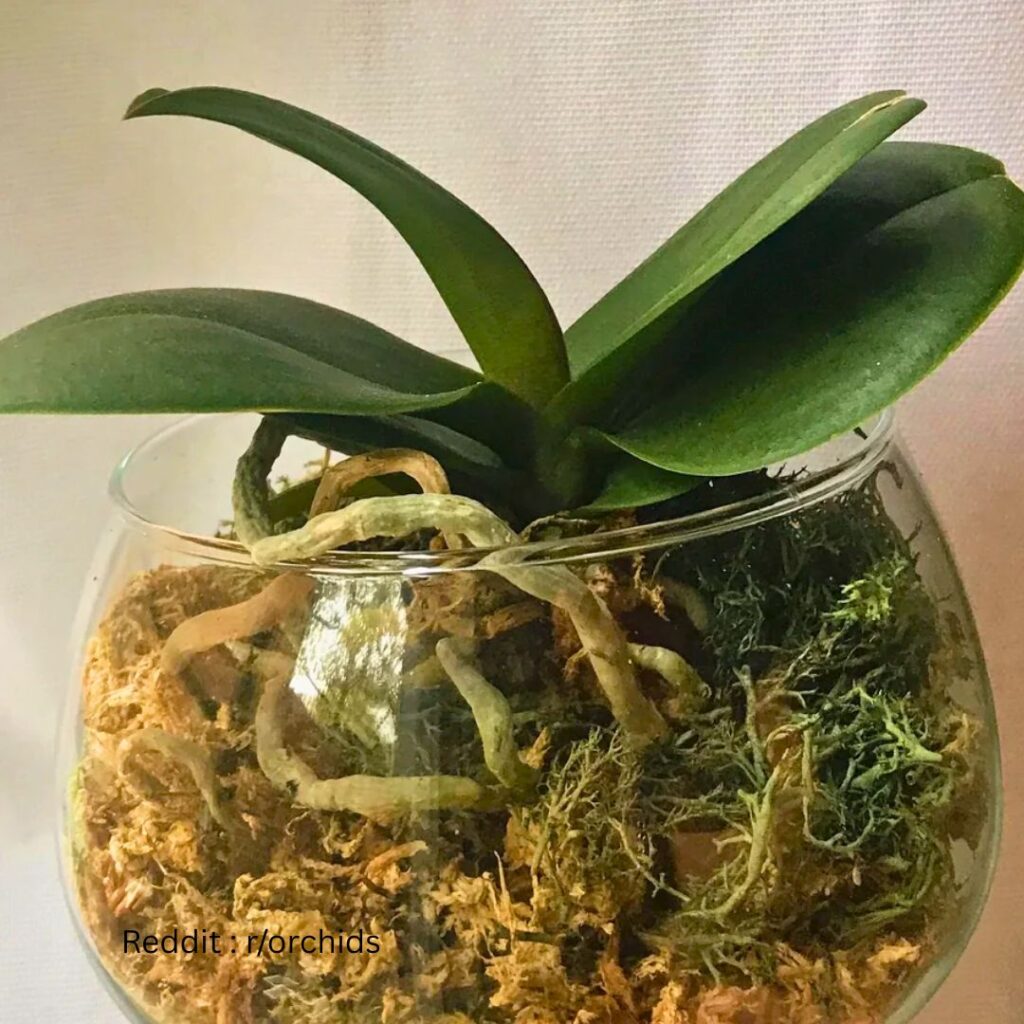
Wondering how to show off your beautiful orchids grown in water? Here are some fun and creative ways to display them and tips on how to arrange them attractively.
Creative Display Ideas
I love using clear glass vases to display my water-grown orchids. The glass lets you see the roots and water, adding an extra touch of elegance. For a modern look, try using tall, thin vases that give height to the display.
Unique containers like mason jars or vintage bottles can add a charming, rustic vibe. Pair these with pebbles or decorative stones at the bottom for a little sparkle. Floating candles alongside can make a beautiful centerpiece for dinner parties.
Don’t hesitate to think outside the box! Hanging glass globes or using aquariums can turn your orchids into a work of art. Got an old fish bowl lying around? Why not repurpose it! 🌿
Orchid Arrangement Tips
When arranging orchids, focus on balancing colors and sizes. Place larger orchids in the center and smaller ones around them. This creates a nice focal point. You can use wire frames or floral foam to help keep the stems in place.
For a touch of nature, add greenery such as ferns or ivy. These not only complement the orchids but also create a fuller look.
Remember, less is more. Sometimes just a single orchid in a sleek vase speaks volumes. Play with different heights and textures to keep it interesting. What’s your favorite way to showcase orchids? Let me know in the comments! 🌸
Frequently Asked Questions
Growing orchids in water can be a great way to enjoy these beautiful plants without the mess of soil. I’ll answer some common questions to help you get started and keep your orchids happy and healthy.
How can you grow orchids in water if you’re just starting out?
For beginners, start by carefully removing the orchid from its pot and rinsing off the roots. Place the plant in a glass vase with water, ensuring the roots are submerged but the leaves are not. Change the water every week to prevent rot.
What are some tips for growing Phalaenopsis orchids in a water culture?
Phalaenopsis orchids do well in water. Use distilled or rainwater for the best results. Keep the water level just below the lowest leaf to avoid rot. Don’t forget to change the water weekly and clean the vase to maintain a healthy environment.
Can orchids survive and thrive solely in a water environment?
Yes, orchids can survive and even thrive in water if given the right care. Some orchids adjust well and grow new roots in the water. Regular monitoring and proper care will ensure they stay healthy.
What method should be used to grow orchids from cuttings in water?
To grow orchids from cuttings, select a healthy cutting with a few nodes. Place the bottom part of the cutting in water, ensuring at least one node is submerged. Change the water regularly and wait for roots to develop before transferring the cutting to a larger container.
For how long is it safe to submerge orchids in water during their care?
Orchids can be submerged in water for up to several weeks. But it’s vital to observe the roots. If you notice discoloration or mushiness, it’s time for a change. Keep a routine of replacing the water and cleaning the roots to prevent problems.
Is growing orchids in water without any soil possible and beneficial?
Absolutely! Growing orchids in water is possible and can be beneficial. Without soil, there’s less risk of pests and easier maintenance. Plus, it gives a unique, decorative look. Give it a try, and you might find it suits your style and lifestyle perfectly! 🌿✨