
The best soil for roses is loose, rich soil that drains well and has a slightly acidic pH of 6.0 to 6.5. That gives your roses room to grow without leaving their roots in soggy soil.
I’ll help you work with the soil you have, whether it feels sticky like clay or gritty like sand. If you grow roses in pots, you’ll need a mix that drains well but doesn’t dry out too quickly.
Quick Tip: Test your soil’s pH before you plant. That way, you’ll know whether it needs a change instead of guessing.
What Roses Need From Their Soil
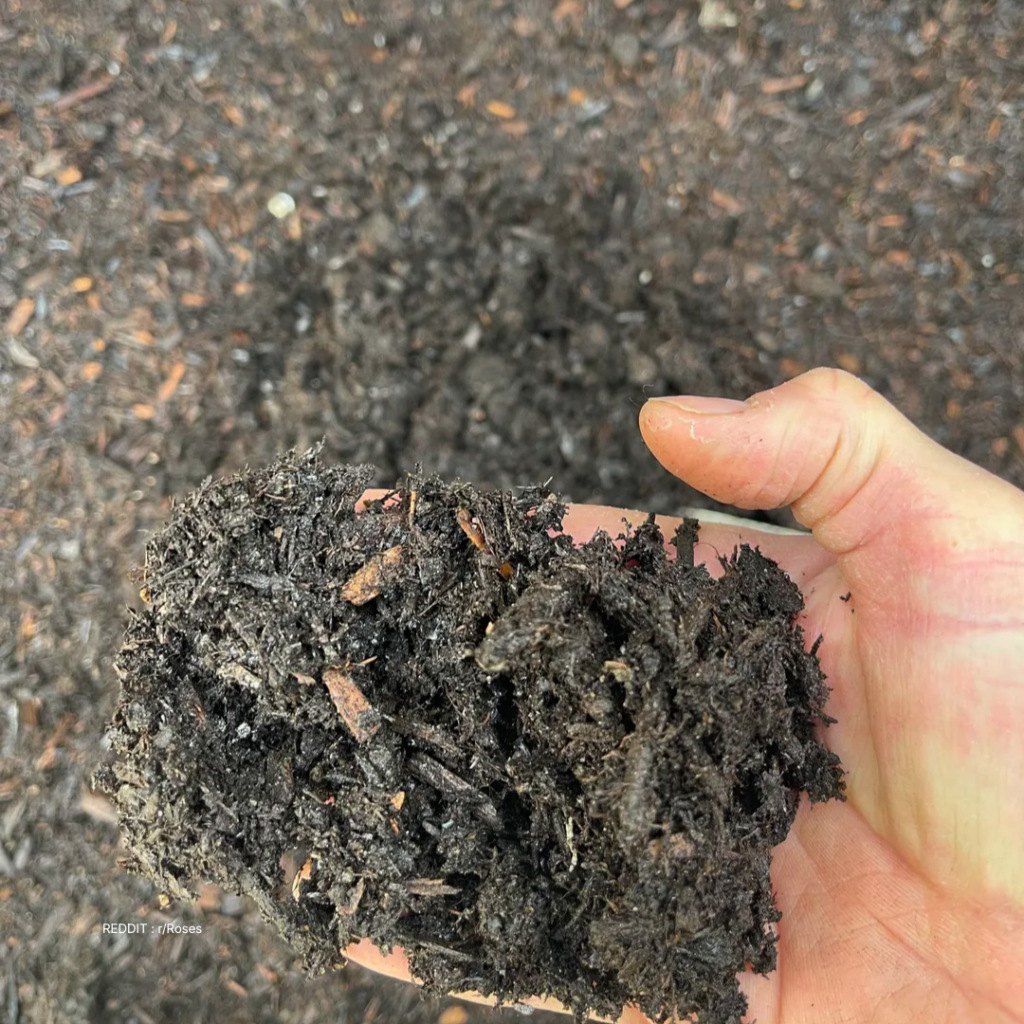
I grow roses in soil that drains well but holds enough moisture for their roots. I also check the pH, since it affects how easily roses take up nutrients.
Start With Well-Drained Loam
I look for loam when I plant roses in a garden bed. It contains a mix of sand, silt, and clay, so water can move through while the roots still get moisture. Good loam feels crumbly in my hand, not sticky or gritty.
After heavy rain, I check whether water pools around the planting spot. If it sits there for hours, I choose a better-drained location or use a raised bed. Rose roots need air as well as water.
I test the soil pH before changing anything. I aim for 6.0 to 6.5, a range that helps roses take up nutrients. I use the test results to guide any adjustment rather than guessing.
Quick Tip: I squeeze a damp handful of soil. If it stays in a hard lump, I check the drainage before planting.
Balance Drainage, Moisture, and Organic Matter
I mix finished compost into the top several inches of a new rose bed. It helps sandy soil hold moisture and can improve heavy soil’s texture over time. I don’t add so much that the bed turns soft and soggy.
I spread 2 to 3 inches of mulch over the soil, leaving a little space around the stems. Mulch slows drying and keeps the soil temperature steadier. I check moisture more often in hot, dry weather, while rain may take care of watering during wetter weeks.
I water when the top inch feels dry, then soak the soil below the surface. I avoid giving roses a small splash every day, which can leave deeper roots dry.
Quick Tip: I push a finger into the soil before watering. The surface can look dry while the soil just below it is still damp.
Choose Differently for Garden Beds and Pots
In a garden bed, I work with the soil I have. I add compost, check drainage, and test the pH. If I have heavy clay, I don’t try to fix it with a little sand. Instead, I use a raised bed if water keeps pooling.
For pots, I use a potting mix made for containers, not garden soil. Potting mix stays lighter and lets extra water drain through the holes. Garden soil can compact in a pot and keep roots too wet.
Pots dry faster than beds, especially in heat or wind. I check them often and water until some runs from the bottom, then empty any saucer that’s holding water.
Quick Tip: I lift a small pot before and after watering. Its weight helps me tell when the mix has dried out.
Get the pH Right Before Planting
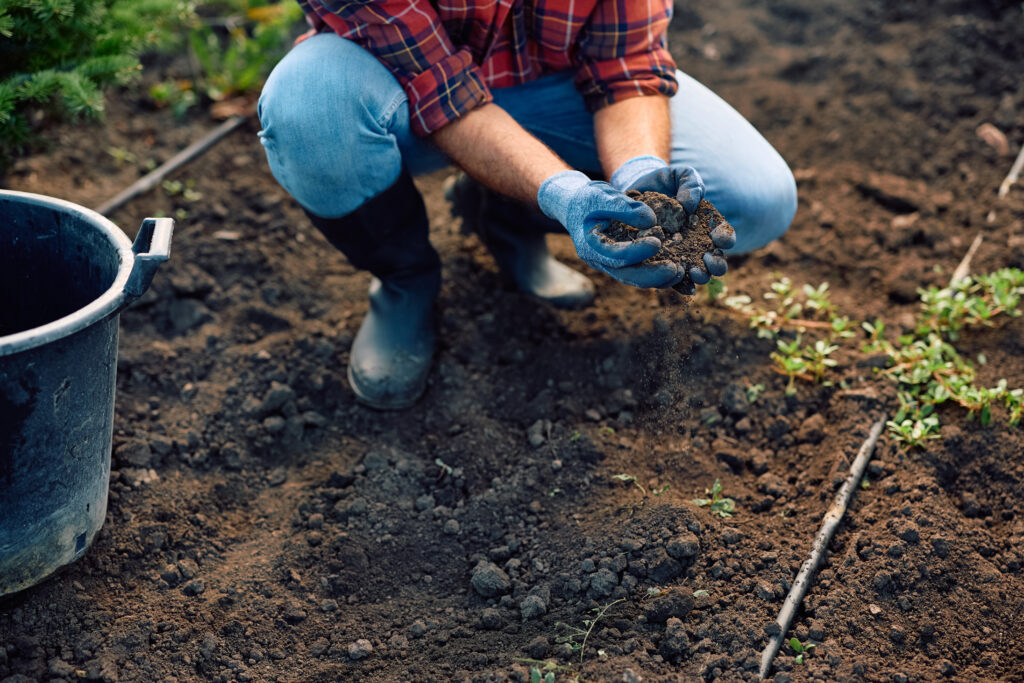
I aim for a soil pH between 6.0 and 6.5 when I plant roses. A soil test tells me whether to leave things alone or make a gradual change before planting.
The pH Range Roses Prefer
Roses grow well in slightly acidic soil. At a pH of 6.0 to 6.5, their roots can take up the nutrients they need. A reading just outside that range doesn’t mean a rose will fail, so I check the test result before reaching for an amendment.
Soil pH affects nutrient availability, not just the number on a test kit. If the pH is too high, roses may struggle to take up iron, even when the soil contains it. Yellow leaves with green veins can be a clue, but I’d test the soil before treating them.
Quick Tip: I don’t change the pH just to hit an exact number if my roses grow well and the soil tests close to the target range.
Test Your Soil Before Making Changes
I test the planting area before adding lime, sulfur, or fertilizer. I collect small samples from several spots, about 6 inches deep, and mix them in a clean container. I leave out mulch, roots, and bits of fertilizer so they don’t affect the result.
A home kit gives me a useful pH reading. A local soil lab can also tell me how much amendment to use. That advice matters because sandy soil and heavy clay may need different amounts to reach the same pH.
Quick Tip: I test each planting area on its own. Soil beside a foundation may read differently from soil across the yard.
Adjust High or Low pH Gradually
If my soil pH is too high, I use elemental sulfur to lower it. If it’s too low, I use garden lime to raise it. I follow the soil test advice and product label, then mix the amendment into the planting area before planting the rose.
These changes take time. Elemental sulfur works more slowly in cold soil, so I plan ahead instead of adding extra. I retest after a few months before making another change.
Quick Tip: I avoid large doses. In dry areas, alkaline watering water can push pH back up, so I check it again during routine soil testing.
Work With Your Garden Soil Type
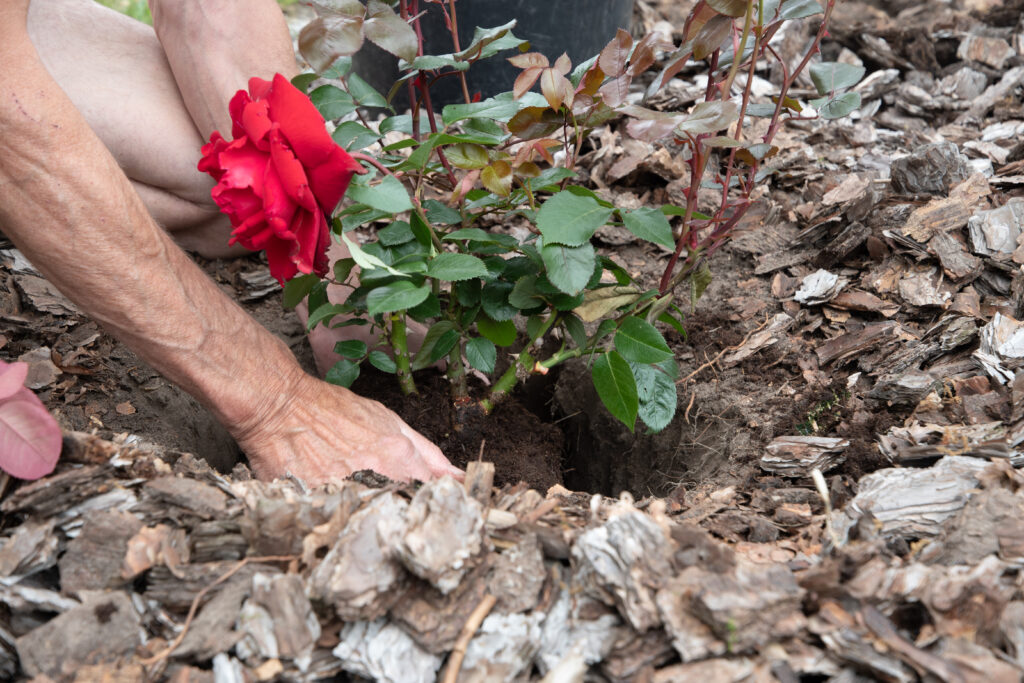
I use compost to loosen heavy clay and help sandy soil hold water. With loam, I focus on keeping the soil healthy rather than changing it too much.
Improve Heavy Clay Without Trapping Water
Clay soil can hold the water roses need, but it can also stay wet around their roots. I check a planting spot after heavy rain. If water is still there the next day, I choose a higher spot or build a raised bed.
Before planting, I mix 2 to 3 inches of compost into the top 8 to 12 inches of soil across a wide area. I don’t put gravel in the bottom of a planting hole. It won’t fix poor drainage, and the hole may still fill with water.
I wait until the soil feels damp but not sticky before digging. Working wet clay can leave hard clumps that roots struggle to cross.
Quick Tip: I squeeze a handful of soil. If it forms a slick, sticky ball, I let it dry before digging.
Help Sandy Soil Hold Moisture and Nutrients
Sandy soil drains quickly, which helps rose roots avoid standing water. But water and nutrients can wash through before the roots get enough. Before planting, I mix 2 to 3 inches of compost into the top 8 to 12 inches of soil.
I spread 2 to 3 inches of mulch over the soil, leaving a few inches clear around the rose stems. The mulch slows drying, while the compost helps the soil hold moisture. I add fresh compost each spring as the soil settles.
In hot or windy weather, I check the soil more often. If the top inch feels dry, I check a little deeper before watering slowly and deeply.
Quick Tip: I water sandy soil in two passes if water runs across the surface. A short pause gives the first pass time to soak in.
Maintain Healthy Loam
Loam holds moisture while letting extra water drain away. I leave its crumbly texture alone instead of adding sand or large amounts of other soil. A thin layer of compost each spring helps replace what plants and weather use up.
I spread about 1 inch of compost over the soil, then add mulch if the old layer has worn thin. I keep both away from the rose stems. I also avoid stepping on the soil near my roses, especially when it’s wet, because packed soil leaves less room for roots and air.
I test the soil before changing its pH. Roses generally grow well at a pH near 6.0 to 6.5, but I only add lime or sulfur if a test shows they’re needed.
Quick Tip: I leave loam alone when it feels wet and heavy. It’s easier to work once it crumbles in my hand.
Build a Better Garden Bed
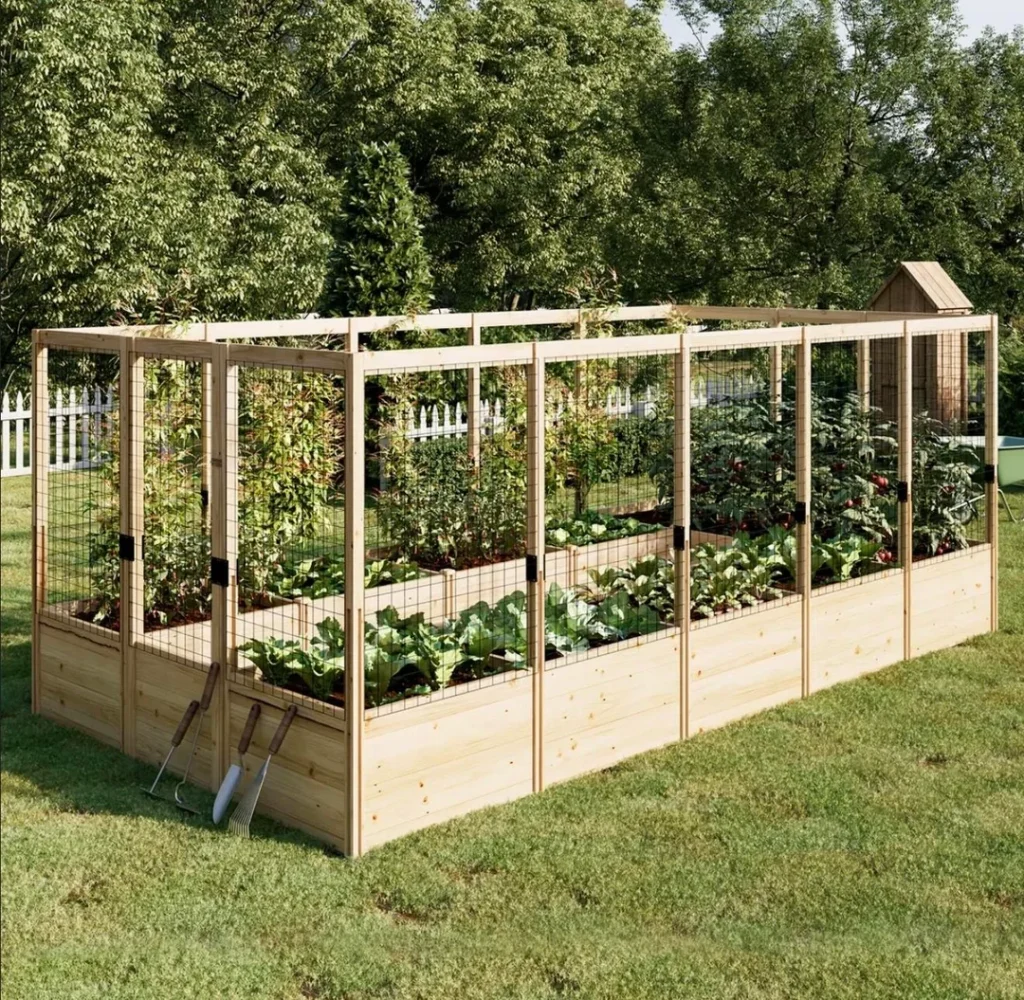
I mix compost into a wide bed so rose roots can grow beyond the planting hole. I check the soil before adding manure or fertilizer, since too much of either can cause problems.
Add Compost and Well-Rotted Manure
I spread 2 to 3 inches of compost over the bed, then mix it into the top 8 to 12 inches of soil. Compost helps sandy soil hold water and gives heavy clay a looser feel. I still check drainage, since compost can’t fix a spot where water sits for days.
If I use manure, I choose aged or composted manure that looks dark and crumbly. Fresh manure can harm roots and bring in weed seeds. I use a thin layer and mix it well into the soil rather than packing it against the rose.
Quick Tip: I skip manure if I don’t know whether it has fully composted. Finished compost is the safer choice.
Prepare the Whole Bed Rather Than Just the Planting Hole
I loosen the soil across the bed, not just where each rose will sit. Roots soon grow beyond the planting hole. A small pocket of soft soil surrounded by hard clay can also hold water around them.
I work at least 2 feet across for each rose and leave room between plants for their full-grown size. I remove weeds and large rocks as I go. If the soil sticks to my spade in heavy clumps, I wait for it to dry a little before digging. Wet clay packs down easily.
Quick Tip: I check drainage by filling a hole with water after the soil is already damp. If water remains the next day, I choose a higher spot or build a raised bed.
Use Fertilizer Only When Your Soil Needs It
I test the soil before adding rose fertilizer. A soil test shows its pH and which nutrients, if any, are low. Roses usually grow well at a pH of about 6.0 to 6.5, where they can take up nutrients.
If the test calls for fertilizer, I follow its advice and the package rate. Extra fertilizer can burn roots, and too much nitrogen can encourage leafy growth instead of flowers. I keep fertilizer off dry roots and water it in as directed.
I don’t count on mycorrhizal fungi products to fix poor soil. These fungi often already live in garden soil. I focus instead on drainage, compost, and the nutrients the test says the bed needs.
Quick Tip: I wait to feed a new rose until it starts growing, unless my soil test gives different advice.
Choose a Mix for Container Roses
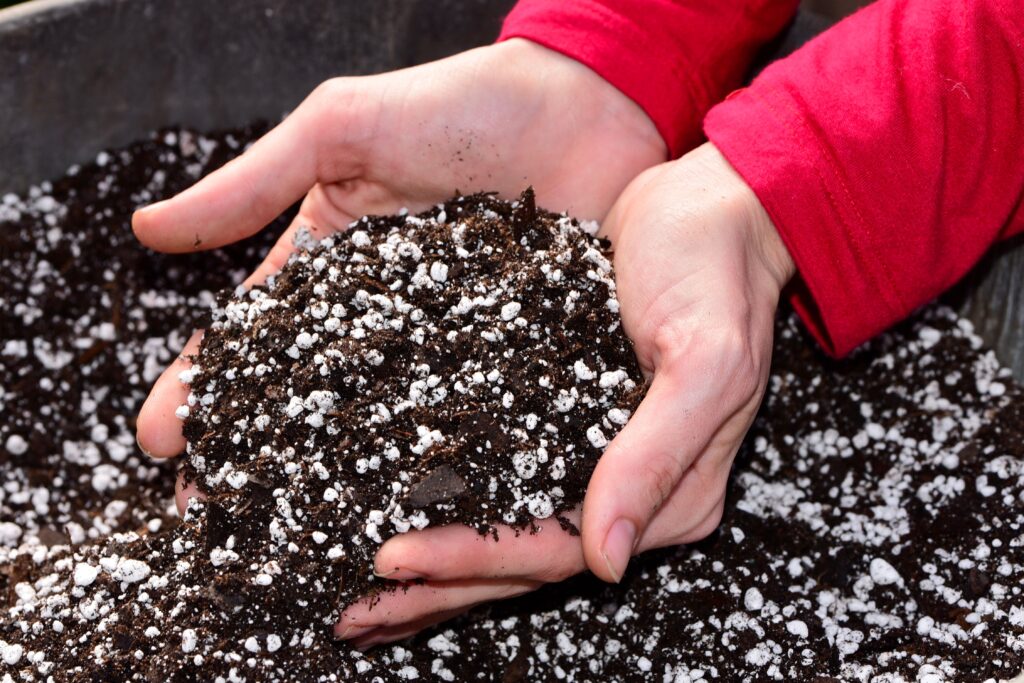
I use a light potting mix for container roses, then adjust it for how quickly the pot dries. Drainage matters as much as moisture: roots need both water and air.
Start With a Free-Draining Potting Mix
I start with bagged potting soil for roses or a general potting mix that feels loose, not heavy or sticky. I look for a mix that holds some moisture but lets extra water flow through the pot’s drainage holes. A soggy pot can leave rose roots short of air.
If a bag lists pH, I aim for 6.0 to 6.5, a good range for roses. I also check the pot after watering. Water should drain from the bottom rather than sit on top of the soil.
Quick Tip: I lift the pot before and after watering. The change in weight helps me learn when the mix is drying out.
Compare Perlite, Coir, and Peat Moss
I add perlite when a potting mix feels too dense. These small white pieces create air spaces and help water drain through. In a rainy climate, I may mix in about one part perlite to four parts potting mix.
Coconut coir and peat moss both hold water. I prefer coir for pots that dry out fast in hot weather, but I check that it’s been rinsed to remove excess salt. Peat can make a mix more acidic, so I check the bag’s pH before adding much.
Quick Tip: I dampen dry coir or peat before mixing it in. That keeps it from blowing around and helps it blend evenly.
Avoid Dense Garden Soil in Pots
I leave garden soil in the garden. In a pot, it often packs down after watering, leaving fewer air spaces around the roots. It may also drain more slowly than it does in the ground.
Even if garden soil looks rich and crumbly, I don’t use it as the main rose potting soil. A light bagged mix gives me a better starting point. If water pools on the surface or the mix stays wet for days, I check that the drainage holes are clear.
In cool weather, I also wait longer between waterings.
Quick Tip: I skip gravel at the bottom of the pot. It takes up root space and won’t fix dense soil.
Keep Rose Soil Healthy Over Time
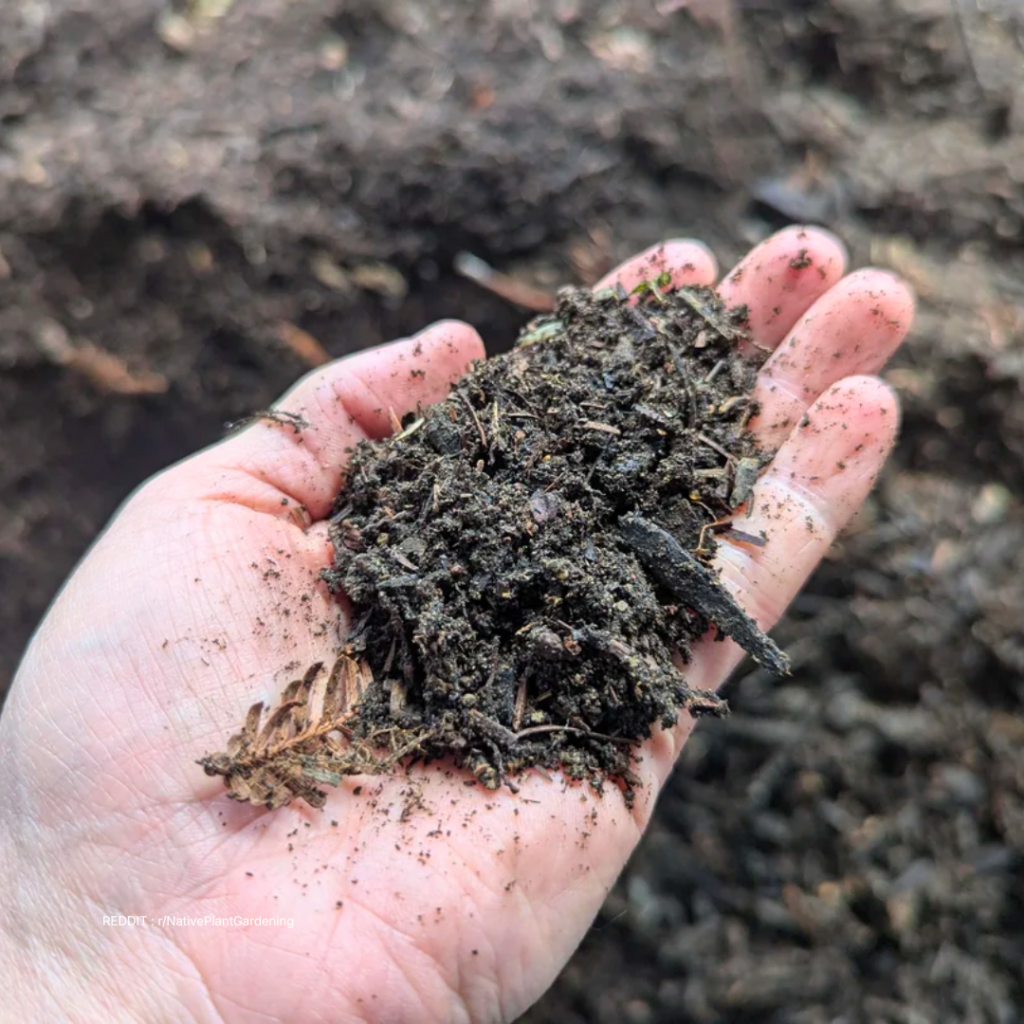
I add compost, check how water moves through the soil, and test before adding more fertilizer or changing the pH. These habits help me keep nutrients available without guessing what the soil needs.
Mulch and Top-Dress With Compost
Each spring, I spread 1 to 2 inches of finished compost over the soil around my roses. I keep it a few inches from the stems so the base stays dry. The compost slowly adds nutrients and helps the soil hold moisture.
Then I add 2 to 3 inches of mulch, such as shredded leaves or wood chips. Mulch keeps the soil cooler in hot weather and slows water loss. As it breaks down, I replace it rather than piling on more and more.
In a rainy area, I use a thinner layer if the soil stays damp. I pull back any mulch that touches the stems.
Quick Tip: I leave a bare ring around each rose stem. If the soil under the mulch feels soggy, I let it dry before watering.
Watch for Drainage and Nutrient Problems
After a hard rain, I check whether water sits around my roses. If it stays for more than a day, the soil may drain too slowly. I also look for soft, wet soil and leaves that turn yellow while the ground is still damp.
Drooping leaves can mean too much or too little water, so I check the soil before reaching for the hose. If the top inch feels dry, I water deeply. If it feels wet, I wait and check the drainage.
Pale leaves and weak growth may point to low nutrients, but they don’t tell me which nutrient is missing. I avoid adding rose fertilizer just because a leaf looks odd. Pests, wet roots, and poor nutrient availability can look much the same.
Quick Tip: I dig a small hole after rain. If water collects there and stays, I address drainage before adding fertilizer.
Retest Before Adding More Amendments
I test my soil every few years, or sooner if my roses struggle despite steady care. A soil test tells me the pH and which nutrients the soil needs. I follow the test directions and take samples from several spots in the rose bed.
Roses generally grow best in slightly acidic soil, around pH 6.0 to 6.5. When the pH falls far outside that range, roots may struggle to take up nutrients already in the soil. More fertilizer won’t fix that problem.
I use the test results before adding lime, sulfur, or extra rose fertilizer. Those products change soil at different rates, so I measure rather than guess. After changing the pH, I wait the time listed by the test service before testing again.
Quick Tip: I test before I treat. A bag of fertilizer isn’t a soil test.
Frequently Asked Questions
Roses grow best in soil that drains well but stays slightly moist. I aim for a pH of 6.0 to 6.5 and use compost to improve both clay and sandy soil.
What type of soil do roses grow best in?
I grow roses in loose soil with plenty of organic matter. Water should soak in without leaving the roots sitting in a soggy patch.
If water stands after heavy rain, I choose a better-drained spot or a raised bed.
Quick Tip: I check drainage by digging a hole, filling it with water, and seeing whether the water clears within a day.
What soil pH is best for roses?
I aim for a soil pH of 6.0 to 6.5. Roses can grow outside that range, but very acidic or alkaline soil can make it harder for roots to take up nutrients.
Quick Tip: I test the soil before adding anything to change its pH. Guessing can make the problem worse.
How can I make a soil mix for roses at home?
For a garden bed, I spread 2 to 3 inches of finished compost over the soil. Then I mix it into the top 8 to 12 inches across the bed, not just in one planting hole.
The finished soil should feel crumbly, not sticky or packed tight.
Quick Tip: I use finished compost that smells earthy, not sour.
What potting mix should I use for roses in containers?
I use a quality potting mix made for outdoor containers, along with a pot that has drainage holes. I avoid plain garden soil because it can pack down in a pot.
In hot, dry weather, I check the mix often. A pot can dry out faster than a garden bed.
Quick Tip: If the top inch feels dry, I check whether the rose needs water.
How can I raise or lower soil pH for roses?
If a soil test shows low pH, I can raise it with garden lime. If it shows high pH, I can lower it with elemental sulfur.
I follow the test advice and product label because the right amount depends on my soil. These changes take time.
Quick Tip: I retest the soil before adding more lime or sulfur.
How can I improve clay or sandy soil for roses?
I mix finished compost into clay soil to improve drainage and into sandy soil to help it hold moisture. I also add mulch on top to slow drying.
I avoid mixing sand into heavy clay because it may not improve drainage. If rain often leaves puddles, I consider using a raised bed instead.
Quick Tip: I work clay soil when it’s damp but doesn’t stick to my tools.