
Quick Tip: I recommend a balanced rose fertilizer, such as 10-10-10, for most roses during the growing season. It gives your roses the nutrients they need for healthy growth and blooms.
Choose slow-release granules if you’d rather feed less often, or liquid fertilizer for more frequent feeding. Check the label before buying, feed when the soil is damp, and ease off as cold weather approaches.
Top Rose Foods for Different Needs
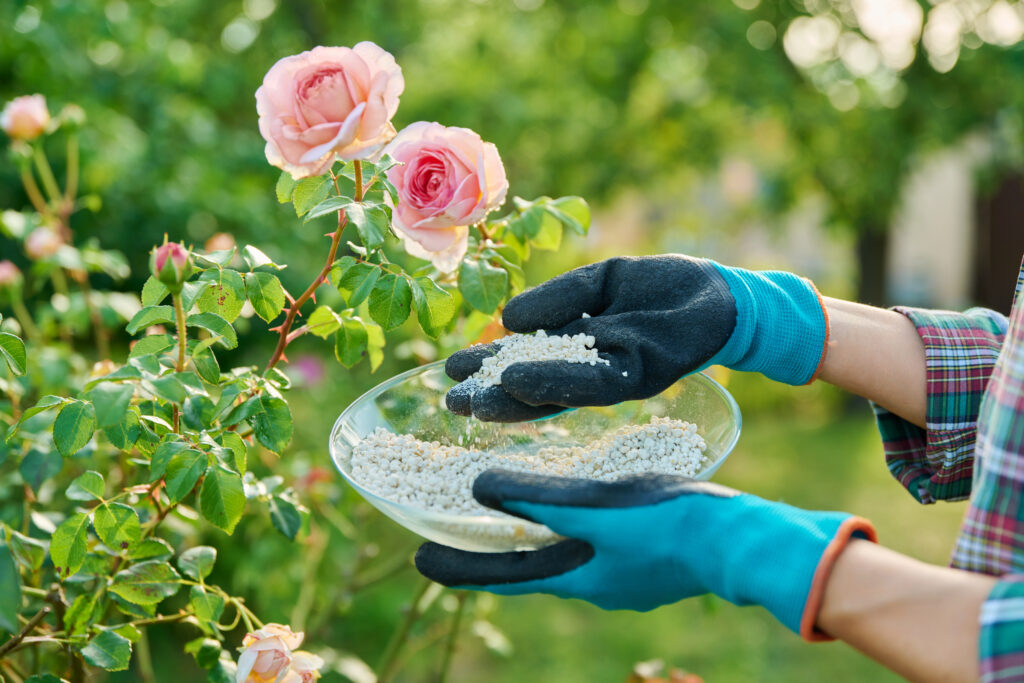
I choose rose food based on how quickly the plant needs feeding and whether pests or disease are part of the problem. Granules work well for a steady routine, while water-soluble food gives me a faster option during active growth.
For Steady Organic Feeding: Espoma Rose-Tone and Jobe’s Organics
I choose Espoma Organic Rose-Tone or Jobe’s Organics Rose & Flower Fertilizer when I want an easy feeding routine. Both are organic granules that feed roses as they break down. They work well for established plants that need regular care through the growing season.
I spread the granules on the soil around the rose, away from the main stem, and then water them in. I check each bag for the right amount and timing, since the two products have different directions.
Quick Tip: I feed when the soil is damp and easy to work, then water well. In cold areas, I stop feeding late in the season so new growth has time to harden before frost.
For Organic Granules: Down to Earth and Dr. Earth
Down to Earth Rose & Flower Mix and Dr. Earth Total Advantage Rose & Flower Fertilizer give me two more organic choices in granular form. I use either one when I can work it into the top layer of soil without disturbing the roots. The granules need water to start breaking down.
I follow the package rate, especially around young roses. More fertilizer can damage roots, and a thick ring of granules beside the stem won’t help the plant. I spread the product across the root area, gently mix it into the soil if the label calls for it, and water.
Quick Tip: I clear fallen leaves before feeding. That lets me see the soil and keeps granules off damp leaves.
For Quick Feeding: Miracle-Gro Water Soluble Rose Plant Food
I reach for Miracle-Gro Water Soluble Rose Plant Food when I want an easy feeding option during active growth. I mix it with water at the rate on the label and follow the package schedule. The water carries the food into the soil without waiting for granules to break down.
I use a watering can for a few plants and mix only what I need. If the soil is very dry, I water it first. I also wait during severe heat or drought, when roses are already under stress.
Quick Tip: I measure the powder before adding water. Guessing by eye is tempting, but too much fertilizer can harm roots.
For Pest and Disease Treatment: When BioAdvanced All-In-One Makes Sense
I consider BioAdvanced All-In-One Rose and Flower Care Granules when a rose needs fertilizer and treatment for a pest or disease listed on the label. This product contains pesticides, so I treat it differently from ordinary rose food. I check the plant first, then read the full label before buying or applying it.
I follow the label’s limits for where, when, and how to use the product. I also check its directions about flowering plants and pollinators. If I only need to feed a healthy rose, I choose a fertilizer without pesticides.
Quick Tip: I identify the problem before opening the container. A few spotted leaves or a stray insect don’t tell me which treatment to use.
How to Read a Fertilizer Label
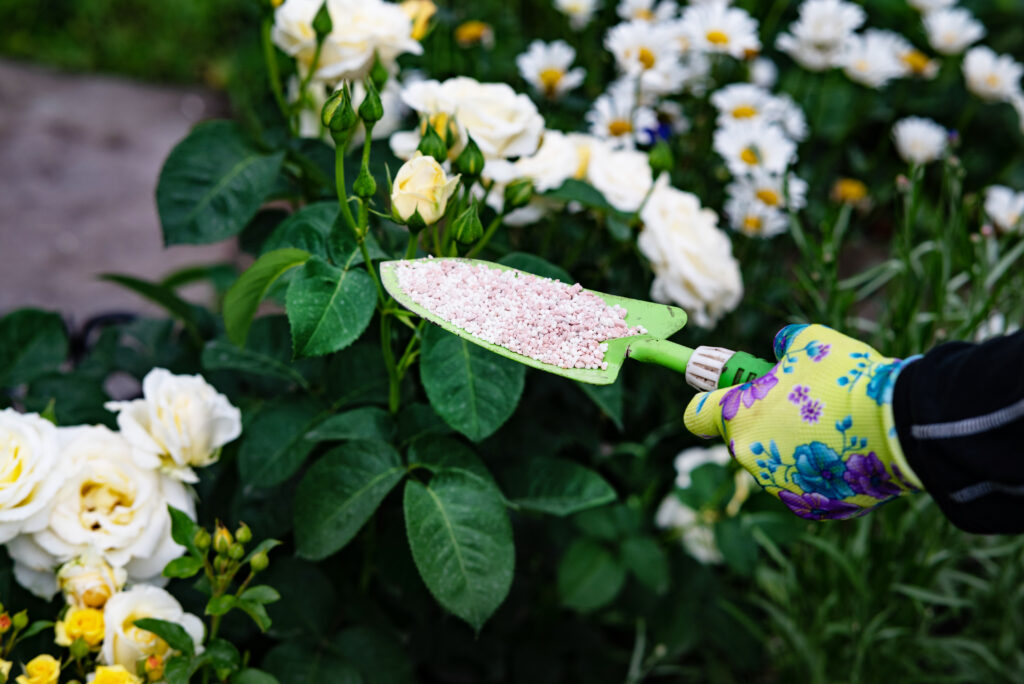
The three numbers on rose fertilizers describe their main nutrients. Check the ingredient list and feeding directions, and use a soil test to help choose the right one for your roses.
What Nitrogen, Phosphorus, and Potassium Do
I start by reading the three numbers on an NPK fertilizer label. They list nitrogen (N), phosphorus (P), and potassium (K), in that order. A 10-10-10 label means the bag contains 10% of each listed nutrient by weight.
Nitrogen helps roses grow green leaves and stems. Phosphorus supports roots and flowers, while potassium helps the plant manage water and stay healthy. A higher middle number doesn’t guarantee more blooms.
I also check how much to use and how often to feed. Slow-release rose fertilizers deliver nutrients over time, so their directions can differ from those for liquid feeds.
Quick Tip: I follow the label’s dose for roses. Extra fertilizer can burn roots and leave brown edges on leaves.
When Micronutrients Matter
Some fertilizer labels list micronutrients in small amounts. Roses need them for healthy growth, even though they need far less of them than nitrogen, phosphorus, and potassium. Iron, manganese, and zinc are common examples.
I look for these ingredients when a soil test finds a shortage or a rose shows signs of one. Yellow new leaves with green veins can point to an iron problem. Soil pH can stop roots from taking up iron, even when it’s in the soil.
Check the full ingredient list, since a product’s NPK numbers don’t tell you anything about its micronutrients. Follow the label closely with products that contain boron. Too much boron can harm plants.
Quick Tip: I check soil pH before buying iron for a rose with yellow new leaves.
Why a Soil Test Beats Choosing by NPK Alone
A soil test tells you which nutrients your soil needs and reports its pH. I use the results to narrow down rose fertilizers. Without them, even a bag with appealing NPK numbers is still a guess.
Roses grow well in slightly acidic soil, around pH 6.0 to 6.5. If the pH falls outside a suitable range, roots can struggle to take up nutrients. A test helps you spot that issue before adding more fertilizer.
Send a soil sample to a local extension service or soil lab, following its sampling directions. Use the results to choose a product and set a feeding rate. In areas with freezing winters, check local growing advice before feeding late in the season, since new growth needs time to harden before cold weather.
Quick Tip: I keep my soil test results beside the fertilizer label when I shop.
Choosing Between Granular and Liquid Fertilizers
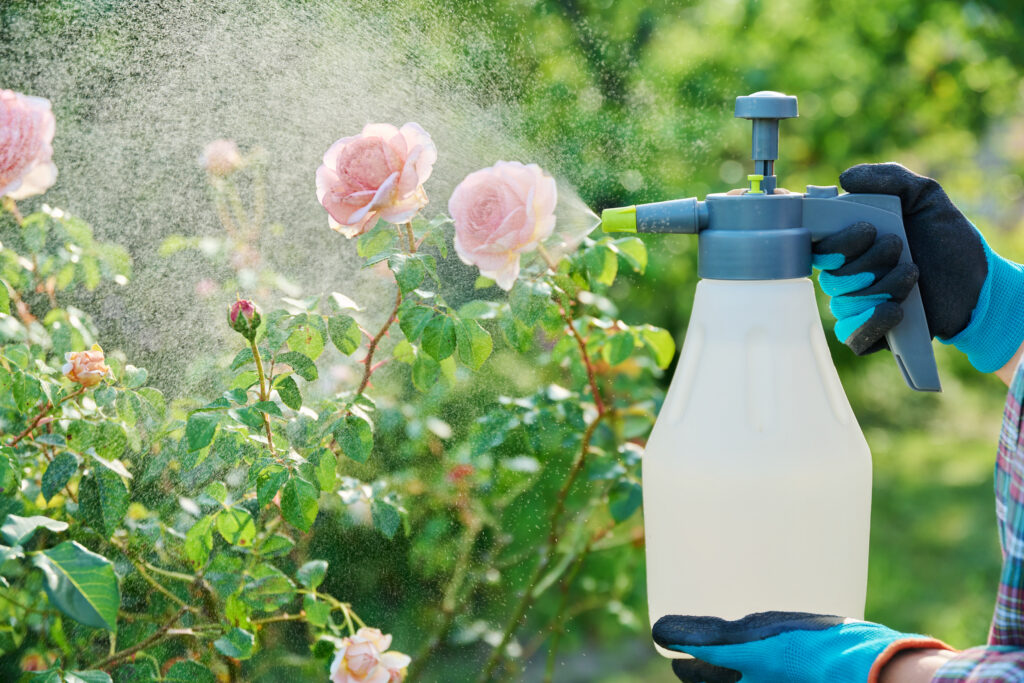
I use granular fertilizer for roses in garden beds and liquid fertilizer for roses in pots. The label’s dose and feeding schedule matter just as much as the form you choose.
Granular and Slow-Release Options for Garden Beds
Granular rose fertilizer works well when you have several roses growing in the ground. I spread it over the soil under each plant, away from the stems, then water it in so the nutrients reach the roots.
A slow-release fertilizer feeds roses over several weeks or months. Check the label for the feeding period, since products vary. I mark the next feeding date on my calendar so I don’t add more too soon.
Quick Tip: Apply granules to moist soil and water afterward. In cold areas, stop feeding before fall frost so new growth has time to harden. Skip feeding while roses are dormant.
Water-Soluble Options for Containers and Faster Feeding
Water-soluble fertilizer mixes with water, so I can feed a potted rose while watering it. Follow the label’s mixing rate. A strong mix can harm roots, especially in a small pot.
I check the soil before feeding. If it feels dry well below the surface, I water the pot first, then apply the mixed fertilizer. Let extra water drain from the bottom to help keep fertilizer salts from building up in the pot.
Quick Tip: Write the feeding date on the container tag. Liquid feeds need more frequent use than many slow-release products, but the label sets the schedule. Pause feeding when cold weather stops active growth.
Organic Versus Synthetic: What Changes in Practice
Organic rose fertilizers include products made from materials such as composted manure, bone meal, and plant meals. I use aged, bagged manure around roses, since fresh manure can harm roots. Read the label for the dose and the nutrients it supplies.
Soil life breaks down many organic fertilizers before roots can take up their nutrients. That process slows in cold soil. Synthetic fertilizers supply nutrients in forms roots can take up sooner, though too much can still burn roots.
Quick Tip: Choose organic fertilizer for roses if you want to add organic matter as you feed. Choose a synthetic product if you want a clear feeding schedule. Either way, measure the dose and water as the label directs.
Organic Amendments and Homemade Additions
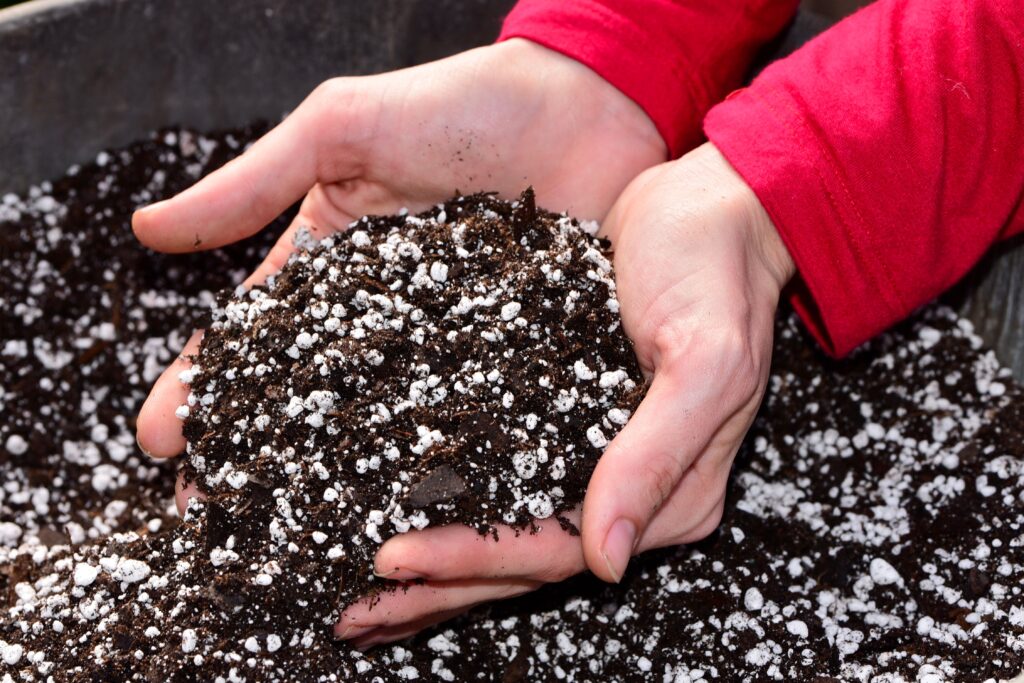
I use compost to improve the soil around roses and add other organic products only when the soil needs them. Meals, liquid feeds, and coffee grounds each have a place, but the amount matters.
Build Soil With Compost and Composted Manure
I spread 1 to 2 inches of finished compost around my roses in spring. It should feel dark and crumbly, with an earthy smell. Compost helps soil hold water and gives roots a better place to grow. I keep it a few inches from the stems so the base stays dry.
Composted manure adds organic matter and nutrients. I use a thin layer of well-rotted manure under mulch, then water it in. Fresh manure smells strong and can harm roots, so I leave it out of the rose bed.
Quick Tip: If the soil is still frozen in your growing zone, wait until it thaws before adding compost or manure.
Use Meals and Minerals Only Where They Fit
I check a soil test before adding meals or minerals. Bone meal and rock phosphate supply phosphorus, which can build up in soil if you add more than roses need. Rock phosphate also works very slowly. Greensand supplies potassium slowly, so I don’t count on it for a quick fix.
Alfalfa meal adds a small amount of nutrients and organic matter. Blood meal and fish meal supply more nitrogen, while cottonseed meal supplies nutrients more slowly. Kelp meal adds small amounts of nutrients. I follow the package rate for any meal I use and water it into the soil.
Quick Tip: If a soil test shows enough phosphorus, I skip bone meal and rock phosphate.
Treat Liquid Extracts and Coffee Grounds as Supplements
I use diluted fish emulsion, also sold as fish fertilizer, when a rose needs a light feed during active growth. Seaweed extract supplies small amounts of nutrients, but it doesn’t replace regular fertilizer. I follow the label and apply liquid feeds to moist soil. The fish smell fades, though it can linger for a day.
I add used coffee grounds to my compost pile. A thin sprinkle mixed into compost works better than a thick layer on the soil, which can form a crust. Coffee grounds don’t reliably make soil more acidic.
Quick Tip: During a heat wave, I wait for cooler weather before using a liquid feed.
When to Feed Roses
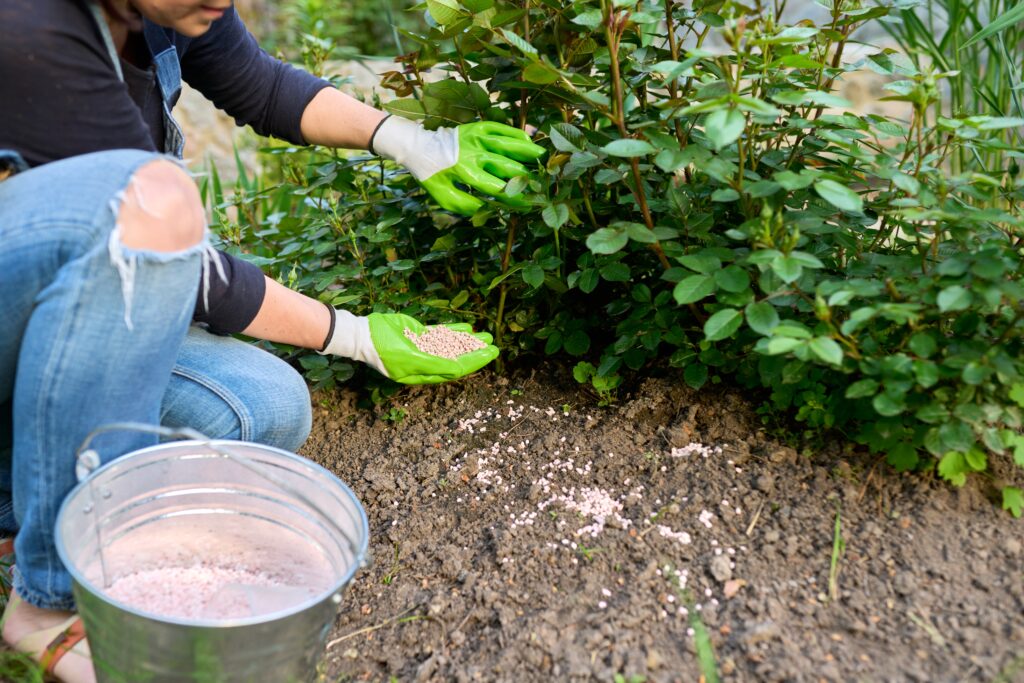
I feed roses when new leaves appear in spring and stop well before the first fall frost. Repeat bloomers and potted roses need closer attention because they use nutrients over a longer growing season.
Start When Spring Growth Begins
I wait until I see fresh leaves and the soil has thawed before giving roses their first spring feeding. A date on the calendar is less useful: spring arrives earlier in warm areas and later where snow lingers.
I follow the fertilizer label for the amount. I spread it over the soil around the plant, away from the stems, then water it in. Damp soil helps protect the roots, so I water first if the ground feels dry.
Quick Tip: I look for new leaves, not the first warm afternoon. A late cold snap can still slow a rose down.
Adjust Feeding for Repeat Bloomers, New Plants, and Containers
I feed repeat-blooming roses during the growing season, following the label’s timing. Many products call for another feeding every four to six weeks. Roses that bloom once need less, so I start with a spring application and watch how they grow.
For a new rose, I wait until it starts growing well before feeding it. I follow the label’s rate and don’t add extra fertilizer to push faster growth.
Potted roses need more frequent checks because water carries nutrients out through the drainage holes. I follow the container feeding schedule on the label and water until excess runs out of the pot.
Quick Tip: I check the potting mix before feeding. If the top inch feels dry, I water first.
Stop Before Frost to Avoid Tender New Growth
I stop feeding roses about six to eight weeks before the first expected fall frost. Late-season fertilizer can encourage soft new stems that cold weather may damage.
I check my local frost dates each year and work backward to set the last feeding. If I use a slow-release product, I check how long it feeds before applying it near the end of summer.
In a warm area with little or no frost, I slow down feeding when the rose’s growth slows. I skip fertilizer while the plant rests and start again when fresh growth returns.
Quick Tip: I write the last feeding date on my calendar. It’s easier than guessing once the weather turns cool.
How to Apply Fertilizer Without Harming Roses
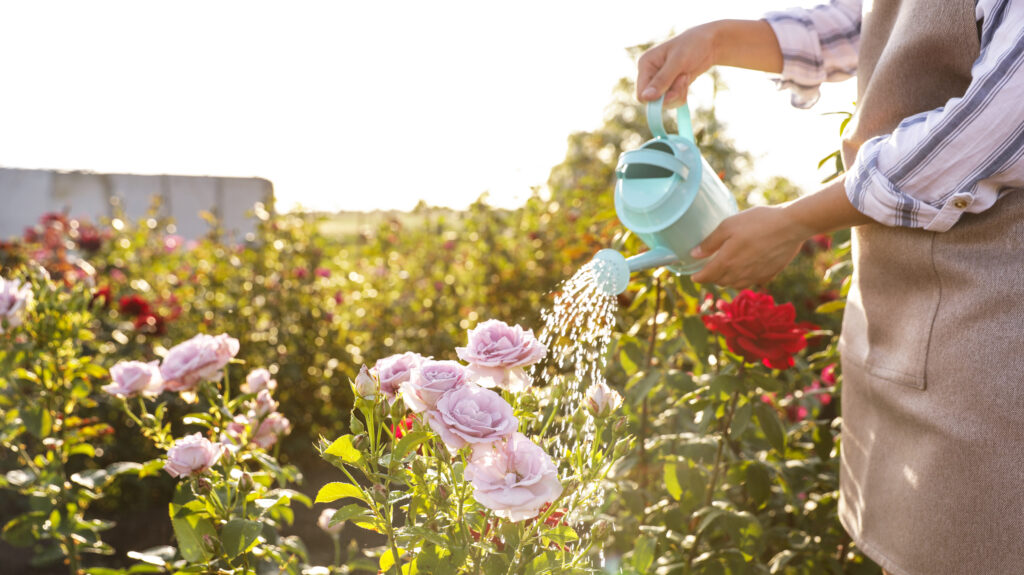
Measure rose fertilizer according to the label, spread it away from the crown, and water it into the soil. If a rose looks weak, check its water, soil, and sunlight before adding more plant food.
Follow the Product Label and Keep Fertilizer Off the Crown
I start with the label because rose fertilizers vary in strength. Measure the dose for your rose’s size and follow the package timing. Extra fertilizer can burn roots and turn leaf edges brown.
Spread granules on the soil around the plant, starting a few inches from the crown, where the stems meet the roots. Keep them off the stems and leaves. If the label says to work them into the soil, rake gently near the surface so you don’t cut roots.
Quick Tip: I use a measuring scoop for rose plant food. A heaping handful is too easy to overdo.
Water Thoroughly and Avoid Feeding Stressed Plants
If the soil feels dry, water it before fertilizing roses. Then water again as the label directs. This moves fertilizer into the soil and keeps it from sitting in a concentrated patch near the roots.
If the top inch of soil feels dry, check deeper before watering. Aim for moist soil around the roots, but don’t leave puddles. I pause feeding when a rose wilts from dry soil, struggles through a heat wave, or has damaged roots. Give it steady water and time to recover first.
Quick Tip: I wait for a cooler day to feed during hot weather. In cold areas, I also stop feeding before fall frost, following local timing advice.
Check Soil, Water, and Sunlight Before Adding More
Yellow leaves or few flowers don’t always mean a rose needs fertilizer. I check the soil first. If it stays soggy or feels hard and dry, I fix the watering problem before adding nutrients.
Next, check how much direct sun reaches the plant. Most roses need at least six hours a day to bloom well. Look for shade from a growing tree or nearby plants. If growth stays poor after you fix water and light, a soil test can help you choose the right fertilizer.
Quick Tip: I check the soil with a finger before I reach for the fertilizer bag. Wet roots need attention, not another scoop.
Frequently Asked Questions
I feed roses while they grow and follow the fertilizer label for the amount. I water the soil first, especially in pots, and stop feeding outdoor roses before fall frost.
What should I feed my roses to encourage more blooms?
I use a balanced rose fertilizer during active growth. Healthy leaves help support new flowers, so I avoid adding extra phosphorus unless a soil test shows the soil needs it.
Quick Tip: If leaves look lush but blooms are scarce, check how much sun your rose gets before adding more fertilizer.
Which fertilizer works best for roses in pots?
I choose a liquid fertilizer labeled for roses or flowering plants. Water runs through pots and carries nutrients with it, so I feed at the rate on the label.
Quick Tip: If the top inch of potting mix feels dry, water the rose before you feed it.
When should I fertilize roses in spring?
I start when new leaves appear and the risk of a hard freeze has passed. In cold areas, that happens later than in warm areas.
Quick Tip: Wait for fresh green growth. A warm day alone is too early a cue.
Is 10-10-10 fertilizer good for roses?
Yes. I use 10-10-10 as a balanced choice when the soil needs fertilizer. I measure it carefully because too much can harm roots.
Quick Tip: Keep granules off the stems and leaves, then water the soil after feeding.
What are some good organic or homemade fertilizers for roses?
I use finished compost or worm castings to add nutrients to garden soil. I spread a thin layer around the rose and keep it away from the stem.
Quick Tip: Skip fresh manure. It can burn roots and has a strong smell.
How often should I use liquid fertilizer on roses?
I follow the product label. Many liquid fertilizers call for feeding roses every two to four weeks during the growing season.
Quick Tip: I stop feeding outdoor roses about six to eight weeks before the first expected fall frost. That gives new growth time to mature.