
Dahlias are heavy feeders, but too much nitrogen can leave you with tall, green plants and fewer dahlia flowers. I recommend a low-nitrogen, balanced fertilizer to support strong roots and more blooms without pushing excess leafy growth.
I’ll show you how to prepare soil, compare fertilizer types, and feed dahlia plants through the growing season. You’ll also learn how to spot common feeding mistakes in beds and containers.
Quick Tip: I stop feeding when buds begin to open, especially in short-season or cool zones where plants need time to finish blooming.
Choose a Low-Nitrogen Fertilizer for More Blooms
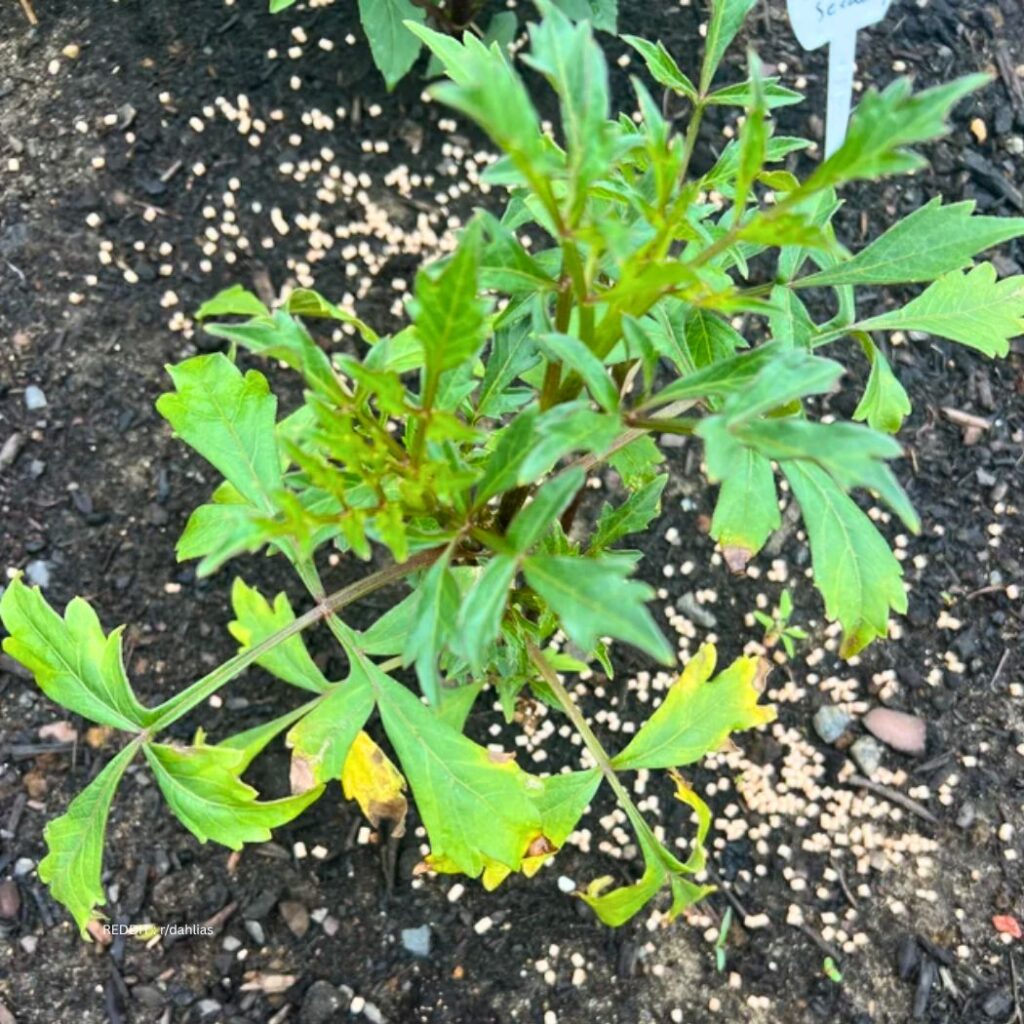
I use low-nitrogen plant food for dahlias because it supports roots and flower production without pushing too much leafy growth. The right NPK ratio helps plants form sturdy stems and full blooms.
Understand the NPK Ratio for Dahlias
I check the three numbers on every fertilizer label. They show the NPK ratio: nitrogen (N), phosphorus (P), and potassium (K).
Nitrogen grows leaves and stems. Phosphorus supports root development, while potassium helps the plant handle stress and produce strong flowers.
Dahlias need all three, but they don’t need a heavy dose of nitrogen. A fertilizer labeled 5-10-10 contains 5% nitrogen, 10% phosphorus, and 10% potassium.
This low-nitrogen fertilizer gives dahlias more useful support than lawn fertilizer or high-nitrogen plant food. Quick Tip: I avoid fertilizers with a first number higher than the other two, such as 20-10-10.
Why Excess Nitrogen Causes Weak Stems and Fewer Flowers
Too much nitrogen can make a dahlia look green and busy, but it may produce fewer flowers. The plant puts its energy into large leaves and soft, fast-growing stems instead of buds.
These stems can grow tall, pale, and weak. After rain or wind, they may bend or snap more easily, especially on large-flowered dahlia types.
A bloom booster can’t fully fix this problem once the plant has received too much nitrogen. I also watch for dark green leaves with little bud growth, which often means the fertilizer is feeding foliage more than flowers.
Quick Tip: I stop using high-nitrogen flower food if my dahlias grow lots of leaves but set few buds.
Recommended Ratios for Root Development and Flower Production
I choose an NPK ratio for dahlias with a lower first number and equal or higher phosphorus and potassium. Good options include 5-10-10, 3-9-6, and 4-8-8.
| Fertilizer ratio | Best use for dahlias |
|---|---|
| 5-10-10 | Supports roots, sturdy growth, and regular blooms |
| 3-9-6 | Helps with root development while keeping nitrogen low |
| 4-8-8 | A balanced low-nitrogen choice for flowering plants |
I apply granular fertilizer around the root zone, not against the stem, and water it in. In very rainy weather, nutrients can wash through the soil faster, so I follow the product label instead of adding extra feed too soon.
Quick Tip: I use a low-nitrogen bloom fertilizer after plants begin active growth, then feed lightly rather than giving one heavy dose.
Compare the Best Fertilizer Types for Dahlias
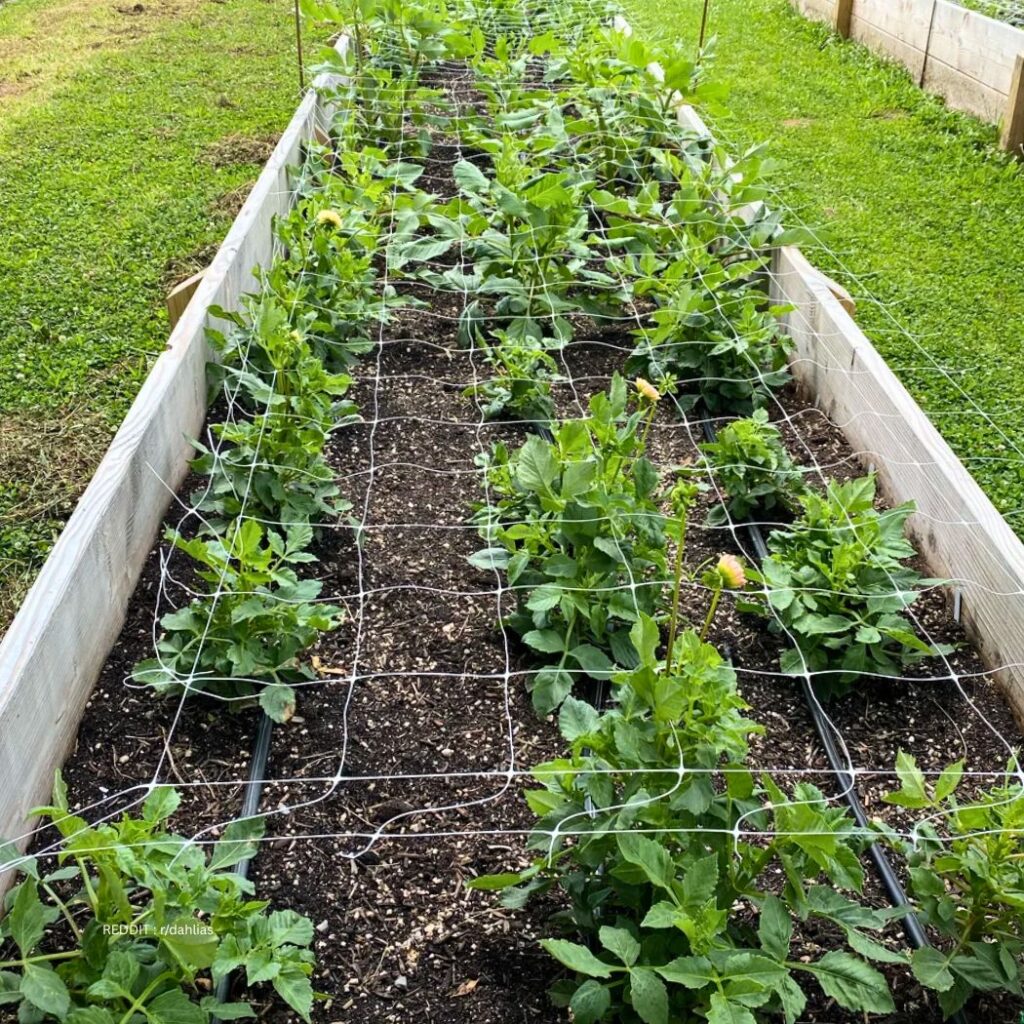
I choose fertilizer based on soil, growth stage, and how often I can feed. Dahlias need steady nutrients, but too much nitrogen makes leafy plants with fewer flowers.
Organic Fertilizer Options for Healthy Soil
I use organic fertilizer to improve soil while feeding dahlias slowly. Compost, well-rotted manure, and alfalfa meal add nutrients and help sandy soil hold moisture.
They also support soil life, which helps roots take up food. I mix 1 to 2 inches of compost into the planting bed before I plant.
I only use well-rotted manure because fresh manure can burn roots and add too much nitrogen. Bone meal adds phosphorus, which supports root growth and flower production, so I work it into the soil at planting time.
Products such as Down to Earth Organic Bone Meal offer a simple choice when I want a measured product. Quick Tip: I skip heavy manure feeds after midsummer.
Dahlias need blooms then, not a jungle of soft green leaves.
Granular and Slow-Release Fertilizer for Steady Feeding
I use a granular fertilizer when I want a simple feeding schedule. A low-nitrogen blend, such as 5-10-10 or 4-8-4, works well for dahlias because it supports blooms without pushing excess leaf growth.
I scatter granules around the plant, keeping them several inches from the stem. Then I water deeply so the nutrients move into the root area.
Dry granules sitting on dry soil don’t do much. Slow-release fertilizer feeds plants over several weeks, which I find useful in containers where rain and frequent watering can wash nutrients away faster.
I still check the label because some slow-release products contain more nitrogen than dahlias need. Quick Tip: I don’t pile granular fertilizer against the stem.
It can scorch the plant, especially during hot, dry weather.
Liquid Fertilizer for Fast Midseason Support
I use liquid fertilizer when dahlias need a quick boost during active growth. It works fast because I mix it with water and apply it directly to the root zone.
Fish emulsion is a common organic liquid feed, but its smell can linger for a day or two. I use it early in the season when plants need leafy growth, then switch to a lower-nitrogen bloom formula once buds form.
I feed every two to four weeks, depending on the product label and the soil. In rainy weather, nutrients may wash down faster.
In very hot, dry weather, I water first and fertilize after the soil feels moist. Quick Tip: I dilute liquid feed exactly as the label says.
Stronger isn’t better; it can stress roots.
Choosing Commercial and Synthetic Fertilizer Products
I choose commercial fertilizer by checking the three numbers on the label. Dahlias usually do best with less nitrogen and more phosphorus and potassium, such as 5-10-10 or 10-20-20.
A balanced fertilizer, such as 10-10-10, can work in poor soil early in the season. I avoid using it often once flowering begins because the equal nitrogen level may encourage leaves over blooms.
Tomato fertilizer often suits dahlias because many formulas contain lower nitrogen and higher potassium. I still read the label, since brands vary.
Jack’s Classic Blossom Booster has high phosphorus, so I use it lightly and only as directed rather than at every watering. Quick Tip: I stop feeding about four weeks before the first expected frost in my area.
This lets the plants slow down before cold weather arrives.
Prepare the Soil Before Planting Dahlia Tubers
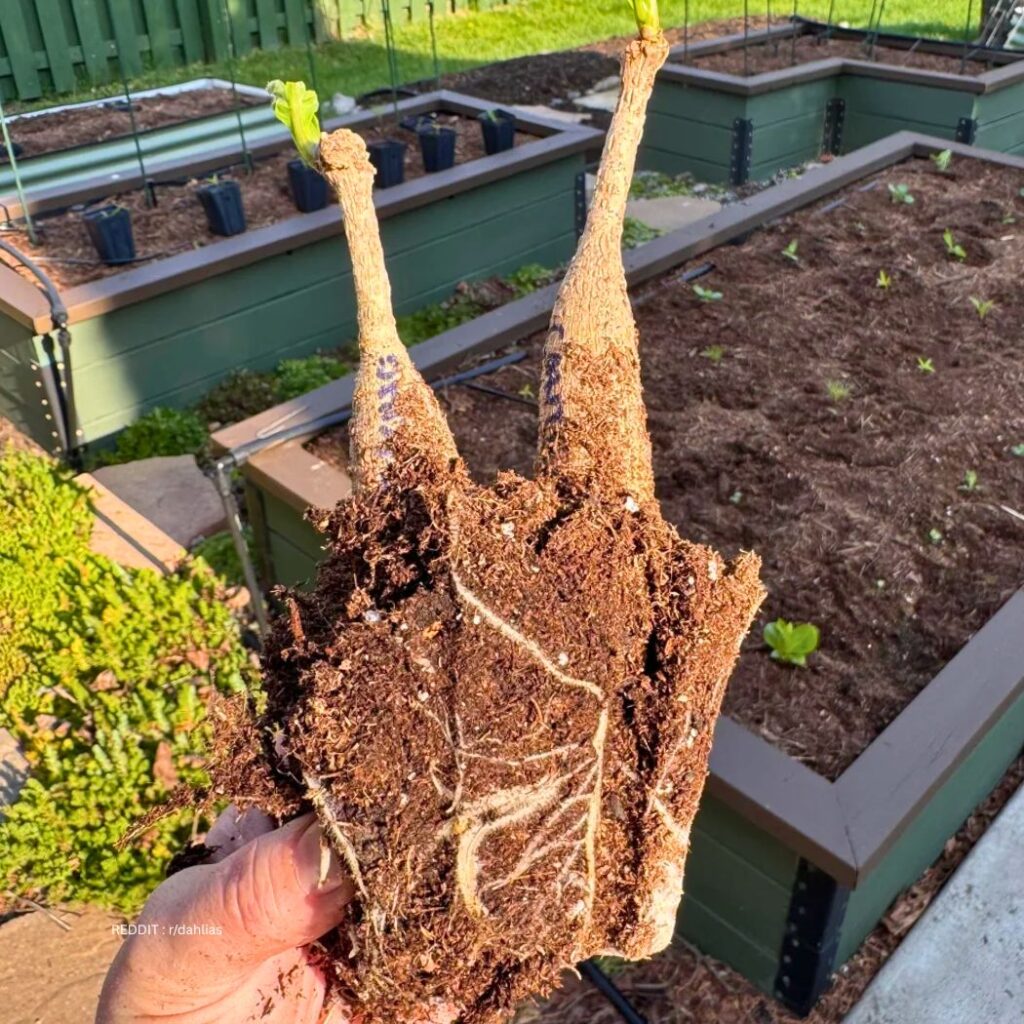
I prepare loose, well-drained soil before I plant dahlia tubers. I add organic matter, check soil pH, and avoid heavy fertilizer at planting time.
Improve Sandy Soil and Clay Soil With Organic Matter
In sandy soil, I mix in 2 to 3 inches of compost or well-rotted manure before planting. Sandy soil drains fast and loses nutrients quickly, so organic matter helps it hold moisture around the tubers.
For clay soil, I add compost to improve drainage and loosen hard clumps. I work it into the top 8 to 12 inches, but I don’t plant dahlias in a low, soggy spot.
Dahlia tubers can rot in cold, wet soil. Quick Tip: I squeeze a handful of moist soil.
If it forms a sticky lump, I add more compost; if it falls apart like dry crumbs, I add compost and water more often. I avoid fresh manure because it can burn new roots.
Well-rotted manure should smell earthy, not sharp or sour.
Test Soil pH and Use Lime Only When Needed
I test soil pH before adding lime. Dahlias grow best in slightly acidic to neutral soil, usually between pH 6.0 and 7.0.
If my test shows soil below pH 6.0, I can add garden lime according to the package rate. Lime raises pH, but too much can lock up nutrients that dahlias need.
It’s not a “more is better” product. Quick Tip: I test soil several weeks before planting, especially after a wet winter or in areas with regular heavy rain.
I skip lime when my soil pH already falls in the right range. In many gardens, compost improves soil structure without changing pH too much.
If I garden in a cold zone, I wait until the soil is workable and no longer muddy before mixing in amendments.
Use Compost and Soil Amendments Without Overfeeding
I mix compost into the planting bed instead of putting a thick pile directly under each dahlia tuber. A 1- to 3-inch layer worked into the soil gives roots steady support without making the bed too rich.
I use bone meal carefully, if at all. It adds phosphorus, but too much can build up in soil and won’t fix every flowering problem.
A soil test tells me whether my garden actually needs it. Quick Tip: I keep strong fertilizer away from newly planted tubers.
I want roots to grow first, not soft, leafy growth. I avoid high-nitrogen soil amendments at planting time because too much nitrogen can give me tall, green plants with fewer flowers.
Compost, well-rotted manure, and loose soil create a better start for dahlia tubers.
Follow a Seasonal Feeding Schedule
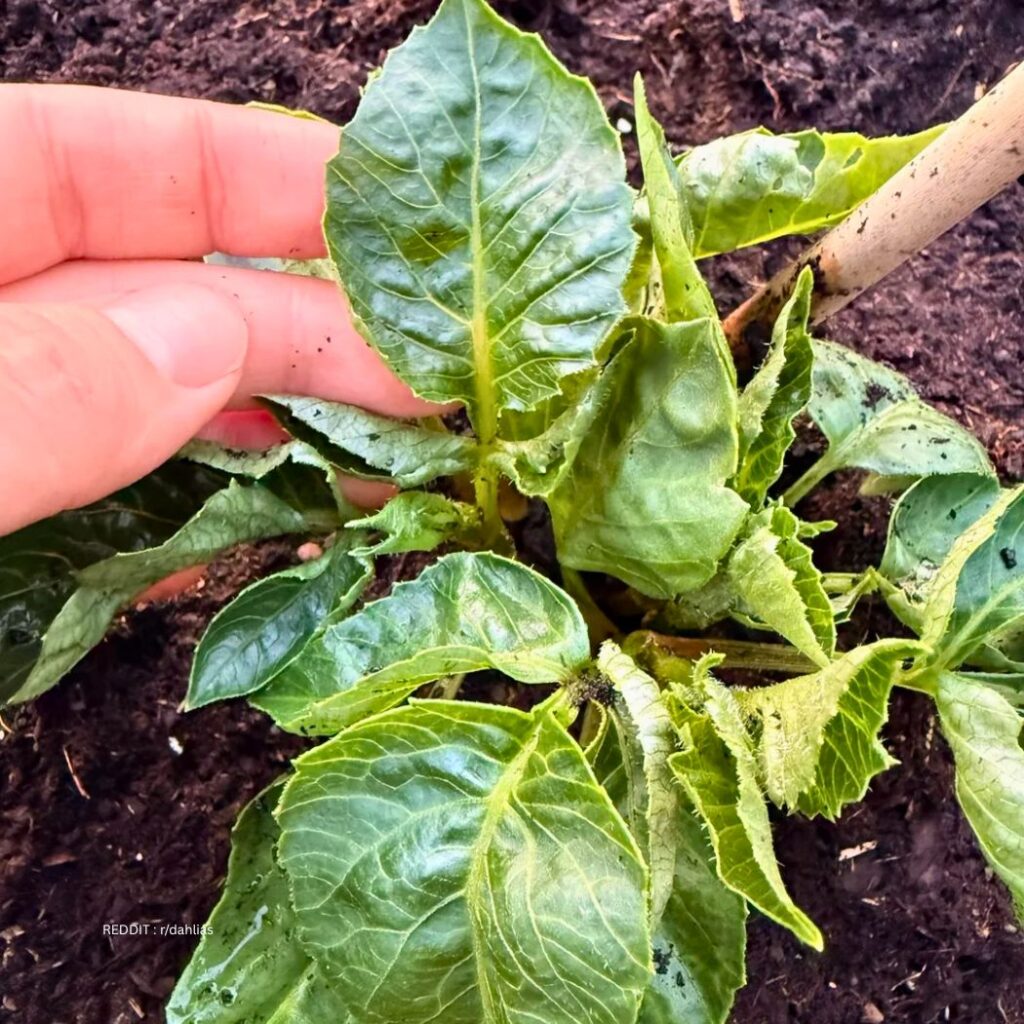
I feed dahlias only after their roots settle in, then keep a steady schedule through summer. I stop before cold weather so the plants can slow down naturally.
Wait Until 30 Days After Planting to Begin Feeding
I wait about 30 days after planting before I start fertilizing dahlias. By then, the plants should have several leaves and stems that look green and firm.
Early feeding can push soft, leafy growth before the roots have settled. I use a low-nitrogen dahlia fertilizer, such as one labeled 5-10-10 or 10-20-20.
Too much nitrogen makes tall, leafy plants with fewer flowers. Dahlias don’t need a salad bar.
Quick Tip: I scatter dry fertilizer around the plant, keeping it 4 to 6 inches from the stem, then water it in well.
If I planted in rich compost or fertilized soil, I may wait a little longer. In cool northern areas, growth can start slowly, so I watch the plant rather than the calendar alone.
Apply Fertilizer Every Three to Four Weeks During Active Growth
Once growing dahlias start putting on height and leaves, I feed them every three to four weeks. This schedule supports steady flower production without overfeeding the plants.
I fertilize after rain, or water first if the top inch of soil feels dry. Fertilizer on dry soil can stress roots, especially during hot, windy weather.
I follow the package rate and don’t add extra “just in case.”
Quick Tip: I mark feeding dates on my calendar so I don’t lose track during the busy flowering season.
For flowering plants in containers, I use a liquid bloom fertilizer at the label rate every two to three weeks. Container soil loses nutrients faster than garden soil, and regular watering washes some away.
Stop Fertilizing Before the First Frost
I stop feeding dahlias about four to six weeks before my usual first frost date. Late fertilizer encourages tender new growth that cold weather can damage quickly.
In warm zones without an early frost, I stop when flowering slows in fall and nights turn cooler. I still water as needed, but I don’t try to force more blooms with fertilizer.
Quick Tip: I check my local first frost date in late summer and count backward to set my last feeding date.
As frost gets closer, I let the plants focus on finishing the season. This simple part of dahlia care helps prepare the tubers for digging and winter storage.
Apply Fertilizer Correctly in Beds and Containers
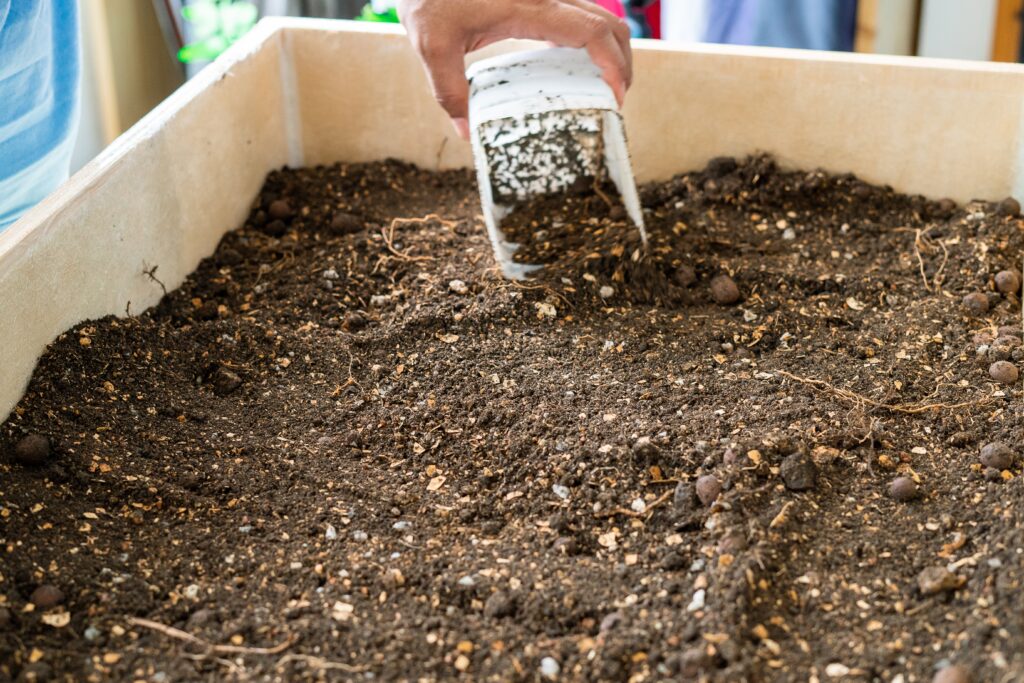
I use the right method for the fertilizer type, then water it in well. Small, steady feedings help dahlia plants grow without pushing soft, leafy growth.
How to Apply Granular Fertilizer Around Dahlia Plants
I spread granular fertilizer on moist soil, starting about 4 to 6 inches from the main stem. I keep it off the leaves and stems because fertilizer can burn damp plant tissue.
For established dahlia plants, I lightly scratch the granules into the top inch of soil with a hand fork. Then I water slowly until the soil feels evenly damp.
I don’t dig deeply because dahlia roots sit close to the surface.
Quick Tip: I use less than the bag’s maximum rate when plants already look dark green and leafy.
I reapply a regular granular fertilizer about every 3 to 4 weeks, following the label rate. A slow-release fertilizer lasts longer, so I don’t add another fertilizer on top of it unless the label allows it.
In rainy areas, nutrients may wash through beds faster.
How to Mix and Use Liquid Plant Food
I mix liquid fertilizer exactly as the label directs, using a watering can or hose-end feeder. More concentrate doesn’t mean more flowers. It can damage roots and leave brown leaf edges.
I apply liquid plant food for dahlias to already-moist soil. If the top inch feels dry, I water first, wait a few minutes, then feed.
This helps the roots take up nutrients instead of receiving a harsh dose.
Quick Tip: I pour the mix around the root zone, not directly onto the crown or foliage.
I usually feed with liquid fertilizer every 1 to 2 weeks during active growth. However, I stop or reduce feeding when flower buds form if the plants look overly leafy. Fish emulsion works as a gentle option, though its smell can linger for a day or two.
I use it early in the morning, not beside an open window.
Avoid Fertilizer Problems and Read Plant Signals
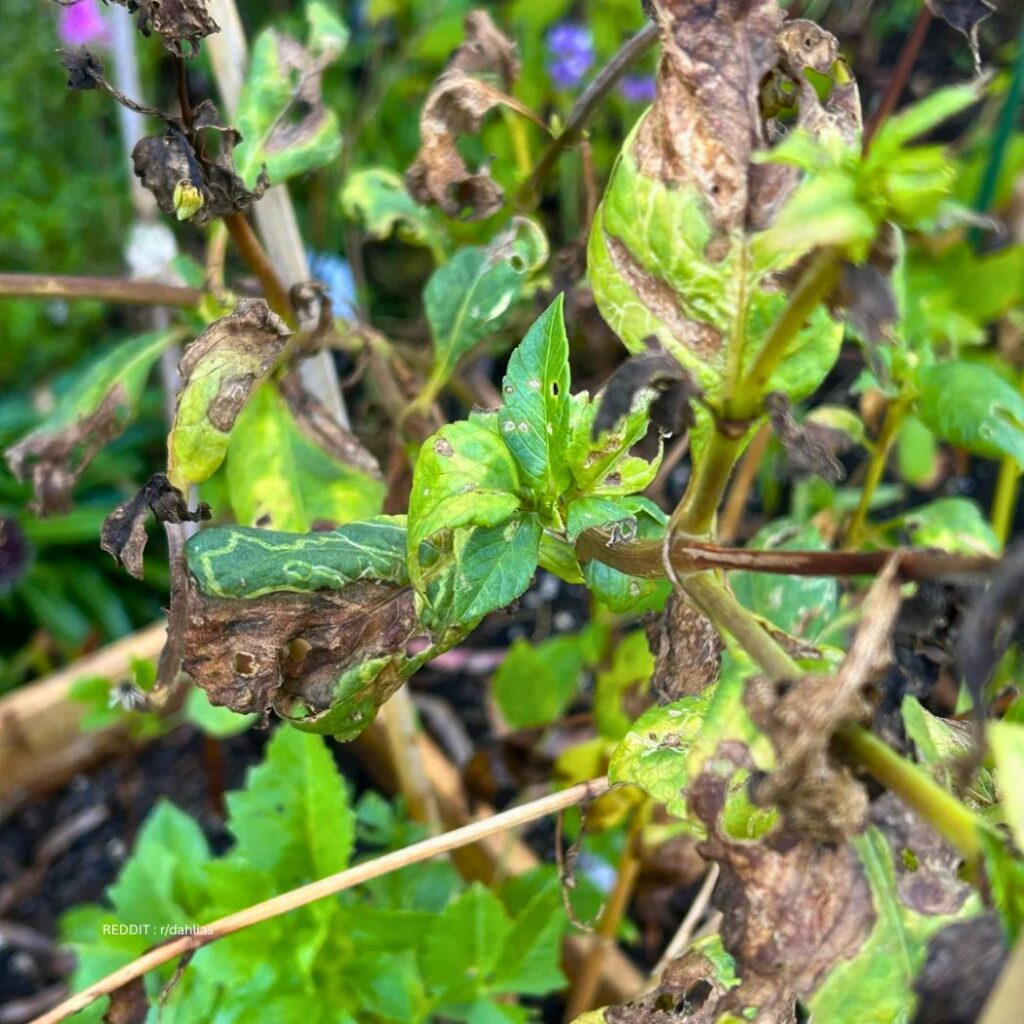
I watch dahlia leaves, stems, and blooms closely after feeding. Small changes can point to fertilizer burn, salt buildup, low nutrients, or too much nitrogen.
Recognize Fertilizer Burn and Salt Buildup
Fertilizer burn often starts at leaf edges. I look for brown, dry, crispy tips that spread inward, even when the soil feels damp.
New growth may curl, and the plant can look limp in hot afternoon sun.
Salt buildup can leave a pale, crusty layer on the soil surface or around the pot rim. This is common with container dahlias because water evaporates but fertilizer salts stay behind.
Quick Tip: If I suspect burn, I stop feeding and flush the soil with plain water until it drains freely from the pot or garden bed.
I wait at least two weeks before using fertilizer again. In rainy areas or cool zones, I use less water when flushing so the tubers don’t sit in soggy soil.
Address Yellowing Leaves Without Adding Too Much Feed
Yellowing leaves don’t always mean a dahlia needs more fertilizer. I first check which leaves turn yellow.
Lower, older leaves may fade naturally as the plant grows, while yellow new leaves can signal a nutrient problem or soil that stays too wet.
If the soil feels wet several days after watering, I improve drainage before adding feed. Wet roots can’t take up nutrients well, so extra fertilizer only adds salt buildup.
Quick Tip: I check the top inch of soil first. If it’s still damp, I wait to water and skip fertilizer for now.
When the plant needs feeding, I use a balanced fertilizer at the label rate. I avoid doubling the dose to fix yellowing leaves.
That shortcut can cause fertilizer burn faster than it fixes the color.
Correct Lush Foliage and Poor Bloom Production
Big green leaves and few flowers usually point to too much nitrogen. Nitrogen helps leaf growth, but excess amounts can cause weak stems, soft growth, and slow flower production.
I stop using high-nitrogen lawn food or general plant feed. I also avoid adding manure during the blooming season, since it can push more leafy growth.
Quick Tip: I switch to a lower-nitrogen bloom booster only after I stop the extra nitrogen feed.
I keep deadheading spent blooms and give tall stems support. A balanced fertilizer can still work for dahlia care, but I choose one with less nitrogen than phosphorus and potassium when blooms are scarce.
Frequently Asked Questions
I start feeding after dahlia plants establish, then use a low-nitrogen fertilizer every 3 to 4 weeks. Balanced organic options can work too, but I avoid overfeeding and stop late in the season.
When should I start fertilizing my dahlias?
I start when new dahlia shoots reach about 6 to 8 inches tall and the plant has several leaves. This usually happens 3 to 4 weeks after planting tubers.
Quick Tip: I wait until the soil feels moist before I apply fertilizer, then water lightly afterward.
In cool northern zones, growth may start later in spring. I don’t fertilize dormant tubers sitting in cold, wet soil.
What type of fertilizer is best for healthy dahlia blooms?
I use a low-nitrogen fertilizer with more phosphorus and potassium, such as 5-10-10 or 10-20-20. These formulas support roots, stems, and flower production without pushing too much leafy growth.
Quick Tip: I choose a granular fertilizer labeled for flowers, bulbs, or tomatoes when I can’t find one made for dahlias.
I follow the package rate and spread fertilizer around the plant, not against the stem. Too much fertilizer can leave white crust on soil or cause leaf edges to brown.
Why is a low-nitrogen fertilizer recommended for dahlias?
I use low-nitrogen fertilizer because too much nitrogen can make dahlias grow large, soft green leaves instead of strong stems and blooms. A plant may look lush but produce fewer flowers.
Sneaky, right?
Quick Tip: I avoid lawn fertilizer near dahlias because it often contains high nitrogen.
Dahlias still need some nitrogen, especially in poor soil. I just keep it lower than the phosphorus and potassium numbers.
Can I use 5-10-10 fertilizer for dahlias?
Yes, I use 5-10-10 for dahlias because it provides modest nitrogen with higher phosphorus and potassium. It works well for many garden soils during active growth.
Quick Tip: I apply 5-10-10 about 6 inches away from each stem and scratch it gently into the topsoil.
I water after feeding so nutrients move into the root zone. If a soil test shows high phosphorus or potassium, I choose a fertilizer based on those results instead.
How often should I feed dahlias during the growing season?
I feed dahlias every 3 to 4 weeks from early summer through late August. I stop fertilizing about 4 to 6 weeks before my first expected frost date.
Quick Tip: I skip a feeding if plants look dark green, grow slowly from heat stress, or sit in dry soil.
Heavy rain can wash nutrients deeper into the soil, especially in sandy beds. In that case, I check plant growth before adding more rather than feeding on a fixed schedule.
Are organic or homemade fertilizers good for dahlias?
I use finished compost, aged manure, and organic flower fertilizer to feed dahlias. These options release nutrients more slowly and can improve the soil’s texture over time.
Quick Tip: I use only fully composted manure. Fresh manure can burn roots and add too much nitrogen.
Homemade compost helps, but it may not provide enough phosphorus or potassium for heavy flowering. If plants need a steadier supply, I pair compost with an organic, low-nitrogen fertilizer.