
Asters are one of my favorite flowers for adding color to the garden in late summer and fall. They’re easy to grow, and with a little care, they can bloom for weeks. Feeding them the right way is a simple step that helps them stay healthy.
In my experience, the best fertilizer for asters is a balanced, slow-release fertilizer, such as a 10-10-10 mix or a layer of compost, applied lightly in spring. Asters don’t need much food, and too much can cause weak stems and fewer flowers. I’ll share what I’ve learned so you can choose the right option for your plants.
1) Espoma Organic Garden-Tone 3-4-4
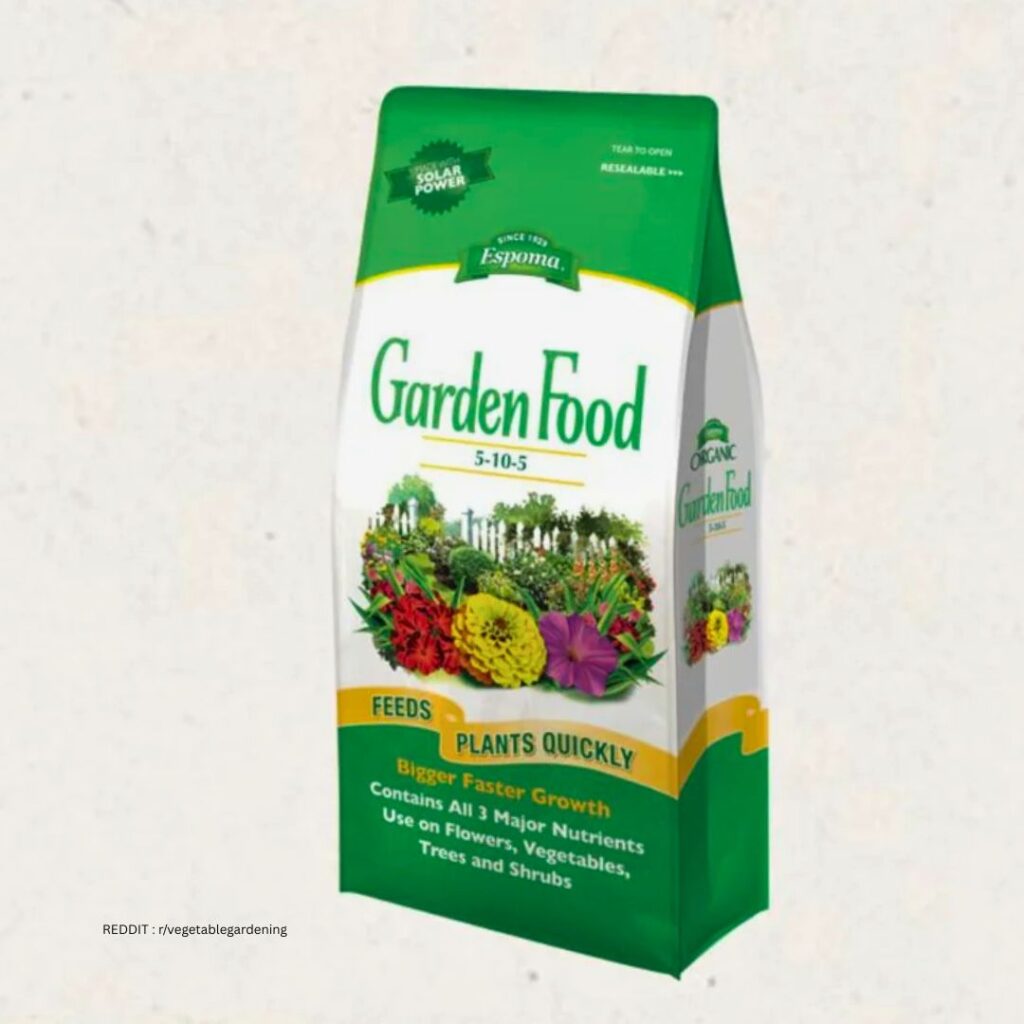
Espoma Organic Garden-Tone is my top pick for asters. It has an N-P-K ratio of 3-4-4, which means it contains a bit more phosphorus and potassium than nitrogen. That balance works well for flowering plants like asters.
Too much nitrogen can make asters grow tall and floppy, with fewer blooms. I like that Garden-Tone keeps nitrogen on the low side. This helps the plant put its energy into flowers instead of extra leaves.
What’s in It
Garden-Tone is made from natural ingredients, including feather meal, poultry manure, bone meal, alfalfa meal, and sulfate of potash. It also contains Espoma’s Bio-tone, a blend of helpful soil microbes.
These microbes break down organic matter over time, slowly releasing nutrients into the soil. That means you don’t get a sudden rush of food that could burn roots.
Why I Like It for Asters
Asters are tough plants that don’t need heavy feeding. A gentle, slow-release fertilizer suits them well. I’ve found that one or two light feedings a season are usually enough.
Here’s what stands out to me:
- Slow release: It feeds plants over several weeks.
- Low burn risk: It’s hard to overdo it when you follow the label.
- Builds soil: The organic material and microbes help improve soil over time.
- OMRI listed: It’s approved for use in organic gardening.
How to Use It
I apply Garden-Tone in early spring, when new growth appears. Sprinkle it around the base of each plant, then gently mix it into the top inch or two of soil. Water it in well.
For established asters, the bag suggests about 1 cup per plant, depending on size. You can add a second light feeding in early summer if your plants seem to need it. I stop by midsummer so the plants don’t put out soft growth late in the season.
A Few Things to Know
Since it’s organic, Garden-Tone has an earthy smell when you first apply it. The smell fades within a few days. Some dogs may be curious about it, so you might want to mix it into the soil right away.
It also works more slowly than synthetic fertilizers. If your asters are badly lacking nutrients, you may not see quick results. For regular feeding, though, I think the slow pace is a good thing.
Who It’s Best For
I recommend Garden-Tone if you want an easy, organic option for asters and other perennials. It’s a good fit for gardeners who want to feed their plants and improve their soil at the same time. You can also use it on vegetables, shrubs, and other flowers in your garden.
2) Down to Earth Rose & Flower Mix 4-8-4
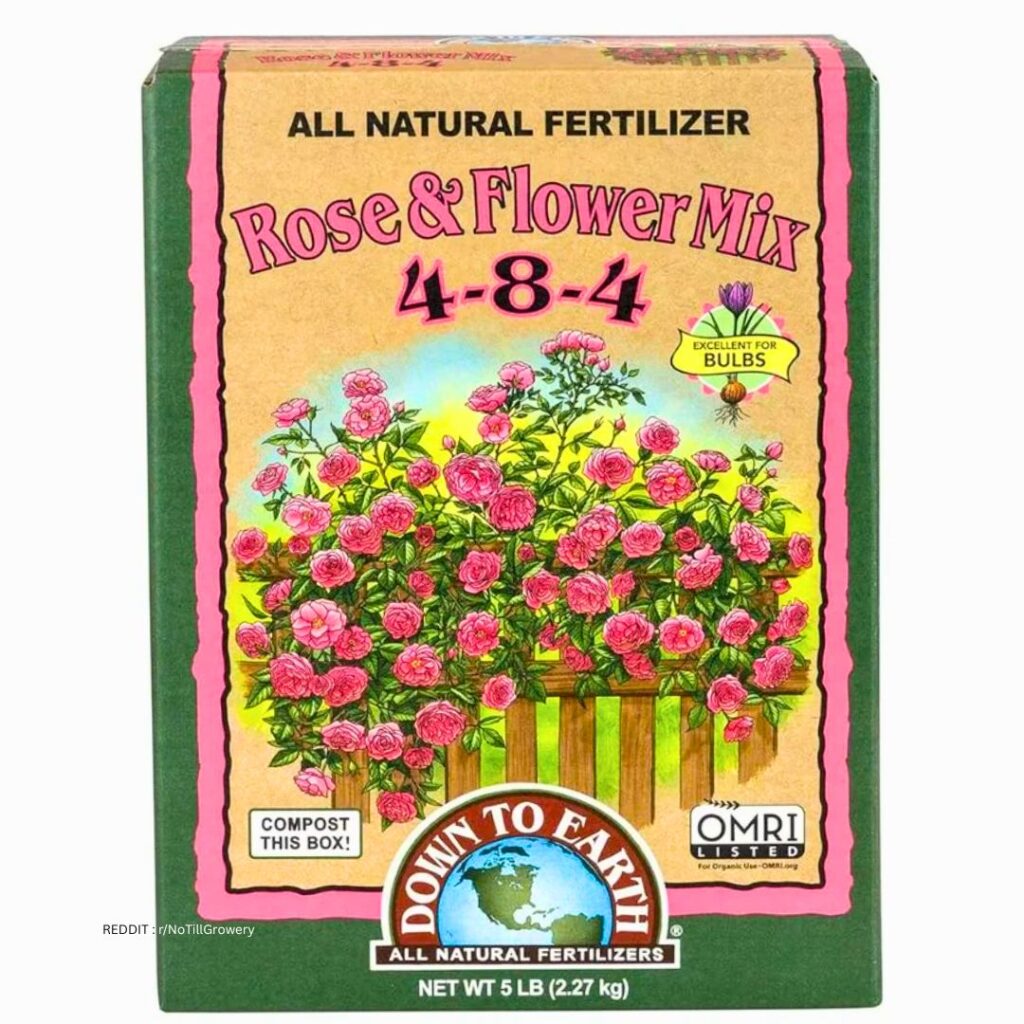
Down to Earth Rose & Flower Mix 4-8-4 is my pick if you want an organic option for your asters. It’s a granular fertilizer made from natural ingredients and is OMRI Listed, meaning it’s approved for use in organic gardening.
The numbers 4-8-4 tell you what’s inside: 4% nitrogen, 8% phosphorus, and 4% potassium. The extra phosphorus helps support roots and blooms.
I like this ratio for asters. Too much nitrogen can give you lots of leaves and fewer flowers. This mix leans toward flowers instead.
What’s Inside
The blend uses ingredients like fish bone meal, feather meal, alfalfa meal, and kelp meal. These break down slowly in the soil, feeding your plants over several weeks rather than all at once.
Slow feeding is gentle on plants. I find it lowers the risk of burning roots, which can happen with some strong synthetic fertilizers.
These natural ingredients also feed the living things in your soil. Healthy soil life can help your garden beds stay in good shape over time.
How I Use It
I work the granules into the top few inches of soil around my asters, then water the area well. Water helps the fertilizer start breaking down.
I usually feed in spring, when new growth starts. I may add a light second feeding in early summer to support fall blooms. Always follow the rates on the package for the size of your plants or garden bed.
If you’re planting new asters, you can mix some into the planting hole or the surrounding soil. Just be sure to blend it in well.
Things to Keep in Mind
Organic fertilizers work more slowly than liquid feeds, so you won’t see changes overnight. If your asters look very pale or weak, you may want a faster option.
The smell is another thing to know about. Fish and bone meal can have an earthy odor for a short time after you apply it. Pets may also be curious, so I scratch it into the soil instead of leaving it on top.
It comes in several bag sizes. A small box works fine for a few plants, while a larger bag makes more sense for big flower beds.
Why I Recommend It
This fertilizer is a good fit for gardeners who want natural, slow-release food. It supports blooms without pushing too much leafy growth. It’s also easy to use, even if you’re new to gardening.
Asters don’t need heavy feeding, so I think this gentle approach works well. A little goes a long way with these plants.
3) Jobe’s Organics Flower & Rose Granular Fertilizer 3-5-3
Jobe’s Organics Flower & Rose Granular Fertilizer is a good pick if you want an organic option for your asters. It has an N-P-K ratio of 3-5-3, which means it contains a bit more phosphorus than nitrogen or potassium.
I like this balance for asters. Phosphorus supports root growth and flower production. The lower nitrogen helps keep plants from putting too much energy into leaves instead of blooms.
What Makes It Different
This fertilizer contains Jobe’s Biozome, a mix of helpful microorganisms, including bacteria and fungi. These microbes break down organic material in the soil so plants can use the nutrients.
Because it’s organic, it releases nutrients slowly, which lowers the risk of burning your plants. It also means you don’t need to feed as often as you would with some synthetic products.
The product is listed for organic gardening by the OMRI (Organic Materials Review Institute). That’s helpful if you grow your garden without synthetic chemicals.
How I Use It on Asters
I mix the granules into the soil when I plant new asters. For plants already in the ground, I sprinkle the granules around each plant’s base, work them lightly into the top inch or two of soil, and water well.
Asters don’t need heavy feeding, so I usually apply this fertilizer in spring when new growth starts. Sometimes I add a light second feeding in early summer, but I stop before late summer.
Always follow the amounts on the bag. Using too much can lead to tall, floppy stems.
Pros
- Organic and OMRI listed
- Contains helpful soil microbes
- Slow release with a low risk of burning plants
- Higher phosphorus supports blooms
- Easy to apply by hand
Cons
- Works more slowly than liquid fertilizers
- Has an earthy smell that some people may not like
- Granules can attract pets or wildlife to dig in the soil
Who It’s Best For
This fertilizer is a good fit if you want a gentle, natural way to feed your asters. It works well for gardeners who care about soil health over time. If you need fast results, a water-soluble fertilizer may suit you better.
I find it easy to use and safe for beginners. A single bag can cover many plants, so it may last through a full season or more.
4) Dr. Earth Flower Girl Bud & Bloom Booster 3-9-4
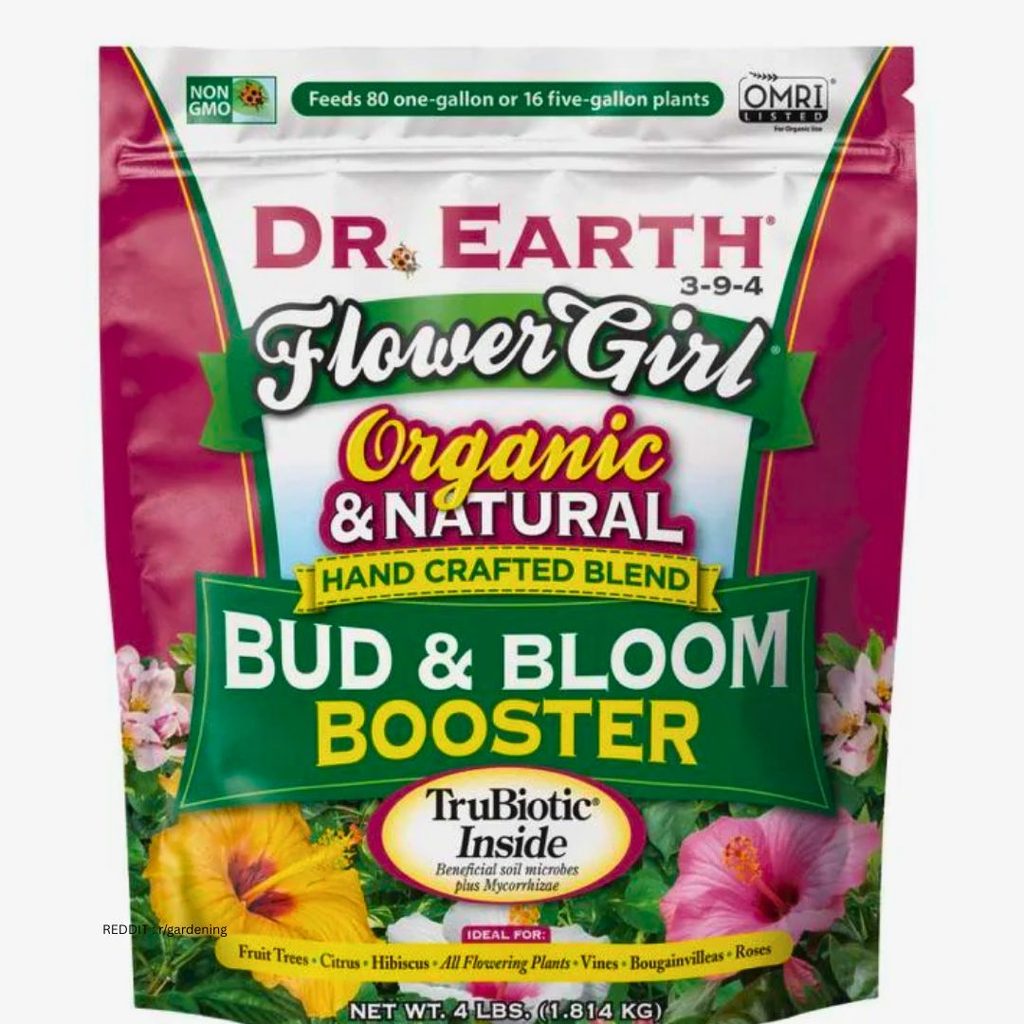
If you want an organic option for your asters, this is the one I like most. Dr. Earth Flower Girl is a granular fertilizer made for flowering plants, with an N-P-K ratio of 3-9-4.
That ratio works well for asters. The low nitrogen helps keep plants from growing too many leaves and weak, floppy stems. The higher phosphorus supports buds and blooms, which is what most of us want from asters in late summer and fall.
The ingredients come from natural sources, including fish bone meal, feather meal, alfalfa meal, and kelp. They break down slowly in the soil, releasing nutrients over time instead of all at once.
I like that this lowers the risk of burning roots. Asters don’t need heavy feeding, so a slow, gentle fertilizer suits them well.
The mix also contains beneficial soil microbes and mycorrhizal fungi. These living organisms work with plant roots and help them take in water and nutrients. This can be useful if your soil is tired or hasn’t been amended in a while.
The product is listed for organic gardening. That makes it a good choice if you grow asters near vegetables or want to avoid synthetic chemicals in your yard.
Using it is simple. I sprinkle the granules around each plant’s base in spring, when new growth starts. Then I scratch them lightly into the top layer of soil and water well.
You can add a second, light feeding in early summer if your plants seem to need it. I’d stop feeding by midsummer so the plants can focus on blooming. Always check the label for the right amount based on your plant size or garden bed area.
There are a few things to keep in mind. Since it contains fish and bone meal, it has a noticeable smell for a day or two after you apply it. Dogs and other animals may be curious and try to dig where you spread it.
Work the granules into the soil and water right away to help with this. If you have pets that dig, you may want to watch them for a few days.
It also works more slowly than a water-soluble fertilizer, so you won’t see quick changes overnight. That’s normal for organic products, and it’s fine for asters since they bloom later in the season.
The price is a bit higher than some synthetic options. Still, a bag goes a long way for a few aster plants, and you can use it on your other flowers too.
I recommend this fertilizer if you want steady feeding, healthier soil, and an organic product for your aster beds.
5) Burpee Organic Bloom Plant Food 1-1-1
If you want a gentle, low-strength fertilizer for your asters, Burpee Organic Bloom Plant Food 1-1-1 is one I like to suggest. It’s a mild organic option, which makes it a good pick for gardeners who worry about overfeeding.
The 1-1-1 numbers tell you a lot. The product has equal parts nitrogen, phosphorus, and potassium, but in small amounts. That balance supports leaves, roots, and flowers without pushing one too hard.
Why I Think It Works for Asters
Asters don’t need much fertilizer. In fact, too much nitrogen can make them grow tall and floppy, with fewer blooms. A low-number fertilizer like this helps you avoid that problem.
I see this as a “less is more” choice. It gives your plants a light boost while the soil does most of the work. That suits the way asters naturally grow in average garden soil.
Because it’s organic, it breaks down slowly over time. The nutrients feed the plant and support life in the soil, which can lead to healthier soil over the seasons.
How to Use It
Always follow the package directions for how much to use. Labels can change, so it’s smart to check before each use. In general, mix organic granular fertilizers into the top layer of soil around the plant, then water well.
For asters, I suggest feeding lightly in spring, when new growth starts. You can add a small second feeding in early summer if your plants look pale or slow. I’d stop feeding by late summer so the plants can focus on blooming.
Things to Keep in Mind
Organic fertilizers often have a natural smell when you first apply them. It usually fades after you water the fertilizer into the soil. Pets may also be curious, so keep an eye on them after you spread it.
The low strength means results may take a little longer to show. You won’t see a quick change like you might with a strong synthetic product. If your soil is very poor, you may need to add compost, too.
Pros and Cons
Pros:
- Gentle and low risk of overfeeding
- Balanced nutrients for overall plant health
- Organic and helps build soil over time
- Good fit for low-maintenance plants like asters
Cons:
- Slower results than synthetic fertilizers
- May have an odor at first
- Low nutrient levels may not be enough for very poor soil
I like this fertilizer for gardeners who want a simple, safe way to feed asters. If your soil is already in fair shape, this light touch may be all your plants need.
6) Osmocote Smart-Release Flower & Vegetable Plant Food 14-14-14
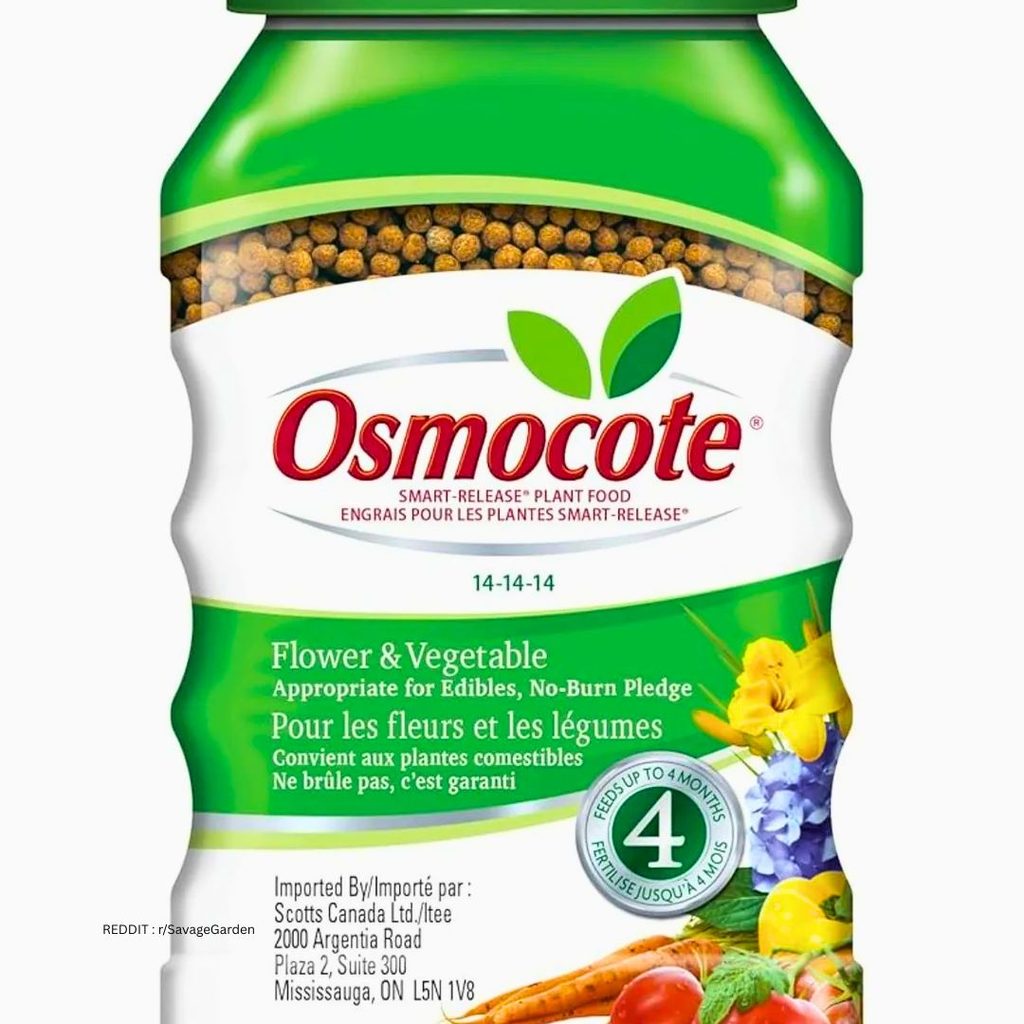
Osmocote Smart-Release Flower & Vegetable Plant Food is a slow-release fertilizer I like for busy gardeners. Add it once, and it keeps feeding your asters for months. That makes it a good choice if you don’t want to mix liquid fertilizer every week or two.
The formula is 14-14-14, which means it has equal parts nitrogen, phosphorus, and potassium.
A balanced mix like this works well for asters. Nitrogen helps the leaves and stems grow, phosphorus supports roots and blooms, and potassium helps the plant stay strong overall.
How It Works
Each small granule has a resin coating. Water and warm soil slowly move the nutrients through the coating. When the soil is warmer, the plant is usually growing faster, so the granule releases more food. When it’s cooler, it releases less.
The label says one feeding can last up to four months. For most asters, that covers a large part of the growing season.
I find this steady feeding helpful for asters. They don’t like sudden bursts of nitrogen. Too much at once can lead to tall, floppy stems with fewer flowers.
How I Use It on Asters
I sprinkle the granules on the soil around the plant’s base in spring, once new growth appears. Then I mix them lightly into the top inch of soil and water well. Follow the package directions for the amount to use based on the size of your plant or garden bed.
I keep the granules a few inches away from the stems to help prevent damage to the plant.
This fertilizer is very easy to use for asters in pots. Container plants lose nutrients faster because water often drains through the soil. A slow-release product helps replace those nutrients over time.
What I Like
- You only need to apply it once or twice a season.
- The balanced formula supports both leaves and flowers.
- It works for in-ground beds and containers.
- It’s easy to find at most garden centers and online stores.
- When used as directed, it poses less risk of burning roots than some fast-release fertilizers.
What to Keep in Mind
- It costs more per feeding than some basic granular fertilizers.
- It’s not an organic product, so it may not suit organic gardens.
- Results can take longer to show than with liquid plant food.
- If your soil is already rich, your asters may not need a full feeding.
I suggest this product if you want a simple, low-effort way to feed your asters. It’s a good fit for gardeners with lots of pots or mixed flower beds. If you prefer quick results or organic options, another fertilizer on this list may suit you better.
7) Miracle-Gro Water Soluble Bloom Booster Flower Food 10-52-10
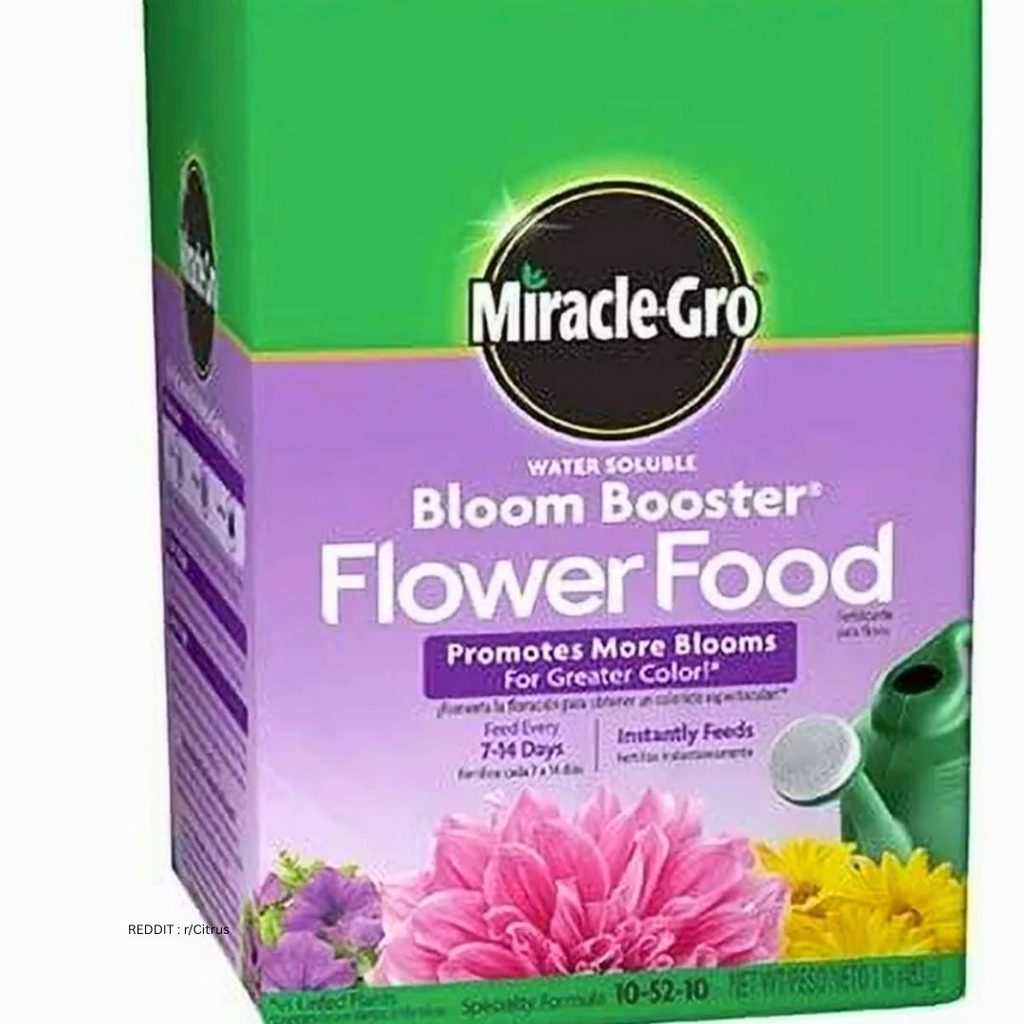
If you want your asters to put out more flowers, this is a product I often reach for. Miracle-Gro Bloom Booster is a water-soluble fertilizer made for flowering plants. Its 10-52-10 ratio means it’s very high in phosphorus.
Phosphorus helps plants form buds and flowers, while nitrogen mostly helps leaves grow. Since this formula has much more phosphorus than nitrogen, it focuses more on blooms than leafy growth.
That balance works well for asters. Too much nitrogen can make them tall and floppy, with fewer flowers. This product helps avoid that problem.
How I Use It
Mix the powder with water in a watering can or hose-end feeder. The label gives the amount to use, and I suggest sticking to it. Using more than the label says can burn roots and leaves.
I feed my asters with it about every 1 to 2 weeks during the growing season. I start in early summer, when the plants are getting ready to form buds, and stop in fall once blooming slows down.
Because it dissolves in water, the plant can take in the nutrients quickly. You may notice results sooner than with a slow-release granular fertilizer.
What I Like
- Fast results: The nutrients reach the roots right away.
- Easy to find: Most garden centers and big stores carry it.
- Low cost: One container lasts a long time, since you only use a small amount each time.
- Works on many plants: You can also use it on roses, petunias, and other flowers.
Things to Keep in Mind
This fertilizer doesn’t last long in the soil. You need to reapply it often, which takes more time than using a once-a-season product.
The very high phosphorus level isn’t right for every garden. If your soil already has plenty of phosphorus, adding more may not help. Extra phosphorus can also wash into nearby streams and lakes. I recommend a simple soil test before you use it, so you know what your soil needs.
The blue color can stain hands, tools, and patio stones. I wear gloves and rinse off spills right away.
Who It Is Best For
I think this product is a good fit if you grow asters in pots or flower beds and want more blooms. It’s also helpful if your plants look healthy and green but aren’t flowering much.
If you prefer a feed-and-forget option, a slow-release fertilizer may suit you better. But if you don’t mind watering in fertilizer every week or two, this one is an easy, budget-friendly choice for asters.
8) Jack’s Classic Blossom Booster 10-30-20
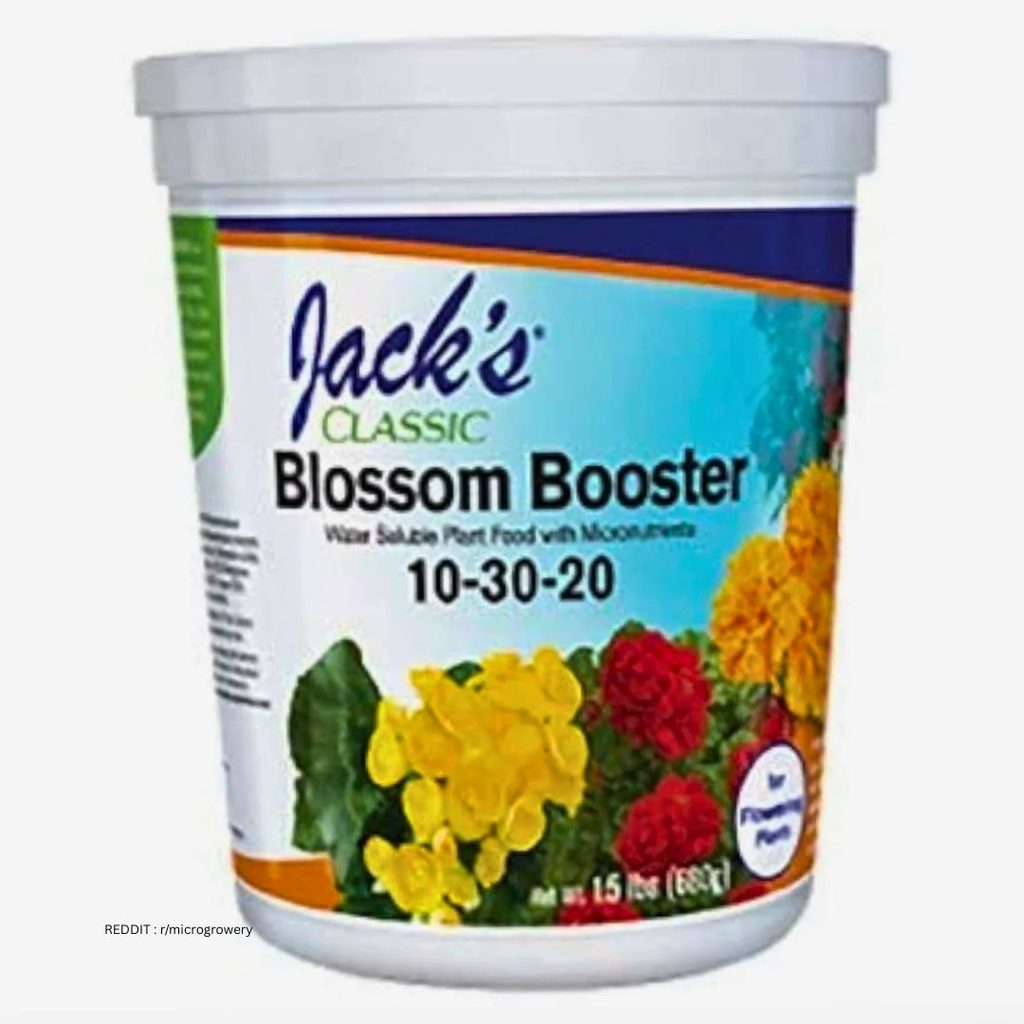
Jack’s Classic Blossom Booster is a water-soluble fertilizer made for flowering plants. I like it for asters because it focuses on blooms instead of extra leaves. The numbers on the label are 10-30-20.
That means it has 10% nitrogen, 30% phosphorus, and 20% potassium. The high middle number is key: phosphorus supports flower and root growth, which is what most people want from their asters.
Why I Like It for Asters
Asters can grow tall and leafy if they get too much nitrogen. This formula keeps nitrogen lower than the other two nutrients, which I find helps the plants put more energy into buds.
The potassium helps, too. It supports strong stems and overall plant health, which can be useful for taller aster types that tend to flop over.
The fertilizer also contains small amounts of trace elements, including iron, zinc, and manganese. Plants only need a little of these, but they still matter.
How to Use It
Mix this fertilizer with water before you apply it. The powder dissolves fast, so it’s easy to use with a watering can or hose-end sprayer. Always check the label for the exact amount, since mixing rates can vary by product size and use.
Here’s the general approach I follow:
- Start feeding in early summer, once the plants are growing well.
- Feed every 2 to 3 weeks while buds are forming.
- Stop feeding once the plants are in full bloom or by late summer.
Water your asters with plain water first if the soil is very dry. This helps prevent root burn. I also try to apply the fertilizer in the morning or evening, not during the hottest part of the day.
Things to Keep in Mind
Because it’s water-soluble, this fertilizer works fast. The downside is that it doesn’t last long in the soil, so you’ll need to reapply it during the season.
It’s easy to use too much. More fertilizer doesn’t mean more flowers. Too much can damage roots or cause salt buildup in the soil, especially in pots.
This product is also a good choice for asters grown in containers. Potted plants lose nutrients faster through watering, so regular liquid feeding helps. I still use a lighter mix for pots to stay on the safe side.
Who Should Pick This One
I’d suggest Jack’s Classic Blossom Booster if you want more blooms and don’t mind feeding on a schedule. It’s a good fit for gardeners who already have decent soil but want a boost during bud season. It works for both garden beds and containers.
If you prefer a feed-it-and-forget-it option, a slow-release fertilizer may suit you better. But if you like quick results and hands-on care, this one is worth a look.
9) FoxFarm Big Bloom Liquid Plant Food 0.01-0.3-0.7
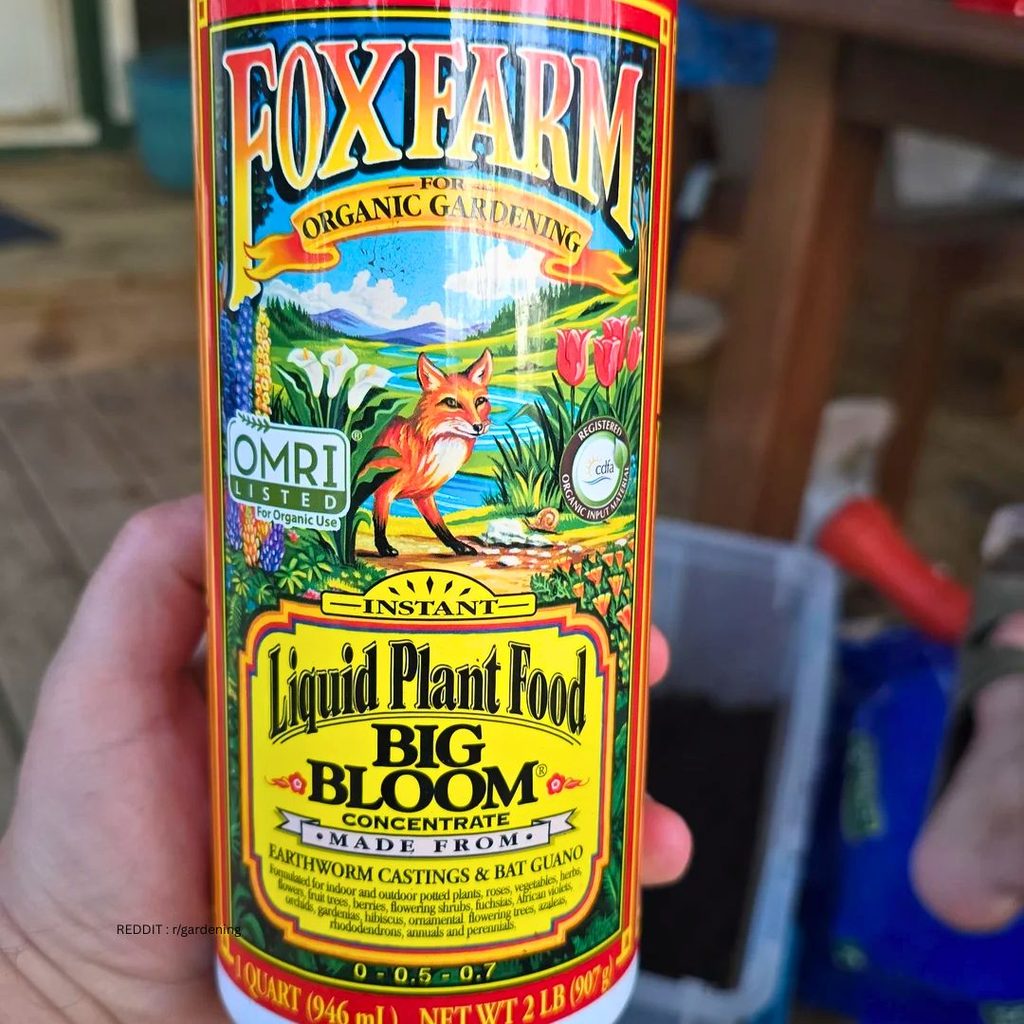
FoxFarm Big Bloom is a gentle liquid fertilizer. I like it for asters because it feeds the plant without pushing too much leafy growth. That matters, since people grow asters for their flowers.
The numbers on the label are very low. The 0.01-0.3-0.7 ratio means it has almost no nitrogen, a small amount of phosphorus, and a bit more potassium. This balance supports roots and blooms instead of tall, floppy stems.
What’s Inside
Big Bloom is made with natural ingredients, including earthworm castings, bat guano, and kelp. It also contains small amounts of other minerals and microbes that help the soil.
I find this mix useful for asters planted in garden beds or pots. The organic ingredients help build healthier soil over time, which can make it easier for your plants to take up nutrients.
How I Use It
The label suggests mixing about 1 tablespoon per gallon of water for regular feeding. I water my asters with this mix every one to two weeks during the growing season. Then I stop feeding in late fall, when the plants start to slow down.
Because it’s so mild, the risk of burning roots is low. You can use it more often than a strong synthetic fertilizer. Just shake the bottle well first, since the ingredients can settle.
Things I Like
- Very low nitrogen, which helps prevent weak, leggy stems
- Made from natural ingredients
- Gentle enough for young plants and potted asters
- Easy to mix and apply with a watering can
Things to Keep in Mind
- The low nutrient levels may not be enough for very poor soil
- It has an earthy smell that some people may not enjoy
- You’ll need to feed more often than with slow-release products
- A bottle can run out quickly in large gardens
I think Big Bloom works best as a regular boost, not as your only source of nutrients. If your soil is already in decent shape, it can be a good fit. If it’s weak, you may want to add compost or a balanced fertilizer in spring, too.
This product is a good pick for gardeners who want an organic, low-risk option. I find it simple to use and gentle on plants. If you prefer a mild feed that focuses on flowers, it’s worth a look for your asters.
10) Neptune’s Harvest Rose & Flowering Formula 2-6-4
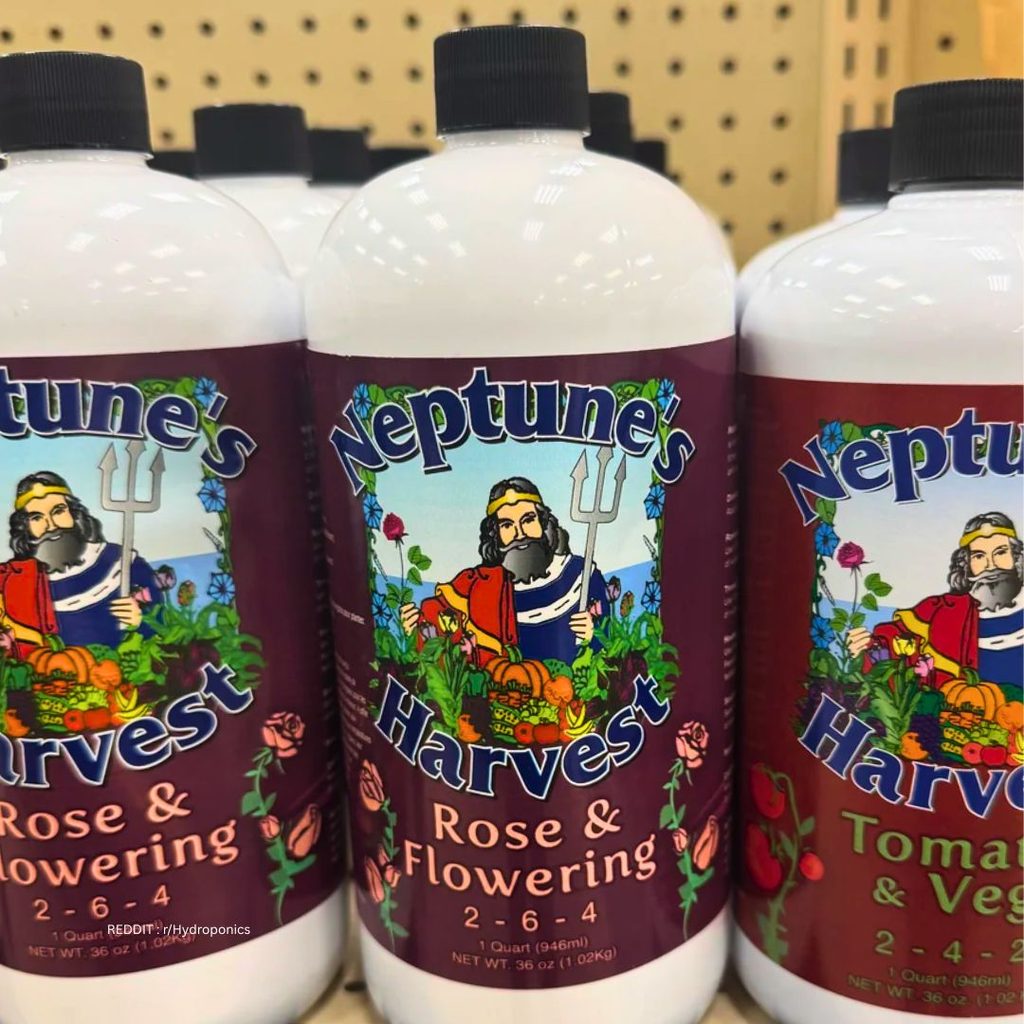
Neptune’s Harvest Rose & Flowering Formula is a liquid fertilizer for blooming plants. The name mentions roses, but I like it for asters, too. Its 2-6-4 ratio suits asters in the weeks before they flower.
The label lists fish, seaweed, and humic acid as its main ingredients. They come from natural sources, so this is a good option if you want to avoid synthetic fertilizers.
Why the 2-6-4 Ratio Works for Asters
The first number is nitrogen, which is low here at 2. Asters don’t need much nitrogen. Too much can make them grow tall and floppy, with fewer flowers.
The middle number is phosphorus, at 6. Phosphorus helps plants form buds and flowers. That’s the main reason I picked this formula for my list.
The last number is potassium, at 4. It helps plants stay strong and handle stress, such as heat or dry spells. Asters bloom late in the season, so that extra support can help.
How I Use It
This concentrate needs to be mixed with water before use. I follow the amounts on the bottle. You can pour it onto the soil around the plant or spray it on the leaves.
I start feeding my asters in late spring, when new growth is clear, and continue through summer. Once the plants are in full bloom in fall, I stop.
Because it’s a liquid, plants can take it up faster than a slow-release granule. The downside is that you have to apply it more often. If you don’t want to feed your plants every week or two, a granular product may suit you better.
Things to Know Before You Buy
- It smells like fish. The smell is strong when you first mix and apply it. It fades in a day or so outdoors, but I wouldn’t use it on indoor plants.
- Shake it well. The liquid can settle in the bottle, so give it a shake before each use.
- It is gentle. The low numbers mean there’s less risk of burning roots than with stronger chemical fertilizers. Still, don’t mix it stronger than the label says.
- It can feed soil life. Fish and seaweed add organic matter, which can help beneficial microbes in the soil.
Who This Is Best For
I recommend this fertilizer for gardeners who want a natural option. It also works well if you already water your asters by hand and don’t mind adding a feeding step.
It’s a good fit for asters in pots, too. Container plants lose nutrients faster when you water them, so regular liquid feeding can help.
If you already have rich garden soil, you may not need much. In that case, I’d use it lightly and see how your plants respond.
Frequently Asked Questions
Asters need only light feeding, and a low-nitrogen fertilizer with more phosphorus works best for flowers. Timing, pot size, indoor light, and local climate all affect how much and how often you should feed them.
What type of fertilizer helps asters bloom?
I like a fertilizer where the middle number (phosphorus) is equal to or higher than the first number (nitrogen). Phosphorus supports flower buds, while too much nitrogen mostly grows leaves.
Here are a few good options from my list:
- Dr. Earth Flower Girl Bud & Bloom Booster 3-9-4 has the highest phosphorus of my picks.
- Down to Earth Rose & Flower Mix 4-8-4 is another strong choice for blooms.
- Jobe’s Organics Flower & Rose 3-5-3 is a gentle option for light feeders like asters.
Slow-release organic types are a good fit because they feed the plant a little at a time.
When should I fertilize asters?
I feed asters in spring, once new green shoots are a few inches tall. You can add a second light feeding in early summer if your soil is poor.
Stop feeding by midsummer, around early to mid-July. Asters bloom in late summer and fall, and feeding late can push soft leafy growth instead of flowers.
How often should I fertilize asters in pots?
Potted asters need more frequent feeding than asters in the ground. Water drains through the pot and washes nutrients away.
I use one of these plans:
- Granular fertilizer: Feed every 6 to 8 weeks during spring and early summer.
- Liquid fertilizer: Feed every 2 to 4 weeks at half strength.
Burpee Organic Bloom Plant Food 1-1-1 works well for pots because it’s mild. Always water the soil before and after feeding to protect the roots.
Do indoor asters need a different fertilizer?
Indoor asters grow more slowly because they get less light, so they use less fertilizer.
I suggest a balanced liquid fertilizer mixed at half strength. Feed about once a month while the plant is actively growing or blooming. Skip feeding if the plant looks like it’s resting or not putting out new growth.
Should I fertilize asters differently in warm climates like Florida or Georgia?
Yes, a little. Warm areas have a longer growing season, and sandy soil in places like Florida loses nutrients faster.
In these areas, I start feeding earlier in spring, often in March. A slow-release choice like Espoma Organic Garden-Tone 3-4-4 can help in sandy soil because it breaks down slowly.
Avoid feeding during the hottest weeks of summer. Plants under heat stress don’t use fertilizer well, and it can burn the roots.
Can too much fertilizer keep asters from blooming?
Yes. Asters are light feeders, so too much fertilizer often leads to poor blooming.
Extra nitrogen causes tall, floppy stems and plenty of leaves, but you may see fewer flowers. Overfeeding can also leave brown edges on the leaves as salts build up.
If that happens, I stop feeding for the rest of the season. A few deep waterings can help flush excess fertilizer from the soil.