
Quick Tip: I recommend Kelvin Floodlight, Emory Paul, and Café au Lait when you want dinner plate dahlias with huge blooms for borders and cut flowers.
I love these dahlias because they create dramatic focal points with wide petals and rich color. You can choose bright yellow, soft blush, or deep pink to suit your garden.
I’ll cover how to pick strong tubers, plant for sturdy stems, and care for bigger flowers through the season. I’ll also share simple ways to handle pests, disease, and winter storage, especially if your area gets frost.
What Makes A Dahlia Dinner Plate Size
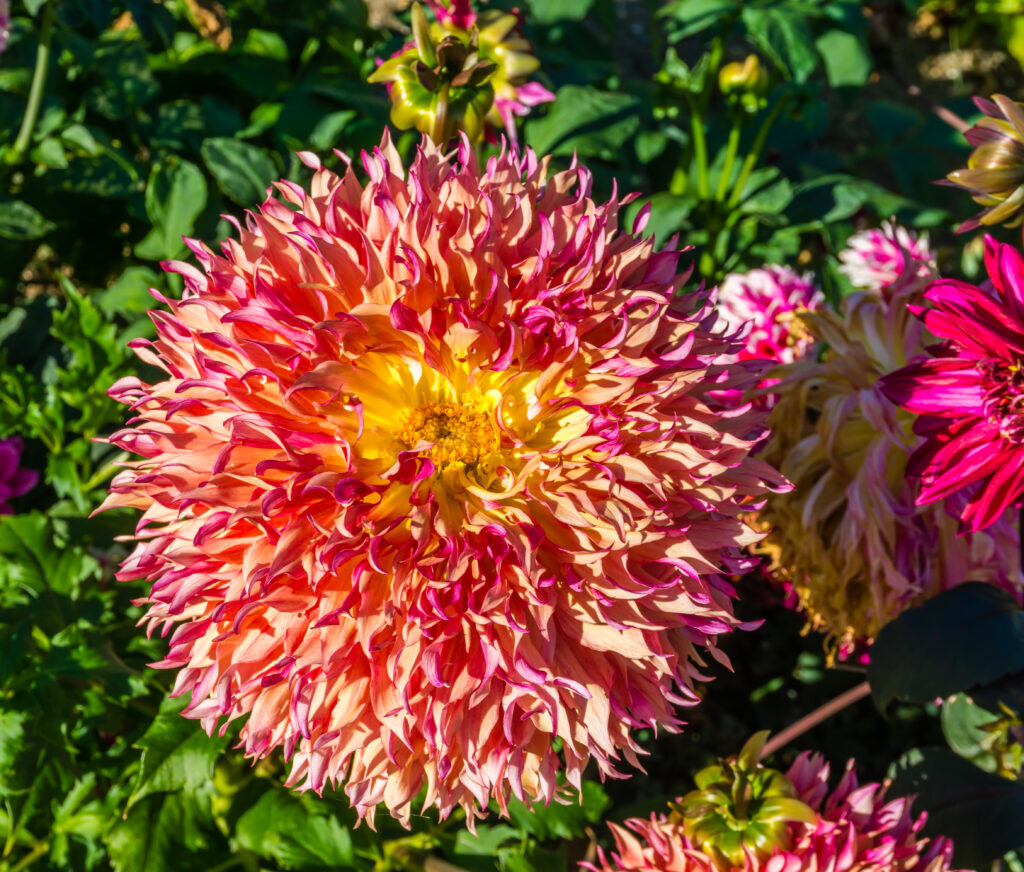
I use the term dinner plate dahlia for varieties with blooms about 8 to 10 inches wide or more. Their flower form, heavy stems, and need for support matter just as much as their size.
Bloom Size, Forms, And Garden Impact
A dinner plate dahlia has a flower head roughly as wide as a standard dinner plate. Some varieties reach 10 inches or more, especially with steady water, rich soil, and fewer competing buds.
These dahlias belong to the Asteraceae family and trace their roots to Mexico. They grow as tender perennials in warm areas, but frost kills the top growth and can damage the tubers.
Large blooms come in several forms, including decorative, informal decorative, and semi-cactus. Decorative types often have broad, layered petals, while semi-cactus flowers have narrower, rolled petals with a spiky look.
Their size makes them stand out in garden beds and flower arrangements. One open bloom can fill a vase, though heavy flowers may face downward after rain.
Quick Tip: I cut dinner plate dahlias early in the morning, when the flowers feel cool and fully open, for longer-lasting cut-flower arrangements.
Why These Tender Perennials Need Support
I stake dinner plate dahlias because their large blooms can outweigh their stems. Wind, rain, and one heavy flower can bend or snap a stem fast.
Place a sturdy stake or support ring at planting time, before the plant gets tall. A 4- to 6-foot stake works well for many tall varieties, and soft plant ties hold stems without cutting into them.
Check the plant every week as it grows. Tie each main stem loosely, leaving room for it to thicken. Don’t wait until a stem leans; fixing a floppy dahlia is a small headache.
In zones with frost, lift tubers after the first light frost blackens the foliage. In frost-free areas, tender perennial dahlias can stay in the ground if the soil drains well.
Quick Tip: I add support before the first flower opens, because a dinner plate bloom gets heavy when it fills with rain.
Top Varieties For Giant Blooms
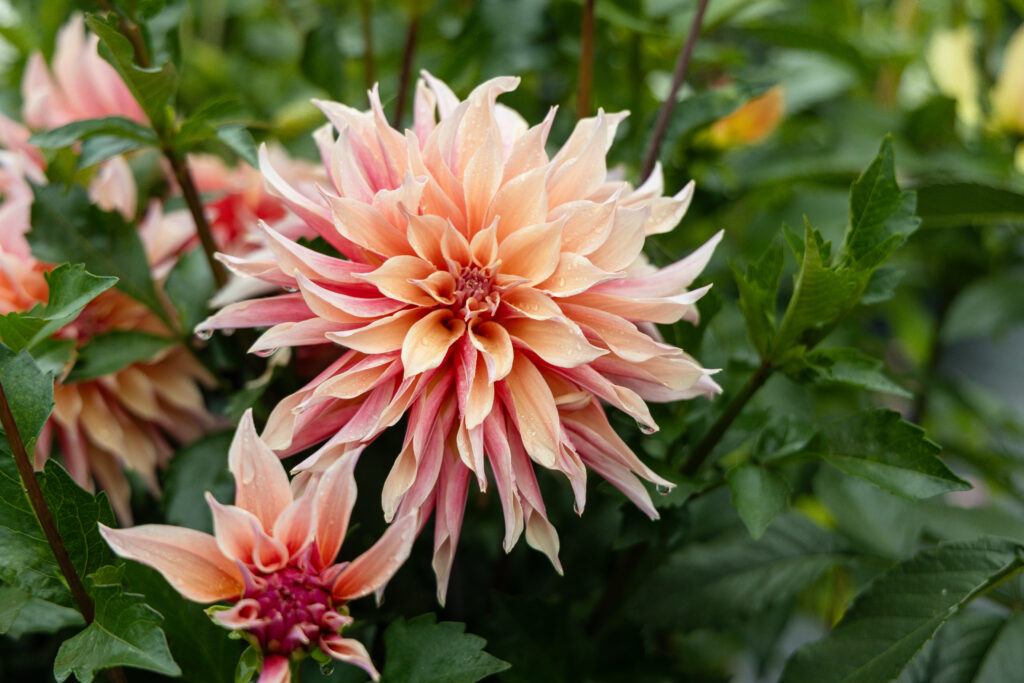
I choose varieties by flower size, stem strength, and color effect in the garden. These dinnerplate dahlias also make striking cut flowers when I harvest them in the cool morning.
Best Choices For Soft, Romantic Color
I plant ‘Café au Lait’ when I want loose, creamy blooms with blush pink, peach, or soft beige tones. Its flowers often reach 8 to 10 inches wide, though color can shift with weather and soil. That little surprise is part of its charm.
‘Café au Lait Rose’ brings a deeper dusty-rose color, while ‘Break Out’ opens pale pink with a creamy center. Both look lovely beside white cosmos, pale zinnias, and silver foliage.
Quick Tip: I stake these tall plants at planting time, before the dahlia tubers send up long stems. Heavy flowers can bend a stem after summer rain.
I give each plant full sun and room to breathe. In cooler zones, I wait until frost danger passes before planting dinnerplate dahlia bulbs, which are usually sold as tubers, not true bulbs.
Bold Varieties For Bright Borders
For hot color, I rely on ‘Kelvin Floodlight’. Its clear yellow blooms can reach 10 inches across and stand out even from a distance. It brings a sunny, bright look to borders and vase arrangements.
‘Spartacus’ produces deep red flowers with broad, slightly curled petals. I use it near gold, orange, or dark-leaved plants because the color doesn’t fade into the background.
‘Emory Paul’ offers rich purple blooms that can grow especially large with steady care. It needs support; those big heads aren’t shy about pulling stems down.
Quick Tip: I cut faded flowers down to the next set of leaves. This keeps the plant making new blooms instead of setting seed.
I avoid crowding these varieties in containers. A large pot may work for one tuber, but a garden bed gives giant dahlias more root space and better support.
Reliable Mixed-Color Options
I choose mixed dinnerplate dahlia bulbs when I want several colors without picking every variety one by one. Willard & May offers mixes that can include pink, red, yellow, white, and purple flowers, depending on available stock.
A mix gives me an easy way to fill a cutting garden. I can gather a varied bouquet from one planting area, and no two harvests need to look the same.
Quick Tip: I label each plant after it blooms if I want to save my favorites. Mixes can produce unexpected colors, and labels prevent guesswork next season.
I inspect dahlia tubers before planting and choose firm ones without soft, shriveled spots. In hot, dry weather, I water deeply when the top inch of soil feels dry, especially while buds and large flowers form.
Choose Tubers Or Seeds With Confidence
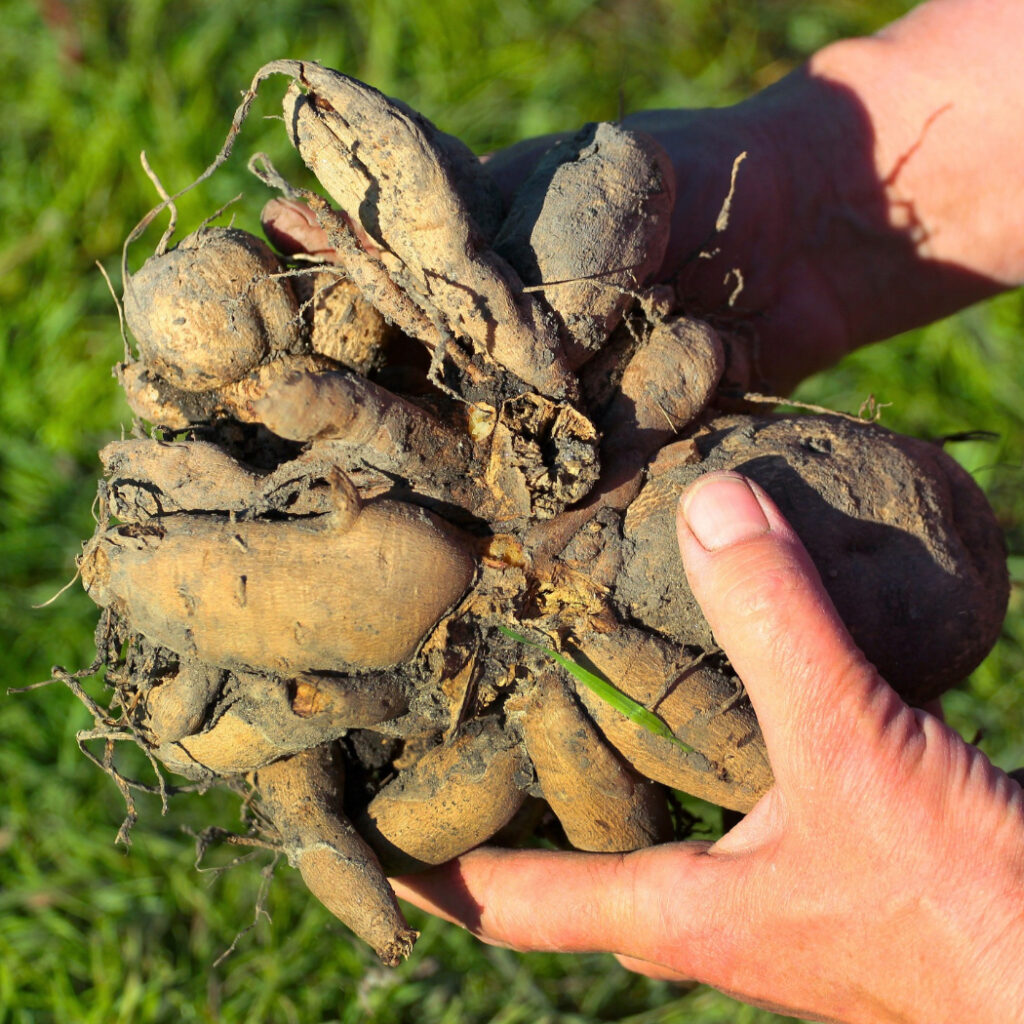
I buy firm, viable tubers when I want reliable flower size and color. I grow dahlia seeds when I have room for surprises and don’t mind waiting to see what opens.
How I Spot Healthy Dahlia Tubers Before I Bring Them Home
I look for dahlia tubers with a firm, solid feel, like a small potato. The neck, the narrow part joining the tuber to the crown, shouldn’t be snapped because buds form on the crown.
I avoid tubers that feel soft, hollow, slimy, or badly shriveled. A little dry skin is fine, but deep wrinkles often mean the tuber has lost too much moisture.
Quick Tip: I choose a clump with at least one clear eye, a tiny bump on the crown. Without an eye, even a large dahlia bulb-like tuber can’t make a new stem.
I also check for mold, dark wet spots, and damaged necks. For huge dinner plate flowers, I buy named varieties from a trusted seller; saved or loose tubers can be healthy but may not match the label.
In cold zones, I plant after frost danger passes and the soil warms.
What I Expect When I Grow Dahlias From Seed
Dahlia seeds don’t produce exact copies of the parent plant. Even giant dahlia dinner plate seeds can grow into plants with different flower colors, shapes, heights, and bloom sizes.
I start seeds indoors about 6 to 8 weeks before my last frost date. I press them lightly into moist seed-starting mix, keep them warm, and expect germination in about 7 to 14 days.
Quick Tip: I keep the soil lightly moist, not soggy. Wet soil can rot seeds before they sprout, which is a frustrating little waste.
Seed-grown dahlias usually flower later than tuber-grown plants. I label each plant and save the tubers from my favorites after the first frost, especially if one produces unusually large flowers.
Plant For Strong Stems And Oversized Flowers
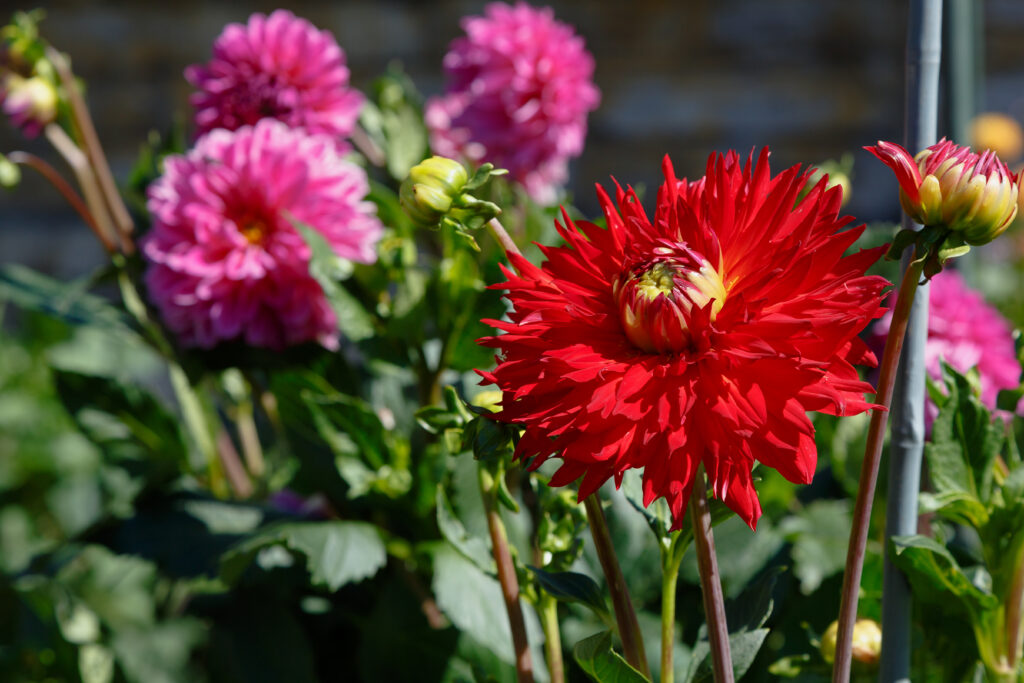
I plant at the right time, give each dahlia room, and start with loose, fertile soil. Large blooms need steady sun, moisture, and support, not crowded roots or soggy ground.
Timing, Sun, And Spacing
I plant dahlia tubers after the last spring frost, when the soil feels warmer rather than cool and damp. In colder zones, I wait until late spring; an unexpected frost can damage new shoots.
I choose a spot with full sun for at least six to eight hours each day. Morning sun works well, but plants need strong afternoon light to make thick stems and large flowers.
I space dinner plate dahlias 24 to 36 inches apart. Tight spacing traps damp air around leaves and makes stems stretch toward light. Give them elbow room; these plants don’t do small and tidy.
Quick Tip: I place a sturdy stake beside each tuber at planting time, about 6 inches away. Adding it later can pierce the tuber or tear roots.
Preparing Rich, Free-Draining Soil
I grow dahlias in well-drained soil that holds some moisture without staying wet. If water sits in the planting hole after rain, I choose another spot or improve the bed before planting.
I mix 2 to 3 inches of compost or other aged organic matter into the top 8 to 12 inches of soil. This gives roots a loose place to spread and helps the ground hold water during hot weather.
I aim for a soil pH of about 6.0 to 7.0. A basic soil test can show whether the soil needs lime or sulfur. I avoid fresh manure and heavy doses of high-nitrogen fertilizer, since they can lead to leafy plants with fewer flowers.
Quick Tip: I squeeze a handful of damp soil. If it forms a hard, sticky lump, I add compost and coarse material to improve drainage.
Growing Dinner Plate Dahlias In Containers
I use large containers that hold at least 5 gallons of soil for one dinner plate dahlia. A 10-gallon pot gives the tuber more root room and helps keep tall plants steady in wind.
I fill the pot with a quality potting mix, not garden soil. The mix should drain fast but stay lightly moist. Every container needs drainage holes; soggy roots rot quickly, and there’s no polite way for a dahlia to handle that.
I place containers in full sun and check them often in hot, dry weather. When the top inch of mix feels dry, I water slowly until water runs from the bottom.
I also stake plants early, since large blooms can pull stems down after rain.
Quick Tip: I turn the pot a quarter turn each week if one side gets more light. This helps stems grow straighter instead of leaning toward the sun.
Care For Bigger Blooms All Season
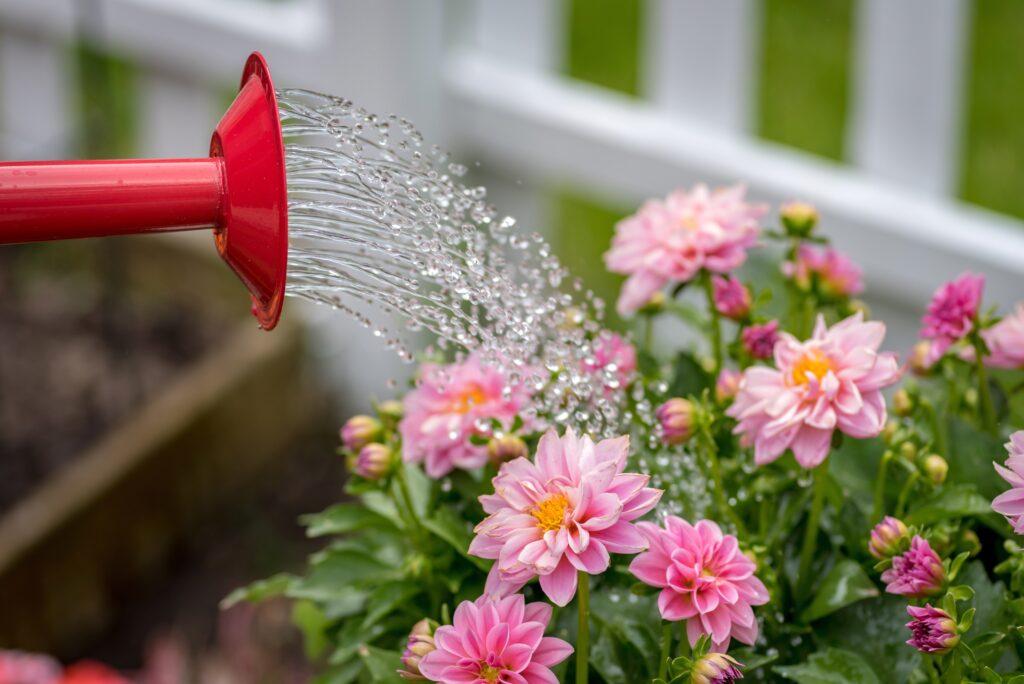
I keep dinner plate dahlias watered, fed, and supported from planting until frost. A few small chores help the plants send more energy into fewer, larger flowers.
Watering, Feeding, And Mulching
I plant dahlias in full sun and water deeply when the top inch of soil feels dry. I soak the root area rather than wetting the leaves, especially during hot, dry weather. Most plants need about 1 inch of water each week, but sandy soil and heat may call for more.
Quick Tip: I water early in the morning so leaves dry quickly and the soil stays cool through the day.
I spread 2 to 3 inches of mulch around each plant after the soil warms. Shredded leaves, straw, or bark chips hold moisture and block weeds. I keep mulch a few inches away from the stem to prevent rot.
I mix compost into the planting area, then use a low-nitrogen flower fertilizer every three to four weeks. Too much nitrogen makes tall, leafy dahlias with fewer blooms.
Staking, Disbudding, And Deadheading
I stake dinner plate dahlias at planting time, before their roots spread. I use a strong stake at least 4 to 5 feet tall and tie the stems loosely with soft plant ties as they grow. Wind can snap heavy stems without warning.
Quick Tip: I check the ties after storms because stems shouldn’t rub against the stake.
For the largest flowers, I remove the two small side buds beside each main bud. This process is called disbudding, and it directs the plant’s energy into one fuller bloom instead of three smaller ones.
I deadhead as soon as the flowers fade. I cut the stem back to a set of leaves or a side shoot, rather than stopping just below the old flower. In warm zones with a long season, regular deadheading can keep dahlias blooming until the first frost.
Prevent Common Pests, Disease, And Winter Losses
I check leaves often, keep the soil surface tidy, and act early when pests appear. I also lift dahlia tubers before hard freezes turn these tender perennials to mush.
Managing Aphids, Slugs, And Powdery Mildew Before They Spread
I inspect new shoots and the undersides of leaves for aphids. They gather in soft clusters and leave behind a sticky residue. I spray them off with a firm stream of water, then use insecticidal soap if they return.
I avoid spraying in hot sun. Quick Tip: I check plants twice a week during warm, still weather, when aphids multiply quickly.
Slugs chew ragged holes in low leaves and young shoots, often overnight. I hand-pick them at dusk, remove damp hiding spots such as boards and thick mulch, and use iron phosphate bait if the damage continues.
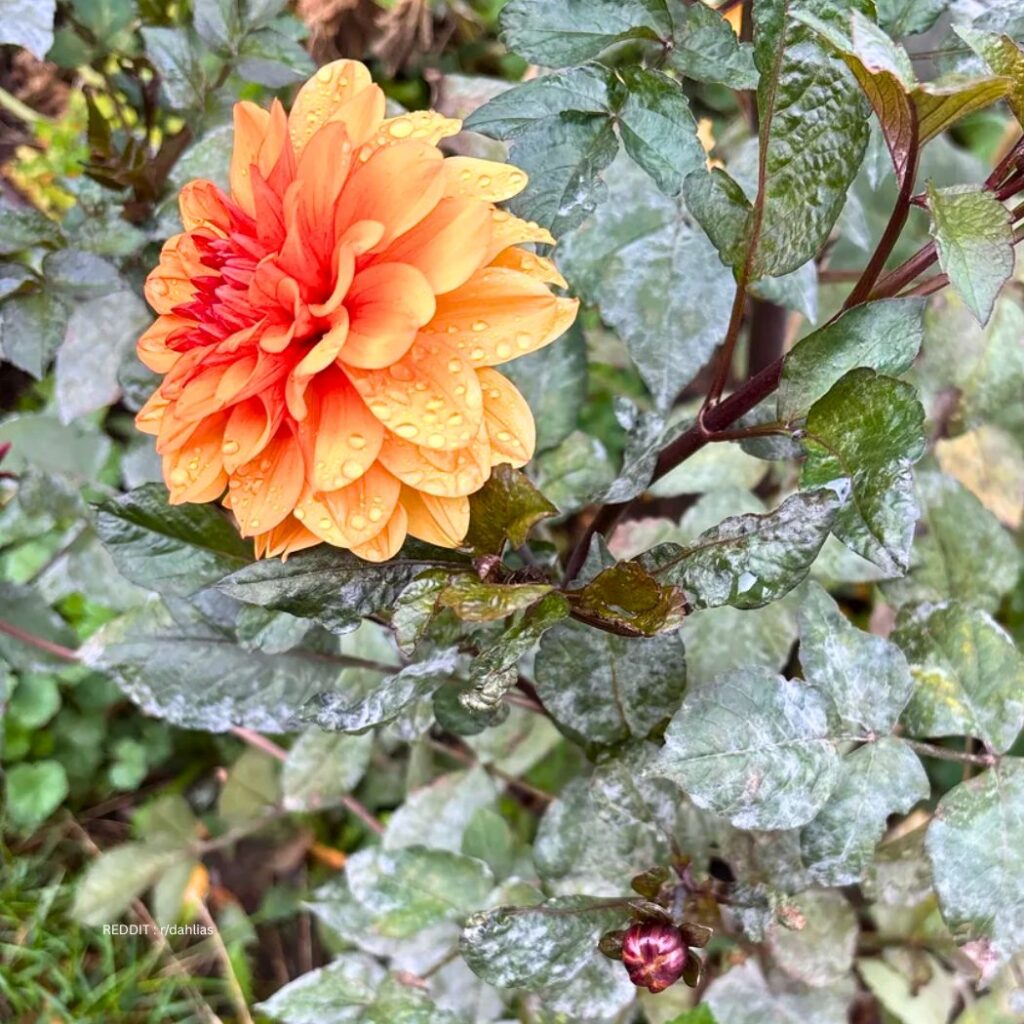
Powdery mildew looks like pale gray or white dust on leaves. I space plants to improve airflow and water the soil instead of the foliage. I remove badly affected leaves, too, but I don’t compost diseased foliage.
Lifting And Storing Tubers Before Frost Turns Them Soft
After the first frost blackens the foliage, I cut the stems back to 4 to 6 inches. If the ground isn’t frozen, I wait about a week so the dahlia tubers have time to firm up before I lift them.
Quick Tip: I label each clump before digging. In spring, many dinner plate dahlias look alike underground.
I use a garden fork several inches away from the stem, then carefully lift the whole clump. I brush off loose soil and let the tubers dry in a frost-free, airy place for one or two days.
I store tubers in ventilated boxes with barely damp peat moss, vermiculite, or wood shavings. A dark spot near 40°F to 50°F works well. In mild winter zones where the soil doesn’t freeze hard, I may mulch the plants deeply instead, but I still protect the crown from winter wet.
Frequently Asked Questions
I grow dinner plate dahlias for blooms that often reach 8 to 12 inches across. Their size depends on the variety, sun, soil, water, and regular cutting.
What are the best dinner plate dahlia varieties for the biggest blooms?
I recommend ‘Emory Paul,’ ‘Kelvin Floodlight,’ ‘Café au Lait,’ ‘Otto’s Thrill,’ and ‘Labyrinth.’ ‘Emory Paul’ can produce flowers 12 inches wide or more, while ‘Café au Lait’ usually reaches 8 to 10 inches.
Large blooms need full sun, steady moisture, and room between plants. I also remove small side buds when I want fewer, larger flowers.
Quick Tip: I cut flowers early in the morning, when the stems feel firm and the petals look fresh.
What is the biggest dinner plate dahlia variety?
I consider ‘Emory Paul’ one of the largest dinner plate dahlias. Its pink-lavender blooms can reach 12 to 14 inches across in good growing conditions.
Bloom size can change from one garden to another. Hot, dry weather or weak stems may lead to smaller flowers, so I don’t expect every bloom to reach its maximum size.
Quick Tip: I stake ‘Emory Paul’ at planting time because its heavy blooms can pull stems down after rain.
How tall do dinner plate dahlias grow?
Most dinner plate dahlias grow 3 to 5 feet tall. Taller kinds, including ‘Emory Paul’ and ‘Kelvin Floodlight,’ may reach 5 to 6 feet.
I give each plant a sturdy stake or cage before it gets tall. Wind and heavy flowers can snap a stem quickly, which is a rotten way to lose a bloom.
Quick Tip: I tie stems loosely with soft garden tape every 12 to 18 inches as they grow.
Do dinner plate dahlias bloom all summer?
Dinner plate dahlias usually start blooming in midsummer and continue until the first frost. In cool summer areas, they may begin later, while warm regions can see flowers earlier.
I deadhead faded blooms and cut flowers often to keep new buds coming. If the top inch of soil feels dry, I water deeply at the base.
Quick Tip: I remove spent flowers back to the next set of leaves, not just below the old bloom.
What is the difference between dinner plate dahlias and decorative dahlias?
“Dinner plate” describes flower size, usually blooms 8 inches wide or larger. “Decorative” describes the flower form, with broad petals arranged in a full, layered shape.
Many dinner plate dahlias are also decorative dahlias, but the terms don’t mean the same thing. A decorative dahlia can have smaller blooms, too.
Quick Tip: I check the mature bloom width on the plant label because “dinner plate” is a size label, not a strict flower class.
How do I grow dinner plate dahlias from tubers?
I plant tubers outdoors after the danger of frost has passed and the soil feels warm. I place each tuber about 4 to 6 inches deep, with the growing eye facing up, and space the plants 18 to 24 inches apart.
I choose a site with at least six hours of direct sun and well-draining soil. I water lightly until shoots appear, then water deeply during dry spells.
Quick Tip: I wait until the shoots stand several inches tall before fertilizing. Then I use a low-nitrogen fertilizer to encourage flowers instead of excess leafy growth.