
Asters bring color when most flowers start fading away. I love watching them light up the garden late in the season.
If you want bigger blooms, fewer pests, and a garden buzzing with bees, what you plant nearby really matters.
The best companion plants for asters are flowers, grasses, and herbs that like the same sun and soil, while pulling in pollinators and keeping pests at bay. When you get the mix right, everything looks fuller and feels more balanced.
Some flowers boost color, others add texture, and a few can even help prevent problems before they start.
Quick Tip: Plant asters with other full-sun lovers in well-drained soil, spacing them so air flows easily between stems. If you garden where it gets muggy, that airflow makes a difference—less mildew, happier plants.
Core Principles of Aster Companion Planting
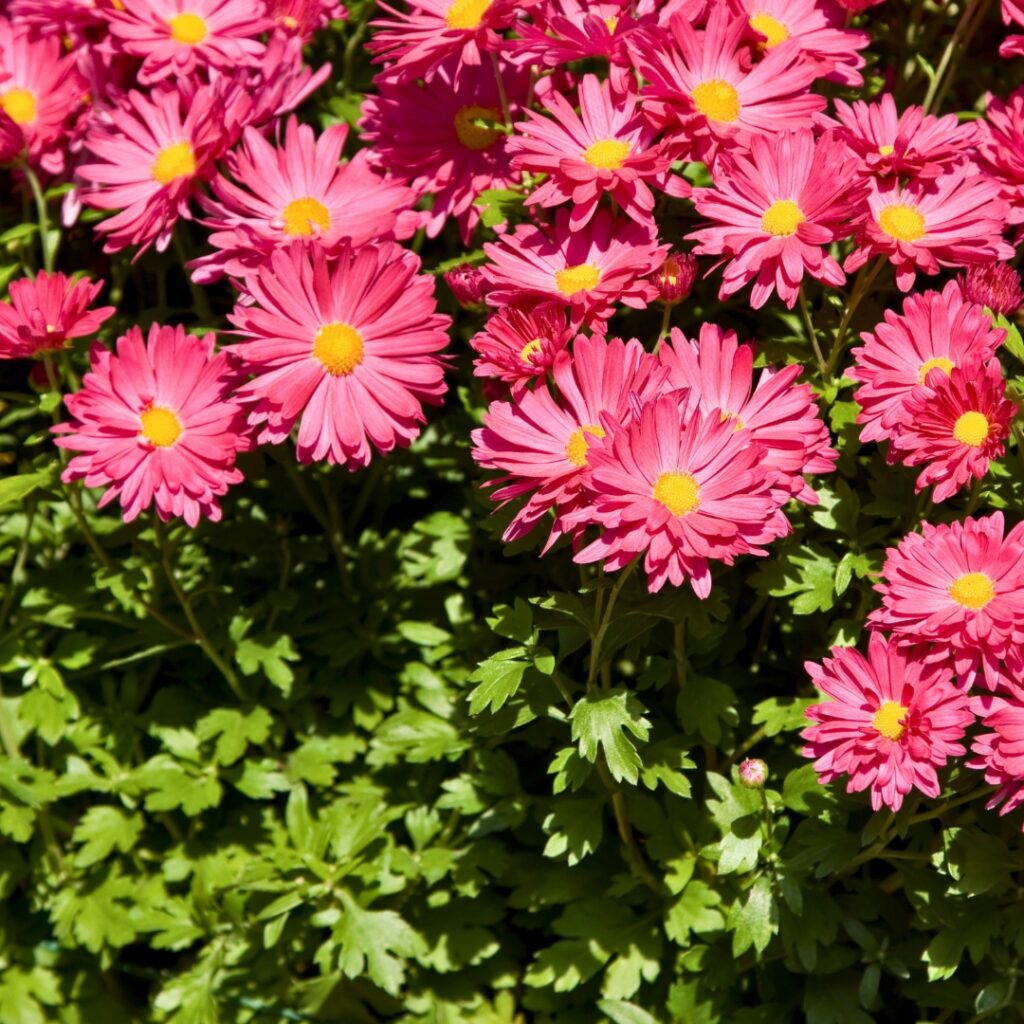
When I pick companion plants for asters, I always think about light, water, and soil first. Matching these needs keeps things growing evenly and makes the whole bed healthier.
Good pairings also help bring in beneficial bugs and slowly improve soil over time.
Matching Water and Sunlight Needs for Strong, Balanced Growth
Asters crave full sun—at least six hours a day. I stick them next to sun-lovers like coneflowers, black-eyed Susans, or some sturdy grasses.
When plants want the same light, nobody gets shaded out or grows awkward and leggy.
Water matters just as much. Asters like steady moisture but hate soggy ground. I skip pairing them with water-hungry plants, like certain ferns.
If the top inch of soil feels dry, I water deeply and let it drain off. Mixing plants with totally different water needs usually backfires—one wilts, the other drowns, and both end up struggling.
Quick Tip: Group asters with plants that like full sun and moderate water, and check soil with your finger before you water again.
In really hot places, I let them have a little afternoon shade. Cooler spots? I stick with full sun to keep mildew away.
Optimizing Soil Structure and Drainage to Keep Roots Healthy
Asters do best in loose, well-drained soil. If I’m stuck with heavy clay, I toss in compost before planting. It helps drainage and root growth.
Good soil lets air and water move around. Roots need oxygen just as much as water. Packed, soggy soil leads to weak roots and fast-spreading disease.
I like using low-growing plants as living mulch. Creeping thyme or sedum shades the soil, holds moisture, and keeps weeds down—without choking out airflow.
Mycorrhizal fungi help, too. When I add compost and avoid over-tilling, those underground networks connect roots and help plants share nutrients.
Quick Tip: If you see water pooling after rain, fix drainage before putting asters in. Raised beds or more compost can help.
With sandy soil, I add organic matter to hold moisture. In rainy spots, I go for raised beds to keep roots from sitting wet.
Supporting Disease Resistance and Biodiversity with Smart Plant Pairings
Companion planting isn’t just about pretty combinations. I look for plants that pull in helpful insects—ladybugs, lacewings, and all the pollinators.
Yarrow, dill, and coreopsis are great for attracting both pollinators and natural pest control.
Mixing up your plant choices boosts biodiversity. That way, if one thing struggles, the rest keep going. It also makes it harder for pests and diseases to take over.
Airflow is a big deal. I always space asters so rain dries off the leaves quickly—crowded beds trap moisture and invite mildew.
Quick Tip: Mix up flower shapes and heights to attract more kinds of beneficial insects.
I don’t plant asters in the exact same spot every year. Rotating locations cuts down on soil-borne diseases and keeps things in balance.
Top Flowering Companions for Asters
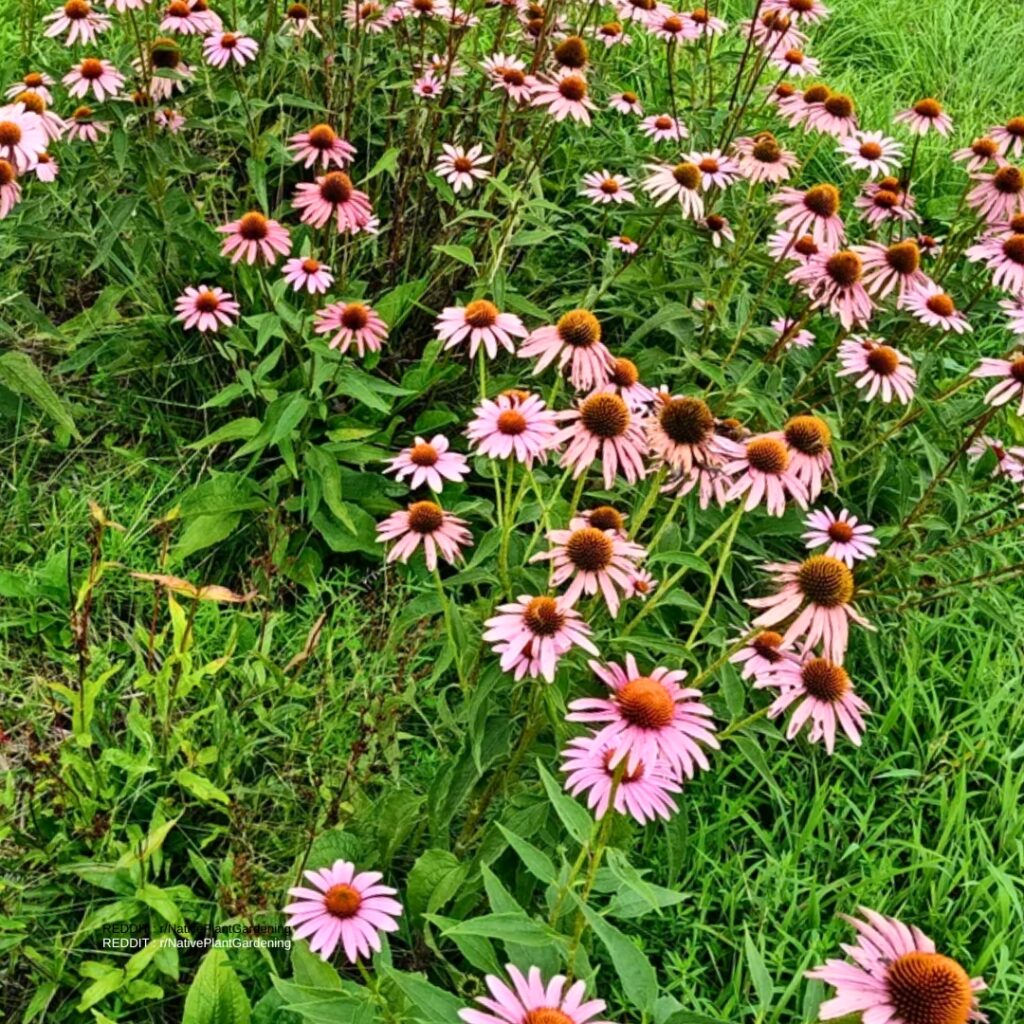
I like pairing asters with bold, late-season bloomers that want the same sun and soil. These flowers stretch color from midsummer through fall, and they’re magnets for bees and butterflies when asters really get going.
Coneflowers and Echinacea for Height, Texture, and Long Bloom Time
Coneflowers (or echinacea) are a classic next to asters. Echinacea purpurea stands tall with sturdy stems and big, daisy-like blooms. The raised cone in the center adds a cool texture against softer aster petals.
Both love full sun and well-drained soil. I space them about 18–24 inches apart for airflow, which helps fend off mildew, especially in humid places.
They bloom from midsummer onward. When asters peak in early fall, coneflowers still look strong.
Quick Tip: I deadhead coneflowers to keep them blooming, but leave some seed heads in fall for the birds.
In really hot climates, I water during dry spells. If the soil feels dry on top, I give them a deep soak.
Black-Eyed Susan and Rudbeckia for Bold Yellow Contrast That Pops
Black-eyed Susan (Rudbeckia hirta) is a favorite for lighting up asters, especially the purple or blue ones. The bright yellow petals and dark centers pop and make everything look more lively.
Rudbeckia is tough—it handles heat and poor soil better than most. I give it full sun and avoid soggy spots, since too much water can rot the roots.
They bloom from summer into early fall, overlapping with most asters, especially New England and New York types.
Quick Tip: I cut black-eyed Susan back after the first big flush. That usually triggers a second round of blooms before asters peak.
In cold areas, a light mulch after the ground freezes is enough. Warmer spots? They might just reseed themselves.
Sedum and Autumn Joy for Structure and Late-Season Color
Sedum—often called Hylotelephium now—adds thick leaves and sturdy form near asters. ‘Autumn Joy’ is my usual pick. The flower heads start pink and turn rusty red as fall goes on.
Sedum loves full sun and dry soil, so I plant it where water drains fast. Wet roots, especially in winter, are a no-go.
The flat flower clusters sit below tall asters, which helps layer the garden and keeps things from looking flat.
Quick Tip: I pinch sedum stems in early summer if they get floppy. That keeps them tight and upright.
Rainy climate? Make sure the soil drains. Dry zone? Sedum barely needs water once it’s settled in.
Yarrow and Achillea for Feathery Foliage and Pollinator Support
Yarrow (Achillea millefolium) is a go-to for its soft, feathery leaves. The texture is a nice contrast to aster foliage, and the flat flower heads come in white, yellow, pink, or red.
Yarrow thrives in full sun and can handle dry soil. If the soil is too rich, the stems get floppy, so I keep it lean.
It blooms earlier than most asters, often early to midsummer. If I cut it back after the first round, it sometimes reblooms just as asters start up.
Quick Tip: I shear yarrow after flowering to tidy it up and keep it from spreading everywhere.
In humid spots, I give it space for airflow. Cold areas? Yarrow shrugs off frost.
Zinnia and Daisy-Like Flowers for Bright, Cheerful Filler
I plant zinnia near asters for a shot of bright summer color. Zinnias grow fast from seed and bloom in red, orange, pink, and white. Their simple, daisy-like blooms play well with asters.
Zinnias need full sun and warm soil. I wait until after the last frost to sow seeds—cold nights just knock them back.
They bloom all summer and keep going until frost, bridging the gap before asters really take off.
Quick Tip: I water zinnias at the base, not overhead. Wet leaves are just asking for powdery mildew.
Other daisy-like flowers—like smaller ornamental daisies—also fit in. I just match heights so asters don’t shade out the shorter blooms.
Show-Stopping Grasses and Textural Partners
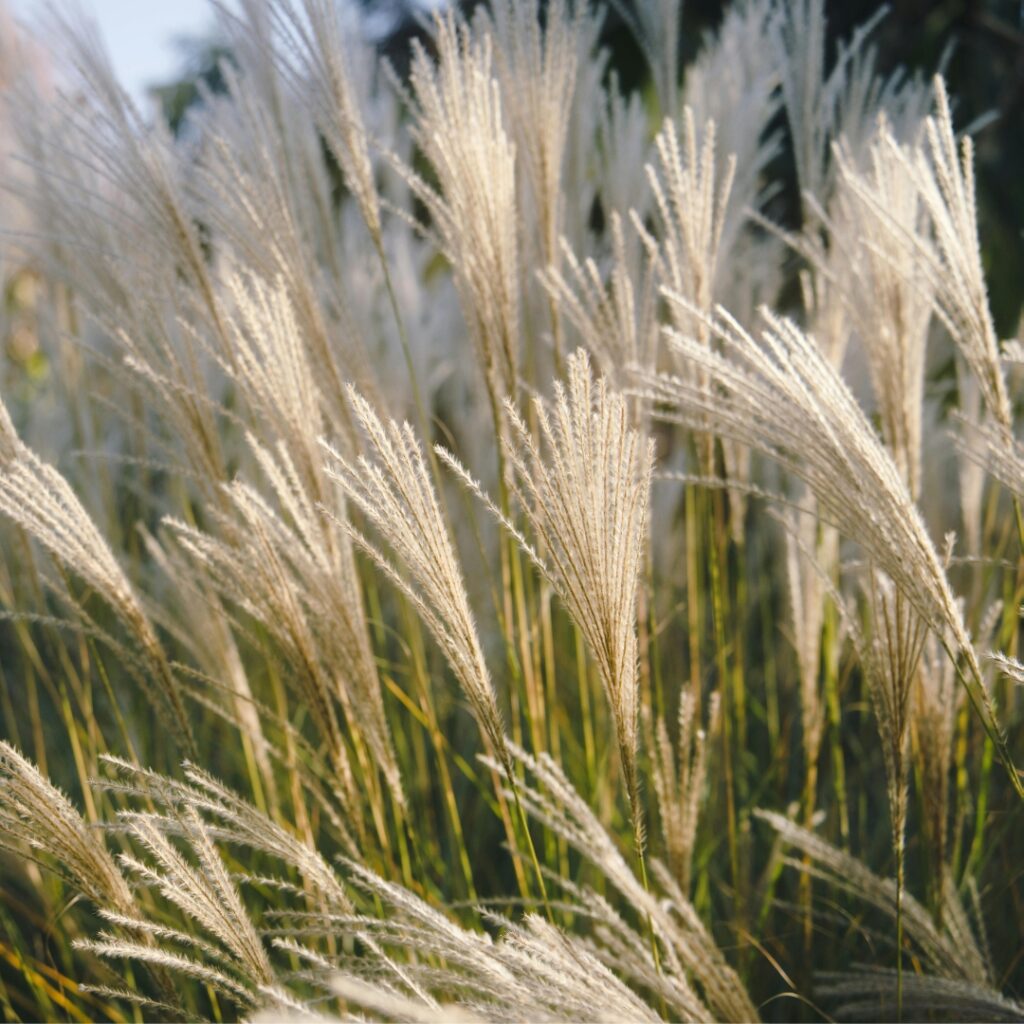
Ornamental grasses give asters a strong backdrop and some movement, too. Tall, upright grasses hold their own, while lighter types weave between blooms and keep the bed from feeling stiff.
Feather Reed Grass – Tall Structure That Frames Asters
Feather reed grass (Calamagrostis x acutiflora ‘Karl Foerster’) is my pick for planting behind medium and tall asters. It grows in tight clumps and sends up straight flower spikes in early summer. Those tan plumes stay upright even in wind and rain.
This grass tops out around 3–5 feet, which frames purple, pink, or blue asters without blocking them out.
It likes full sun and well-drained soil. In Zones 4–9, it handles winter just fine. Hotter climates? It might want a bit more water to keep from browning.
I set it about 2–3 feet behind asters so both get enough breathing room. The narrow blades look sharp against aster leaves.
Quick Tip: I cut feather reed grass back to 6 inches in late winter. New shoots pop up fast once things warm up.
Tufted Hair Grass and Supporting Grasses – Soft, Airy Movement Around Blooms
Tufted hair grass (Deschampsia cespitosa) gives a lighter, softer look. It forms neat clumps of fine green leaves and sends up airy flower clouds in late spring to early summer.
The flower stems reach 2–3 feet and catch the morning light, adding shimmer around aster buds later on.
Tufted hair grass thrives in cooler climates, especially Zones 4–9, and handles part shade better than most grasses. That’s handy if your asters are near shrubs or fences.
I mix it with other clumping grasses like prairie dropseed for extra texture. These types don’t spread wildly, so they play nice with neighbors.
Quick Tip: If the center of a clump gets thin after a few years, I dig and divide it in early spring, replanting the healthy outer bits for a fuller look.
Ornamental Grasses for Contrast – Color, Height, and Bold Texture
Sometimes I want a stronger contrast with asters, so I use other ornamental grasses. Switchgrass (Panicum virgatum) adds vertical lines and can show red or blue tones in late summer.
Little bluestem brings blue-gray leaves that turn copper in fall—perfect for making cool-toned asters pop.
For tight spaces, I go with compact varieties under 3 feet tall. That keeps things balanced and avoids shading out shorter asters.
Most ornamental grasses need full sun and well-drained soil. Wet spots, especially in winter, can rot the roots.
Quick Tip: Always check plant tags for mature width, not just height. Some grasses spread wider than you’d think, and crowded beds mean less airflow for asters.
Pollinator Boosters and Biodiversity Allies
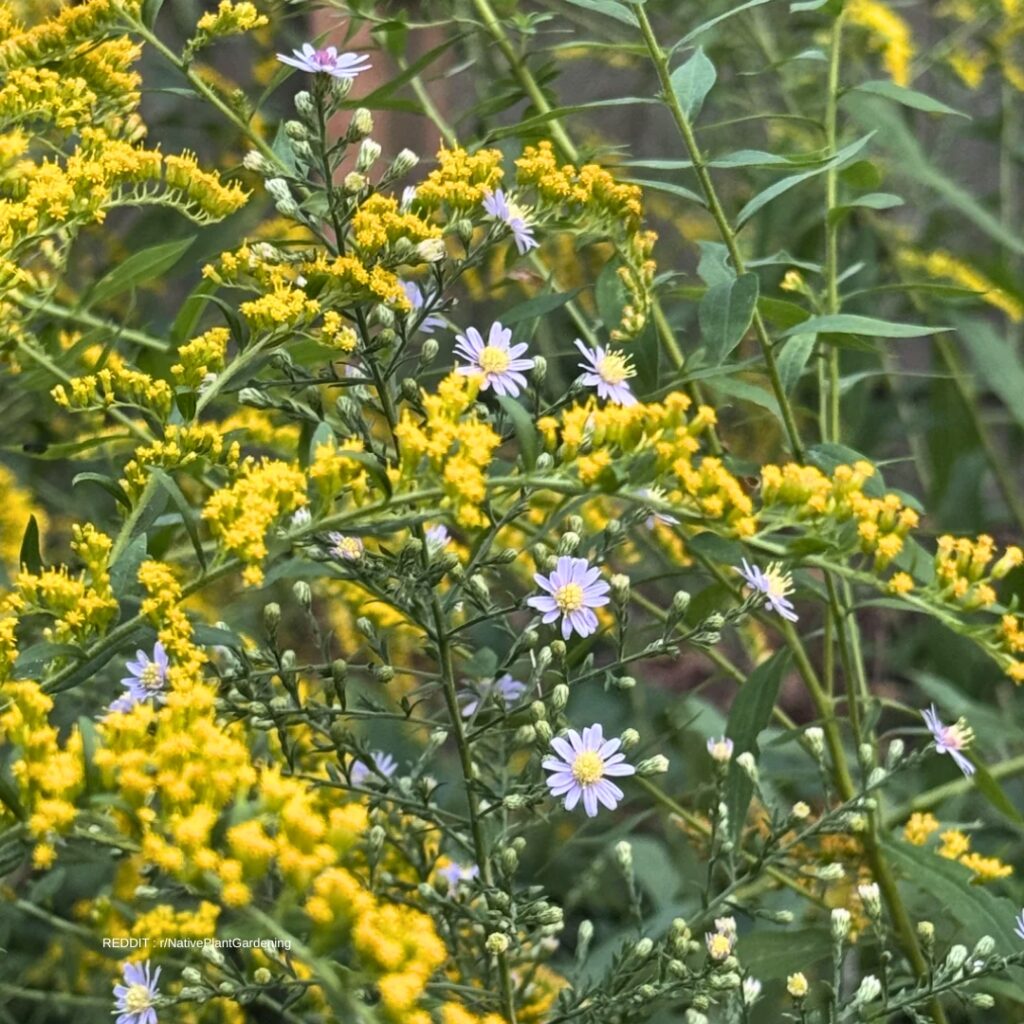
I like pairing asters with strong nectar plants to keep bees and butterflies busy from late summer through fall. Mixing in tall shrubs and bold perennials adds height, shelter, and a steady wash of color.
Goldenrod Varieties and Solidago That Bloom Alongside Asters
I always plant goldenrod (Solidago) near my asters. They bloom at the same time and throw out this wild mix of purple and gold—honestly, it’s hard not to stare.
The contrast really makes both stand out. Solidago rugosa is a favorite because it forms loose clumps and shrugs off average soil. It usually hits about 3–5 feet, which lines up with most tall asters in my beds.
If space is tight, I’ll go with a compact type like ‘Fireworks.’ Goldenrod draws in bees, wasps, and butterflies with its late-season nectar. People worry about allergies, but goldenrod isn’t the culprit—it’s ragweed that’s the real problem.
Quick Tip: Stick goldenrod in full sun and chop it back by a third in early summer if it starts flopping over.
In really hot zones, I give it a bit of afternoon shade to keep the leaves from crisping up.
Companion Plants for Late-Season Nectar That Keep Pollinators Busy
I layer in late-season nectar plants around my asters to keep the buffet open longer. Monarchs passing through and local bees seem to appreciate the extra options.
Some of the best partners I’ve found:
- Sedum (stonecrop)
- Anise hyssop
- Russian sage
- Ironweed
These bloom from late summer into fall and handle full sun like champs. I make sure to give each plant enough room for air to move—crowding just invites mildew, especially in sticky weather.
Quick Tip: If the top inch of soil is dry during bloom, I water deeply once rather than sprinkle every day.
In colder spots, I toss a light layer of mulch on after the first frost to help roots ride out winter.
Hydrangea and Shrub Layer Interest That Frames Asters
I use shrubs to ground my aster beds. Hydrangea paniculata works especially well, blooming from mid-summer into fall. Its flowers start creamy white and slowly shift to pink, which looks great with purple asters.
I plant hydrangeas at the back so they frame the shorter asters. They like morning sun, but in hot climates, a bit of afternoon shade keeps them happier.
Shrubs offer shelter for insects and birds, too. Even after asters fade, dried hydrangea blooms still give the garden some shape and texture.
Quick Tip: Prune hydrangea paniculata in late winter or early spring since it blooms on new wood.
In cold climates, I heap mulch around young shrubs’ bases but keep it away from the stems to avoid rot.
Eutrochium and Joe-Pye Weed for Height and Strong Pollinator Pull
When I want height and a magnet for pollinators, I plant Eutrochium—Joe-Pye weed. It can stretch up to 4–7 feet, so I tuck it behind medium asters.
The mauve flower heads open in late summer. Butterflies mob the flat clusters, and on warm days, you can actually catch a whiff of their sweet scent.
Joe-Pye weed likes moist soil, so I usually stick it near a downspout or a low spot that stays damp after rain.
Quick Tip: If your soil dries out fast, mix in compost before planting and keep an eye on watering during dry spells.
After frost in cooler zones, I cut back the stems. In milder areas, I leave the seed heads up for winter interest—and the birds seem to enjoy them too.
Pest Management and Disease Prevention Strategies
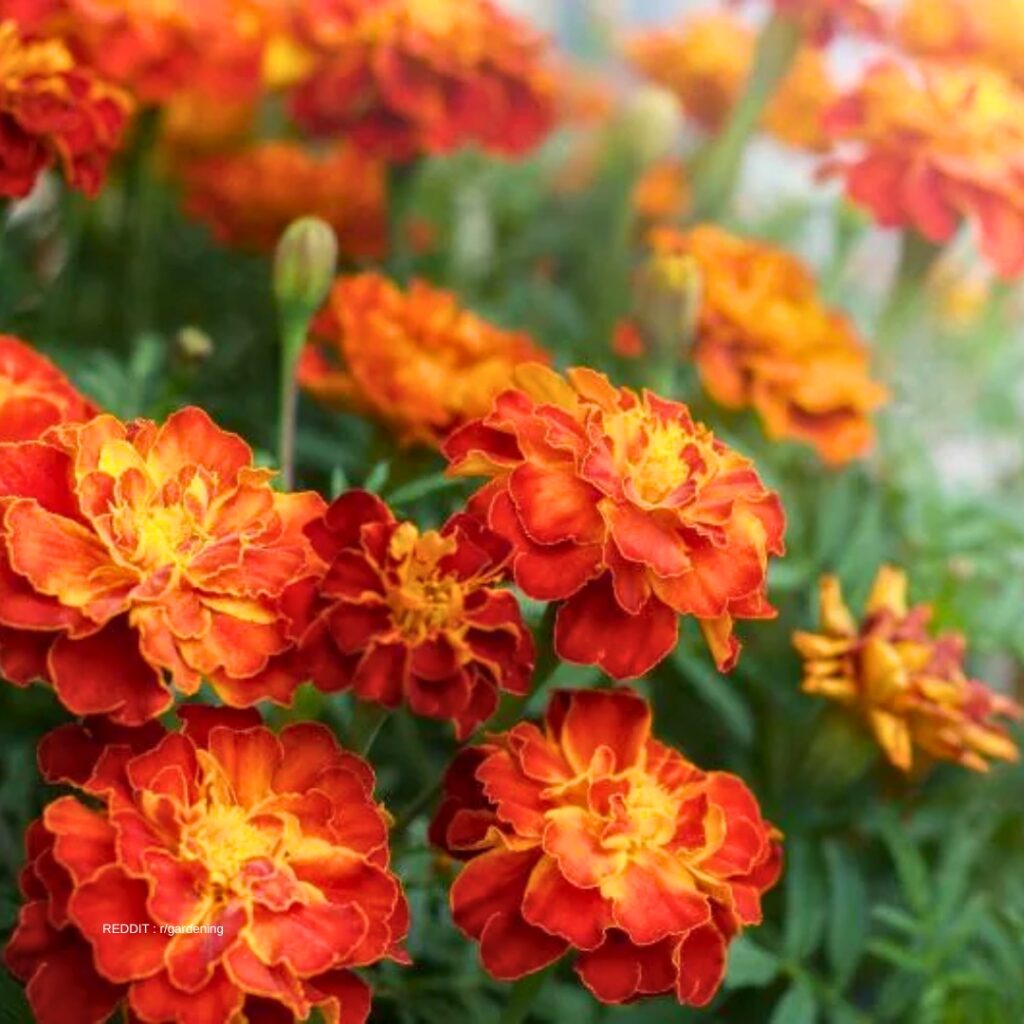
I lean on strong-scented plants, smart spacing, and a couple of decoy crops to keep pests and mildew away from my asters. Simple tweaks like these really help keep leaves cleaner and healthier.
Marigold and Tagetes as Defense: Strong Scent, Cleaner Soil
I plant marigold (Tagetes) around my asters to ward off aphids and beetles. Their roots pump out compounds that seem to cut down on soil pests like nematodes. Above ground, the scent is strong enough to make some insects think twice.
I space marigolds about 8–12 inches apart so air can move freely. Good airflow keeps powdery mildew in check—nothing worse than that white dust on leaves during humid spells.
- Grow in full sun.
- Deadhead to keep the blooms coming.
- Water at the base, not over the leaves.
Quick Tip: I tuck a ring of marigolds around each aster clump in late spring, after frost. In cooler areas, I wait until the soil feels warm before planting so marigold roots get going fast.
Mint, Catmint, and Nepeta: Fragrant Barriers That Confuse Pests
I use mint, catmint, and nepeta as living barriers. Their strong scent can throw off flying pests and slow down aphid attacks. Bees still find the asters, which is a bonus.
Mint spreads like wildfire, so I keep it in pots and just set them near the asters. Catmint and nepeta are better behaved in the ground and don’t mind dry soil once they settle in.
- Give them full sun to light shade.
- Shear catmint after blooming to keep it looking neat.
- Watch for overcrowding.
Quick Tip: On humid nights, if leaves feel damp, I thin out nearby plants. Dry leaves stand up to mildew way better than soggy, crowded ones.
Trap Crops and Living Mulch: Distract Pests and Protect the Soil
I plant a trap crop like nasturtium a few feet from my asters—aphids almost always pick it first. I check the trap crop a couple times a week and hose off pests before they can spread.
For living mulch, I use low growers like sweet alyssum or thyme. They shade the soil, cut down on splash-back from rain, and keep roots cooler. Less splash means fewer disease spores hitting aster leaves.
- Keep trap crops healthy so they stay attractive to pests.
- Remove badly infested leaves right away.
- Avoid overhead watering during humid spells.
Quick Tip: After a heavy rain, I check asters for white spots or sticky leaves. Catching problems early beats battling mildew or aphids later.
Designing a Thriving Aster Border
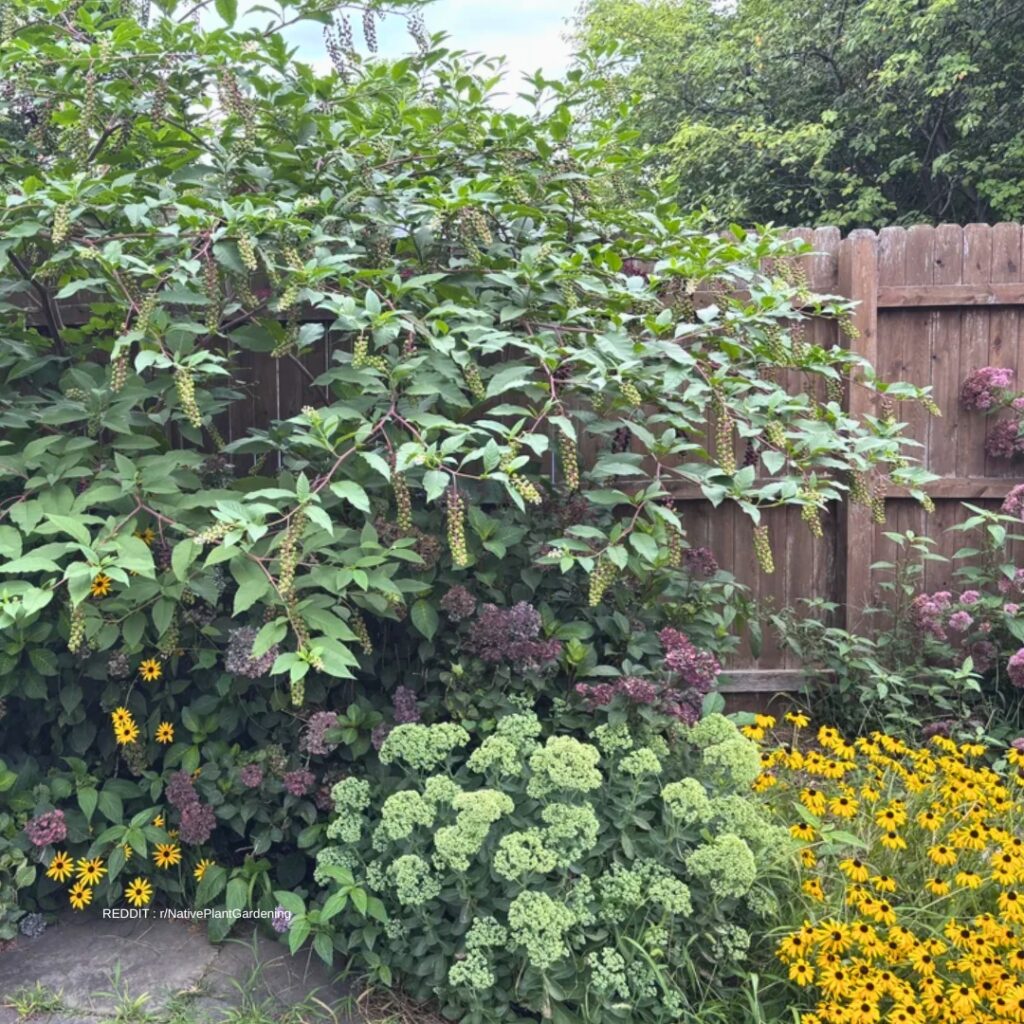
When I put together an aster border, I think about height, bloom time, and space. The right companions keep the bed lively from late summer into fall.
Layering Heights and Bloom Times for a Full, Season-Long Display
I stick tall New England aster (Symphyotrichum novae-angliae) at the back. These guys can hit 4–6 feet, so they need both elbow room and support from sturdy neighbors.
In front, I mix in midsized plants like black-eyed Susan, coneflower, or some ornamental grasses. Their shapes break up the look, and they bloom from midsummer right into fall. That overlap saves the border from looking empty before asters really get going.
Low growers like creeping phlox or dwarf sedum go right at the front, covering soil and blocking weeds while the asters stretch up behind.
Quick Tip: I always check plant tags for mature height—not what you see in the nursery. Crowding leads to weak stems and more mildew, especially if your summers are humid.
I mix early, mid, and late aster varieties, too. Smooth aster (Symphyotrichum laeve) pairs well with late New England aster for a longer color run. I keep them 18–24 inches apart for good airflow, which makes a difference.
Companion Choices by Aster Variety and Garden Conditions
My companion choices depend on the aster type. Not all asters play by the same rules.
For New England asters, I lean on goldenrod, Joe-Pye weed, and switchgrass. They match up on sun and soil needs, and all the pollinator activity ramps up when they bloom together.
With New York asters (Symphyotrichum novi-belgii), mildew resistance is key. Catmint or salvia in front helps—plus, their early blooms hide fading foliage later on.
Compact asters (like dwarf fall-blooming types) get paired with coreopsis or low ornamental grasses to keep the scale just right.
Quick Tip: I match up soil moisture needs. If the top inch dries out fast in summer, I skip pairing thirsty plants with drought-tolerant ones.
Matching light is just as critical. Most asters want full sun, but in hot Zone 8 or 9 gardens, I give them a little afternoon shade to avoid stress.
Integrating Container and Border Plantings for Flexible Design
Containers fill gaps in my aster border and let me test out color combos before planting for good. In early fall, I wedge pots of blooming asters between fading summer plants—instant refresh, no major digging required.
I also like trailing companions in pots, like sweet potato vine or calibrachoa. They spill over the rim and soften the look.
Quick Tip: Container asters dry out way faster than in-ground ones. If the soil feels dry an inch down, I water deeply.
When frost threatens, I move hardy aster pots into the ground in mild climates. In colder zones, I mulch containers or stash them in an unheated garage. That little bit of effort saves roots and keeps the border going strong for next year.
Plants to Avoid and Common Pairing Mistakes
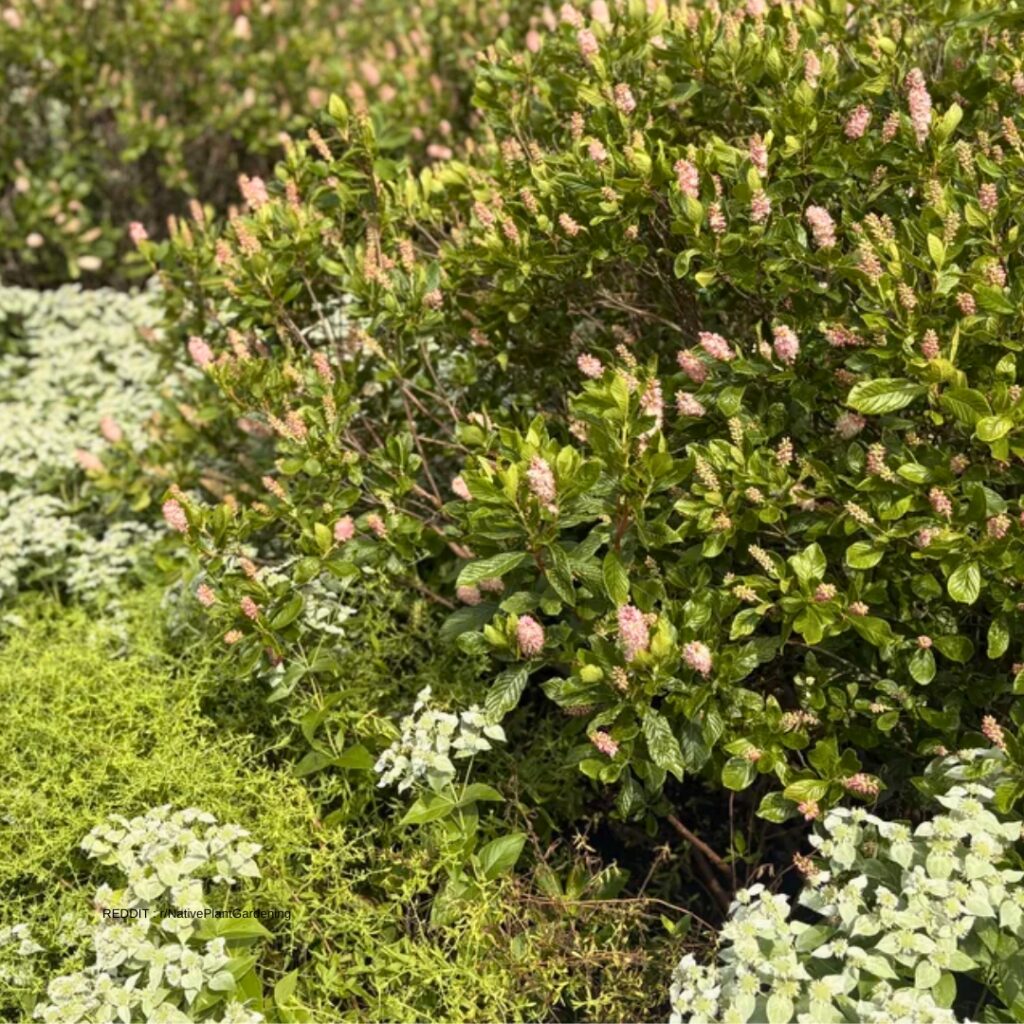
Some plants just don’t play nice with asters. I watch out for anything that crowds, hogs water, or throws too much shade.
Aggressive, Incompatible, or Overcompetitive Species That Crowd Out Asters
I steer clear of mint near asters. Mint spreads underground and can take over a bed before you know it, choking out anything in its path.
Big, fast growers are trouble too. Tall, dense plants can steal sunlight, and asters need every bit of sun for strong stems and good blooms.
Ferns are another mismatch. Most ferns want shade and moist soil, which doesn’t line up with what asters need. One or the other will always end up unhappy.
Quick Tip: If a plant spreads by runners or self-seeds everywhere, keep it in a pot or far from your asters.
Heavy Feeders and Water-Hungry Plants That Drain Soil Resources Fast
Asters like steady moisture, but not soggy feet. I avoid pairing them with plants that constantly demand water.
Tomatoes are a classic example—heavy feeders, always thirsty, and they’ll suck up nutrients asters need. Plus, their deep watering schedule can drown aster roots.
Big vegetables can crowd roots underground, too. When roots fight for space, asters often bloom less or flop over.
Hot zones make this even tougher, since soil dries out so quickly.
Quick Tip: If a plant needs fertilizer every couple weeks, I plant it in a separate bed from my asters.
Managing Competition and Aster Health Before Problems Start
I give asters plenty of breathing room. Crowding hurts airflow and brings on mildew, especially in muggy weather.
Before watering, I check the soil. If the top inch is dry, I water deep—if it’s still damp, I wait. That’s saved me from root rot more than once.
When nearby plants start leaning in, I thin them out. Good light and space matter more than squeezing in extras.
Pale leaves or floppy stems? Usually too much shade or root competition. I keep an eye out for those signs.
Quick Tip: Give each aster enough space to reach its full width—plant tags are your friend. A little planning now means fewer headaches later.
Frequently Asked Questions
I usually pair asters with plants that love full sun and well-drained soil. The right combos boost color, help pollinators, and keep the garden lively from late summer into fall.
Which plants pair well with asters to attract pollinators and extend bloom time?
I like planting asters with coneflowers, black-eyed Susans, bee balm, and goldenrod. These all bloom at similar times and pull in bees and butterflies without much fuss.
Sedum and ornamental grasses are great too. Sedum waits until late to flower, and the grasses stick around, adding some movement and texture when most blooms are gone.
Quick Tip: Go for a mix with staggered bloom times—something should always be in flower from midsummer to frost.
What are the best companion plants for growing asters in pots and containers?
For containers, I reach for compact asters, ornamental kale, pansies, and a few small grasses. These all enjoy full sun and need regular watering, but nothing too complicated.
Drainage is huge—make sure water can escape easily. When the top inch of soil dries out, I water until it trickles from the bottom. That’s usually enough.
Quick Tip: If you garden in hot zones (8–9), set pots where they’ll catch some afternoon shade. Roots don’t love baking in the heat.
Which vegetables grow well alongside asters in a garden bed?
I’ve had good luck with asters near tomatoes, peppers, and lettuce. The flowers pull in pollinators and beneficial bugs that help the veggies along.
Leave enough space so air can move easily between plants. Humidity and cramped beds invite mildew, and that’s just a headache.
Quick Tip: I always tuck asters along the edge of the bed so they won’t block sun from shorter vegetables.
Do asters and roses grow well together in the same planting area?
Asters and roses can share a bed if both get plenty of sun. As roses slow down, asters pick up the slack with fresh color.
Powdery mildew can hit both. If I spot white dust on leaves, I snip out crowded stems to let air move better.
Quick Tip: Keep some space between them and water right at the base—not over the leaves.
What companion plants work best with New England asters in sunny borders?
New England asters look fantastic with Joe-Pye weed, switchgrass, and goldenrod. These taller plants thrive in full sun and don’t mind average soil.
The combination gives the border some structure and keeps pollinators coming late in the season. It’s a lively mix, especially as fall settles in.
Quick Tip: If your spot gets windy, stake tall asters early. Floppy stems are just annoying to deal with later.
How far apart should asters be planted to keep them healthy and full?
I usually give asters about 12 to 18 inches of space between each plant. The bigger ones—think New England asters—really do better with 18 to 24 inches.
When I plant them too close, they always seem to get mildew or just look scraggly. If you let them breathe, their roots settle in and the whole patch stays healthier.
Quick Tip: If your asters start crowding each other after a season or two, dig them up and divide them in early spring. That little reset keeps them looking fresh and full.