Basil is one of my favorite herbs to grow. There are many basil plant varieties to choose from, each with its own unique flavor and use. From the classic sweet basil used in pesto to the refreshing lemon basil perfect for teas and salads, the options are endless! 🌿
Do you prefer spicy food? Thai basil adds a hint of licorice and spice to your dishes. Looking to add some color to your herb garden? Try purple basil for a splash of deep violet in your salads and garnishes. Each variety offers something special, so it’s worth exploring all the different types! 🌱
What types of basil do you grow or want to try? Share your thoughts in the comments so we can swap tips and experiences! 🌟
History and Origin of Basil
Basil has a fascinating history! 🌿 It’s been around for a long time, and many people love it.
Basil originated in India over 5,000 years ago. Can you believe that? It spread to other parts of Asia and Egypt. Ancient Egyptians even used it in their mummification process.
When basil made its way to Europe, it quickly became popular in Italian cooking. 🍝 Think about that delicious pesto or a fresh Caprese salad. Hungry yet?
There are many myths and legends about basil. In Greece, it was called “kingly herb” and was associated with love and protection. So cool!
Do you have a favorite basil dish? Or maybe a special memory? Share it with me in the comments! ✨
Basil is a versatile and beloved herb all over the world.
Types of Basil
Basil is a popular herb used in many dishes. Each type of basil has unique flavors and aromas, making them suitable for different cuisines and uses. Let’s explore some of the most common varieties you might want to grow or cook with!
Sweet Basil
Sweet Basil is probably the most popular type of basil. It has a strong, sweet aroma and is commonly used in Italian dishes like pesto and caprese salad.
The leaves are large, soft, and bright green. I love adding Sweet Basil to my pasta dishes or using it as a topping on my pizza 🍕. Have you tried it in a refreshing summer cocktail? It’s amazing!
Thai Basil
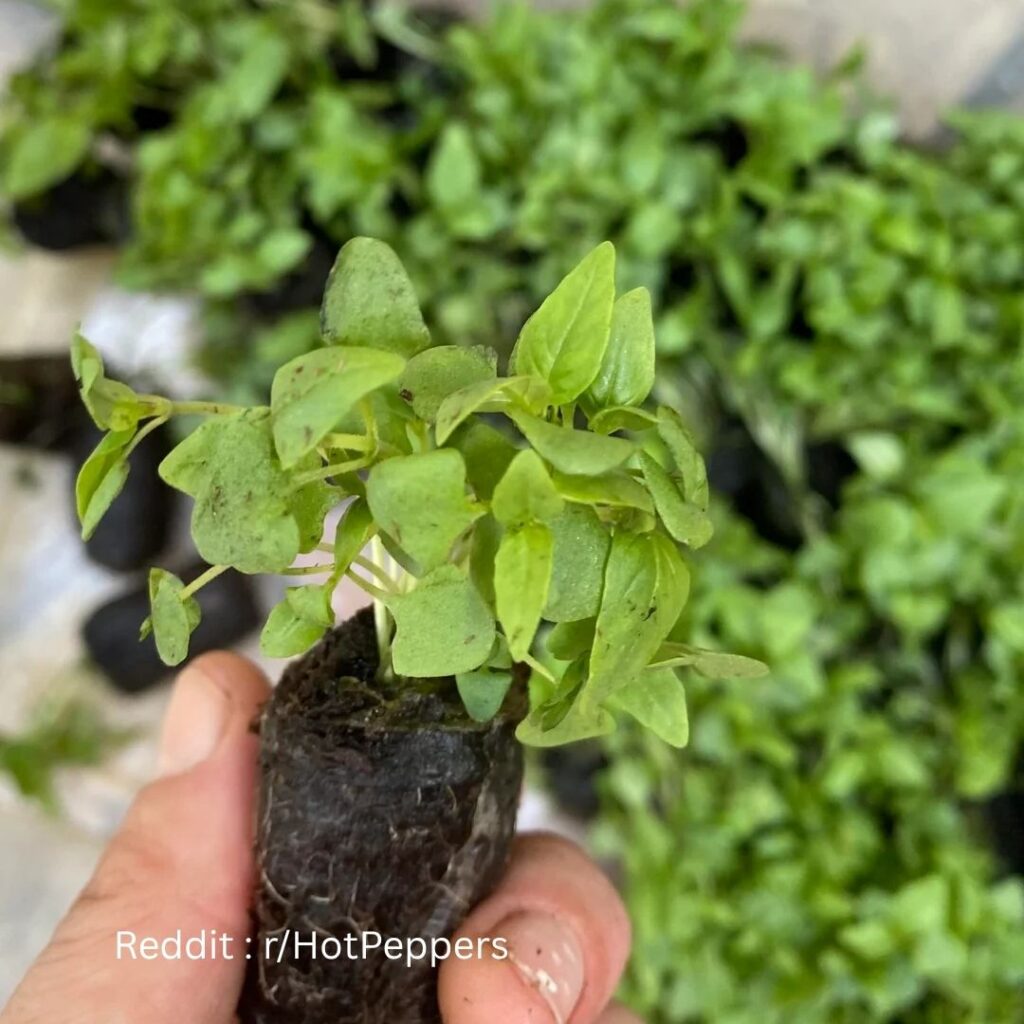
Thai Basil has a licorice-like flavor that’s great in Asian cuisine. The leaves are smaller and more pointed than Sweet Basil. You can often find it in Thai curries and Vietnamese pho.
It’s a bit spicy and holds up well to cooking, making it perfect for hot dishes. I find it adds an exciting twist to stir-fries and soups. Have you experimented with it in your kitchen?
Genovese Basil
Genovese Basil is the go-to for making traditional Italian pesto. It has a strong aroma and flavor similar to Sweet Basil but with thicker leaves.
I enjoy using it in bruschetta and pasta sauces. The vibrant green leaves also make a beautiful garnish. If you haven’t tried making homemade pesto with Genovese Basil, you’re in for a treat!
Purple Basil
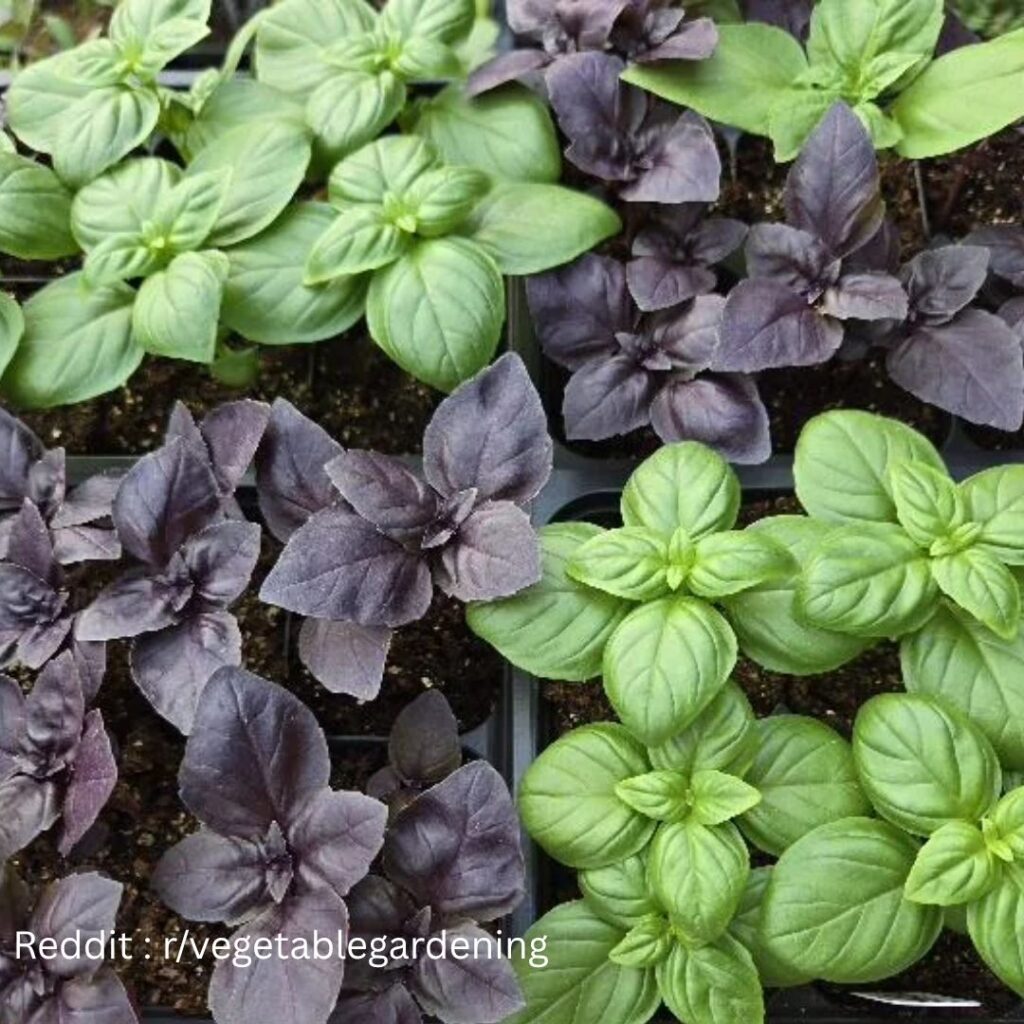
This one stands out with its deep purple leaves. The flavor is milder and slightly spicier than Sweet Basil. I think it adds a nice touch of color to salads.
Sometimes I use it as a garnish just because it looks so pretty! It’s not only eye-catching but also full of antioxidants. Have you decorated your dishes with Purple Basil?
Lemon Basil
Lemon Basil is unique with its lemon-scented leaves. It has a crisp, fresh flavor that’s fantastic in seafood and chicken dishes.
I use it to add a zesty twist to my salads and marinades. When I want something refreshing in the summer, I brew Lemon Basil tea 🍋. Have you tried it that way?
Holy Basil
Holy Basil, or Tulsi, is an herb with spiritual significance in some cultures. The leaves are a bit spicier and have a hint of clove flavor.
It’s often used in tea and herbal remedies. I find it calming and love making tea with Holy Basil to relax. It’s also known for its health benefits. Do you enjoy herbal teas too?
Feel free to ask any questions or share your favorite basil recipes in the comments! 🌿✨
Cultivation Tips
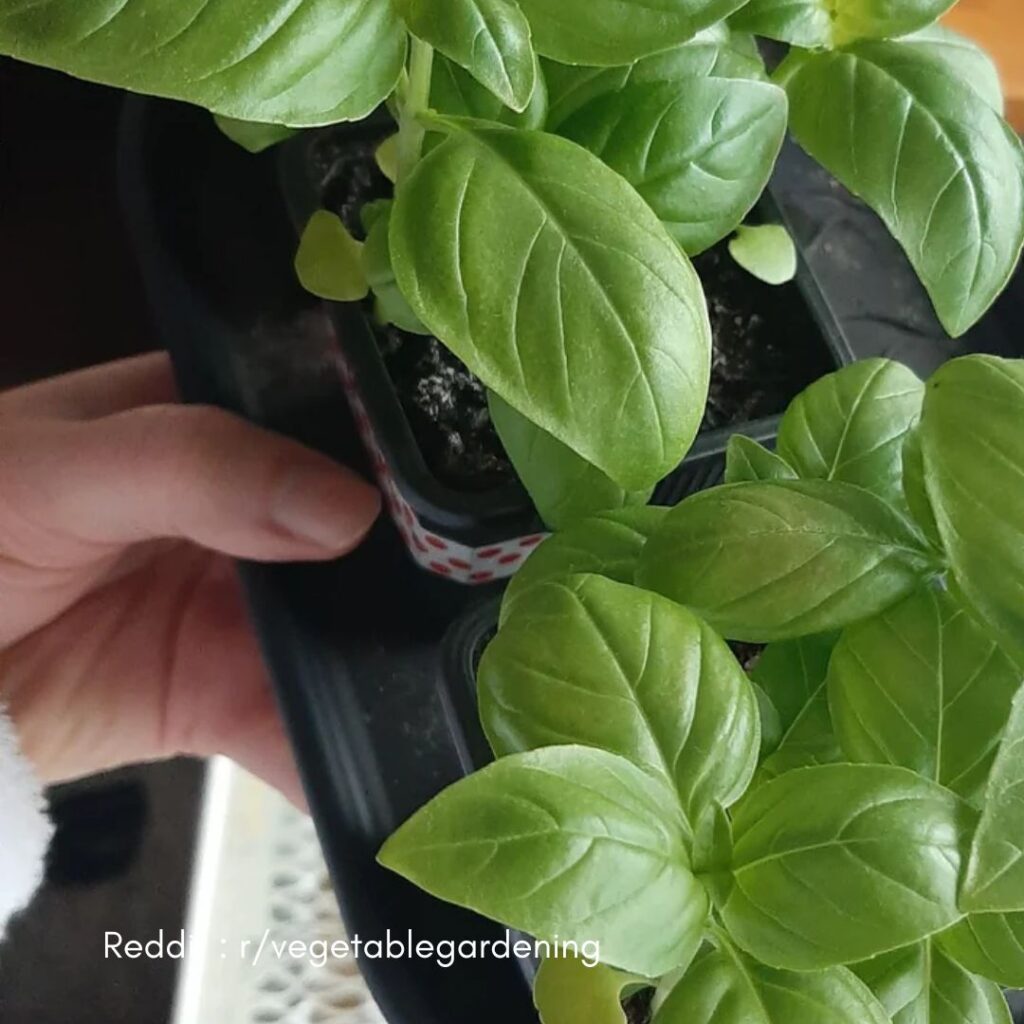
If you want a healthy basil plant, it’s important to focus on the right soil, water it correctly, and prune it properly. Let’s break it down.
Soil Requirements
Basil thrives best in well-draining soil. I always make sure my soil pH is between 6.0 and 7.0, which is just slightly acidic. Using a loamy soil mix can really help. If you’re using pots, check that they have drainage holes. Adding some compost is also a great way to give the plant the nutrients it needs. Avoiding heavy clay soil can save you a lot of trouble. It tends to hold too much moisture and can make the roots rot.
A helpful tip: You can test your soil’s drainage by watering it and seeing how fast it drains. Quick drainage = happy basil! 🌿
Watering Needs
Knowing how to water basil is crucial. I water my basil plants regularly, but I make sure not to overdo it. About once or twice a week usually works, but this can change based on weather conditions. Make sure the top inch of soil is dry before watering again. Overwatering can lead to root rot.
In hotter climates, basil may need daily watering, especially if it’s in a pot. Don’t you hate it when plants get droopy and sad? If you notice this, it might be a sign your plant is thirsty. Always remember: Consistency is key for healthy growth!
Pruning and Harvesting
Pruning basil helps it grow better and more abundantly. I usually start snipping when the plants are about 6 inches tall. Always cut just above a pair of leaves. This encourages the plant to branch out and become bushier.
Harvesting is easy – just pinch off the leaves you need. Try not to take more than one-third of the plant at a time. A little chop-chop now and then keeps the basil lush. Did you know pruning also prevents the plant from flowering? Once it flowers, the leaves can get bitter. So keep those scissors handy! ✂️
Got your own tips or questions? Drop them below!🌱
Nutritional Benefits and Uses
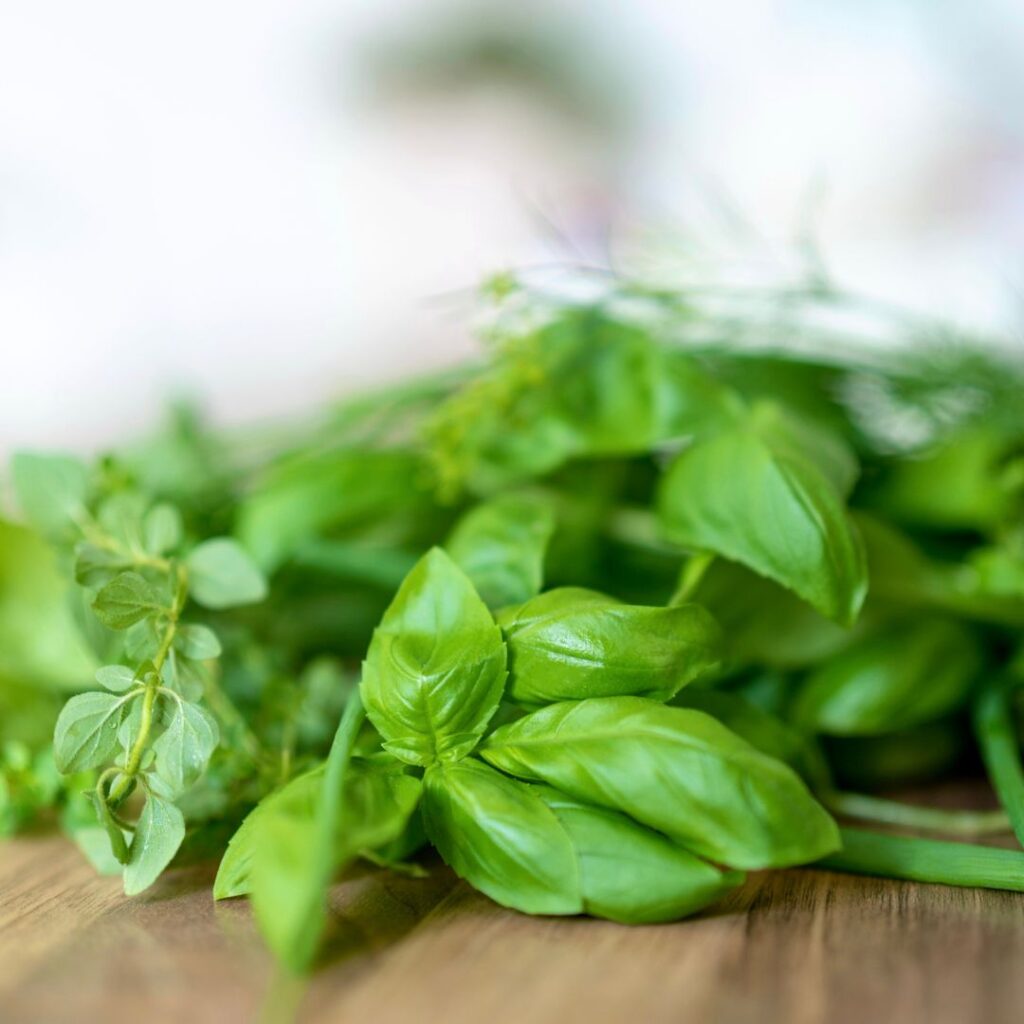
Basil is more than just a tasty herb; it has nutritional and medicinal qualities that make it a wonderful addition to your diet and home remedies. Let’s dive into how you can use basil in cooking and for health benefits.
Culinary Uses
Basil is a superstar in the kitchen! 🍃 It adds flavor to many dishes. Ever tried a fresh pesto? It’s one of my favorite uses for basil. Just blend basil leaves with garlic, pine nuts, Parmesan cheese, and olive oil. Spread it on pasta or toast for a delicious treat.
Basil leaves can also be used in salads, giving them a fresh, peppery taste. Just chop them up and toss them in with your greens. Basil is also a key ingredient in classic dishes like bruschetta and Caprese salad, where it’s paired with tomatoes and mozzarella.
You can even make basil oil by steeping basil leaves in olive oil. This oil is great for drizzling on dishes or as a base for salad dressings. Have you ever tried basil in your drinks? Add some leaves to lemonade or iced tea for a refreshing twist!
Medicinal Benefits
Basil isn’t just tasty; it’s also good for you! 🌿 It has many health benefits, making it a fantastic herb to keep around. Basil is rich in antioxidants, which help protect your cells from damage.
Feeling stressed? Basil can help! It’s known to have calming properties. Making a basil tea by steeping the leaves in hot water can help you relax. Basil also has anti-inflammatory properties, which can help reduce swelling and pain in your body.
If you have a cold or sore throat, basil can be soothing. Chewing on fresh basil leaves can help ease throat discomfort. Some people also use basil for digestion. It can help with bloating and indigestion. Holy basil, a specific type of basil, is often used in traditional remedies for its health benefits.
Don’t forget to share your favorite ways to use basil in the comments! 🍃
Pest and Disease Management
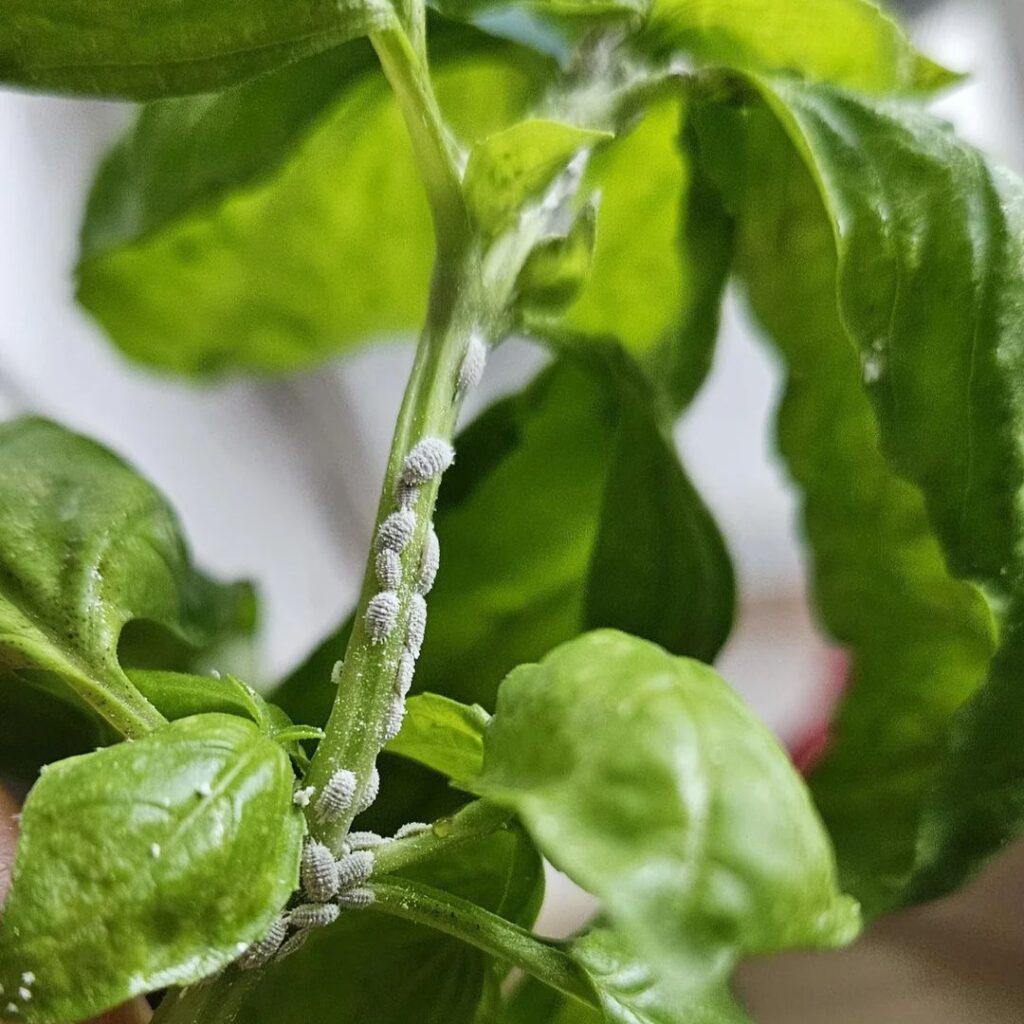
Keeping my basil plants healthy can be a bit of a challenge 🤔. There are a few pests and diseases that love basil as much as we do!
Aphids 🐜 are tiny bugs that like to cling to the leaves. They suck the sap out and weaken the plant. If I see them, I spray a mixture of water and a bit of dish soap on the leaves. It usually does the trick!
Another common problem is downy mildew. It’s a fungus that shows up as yellow spots on the leaves. I try to avoid this by watering the soil, not the leaves. This keeps the leaves dry and prevents mildew growth.
Sometimes, I find root rot in my basil. This happens when the roots stay too wet. To prevent this, I always make sure my pots have good drainage. Overwatering is a no-no.
Here’s a quick list of tips to manage pests and diseases:
- Inspect leaves regularly.
- Use natural sprays like soapy water.
- Water properly to avoid wet leaves.
- Ensure good drainage in pots.
Do you have any tricks to keep your basil pest-free? 🌿 Drop your tips in the comments below!
Let’s help each other grow the best basil ever! 🌱✨
Basil Companion Planting
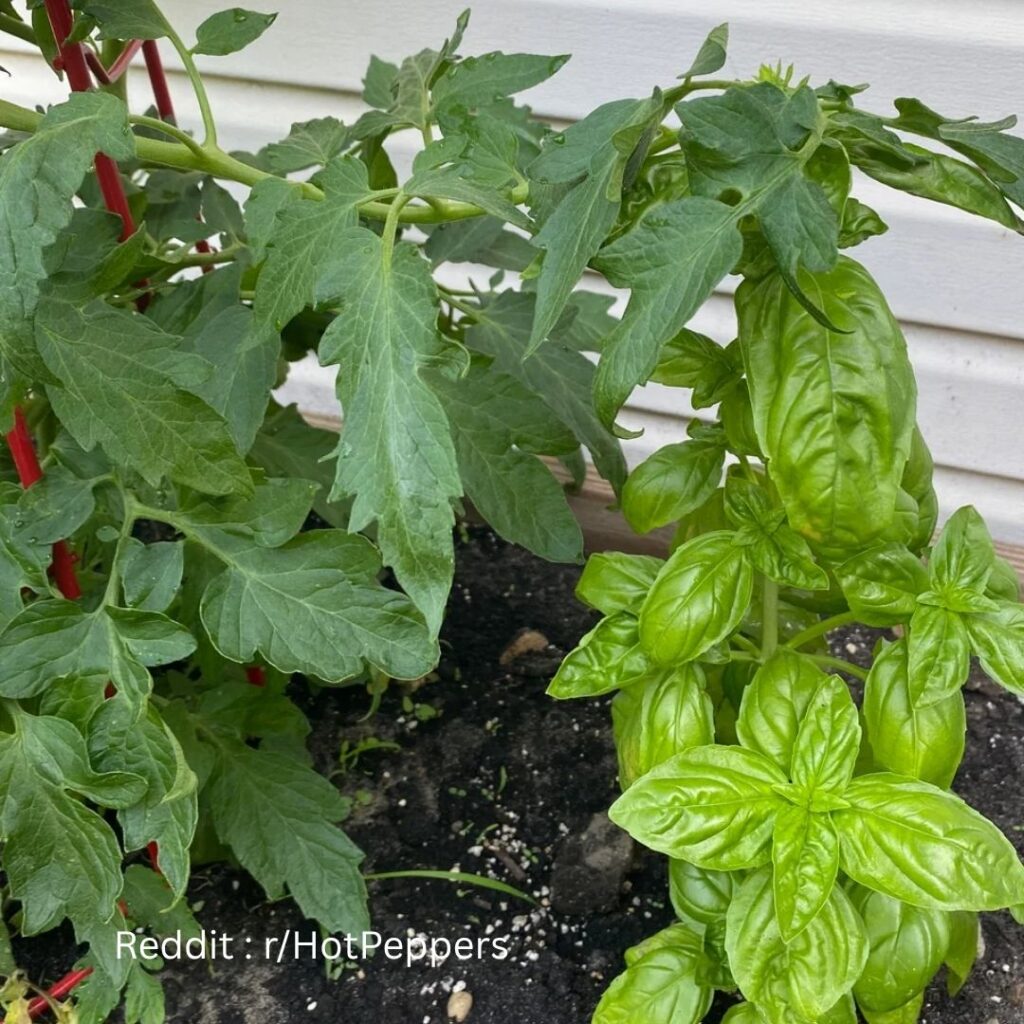
Ever noticed how some plants just seem to thrive when they have the right buddies nearby? Basil is one of those plants! 😊
Tomatoes and Basil: Classic combo! Plant basil near tomatoes to help each other grow. Basil can improve the flavor of tomatoes and even help keep some pests away.
Peppers and Basil: Peppers love having basil next to them. They both like similar growing conditions, so they make perfect neighbors in your garden.
Basil and Oregano: I love pairing basil with oregano because they both boost each other’s growth. Plus, they make a delicious team in the kitchen!
What to Avoid
While basil has many friends, there are a few plants that don’t play nice with it. Let’s avoid planting basil near:
- Cucumbers: They just don’t get along.
- Sage: No friendship here, unfortunately.
Try Companion Planting!
Have you tried companion planting with basil before? It’s fun to experiment and see which combinations work best. Drop your tips and experiences in the comments! 🌿
Happy planting! 🌱
Propagation Techniques
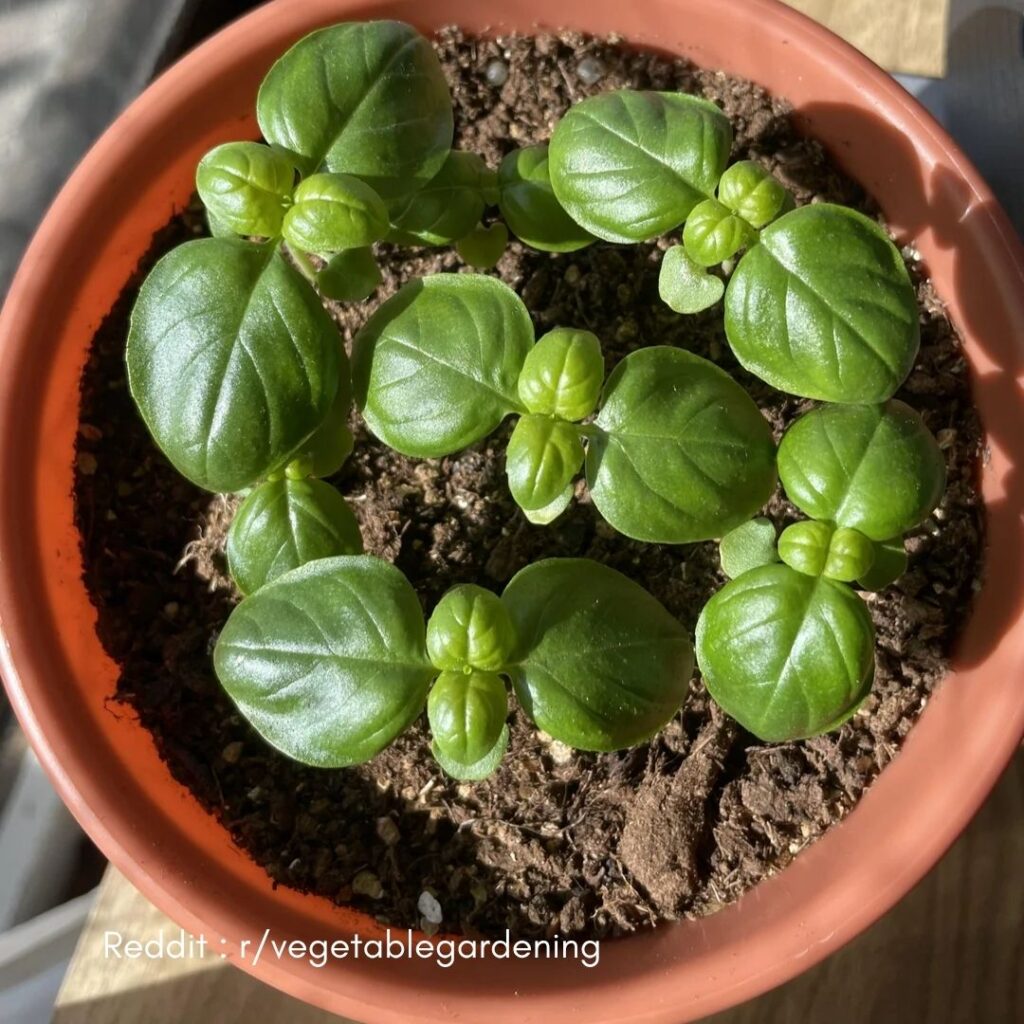
Want to grow more basil plants without buying new seeds every time? You can use seeds or cuttings. Each method has its pros and cons, but both are doable and fun!
From Seeds
Starting basil from seeds is pretty simple. First, fill small pots with seed-starting mix. Get your basil seeds and sprinkle them on top. You don’t need to bury them deep, just lightly press them into the soil. Then, water gently to keep the soil moist.
Place the pots in a warm, sunny spot. Basil seeds need warmth to sprout, 🌞 so they’ll appreciate the sunshine. Expect to see tiny sprouts in 5-10 days. Keep the soil damp and make sure the sprouts get lots of light.
Once your seedlings are about 2 inches tall, transplant them to larger pots or your garden. Remember, basil loves sun, so give them at least 6 hours of sunlight daily. Happy growing! 🌿
From Cuttings
Basil also grows really well from cuttings. This is perfect if you already have a healthy basil plant. Cut a stem about 4 inches long, just below a leaf node. Remove the leaves from the bottom half of the cutting.
Place the cutting in a glass of water. Keep it in a spot with indirect sunlight. Change the water every few days to keep it fresh. In about a week, you’ll see roots starting to form! 🌱
When the roots are about 2 inches long, it’s time to plant the cutting in soil. Use a pot with good drainage and keep the soil moist but not soaked. Soon, you’ll have a brand-new basil plant ready to spice up your dishes! 🍝
What method do you prefer? Have you tried both? Share your experience in the comments! 🌿😊
Conservation and Biodiversity
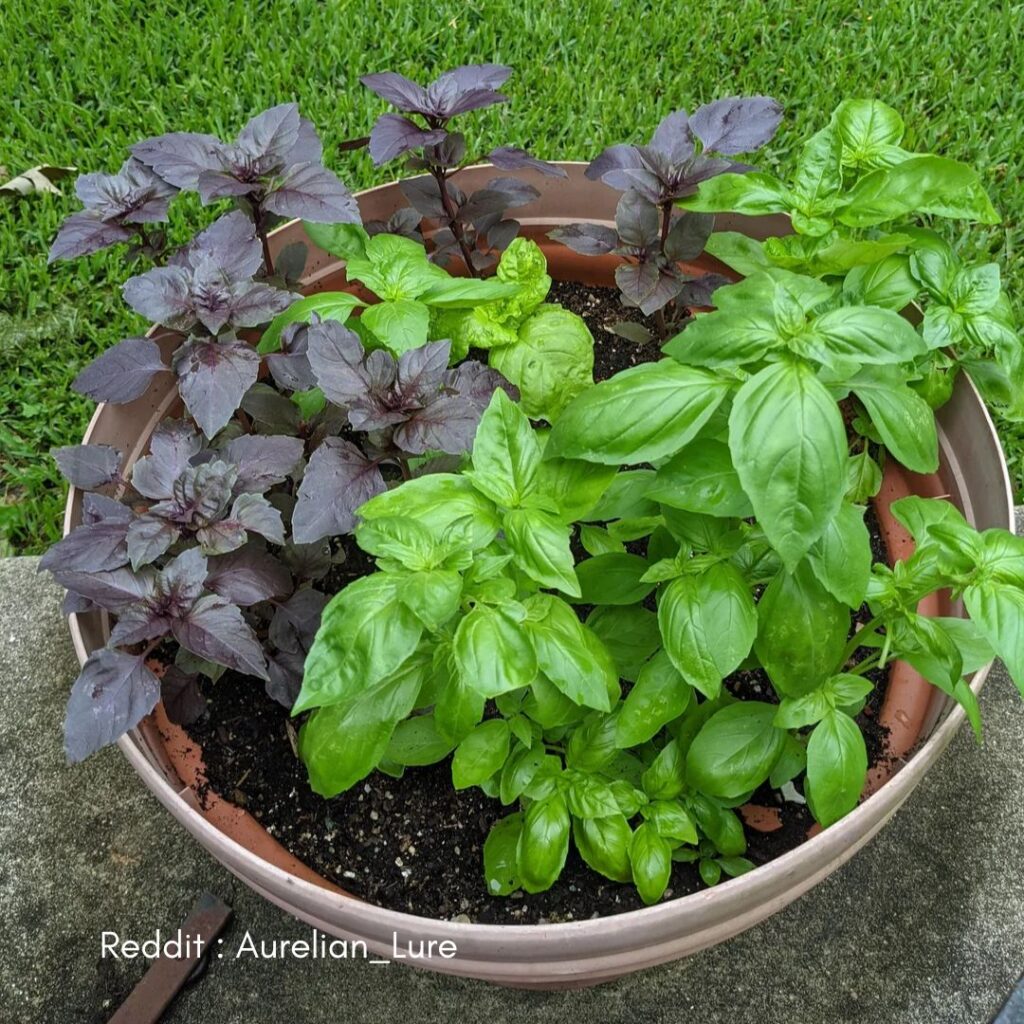
Ever thought about how basil varieties contribute to our planet’s biodiversity? 🌱 It’s fascinating! There are so many types like Genovese, Thai, and Purple Basil. Each one plays a unique role in our ecosystem.
Different basil plants attract various pollinators. Bees love them! 🐝 Have you seen how they buzz around a basil plant? It’s like a tiny bee party.
Planting different basil varieties in your garden not only spices up your dishes 🍝 but also supports local wildlife. It’s a small step with big benefits.
Worried about maintaining these varieties? Me too! I’ve started saving seeds from my own basil plants. It’s easy and ensures I’ll have these wonderful plants next year. Plus, it’s fun to see the little seedlings grow.
Why not try growing a few different types of basil? You could start with the easy ones like Sweet Basil and then branch out. Trust me, it’s worth it.
Have you tried any cool basil varieties in your garden? 🍃 Share your favorites in the comments! Let’s chat and exchange tips. 🌿✨
Frequently Asked Questions
Here are answers to common questions about different basil plant varieties. 🪴 Whether you’re a culinary enthusiast or just starting your herb garden, there’s something here for you!
What are some popular basil varieties suitable for culinary uses?
Some popular basil varieties great for cooking are Genovese, Thai, and Lemon Basil. Genovese Basil is perfect for making pesto, Thai Basil adds a spicy kick to dishes, and Lemon Basil brings a citrusy flavor to salads and seafood.
Can you identify different basil types through images?
Yes, you can! By looking at the shape, size, and color of the leaves, you can spot the differences. For example, Genovese has large, dark green leaves, while Purple Basil has vibrant purple leaves.
Which basil variety is known for its robust aroma?
Cinnamon Basil is famed for its strong cinnamon scent. Its unique aroma makes it a favorite for both culinary and ornamental purposes. If you love fragrant herbs, give Cinnamon Basil a try!
Is there any basil type that can grow in shaded areas?
Yes, Vietnamese Basil can tolerate partial shade. It prefers a bit of sun but can still thrive with 4-6 hours of sunlight. If your garden is a bit shady, this variety might be a good fit.
Could you list some basil varieties that are considered rare?
Some rare basil varieties include Greek Dwarf, Peruvian Basil, and African Blue Basil. These are less common but have unique flavors and appearances.
How do the uses vary between different types of basil?
Different types of basil have unique flavors that suit various dishes. Thai Basil is great for spicy foods, while Lettuce Leaf Basil is amazing in wraps and salads. Experiment with different types for diverse culinary experiences!
Feel free to share your basil growing tips or favorite recipes in the comments below! 🌿