
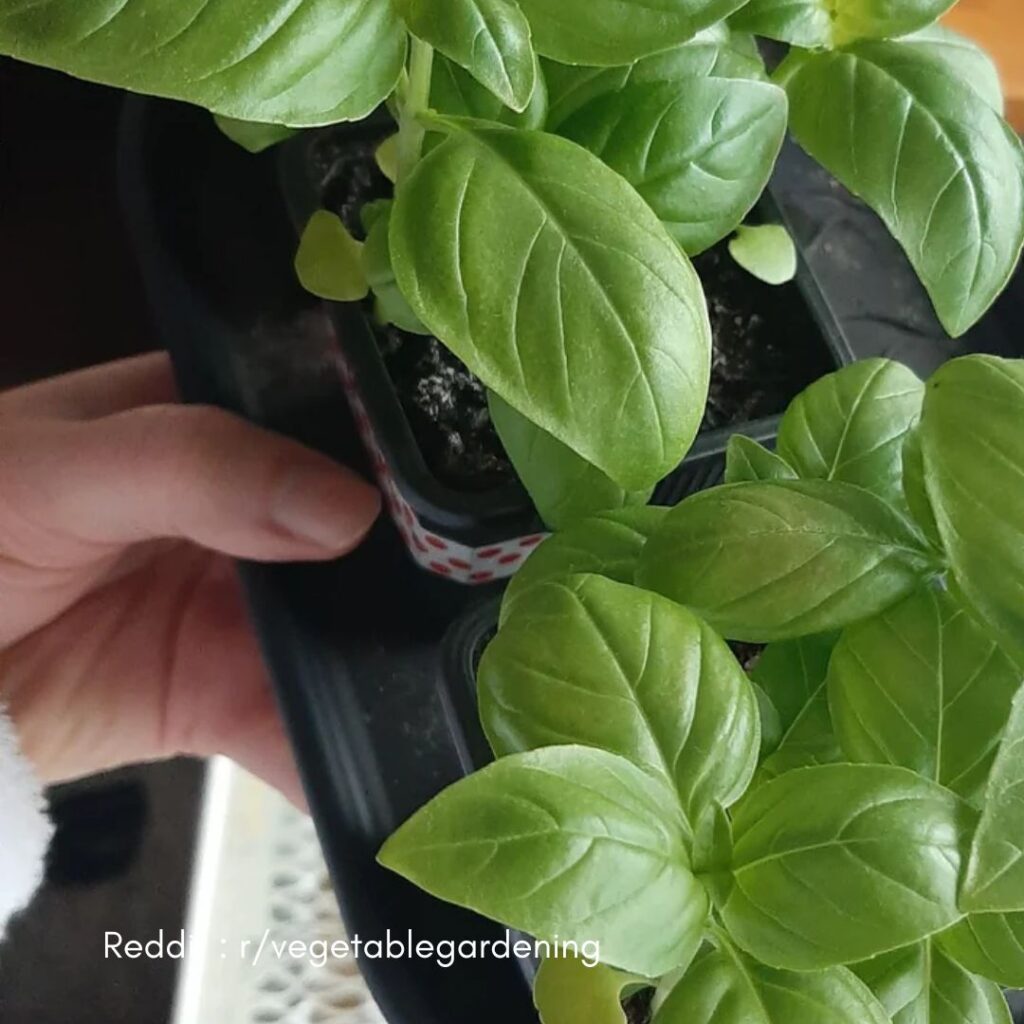
Do you love fresh basil as much as I do? 🌿 There are so many basil plant varieties out there, each with its own unique flavor and use. Whether you’re making a classic pesto or adding a twist to your summer salad, there’s a basil for you!
Sweet Basil is probably the one you know best. It’s the hero in most Italian dishes and has that classic basil taste. Thai Basil, on the other hand, has a hint of spice and is perfect for your favorite Thai curry dishes. There’s even Lemon Basil with a citrusy flavor that’s great for teas and desserts. Yummy, right?
What are your favorite ways to use basil? Are you curious about trying a new variety? Let’s share our basil adventures in the comments! 🌱🍃
History of Basil Cultivation
Basil has a rich history that spans many cultures and centuries. From its ancient origins to its use in traditional medicine and its global spread, basil’s journey is quite fascinating.
Origins of Basil
The basil plant originated in India and other tropical regions of Asia. It’s amazing to think that this humble herb has been around for more than 5,000 years!
People in ancient India considered basil sacred and used it in various ceremonies. They believed it had divine origins. Fun fact: the word “basil” comes from the Greek word “basileus,” which means king. It shows how highly regarded this plant was, even in ancient times!
Today, you’ll find basil in gardens around the world, but it’s interesting to remember its royal beginnings.
Basil in Traditional Medicine
Did you know that basil wasn’t just for cooking back in the day? Ancient cultures used basil for its medicinal properties.
In Ayurvedic medicine in India, basil was believed to treat a range of health issues, from coughs to digestive problems. In Europe and other parts of the world, it was used in traditional remedies as well. For example, people believed it could help with stomach cramps and even snake bites. Imagine using basil to treat a snake bite! 🌿
Though we mostly use basil in the kitchen today, it’s cool to know it once played a role in keeping people healthy.
Global Spread of Basil
Basil didn’t stay in Asia for long. Traders brought basil to the Mediterranean through the spice routes. By the time of the Roman Empire, basil had become a staple in European cuisine.
In Italy, basil found its place in many dishes. Think pesto and Caprese salad! The herb also made its way to Africa and the Americas, where it adapted to new environments and climates. So, whether you have tried Thai basil in your stir-fry or classic sweet basil in Italian pasta, you’re enjoying a plant with a global footprint. 🌍
Do you grow basil in your garden? Share your basil stories in the comments! 📬
Common Basil Varieties
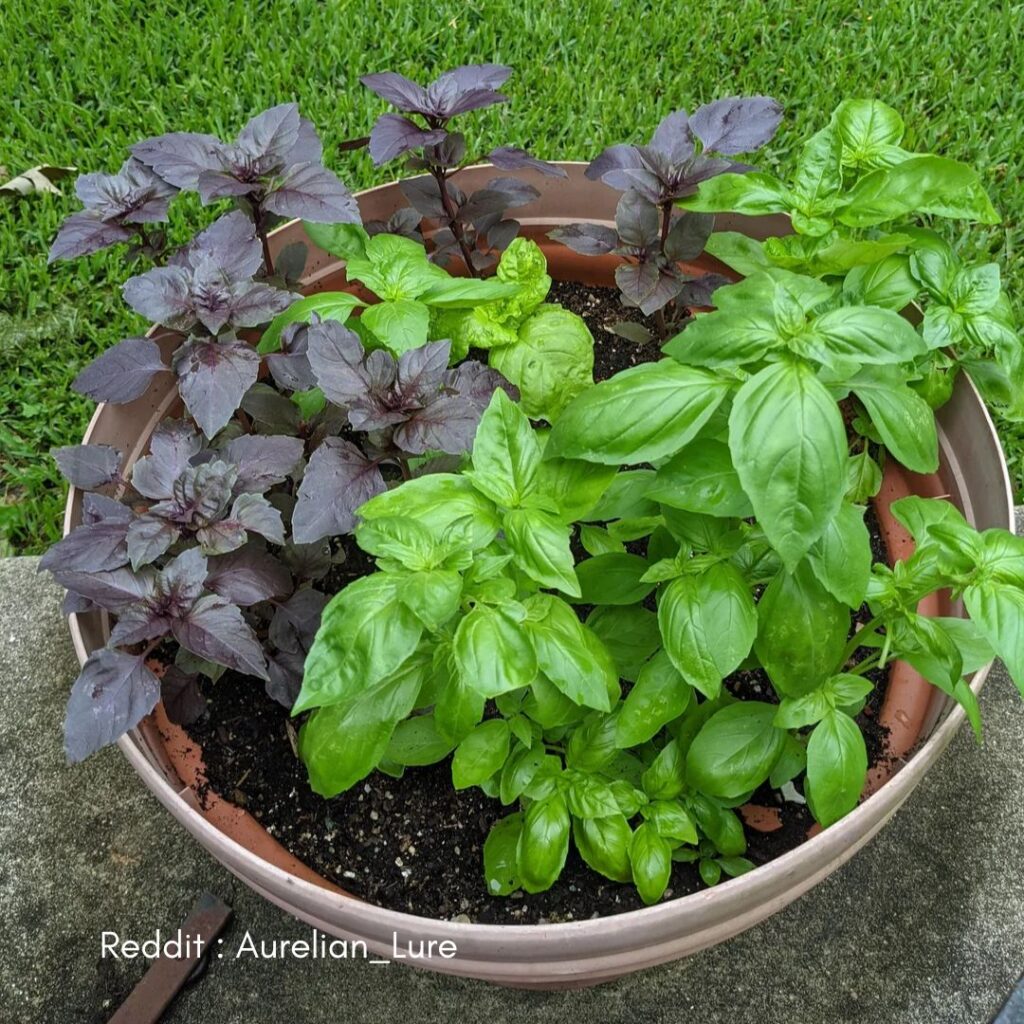
Basil is a wonderful herb that offers a variety of flavors and uses. From sweet and spicy to citrusy, there’s a type of basil for every taste bud. Learn more about these common basil varieties below.
Sweet Basil
Sweet Basil is the most popular type used in cooking. It has large, tender leaves and a mild, sweet flavor. I love adding it to my pasta sauces and salads. It’s also essential for making classic pesto. 🌿
This basil type grows best in warm, sunny spots. It’s easy to grow indoors too. If you’ve never grown herbs before, start with Sweet Basil! Have you tried it?
Genovese Basil
Genovese Basil is another favorite, especially in Italian cuisine. It has smooth leaves and a slightly stronger flavor than Sweet Basil. I find it works beautifully in dishes like bruschetta and caprese salad.
It has a pronounced aroma that can make any dish smell irresistible. It’s important to prune it regularly to encourage bushy growth. Who else loves the smell of fresh basil? 🍃
Thai Basil
Thai Basil brings an interesting twist with its spicy, anise-like flavor. I often use it in Asian dishes like curries and stir-fries. Its purple stems and narrow leaves make it visually striking as well.
Thai Basil is a bit more heat-tolerant than other varieties, which makes it great for summer. Have you added it to a spicy dish?
Lemon Basil
Lemon Basil is perfect for those who enjoy a citrusy twist in their meals. Its bright green leaves have a distinct lemon scent, adding a fresh zing to teas and seafood dishes.
It’s fun to grow due to its refreshing fragrance. Just brush your hand over the plant, and you’ll get a burst of lemony goodness! 🌞 Do you enjoy lemony flavors?
Holy Basil
Holy Basil, also known as Tulsi, holds a special place in Ayurvedic medicine. It has a more peppery flavor compared to other basil types. I use it in herbal teas and health mixes.
Holy Basil has been praised for its medicinal properties, such as reducing stress. Besides being useful, it’s also easy to grow. Have you ever tried Holy Basil tea?
Feel free to share your thoughts or favorite basil types in the comments! 🌿
Growing Basil
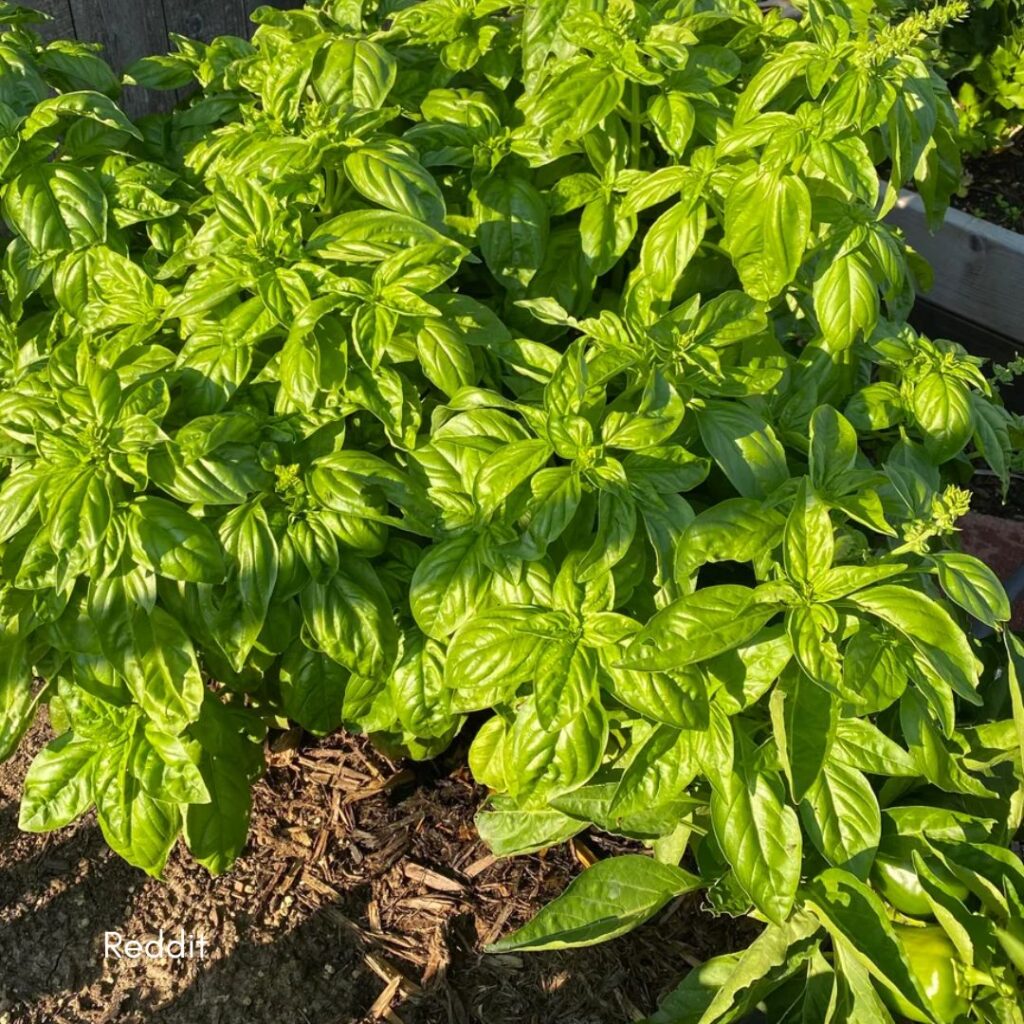
Growing basil is simple if you know what it needs. Let’s explore where it grows best, how to start new plants, and what pests to watch out for.
Ideal Growing Conditions
Basil loves warm weather. I plant it where it gets 6-8 hours of sunlight each day. 🌞 It also prefers well-drained soil that’s rich in organic matter. I usually mix compost into the soil to make it super fertile. The soil should be kept moist but not soggy. If it gets too wet, the roots can rot. I also make sure to plant basil when the temperature stays above 50°F (10°C) because it can get damaged by the cold.
Propagation Methods
Starting basil from seeds is easy. I plant them indoors about 6 weeks before the last frost. I keep the seeds in a warm, sunny spot and water them lightly. They sprout in about a week! 🌱 Once they’re 2-3 inches tall, I transplant them outside. Alternatively, I can propagate basil by cuttings. I snip a stem below a leaf node and put it in water. After about a week, roots start to grow, and it’s ready to be planted in soil.
Common Pests and Diseases
Basil can be a target for pests like aphids and spider mites. I check the leaves regularly and wash them with soapy water if I see any bugs. Fungal diseases can also be a problem, especially in humid weather. To prevent this, I make sure to water the plant at the base and not the leaves. If a plant looks infected, I remove it to stop the spread. Also, slugs and snails love basil, so I use barriers or traps to keep them away. 🐌
Growing basil can be fun and easy. Do you have any tips or questions about growing basil? 🌿 Drop them in the comments below!
Culinary Applications
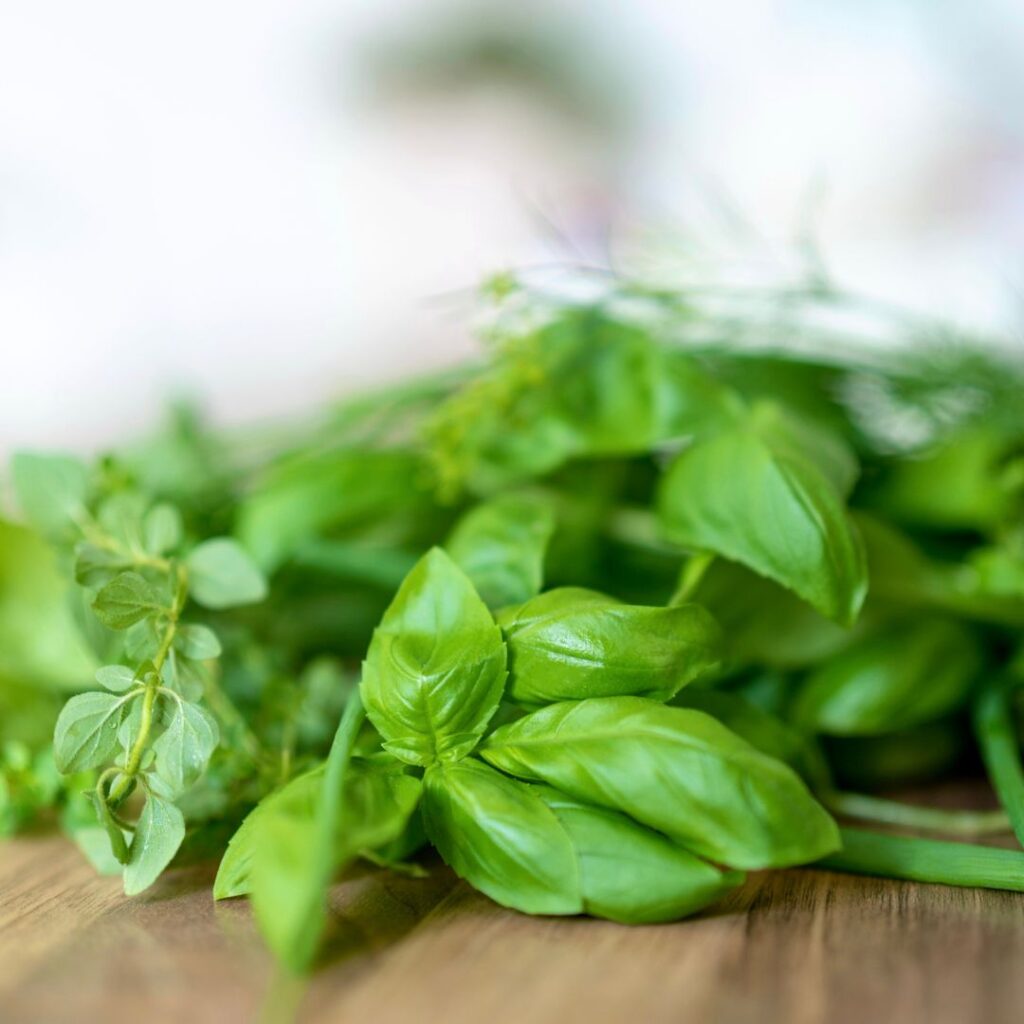
When it comes to cooking, basil is a superstar. From tasty sauces to refreshing drinks, this versatile herb can do it all. Here’s how you can make the most of basil in your kitchen.
Pesto and Other Sauces
One of my favorite uses for basil is pesto. It’s super easy to make. Just blend fresh basil leaves, garlic, pine nuts, Parmesan cheese, and olive oil. Voilà! You have a delicious sauce for pasta, sandwiches, or pizza.
Besides pesto, basil is also great in tomato sauces. Toss a few leaves into your marinara to give it an extra kick of flavor. How do you like to use basil in your sauces? 🍝
Infusions and Beverages
Ever tried basil in a drink? It’s amazing! Basil pairs really well with lemonade and can make any summer drink feel fancy. Just add some fresh leaves to your lemonade or iced tea.
For a cozy touch, infuse basil in hot water with a bit of honey for a herbal tea. It’s soothing and good for you. Do you have a favorite basil-infused drink? 🍹
Fresh vs. Dried Basil
Fresh and dried basil each have their own charm. Fresh basil is vibrant and bursting with flavor. It’s perfect for garnishing dishes right before serving. I love adding it to salads and sandwiches.
On the other hand, dried basil has a more concentrated taste but can lose some of its aroma. It’s great for slow-cooked recipes like stews and soups. Which one do you prefer in your cooking? 🌿
Feel free to share your basil adventures in the comments! I’d love to hear your tips and tricks. Happy cooking!
Other Uses of Basil
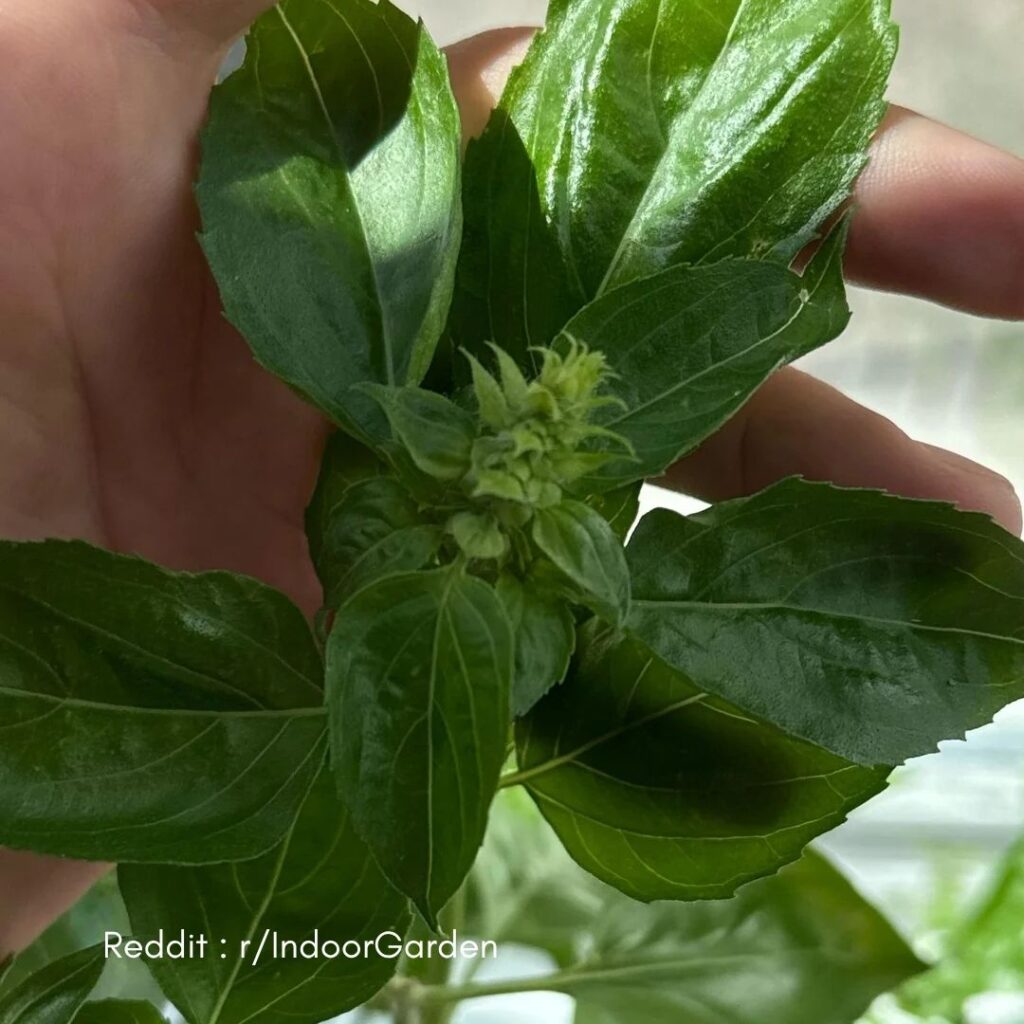
Did you know that basil isn’t just for cooking? It’s got some pretty cool uses that you might not expect.
Aromatic Oils and Perfumery
Basil is often used to make essential oils. These oils smell amazing and are used in perfumes and aromatherapy. I love using basil oil in my diffuser at home. It fills the room with a fresh, herbal scent. 💚
Perfumers like basil because it adds a spicy note to fragrances. It’s unique, and a little bit goes a long way. Ever tried a perfume with basil in it? You might be wearing one and not even know it!
Decorative and Religious Practices
In many cultures, basil is used in religious ceremonies and decorations. In India, it’s considered sacred and is often planted in gardens for its spiritual benefits. 🌿
I’ve seen basil plants used in weddings too. They add a nice touch of green and have a lovely fragrance. Have you ever seen basil used in decorations? It’s not just pretty—it’s meaningful.
Preservation and Storage
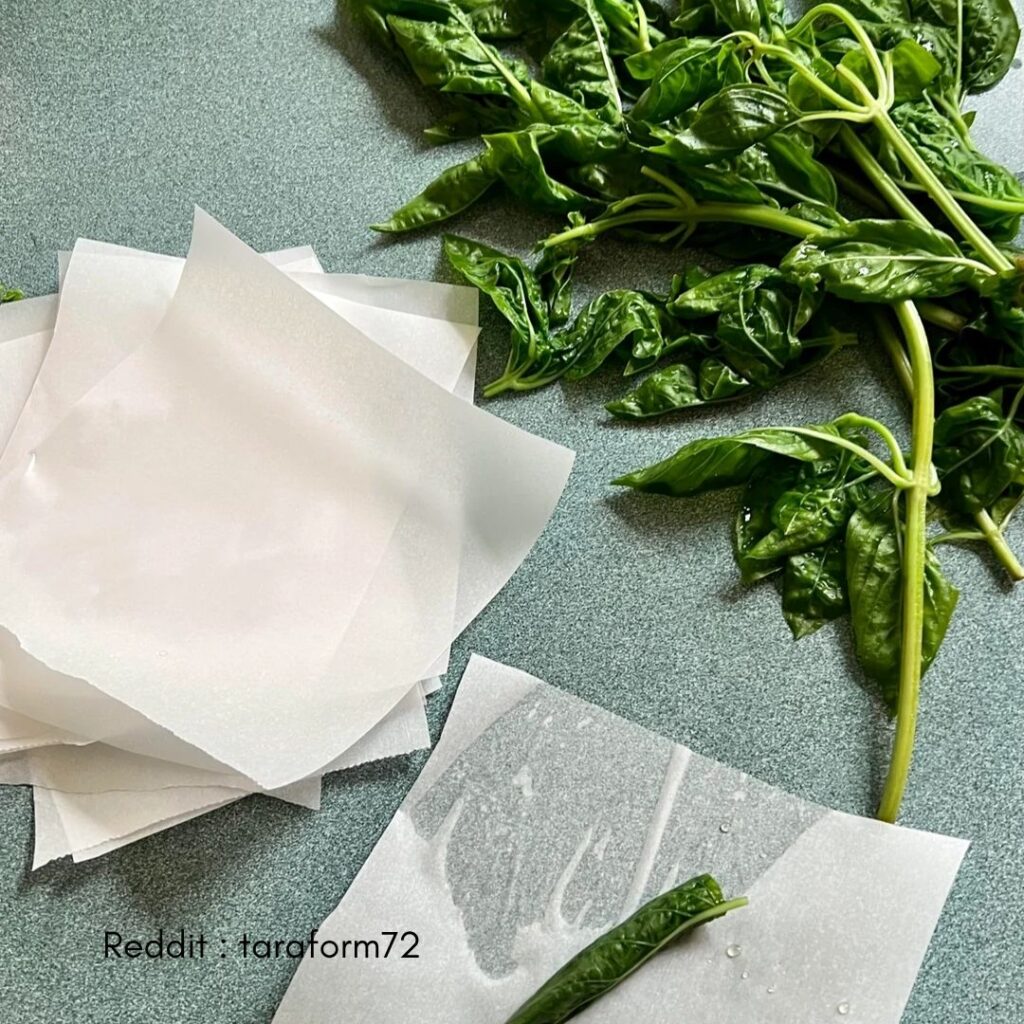
When it comes to preserving basil, there are a few tricks I’ve learned.
Fresh Storage
First, keep basil fresh by placing the stems in a glass of water. Cover with a plastic bag and store it on the counter. Easy, right?
Freezing Basil
Want to freeze basil? 💡 Chop it up, mix with a little olive oil, and freeze in an ice cube tray. This makes lovely flavor bombs for soups and sauces later!
Drying Basil
Drying is another option. Tie stems together and hang them upside down in a cool, dark place. Once dry, crumble the leaves and store in an airtight container.
Preserving in Oil
Finally, you can store basil in oil. Pack whole leaves in a jar, fill with olive oil, and refrigerate. Perfect for salads and dressings!
Do you have any basil preservation tips or funny stories? 🌿 Share in the comments! 📢
Harvesting Techniques
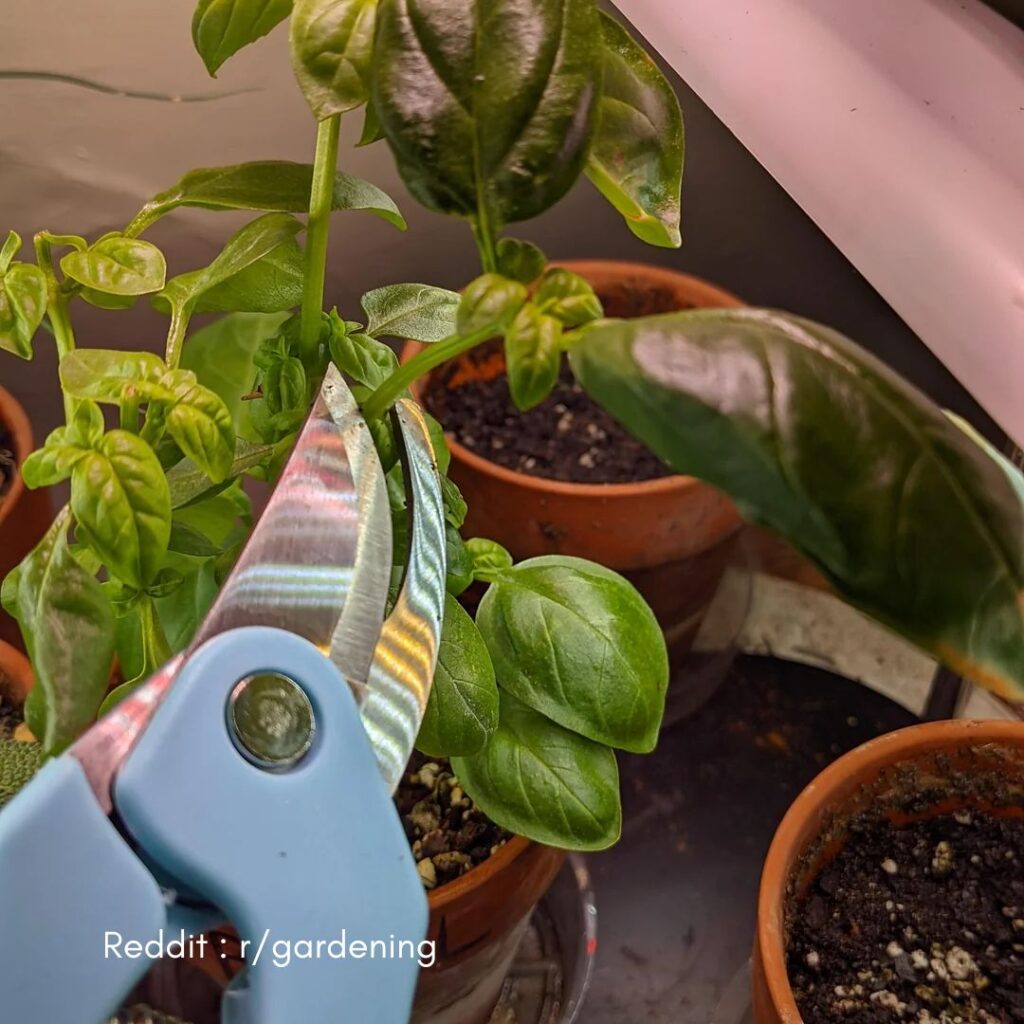
When it comes to harvesting basil, timing is everything! 🌿 You want to start picking leaves before the plant flowers. This way, you get the best flavor from your basil.
I usually snip the leaves early in the morning. That’s when they’re the freshest! You can use a pair of clean scissors or just pinch them off with your fingers.
Pro tip: Always cut just above a pair of leaves. This encourages the plant to grow bushier and produce more leaves. ✂️
If you’re planning to harvest a larger amount, leave at least a few inches of the plant. This allows it to regrow and keep producing delicious leaves for you.
Have you ever tried to freeze basil? It’s super easy! Just chop the leaves and put them in ice cube trays with a bit of water or olive oil. Perfect for future recipes!
Remember to check your basil regularly. Frequent harvesting keeps the plant healthy and prevents it from getting too tall and lanky. 😊
Do you have any favorite tips or tricks for harvesting basil? 🍃 Share them in the comments below!
Frequently Asked Questions
Basil is a popular herb with many varieties used in cooking. Each type has its own unique flavor and use in different dishes. Let’s dive into some common questions about basil varieties.
What are some common types of basil used in cooking?
Some of the most common types of basil include Genovese, Thai, Lemon, and Holy Basil. Genovese is your go-to for pesto, while Thai basil adds a unique flavor to stir-fries. Lemon basil is perfect for adding a citrus twist, and Holy Basil is often used in teas and traditional medicine. 🍃
Can you show me different basil types with pictures?
I wish I could add pictures here! 📸 Unfortunately, I can’t. But you can easily find images of Genovese, Thai, Lemon, and Holy Basil online. Seeing the different shapes and colors of the leaves will help you identify each type.
How can I tell various basil varieties apart?
One way is by looking at the leaf shape and color. For example, Genovese basil has large, green leaves that are smooth, whereas Thai basil features smaller, purple-tinged leaves. Lemon basil has narrow, lighter green leaves, and Holy basil often has serrated edges.
Which basil variety is considered the best for culinary use?
This often depends on personal preference and the dish you’re making. Genovese basil is very popular for Italian dishes, while Thai basil is a favorite in Asian cuisine. I personally love using Lemon Basil in summer salads! 🍋 What’s your favorite?
Are there any rare or less common basil varieties?
Yes! There are quite a few less common varieties, like Cinnamon Basil, which has a sweet, spicy fragrance. Another rare type is African Blue Basil, known for its beautiful purple flowers and rich flavor. Ever tried making a dish with these? 🌿
Is there a difference in use or flavor between holy basil and Genovese basil?
Absolutely! Holy Basil, also known as Tulsi, has a strong, peppery flavor and is often used in teas and medicinal recipes. Genovese basil is sweeter and ideal for pesto, sauces, and Italian dishes. They might look similar, but their uses are quite different.
Got any other questions? 📢 Feel free to ask in the comments below. Let’s share some basil love! 💚