Ever wondered how to get the best out of your basil plants? 🌿 Let’s talk about proper spacing to help your garden thrive. If you’ve ever crammed too many plants in one spot, you know they need room to grow.
Give each basil plant about 12 to 18 inches of space to spread its leaves fully. Crowded basil won’t get enough sunlight or air, which can lead to diseases. Imagine trying to grow in a crowded elevator—it’s just not fun!
What’s your basil spacing strategy? Do you have any tips or stories? Share your thoughts in the comments below! 🌱🚀
Understanding Basil Plant Spacing

Basil plants, like any other plant, grow best when they have enough room to spread out. Proper spacing helps plants grow strong and keeps diseases away.
The Importance of Proper Spacing
Did you know that basil plants need room to breathe? 🌿 When basil plants are too close together, they fight for nutrients. This can make them weak. Leaves may also stay wet longer, which can lead to mold and other diseases.
When there’s enough space between the plants, air can move around them easily. This keeps them healthy and helps them grow more leaves. Have you ever seen a garden where the plants looked too crowded? It can look messy and the plants don’t grow well. Make sure your basil plants have their own little spot to thrive!
General Spacing Guidelines
How much space does each basil plant need? 🌱 Generally, 12 to 18 inches between each basil plant works well. This gives them room to grow large and bushy. If you’re growing basil in a pot, use a pot that’s at least 12 inches wide.
In garden beds, plant basil in rows. Space the rows about 18 inches apart. This way, you can reach the plants easily without stepping on them. Remember to check your specific type of basil as some varieties may need more or less space.
Tip: When transplanting young basil plants, be gentle with their roots. Happy plants make a happy garden! 🌻 What spacing tips do you have? Share your thoughts below!
Preparing for Planting
Before you start planting basil, it’s key to pick the right spot and prepare the soil properly. Let’s make sure your basil has the best chance to grow! 🌱
Choosing the Right Location
First, pick a sunny spot. Basil loves the sun and needs about 6-8 hours of sunlight each day. Think about where the sun hits your garden or balcony the most.
Next, consider space requirements. While basil plants don’t need a ton of room, they should have some space to spread out. Aim for spacing plants about 12-18 inches apart. This helps them get enough air and nutrients.
Besides sunlight and space, make sure the area is protected from strong winds. Basil plants can break or get damaged if exposed to heavy winds. If you live in a windy area, think about using a windbreak like a fence or shrubs to shield them.
Soil Considerations
Basil thrives in well-drained soil. If the soil in your garden tends to hold water, consider raising the bed or using a pot with good drainage. Basil doesn’t like to be in soggy soil.
The soil should be rich in nutrients. You can mix in compost or a general-purpose fertilizer to boost its nutrient content. This helps the basil grow strong and flavorful.
Check the soil pH. Basil prefers a pH between 6.0 and 7.5. You can test your soil using a simple test kit from a garden store. If the pH is off, you can adjust it by adding lime to raise it or sulfur to lower it.
What kind of soil are you working with in your garden? Share your thoughts in the comments! 🌿✨
Planting Your Basil
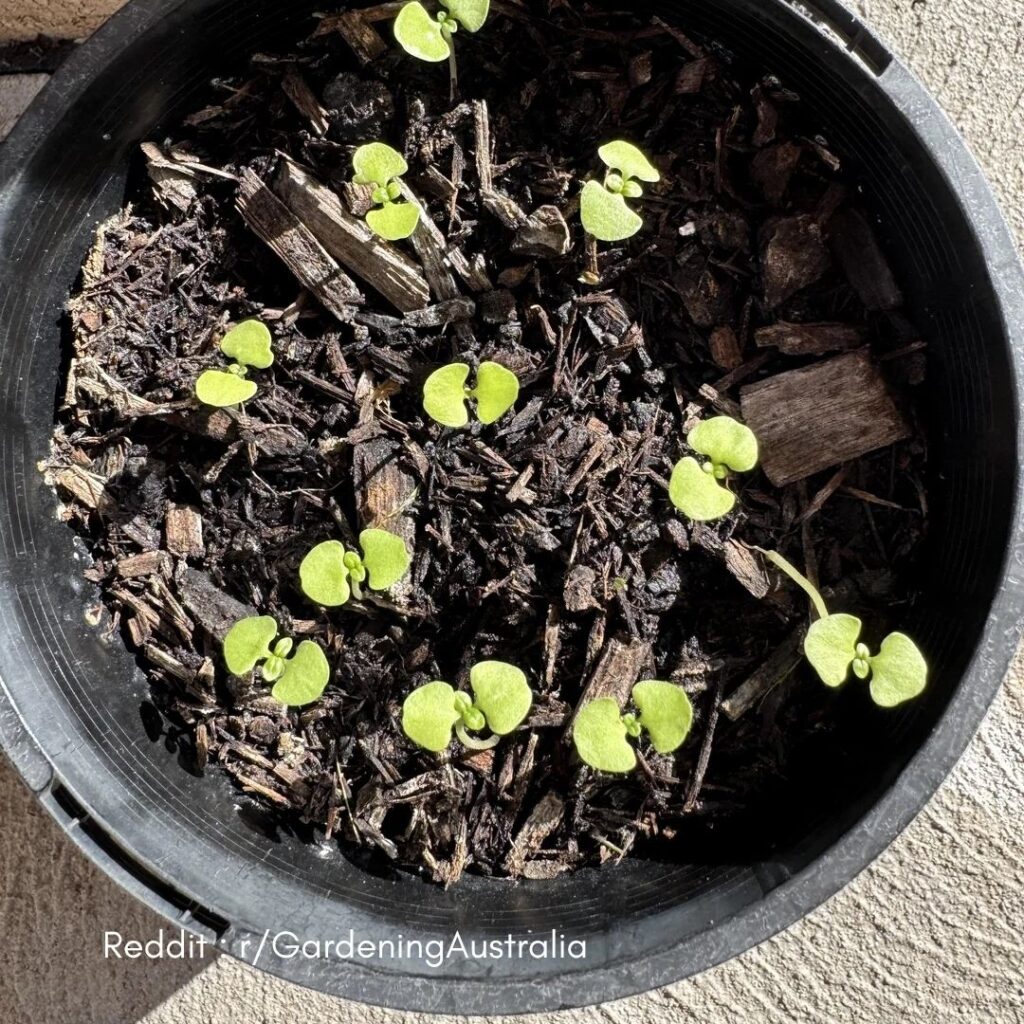
Growing basil can be easy and fun. You can start with seeds or seedlings, but make sure to space them properly for healthy growth. 🌱
Sowing the Seeds
When planting basil seeds, choose a sunny spot in your garden or a pot with good drainage. Spread the seeds about ¼ inch apart to give them room to grow. Cover them lightly with soil. Water the area gently but thoroughly.
Keep the soil moist during germination. Basil usually sprouts in about 7-10 days. Too much water can cause problems, so be careful! Anyone else checking their pots every day for sprouts? 🙋♀️
Transplanting Seedlings
If you’re starting with seedlings, wait until they have a few true leaves and the weather is warm. Space them 10-12 inches apart in the garden.
Dig a hole slightly larger than the root ball and gently place the seedling in. Backfill with soil and press down lightly. Water the new plants to help them settle. Keeping the soil damp but not soaked helps young plants thrive.
Is there anything more rewarding than seeing your basil plant grow? 🌿 Share your planting tips below! 🌟
Caring for Your Basil Plants
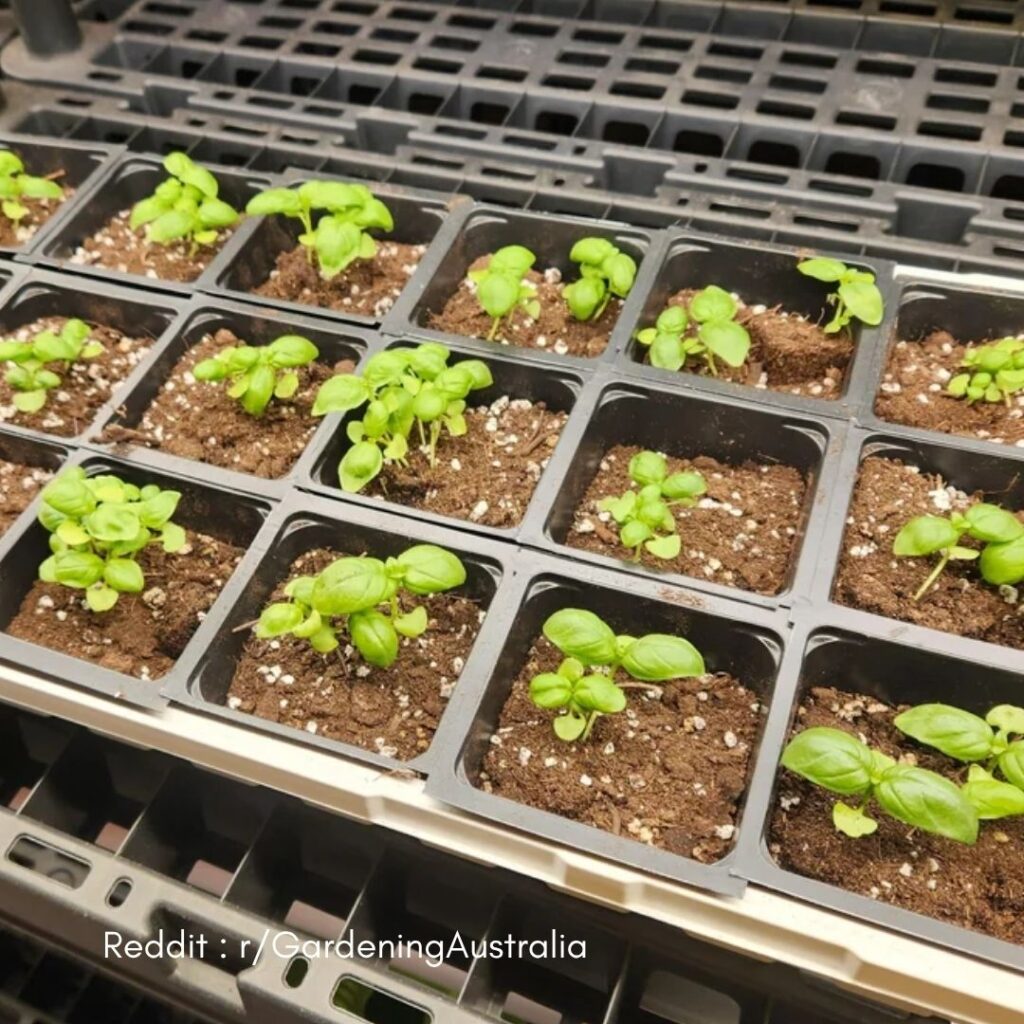
Keeping your basil plants healthy is easy if you give them the right care. Focus on proper watering and regular weeding to help them thrive.
Watering Requirements
Basil loves water but it doesn’t like soggy soil. I make sure to water my basil only when the top inch of soil feels dry. A good rule of thumb is to water deeply but infrequently. Early mornings are the best time to water, as this helps prevent leaf diseases.
It’s important not to wet the leaves to avoid fungal problems. Do you use a spray nozzle? Aim for the soil instead of drenching the whole plant. Keep a close eye on your basil during hot weather or droughts, as it might need more frequent watering. 💧
Weeding and Maintenance
Weeds compete with basil for nutrients and space, so I make sure to remove them regularly. Pulling weeds by hand is the best option to avoid disturbing the basil’s roots. Keeping a mulch layer around your plants helps suppress weeds and keeps the soil moist.
Pinching off the top leaves helps the plant grow bushier. I also trim any flowers that start to form, as this can make the basil flavor stronger. Do you have any tips to keep your basil plants thriving? Share in the comments! 🌿
Harvesting Basil
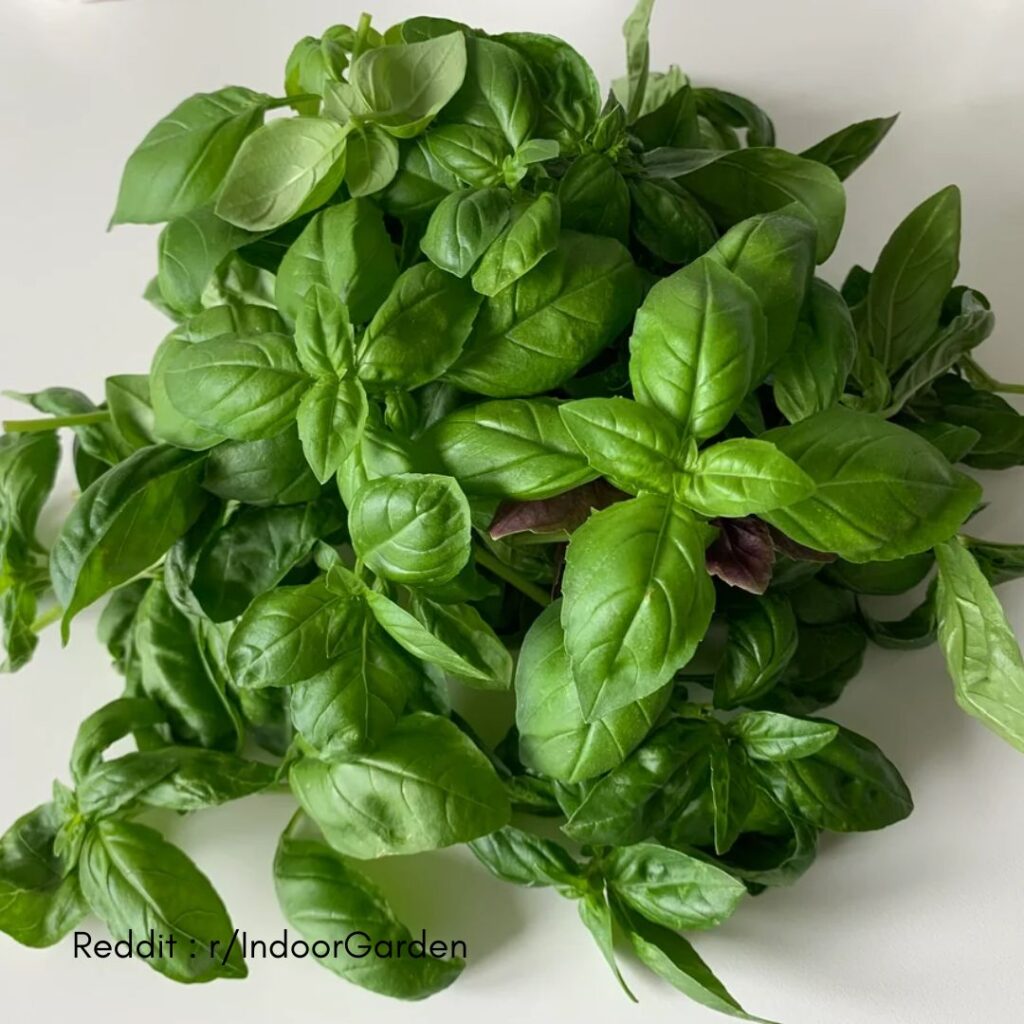
When it comes to harvesting basil, timing is key! 🌿
I like to start clipping my basil when the plant has at least 6-8 leaves. Don’t worry, it grows back fast! For the best flavor, harvest your basil in the morning after the dew has dried but before it gets too hot.
Tips for Harvesting:
- Use sharp scissors or garden shears to make clean cuts. This helps the plant recover faster.
- Cut just above a leaf node (where leaves grow from the stem). This will encourage the plant to grow more branches.
- Avoid taking more than a third of the plant at a time. This gives it enough leaves to keep growing strong.
Best Practices:
- Pinch off flowers: If your basil starts to flower, pinch them off. This keeps the plant focused on growing tasty leaves.
- Regular harvesting: The more you harvest, the more it will grow! So don’t be shy—regularly snip those leaves. 🌱✂️
Fun Idea:
Got a big harvest? Make some fresh pesto or dry the leaves for later use. 🍝
Do you have any favorite basil recipes or tips? Share them in the comments! Let’s grow together! 😊
Troubleshooting Common Issues
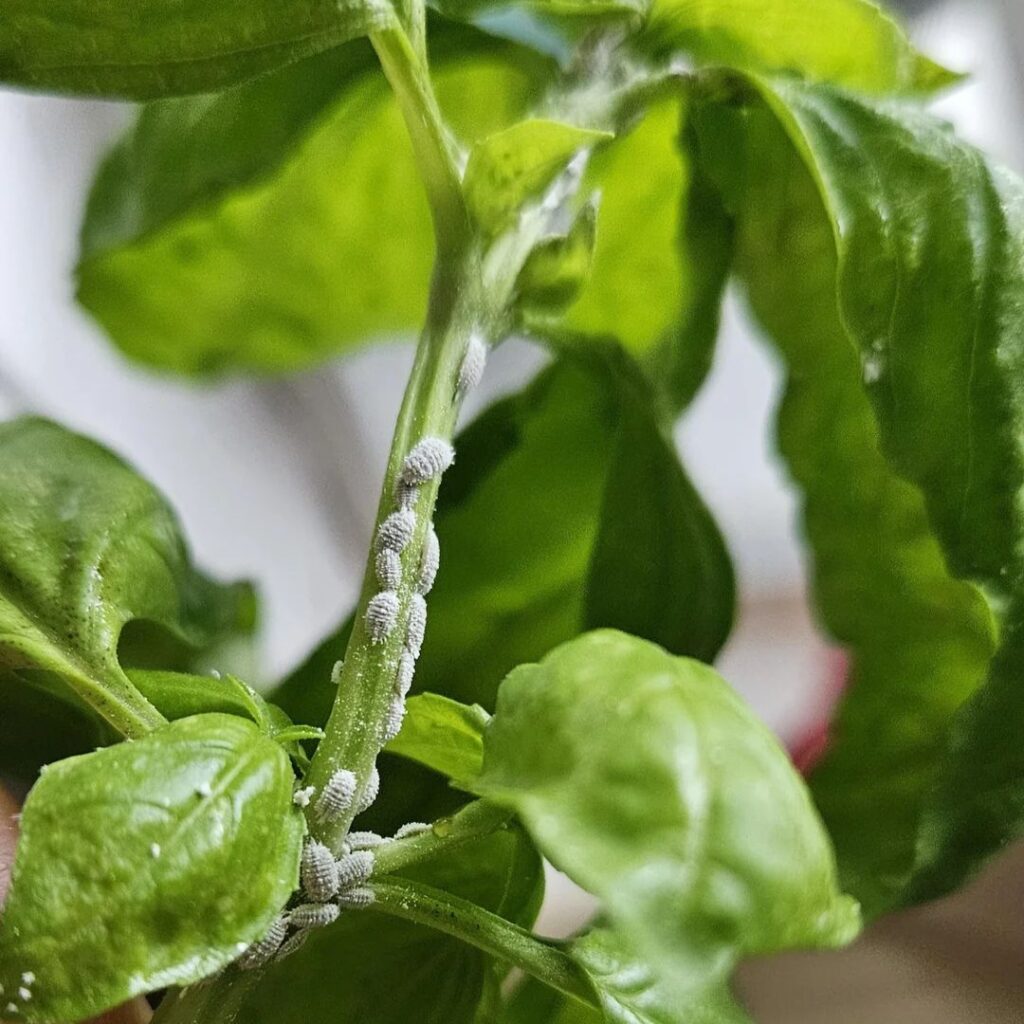
Plant spacing is crucial for healthy basil growth. But sometimes, things don’t go as planned. Let’s look at some common problems and how to fix them.
Pest Management
Basil often attracts pests like aphids, spider mites, and whiteflies. Are you seeing tiny bugs on your plants? 🤔 They might be aphids. I use a mixture of water and dish soap to spray on the leaves. This usually does the trick!
Another thing to watch for is spider mites. They leave tiny webs, and the leaves might turn yellow. Neem oil is effective here. Ever tried neem oil? It works like a charm. 🪴
Lastly, whiteflies can be a pain. They flutter around when you touch the plant. Yellow sticky traps can help catch these little pests. Got any other pest tips? Share them in the comments!
Disease Prevention
Basil can get sick if not spaced correctly. One common issue is downy mildew, which leaves yellow and brown spots on leaves. Ever seen this? I prune infected leaves and make sure my plants aren’t overcrowded.
Another problem is fusarium wilt, causing plants to wilt and die. This comes from contaminated soil. Rotating crops each year can help prevent this. It works for me! 🌱
Don’t forget about root rot, especially if you’re an over-waterer like I used to be! Make sure your pot has good drainage, and water only when the soil feels dry. Do you have any watering tips? Let’s discuss below!
Frequently Asked Questions
Basil plant spacing is crucial for healthy growth. Let’s cover some of the most common questions about how to space them, both in gardens and indoors. 🌿
How far apart should basil plants be spaced in a garden?
Basil plants should be spaced 12 to 18 inches apart. This gives each plant enough room to grow without overcrowding. By letting some air circulate, you can help prevent diseases and pests. Plus, it makes harvesting easier!
Can you grow basil in clusters, and if so, how does that affect spacing?
Yes, you can grow basil in clusters. If you choose to do so, space each cluster 6 to 8 inches apart. Clusters can make your garden look fuller and save space. Just ensure they’re not too crowded to avoid any fungal issues.
What’s the ideal number of basil plants to grow per square foot?
For a small garden space, you can fit about 2-3 basil plants per square foot. This spacing method works well if you’re using square foot gardening techniques. Each plant still gets enough nutrients from the soil.
How does basil plant spacing differ when grown in raised beds?
In raised beds, you might have richer soil and better drainage. So, you can plant basil closer together, about 8 to 10 inches apart. This optimized spacing helps maximize the use of your garden space while keeping plants healthy.
What is the recommended spacing for basil plants in warmer climates like Texas?
In warmer climates like Texas, space your basil plants 18 inches apart. The extra space helps air flow, keeping the plants cool and reducing the risk of heat stress. Hotter conditions can sometimes make plants grow more vigorously.
Does the spacing for basil plants change if you’re growing them indoors from seed?
When growing basil indoors from seed, start with a few seeds in each pot. As they grow, thin them out to keep 1-2 inches apart per plant. This way, each plant gets enough light and space to thrive. And, you’ll avoid the frustration of tangled roots! 🌱
Got tips or questions about basil? Share your thoughts in the comments! 🌿👇