
Struggling with your basil plant? You’re not alone! This herb is a kitchen favorite but can be a bit tricky to grow 🌿. Picture this: you’ve got your basil plant thriving on the windowsill, and suddenly, the leaves turn yellow or develop spots. Talk about frustrating!
Basil leaves turning yellow is often a sign of overwatering. Are you watering your plant too much? Dry, brown leaves? That’s a cue for underwatering. If you notice holes in the leaves, you might have a pest issue 🐛. Getting the watering right and keeping bugs at bay can make a big difference!
What’s your basil story? Have you faced any of these issues? Let’s chat in the comments below! I’d love to hear your tips and tricks for keeping basil happy and healthy 🌱✨.
Understanding Basil Plant Needs
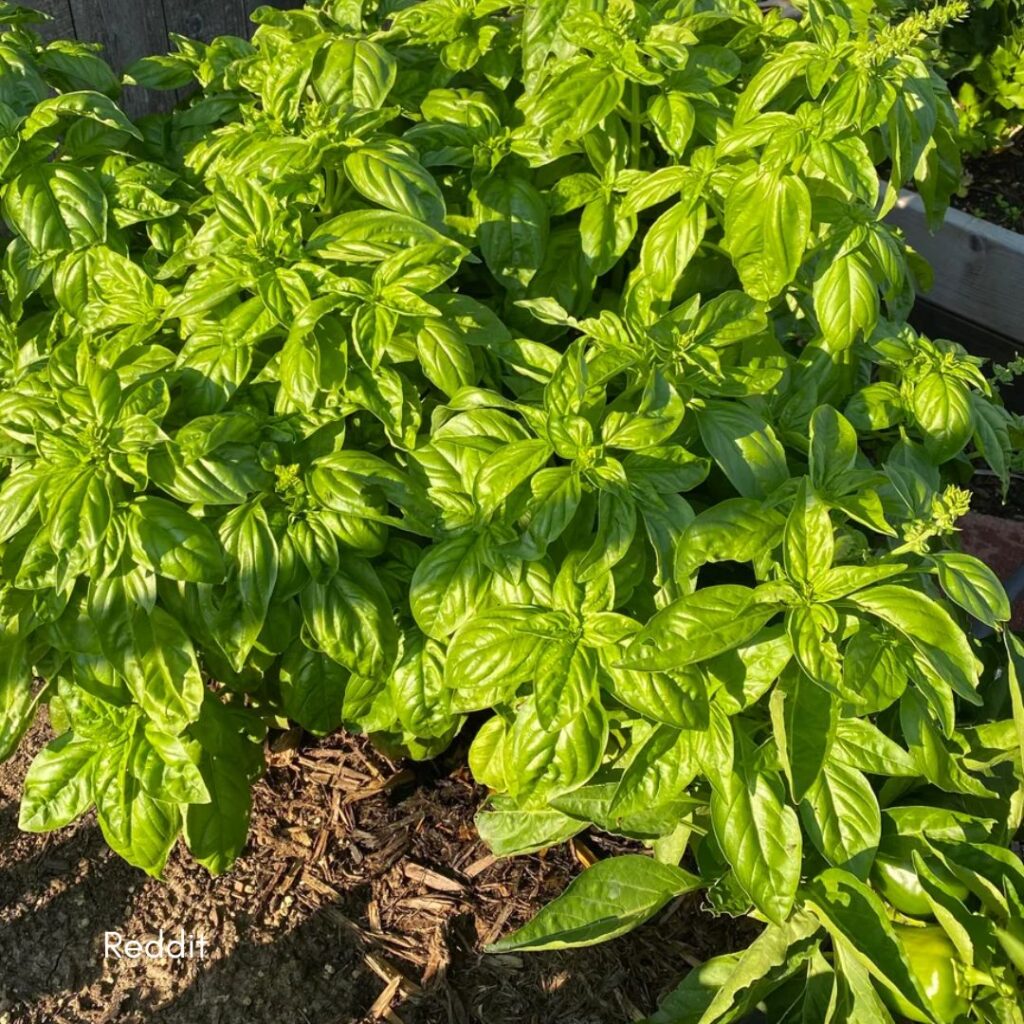
Basil plants thrive when given the right amount of light, nutrient-rich soil, and proper watering. Let’s break down what each of these involves to keep your basil looking and tasting its best.
Light Requirements
Basil loves sunlight. 🌞 Ideally, it needs about 6-8 hours of direct sunlight each day. If you’re growing it indoors, placing it near a sunny window is your best bet. Sometimes, I use a grow light to make sure my basil gets the light it needs, especially in winter.
Lack of light can make basil plants leggy and weak. So, watch for those tall, thin stems. If your basil isn’t getting enough sun, try moving it to a brighter spot. The leaves should look vibrant and green when it’s happy and healthy.
Soil Preferences
When it comes to soil, basil likes it rich and well-draining. A good soil mix contains a balance of nutrients without becoming too compact. I usually mix compost with regular potting soil to give my basil a boost. 🪴
Make sure your pot has drainage holes to avoid waterlogging. Soggy soil can cause root rot, and no one wants that! The soil should feel slightly moist to the touch. If it’s dry, it’s time to water; if it’s wet, hold off for a bit.
Watering Techniques
Getting the watering right is crucial. I water my basil deeply about once a week, making sure the water reaches the roots. When the top inch of soil feels dry, it’s time for a drink. 🌿
Avoid getting the leaves wet. Wet leaves can lead to fungal issues, which we definitely don’t want. Instead, water at the base of the plant. A good soaker hose or watering can with a narrow spout works well for this.
What’s your method for keeping basil plants happy? Let’s chat in the comments! 😊
Common Basil Plant Problems
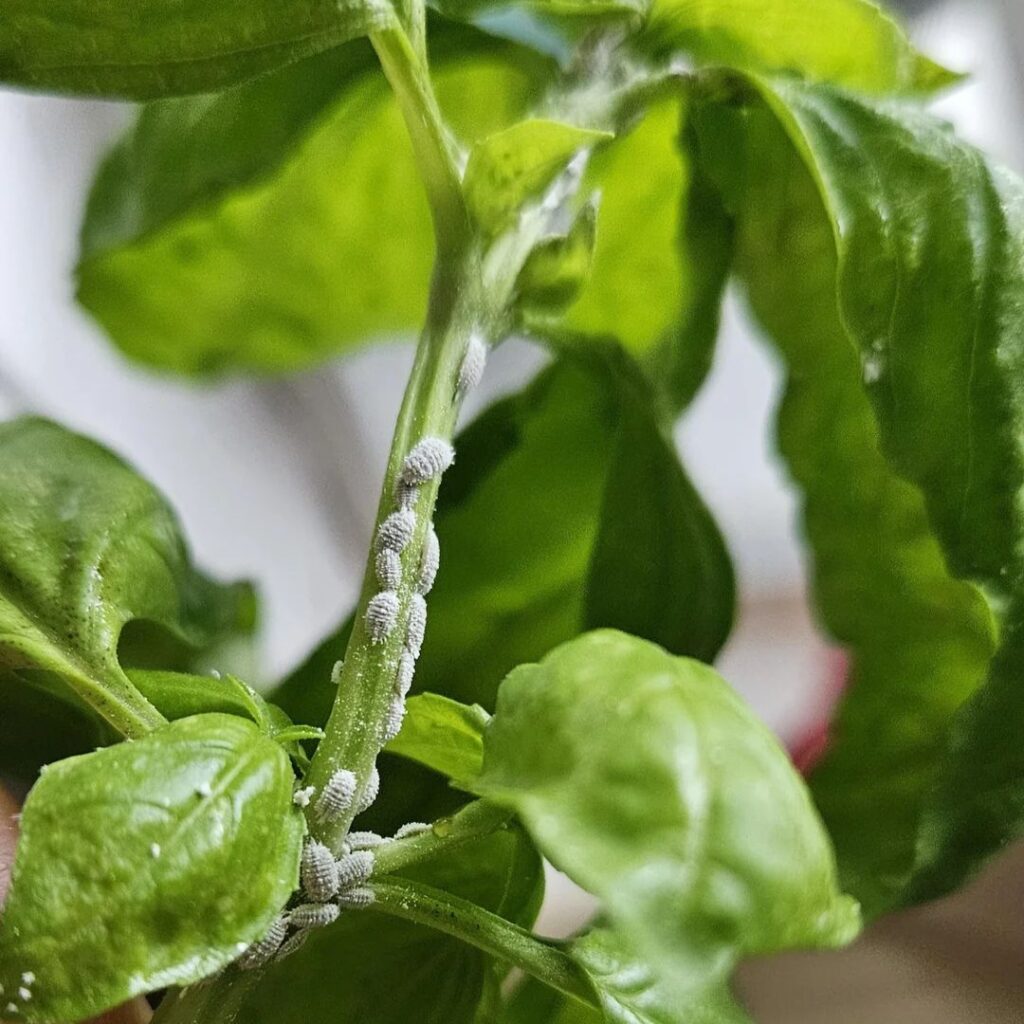
Basil plants can face a few common problems that might affect their growth and health. 🌿 Let’s take a closer look at pests and diseases that can trouble your basil.
Pests
Basil can attract several pests that might munch on its leaves or suck its juices. Have you ever seen tiny holes or spots on your basil leaves? This could be the work of aphids, spider mites, or whiteflies. They’re so small, but their damage isn’t!
To keep these pests at bay, you might try natural predators like ladybugs. 🌼 You can also make a simple soapy water spray to keep them off. Have you used one of these methods before?
Slugs and snails can also be a problem, especially if you grow basil outdoors. They love cool, damp conditions and will munch on the leaves. I usually check my garden early in the morning or after it rains to catch them in the act! 🐌
Diseases
Basil is also prone to some diseases. One common issue is downy mildew, which shows up as yellow spots on the leaves and grey fuzz underneath. It can spread quickly and ruin a whole plant. Powdery mildew is another fungal problem that leaves a white powder on the leaves.
To prevent these, make sure your plants have good air circulation. Water the soil, not the leaves, to keep them dry. If you see infected leaves, remove them right away to stop the spread.
Another thing to look out for is root rot, often caused by overwatering. The roots get too wet and start to rot, leading the plant to wilt and die. Be sure to plant basil in well-draining soil and water it when the top inch is dry. 🌱
What methods have you tried to keep your basil healthy? Share your experiences in the comments! 🌿✨
Environmental Stressors
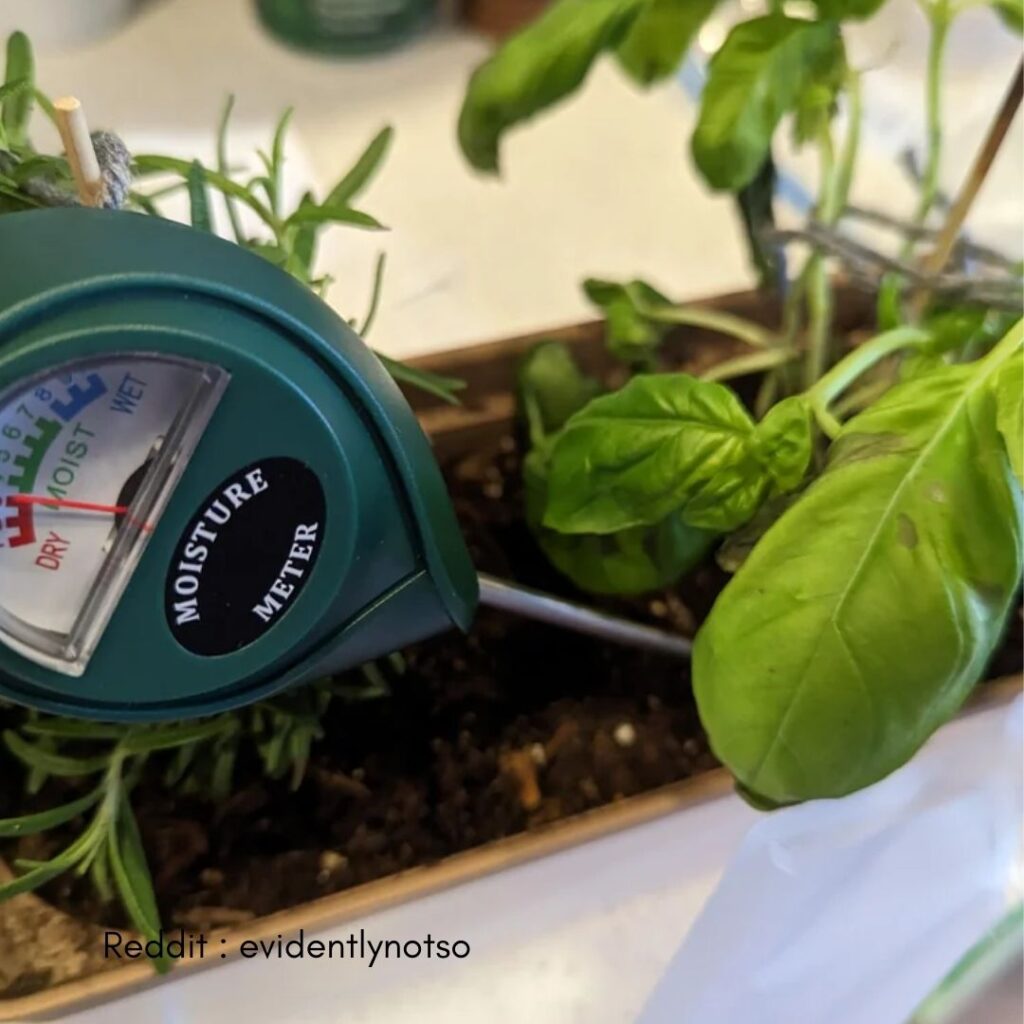
Basil plants can face issues due to environmental factors. Key challenges include sudden temperature changes and inappropriate humidity levels.
Temperature Fluctuations
Basil loves warm weather. Ideally, it thrives in temperatures between 70°F to 85°F. 🥵 Sudden drops below 50°F can stress the plant and stunt its growth. Have you noticed your basil looking sad after a chilly night? It might be because of the cold.
To keep your plant happy, bring it indoors when temperatures drop. 🌡️ Also, if it’s too hot, basil leaves may wilt. You can provide some shade during the hottest part of the day. Do you have any tricks for controlling temperature?
Humidity Concerns
Basil needs moderate humidity. It doesn’t like it too dry or too wet. Dry air can cause leaves to curl, while too much moisture leads to fungal diseases. Have you ever seen black spots on your basil leaves? That could be due to high humidity.
You can use a spray bottle to mist the leaves if the air is dry. Also, placing a tray of water near the plant can help maintain humidity. 🥰 How do you manage humidity for your basil? Share your thoughts in the comments!
Feel free to drop any other questions or experiences below. 🌱✨
Nutrient Deficiencies and Soil Issues
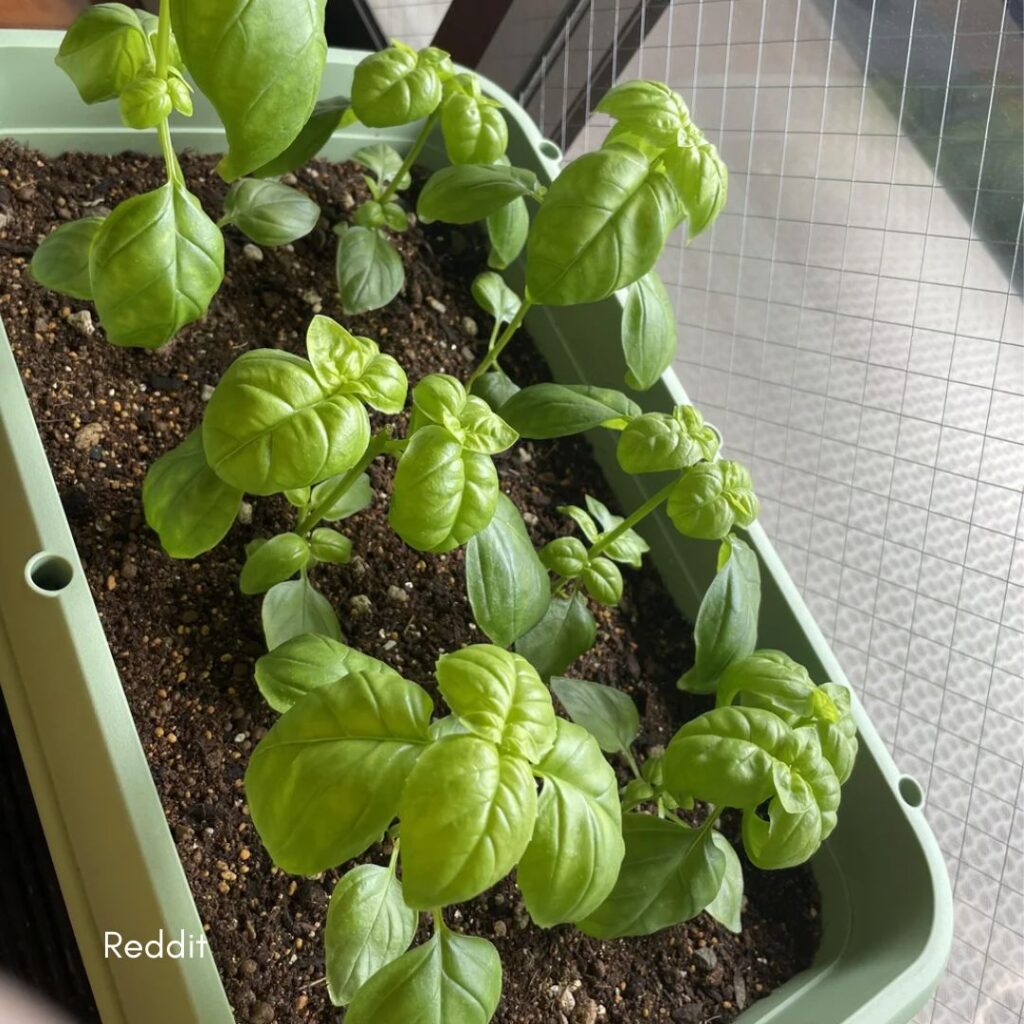
Basil plants can struggle if they don’t get enough nutrients or if their soil isn’t right. Let’s dive deeper into the two main concerns: nitrogen shortage and pH imbalances.
Nitrogen Shortage
Nitrogen is super important for basil. When there’s not enough, leaves can turn yellow and the plant can look weak. Think of it like us skipping breakfast—it just doesn’t feel good. 🌿
A quick fix? You can use a nitrogen-rich fertilizer. Just follow the instructions on the package. Even better, mix in some compost to your soil to give the plant a natural boost.
If you don’t treat nitrogen shortage, your basil won’t grow well. So, keep an eye on those leaves! Got any questions about nitrogen? Drop them in the comments! 😊
pH Imbalances
Basil likes soil that’s just right—not too acidic and not too alkaline. If the soil pH is off, the plant won’t be able to absorb nutrients properly. Imagine trying to drink a smoothie through a clogged straw. 🥲
To check the pH, you can use a soil pH test kit. Ideal pH for basil is between 6.0 and 7.5. If it’s too low, add some lime. Too high? Mix in a bit of sulfur.
Have you ever tested your soil’s pH? It’s kind of like a science experiment right in your garden! Feel free to share your experiences below. 🌱
Improper Pruning Techniques
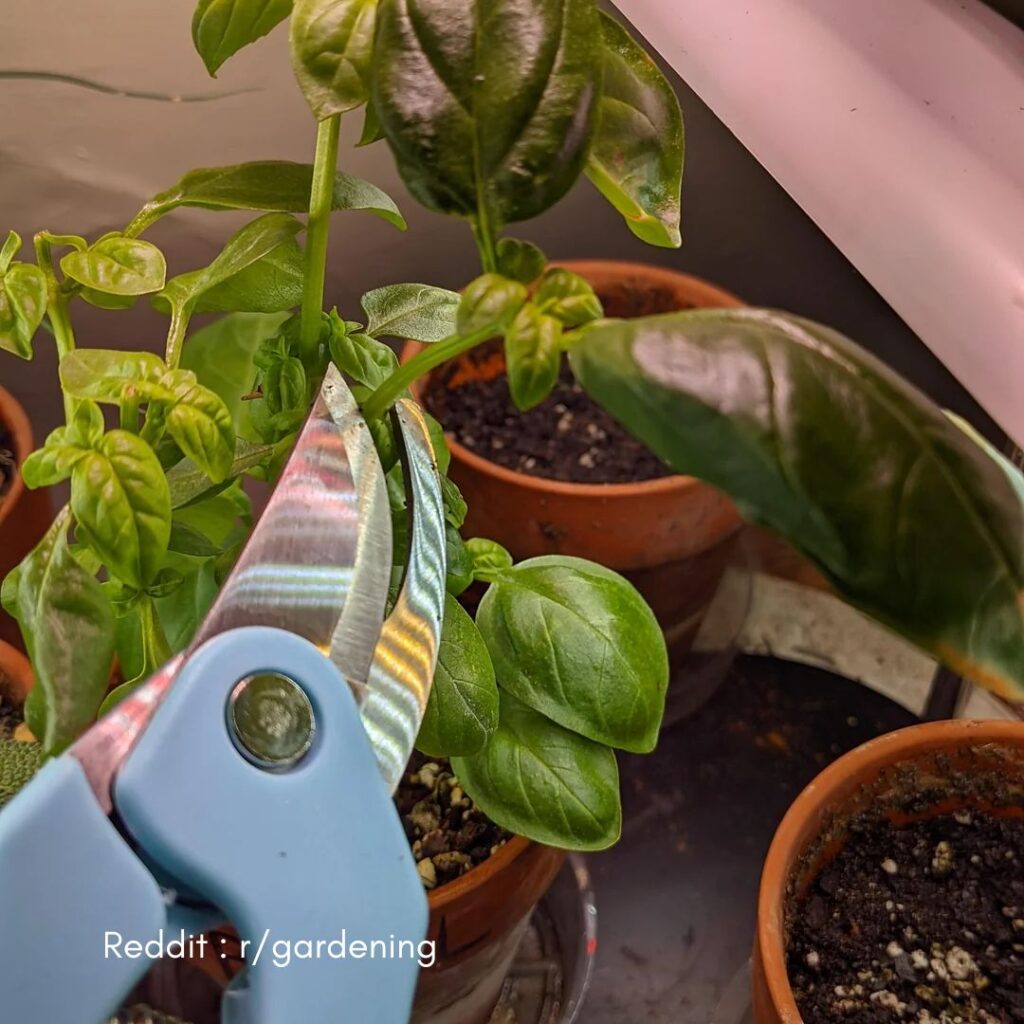
Improper pruning can really hurt your basil plant. If you cut too much, you might shock the plant. Ever tried to give a haircut and ended up with a chopped mess? Yep, same thing here!
Top-heavy pruning is a common mistake. If you prune only the top leaves, the plant can become lopsided and might even topple. Always aim for a balanced look.
Pruning with dull scissors? 🚫 That’s a no-no. Dull tools can tear the leaves and stems, causing more harm than good. Keep those blades sharp, folks!
Have you ever pruned too low? Cutting below the leaf node can prevent new leaves from sprouting. Make sure to cut above the nodes so the plant can regrow.
Don’t forget to pinch the flowers. If you let your basil plant flower, it can lose its flavor. Who wants bland basil in their pasta? 🍝
A quick tip: Prune in the morning! Plants are more hydrated and can recover faster. 🌿
What pruning mistakes have you made? Share your stories in the comments!
Overcrowding and Poor Air Circulation
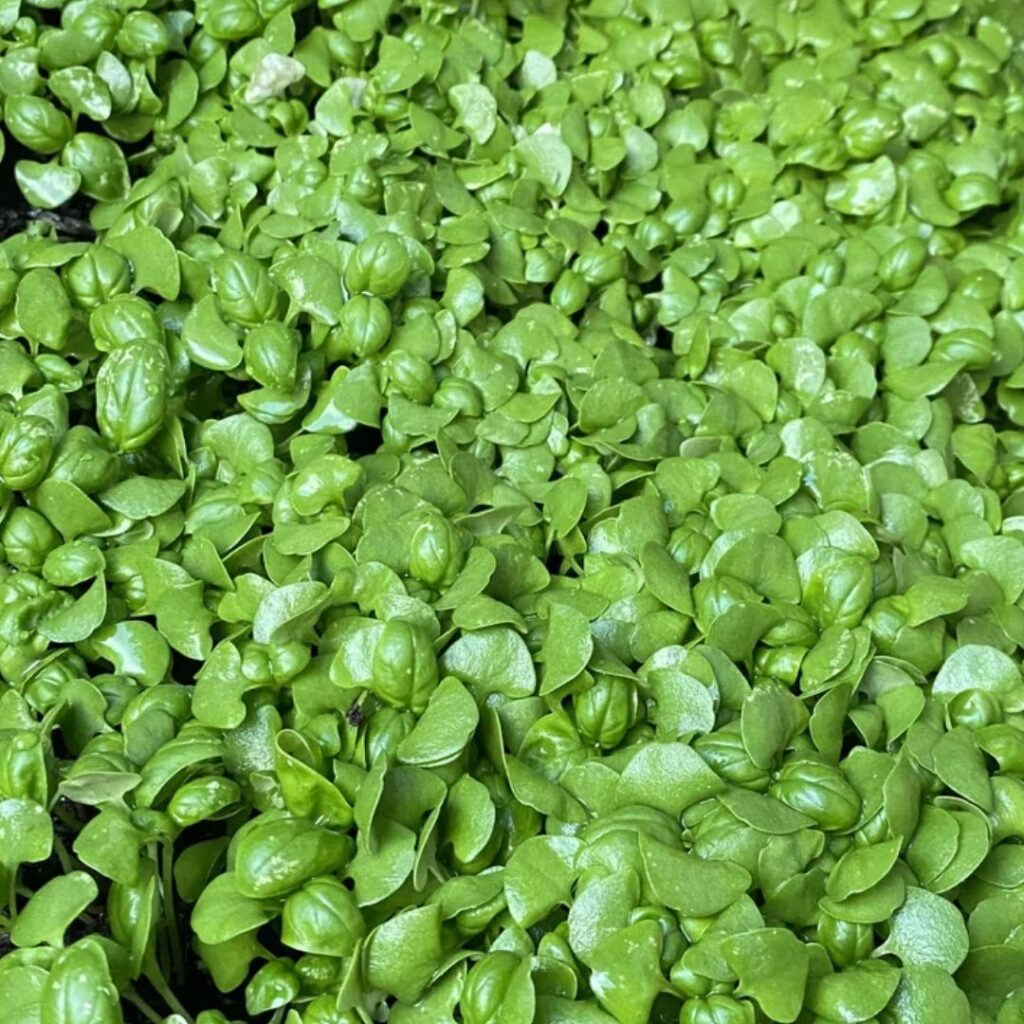
Has your basil plant ever looked like it’s struggling, even though you’re giving it plenty of love? 🌿 It might be overcrowding or poor air circulation!
When too many plants are in one pot or space, they can battle for nutrients and water. It’s like trying to share one pizza with ten friends.
Plants also need space for air to flow. Tight spaces don’t let air move, and that can lead to problems like mold or wilting.
I found that keeping about 6 inches between each basil plant works great for me. This way, they get all they need without fighting with each other. 🥊
Ever tried to get fresh air while packed in a crowded room? 🌬️ That’s how your basil feels in a jam-packed pot. Give them some space and watch them thrive!
Remember to thin out your plants if they start getting too close. Happy plants mean happy meals with fresh basil for your cooking! 🍝✨
Got any tips on keeping your basil happy? Share in the comments; I’d love to hear them!
Watering Mishaps

Getting the watering right for your basil plant is crucial. Too much or too little water can cause serious problems.
Overwatering
Overwatering is a common mistake. Basil needs well-drained soil, and waterlogged roots can rot quickly.
To prevent this, always check the soil before you water. Stick your finger about an inch into the soil. If it feels damp, wait a day or two before watering again. Using pots with drainage holes can also help.
Symptoms of overwatering include yellow leaves and a musty smell. Seen those signs? 🌿 Move your basil plant to a drier spot and cut back on watering. Let your basil recover, and it should bounce back!
Got any funny stories about overwatering? Share them below! 😊
Underwatering
Underwatering can be just as bad. Basil needs consistent moisture without being soggy. If the top inch of soil is dry, it’s time to water.
Symptoms of underwatering include wilting and dry, crispy leaves. I know it’s tempting to set a watering schedule and forget it, but trust me, your basil will thank you for paying attention!
To fix dry soil, water thoroughly until it drains from the bottom of the pot. Repeat as needed. Remember, a healthy basil plant is a happy basil plant! 🌱
Ever had a near-death experience with your basil due to underwatering? Tell me about it!
Preventative Measures and Daily Care

Caring for a basil plant isn’t too hard if you follow some simple tips.
First, water it regularly. Basil likes to be moist but not soggy. Too much water can cause root rot.
Next, make sure it gets plenty of sunlight. Basil thrives in 6-8 hours of sun each day. 😎
Consider the soil. Use well-draining soil. If you’re using a pot, make sure it has drainage holes to prevent water from pooling.
Pruning is key! Snip the tops when the plant gets 6 inches tall to encourage bushier growth. ✂️ This also helps to stop it from flowering too soon. 🌿
Keep an eye on pests like aphids and spider mites. If you see any, try using a natural insecticidal soap.
How’s your basil doing? Got any tips or funny stories? 🌱 Leave a comment below!
Frequently Asked Questions
Growing basil can be rewarding, but it comes with challenges like yellow leaves, overwatering signs, and pest problems. Let’s get to the bottom of these common issues and keep your basil thriving! 🌿✨
What are the common issues when growing basil indoors?
Indoors, basil can face problems like insufficient light, poor air circulation, and pests like aphids. Make sure your basil gets at least 6 hours of sunlight or use a grow light. Also, keep the plant in a well-ventilated area to avoid issues.
How can I identify and treat yellow leaves on my basil plant?
Yellow leaves can mean overwatering, lack of nutrients, or pests. Check if the soil drains well and reduce watering if it’s too soggy. Fertilize with a balanced plant food and inspect for any pests munching on your plant.
What are the signs of overwatering in basil plants?
Overwatered basil often has droopy leaves, yellowing, and a musty smell from the soil. If you notice these, let the soil dry out completely before watering again. Ensure there are drainage holes in the pot to prevent water from sitting at the bottom.
How to recognize and manage downy mildew on basil?
Downy mildew shows up as yellow patches on the top side of leaves and gray fuzz underneath. Trim affected areas immediately and increase airflow around the plant. You might need to use an organic fungicide if it persists.
What could cause grey spots on my basil leaves?
Grey spots can be a sign of fungal infections, often caused by high humidity or too much moisture. Cut off the affected leaves and water the plant early in the day to ensure leaves dry out before nightfall. Make sure the basil gets plenty of sunlight too.
Which pests frequently affect basil plants and how can I deal with them?
Common pests include aphids, spider mites, and whiteflies. These tiny bugs can damage leaves and stunt growth. Use a mild soap solution or neem oil spray to deal with them. Regularly check the undersides of leaves to catch an infestation early.
Got more basil questions? Drop them in the comments! Let’s grow together! 🌱💬