
Looking to grow your own fresh herbs at home? Let me introduce you to the basil plant pot! 🌿 There’s nothing like having fresh basil right at your fingertips. Cultivating basil in a pot is super convenient and perfect for small spaces, like your kitchen windowsill or balcony. Plus, it smells amazing!
Imagine picking fresh basil leaves to add to your favorite recipes. 🍝 Pesto, caprese salad, or even a simple pizza get an instant upgrade. It’s easy to care for and grows quickly, so you can start harvesting in no time. Do you have a favorite basil dish? I’d love to hear about it in the comments!
Growing basil is satisfying and rewarding. You won’t need a green thumb to succeed either. Just follow a few simple steps, and you’ll have lush, healthy basil plants. What are you waiting for? Start your herb garden today! 🌱**
Choosing the Right Basil Plant
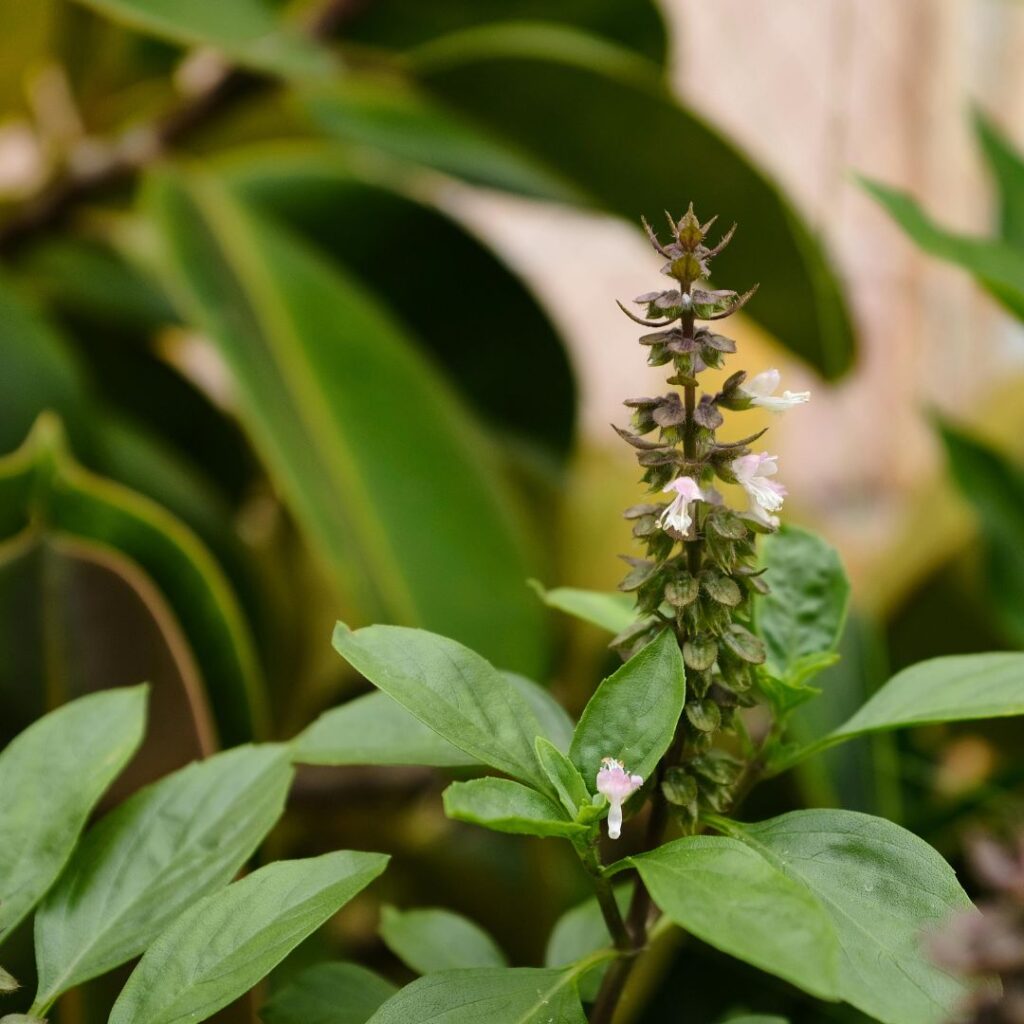
When picking a basil plant, it’s important to think about the type of basil and the plant’s size and health. This ensures a garden full of delicious herbs 🌿.
Types of Basil
There are many kinds of basil to choose from. Sweet basil is the most popular and is perfect for making pesto or adding to pasta dishes. Genovese basil has larger leaves and a stronger flavor. If you like a touch of spice, try Thai basil, which has a hint of anise.
Holy basil is another variety that has spiritual and medicinal uses in many cultures. Not only do different basil types add variety to your dishes, but they also make your herb garden more interesting! Which type sounds the most exciting to you?
Plant Size and Health
When selecting a basil plant, I always check for healthy, bright green leaves. If the leaves are yellow or have spots, the plant might be sick.
The plant should also be bushy and not too tall. A bushy plant often means it’s growing well and will produce a lot of leaves. I gently touch the soil to make sure it’s not too dry or too wet; balanced moisture is key. 🌱
A strong aroma is a good sign too. If you crush a leaf and it smells great, you’re likely picking a healthful basil! Got any favorite tips for choosing healthy plants? Share them below! 😊
Selecting the Ideal Pot
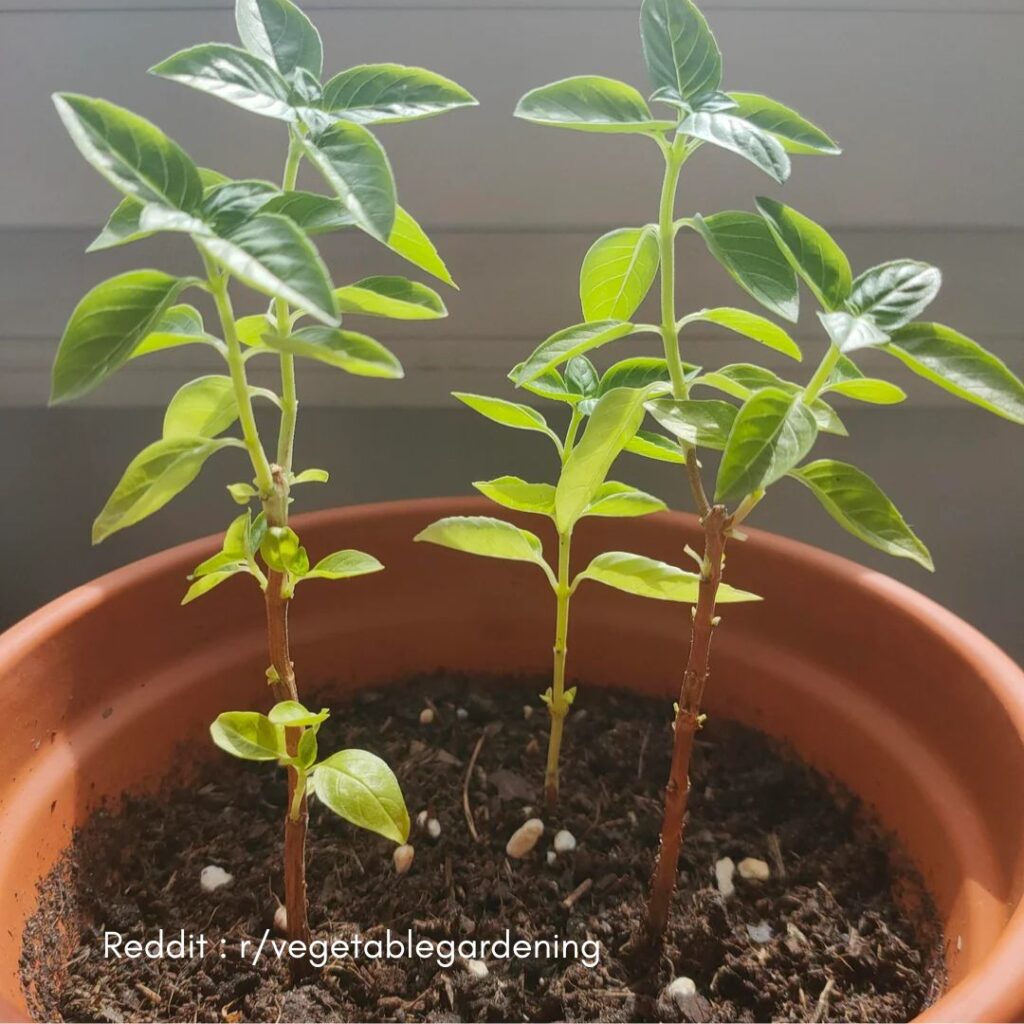
Choosing the right pot for your basil plant can make a big difference in its growth and health. Let’s take a look at the best materials and sizes with proper drainage to give your basil the best start 🌱.
Pot Material
When it comes to pot material, there are a few options:
- Terracotta: This is my top choice. It’s breathable and helps the soil dry out, which is perfect for basil. Bonus: It looks super chic! 🌿
- Plastic: Lightweight and inexpensive, but be careful as it might not dry out as quickly. It can be handy for those who like to move their plants around.
- Ceramic: These pots are stylish and can add a pop of color. Just ensure they have a drainage hole.
What’s your favorite type of pot? Share in the comments! 😊
Size and Drainage
Size and drainage are crucial for a basil plant:
- Size: A pot with a diameter of 6-8 inches is ideal. This gives the basil enough room to grow its roots. Don’t go too big though; it might drown the plant in excess soil.
- Drainage: Drainage holes are a must! Basil doesn’t like soggy feet. You can also put small stones at the bottom to improve drainage.
Remember, a well-drained pot with the right size can keep your basil healthy and happy 🌿. Got any tips on pot selection? Let me know in the comments!
Potting Soil and Fertilization
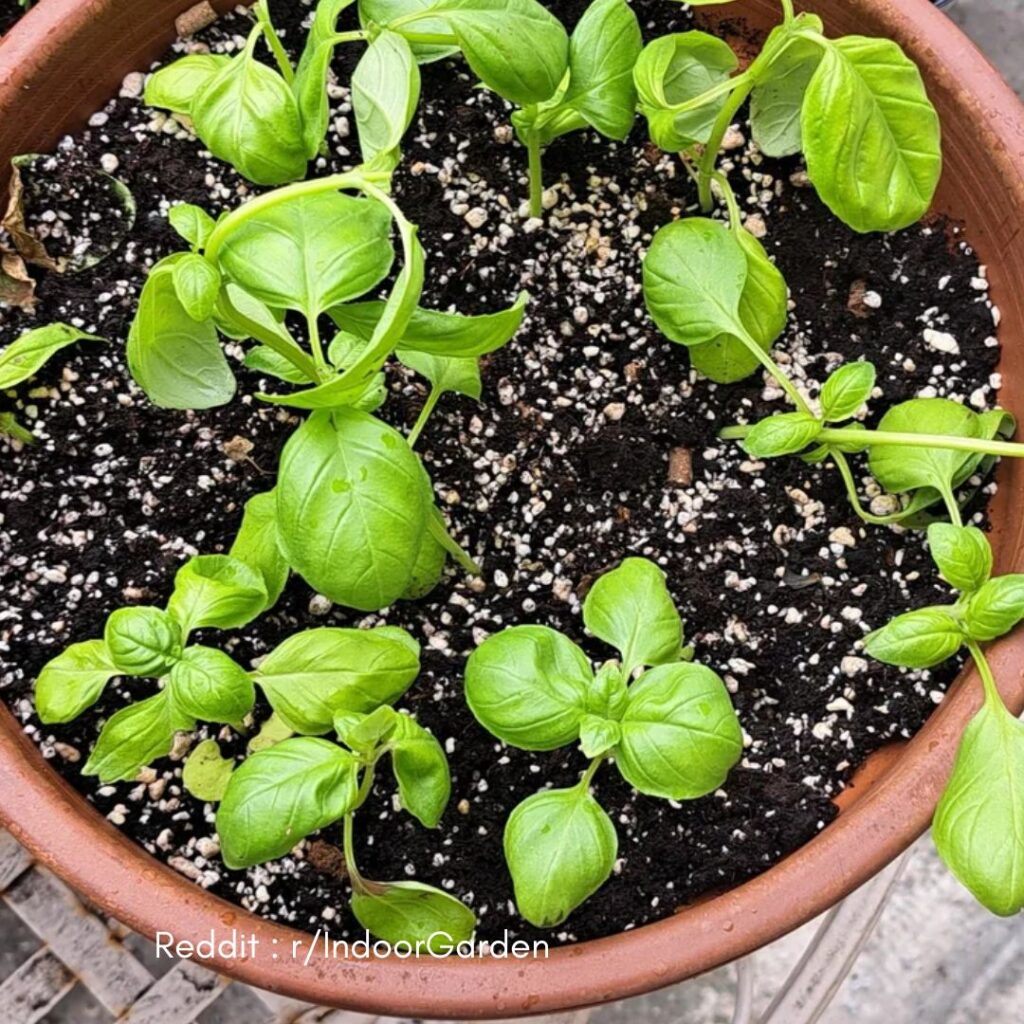
When growing a basil plant in a pot, it’s key to choose the right soil and fertilizer. It ensures your basil grows healthy and strong. Let’s dig in! 🌱
Soil Composition
Basil plants thrive in well-draining soil. I like to use a mix of potting soil, compost, and perlite. The potting soil provides the base, compost adds nutrients, and perlite improves drainage. This mix helps avoid soggy roots, which basil hates.
Would you believe that good soil can make a huge difference? The pH level should be slightly acidic to neutral, around 6.0 to 7.0. I always make sure my soil is loose and airy to let the roots breathe. Do you have any favorite soil mixes for your plants? 🌿
Fertilizer Types
Using the right fertilizer keeps your basil lush and green. I prefer a balanced liquid fertilizer like 10-10-10 (N-P-K) every 4-6 weeks. This way, my basil gets steady nutrients without overloading.
Another option is using organic fertilizers like fish emulsion or seaweed extract. They provide natural nutrients and improve soil health. Just follow the package directions to avoid over-fertilizing.
Ever tried sprinkling a bit of compost on your basil? It’s a simple way to boost nutrients naturally. What methods do you use to keep your basil thriving? 🌞
Don’t forget to water after feeding your plant to help nutrients soak in. Are you excited to see your basil pots flourish? Share your tips and experiences in the comments! I’d love to hear them! 🌿🌟
Planting Your Basil
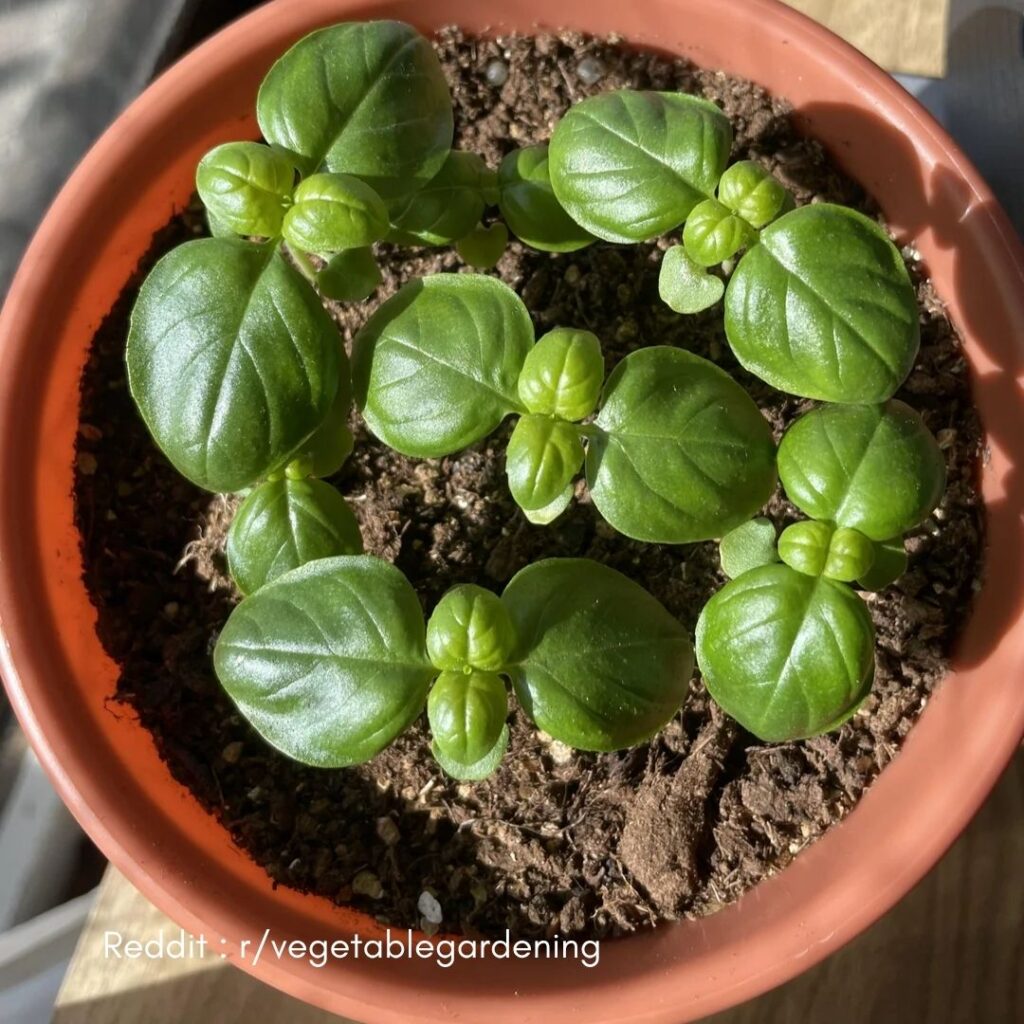
This part is all about getting your basil started right, from setting up your pot to moving your seedlings.
Pot Preparation
First things first, choose the right pot. Basil loves well-drained soil. Pick a pot with drainage holes to avoid waterlogging, which can lead to root rot. I like to use a pot that’s at least 8 inches deep and equally wide. A pot this size allows enough room for the roots to spread and for the plant to grow well.
Next, add some potting soil. Don’t just use dirt from your garden; it’s often too heavy and can compact in a pot. Instead, go for a light, well-draining mix. You can find special herb mixes at the garden store that are ideal for basil.
Want to give your basil a head start? Mix in a bit of organic compost or a balanced, all-purpose fertilizer. This will provide the nutrients your plant needs to thrive. 🌱
Transplanting Seedlings
Got some tiny basil seedlings ready to go? Awesome! Start by watering the seedlings an hour before transplanting. This makes it easier to move them without causing stress. Carefully lift each seedling out, trying not to damage the roots.
Dig a small hole in your prepared potting soil, just big enough for the seedling’s root ball. Place the seedling into the hole and gently fill in around it, pressing the soil lightly to secure it. Be sure not to cover the seedling too deep; keep the root crown at soil level.
Water gently after planting, but don’t drown them. Basil likes moist soil, but not soggy ground. Keep the pot in a sunny spot – 6-8 hours of sunlight a day is perfect.
Do you have any tips for growing basil? Drop them in the comments below! 🌿✨
Basil Plant Care
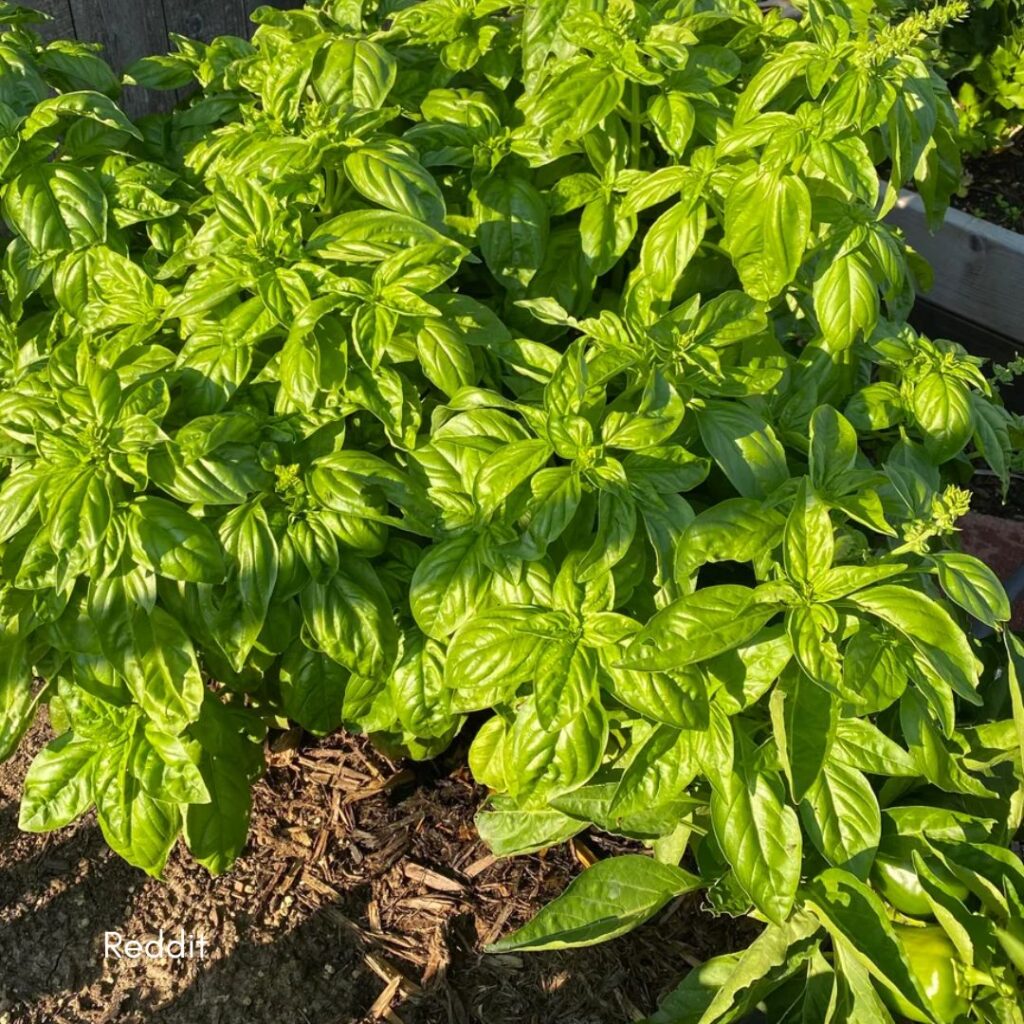
Taking care of a basil plant is simple once you know the basics. Keep it well-watered, provide plenty of sunlight, and trim it regularly for the best growth. Let’s dive in! 🌱
Watering Techniques
The key to watering basil is keeping the soil moist but not waterlogged. I usually water my plant once the top inch of soil feels dry. Too much water can drown the roots, causing rot.
I use a watering can with a fine spout to avoid splashing on the leaves, which can lead to mold. If you’re unsure, stick your finger into the soil. If it’s dry up to your first knuckle, it’s time to water!
Sunlight and Temperature
Basil loves sunlight—at least 6 to 8 hours a day. I keep my plant near a sunny window or outside where it can soak up the rays. If you don’t have a sunny spot, a grow light can help.
As for temperature, basil prefers warm weather, around 70-85°F. If it gets too cold (below 50°F), the plant may struggle. I bring my basil inside during cooler nights to keep it happy.
Pruning and Harvesting
Regular pruning helps basil grow bushier and healthier. I snip off the top sets of leaves once the plant is about 6 inches tall. This encourages more growth and keeps the plant looking lush.
When harvesting, I pinch off the leaves just above a leaf node (where two leaves grow out of the stem). This way, new branches will grow right where you made the cut! 🌿 Share your best basil growing tips in the comments! 📝
Pest and Disease Management
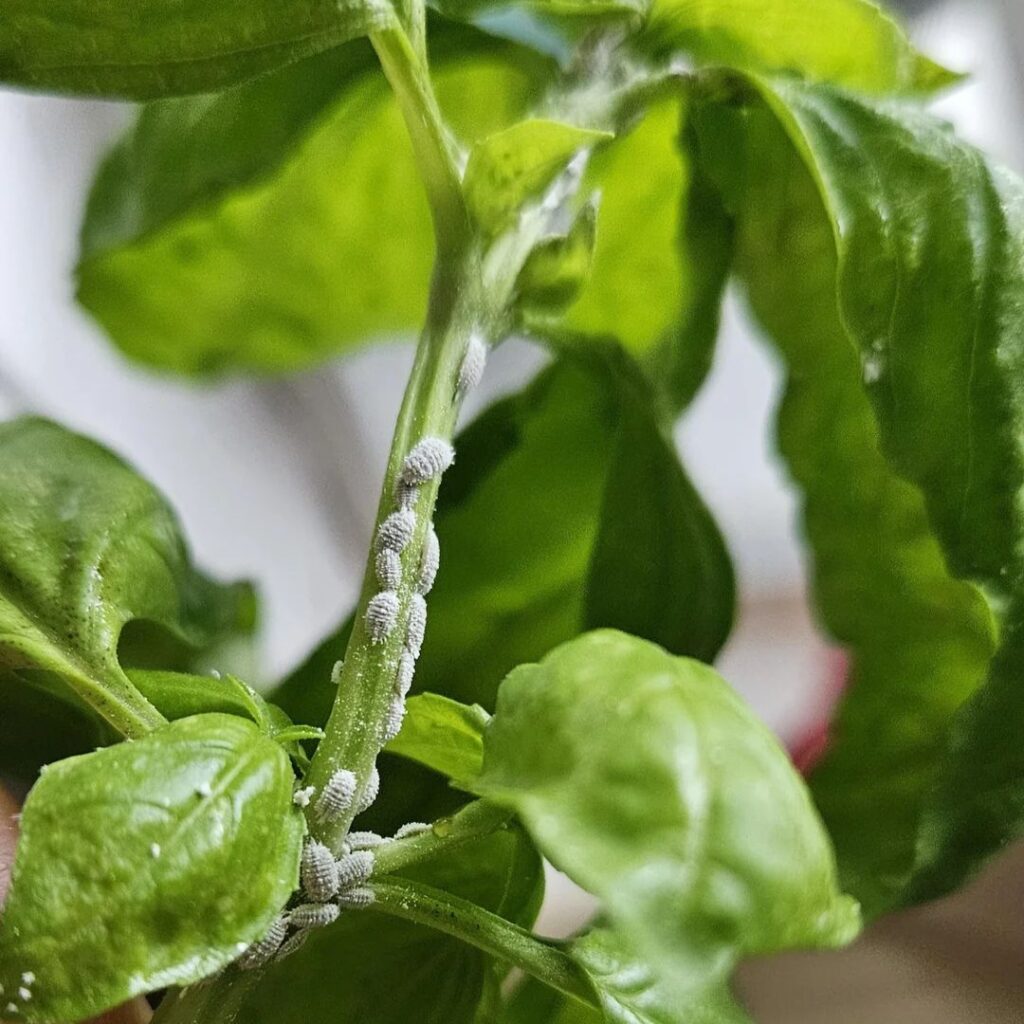
Keeping a basil plant healthy means dealing with pests and diseases. Here are some tips to help your basil thrive.
Common Pests
Basil often attracts aphids, whiteflies, and spider mites. These tiny bugs can harm the plant by sucking its sap and spreading diseases.
To control them, I first try hand-picking when I spot them. Using a mild soapy water spray on the leaves also helps. Be sure to wash the plant with clean water afterward to avoid soap buildup.
Natural predators like ladybugs can also help keep these pests in check. 🐞 Have you noticed any of these pests on your basil?
Disease Prevention
Basil can suffer from diseases like downy mildew and fusarium wilt. Downy mildew shows up as yellow spots on the leaves, while fusarium wilt causes the plant to droop and die.
To prevent these, I make sure my basil gets good air circulation and avoid watering the leaves directly. Using clean, sterilized soil can also prevent disease spread.
Removing infected leaves quickly and disposing of them far from the garden helps too. 🍃 How do you keep your basil plant healthy? Share your tips!
Seasonal Considerations
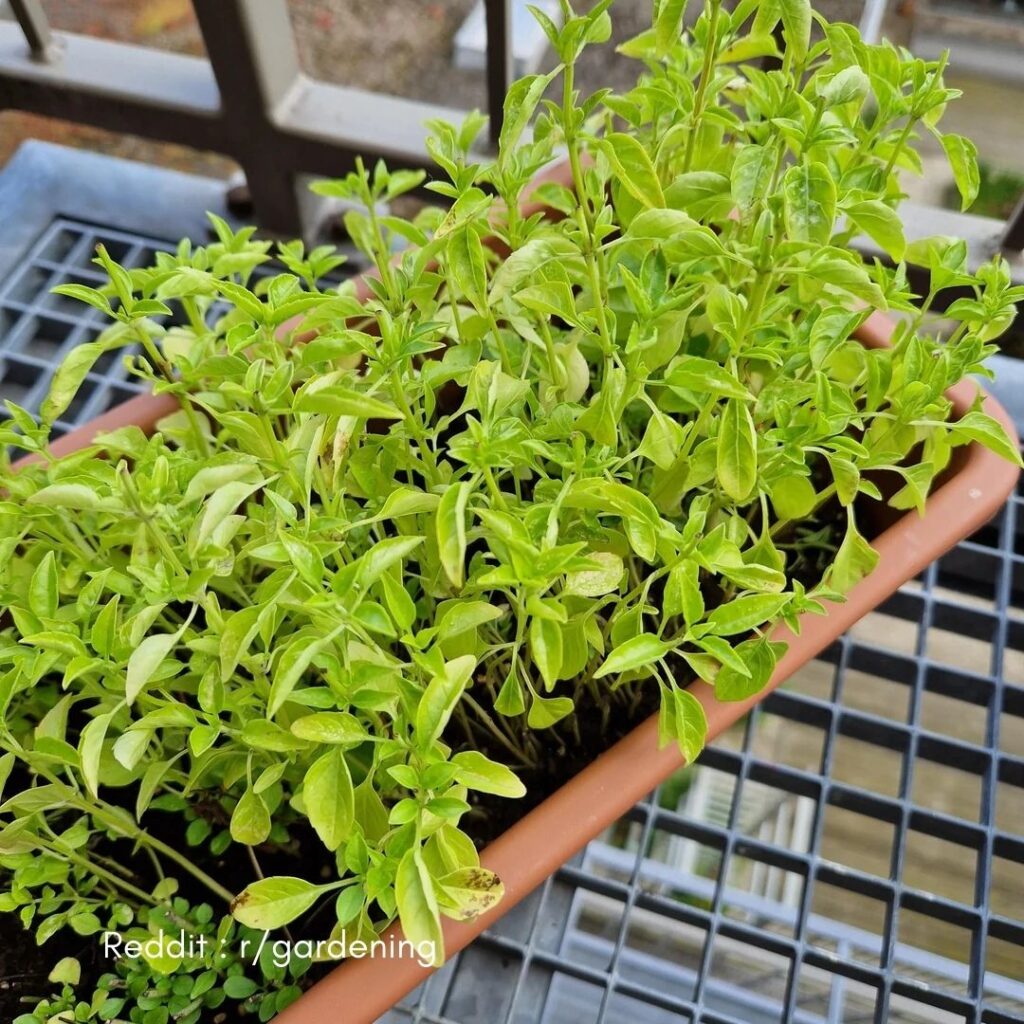
Basil plants need a lot of sun and warmth to thrive. When the colder months come, special care is required to keep your basil healthy.
Overwintering Basil Plants
As winter approaches, it’s crucial to prepare your basil plant. ❄️ First, bring your plant inside before the first frost. Did you know that basil is super sensitive to cold?
Next, place your plant in a sunny window. Basil loves light and needs at least 6 hours of sunlight each day. 🌞 Use a grow light if natural light is not enough.
Watering is also vital. Keep the soil moist, but not waterlogged. Too much water can rot the roots. Use a well-draining pot to help with this.
Are you worried about pests? Indoor plants can still attract them. Check your plants often for bugs and treat them with natural remedies if needed.
What challenges have you faced with your basil in winter? Share your tips and stories in the comments! 🌿😊
Repotting and Propagation
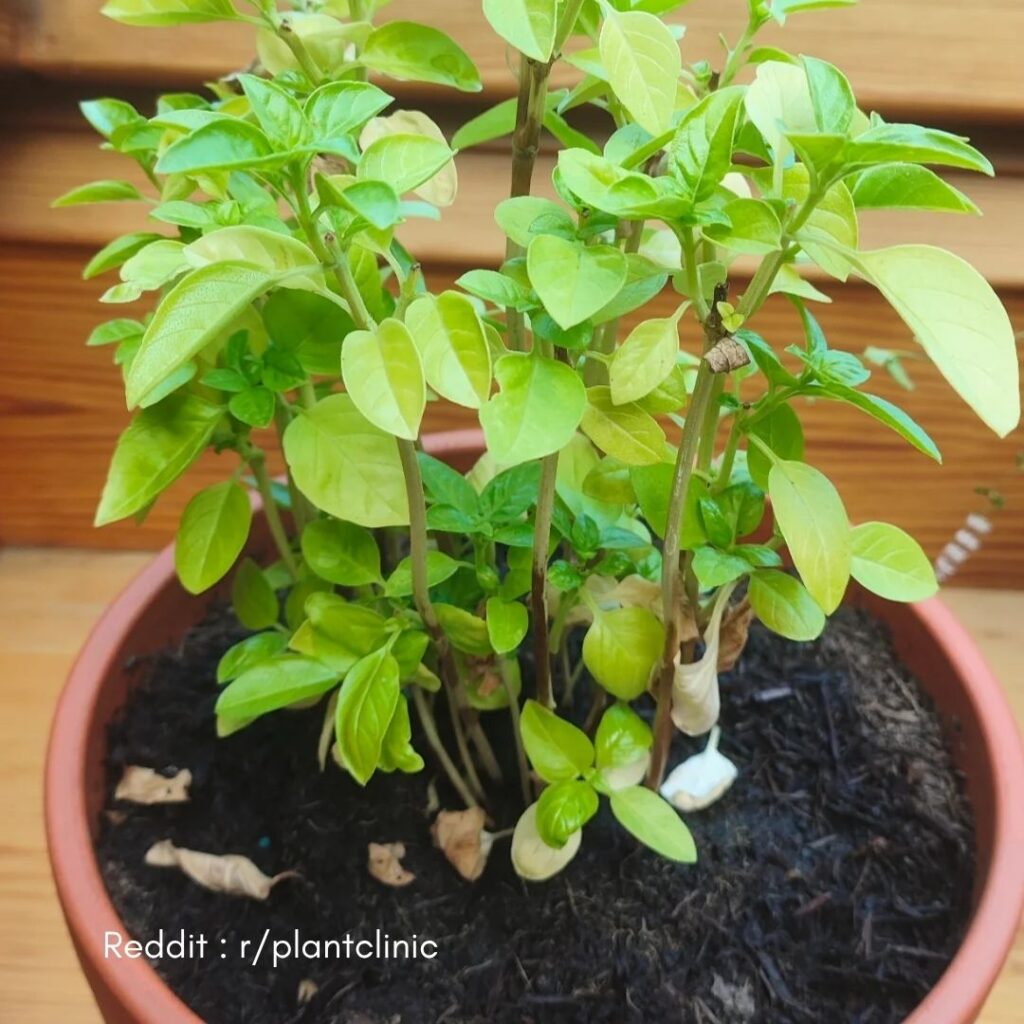
Repotting basil plants helps them grow better while propagation allows you to grow new plants from cuttings. 🪴 Let’s explore when to repot and some easy propagation techniques!
When to Repot
Basil plants need repotting when they outgrow their current pots. This usually happens every 4-6 months. How do you know it’s time? Look for signs like roots growing out of the drainage holes or the plant looking droopy despite regular watering.
Choose a new pot that is 1-2 inches larger in diameter than the old one. Make sure it has good drainage holes. 🪴 Fill the new pot with fresh potting soil and gently transfer your basil plant. Be careful not to damage the roots!
After repotting, water the basil gently. Place it in a sunny spot but avoid direct sunlight for the first few days. Your basil plant will adjust and start thriving in its new home soon!
Propagation Techniques
Want more basil plants for free? Propagation is the way to go! 🌿 Start by cutting a 4-inch stem just below a leaf node. Remove the lower leaves, leaving about 2-3 inches of the stem bare.
Place the cutting in a glass of water, ensuring the nodes are submerged. Change the water every few days to keep it fresh. In about 1-2 weeks, you’ll see roots beginning to form. Once the roots are 2 inches long, transfer the cutting into a small pot with soil.
Keep the soil moist but not soggy. Place the pot in indirect sunlight until the plant is strong enough for a sunnier spot. And voilà! You’ve got yourself a new basil plant! 🌿
Have you tried these techniques? Share your experiences or tips in the comments below! Do you have any fun basil stories? Let’s chat! 😊💬
Using Fresh Basil
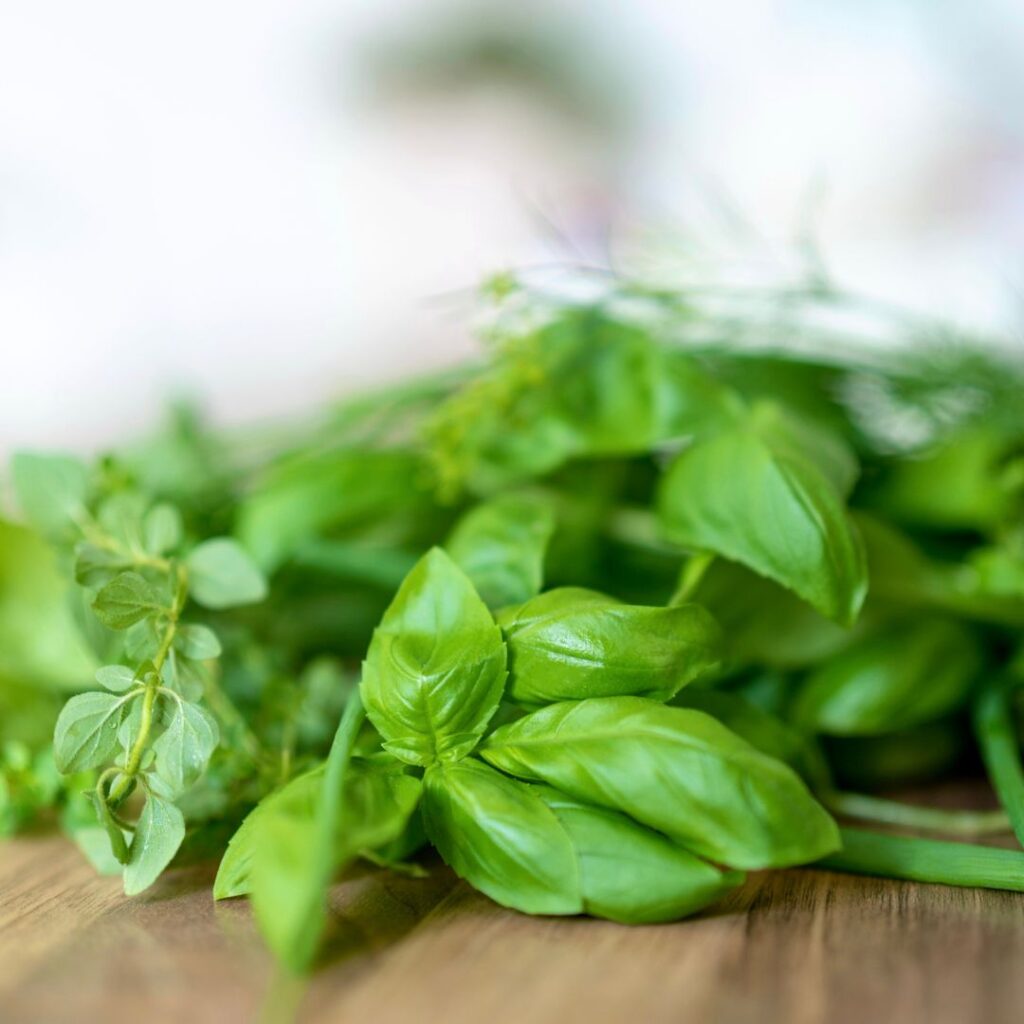
I love using fresh basil in my cooking! It adds such a bright, vibrant flavor to dishes. 🌿
You can toss fresh basil leaves into your salads for a refreshing twist. It’s so easy, and it makes salads so much tastier.
How about making a homemade pesto? Just blend fresh basil, garlic, pine nuts, Parmesan cheese, and olive oil. Perfect for pasta or as a spread.
I also use basil to garnish my pizzas. Just add a few leaves on top after baking. 🍕
Basil can even be infused into drinks. Try adding some to your iced tea or lemonade. It gives a unique, fresh taste.
Here’s a quick tip: Snip basil leaves just before you use them. This keeps them from wilting and losing flavor.
Have you tried making basil butter? Mix chopped basil with softened butter and spread it on bread. Delicious!
Salads, pasta, pizza, drinks, and spreads—basil can do it all!
What’s your favorite way to use basil? Drop a comment below! 😊
Frequently Asked Questions
Here are some common questions and answers about growing basil in a pot, whether it’s indoors or outdoors. Let’s get your basil growing smoothly! 🌱
What size pot is ideal for growing basil indoors?
For indoor basil growing, I recommend using a 6-8 inch pot. This size gives the roots enough room to spread out and grow strong without taking up too much space in your home.
How do I take care of a basil plant inside my home?
Water basil when the top inch of soil feels dry. Basil loves humidity, so misting the leaves occasionally can help. Place your basil in a spot where it gets 6-8 hours of sunlight daily. Don’t forget to pinch off the flowers to encourage more leaf growth! 🌿
What type of soil should I use when planting basil in pots?
Use a well-draining potting mix. A mix with perlite or vermiculite helps keep the soil light and airy. Avoid garden soil, as it can be too dense and lead to poor drainage.
Can you grow basil outdoors in a pot, and if so, how?
Yes, you can grow basil outdoors! Choose a 12-inch pot with drainage holes. Place it in a sunny spot where it gets 6 hours of sunlight. Water regularly, and make sure to protect it from strong winds and heavy rain.
How much sun exposure does a potted basil plant need?
Basil needs at least 6-8 hours of direct sunlight every day. If you’re growing it indoors, a sunny windowsill is perfect. If the plant starts to look leggy, it means it needs more sun.
Is it possible for a basil plant to receive too much sunlight?
Yes, too much direct sunlight, especially during hot afternoons, can burn the leaves. If you notice this, try moving the pot to a spot with a bit of shade during the hottest part of the day. Keep an eye on your plant and adjust as needed.
Got any more basil questions or tips? Share them below! 🌿✨