
Growing a basil plant in a pot is a fun and rewarding experience. Basil is a tasty herb that’s easy to care for and can add flavor to many dishes. I love having fresh basil right at my fingertips, and I bet you will too! 🌿
I remember my first basil plant—putting it in a sunny spot and watching it grow was exciting. Did you know basil needs about 6 hours of sunlight each day? That’s just one of the simple tips we’ll dive into. Do you have a favorite recipe that uses basil?
If you’ve ever wondered how to keep your basil thriving, you’re in the right place. From watering tips to the perfect soil mix, I’ve got you covered. Let’s turn your basil dreams into reality! 🌱💚 Share your basil growing experiences in the comments below!
Choosing the Right Basil Plant
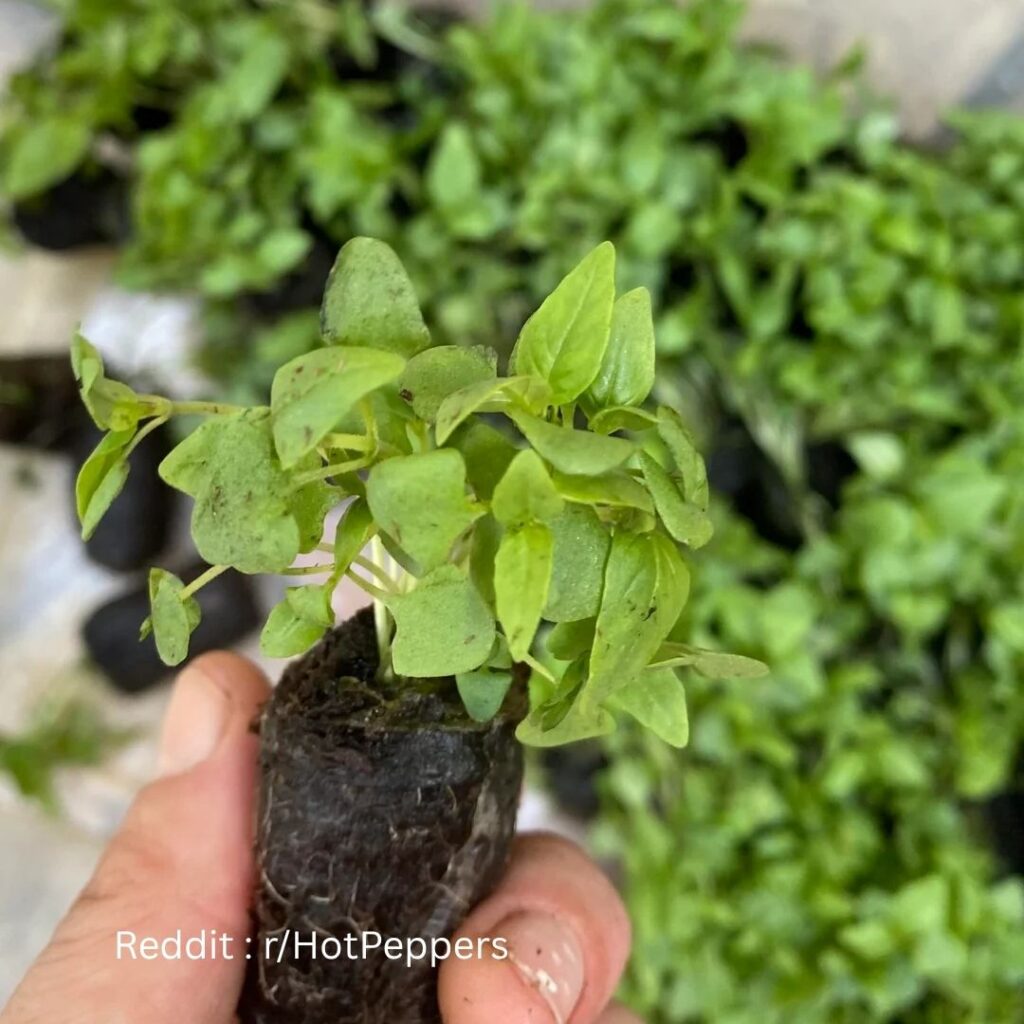
Picking the perfect basil plant for your pot can be fun and rewarding. Let’s explore the different types of basil and what makes a healthy plant stand out.
Types of Basil
There are many varieties of basil, each with its own unique flavor and use. Sweet basil is the most common and great for everyday cooking. If you love making pesto, you might want to try Genovese basil. It’s got a vibrant flavor that really makes dishes pop. 🌿
For something a bit different, Thai basil has a spicy kick, perfect for Asian recipes. If you’ve got a sweet tooth, Cinnamon basil offers a hint of spice, and Lemon basil is zesty and refreshing. Each type brings its own charm to your kitchen.
Healthy Plant Characteristics
When choosing a basil plant, look for bright green leaves. They should be free of holes and spots. A strong stem is also a good sign.
Be cautious of any yellowing leaves, as this might mean the plant isn’t healthy. The plant’s smell should be fresh and fragrant. A weak or dull scent usually indicates poor health. 🌱
Remember, a happy basil plant needs sunlight and proper watering. If you’re buying a basil plant from a nursery, make sure it’s kept in good conditions. Don’t be afraid to ask questions about the plant’s care and needs.
Got a favorite basil variety or a tip for growing healthy basil? Share it in the comments! 🌟
Selecting the Perfect Pot
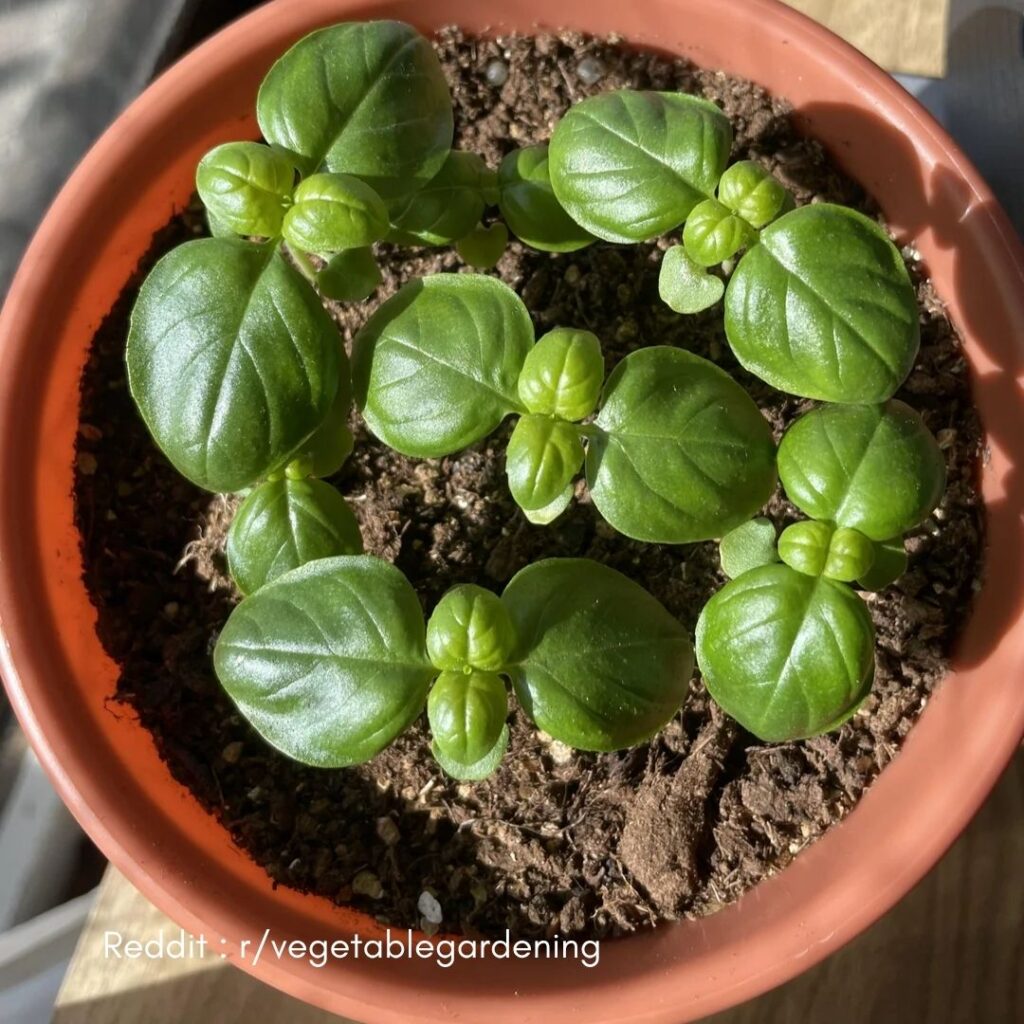
Choosing the right pot for your basil plant can make all the difference in its growth and health. Consider the pot material, size, and drainage to give your basil the best possible home. 🌿
Pot Material
When picking a pot, material matters. Clay pots are popular because they look great and let air flow through to the roots. These help prevent overwatering issues. Plastic pots are another option; they’re light, durable, and usually cheaper.
Ceramic pots are often glazed, which looks nice but can restrict airflow. These are better if you’re good at managing water levels. Which type do you prefer? I personally like clay for its rustic charm. Share your favorite in the comments below! 😊
Pot Size Considerations
Size is really important. If the pot is too small, your basil will feel cramped and won’t grow well. Too big, and the soil can stay too wet, causing root rot. A pot that’s 6-8 inches in diameter is usually just right for a basil plant.
I like to use a slightly bigger pot if I’m planning to grow multiple plants together. It gives them more room to spread out. 📏Remember, basil loves space, but not too much!
Drainage Requirements
Drainage holes are a must. These holes help excess water escape, preventing root rot. Make sure your pot has at least one drainage hole. If it doesn’t, you can drill a hole or two yourself. 🚿
Using a saucer under the pot can help catch the water, but don’t let your pot sit in water. That can lead to soggy roots. Have you had any drainage issues with your plants? Share your tips! 🌱
That’s it! Choose wisely and watch your basil thrive. 🍃 If this helped, share it with your fellow plant lovers and drop your potting tips in the comments!
Potting Your Basil Plant
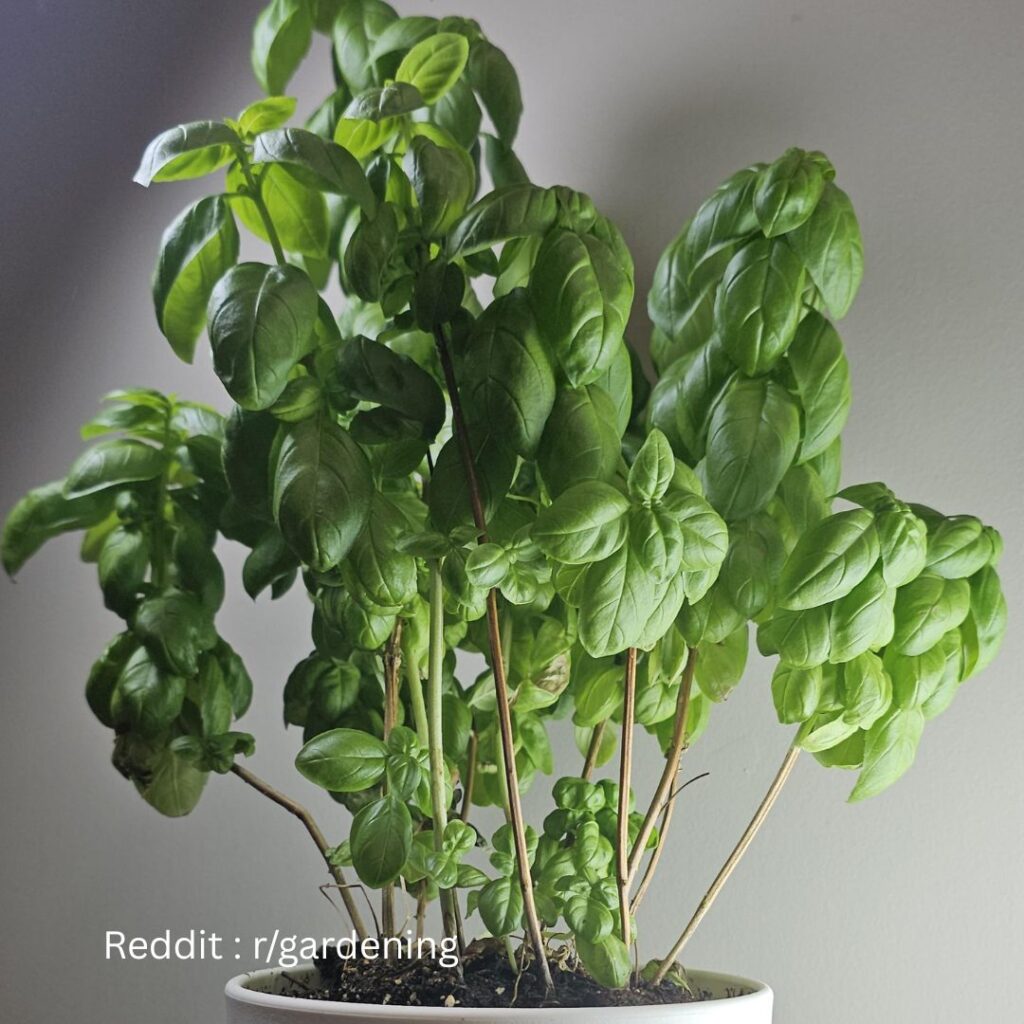
Potting your basil plant right can make a huge difference. Getting the right soil, following the correct planting steps, and watering just right will help your basil thrive.
Soil Selection
The soil you choose for potting basil is super important. Basil loves well-draining soil that’s rich in nutrients. I usually go for a mix of potting soil and a bit of compost. It helps the plant get all the nutrients it needs without holding too much water.
If you’re using garden soil, make sure to add some perlite or sand to improve drainage. Avoid heavy, clay soils as they can cause root rot. A good tip is to pick up a commercial potting mix labeled for herbs or vegetables. It takes out the guesswork! 🌱
Planting Procedure
Ready to plant your basil? Grab a pot with drainage holes. This prevents water from sitting at the bottom and causing root rot.
- Fill the pot with your chosen soil mix, leaving a little space at the top.
- Create a small hole in the center and gently place the basil plant in the hole, covering the roots with soil.
- Press the soil lightly around the base of the plant to hold it in place.
Make sure the basil is sitting at the same depth as it was in its original container. Too deep or too shallow and it might struggle to grow. 🌿
Initial Watering
After planting, give your basil a good initial watering. Moisten the soil thoroughly but make sure it’s not waterlogged. 🤿
I usually water until I see some draining from the bottom of the pot. Then, I let the top inch of soil dry out before watering again. Basil likes consistent moisture, so keep an eye on the soil.
Watch out for overwatering, as it leads to root problems. Remember, letting the soil dry slightly between watering sessions helps prevent these issues.
How do you pot your basil? Got any tips? Let me know in the comments! 💬🌿
Caring for Your Potted Basil
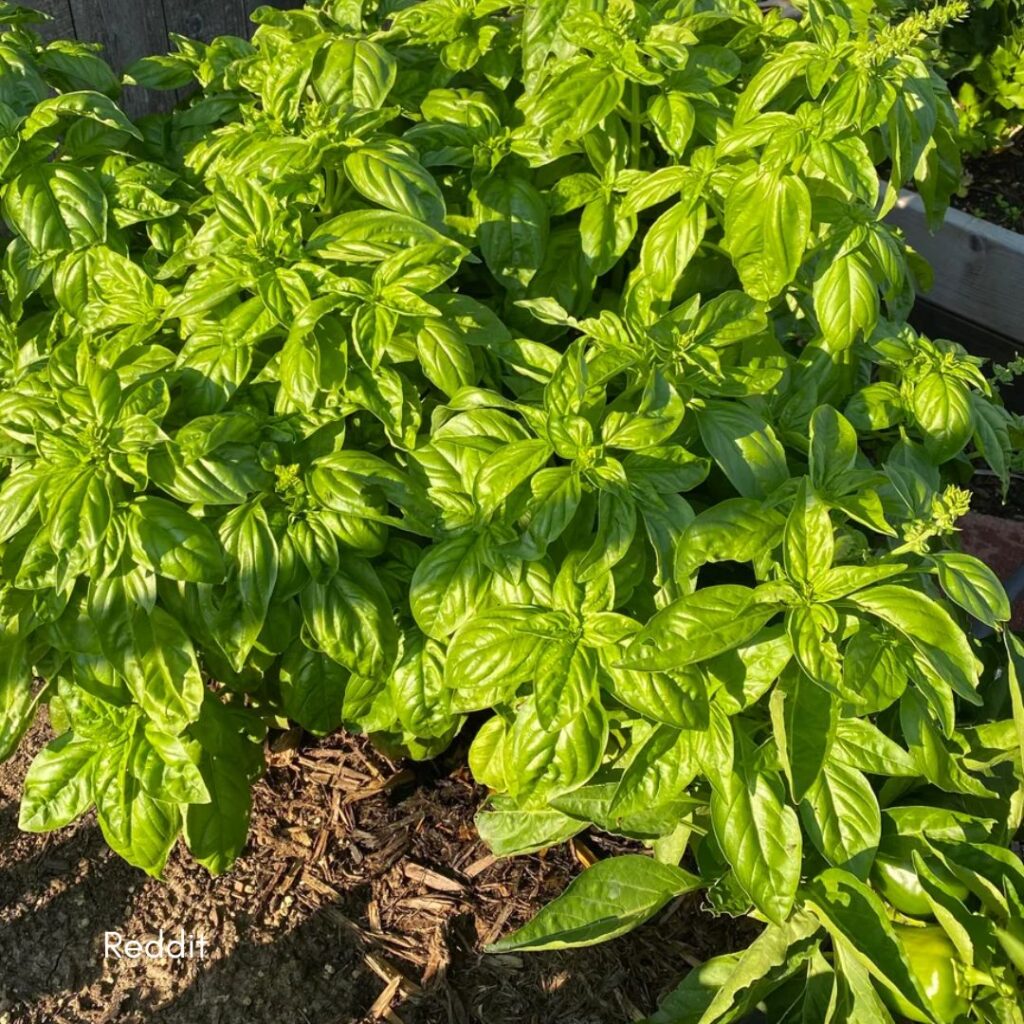
Basil is a great plant to have in your kitchen for fresh, tasty leaves. Let’s make sure your basil stays happy and healthy.
Watering Schedule
Basil plants love consistent moisture, but they don’t like to be waterlogged. I water my basil every other day during the summer and less frequently in cooler months. Make sure the soil is damp but not soaked. Stick your finger about an inch into the soil; if it feels dry, it’s time to water. 🪴
Sunlight and Temperature
Basil needs plenty of sunlight. I keep mine on a sunny windowsill where it gets about 6-8 hours of light each day. If you can, put your pot in a south-facing window. 🌞 Basil prefers a temperature of 70-85°F (21-29°C). If it’s cooler, bring your plant inside to keep it cozy.
Pruning and Harvesting
Pruning helps your basil grow bushy and healthy. I pinch off the top leaves just above a set of two leaves. This encourages the plant to grow more branches. Always pick leaves from the top of the plant and not the base. 🌿
Fertilization Practices
Basil isn’t too fussy about fertilizer, but a monthly feeding can help it thrive. I use a balanced, water-soluble fertilizer. Mix it half-strength to avoid over-fertilizing. Fertilize about once a month. Too much fertilizer can make the leaves taste bitter, so less is more! 🔬
How do you care for your basil? Share your tips in the comments below! 🌱
Common Problems and Solutions
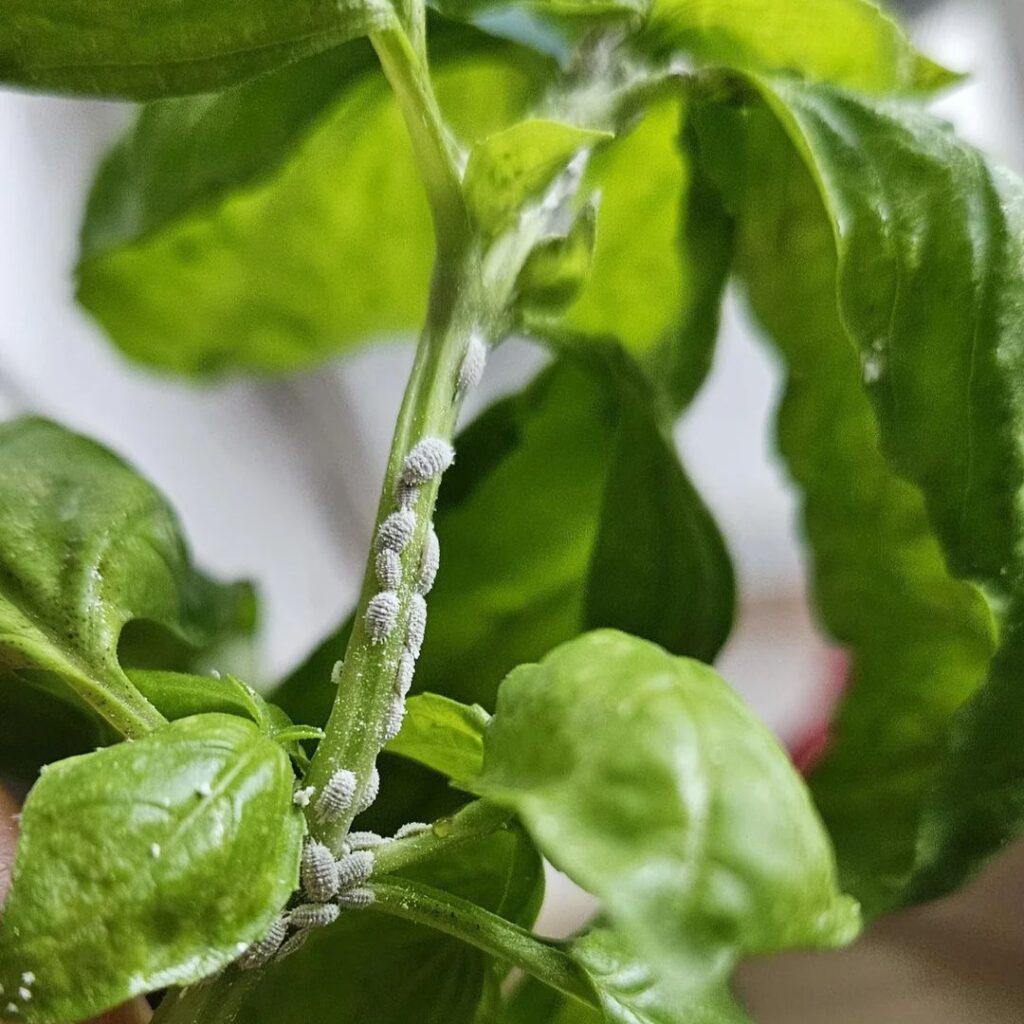
Let’s tackle some common problems you might face with your basil plant and find solutions to keep it healthy and thriving 🌿. Dealing with pests and preventing disease are the main focus here.
Pest Management
Basil often attracts pests like aphids, whiteflies, and spider mites. These tiny culprits can damage leaves. To manage pests, I prefer using a natural approach. Spraying a mixture of water and mild soap can help remove many pests. If the problem persists, you can introduce ladybugs, which munch on aphids. Neat, right? 🐞
Don’t forget to regularly check the undersides of leaves. It’s where pests love to hide. Got a stubborn infestation? Try neem oil. It’s safe for the plant and effective against most pests.
Disease Prevention
Basil is susceptible to diseases like powdery mildew and root rot. Keep an eye on your plant. Good air circulation is important. It helps prevent fungal infections. Space your plants well and avoid overhead watering to reduce the risk.
I always make sure to water at the base of the plant. Wet leaves are a magnet for disease. Clean your tools before pruning or picking leaves to avoid spreading any germs.
These steps help ensure your basil remains happy and healthy. Have any other tips? Share them in the comments! 🌱
Propagating Basil from Cuttings
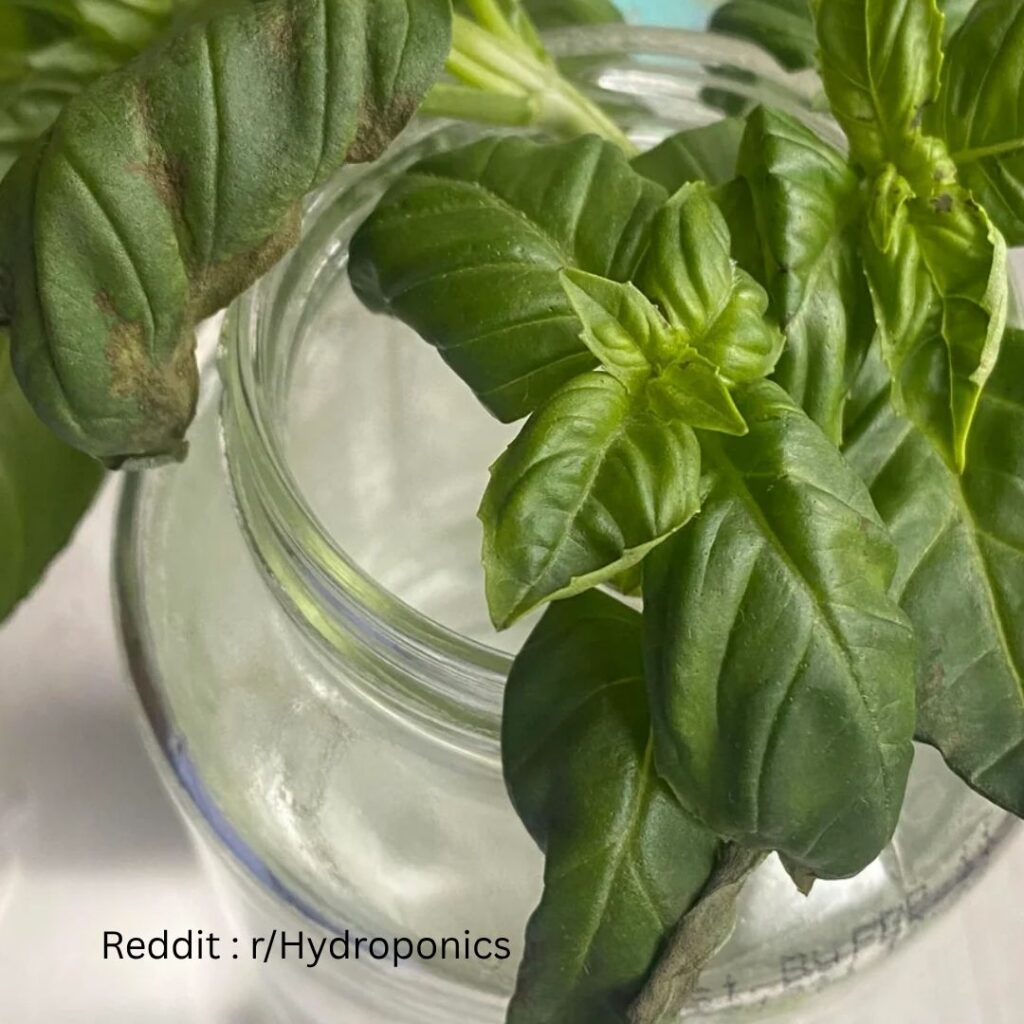
Ever thought about growing more basil without buying seeds? 🌿 Let’s do it together!
First, grab a healthy basil plant and look for a stem that’s about 4 inches long. Snip it just below a leaf node. Got it? Awesome! 😄
Remove the lower leaves, leaving just a few at the top. You don’t want those leaves sitting in water.
Place the cutting in a glass of water. Make sure the water covers the stem but not the leaves. Simple, right?
Change the water every few days to keep it fresh. You’ll notice roots forming in a week or two! 🌱
Once the roots are about 2 inches long, plant the cutting in soil. Give it a nice, sunny spot and keep the soil moist.
Have you tried this at home or planning to? Share your thoughts in the comments! Happy growing! 🌿💚
Winter Care for Basil Plants
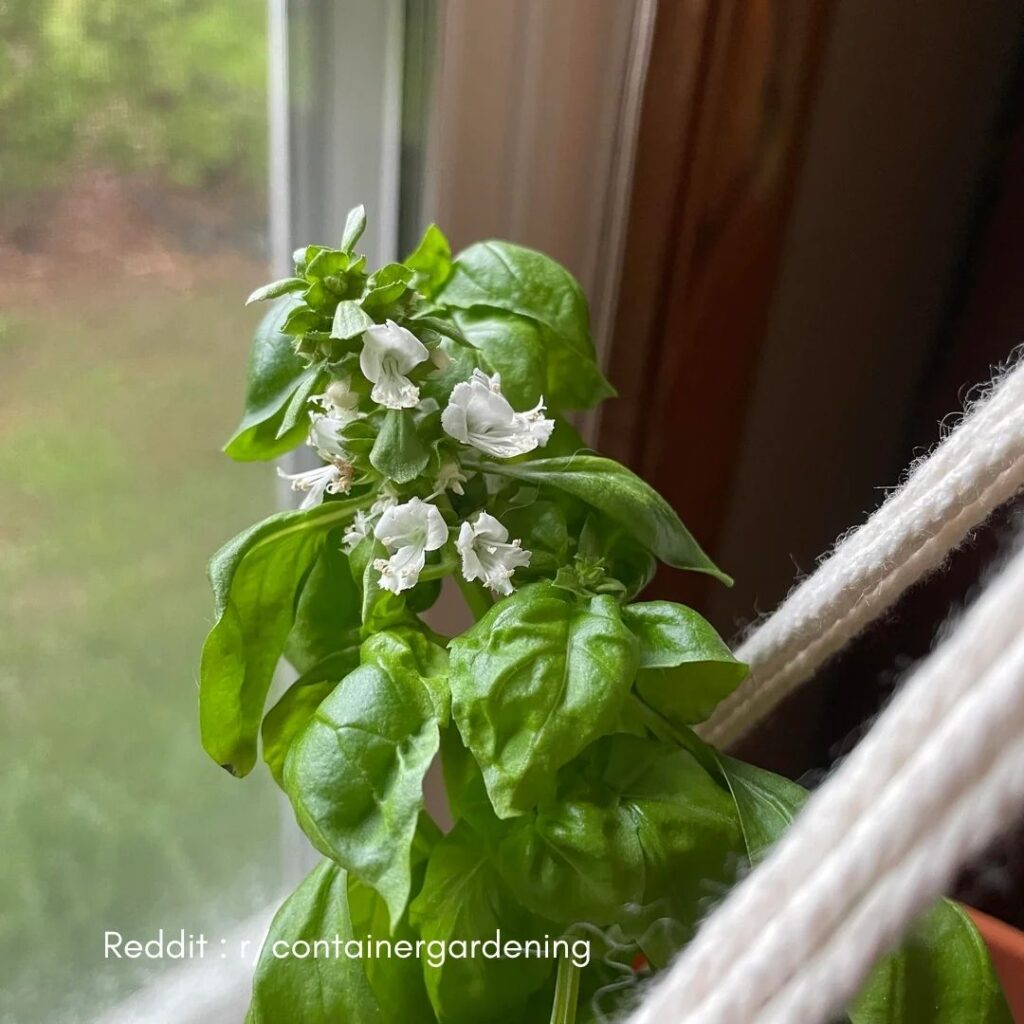
Winter can be tough on basil plants, but with a bit of care, they can thrive. 🪴
First, move your basil pot indoors before the first frost. Place it in a sunny spot, like a windowsill, to keep it warm. 🌞
Water your basil sparingly. Too much water can cause root rot. I usually check the soil moisture with my finger. If the top inch is dry, it’s time to water. 💧
Don’t forget to mist the leaves. Basil loves humidity! I use a spray bottle to mist the leaves a few times a week. It keeps them from drying out. 🌿
Fertilize your basil once a month. I use a balanced, water-soluble fertilizer. It keeps the plant healthy and growing. 🌱
If you see yellow leaves, don’t worry. Just trim them off. It’s normal for basil to shed some leaves in winter.
Have you tried growing basil indoors in winter? Share your tips or questions in the comments! 😊 How do you keep your basil happy during the colder months?
Using Fresh Basil in Cooking

Fresh basil is such a versatile herb that can add zest to many dishes. Let’s explore how to pick and preserve this delightful herb for the best culinary experience.
Harvesting Tips for Culinary Use
When I pick fresh basil from my plant, I focus on getting the best leaves. It’s best to harvest early in the morning when the leaves are crisp and full of flavor.
Steps to harvest:
- Use clean scissors or snip with your fingers.
- Go for the top leaves, as they are tender and tasty.
- Trim just above a leaf pair to encourage new growth.
Basil bruises easily, so handle it gently. Have you tried adding fresh basil to a caprese salad? 🤤 The flavor is incredible! 🌿
Preservation Methods
Sometimes my basil plant grows faster than I can cook. So, I preserve the extra leaves to enjoy later.
Here are some methods I love:
- Freezing: Chop the leaves and place them in ice cube trays with a bit of water or olive oil. Pop them into soups or sauces when needed, and it’s like having fresh basil all year round! ❄️
- Drying: Hang small bunches upside down in a dark, dry place. Once dried, crumble and store in an airtight container. This method keeps the essence of basil, though it changes the taste a bit.
What do you do with your extra basil? Share your tips in the comments! 🌟
Frequently Asked Questions
Here you’ll find answers about basil pots, such as the ideal size, whether you can grow basil outdoors, and some useful watering tips. Let’s dive in!
What size pot is ideal for growing basil?
A medium-sized pot about 8-10 inches deep works well. Basil roots need space to grow, but you don’t want the pot to be too big. Keep it cozy but comfy! 🌿
Can you grow basil outdoors in a pot?
Absolutely! Basil loves sunshine. Just make sure it gets at least 6 hours of direct sunlight. Place the pot in a sunny spot like your balcony or backyard.
How do I successfully grow basil indoors in a pot?
Pick a sunny spot like a windowsill that gets plenty of light. Water regularly but avoid overwatering. Use a light, well-draining soil mixture.
Do you have any tips for creating a DIY pot for basil?
Got an old bucket or a large can? Make some drainage holes at the bottom and you’re set! It’s a great way to recycle old containers and save money! 🌱
What’s the best soil mixture for basil plants in containers?
Basil thrives in well-draining soil. Mix potting soil with perlite or sand to improve drainage. A ratio of 3 parts potting soil to 1 part perlite works great!
How often should I water my potted basil to keep it healthy?
Basil prefers consistent moisture. Water it when the top inch of soil feels dry. Be careful, though, as too much water can cause the roots to rot.
Do you have any other tips or questions about growing basil? 🌿💬 Join the conversation in the comments!