
Have you ever noticed your basil plant leaves turning yellow and wondered what’s going on? It’s super frustrating, right? 🌿 Yellow leaves on a basil plant can mean a few different things, and I’m here to help you figure it out and keep your basil healthy and green.
One key reason for yellow leaves is overwatering. Yes, plants need water, but too much can actually drown their roots and cause those leaves to turn yellow. The trick is to keep the soil moist, but not soggy. Let the top inch of soil dry out before you water again.
Pests like aphids or spider mites can also be culprits. Have you spotted any tiny bugs on the leaves? Sometimes, these little pests can cause big problems. Don’t worry, though—we’ll go through how to manage both watering and pests so your basil thrives! 🌱✨ Share your thoughts and questions in the comments!
Understanding Basil Plant Yellowing
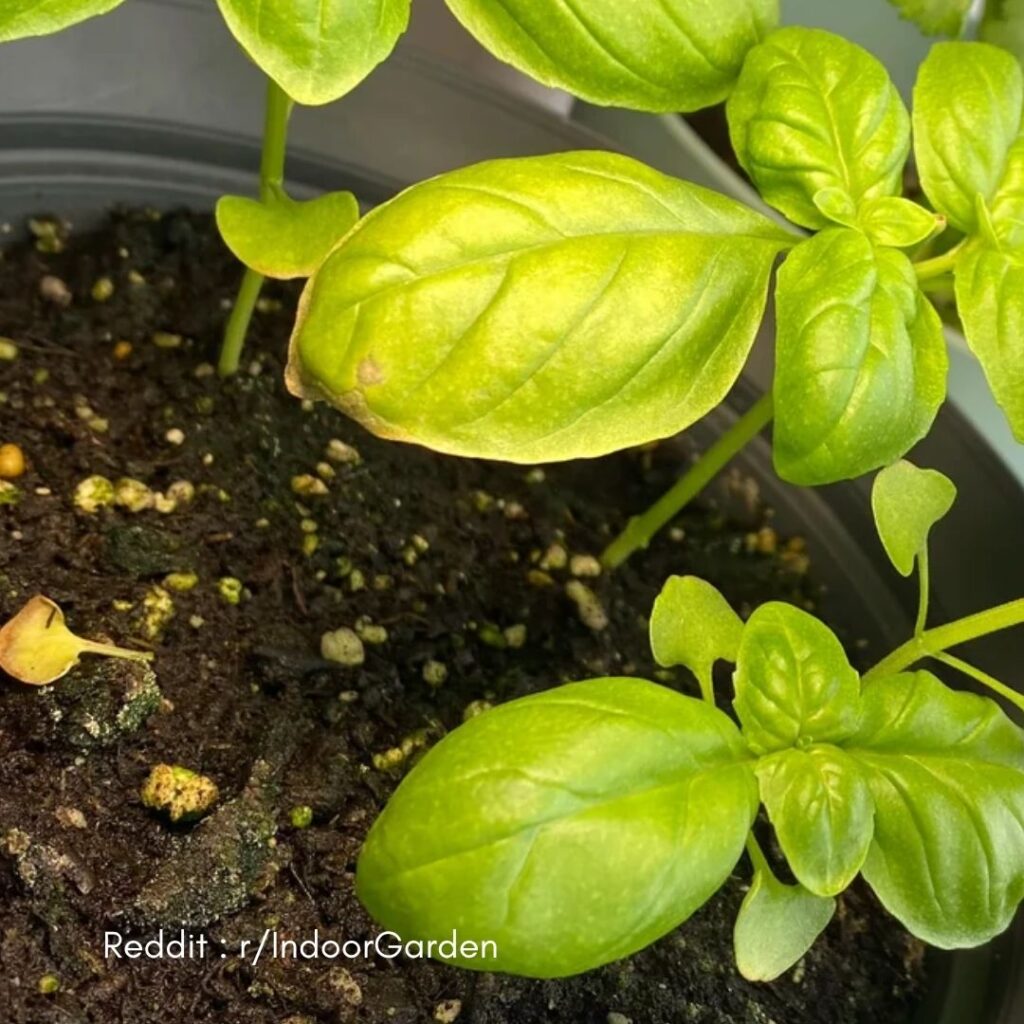
Hey there, basil lovers! 🌿 Do your basil plant leaves look a bit yellow? Don’t worry, I’m here to help you figure out what’s going on and how to fix it.
Common Causes of Yellow Leaves
Yellow leaves on basil can be caused by several things. Sometimes, it might just be overwatering or underwatering. Basil likes its soil to be moist but not swampy. Check the soil – is it too wet or too dry? Too much water can cause root rot, and too little dries out the plant.
In some cases, pests like aphids or spider mites might be making your basil unhappy. Take a close look at the underside of the leaves. Do you see tiny insects? If so, you might need to consider some natural pest control options. 🐜
The Role of Nutrients
Basil plants might turn yellow because they’re not getting the right nutrients. Nutrient deficiencies, especially in nitrogen, can lead to yellowing leaves. Try giving your basil a balanced fertilizer. A lack of magnesium or potassium can also cause this issue.
Have you tested your soil? Sometimes the pH is off, making it hard for the plant to absorb these nutrients. Soil testing kits are easy to use and can tell you what’s missing. 🌱
Environmental Factors
The environment plays a big role in how happy your basil is. Are you growing your plant indoors or outdoors? Basil needs plenty of light – around 6-8 hours of sunlight each day. Lack of sunlight can make the leaves turn yellow. If you’re indoors, placing the plant near a sunny window can make a big difference.
Temperature is another important factor. Basil prefers warm conditions. If it’s too cold, your plant might suffer. Make sure you avoid exposing it to drafts or extreme temperature changes. ❄️😎
I hope these tips help you keep your basil green and healthy! Feel free to share your own experiences and questions in the comments below. 🌿😊
Identification and Diagnosis
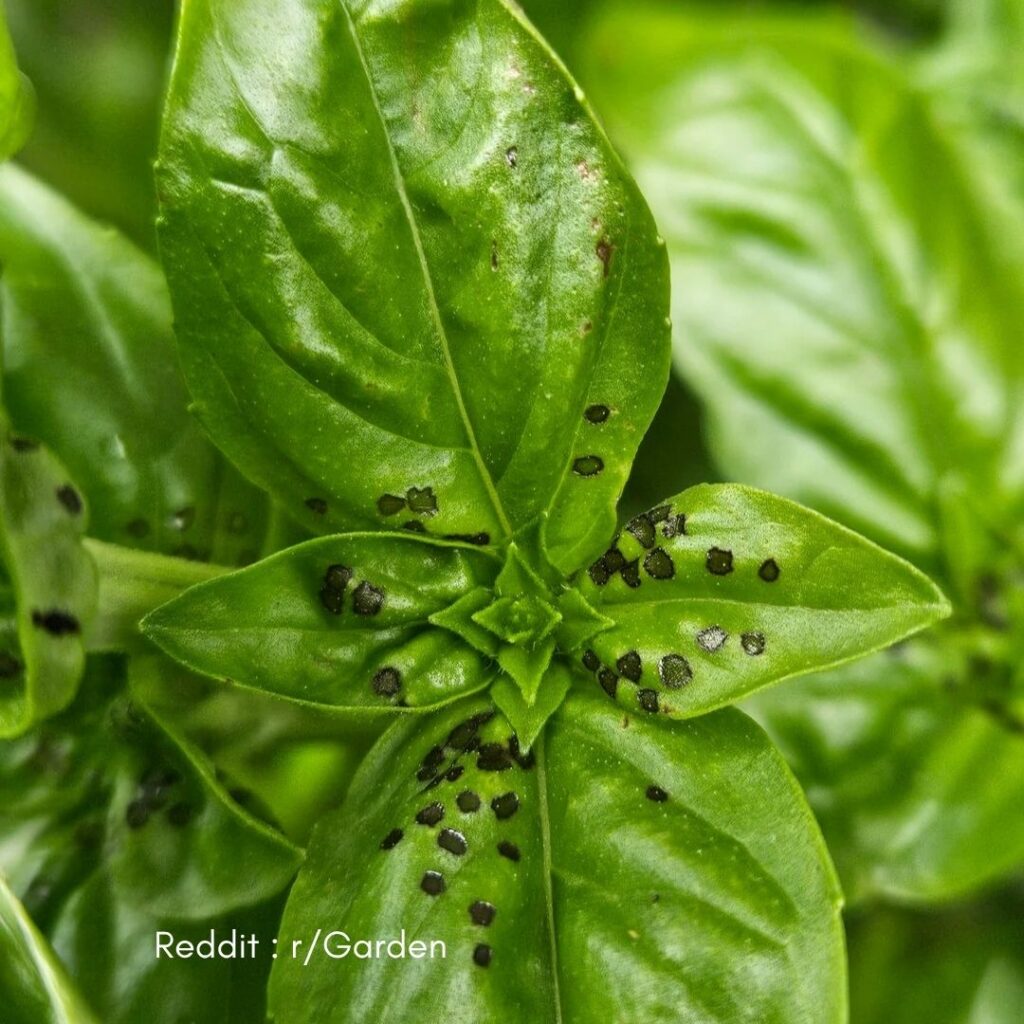
Yellowing leaves on your basil plant can be frustrating. To address this, we need to look at specific symptoms and assess the plant’s overall health.
Visual Symptoms
Yellow leaves on a basil plant can mean several things. Do the leaves have spots? If so, it might be a fungal infection. Are the leaves yellowing from the bottom up? This could be a sign of nutrient deficiency. Check for pests like aphids or spider mites, as they love nibbling on basil.
Have you been watering too much? Basil hates soggy soil. Or maybe not enough light? Basil thrives in bright conditions. Acting quickly can save your plant from turning into a yellow mess. 🌿
Basil Plant Health Assessment
A quick check-up can reveal a lot. Feel the soil — is it too wet or too dry? Too much water can cause root rot, leading to yellow leaves. Inspect the roots if possible. Healthy roots are white; brown or black roots indicate problems.
Next, look at the entire plant. Are new leaves growing normally? Weak or stunted growth can signal nutrient issues. Give your basil the right care: water it properly, provide enough light, and maybe add some fertilizer. Sometimes, it’s just about fine-tuning the care routine. 🪴
Got tips to share or questions? Pop them in the comments! I’d love to hear how you keep your basil green and happy. 😊👇
Prevention Strategies
Keeping your basil plant leaves green and healthy is easier with a few simple strategies. Let’s dive into managing soil and water, and getting your fertilization just right.
Soil and Water Management
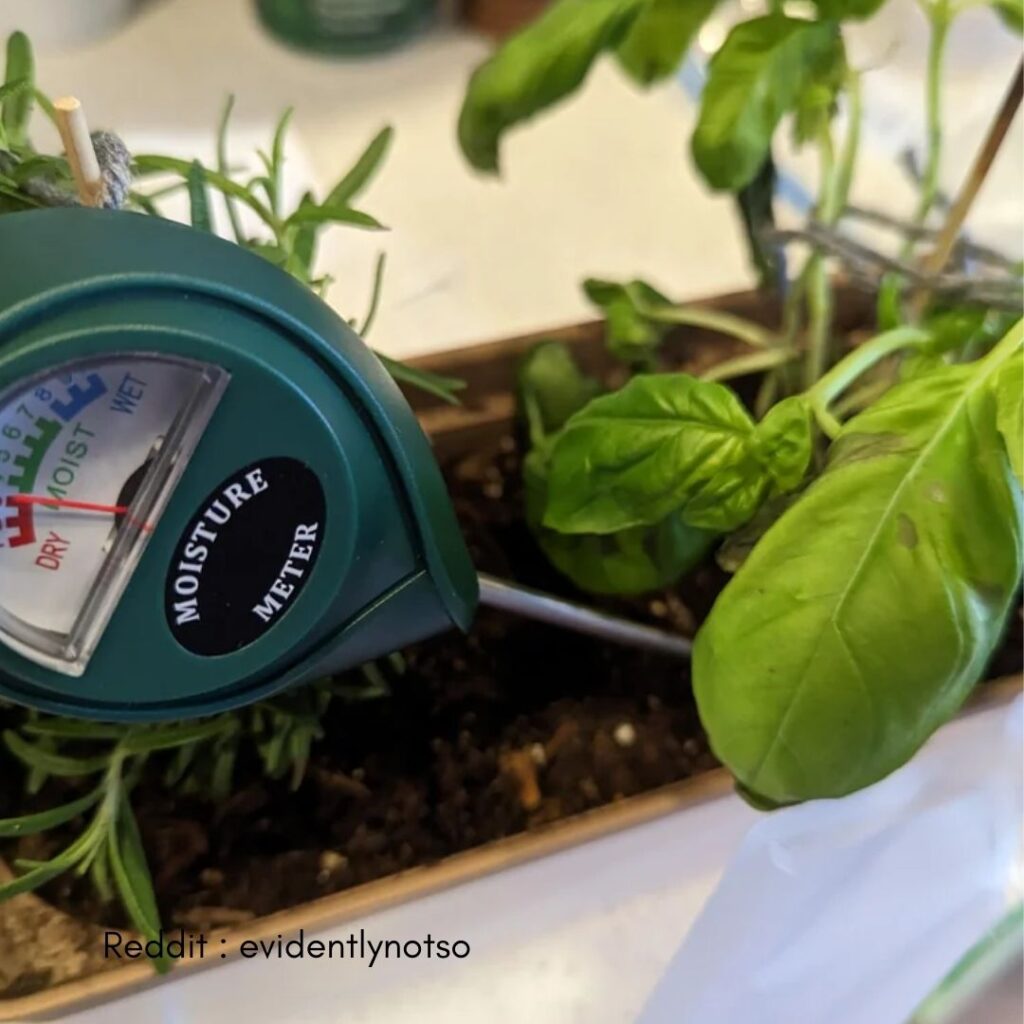
Basil plants love well-draining soil. I always use organic potting mix. It helps prevent water from sitting too long around the roots. Over-watering can make the leaves yellow, so I make sure the soil is slightly moist but not soggy. A good rule of thumb: water when the top inch of soil feels dry.
Should I mention mulch? 😄 I use a thin layer of mulch to keep the soil around my basil cool and moist. Plus, it keeps weeds away.
Oh, and don’t forget the drainage! If you’re planting in a pot, ensure it has drainage holes. Nobody likes soggy feet, including plants! 🌿
Proper Fertilization Techniques
Basil loves to eat. I feed my basil a balanced, organic fertilizer every two weeks. Look for a 10-10-10 fertilizer. It’s like a smoothie for your plant! 🥤 avoid over-fertilizing, though. Too much fertilizer can burn the roots and turn the leaves yellow.
If I’m unsure about the soil’s nutrient levels, I test it. You can get an inexpensive soil test kit online. Happy plants, happy garden!
I also use compost! It’s a natural way to give plants a nutrient boost. Plus, it makes me feel like I’m recycling.
Anyone else use kitchen scraps for their compost? 🍎 It’s a win-win for me and my basil!
Treatment Options
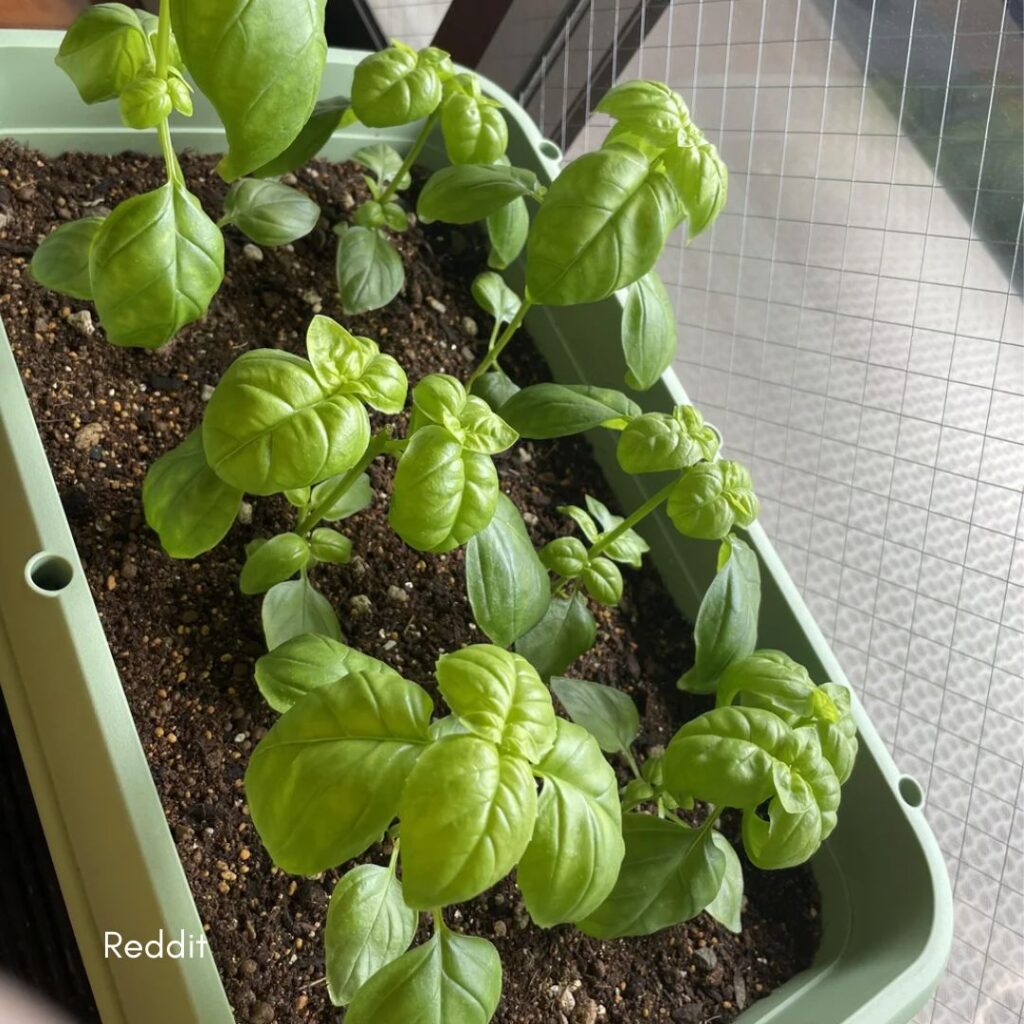
Plants, like people, sometimes need extra TLC. Yellow leaves on a basil plant can be treated in various ways, including adjusting care routines, using natural remedies, and applying chemical solutions. Here’s how we can bring your basil back to life!
Adjusting Care Routines
First, try adjusting how you care for your basil. Check the amount of water you’re giving. Too much or too little can cause yellow leaves. Basil loves moist soil but hates being waterlogged. How’s the sunlight? Basil needs plenty of indirect sunlight. Also, consider whether your basil is planted in the right kind of soil. A well-draining potting mix is crucial.
Ever tried talking to your plants? Okay, maybe that’s a bit much, but keeping an eye on temperature and humidity is also key. Basil plants thrive in temperatures between 70°F to 85°F.
Natural Remedies
I’m all for natural methods 🍃. Sometimes a simple Epsom salt solution can do wonders. Mix one tablespoon of Epsom salt in a gallon of water and spray it on the leaves. This adds essential magnesium to your plant’s diet.
Got some leftover banana peels? Bury them in the soil around the plant. Banana peels are rich in potassium, which promotes healthy leaf growth. Another trick is to use a compost tea. It’s an excellent way to give your basil a nutrient boost without chemicals.
Chemical Solutions
Sometimes, natural methods aren’t enough, and that’s okay. There are several commercial products designed to treat yellowing leaves. Look for a balanced fertilizer that contains nitrogen, phosphorus, and potassium. When you see numbers like 10-10-10 on the package, that’s what you’re looking for.
Insecticidal soap can be another lifesaver, especially if pests are the problem. Just spray it directly on the affected areas. Follow the instructions on the bottle to prevent damage to your basil.
What do you think? Have you tried any of these tips before? 🌱 Drop a comment below and let’s chat!
Recovery and Maintenance
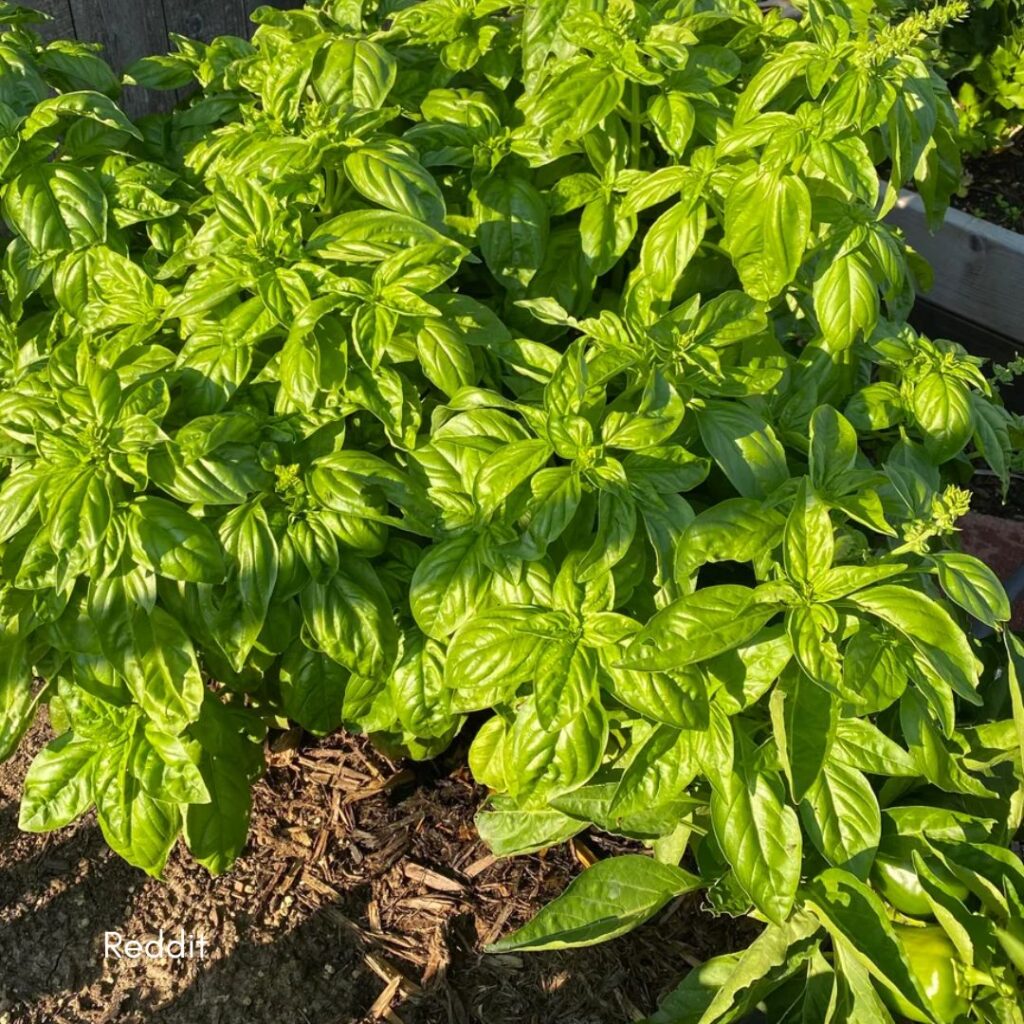
After noticing your basil plant leaves turning yellow, it’s time to focus on helping it recover and maintaining its health. Let’s dive right into the essential steps you can take.
Monitoring Plant Recovery
First things first, keep an eye on your basil plant. 🌱 Regularly check the soil moisture. You never want it too wet or too dry. I aim for that sweet spot where the soil feels damp but not soggy.
Next, consider the light. Basil loves sunlight! Make sure it’s getting at least 6 hours of light each day. When it comes to indoor plants, a sunny windowsill can do wonders.
Also, take a moment to trim the yellow leaves. They won’t turn green again, and removing them helps the plant use its energy better. ✂️ A little pruning goes a long way.
Long-Term Plant Care
To keep your basil happy long-term, stick to a regular watering schedule. Water when the top inch of soil feels dry. Too much or too little water can both lead to yellow leaves. 🚿
Using a balanced fertilizer can also be beneficial. Once a month, I feed my plant with a liquid fertilizer to keep it strong and growing. Be careful not to overdo it; more doesn’t mean better!
Keep checking for pests like aphids or spider mites. 🐜 These little guys can cause big problems. If you spot any, gently wash them off or use a safe, natural pest control method.
Do these tips help your basil plant look better? Have any of your plants turned yellow before? Share your experience below! 👇 Let’s keep our plants happy together!
Frequently Asked Questions
Got a basil plant with yellow leaves? 🌱 Let’s chat about fixing it, safety tips, and what might be causing the issue.
How can you treat yellowing leaves on a basil plant?
First, check if you are watering it too much or too little. Make sure it gets enough sunlight, but not too much direct heat. Sometimes, yellow leaves just need a bit of love, like adjusting water and light. Have you checked for pests lately? 🐜
Is it safe to eat basil leaves that have turned yellow?
Yellow basil leaves aren’t harmful, but they don’t taste as good as green ones. Stick to the fresh, green leaves for the best flavor. Would you rather have a tasty pesto or a bland one?
What are the common causes of basil leaves turning yellow and brown?
Too much or too little water can cause yellowing. Poor soil drainage is another culprit. Also, lack of sunlight or nutrients might be the reason. Have you tested your soil quality recently? 🌿
What steps should you take if your basil plant has brown spots amidst yellow leaves?
Brown spots can mean pests or disease. Check your plant closely. You might need to trim the affected areas and use organic pest control. Are your other plants doing okay?
What care tips can prevent yellowing of Tulsi (holy basil) leaves?
Tulsi needs well-drained soil and moderate watering. Avoid letting it sit in water. Indirect sunlight works best. Using compost can help keep it healthy. Do you use any special tricks for your Tulsi?
How can you distinguish between overwatering and proper hydration for your basil plant?
Overwatered basil leaves will be yellow and soft, while underwatered leaves are yellow and crispy. Touch the soil: if it’s soggy, it’s too much water; if dry, it’s not enough. Getting that balance right? 🌻
Feel free to share your own basil-growing tips in the comments! 📝