
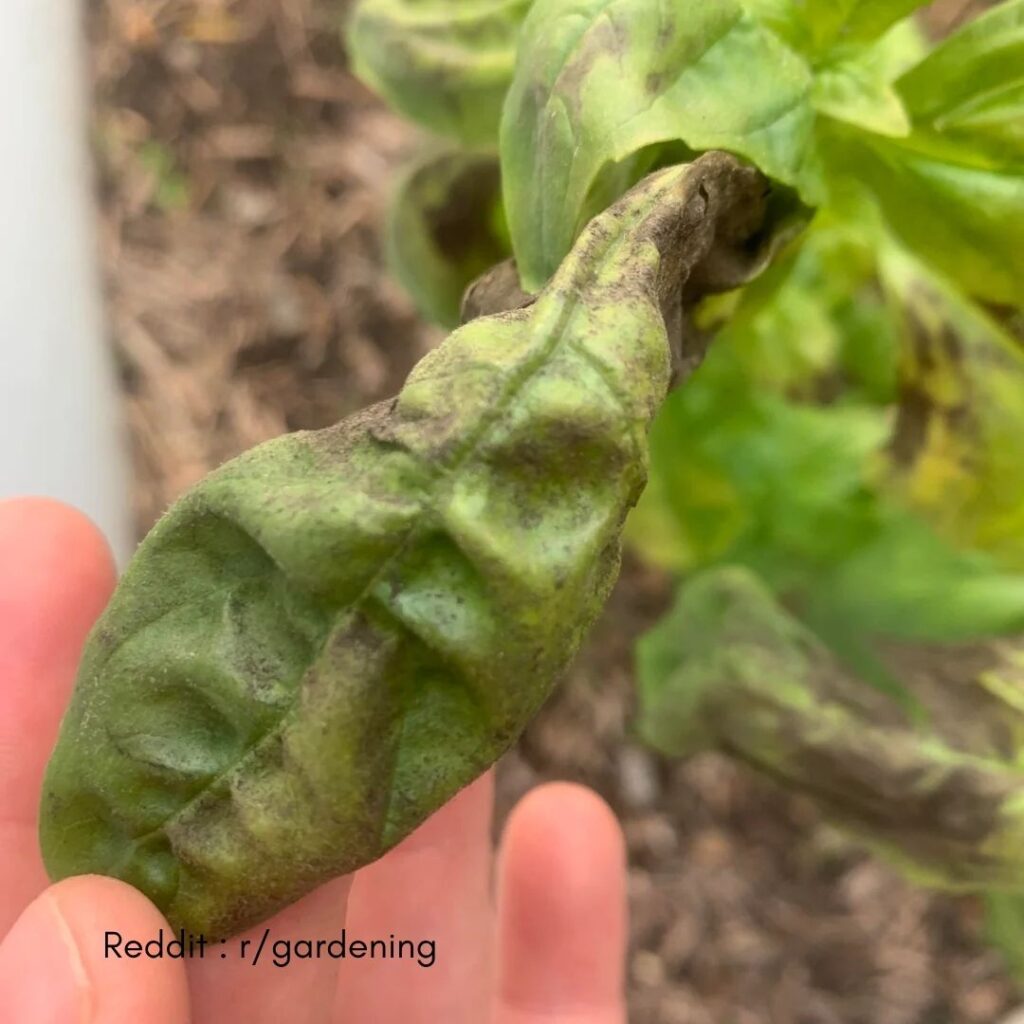
Have you ever walked out to your garden, only to find your basil leaves turning black? It’s a frustrating sight for any plant lover! I’ve been there too, and it’s not a pretty picture. Let’s dig into why this happens and what we can do about it. 🌿
The main reason basil leaves turn black is due to fungal infections or cold temperatures. Sometimes, it’s as simple as overwatering or not giving your basil enough sunlight. Has this ever happened to you in your own herb garden?
Let’s get to the root of the problem (pun intended!). It’s time to take care of those basil plants and ensure they stay vibrant and green. 🍃 Share your experiences in the comments below. Have you found any tricks that work? Can’t wait to hear them!
Understanding Basil Plants
I’m a huge fan of basil! It’s such a versatile herb. Whether you’re growing it for cooking or just love its fresh scent, here’s what you need to know about basil plants.
Anatomy of Basil Leaves
Basil leaves are ovate-shaped, meaning they are oval with a pointed tip. They vary in color from bright green to deep purple. The leaves usually have a smooth texture and a slightly glossy look. Fun fact: If you gently rub them, you’ll smell that classic basil aroma. 🌿
The veins on the leaves are pretty visible and provide structure. This helps the plant photosynthesize better. Ever noticed how basil leaves sometimes have tiny hairs? These can protect against pests!
Basil Plant Growth Cycle
Basil starts as a small seed that quickly sprouts into a seedling. Within a few weeks, it becomes a lush, leafy plant. It loves sunlight and needs about six hours of direct sun each day. Watering is key, but be careful not to overwater, as basil roots can rot easily.
You’ll see flowers if you let the plant mature. Tip: Pinch off these flowers to keep the plant producing leaves. It’s like magic! Anyone else love that feeling of seeing little green leaves grow and flourish? 🌱
Common Basil Varieties
There’s more to basil than just the common sweet basil. Italian Large Leaf Basil is great for pesto with its rich, robust flavor. Thai Basil has a unique anise-like taste, perfect for Asian dishes. Ever tried Purple Basil? It’s not only tasty but also adds a pop of color to your garden or plate.
Then there’s Lemon Basil which has a slight citrusy flavor. It’s amazing in salads or seafood dishes. I’m always on the lookout for new basil types to try. Do you have a favorite? 🌿
What are your thoughts or experiences with basil? Have you tried different varieties or have any tips to share? Let’s chat in the comments! 💬✨
Causes of Blackening Leaves
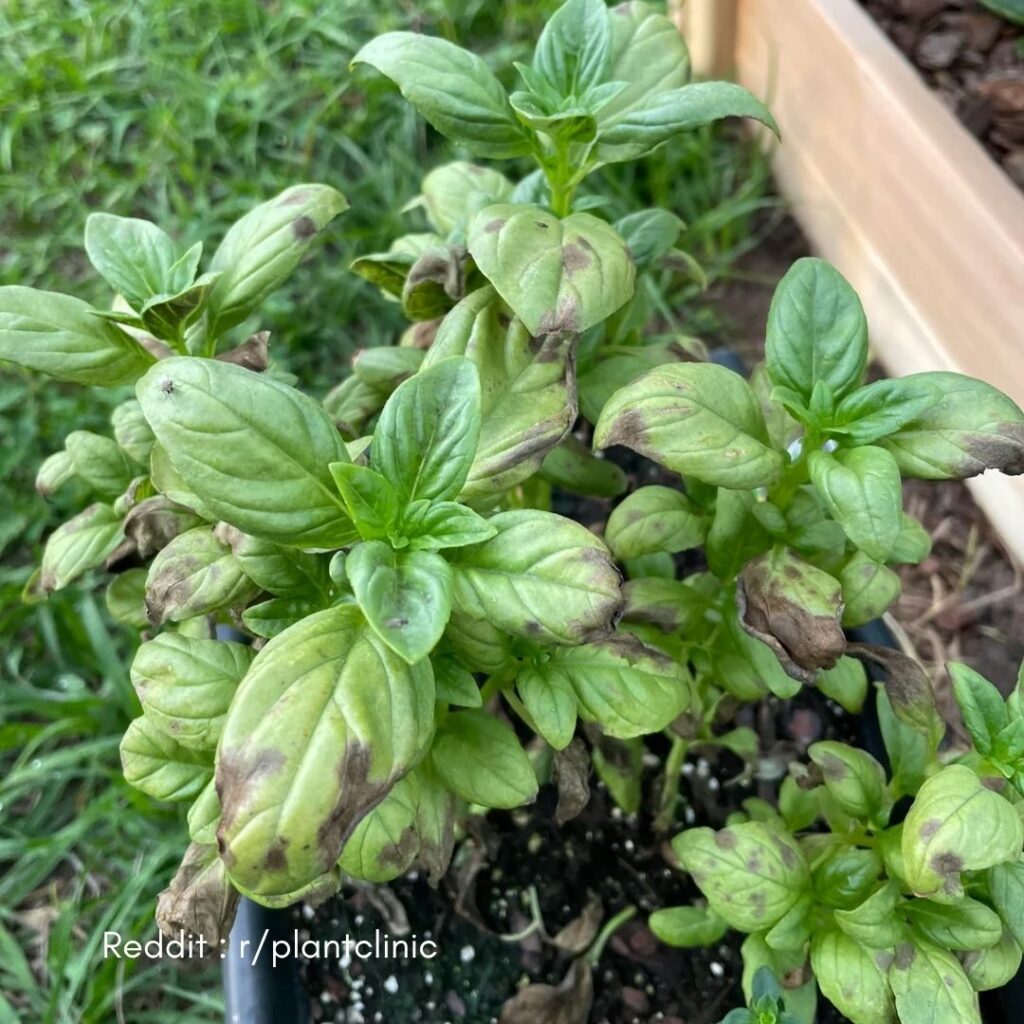
Several factors can cause basil leaves to turn black. These include fungal infections, bacterial diseases, pest infestations, and environmental stress.
Fungal Infections
Fungal infections can be a major problem for basil plants 🌱. These infections usually start with small, dark spots on the leaves that slowly grow bigger. Common fungi like downy mildew and fusarium wilt are often the culprits.
Is your basil plant getting enough air? Poor air circulation and too much moisture can make things worse. I always make sure to water my plants in the morning to allow the leaves to dry out during the day. Consider using a fungicide if you notice early signs of infection.
Fungus spreads quickly, so keep an eye out! Have you seen any odd spots on your basil lately?
Bacterial Diseases
Bacterial diseases can also cause those frustrating black spots 😟. Leaf spots and wilts are common signs. Pseudomonas and Xanthomonas bacteria are usual suspects.
These bacteria love wet conditions. Over-watering and splashing water on leaves can help them spread. I suggest using a soaker hose to water the soil directly. Also, remove any infected leaves to stop the spread.
Ew, bacteria! Have you had any issues with bacterial infections in your garden?
Pest Infestations
Tiny pests can be a big problem! 🐛 Common pests like aphids, spider mites, and thrips suck the sap from basil leaves, causing discoloration and black spots.
Regularly check under the leaves and at the joints. I use a simple spray of soapy water to control these pests. For a more serious infestation, consider using an organic insecticide.
Pests can be sneaky. Have you found any creepy crawlies on your basil?
Environmental Stress
Sometimes, it’s just the environment causing stress to your basil plants 🌞. Extreme temperatures, poor soil conditions, and inconsistent watering can turn leaves black.
Keep your basil in a spot with good drainage and plenty of sunlight. Avoid subjecting the plant to sudden changes in temperature. I like to water my basil consistently to keep it happy and healthy.
Is your basil getting the right environment? How’s the weather been treating your plants?
I’d love to hear your tips and stories about dealing with black spots on your basil leaves. Share in the comments below! 📱💬
Preventive Measures
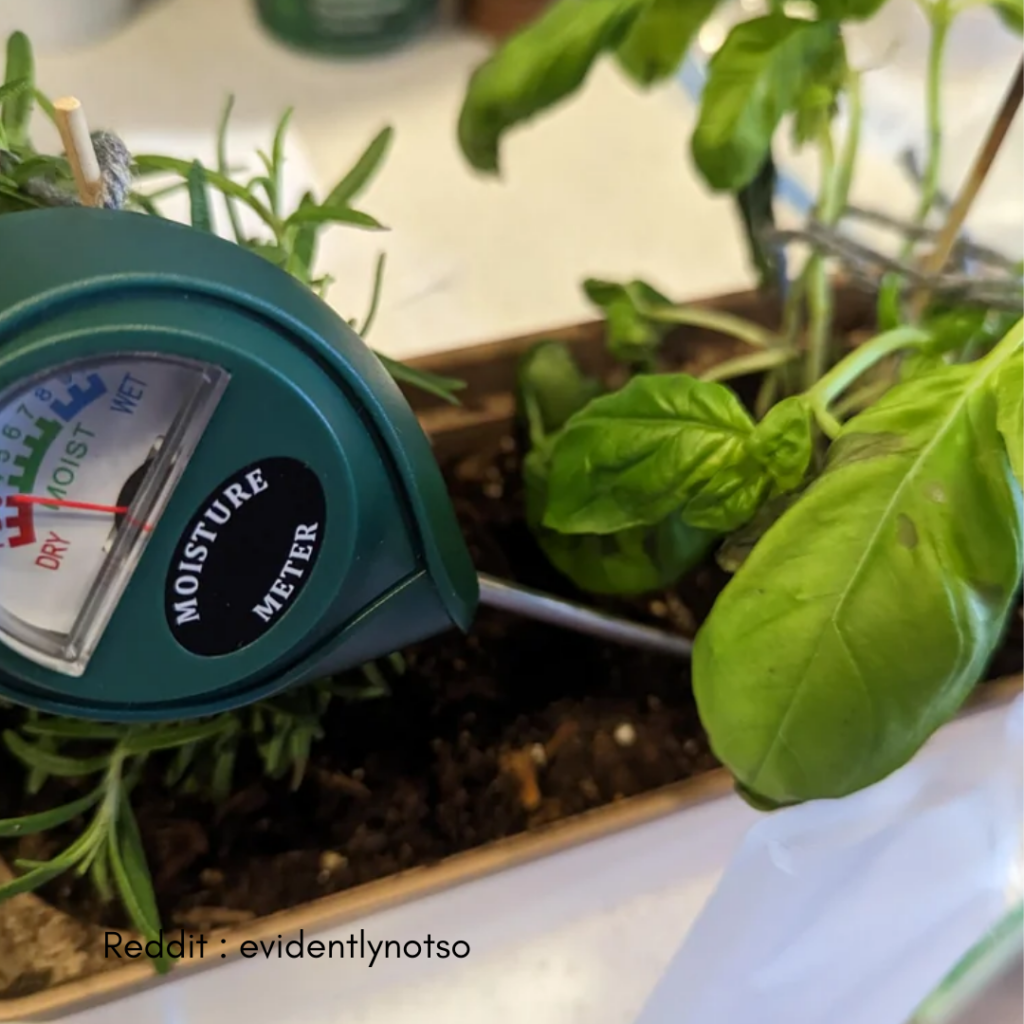
To keep your basil plant healthy and its leaves green, focus on proper watering, sunlight, and climate control. This will help prevent issues like black leaves.
Proper Watering Techniques
Overwatering or underwatering can make basil leaves turn black. Water your basil plant just right to keep it happy! 🪴
- Watering schedule: I find that watering the basil plant every 2-3 days works best.
- Drainage: Make sure the pot has drainage holes to avoid soggy soil.
- Soil check: Stick your finger in the soil. If the top inch is dry, it’s time to water.
Does anyone else have a watering hack? Share your tips in the comments! 💧
Appropriate Sunlight Exposure
Basil loves sunlight but too much can cause problems. 🌞 Finding the right balance is key.
- Ideal light: Put your basil in a spot with 6-8 hours of sunlight.
- Temperature check: Basil likes it warm but not hot. Around 70 degrees Fahrenheit is perfect.
- Shade it up: If the leaves start looking crispy, consider a shade during the peak sun hours.
How do you find the perfect spot for your basil? Let me know! 🌿
Climate Control
Keeping the right climate for indoor or outdoor basil is essential.
- Humidity: Basil enjoys a bit of humidity. Mist the leaves if the air is dry.
- Indoor setup: If indoors, keep it away from drafty windows or air vents.
- Outdoor care: If outdoor, protect it from strong winds and sudden temperature drops.
Have you ever tried a humidity tray? 🪴 Share your experiences below!
Treatment Options
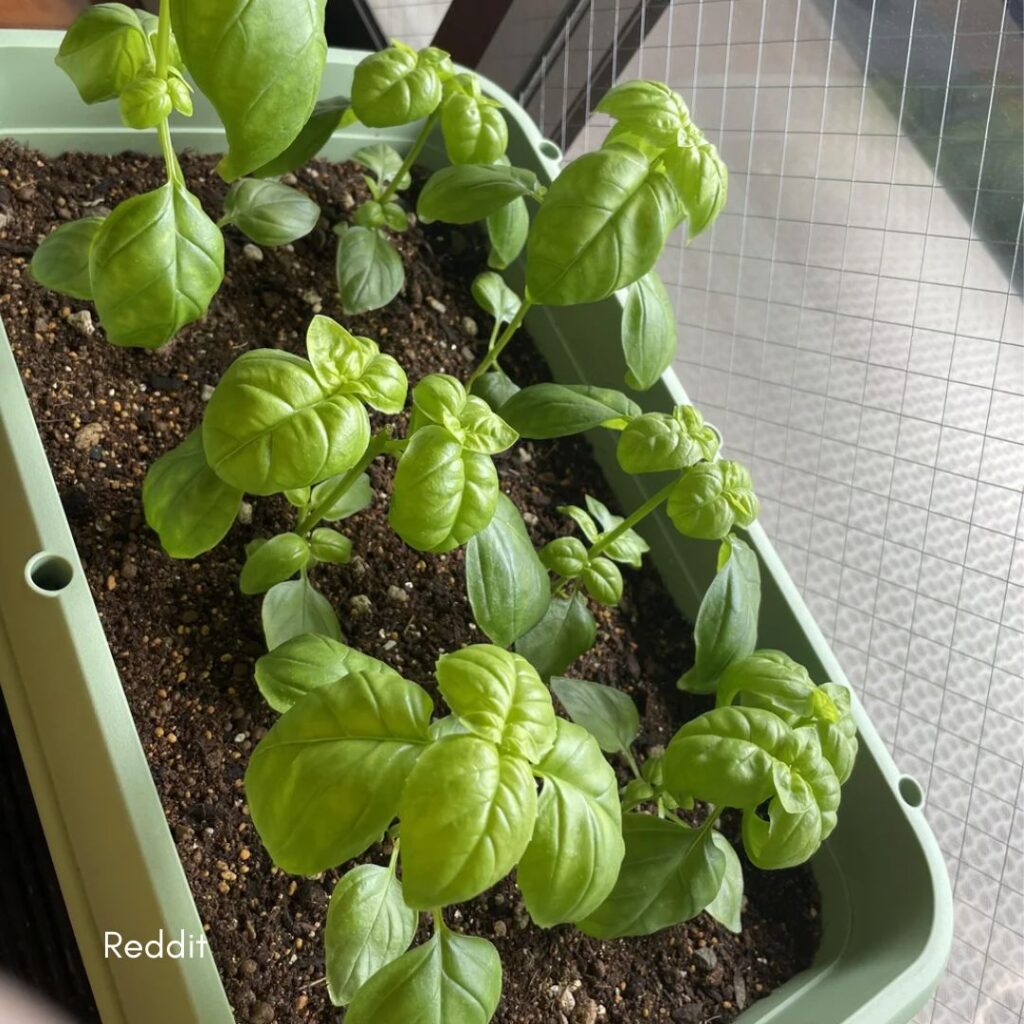
Your basil plant’s leaves are turning black? Don’t worry, there are ways to fix this. Here are some natural remedies, chemical treatments, and pruning tips to help your basil thrive again.
Natural Remedies
I love starting with natural remedies because they’re safe and easy. If the soil is too wet, try letting the plants dry out slightly. Too much water can cause black leaves. If pests like aphids are the problem, I suggest using a mixture of water and dish soap. Spray this on the leaves to get rid of those tiny pests. Adding a bit of Epsom salt to the soil might also help. It provides magnesium, which basil loves. 🌿
Chemical Treatments
Sometimes, natural remedies don’t cut it and we might need chemical treatments. You can use a fungicide if you suspect a fungal infection. Just follow the instructions on the label closely. There are also insecticides available for more stubborn pests. Make sure the products are safe for edible plants like basil. Wear gloves when applying any chemicals to your plants. Nobody wants chemicals on their hands! 🧤
Pruning Damaged Leaves
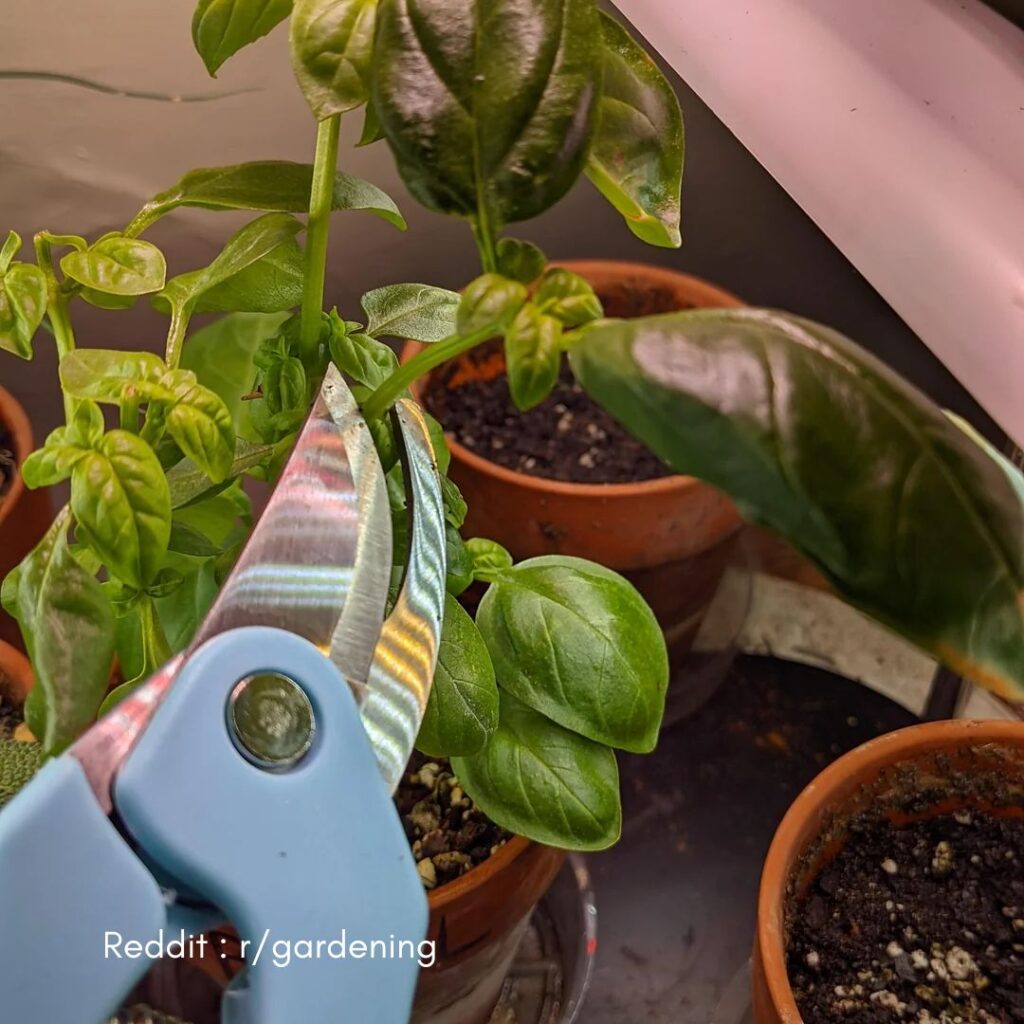
Pruning is like giving your basil a fresh haircut. Snip off any black or damaged leaves using clean scissors. This helps the plant focus its energy on healthy growth. Be careful not to remove more than one-third of the plant’s foliage at a time. Too much pruning can stress the plant. After pruning, keep an eye on any new growth. If new leaves look healthy, you’re on the right track! 😊
Feel free to share your own tips or ask questions in the comments! How do you take care of your basil plants? 🌱✨
Caring for Basil After Treatment
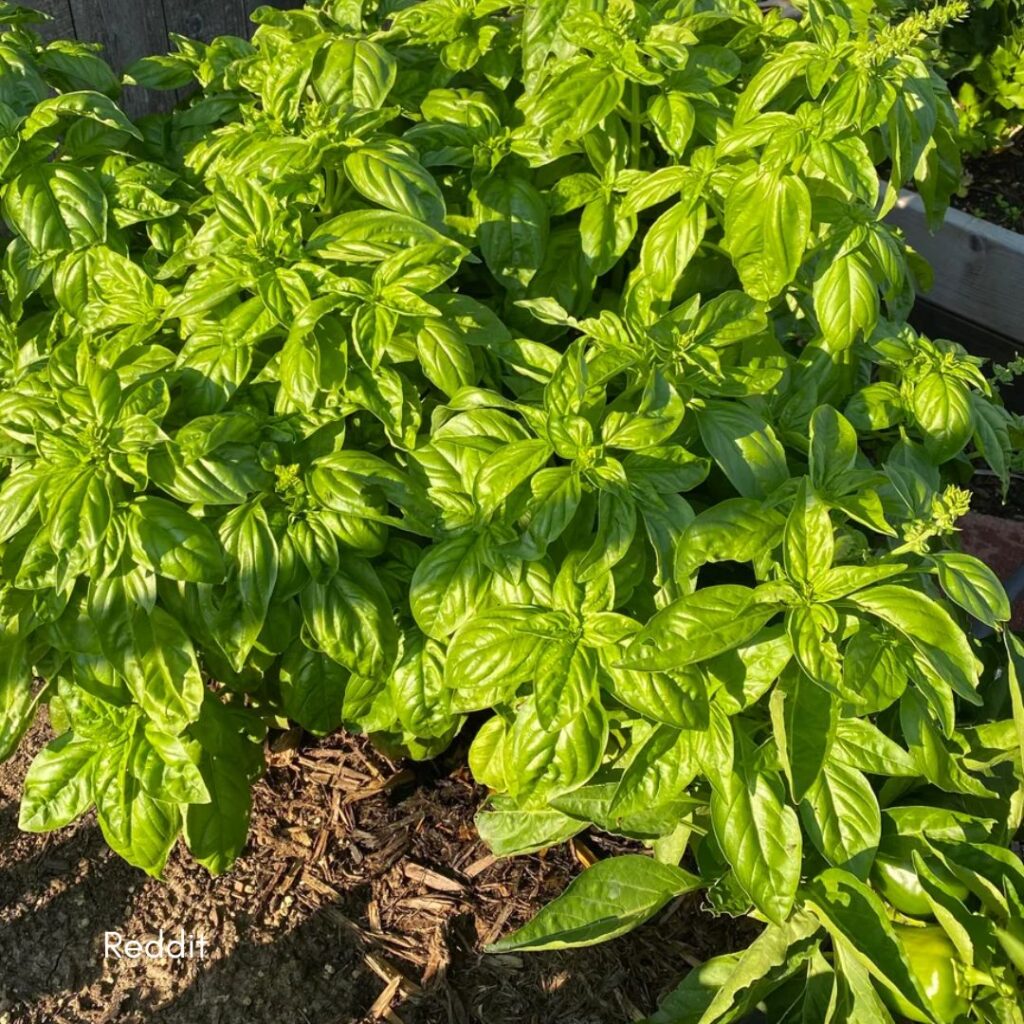
Taking care of your basil after it has recovered is key to keeping it healthy. Let’s keep it fresh and thriving with just a few simple steps.
Monitoring Plant Health
I always keep an eye on my basil for any changes. Look for new spots or discoloration on the leaves. This can be a sign that the problem is returning.
Check the soil moisture daily. Basil likes to be moist but not waterlogged. A good rule of thumb is to water when the top inch of soil feels dry.
Keeping pests away is important too. Inspect for bugs, like aphids or spider mites, hiding under leaves. If you spot any, using a mild insecticidal soap can save the day.
Adjusting Care Routine
After treatment, it’s time to tweak the care routine. Add fresh compost or a balanced fertilizer to boost the soil nutrients. This helps the basil grow stronger.
Prune the basil regularly to encourage new growth. Pinch off the tops to promote bushier plants. Remember, pruning too much can stress the plant, so be gentle!
Think about the location of your basil. It needs about 6 hours of sunlight daily. If it’s too hot, provide some shade to prevent scorching.
Caring for my basil makes me feel like a real gardener. 🌱 How do you care for your basil? Share your tips in the comments!
Tips for Healthy Basil Plants
Hey there, fellow basil lovers! 🍃 Let’s keep those basil plants happy and thriving. Here are some helpful tips to ensure your basil stays green and lush.
1. Watering Wisely
Basil loves moisture, but not too much. I always make sure to water my basil when the top inch of soil feels dry. Too much water can lead to root rot. 🚫💧
2. Plenty of Sunlight
Basil needs 6-8 hours of sunlight each day. I place my basil in a sunny spot, either outdoors or on a windowsill. 🌞 Too little sun can make it leggy and weak.
3. Regular Pruning
Regular pruning encourages my basil plants to grow bushier. I pinch off the top leaves every couple of weeks. Have you tried pruning your basil? ✂️
4. Good Soil and Drainage
I use well-draining soil to prevent waterlogging. Adding some compost can also help provide nutrients. How’s your basil soil doing? 🌱
5. Protect from Pests
Basil can attract pests like aphids. I keep an eye out and use natural remedies like spraying cold water or using neem oil to keep them away. 🐞
6. Avoiding Cold
Basil doesn’t like cold weather. I bring mine indoors or cover them when temperatures drop below 50°F. ❄️ How do you protect your basil from the cold?
Let’s share our basil-growing stories in the comments! What tips work best for you? 🌿💬
Frequently Asked Questions
There are many reasons why basil leaves turn black, such as too much water or pests. Below, we’ll look at common questions and some simple tips to help keep your basil healthy.
Why are the edges of my basil leaves turning black?
Black edges can be from overwatering or cold temperatures. Make sure your basil is not sitting in water and keep it in a warm place.
How can I prevent my basil leaves from turning black after I wash them?
Gently pat dry the basil leaves with a clean towel. Make sure they are completely dry before storing them. Use a salad spinner if you have one! 🥗
What causes black spots on basil leaves, and how can I treat them?
Black spots might be caused by fungal infections. To treat them, prune the affected leaves and ensure the plant has good air circulation. Don’t overcrowd your plants.
Is it safe to eat basil leaves that have turned black or brown?
It’s usually best to avoid eating basil leaves that have turned black or brown. They may not taste good and could make you sick.
Can overwatered basil plants be revived, and what do they look like?
Yes, overwatered basil can be saved. They often have droopy leaves that feel soft. Let the soil dry out before watering again, and make sure the pot has good drainage.
What is the proper way to store basil in the fridge to prevent blackening?
Wrap the basil in a paper towel and place it in a plastic bag. Store it in the fridge to keep it fresh and green. 🌿
Do you have more questions about basil? Drop them in the comments below! 🚀