
Have you ever looked at your basil plant and noticed brown leaves? It’s a bummer, isn’t it? If you’re like me, you want your basil to be vibrant and green. Don’t worry though, I’m here to help you figure out what might be going wrong and how to fix it.
Brown leaves on basil can happen for a few reasons. Too much water can cause root rot, while too little water can make the plant dry. Sometimes, it’s just a matter of the plant not getting enough sunlight. 🪴 It’s important to find the right balance for your basil.
And hey, if you’ve had any similar experiences, share them in the comments! 🌿 Let’s turn those brown leaves green again together.
Understanding Basil Plants
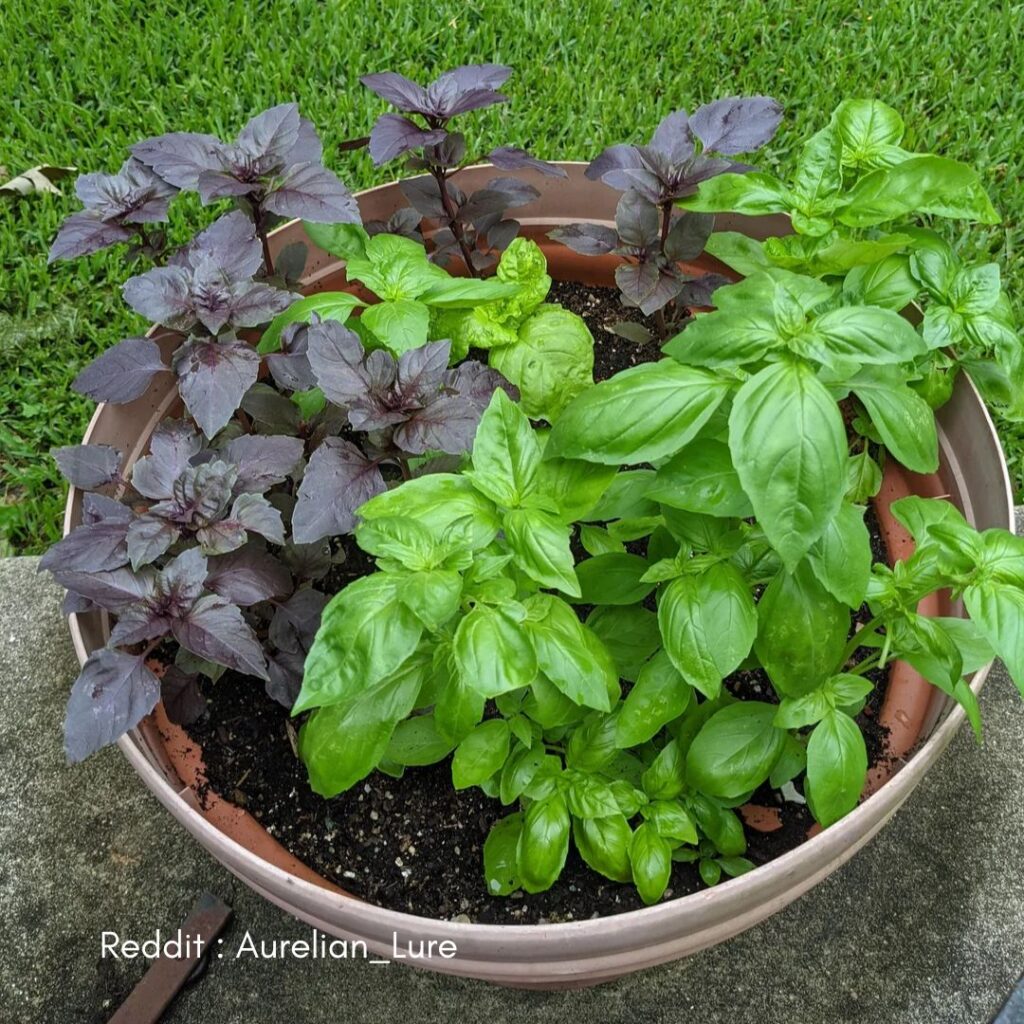
Let’s talk about basil plants! Basil is not just a flavorful herb; it’s also quite fascinating: there are many types, and it needs specific conditions to thrive.
Types of Basil
There are many varieties of basil, each with its own unique flavor and look.
Sweet Basil is the most common and popular in many dishes like pasta and salads. Its leaves are large and bright green.
Thai Basil has a distinct anise-like flavor. Its leaves are smaller and darker, and it’s perfect for Asian cuisine.
Lemon Basil has a refreshing lemon scent and taste. Great for adding a citrus twist to your dishes.
Purple Basil looks stunning with its deep purple leaves and has a spicier flavor compared to sweet basil.
Ever tried saying ‘Basil variety samplers’? 😂 Which one do you like best? Share your favorite in the comments below! 🍃
Ideal Growing Conditions
For basil to thrive, sunlight is key. It loves full sun but can handle some partial shade, just like me on the beach!
Soil should be well-draining and rich in nutrients. Basil doesn’t like to have ‘wet feet’, so keep the soil moist, not soggy.
Temperature is also important. Basil loves warm weather. Aim for temperatures between 70°F to 85°F. If it gets too cold, bring your basil indoors.
Watering needs to be regular but not overdone. Water it in the morning for the best results.
Got some tips or questions about growing basil? Let me know below! 🌿
Common Causes of Brown Leaves
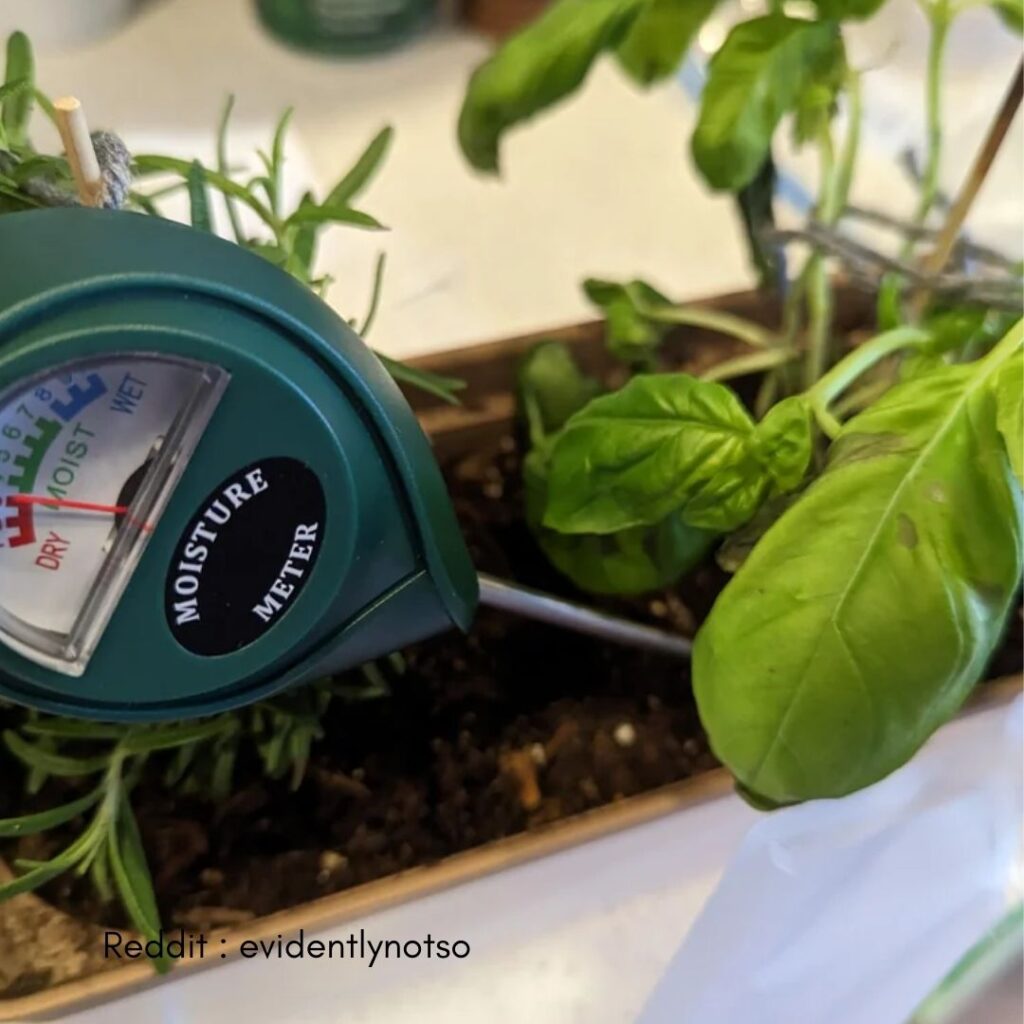
Brown leaves on basil plants can be caused by several factors. It’s crucial to pinpoint the problem to restore your basil plant’s health.
Watering Issues
One big reason for brown leaves is incorrect watering. Are you watering too much or too little? Both can harm your plant. Basil likes moist soil but hates sitting in water. Overwatering leads to root rot, making leaves turn brown. Underwatering dries out the plant, causing similar discoloration.
To avoid watering problems, check the soil moisture regularly. Is it too dry? Give it a drink. Is it soggy? Let it dry out a bit. Your plant will thank you.
Soil Nutrient Deficiencies
Missing nutrients can also cause brown leaves. Basil needs healthy soil to thrive. Lack of nitrogen, potassium, or magnesium can turn leaves brown. Does your basil look pale or have yellow spots? It’s probably hungry.
Using a balanced organic fertilizer can help. Make sure the soil has what the plant needs. Test the soil if you’re unsure. The right nourishment makes a huge difference. 🍃
Pests and Diseases
Tiny invaders or illness can make leaves go brown. Pests like aphids or spider mites love basil. Check under the leaves for these little critters. They can suck the life out of your plant.
Diseases like fungal infections also cause trouble. Are there black spots? That could be downy mildew. Clean your tools and remove infected leaves to keep the disease from spreading. Being vigilant keeps your basil healthy.
Environmental Stress
Environmental stress is another culprit. Basil plants prefer warm, sunny spots. Too much shade, extreme heat, or sudden cold can stress the plant, leading to brown leaves. 🌞🌡️
Keep your basil in a location with full sun but watch out for scorching temperatures. If you live in a hot area, provide some afternoon shade. Also, basils hate frost. Bring them inside if it gets too cold. 🌿🌬️
Ever noticed these causes with your basil? Share your stories and tips in the comments! Let’s help our basil friends together.🌿😊
Preventative Measures
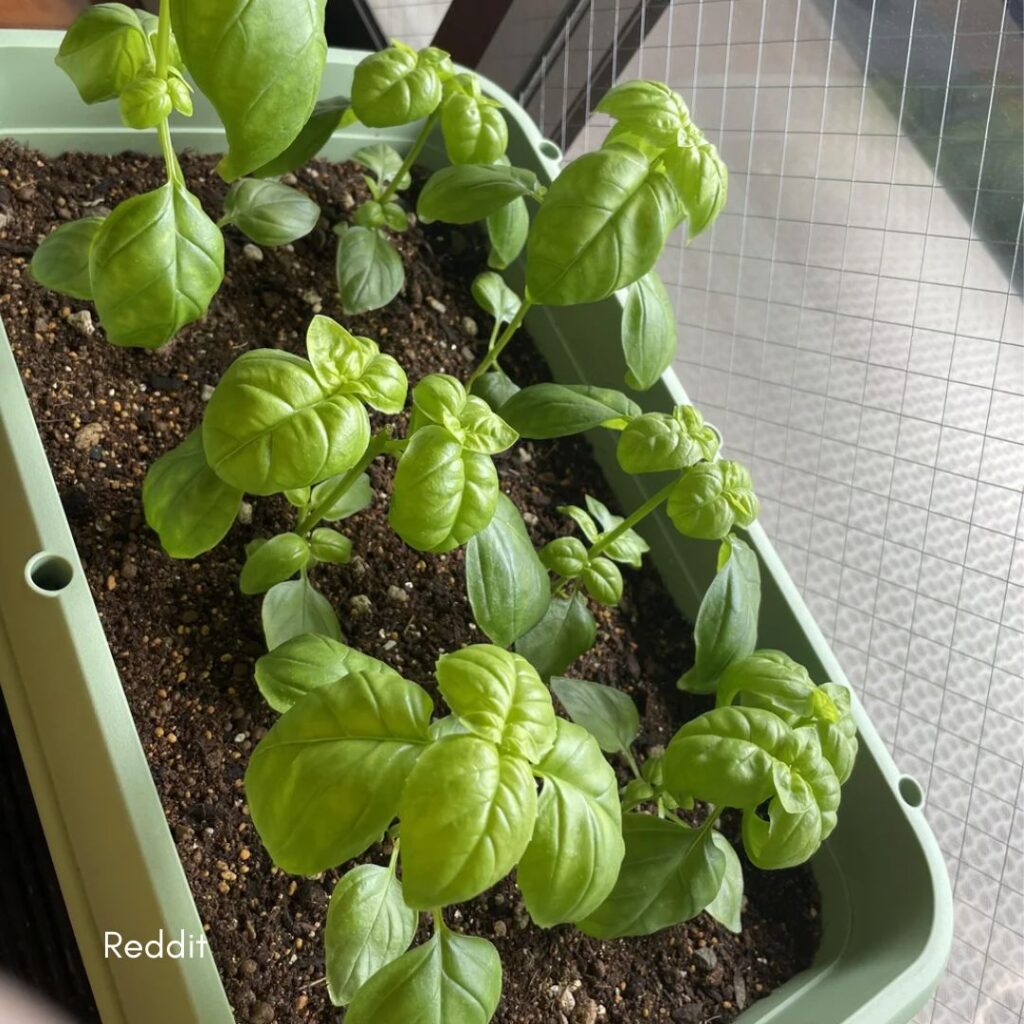
Basil plants can thrive with the right care. Let’s explore how proper watering, good soil, and pest control can keep those leaves green and healthy. 🌿
Proper Watering Techniques
Watering basil plants correctly is crucial. Overwatering can lead to root rot, while underwatering can cause the leaves to brown. I usually water my basil in the morning to give it a head start for a sunny day. 🌞 Keep the soil moist but not soggy. To check, I stick my finger about an inch into the soil – if it feels dry, it’s time to water.
Using a watering can with a narrow spout can help direct water to the base of the plant, keeping the leaves dry and less prone to disease. Drip irrigation systems can also be very effective for maintaining consistent moisture levels.
Soil Quality and Fertilization
Good soil can make a huge difference for basil. I prefer using a well-draining, organic potting mix. Look for mixes with perlite or sand that ensure proper drainage, and avoid soil that stays waterlogged.
Regular fertilization supports healthy growth. I like using an organic fertilizer once every 4-6 weeks. A balanced 10-10-10 fertilizer works well. You can also sprinkle some compost into the soil to enrich it naturally. Over-fertilizing can cause more harm than good, so stick to recommended amounts. 🥗
Pest and Disease Management
Basil can fall prey to pests and diseases, which can turn leaves brown. I keep an eye out for aphids, spider mites, and leafhoppers. These tiny nuisances suck the life out of my plants! I often spray a mix of water and dish soap on the leaves to keep them away. 🍃
For diseases, like fungal infections, ensure proper air circulation around the plant. Pruning helps too – it not only encourages growth but also keeps the plant from becoming too dense. If I spot infected leaves, I remove them quickly to prevent spreading. Good hygiene, like cleaning garden tools, goes a long way.
Have you faced brown leaves in your basil plants before? Share your tips and tricks in the comments below! 🌱✨
Diagnosing the Problem
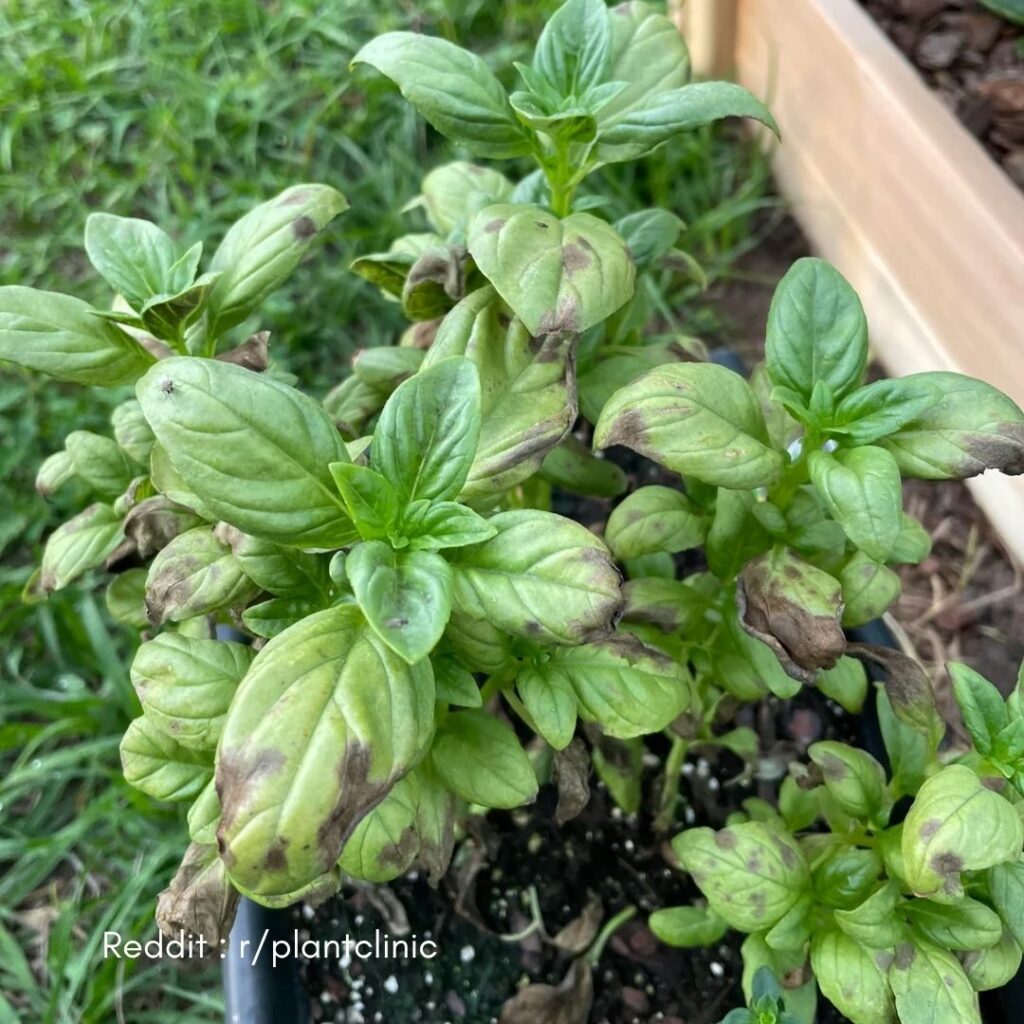
It’s puzzling when your basil’s leaves turn brown, right? Let’s figure out what’s going on by looking at some key symptoms and potential pests or diseases.
Assessing Symptoms
First, examine the leaves closely. Are they dry and crispy around the edges? That might mean your plant is underwatered.
Now, if the leaves are soft and mushy, then it’s possibly overwatered. Basil is pretty picky about its water!
Check the color of the leaves. Do you see yellow or brown spots? This could mean a nutrient deficiency.
Are the stems affected too? Weak or browning stems can be a sign of poor plant health, possibly due to improper light or water conditions.
Identifying Pests and Diseases
Look for tiny bugs. Aphids, spider mites, and whiteflies love basil. These pests usually hide under the leaves. If you spot any, that could be a clue!
Inspect for fungal infections. Dark spots or a white, powdery coating on the leaves might indicate fungal problems like Downy mildew or Powdery mildew.
Ever noticed any irregular shapes or holes? This might point to leaf-eating insects or snails.
Lastly, smell the plant. A healthy basil plant smells lovely, but if there’s a strange odor, it might be a sign of root rot or other diseases.
Have you experienced any of these issues with your basil? Tell me about it in the comments! 🌿✨
Treatment and Recovery
Let’s dive into how to treat brown leaves on your basil plant. By adjusting watering habits, amending soil and fertilizer use, and addressing pests and diseases, you can help your plant thrive again!
Adjusting Watering Habits
One of the main reasons for brown leaves on a basil plant is improper watering. Too much or too little water can stress your plant. Do you check the soil moisture regularly? If not, it’s time to start! 🌱
It’s best to water the basil when the top inch of soil feels dry. Avoid letting the pot sit in water. Overwatering can lead to root rot.
Is your basil in a pot with drainage holes? If not, transplant it to one that has. This ensures excess water drains away.
Amending Soil and Fertilizer Use
Soil quality and fertilization greatly affect basil health. Good soil drainage and the right nutrients are essential. I like to use a well-draining potting mix, often mixed with a bit of sand.
Fertilization is also important. Use a balanced, water-soluble fertilizer every 4-6 weeks. Be careful not to over-fertilize. Too much can cause leaf burn and brown spots.
Ever thought about compost? Mixing in compost can provide a natural nutrient boost and improve soil structure.
Addressing Pests and Diseases
Pests and diseases are common culprits behind brown basil leaves. Have you noticed any tiny bugs or spots? If yes, you might have a pest problem. Aphids, spider mites, and whiteflies are usual suspects.
Use a mild insecticidal soap or neem oil to treat infestations. Apply it in the evening to avoid burning the leaves. 🌿
Diseases like fungal infections can also cause browning. Ensure good air circulation around your plants. Remove infected leaves and avoid watering the leaves directly to minimize disease spread.
By following these tips, you can help your basil plant recover and flourish. Got any basil tales to share? Drop a comment below! 🌱💬
Ongoing Care Tips
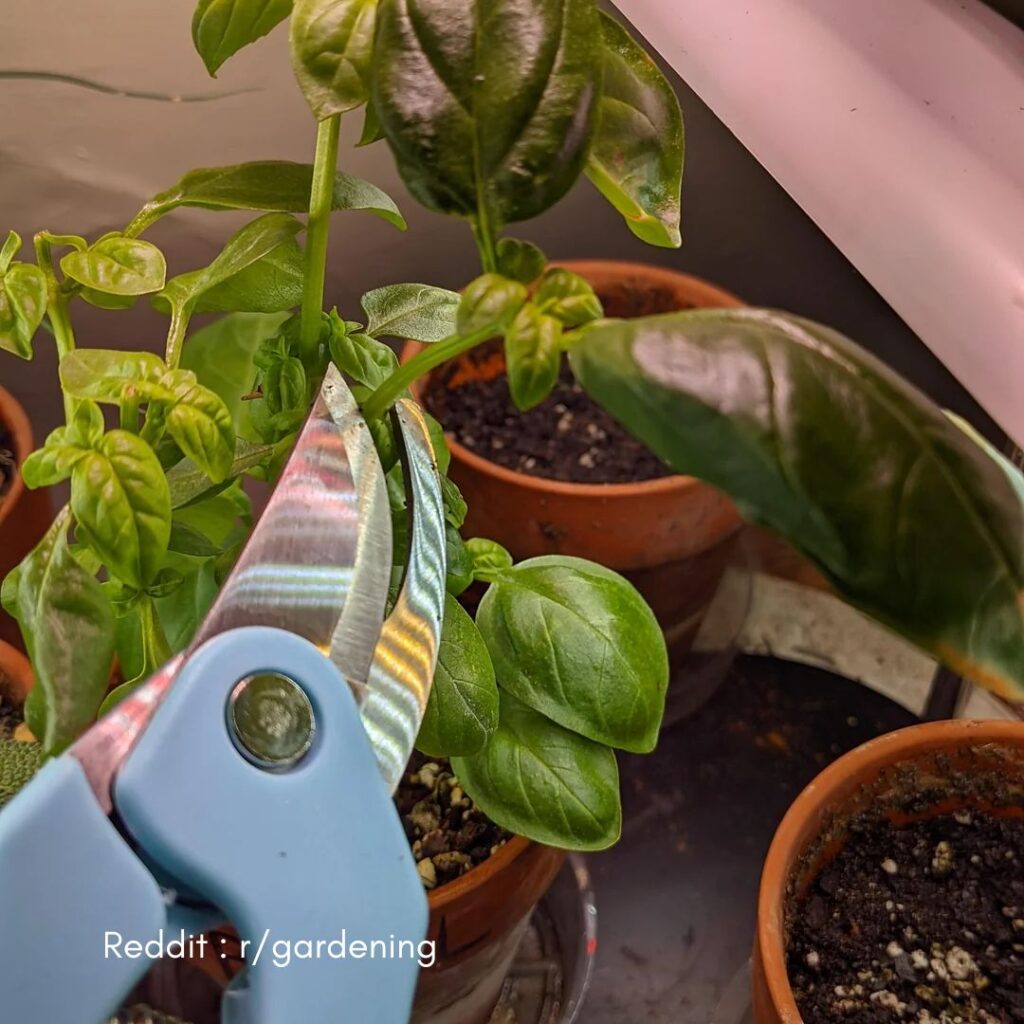
Keeping your basil plant healthy involves regular maintenance and closely monitoring its condition. Here’s how you can ensure your basil stays lush and green.
Regular Maintenance Schedule
I like to check on my basil every day. Watering is key: basil loves moist soil but hates being waterlogged. I water my plant when the top inch of soil feels dry. Too much water? It can lead to root rot. Not enough? The leaves will droop.
Pruning keeps basil happy. I pinch off the top leaves every couple of weeks. This encourages the plant to grow more. Don’t let it flower; flowering can make the leaves taste bitter.
I also rotate the pot to ensure all sides get sunlight. Basil needs at least 6 hours of sunlight a day. If you keep it indoors, a sunny window works wonders. 🌞
Monitoring Plant Health
I keep an eye on the leaves to catch problems early. Brown leaves can be a sign of underwatering, overwatering, or disease.
If I see brown edges, I check the soil moisture. For yellowing leaves with brown spots, I might have a pest problem. Aphids and spider mites love basil. I use a gentle insecticidal soap or neem oil.
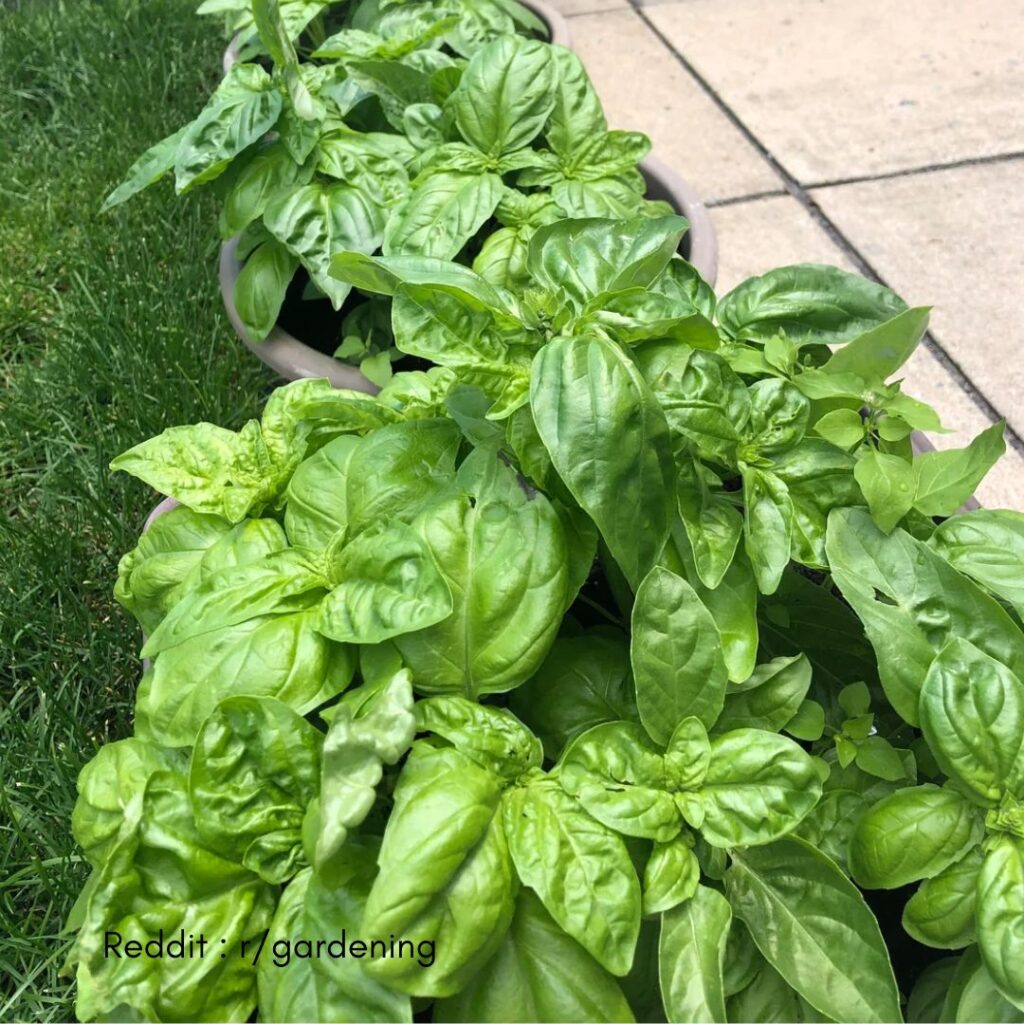
Proper air circulation helps too. I avoid crowding my basil with other plants to reduce the risk of mold and mildew. Healthy basil leaves are a rich green. If your plant looks unhappy, tweak your care routine. Have you faced any challenges with your basil? Share in the comments! 🌱
When to Seek Professional Help
If your basil plant’s brown leaves persist despite your best efforts, it might be time to call in the pros. Getting guidance from experts can save time and boost your plant’s health.
Consulting a Horticulturist
Sometimes, you just need an expert’s eye. I remember struggling with my basil plant and finally deciding to ask a horticulturist for help. Professional advice from someone who understands plants deeply can be a game-changer. They can identify the specific problem, whether it’s a disease, pest, or environmental issue. Think of it like going to a plant doctor!
Often, you can find horticulturists at local agriculture extensions or universities. They might offer consultations over the phone, email, or even in-person visits. So, don’t hesitate to reach out, they’re here to help!
Utilizing Local Garden Centers
Another great option is heading to your local garden center. I always enjoy these visits because they’re like a mini field trip! Garden centers usually have knowledgeable staff who can offer practical and immediate solutions.
Bring a sample of the affected leaves with you, or take a clear photo. This makes it easier for them to diagnose the issue. Plus, you can pick up any necessary supplies right there. It’s a convenient one-stop solution. 🌿👍
So, have you ever sought help from a horticulturist or garden center? Drop your experiences or tips in the comments, and let’s help our fellow plant lovers out! 🌱💚
Frequently Asked Questions
Let’s answer some common questions about why basil leaves turn brown and what you can do about it. 🌿
What causes brown edges on basil leaves?
Brown edges on basil leaves are often due to overwatering or too much direct sunlight. It’s a good idea to check if your plant needs less water or a bit more shade.
Is it safe to eat basil leaves that have turned brown?
While not harmful, brown basil leaves don’t taste as good. It’s best to remove brown parts and use the green leaves for your dishes.
How do I prevent my basil’s leaves from turning brown in water?
Make sure the water is clean and changed regularly. Keep your basil in a spot with indirect light. Also, check that the roots have room to breathe and aren’t submerged too deeply.
What should I do if my basil plant has brown leaves after repotting?
Gently trim the brown leaves to encourage new growth. Ensure the plant isn’t stressed and consider providing it with some fertilizer to help it adjust.
Why is my basil plant turning brown at the stem?
Browning stems can be a sign of stem rot. This happens due to overwatering or poor drainage. Make sure your pot has drainage holes and the soil isn’t soggy.
How can I revive a basil plant that has been overwatered?
First, let the soil dry out completely. Then, water only when the top inch of soil is dry. You can also place the pot in a spot with good airflow to help the soil dry faster.
Feel free to share your own basil-growing tips or questions in the comments! 🌱😊