Ever wonder how to grow a basil plant that thrives? 🌿 I’ve got you covered! Basil plants need plenty of sunlight and well-draining soil to grow their best. Trust me, it’s easier than you think with a few simple tips.
Did you know that watering is a game-changer for basil growth? Water the soil, not the leaves, to prevent mildew. Keep the soil moist but not soggy, and your basil will thank you! Your kitchen will smell amazing, and you’ll always have fresh herbs on hand.
Here’s a fun tip: Pinch off the flowers to keep your basil producing lush leaves. This small step ensures that the plant’s energy goes into growing more fragrant foliage instead of flowers. 🌱 Give it a try and let me know how it goes in the comments!
Understanding Basil
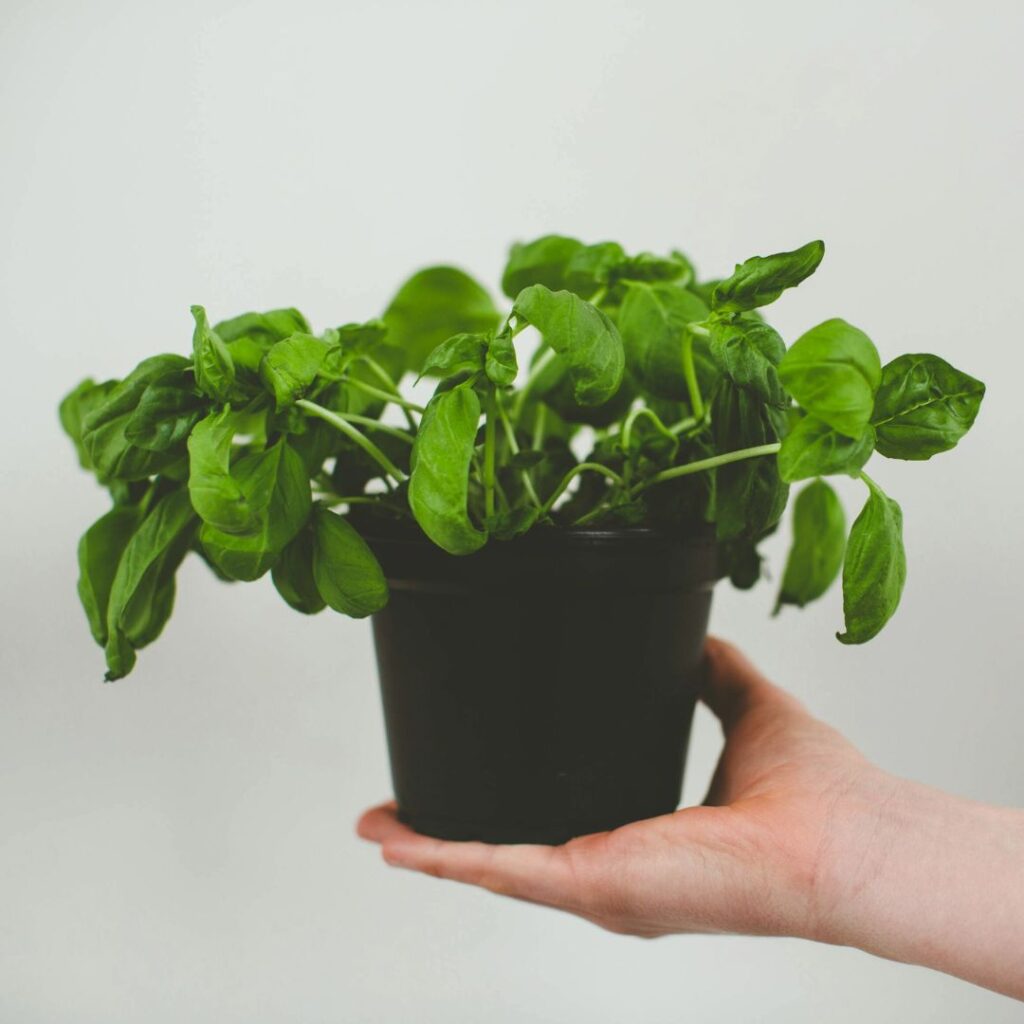
Basil is a popular herb used in many dishes, known for its fragrant leaves and numerous varieties. Let’s explore its origins and specific characteristics.
Origins and Varieties
Basil originated in India and has been cultivated for over 5,000 years! 🍃 There are many varieties of basil, each with unique flavors and uses. For example, Sweet Basil is perfect for Italian dishes, while Thai Basil adds a spicy kick to Asian cooking.
Different types of basil include:
- Sweet Basil: Classic, sweet taste. Great for pasta and pesto.
- Thai Basil: Spicy, anise-like flavor. Perfect for curries.
- Lemon Basil: Citrus flavor. Amazing in salads and fish dishes.
Have you tried different kinds of basil? 🌱 Share your favorites in the comments!
Botanical Characteristics
Basil plants have green, oval leaves that can grow quite large. The leaves are often smooth and shiny. The plant can reach between 12 to 24 inches in height.
Here’s a fun fact: Basil blooms small white or purple flowers! 🌸
Basil needs lots of sunlight (about 6-8 hours a day) and well-drained soil to thrive. Keep its soil moist but avoid overwatering.
Have you ever grown basil at home? Tell me about your experience below! 😊
Optimal Conditions for Growth
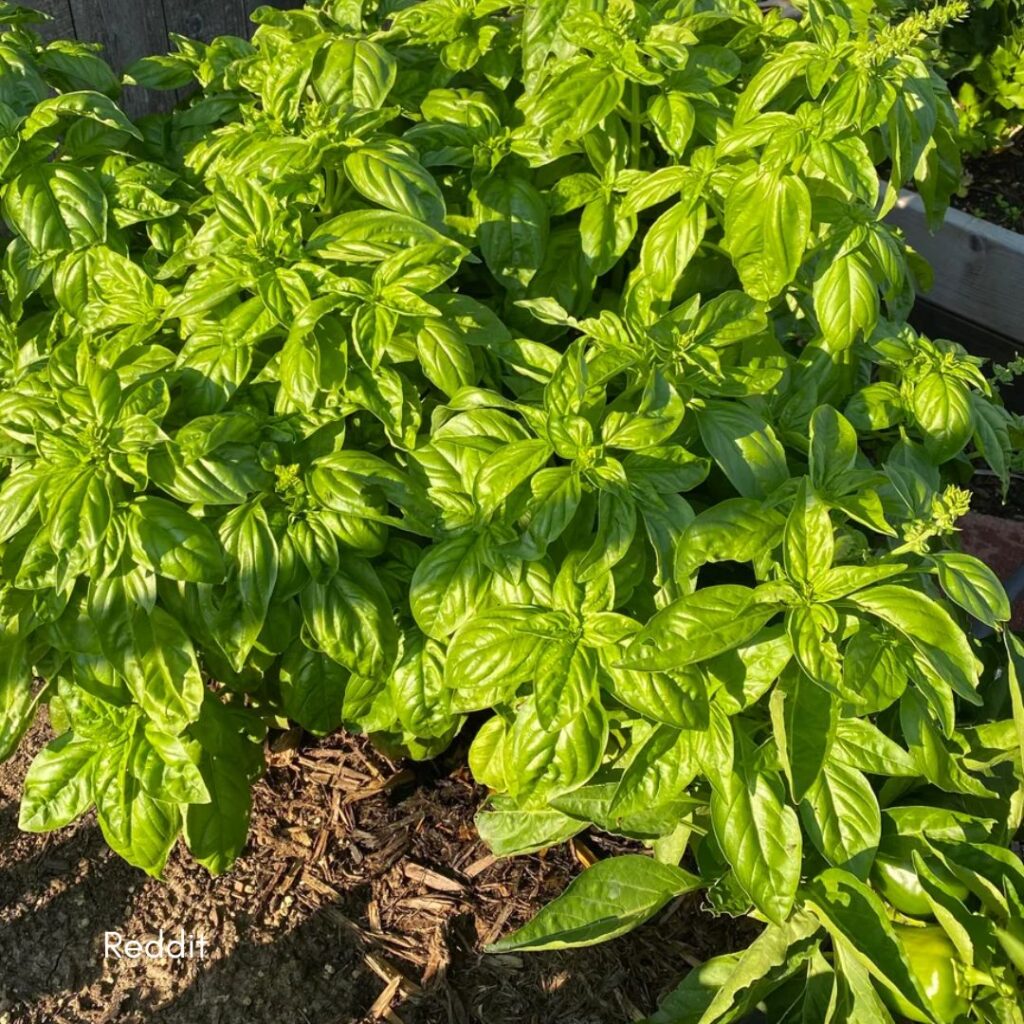
To make your basil plant thrive, it’s essential to focus on soil quality, light exposure, and watering techniques. Each of these factors plays a crucial role in ensuring your basil grows healthy and robust.
Soil Requirements
It’s crucial to use the right soil. Basil loves well-draining soil with plenty of nutrients. I recommend using a mix of garden soil and compost. This combination keeps the basil well-nourished and prevents it from sitting in water. The soil should be slightly acidic to neutral, with a pH between 6.0 and 7.0.
For those of you who love to keep it simple, using a good-quality, all-purpose potting mix can also work wonders. Just make sure it drains well to avoid waterlogging. Keep the soil fluffy and loose so the roots can breathe easily.
Light and Temperature Needs
Basil plants need plenty of light to grow. Aim for at least 6-8 hours of direct sunlight each day. If you’re growing basil indoors, placing it near a south-facing window is a great idea. No sunny windows? No worries! You can use grow lights to provide the necessary illumination.
Temperature-wise, basil is a bit of a diva 😎. It thrives in warm conditions, ideally between 70°F and 90°F. Always protect it from frost and cold drafts. If you live in a colder area, bringing your basil indoors or covering it during chilly nights will help keep it happy.
Watering Techniques
Watering basil is all about balance. You don’t want the soil to be too dry or too wet. Check the soil moisture by sticking your finger about an inch deep into the soil. If it feels dry, it’s time to water. Aim to keep the soil moist but not soggy.
I like to water my basil in the mornings to give it time to dry out during the day. Use a watering can with a fine spout to avoid splashing water on the leaves, which can lead to fungal diseases. Consistency is key, so try to water your basil at the same time each day.
So, are you ready to grow your own lush basil? 🌿 Share your favorite basil-growing tips or any questions you have in the comments below!
Planting Basil
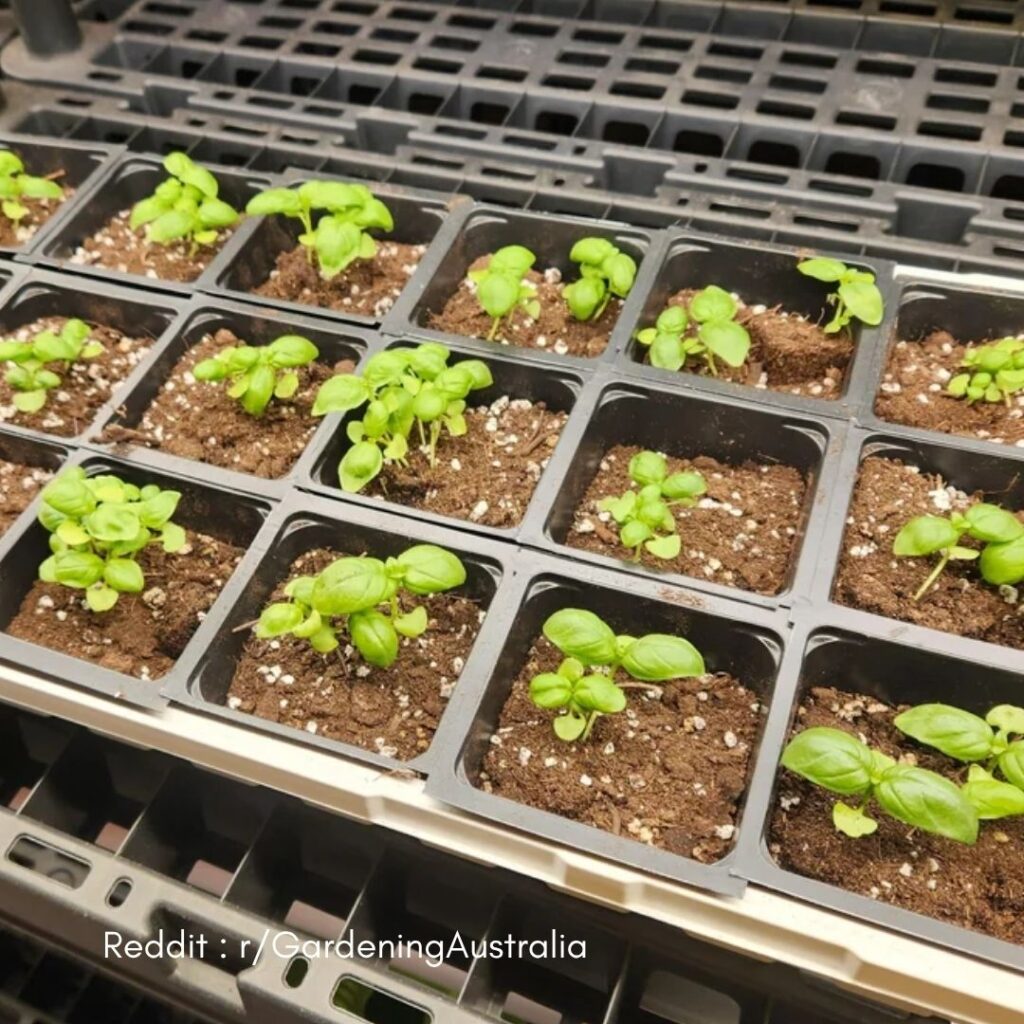
Growing basil at home can be an exciting and rewarding experience. Whether you start from seeds or transplant seedlings, it’s important to know the right steps.
Starting Basil from Seeds
Planting basil from seeds is a great way to begin. I usually start by choosing quality seeds from a trusted source.
Basil seeds are tiny, so it’s best to plant them in small pots or seed trays. I fill each pot with a good seed-starting mix, lightly press the seeds into the soil, and cover them with a thin layer of soil. 🌱
Water gently to keep the soil moist but not soggy. Place the pots in a warm location with plenty of light. Basil loves sunlight, so a south-facing window works best. In about 7-10 days, you’ll see tiny shoots emerging. Patience is key!
Once the seedlings have 2-3 sets of true leaves, they are ready for the next step. Thinning the seedlings to 1 per pot helps to ensure strong growth.
Transplanting Basil Seedlings
When my seedlings are ready, I like to transplant them to their permanent home. This could be a larger pot or directly into my garden. Timing is important; wait until the danger of frost has passed. 🪴
I dig holes that are slightly larger than the seedling pots. Carefully remove the seedlings from their pots, making sure the roots remain intact.
Placing the seedlings into the holes, I fill around them with fresh soil and water thoroughly.
Basil needs a sunny spot with at least 6 hours of light each day. Regular watering is crucial, but be cautious not to overwater. The soil should be moist, not drenched.
In no time, you’ll see your basil plants thriving and ready for a summer of delicious, fresh leaves!
What are your tips for planting basil? I’d love to hear your experiences! 🌿✨
Caring for Your Basil Plant
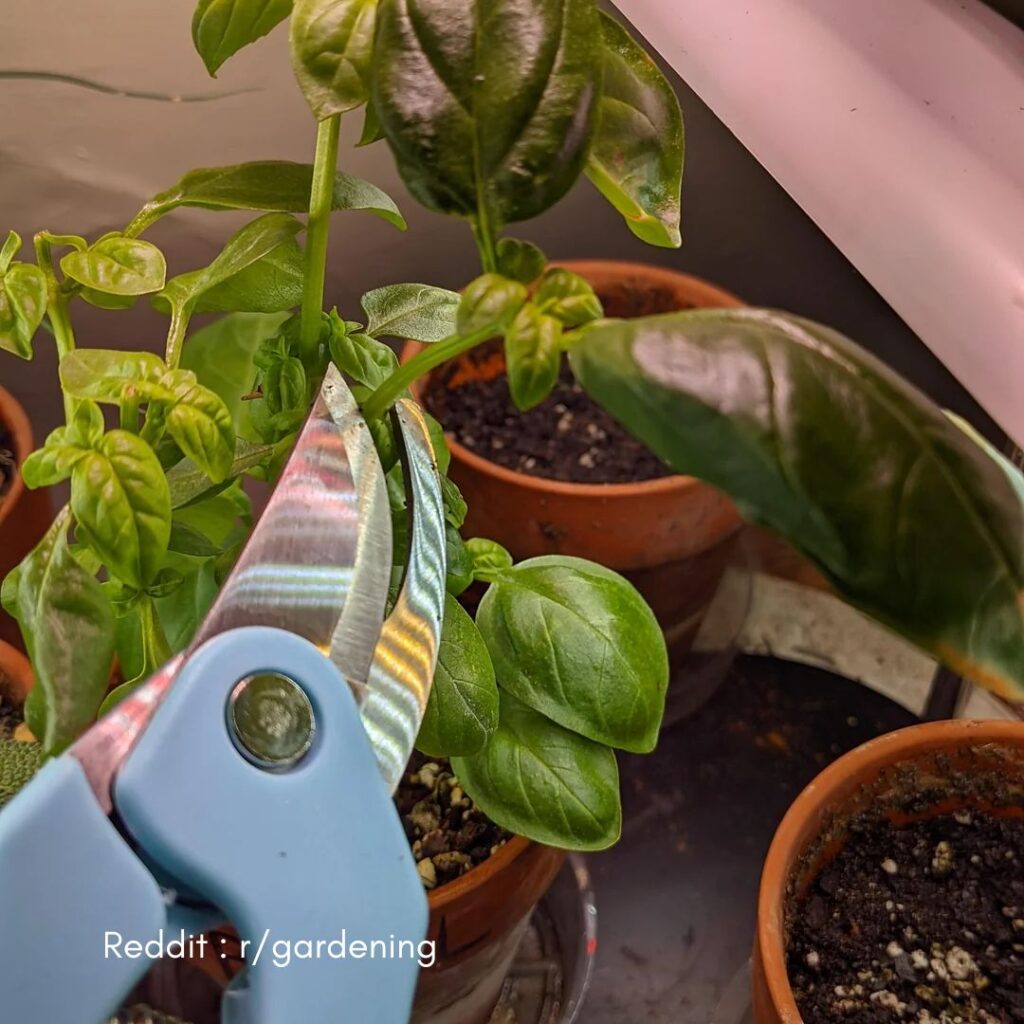
Taking care of your basil plant is easy if you follow some simple tips. You need to pay attention to fertilizing, pruning, and protecting your plant from pests and diseases.
Fertilizing Schedule
I like to fertilize my basil every 2-4 weeks during the growing season. Using an organic fertilizer is a great way to feed the plant without harsh chemicals. A balanced fertilizer, like a 10-10-10, works well.
Tip: Dilute the fertilizer to half the recommended strength to avoid overfeeding.
If you’re into composting, adding a bit of compost tea once a month can also give the basil a nice boost.
Make sure to water the plant after fertilizing to help spread the nutrients evenly.
Pruning and Harvesting Tips
Pruning helps the basil grow bushier and healthier. When the plant is about 6 inches tall, I pinch off the top set of leaves. This encourages the growth of side shoots.
Harvesting is the fun part! Regularly pick the leaves starting from the top. Always leave a few leaves on each stem so the plant can regenerate.
Also, try to harvest in the morning when the leaves are at their freshest. If you see flower buds, snip them off. It keeps the basil focused on producing tasty leaves rather than seeds.
Pest and Disease Management
Unfortunately, basil can attract pests like aphids and spider mites. If you see tiny bugs, wiping the leaves with a mild soapy water solution usually does the trick. 🌿
For diseases like powdery mildew, keep an eye out for white spots on the leaves. Good air circulation can help prevent this, so avoid overcrowding the plants.
If you spot any diseased leaves, remove them immediately to keep it from spreading. Also, keep the leaves dry, as damp conditions make diseases more likely.
Got any other tips or experiences with your basil plant? Drop them in the comments below! Let’s grow some beautiful basil together! 🚀
Propagating Basil
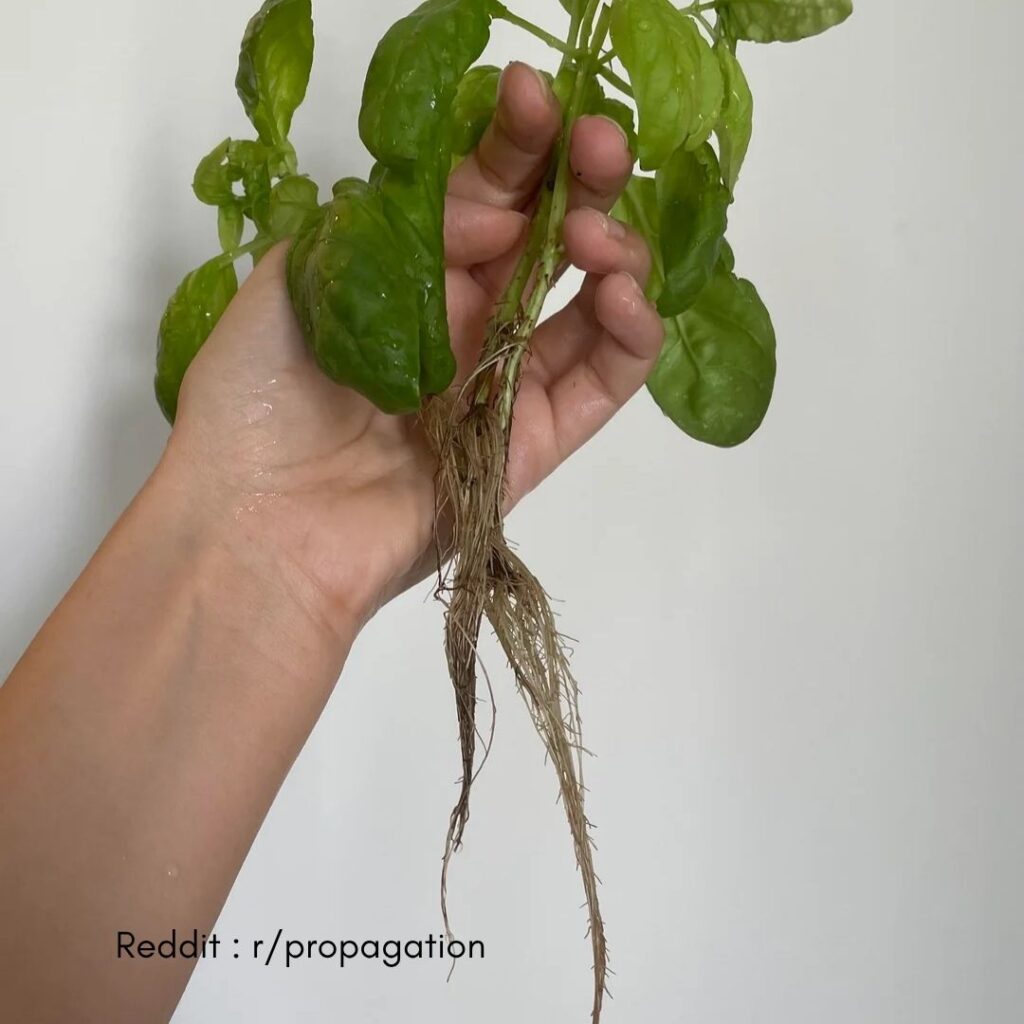
Propagating basil is a fun and easy way to grow more of your favorite herb! It’s quick, simple, and you only need water and a few tools.
Cutting and Rooting Methods
First, cut a 4 to 6-inch stem from your basil plant. Make sure to choose a healthy stem with enough leaves. Did you know? Using a sharp knife or scissors helps the plant heal better.
Next, remove the lower leaves. Leave a few at the top. Stick the stem in a glass of water, making sure the nodes (where the leaves were) are underwater. This is where roots will grow.
Place the glass somewhere with indirect light. Change the water every few days to keep it fresh. 😄
In about a week or two, you’ll see roots! Once they are about 2 inches long, you can plant the basil in soil.
Anyone tried this yet? 💬 Drop your propagation tips or stories below! 🌱
Common Challenges
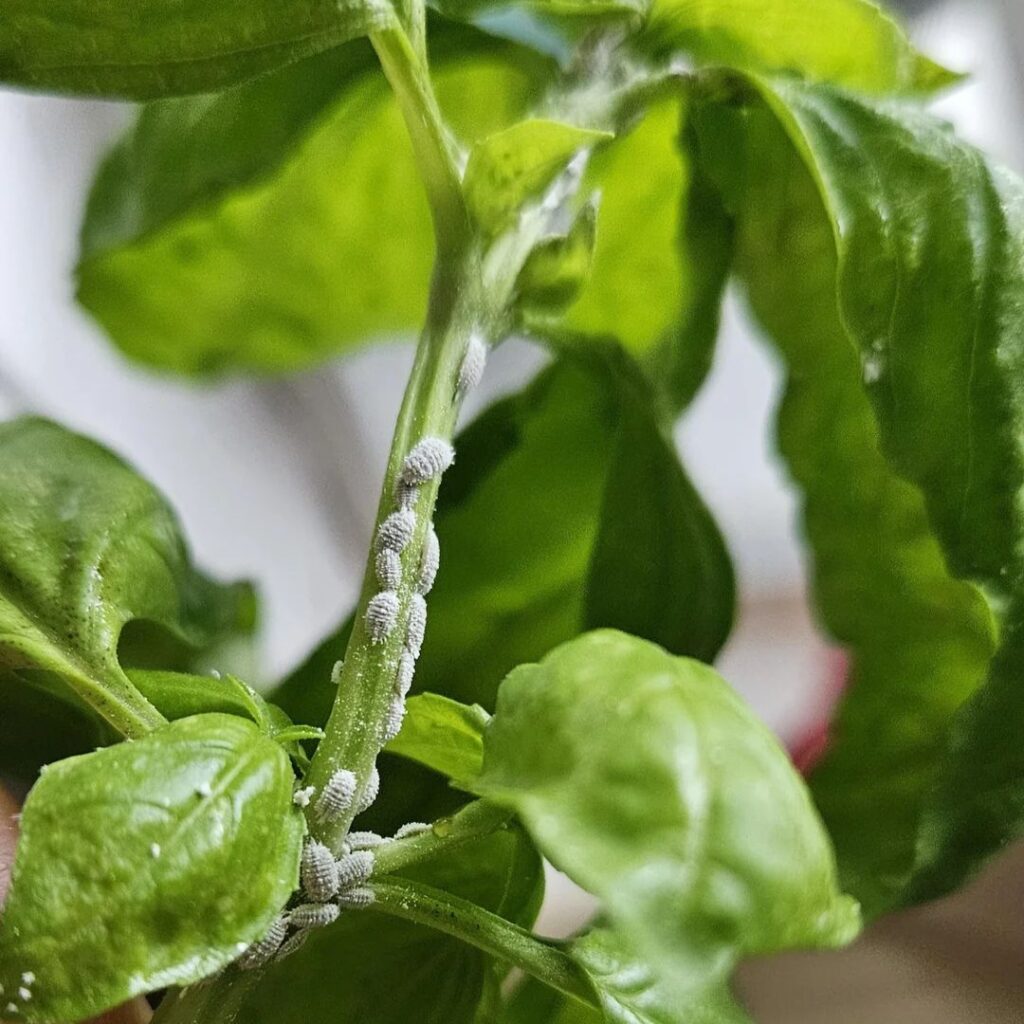
Growing basil can be really fun, but it comes with its own set of challenges. Let’s dive into a few common issues!
1. Pests
Basil plants often attract aphids, spider mites, and whiteflies. These tiny pests can make your basil look sad 😔. Don’t worry though; using a mild soap spray can usually keep them away.
2. Diseases
Basil can get hit by fungal diseases like downy mildew. Have you noticed yellow leaves or a fuzzy white coating? That might be it. Keep the leaves dry and ensure good air circulation around your plants to prevent this.
3. Overwatering
Oops, did I water too much? Basil doesn’t like to sit in water. Too much water can cause root rot. Make sure your pot has good drainage and let the soil dry a bit between watering.
4. Lack of Sunlight
Basil LOVES sunlight ☀️. If yours isn’t getting at least 6 hours of direct sun each day, it might become leggy and weak. Consider moving it to a sunnier spot or using grow lights.
5. Poor Soil
Basil thrives in nutrient-rich soil. If the soil is poor, the plant might grow slowly or have yellowish leaves. Mix compost or organic fertilizer into your garden soil to give your basil a boost.
Tip: Got any funny basil plant stories to share? 🌿 Drop them in the comments below! Let’s learn from each other and grow our best basil yet!
Harvesting and Storing
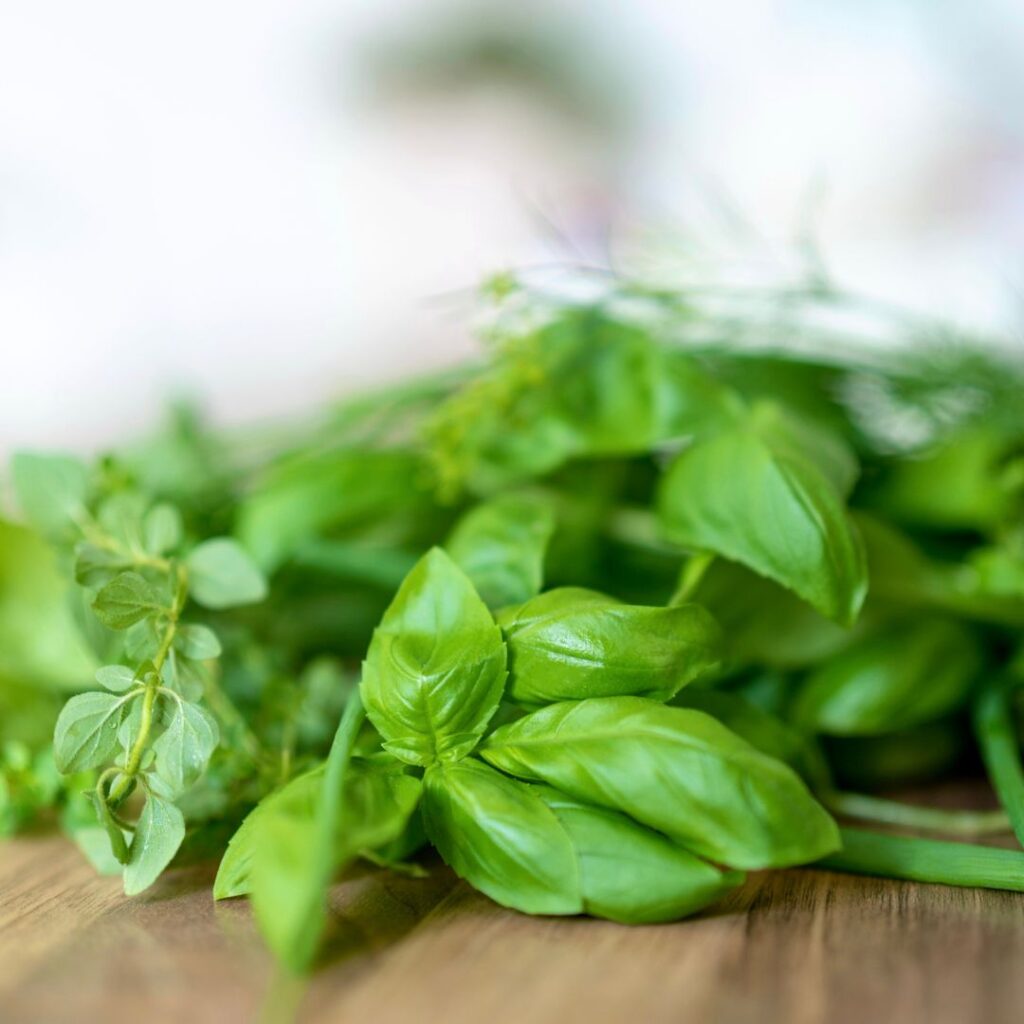
Getting the most out of your basil plants involves knowing when and how to harvest them, as well as the best ways to dry and store the leaves.
Best Practices for Harvesting
I always wait until my basil plants are at least 6 inches tall before starting to harvest. At this height, the leaves are full and flavorful. Pinch off the leaves just above a pair of leaves to encourage more growth.
Harvesting in the morning is best because that’s when the leaves have the most essential oils. These oils give basil its strong aroma and taste. Be gentle to avoid bruising the leaves; bruised leaves can lose their flavor.
Don’t take too much at once. Only remove about one-third of the plant’s leaves at a time. This helps the plant to continue growing strong and healthy without being over-stressed.
Drying and Storing Basil
Once I’ve picked my basil, I like to dry it for longer storage. This way, I can use it even when the garden isn’t producing. Hang small bunches upside down in a warm, airy room. Make sure there’s enough space for air to circulate around each bunch.
Using a dehydrator can speed up the drying process. Just spread the leaves in a single layer and run the dehydrator on a low setting until the leaves are crisp. Stored properly, dried basil can last for months without losing much of its flavor.
Keep dried basil in an airtight container away from light and heat. I usually use glass jars with tight lids and store them in a dark pantry. For an extra little tip, crumbling the dried leaves just before using them helps keep the flavor strong.
Got your own tips or questions about harvesting and storing basil? Share them below! 🌿✨
Uses of Basil
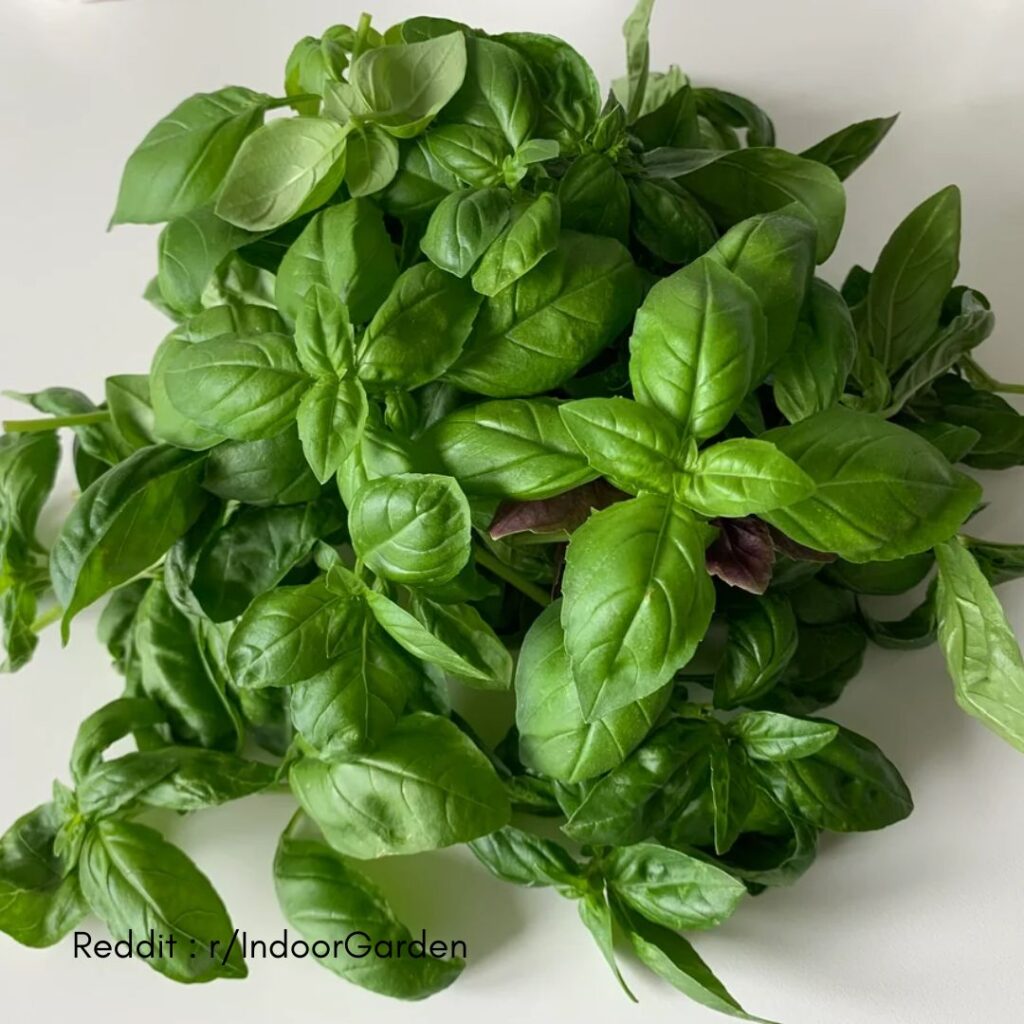
Basil is a fantastic plant with many uses in cooking and health. Let’s dive into how you can use basil in these two important areas.
Culinary Uses
Basil is a superstar in the kitchen! 🌿 I love adding fresh basil to my pasta, pizza, and salads. It gives a burst of flavor that can’t be beat. It’s essential in many Italian dishes. Ever tried making pesto? Blend basil, pine nuts, garlic, and olive oil for a tasty sauce.
Basil also pairs well with tomatoes. Think caprese salad: fresh basil, mozzarella, and juicy tomatoes. Yum! Don’t forget to sprinkle some chopped basil on your soups and stews for added aroma and taste.
What’s your favorite way to use basil in cooking? Drop your recipes in the comments! 🍕🍝
Medicinal Benefits
Did you know basil isn’t just for food? It’s also good for your health! Basil is known for its anti-inflammatory properties. Drinking basil tea can help soothe a sore throat. Plus, basil has vitamins like A and K, which are great for your body.
Some people even use basil oil for stress relief. Just a few drops in a diffuser can make your room smell wonderful and help you relax after a busy day.
Have you tried basil for its health benefits? Share your experiences! 🌿✨
Frequently Asked Questions
Here, I’ll go over some common questions about basil plant growth to help you cultivate the healthiest basil.
What are the various stages of basil plant development?
Basil plants start as tiny seeds and grow into seedlings within a week. They then develop into mature plants with broad leaves perfect for harvesting. Keep an eye on their growth to ensure they’re healthy!
Could you provide tips for successfully growing basil indoors?
Place your basil near a sunny window for about six hours of sunlight each day. Use a well-draining pot and keep the soil moist but not soggy. Don’t forget to pinch off the tops to encourage bushy growth. 🌱
How should one care for a basil plant that’s been purchased from a grocery store?
Grocery store basil often comes in cramped pots, so transfer it to a larger one right away. Trim off any dead leaves and water it thoroughly. Place it in a sunny spot and take good care of it for robust growth.
What are the ideal watering requirements for a healthy basil plant?
Basil plants like to be consistently moist. Water them when the top inch of soil feels dry. Don’t let the soil stay too wet or the roots might rot. Watch your basil’s leaves; if they wilt, it needs more water.
Can you list the companion plants that grow well alongside basil?
Basil grows well with tomatoes, peppers, and oregano. These plants share similar sunlight and water needs. Plus, planting basil next to certain plants can help repel pests and improve flavors. 🌻
Do basil plants require direct sunlight to thrive?
Yes, basil plants need direct sunlight for at least six hours a day. Place them in a sunny spot outside or near a window if you’re growing them indoors. Without enough light, basil leaves can become pale and weak.
Do you have any questions about growing basil? Share your thoughts in the comments below! 💬✨