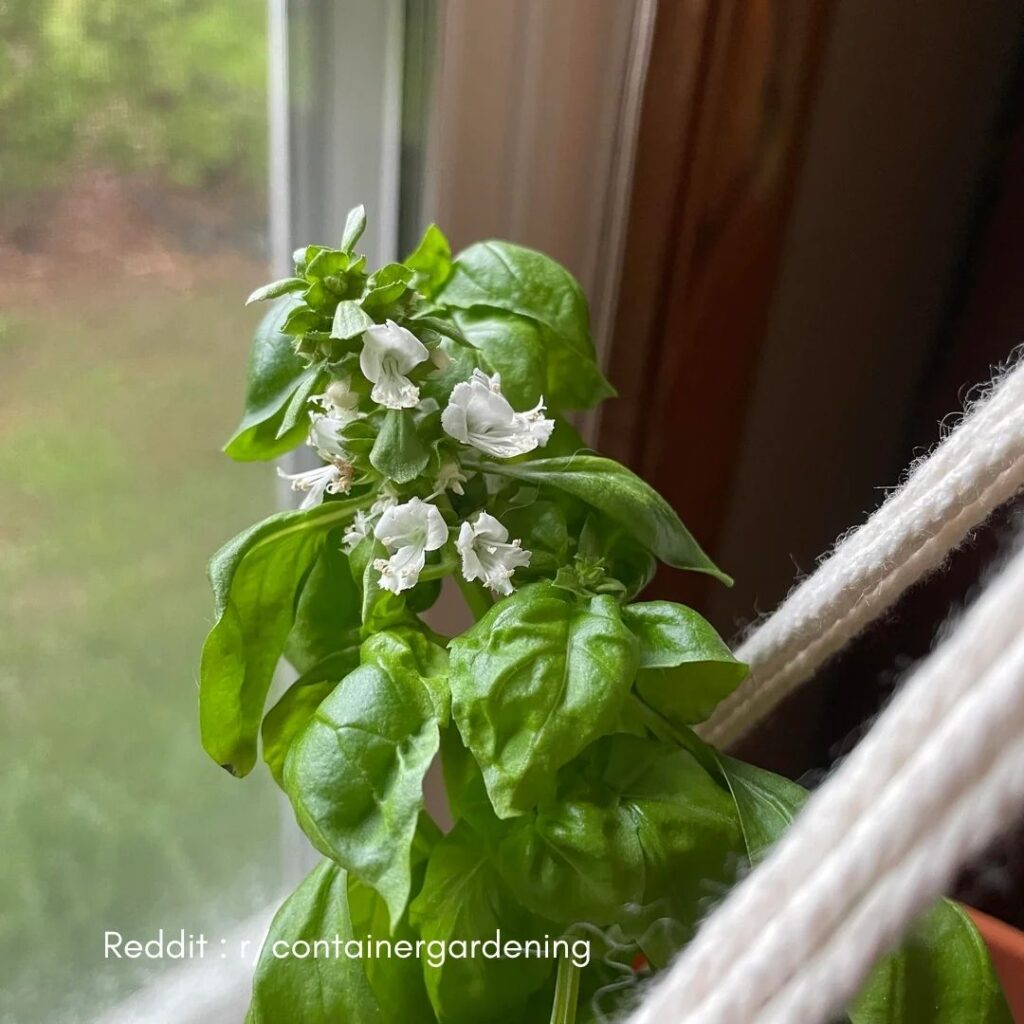
Ever wondered why your basil plant starts flowering? 🌿 When basil flowers, it focuses more on producing seeds than those tasty leaves we love in our food. To keep enjoying fresh basil leaves, it’s essential to pinch off the flowers. It’s like a gentle reminder to the plant to keep growing leaves instead of switching to seed mode.
I remember the first time my basil plant bloomed; I didn’t know if I should celebrate or worry. 😅 You might be in the same boat, wondering what to do next. Don’t worry; snipping off those flowers will encourage more leaf growth, giving you more basil for your recipes.
Curious about the best way to handle this? Have you tried pinching off the flowers before they open? This little trick can keep your basil bushy and full of flavor. Share your experiences below, and let’s talk basil! 🌱👩🌾
Basil Plant Overview
Hey there, plant lovers! 🌿 Ever heard about the amazing basil plant? Let me tell you a bit about it!
Basil is one of my favorite herbs. Not just because it’s tasty, but also because it’s super easy to grow. Whether you’re a gardening newbie or a pro, basil fits right in.
Here’s a fun fact: Basil comes in different varieties like Sweet Basil, Thai Basil, and Lemon Basil. Each one has its unique flavor and aroma. Imagine adding fresh basil to your homemade pizza or salads—it’s pure bliss!
Growing basil is quite simple. All you need is a sunny spot and well-draining soil. Trust me, even if you live in an apartment, you can grow it in a pot on your balcony. Just make sure to water it regularly.
A cool trick I use is to pinch off the flowers when they appear. This helps the plant grow more leaves and keeps it from going bitter. Plus, you can even throw the flowers into a salad for a little extra zing!
Do you have any basil tips to share? 🌱 Drop them in the comments! Or maybe you have a basil recipe that you can’t live without? I’d love to hear about it.
So, get out there and grow some basil! Your taste buds will thank you. 😉
Understanding Flowering in Basil
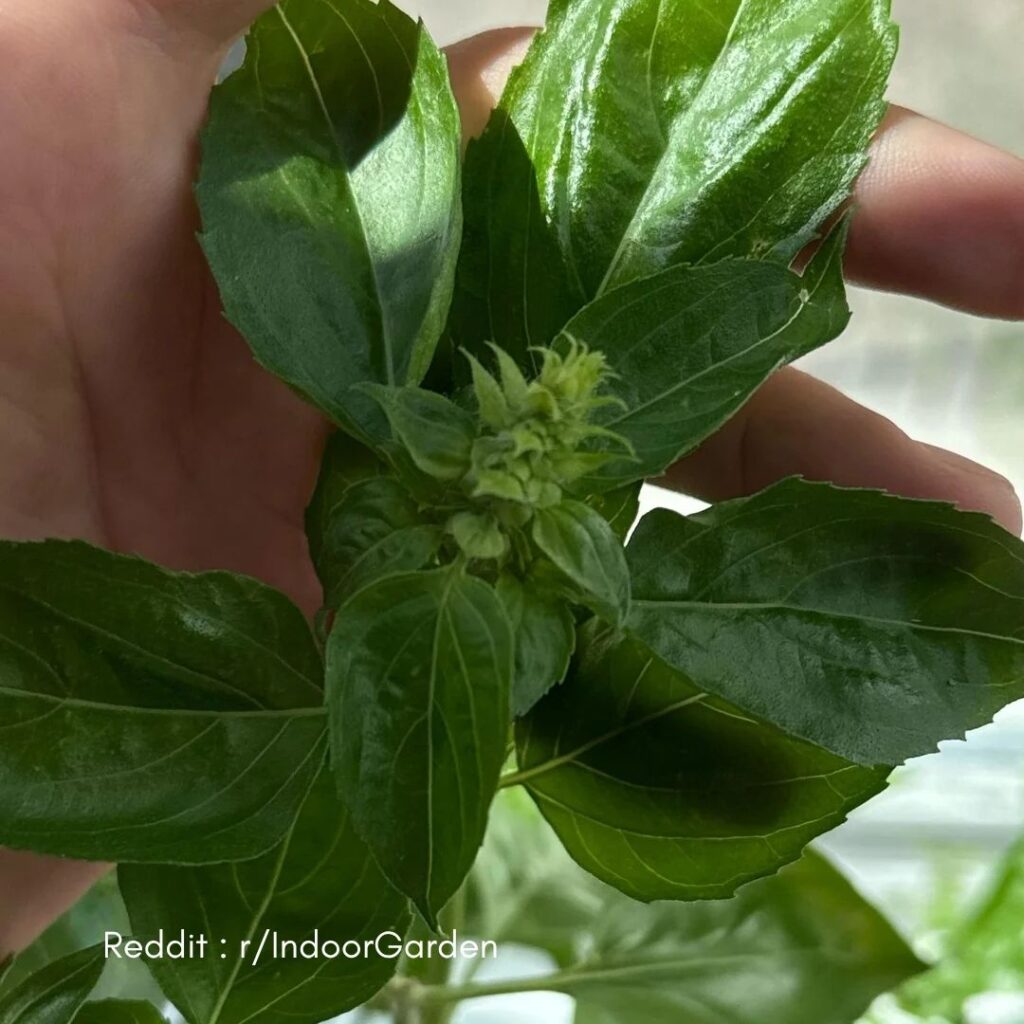
Flowering in basil is a natural process that can affect the flavor and growth of the plant. Let’s look at how basil flowers, the benefits it offers, and some potential drawbacks.
The Flowering Process
Basil plants produce flowers when they mature. 🌿 The tiny white or purple flowers appear at the tips of the stems. It’s amazing how such small flowers can make a difference!
When basil starts to flower, it spends energy on the buds rather than leaves. This can reduce the plant’s leaf production, which might be a bummer if you love fresh basil in your dishes! 🌺
Pinching off the buds can delay flowering and encourage more leaf growth.
Benefits of Flowering
Basil flowers are not just pretty; they attract pollinators like bees and butterflies. 🦋 This helps your garden thrive by encouraging pollination.
You can also eat these flowers! They have a milder flavor and can add a unique touch to your salads or garnishes. Yum!
Allowing basil to flower can lead to seed production. If you let the flowers go to seed, you can collect the seeds and plant them for next year’s crop. 🪴
Potential Drawbacks
While flowering can be pretty, it might alter the taste of the basil leaves. The leaves may become bitter and less flavorful. Not ideal for those perfect pesto sauces! 🍃
Flowering also signals the plant to stop producing leaves. This can be annoying if you’re hoping for a continuous supply of basil throughout the season.
Another issue is that once basil flowers, it can become woody and less tender. Keeping an eye on those flowers will help you maintain a lush basil plant.
Have you noticed your basil flowering? What did you do about it? Share your experiences in the comments! 🌸✨
Caring for a Flowering Basil Plant
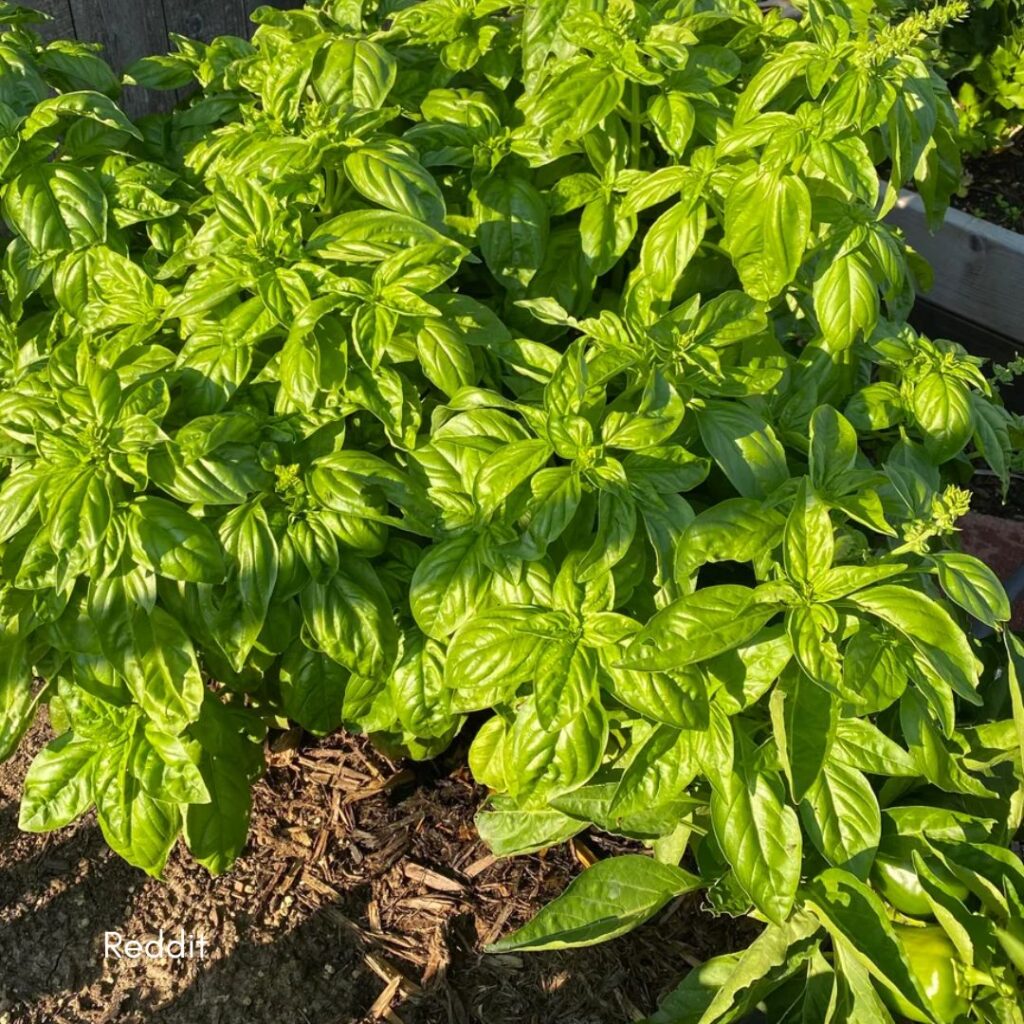
When a basil plant starts to flower, it’s crucial to care for it properly to keep it healthy and thriving. Let’s chat about the key things you need to focus on: optimal growth conditions, watering practices, and sunlight and temperature needs.
Optimal Conditions for Growth
To help your flowering basil plant grow its best, you’ll need to create the right environment. Basil likes well-draining soil with a pH of 6-7. Consider using a potting mix specifically designed for herbs.
Pruning basil regularly encourages new leaf growth. Cut back the flowers to enjoy more aromatic leaves. 🌿 Make sure to trim above a set of leaves to foster bushiness.
Do you check the air circulation around your plant? Basil loves good airflow. Placing it too close to other plants might cause issues like mold.
Watering Practices
Basil needs a balanced watering routine to thrive. Water the soil directly and avoid wetting the leaves. This helps prevent diseases.
How often should you water? Let the top inch of soil dry out before watering again. A handy trick: stick your finger in the soil up to the first knuckle. If it’s dry, it’s time to water.
Remember, too much water can lead to root rot. Use pots with drainage holes to keep your basil happy and healthy. 💧
Sunlight and Temperature Requirements
Basil loves sunlight. Make sure your plant gets 6-8 hours of direct sunlight each day. If you’re growing it indoors, place it on a sunny windowsill or use a grow light.
Temperatures between 70-90°F are ideal. Basil doesn’t do well in the cold, so if the temperature drops, bring it inside. If it’s too hot, ensure it has some shade during the hottest part of the day.
Ever considered using a small fan to simulate a breeze indoors? It helps strengthen the plant stems and reduces fungal issues. 🌞
Caring for a flowering basil plant takes some attention, but it’s so rewarding. Have any tips or questions? Share them in the comments below! 🌱💬
Pruning and Maintenance
Hey there, basil lovers! 🚀 In this section, I’m going to share some essential tips on keeping your basil plant healthy by focusing on pruning and maintenance. Let’s dive right in!
Trimming Basil Flowers
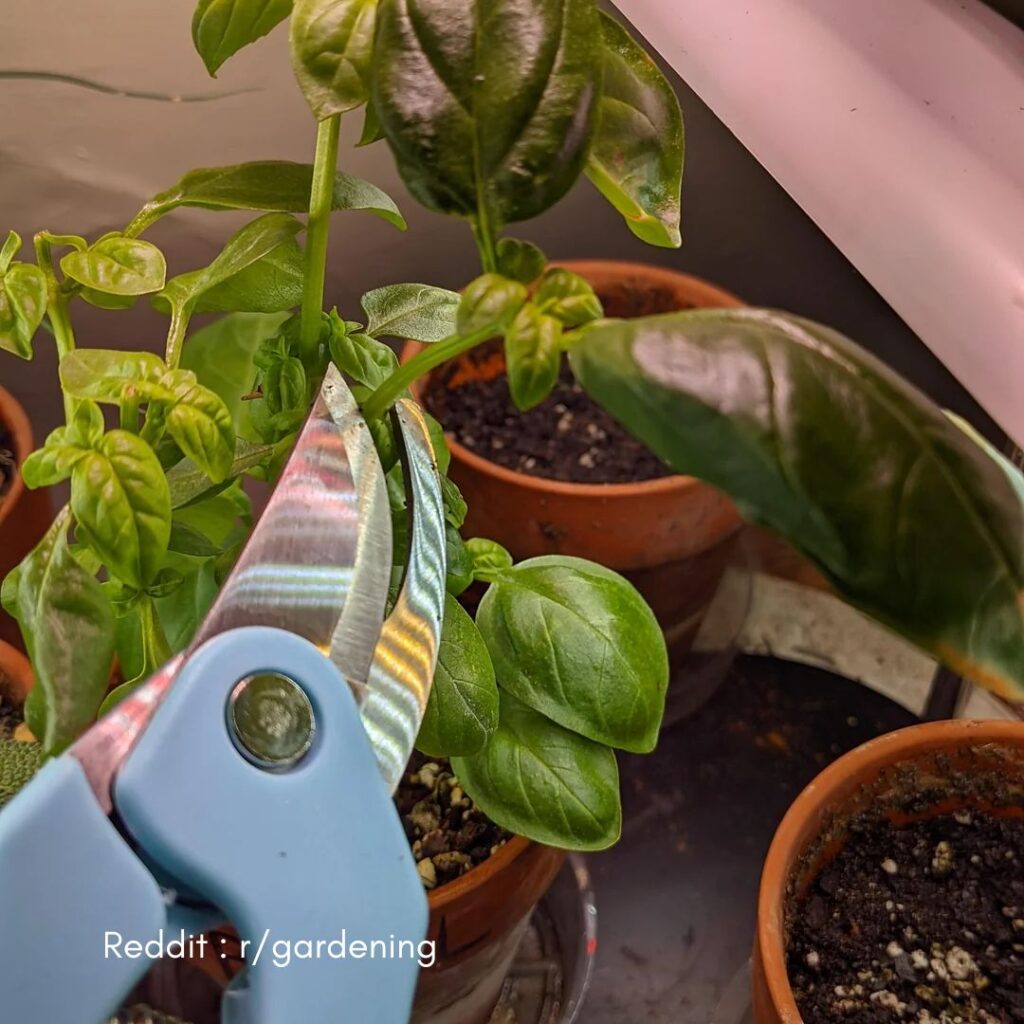
It’s important to trim basil flowers as soon as you spot them. When basil flowers, the leaves can lose some of their awesome flavor. ✂️ So, keep an eye on your plant and snip those flowers.
- Use clean scissors or pruners.
- Cut just below the flower bud.
- Do this regularly to keep the leaves tasting fresh.
I love seeing my basil plant lush and green. It’s such a simple thing, but it makes a huge difference in flavor. Have you ever noticed your basil tasting off? 🌿 Try trimming those flowers and enjoy the burst of fresh taste!
Regular Pruning Techniques
Regular pruning keeps basil bushy and productive. The more you prune, the more it grows! It’s a win-win.
- Cut above a leaf node: Find a spot where two leaves meet the stem, and snip above it.
- Encourage side growth: This makes the plant grow wider and fuller.
- Don’t be shy: The more you cut, the more it comes back! 💪
I often compare pruning basil to giving it a little haircut. Just a trim here and there and it grows back even better. Do your basil plants get wild sometimes? 😜 Give them a regular pruning, and watch them thrive!
So, what do you think? Do you have any fun basil grooming tips to share? 🌟 Drop a comment!
Harvesting Basil Leaves
Harvesting basil leaves is essential for the health of your plant and ensures you get the best flavor. I’ll walk you through some best practices and what to do if your basil has started flowering.
Best Practices for Harvesting
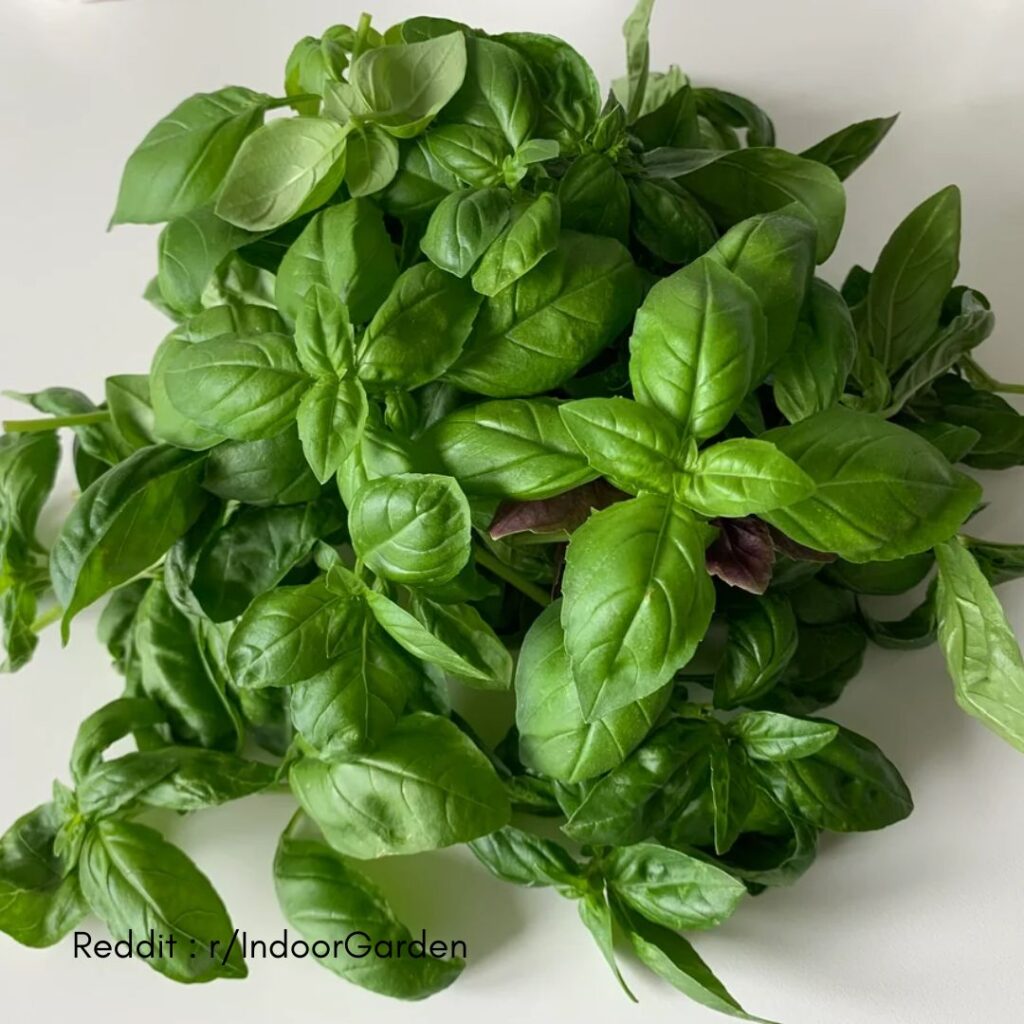
When it comes to harvesting basil, start by picking the largest leaves first. These leaves often grow at the top of the plant. Use sharp scissors or pruners to make a clean cut just above where the leaf meets the stem. This helps prevent damage to the plant.
Harvest leaves in the morning. The basil’s oils are most concentrated at this time, offering the best flavor. 🌿 Don’t let your plant get too tall before harvesting. Clip it back early and often to encourage bushy growth and more leaves.
Water the plant a day before you plan to harvest. This keeps the leaves fresh and hydrated. Remember, basil is like us—no one likes being thirsty! If you see flowers starting to bud, pinch them off. This keeps the plant focused on leaf production instead.
Post-Flowering Harvesting
If your basil plant has started flowering, don’t worry; it’s still usable, but the leaves might taste a bit bitter. Clip off the flowers to encourage the plant to produce more leaves. Sometimes the leaves become small. That’s okay! Small leaves are still very flavorful and perfect for cooking.
Harvesting post-flower is a bit different. Focus on removing the upper part of the plant and trim any woody stems. This can help the plant regain its leafy glory. Use these leaves in sauces and dishes where you don’t need the freshest taste, like cooked sauces or soups.
Feeling adventurous? Use the flowers in salads for a unique, herbal touch! They are edible and can add a bit of color and flavor to your dishes. How cool is that?
Have you tried harvesting your basil lately? Drop your tips in the comments below! 🌱✨
Encouraging Basil to Keep Producing
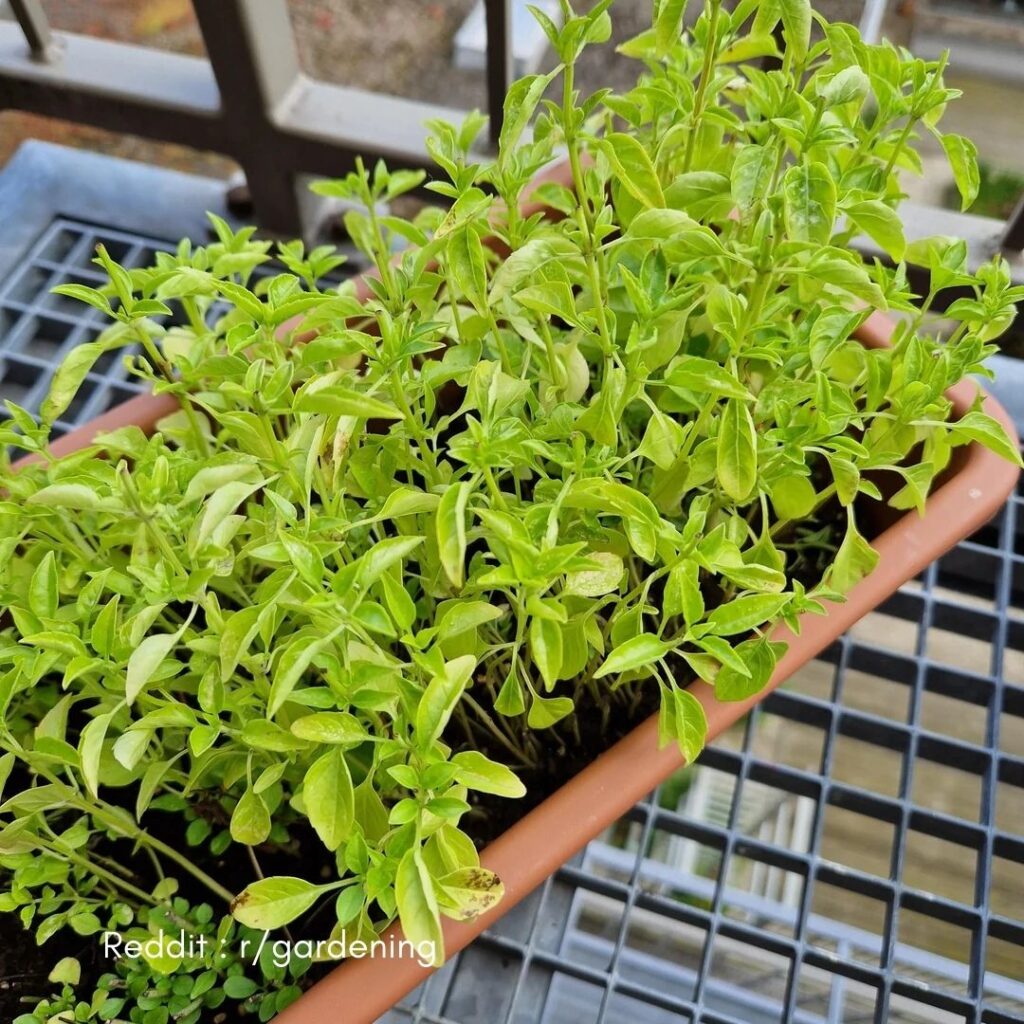
Keeping your basil plant producing leaves throughout the growing season can be a lot of fun 🌿! Here are some tips to help it last longer and prevent it from flowering too early.
Extending the Growing Season
One way to keep your basil plant going strong is by protecting it from cold weather. Basil doesn’t like the cold, and even a light frost can damage it. I like to bring my basil indoors or use a cold frame when temperatures drop below 50°F.
Water your basil consistently but not too much. The soil should be moist but not soggy. This helps the plant stay healthy and keep producing leaves. Also, fertilize regularly with a balanced fertilizer to provide the nutrients it needs.
Harvest the leaves frequently. This not only gives you fresh basil for your meals but also encourages the plant to grow more. I try to harvest every week and always remove the top leaves to promote bushier growth.
Preventing Early Flowering
One of the biggest challenges with basil is preventing it from flowering too soon. When basil flowers, it puts its energy into making seeds instead of leaves. This can reduce the number of leaves and their flavor.
To prevent flowering, pinch off the flower buds as soon as you see them. This keeps the plant focused on growing leaves. I make a habit of checking my basil daily for any signs of flowering.
Basil plants also benefit from being in the right spot. Make sure your basil gets plenty of sunlight—at least 6 hours a day. Not enough light can make the plant leggy and more likely to flower.
Lastly, water stress can cause early flowering. Water your basil consistently, and try to keep the moisture level in the soil stable. Avoid letting the soil dry out completely between waterings.
By following these tips, your basil should produce lots of flavorful leaves for a long time 🍃. What are your favorite ways to use fresh basil? Share in the comments below! 👇
Using Basil Flowers
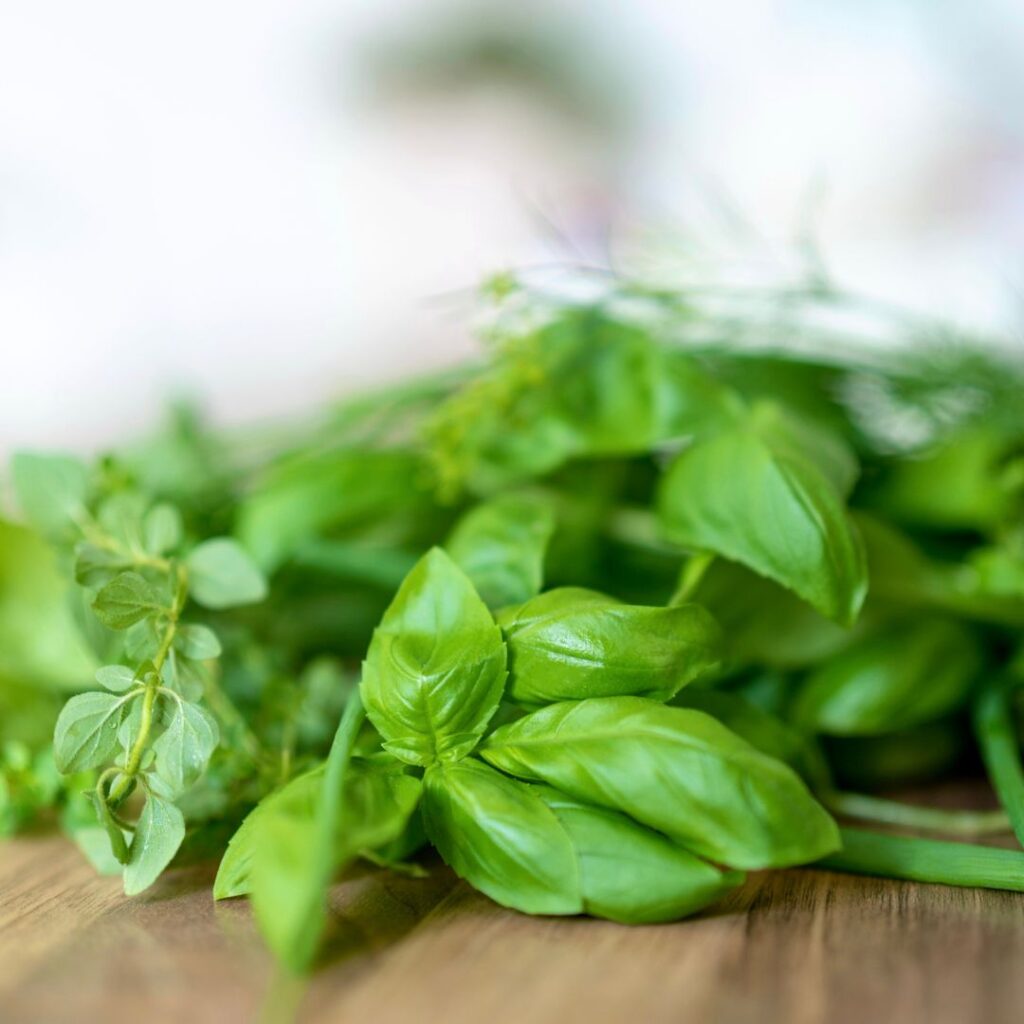
Basil flowers can be used in the kitchen and also for adding a charming touch to your home decor. Let’s explore some fun and useful ways to use them!
Culinary Uses
I love adding basil flowers to my dishes for an extra burst of flavor. They have a milder taste compared to the leaves but still carry that lovely basil essence. 🌿 You can sprinkle them on salads for a fresh and edible garnish.
Basil flowers are also great in herbal teas. Just steep a few flowers in hot water, and boom — you have a refreshing drink! Feel free to add a bit of honey if you like it sweeter.
Ever tried making pesto with basil flowers? It’s totally delicious. Replace some of the basil leaves with the flowers for a new twist on this classic sauce.
Decorative Purposes
Basil flowers aren’t just for eating; they can make your home extra cozy too! Placing a few stems in a small vase instantly brightens up any room. Plus, they have a subtle, sweet fragrance. 🌸
If you’re into crafts, why not dry the basil flowers and make homemade potpourri? It’s super easy and smells wonderful.
Basil flowers can also be used in bouquets. Mix them with other herbs and flowers for a unique and aromatic arrangement. It’s a simple way to bring a touch of the outdoors inside.
Have you tried using basil flowers either in your meals or home decor? Share your tips and experiences in the comments below! 💬
Propagating New Basil Plants
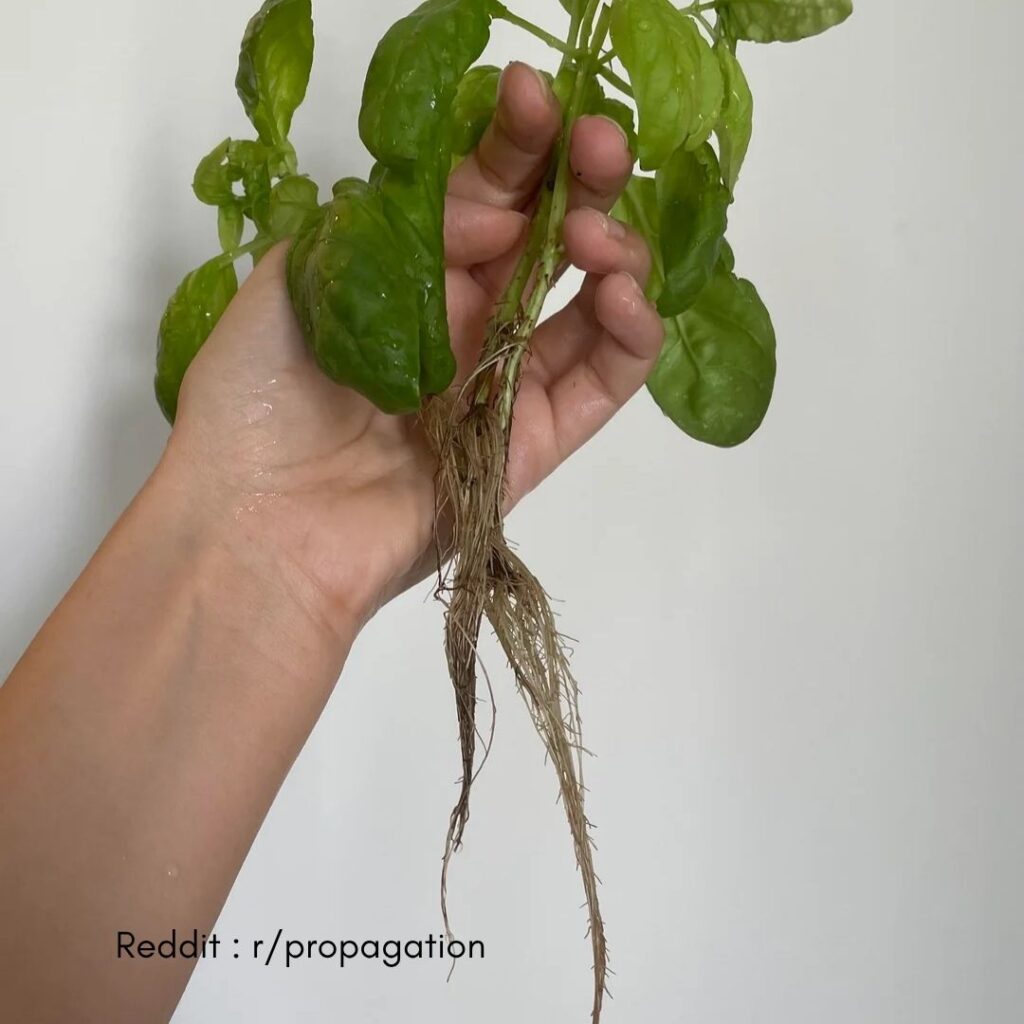
Growing new basil plants can be super rewarding! 🌱 Whether you’re using seeds from flowering plants or taking cuttings, I’ll show you how to do it. It’s easier than you think, and you’ll have fresh basil in no time!
From Flowering Plants
When basil plants flower, they produce seeds. To get these seeds, wait until the flowers turn brown and dry out. Then, gently crush the dried flowers to release the small black seeds.
Pro Tip: Store the seeds in an airtight container in a cool, dry place. When you’re ready to plant, sprinkle the seeds on soil, cover them lightly, and water gently. Keep the soil moist, and you’ll see sprouts in about a week!
Have you ever grown basil from seeds? Share your tips in the comments! 🌿
Taking Cuttings
Taking cuttings is another great way to propagate basil. Choose a healthy stem and cut a 4-6 inch piece right below a leaf node. Remove the lower leaves and place the cutting in a glass of water.
Change the water every few days to keep it fresh. Soon, you’ll see roots forming! When the roots are about an inch long, you can plant the cutting in soil. Keep it watered, and it will start growing quickly.
Ever tried rooting basil cuttings? Let me know how it went! 😊
Common Pests and Diseases
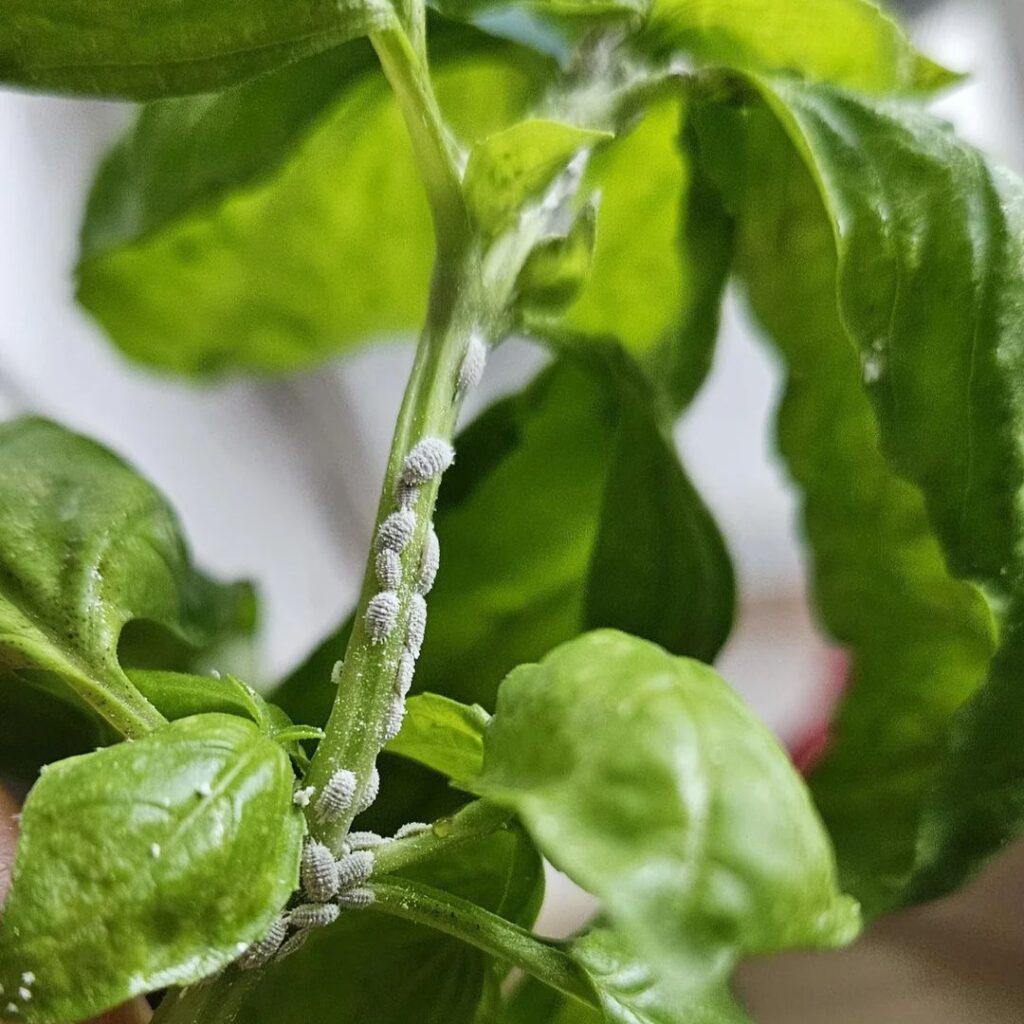
Growing basil at home can be rewarding, but you might face some annoying pests and diseases. I’ll go over ways to prevent these issues and how to handle them if they pop up. 🤔
Preventive Measures
Keeping basil plants healthy is the first step. Regularly inspect leaves for any signs of pests. Water your basil at the base to keep leaves dry and discourage mold growth. Also, space out your plants to ensure good airflow. That way, you’re less likely to see mold or mildew. 🌿
Using natural repellents like neem oil can be effective. Some people also plant companion plants like marigolds next to their basil to ward off pests. 😊
Treatment Options
If you’ve already spotted pests, don’t worry. For aphids, you can spray soapy water directly on them. For more stubborn pests, consider using an organic pesticide. Mold or mildew? Try a baking soda solution to treat infected leaves.
Another option is to trim away any diseased parts of the plant. Sometimes, the best thing to do is cut the trouble away and let your basil regrow healthy. 🌱
Got tips of your own? Drop them in the comments! Let’s help each other keep our basil plants happy and healthy. 😊👩🌾
Frequently Asked Questions
Hey there! 🌿 Have questions about your basil plant flowering? I’ve got you covered. Let’s dive into the most common questions you might have.
What should I do when my basil plant starts to flower?
If your basil plant starts to flower, pinch off the flowers. This keeps the plant’s energy focused on growing leaves, which are what we usually want for cooking.
What does it mean when a basil plant flowers?
When a basil plant flowers, it means the plant is trying to reproduce. Flowering can change the flavor of the leaves, often making them a bit bitter.
Is it possible to plant basil using the flowers?
Yes, you can plant basil using seeds from the flowers. Let the flowers dry, collect the seeds, and plant them just like any other seed.
How can I prevent my basil from flowering?
To prevent flowering, regularly pinch off the tops of your basil plant. This encourages the plant to grow more leaves rather than flowers.
Can the flowers of a basil plant be eaten?
Yes! Basil flowers are edible. They taste like basil but are milder. You can add them to salads or use them as a garnish.
Are there any benefits to basil flowers?
Absolutely! Besides being edible, basil flowers attract bees and other pollinators to your garden, which is great for your other plants too. 🐝
Got any other questions or tips about basil plants? Leave a comment! 🌿👩🌾