
Basil is one of my favorite herbs to grow at home. It’s easy to care for and can be quite rewarding, especially when you use the right fertilizer. The key to a thriving basil plant is using a fertilizer that provides balanced nutrients. This ensures lush, green leaves that are perfect for cooking. 🌱✨
I’ve tried several types of fertilizers and found that a mix of organic compost and a balanced liquid fertilizer seems to work best. Have you noticed your basil looking a bit tired or not growing as fast as you’d like? A good fertilizer could be the game-changer your plant needs! It’s amazing how just a little boost can make your basil explode with growth. 🌿👍
What’s your go-to method for keeping your basil happy? Share your tips in the comments below! Let’s create a community of thriving basil plants together. 👇💬
Understanding Basil Plant Nutrition
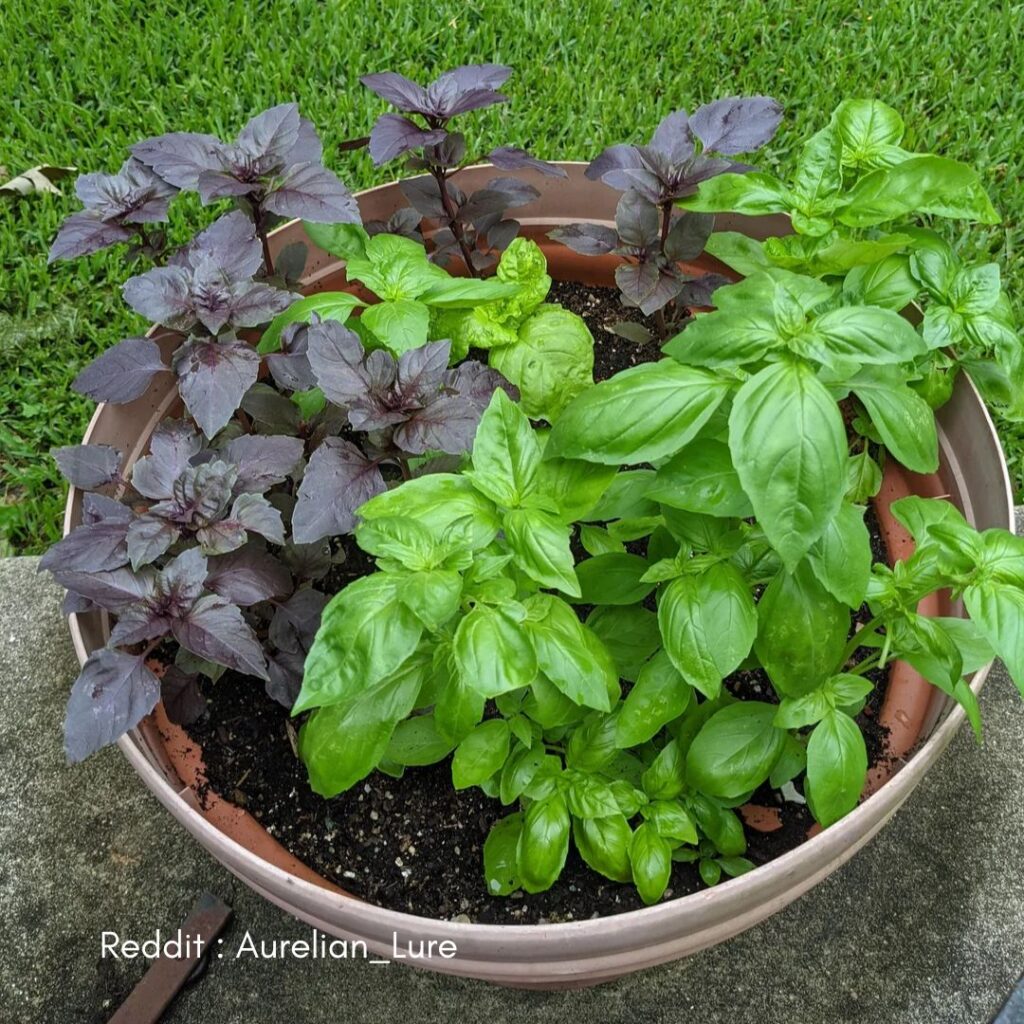
Getting the right nutrients is key for healthy basil plants. Let’s dive into the essential nutrients basil needs and how fertilizer helps the plant grow strong and flavorful. 🌱
Essential Nutrients for Basil
Basil likes a balanced diet of nitrogen, phosphorus, and potassium. Nitrogen helps basil grow lush green leaves. Phosphorus supports root growth and flower production. Potassium boosts the plant’s overall health, helping it resist diseases.
Basil also needs calcium and magnesium. Calcium strengthens the cell walls, making the plant robust. Magnesium aids in photosynthesis, helping the plant to convert sunlight into energy.
Here’s a quick breakdown:
- Nitrogen (N): Leaf growth 🌿
- Phosphorus (P): Root and flower health 🌸
- Potassium (K): Disease resistance 🛡️
- Calcium (Ca): Cell strength 🏋️♀️
- Magnesium (Mg): Photosynthesis 🌞
Missing just one of these can make your basil plant weak. Do your baby basil a favor and ensure it gets a balanced diet!
The Role of Fertilizer in Basil Growth
Fertilizer is like a vitamin boost for basil. A good fertilizer mix can make a big difference. Look for a balanced fertilizer with an N-P-K ratio of 10-10-10 or 5-5-5. This ensures basil gets all the essential nutrients.
Ever noticed how some basil plants look perkier than others? They probably got the right fertilizer at the right time. I recommend feeding basil every 2-4 weeks during its growing season.
Too much fertilizer can hurt basil, making it burn or grow too fast and weak. 📏 Stick to the recommended amounts, and you’ll have a happy, healthy basil plant.
What type of fertilizer do you use for your basil? Share your tips in the comments! 🌿💬
Types of Fertilizers for Basil Plants
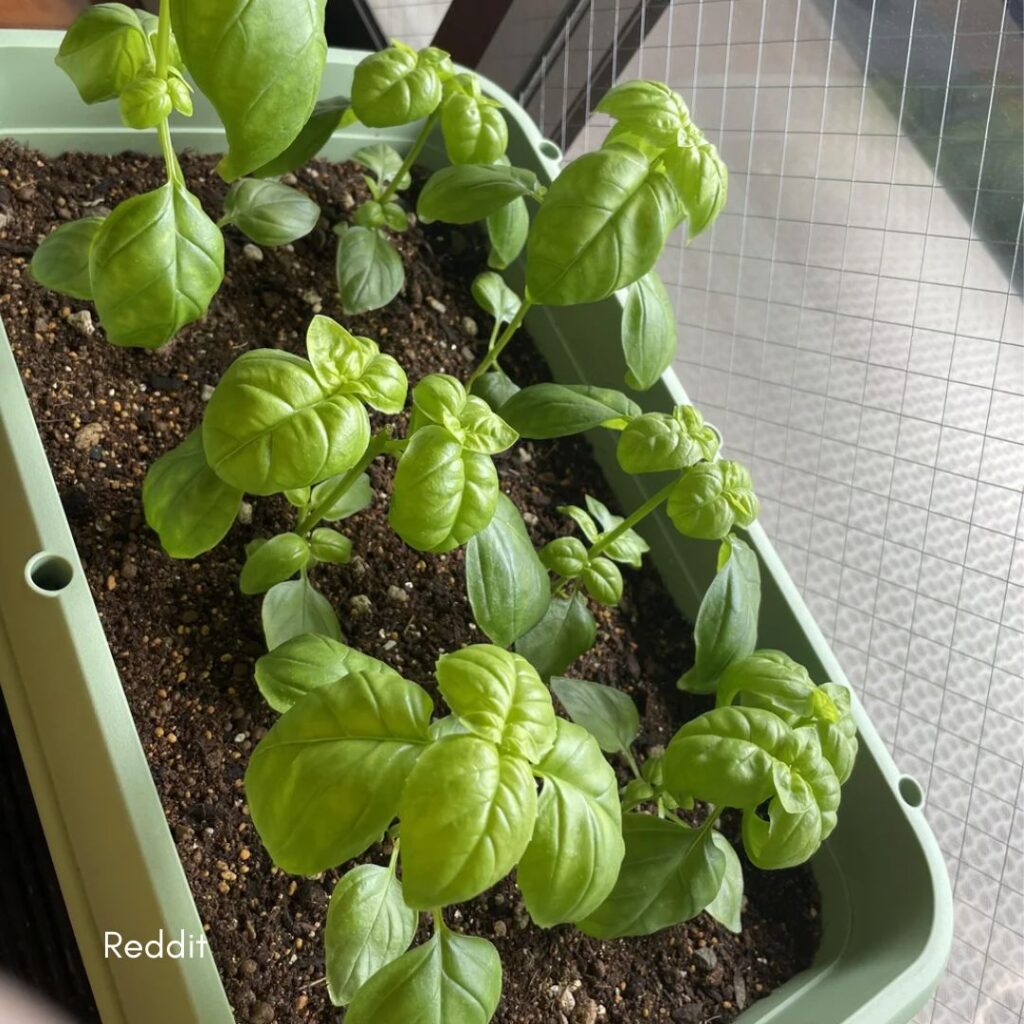
Choosing the right fertilizer can make a huge difference in how healthy and flavorful your basil plants grow. Let’s explore some of the options you can use for your basil garden.
Organic Versus Synthetic Fertilizers
Organic fertilizers come from natural sources like compost, manure, or bone meal. They improve soil health over time and are great if you want to go green 🌱. I love using compost tea for my basil; it’s easy to make and super effective.
Synthetic fertilizers, on the other hand, are man-made. They provide quick nutrients but don’t improve the soil long-term. Balanced NPK fertilizers (Nitrogen, Phosphorus, Potassium) are common here. Do you use organic or synthetic? Share below!
Liquid Fertilizers
Liquid fertilizers work fast and are easy to apply. You can mix it with water and just pour it over your basil. I often use fish emulsion; it’s high in nutrients and basil loves it!
Another option is liquid seaweed. It’s packed with trace minerals. Remember to follow the instructions; too much can hurt your plants. What’s your favorite liquid fertilizer? 🌿
Granular Fertilizers
Granular fertilizers look like tiny pellets. They are easy to sprinkle around the base of your basil plants. I like using slow-release granular options because they provide consistent nutrients over time.
All-purpose granules are also great if you’re new to gardening. A little goes a long way here! Do any of you prefer granular over liquid? Let me know why!
Slow-Release Formulas
Slow-release fertilizers do exactly what they say. They release nutrients little by little. Osmocote is a popular brand I trust.
These are perfect if you can’t fertilize often. I find them super convenient, especially during busy weeks. Just apply them once and you’re good for a couple of months! How often do you fertilize your basil plants? 🌱
Do any of these fertilizers catch your eye? 🌿 Drop your favorite ones and any tips you have in the comments!👇
How to Apply Fertilizer to Basil Plants
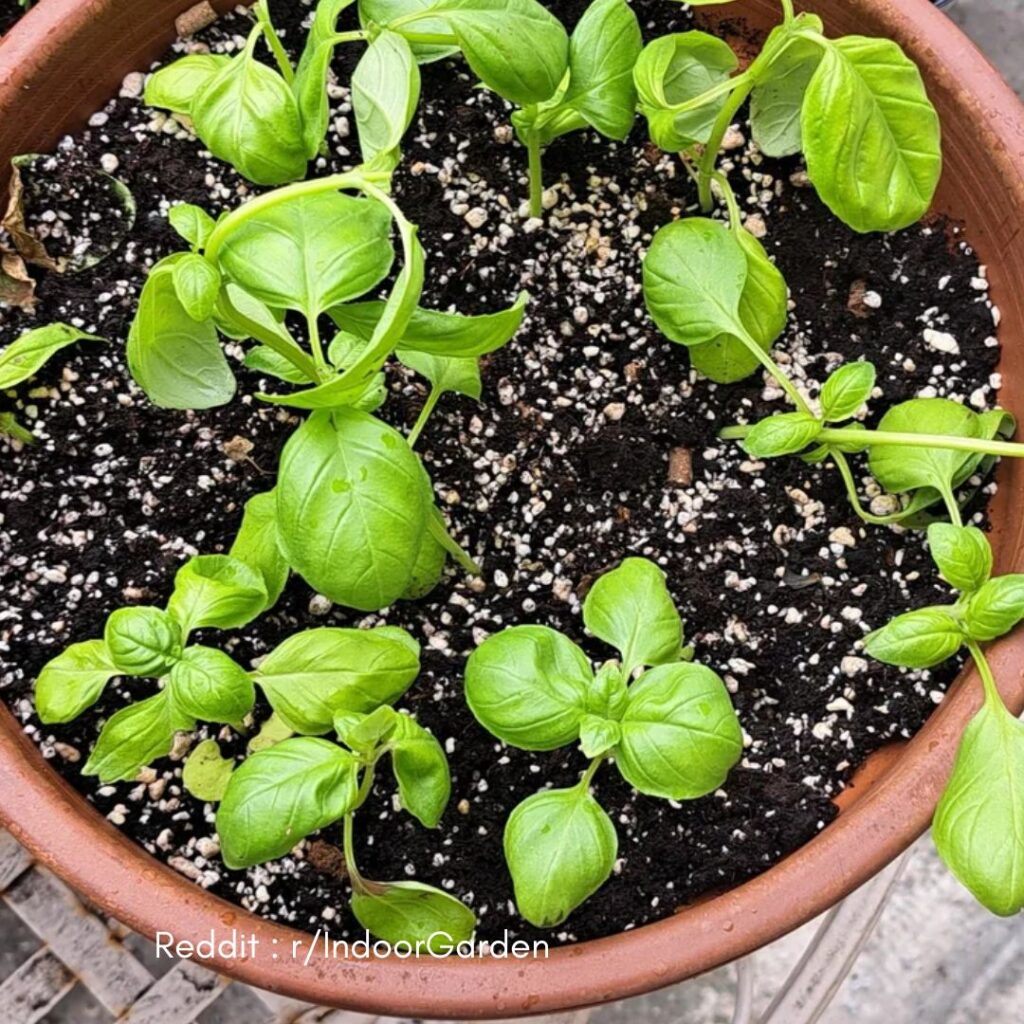
Applying fertilizer to basil plants is essential for their growth. Let’s explore how much to use, how to apply it, and how often.
Determining the Right Amount
When it comes to fertilizing basil, less is more. Too much can harm the plants. I usually measure about a teaspoon of balanced fertilizer per plant. This might sound small, but basil plants can be quite sensitive. 🌿
Wondering when to start? I recommend beginning when the seedlings have their first true leaves. Don’t overdo it; it’s better to add more later if needed.
Application Techniques
Applying fertilizer correctly is crucial. I like to mix the fertilizer with water to make a weak solution. This helps the nutrients reach the roots better.
For liquid fertilizers, a good rule of thumb is to water the plant thoroughly first. Then, apply the fertilizer evenly around the base. Solid fertilizers can be gently worked into the soil around the plant. Just be careful not to damage the roots. 👍
Frequency of Fertilization
How often should you fertilize? For basil, it’s best to fertilize every four weeks during the growing season. This keeps the plants healthy and productive.
I also watch for signs that the basil needs more nutrients. If the leaves are pale, it might be time to feed them again. Keep an eye out and adjust as needed.
Remember, too much fertilizer is worse than too little. So, start with a light hand and see how your basil reacts. 🌱
Timing Your Fertilization
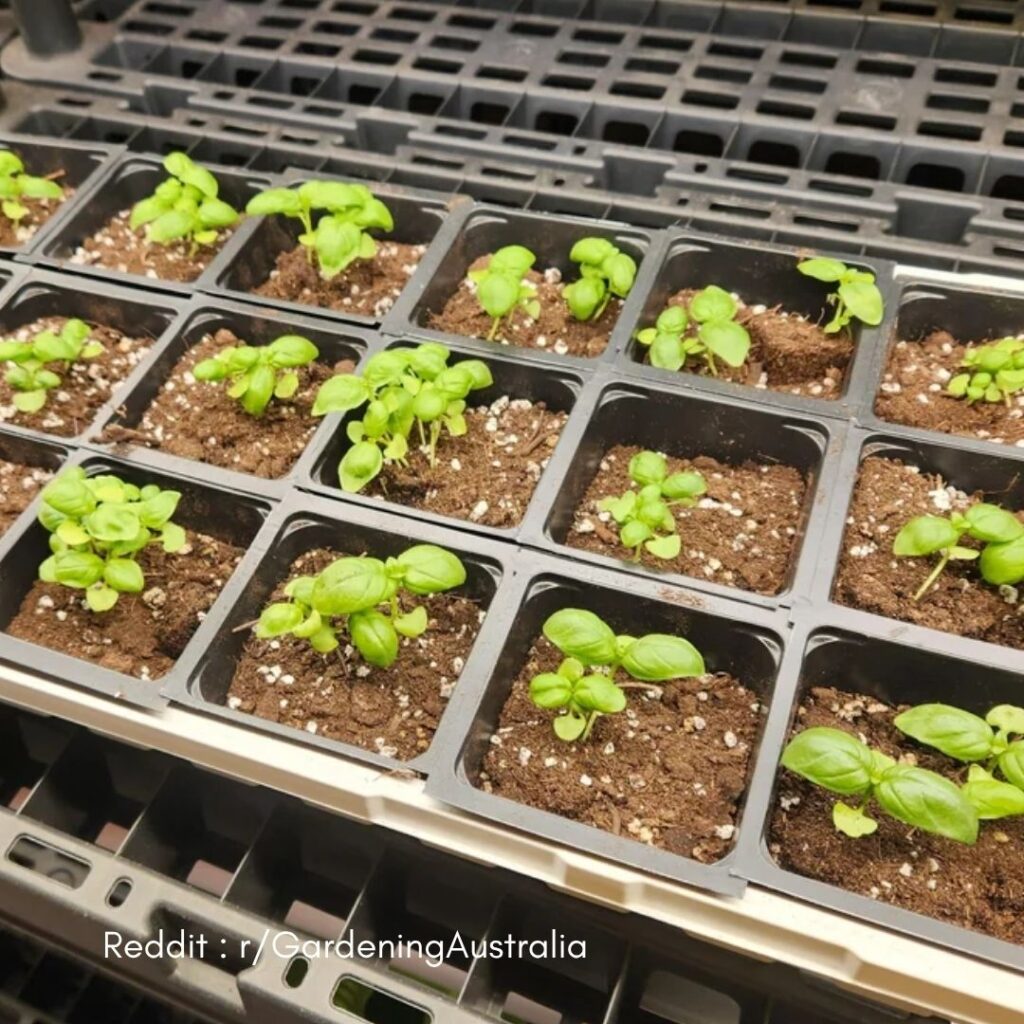
Making sure your basil plant gets fertilized at the right times is crucial for healthy growth. Let’s talk about the best times to give your basil that nutrient boost it needs to thrive 🌱.
Growth Stage Considerations
When you first plant basil, start fertilizing about two weeks after planting. This gives the young plant time to settle. Use a balanced, water-soluble fertilizer.
Once your basil is about six inches tall, switch to fertilizing every four weeks. This keeps the leaves lush and green.
If you notice slow growth or pale leaves, it might be time for an extra dose. Just remember not to overdo it, because too much fertilizer can burn the plant. Less is often more!
Seasonal Influences
Early spring is the best time to start fertilizing your basil. As the weather warms up, the plant’s growth kicks into high gear.
In summer, continue with regular feedings, but be mindful of heatwaves. Basil can get stressed and might not need as much fertilizer during extremely hot periods.
Come fall, taper off the fertilization. Too much late-season feeding can make the plant more vulnerable to pests and diseases.
What are your tips for fertilizing basil? 🌿 Share your thoughts in the comments below!
Signs of Over-Fertilization and Deficiencies
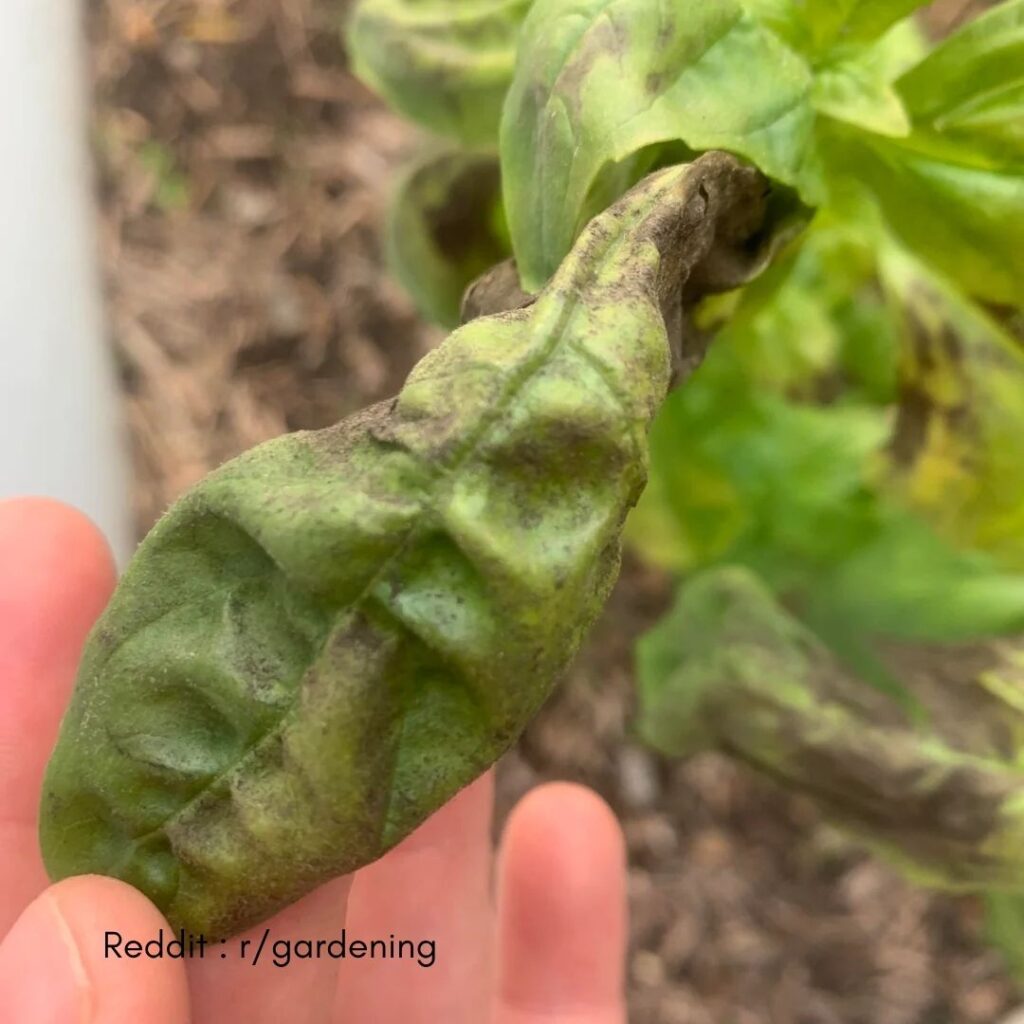
Basil plants are pretty easy to grow, but they can still suffer from too much or too little fertilizer. Let’s dive into how you can spot the signs and what you can do about it.
Recognizing Symptoms
If your basil leaves are turning yellow or brown, it might be getting too much fertilizer. This can cause burned roots and slowed growth. On the other hand, pale and wilting leaves often suggest a lack of nutrients. Small, weak leaves are another clue your basil is nutrient-deficient.
Ever seen your basil’s leaves curl or develop spots? That’s too much fertilizer talking! Oh, and if you notice a white crust on the soil, it’s definitely over-fertilized.
Corrective Measures
If you’ve over-fertilized, flush the soil with plenty of water to wash out the excess. Let the soil dry before watering again. If needed, repot your basil in fresh soil to give it a clean slate.
For deficiencies, add a balanced liquid fertilizer diluted to half-strength. Keep an eye on your plant and adjust as needed. Also, make sure it’s getting enough light and water. 🌿
Feeling overwhelmed? Don’t be! Your basil will thank you for the TLC. Got any tips or stories about your basil? Share in the comments below! 🌱✨
Best Practices for Basil Fertilization
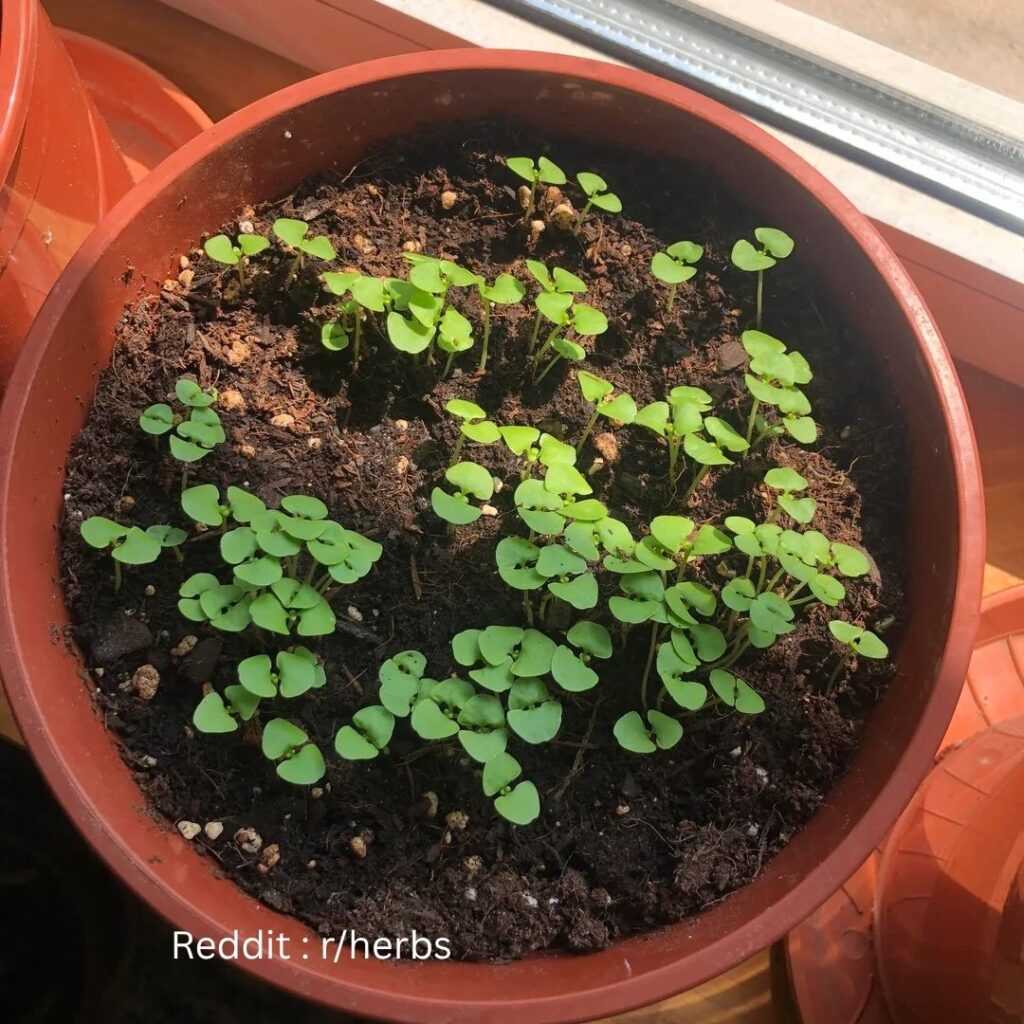
When growing basil, the right fertilization methods can make all the difference. Here are some important tips to keep your basil healthy and thriving.
Soil Testing
Checking the soil is crucial to know what nutrients your basil needs. A simple soil test can reveal a lot about the soil’s nutrient levels. Have you ever wondered why your basil isn’t growing as lush as you’d like? It might be missing some vital nutrients.
Soil tests are not too difficult. You can buy a test kit or send a sample to a lab. With the results, you’ll know exactly what your soil is missing. That way, you won’t be guessing about what fertilizers to use.
Balancing pH Levels
Did you know that basil loves a pH level between 6.0 and 7.5? Keeping the soil pH balanced ensures your basil can absorb nutrients properly. If the pH is off, even the best fertilizers won’t help.
To adjust the pH, use lime for acidic soil and sulfur for alkaline soil. It’s like giving your basil the perfect home to thrive in. Have you ever struggled with yellowing leaves? It might be a pH problem! Keeping an eye on pH can save you a lot of trouble.
Composting and Mulching
Adding compost is like giving your basil a natural multivitamin! Compost enriches the soil with many nutrients. It helps retain moisture and improves soil structure. Plus, it’s eco-friendly 🌿.
Mulching is another great practice. It helps retain moisture and keep weeds at bay. I like to use straw or wood chips as mulch.
Do you compost at home? It’s a fantastic way to recycle kitchen scraps and yard waste. Just be sure to turn the compost pile often to keep it balanced.
Feel free to share your thoughts or questions about basil fertilization in the comments below. Or drop a 🌱 emoji if you love growing basil as much as I do!
Safe Fertilization and Environmental Impact
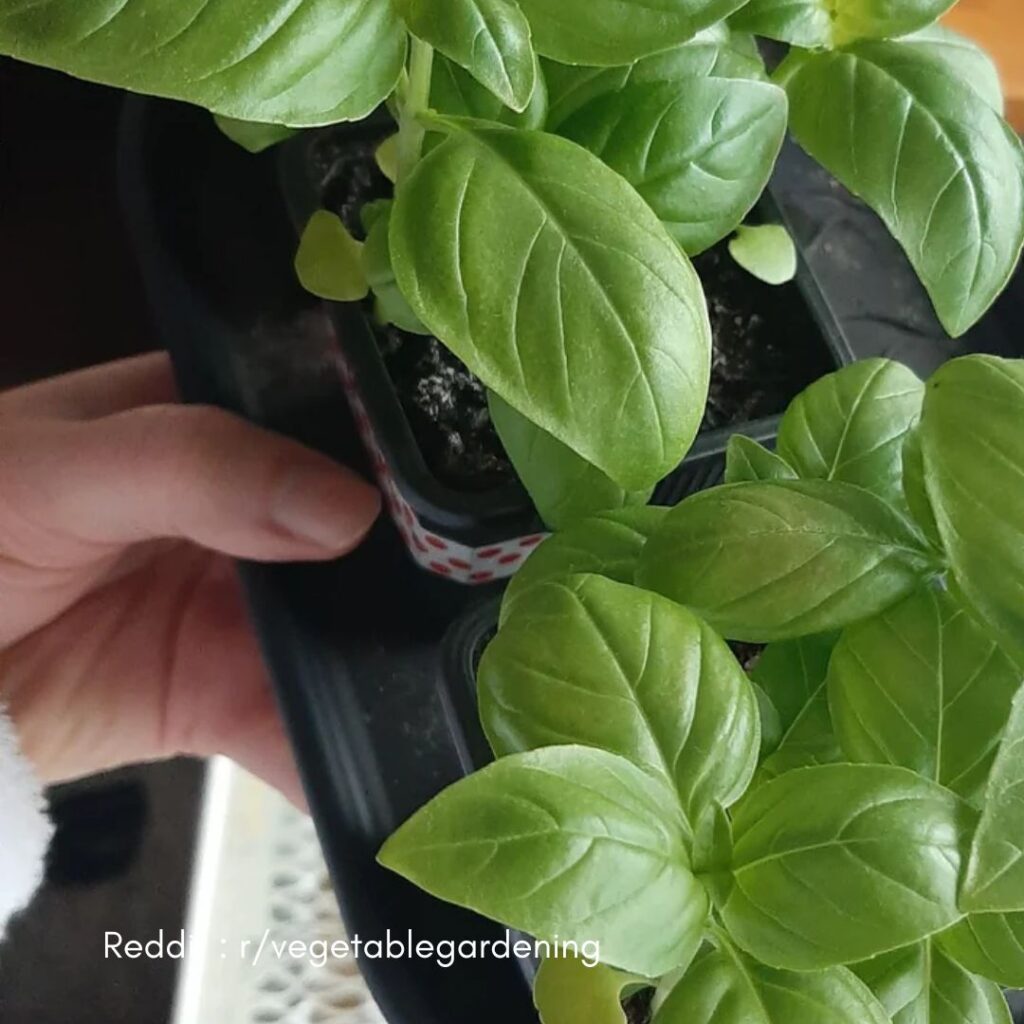
It’s important to fertilize your basil plant wisely to keep it healthy and to protect our environment. 🌱
Organic fertilizers like compost or fish emulsion are great choices. They provide nutrients without harsh chemicals. Plus, they’re safe for insects and won’t pollute water. Have you tried composting at home? It’s easier than you think!
Using slow-release fertilizers can also be helpful. They give nutrients over time, reducing the chance of over-fertilizing. This means less waste and a happier basil plant. 🌿
Here’s something to keep in mind: too much fertilizer can harm your basil and the soil. Stick to the recommended amounts. Your plant will thank you!
Common Organic Fertilizers for Basil
| Fertilizer Type | Benefits |
|---|---|
| Compost | Builds soil health, easy to make |
| Fish Emulsion | Quick nutrient boost, safe for plants |
| Seaweed Extract | Rich in minerals, encourages growth |
| Manure | Great nutrient source, needs proper aging |
Have you noticed any difference when using organic fertilizers? Tell me in the comments!
Using natural products helps protect bees, butterflies, and other essential pollinators. It feels good to nurture my garden and help the planet too. 🌎
Balanced fertilization is key. Share your favorite tips for keeping basil thriving and eco-friendly. Let’s grow together! 🌿✨
Product Recommendations and Reviews
Looking for the best fertilizer for your basil plant? I’ve got you covered! 🌿 Here are some top picks:
Miracle-Gro Water Soluble All Purpose Plant Food
- Easily dissolves in water
- Promotes vibrant green growth
- N-P-K ratio: 24-8-16
Jobe’s Organics Herb Fertilizer Spikes
- Organic and easy to use
- Just push into the soil
- N-P-K ratio: 4-3-3
Dr. Earth Organic Herb Fertilizer
- Contains probiotics and nutrients
- Great for soil health
- N-P-K ratio: 3-2-2
Helpful tip: Always water your basil after applying fertilizer to prevent burning the roots.
💬 What’s your go-to fertilizer for basil? Share in the comments!
Isn’t it fun to see your basil thrive? 🌿 Happy planting!
Frequently Asked Questions
Basil plants thrive with the right kind of fertilizers. From homemade options to commercial brands, each has its advantages. Let’s dive into some common questions about fertilizing your basil.
What are the best homemade fertilizer options for my basil plant?
I love using compost tea and egg shells. Compost tea is rich in nutrients, and eggshells add calcium to the soil. Another great option is banana peels, which provide potassium.
How do I prepare DIY fertilizer for my basil to ensure optimal growth?
To make compost tea, soak compost in water for a couple of days and then use the liquid to water your plants. Crush eggshells into a fine powder and mix them into the soil. Soak banana peels in water for a few days, and then use the water on the soil. 🥚🍌
Which commercial fertilizer brands are recommended for basil plants growing in pots?
For potted basil, I recommend using Miracle-Gro or Jobe’s Organics. Both brands have a good balance of nutrients for herbs. Espoma is another excellent choice for organic gardeners.
What is the ideal NPK ratio for fertilizing basil plants?
The perfect NPK ratio for basil is 10-10-10 or 5-5-5. This balanced fertilizer provides the right amount of nitrogen (N), phosphorus (P), and potassium (K) to help the plant grow strong and healthy. 🌿
Can liquid fertilizer be used for basil, and how should it be applied?
Yes, liquid fertilizer works great for basil! Mix it with water as per the instructions and apply directly to the soil. I usually apply it every 2-4 weeks. Just be careful not to over-fertilize, as it can harm the plant.
What should I feed my indoor basil plant to keep it healthy?
For indoor basil, I feed mine with a balanced liquid fertilizer like Dyna-Gro 7-9-5. Make sure to follow the instructions on the label. Worm castings mixed into the soil also provide excellent nutrients. And don’t forget to give your basil plenty of sunlight. ☀️
Do you have a favorite fertilizer for your basil? Share in the comments! 🌱