
Growing basil outdoors can be super rewarding and a great addition to your garden. 🌱 By giving your basil lots of sunlight and well-drained soil, it will thrive and provide you with fresh leaves all season long. Basil loves sunny spots, so make sure it gets at least six hours of sunlight each day.
I find it helpful to water my basil in the morning, ensuring the water soaks into the soil without making it soggy. Pinching off the top leaves regularly helps the plant grow bushier and gives you more delicious basil to enjoy. Have you ever tried making your own pesto with freshly picked basil? It’s amazing! 😋
Don’t forget to keep an eye out for pests like aphids, which can harm your basil. 🐜 A gentle spray with soapy water usually does the trick to keep them away. Do you have any tips or tricks for growing basil? Share them in the comments below! Let’s help each other create the best herb garden ever. 🌿💬
Getting Started with Basil
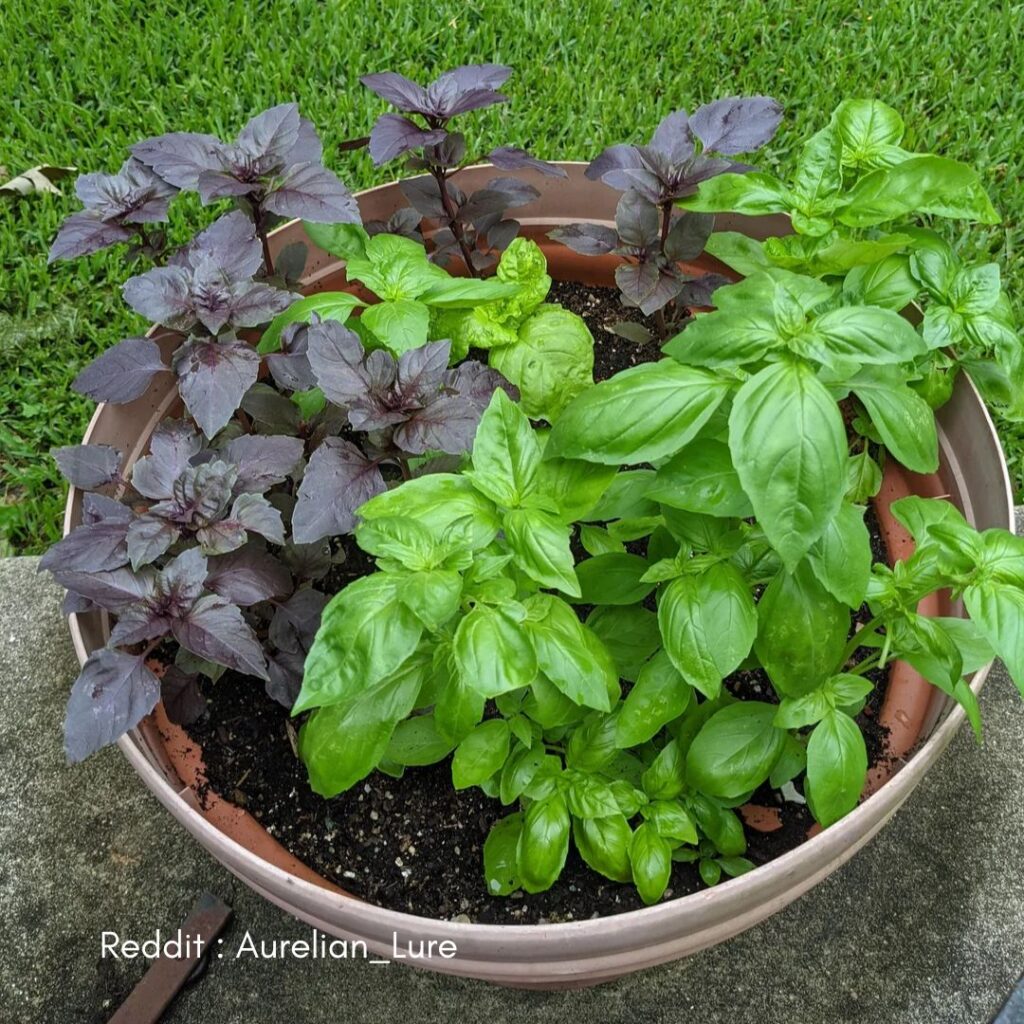
Growing basil at home can be fun and rewarding. Let’s make sure we pick the right variety and know the basic needs of the plant to start on the right foot. 🌱
Choosing the Right Variety
There are lots of basil varieties to pick from, and each has its own flair. Sweet basil is great for classic recipes like pesto. Thai basil adds a unique flavor with hints of anise. Lemon basil brings a citrusy twist to your dishes.
Ask yourself what flavors you love most in your cooking. Do you like the sweet touch in Italian dishes or the spicy kick for Asian cuisine? Don’t be afraid to experiment! Sometimes, mixing different types can give you unique tastes in your meals.
Anyone else love growing surprise varieties in their garden? Share your favorites in the comments!
Understanding Basil’s Basic Needs
Basil loves sunlight. Ideally, it needs 6-8 hours of sunlight a day. Find a sunny spot in your garden where it can soak up the rays. 🌞 If you live in a hot climate, some afternoon shade can help prevent wilting.
This plant thrives in well-drained soil. Too much water can cause the roots to rot. Check the soil with your finger; it should feel moist but not soggy. A good rule is to water it when the top inch of soil is dry.
Don’t forget to pinch off the flowers. This keeps the plant producing leaves instead of going to seed.
What are your best tips for keeping basil happy and healthy? Let’s chat in the comments!
Planting Your Basil
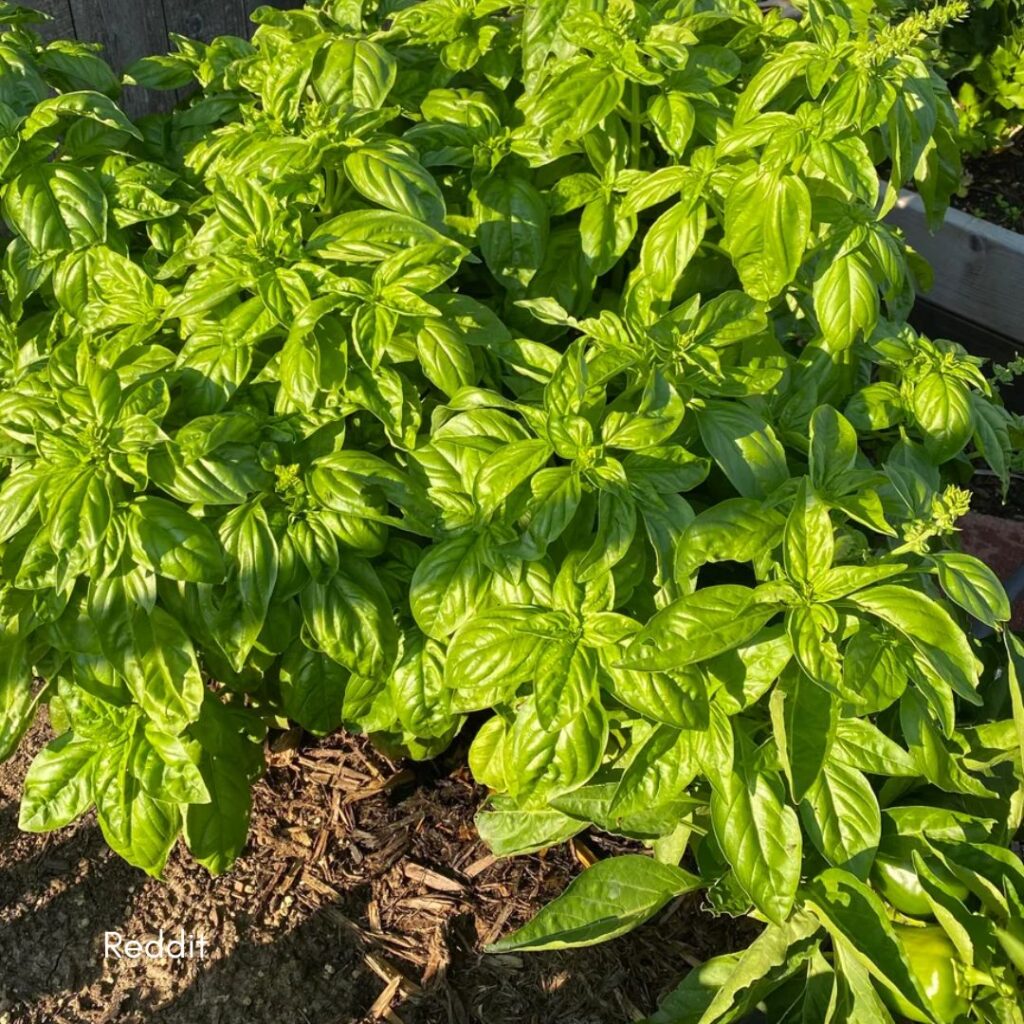
Planting basil outdoors can be a rewarding experience. I find that choosing the right spot and preparing the soil are key steps to ensure healthy growth.
Selecting the Perfect Spot
Basil loves the sun! 🌞 I always plant mine in a spot where it gets 6 to 8 hours of sunlight each day. This helps the plant grow strong and produce flavorful leaves. Do you have a sunny corner in your garden? That could be the perfect spot!
If it’s too shady, the basil might become leggy and weak. Watch out for windy areas too, as basil has delicate stems that can easily snap.
I often plant mine near my kitchen, so I can quickly grab fresh leaves when cooking. What about you? Where will you plant your basil?
Soil Preparation
Good soil is crucial for basil. I usually start by loosening the soil to make it easier for the roots to grow. Adding organic matter like compost or aged manure improves the soil’s texture and fertility.
Basil prefers well-drained soil, so I avoid places where water tends to puddle. I also ensure the soil is slightly acidic to neutral (pH 6 to 7.5). Don’t worry, soil tests are easy and available at garden centers!
Ever tried a raised bed? It works great for basil, improving drainage and making it easier to manage the soil quality.
Planting Guidelines
When it comes to planting, I start by digging small holes about 12 inches apart. This gives each basil plant enough space to grow and spread out.
I place each seedling in its hole and gently cover the roots with soil, pressing lightly to eliminate air pockets.
Water gently right after planting to help the plants settle. I also mulch around the plants to retain moisture and reduce weeds.
Got questions? Drop them in the comments! Let’s grow some fantastic basil together! 🌿
Daily Care and Maintenance
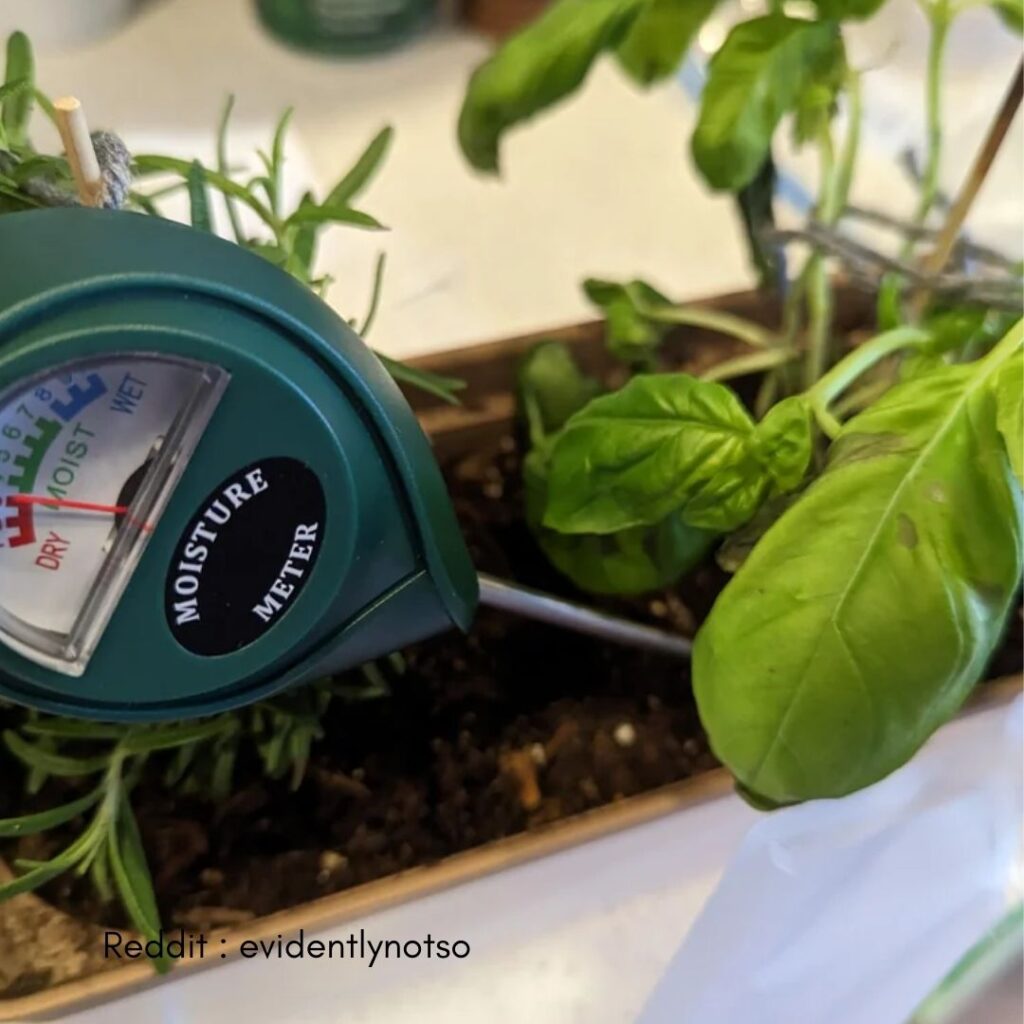
Taking care of your basil plant outdoors involves proper watering, mulching, managing weeds, and dealing with pests. These steps are essential to keep your basil healthy and thriving.
Watering Techniques
Basil loves consistent moisture, but not soggy soil. I check the soil regularly and water when the top inch feels dry. It’s best to water in the morning so the plant can dry out by evening. Try using a soaker hose or drip irrigation for a more even watering. Avoid getting the leaves wet because this can lead to fungal diseases.
Mulching and Weed Control
Mulching helps retain moisture and keeps weeds at bay. I spread a layer of organic mulch, like straw or wood chips, around the base of my basil plants. Mulch should be about 2-3 inches thick but keep it away from the stem to prevent rot. Regularly check for weeds and pull them out to ensure the basil gets all the nutrients it needs.
Dealing with Pests
Pests can be a real headache! Common attackers include aphids, whiteflies, and spider mites. I keep an eye out for these pests and spray them off with a strong stream of water. For tougher infestations, I use a homemade neem oil spray. 😊 Another tip: planting basil near tomatoes and peppers can help repel pests naturally. How do you deal with pests in your garden? Share your tips in the comments! 🌿
Note: The emojis and light humor are intended to make the content more engaging and encourage interaction with the readers.
Optimizing Basil Growth
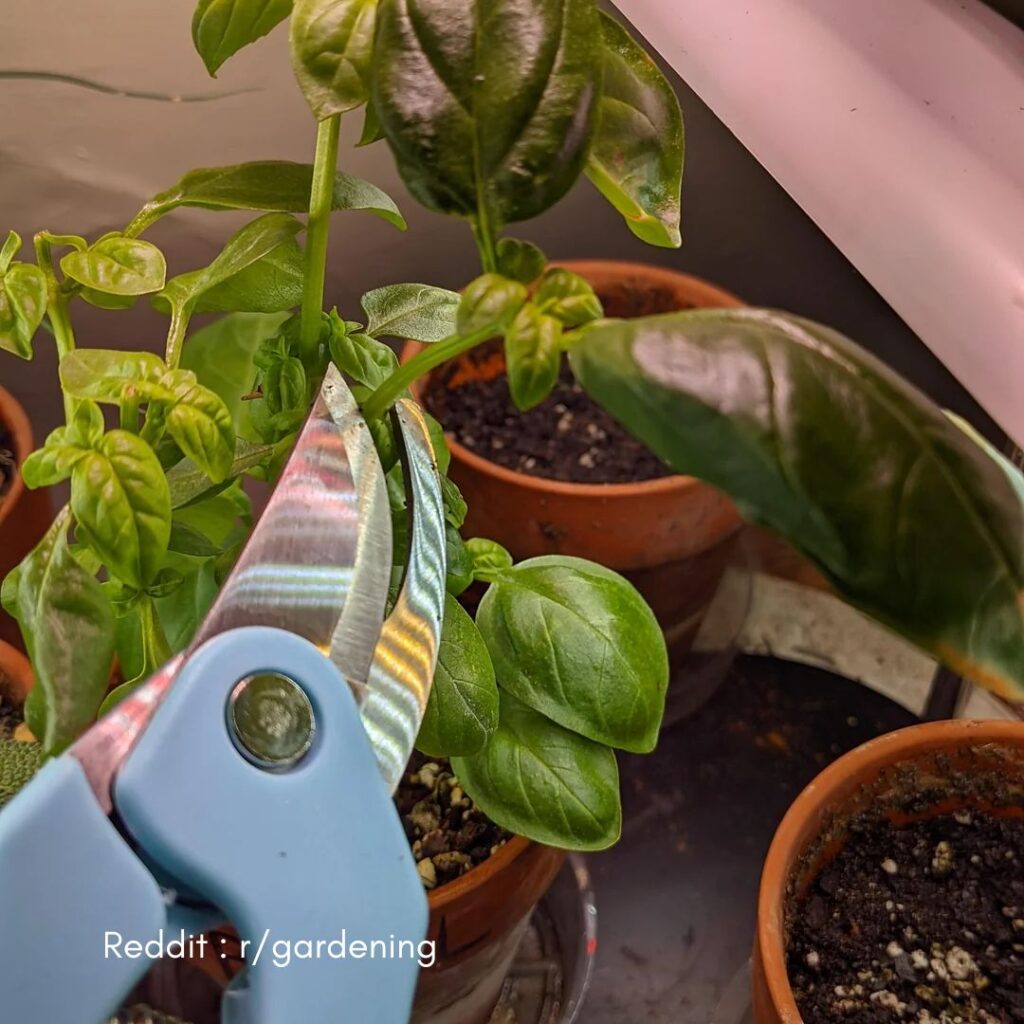
Ensuring that basil grows well involves finding the right amount of sunlight, feeding it properly, and knowing when to prune and harvest.
Sunlight and Shade Balance
Basil loves sunlight! Aim to give your plant around 6-8 hours of sun a day. Too much direct sun, especially in the intense afternoon, might cause the leaves to wilt or burn. A good balance is morning sun and afternoon shade. 🌞
If you live in a super sunny place, using a light shade cloth can help. Don’t forget to rotate the plant occasionally so all sides get equal light. Ever thought of using basil as a companion plant? Placing it near tomatoes can optimize both plants’ growth.
Feeding Your Basil
Basil benefits from regular feeding. I prefer using a balanced, all-purpose fertilizer, mixed as per the package instructions about once a month. 🥗
Organic compost is another great option. Just mix a handful into the soil every couple of months. Avoid over-fertilizing; too much can make the basil taste bitter. When watering, make sure the water reaches the roots but don’t let the pot sit in water to stop root rot.
Pruning and Harvesting
Pruning your basil is super important if you want a bushy plant with lots of leaves. Snip off the top leaves regularly, especially before the plant flowers. This encourages it to grow wider rather than taller.
When harvesting, pick the leaves from the top down to let new leaves grow. It’s like giving your basil a haircut to keep it neat and productive. 🌿
Ever tried drying or freezing the basil you harvest? It keeps the flavor for months! So, enjoy that fresh basil year-round. Remember, the more you pick, the more it grows, so don’t be shy!
Share your basil growing tips with me in the comments! Have you had better luck with direct sun or some shade? Let’s chat! 🌱✨
Troubleshooting Common Issues
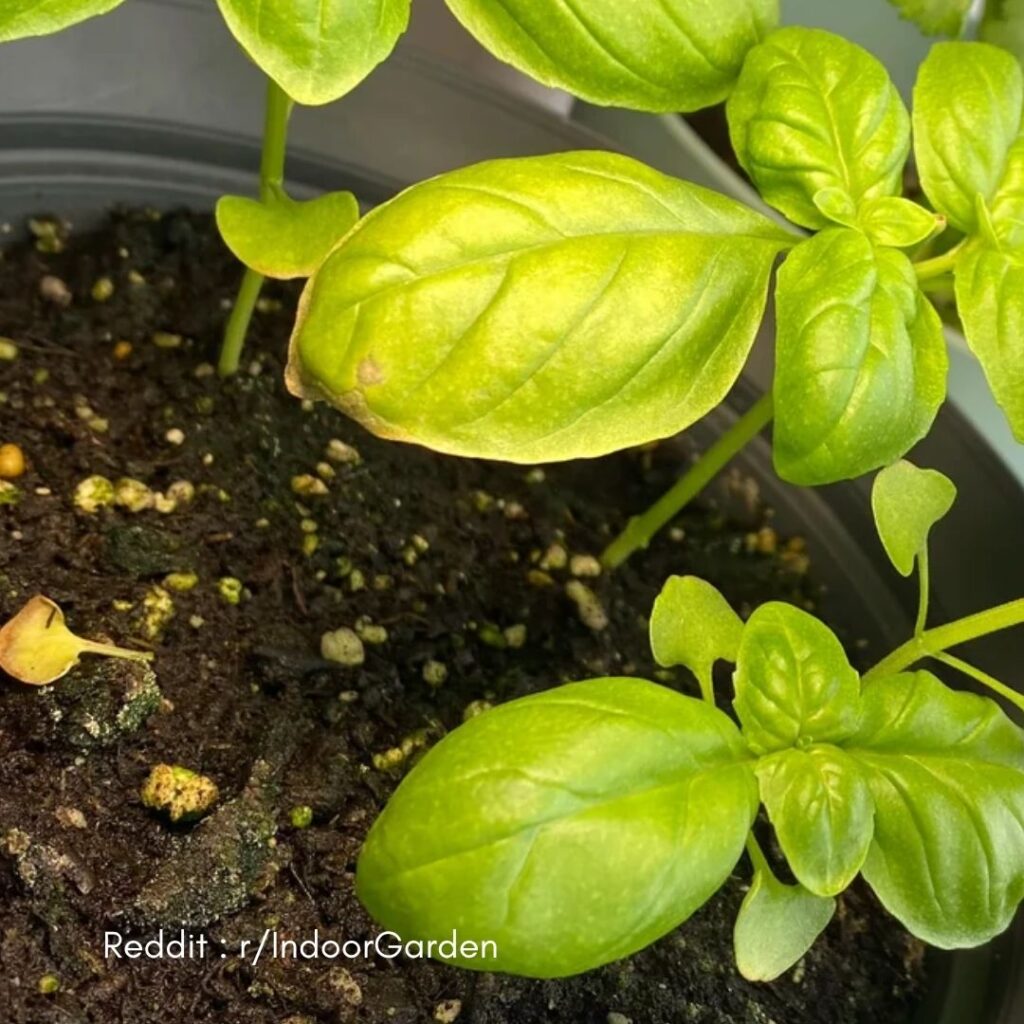
Caring for a basil plant outdoors can sometimes be a bit tricky. Let’s talk about yellowing leaves, overwatering, and preventing diseases. 🌿
Yellowing Leaves
If your basil leaves are turning yellow, don’t panic. It usually means your plant needs a little extra love. 🌞 First, make sure it’s getting enough sunlight. Basil loves lots of sunshine—about 6-8 hours a day.
Next, check the soil. Basil needs well-draining soil, so make sure the pot or garden bed is not waterlogged.
Also, consider your fertilizer use. Using too much or too little can cause yellowing. A balanced, organic fertilizer can help keep your basil vibrant and green.
Signs of Overwatering
Overwatering is a common issue that can harm your basil. Here’s what to look out for: drooping leaves, a mushy stem, or a musty odor coming from the soil.
To prevent this, make sure your basil’s pot or garden bed has good drainage. I usually water my basil once the soil feels dry about an inch down. Remember: Basil prefers to be a bit on the dry side rather than soggy.
If you suspect overwatering, cut back on the water and allow the soil to dry out. Your plant will thank you. 🌱
Preventing Diseases
Keeping your basil healthy involves preventing common diseases like powdery mildew and fungal infections.
Air circulation is key. Plant your basil with enough space between each plant to allow air to move freely. Avoid watering the leaves directly; instead, water at the base to keep foliage dry.
I also like to remove any damaged or sick-looking leaves to prevent the spread of disease. If pests are a problem, a gentle spray of soapy water can help.
Don’t forget to rotate your crops if you’re planting in a garden. This helps prevent soil-borne diseases from taking hold. Happy growing! 🌱 🐝
End of Season Care
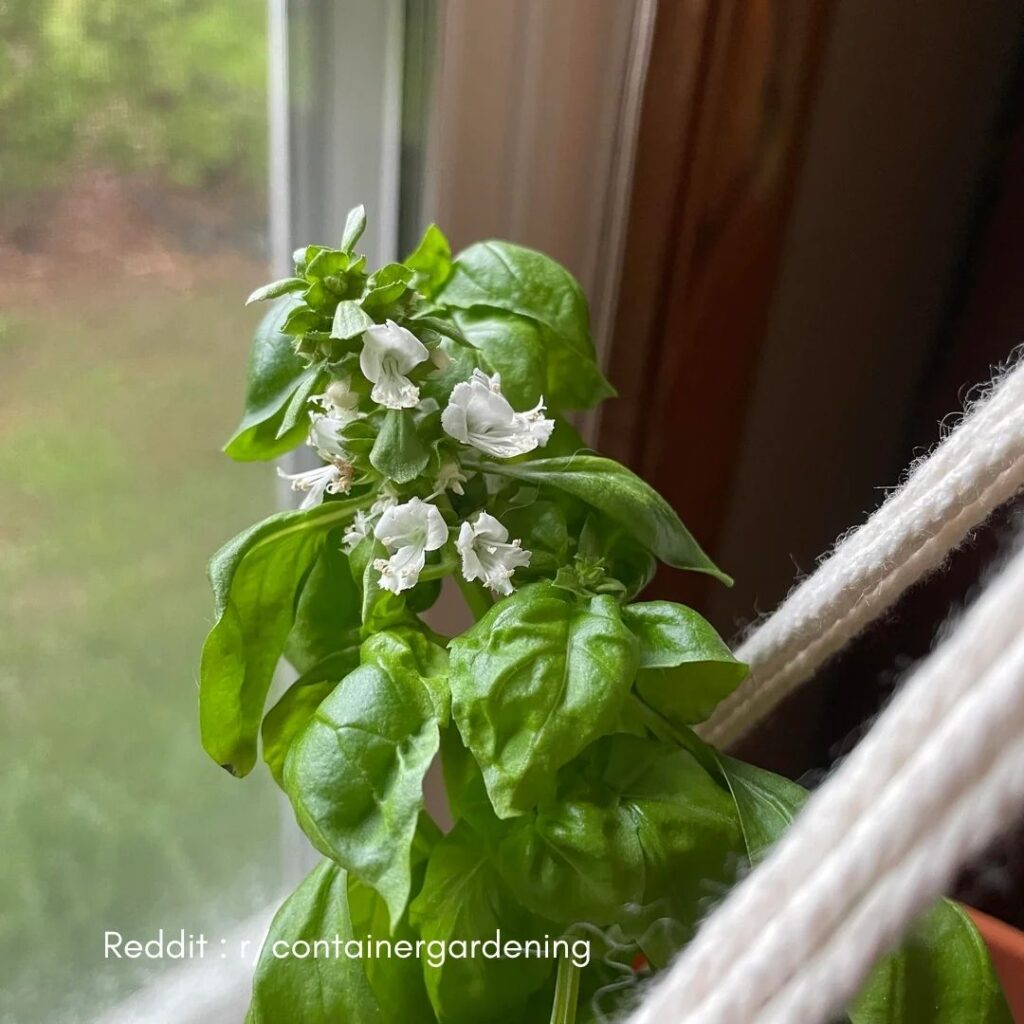
As the growing season winds down, it’s important to take special care of your basil plants. Preparing for winter and saving seeds for the next season are key steps.
Preparing for Winter
When the weather starts to cool down, basil plants need some extra protection. If frost threatens, I cover my basil with lightweight fabric or garden cloches.
I like to prune my basil one last time before it gets too cold. This helps the plant conserve energy. I trim back the stems, leaving about 6 inches.
If bringing plants indoors is an option, place them in a sunny spot. Basil needs plenty of light, so a south-facing window works well. Adding a grow light can help too. Keep the soil slightly moist but not soaking wet.
Did you know? You can also replant basil in pots and keep them on the kitchen windowsill. 😊 Have you tried this?
Seed Collection and Storage
Collecting seeds for the next season is easy and fun! Look for flower heads that have dried out and turned brown. Gently pinch them off the stem.
Crush the flower heads between your fingers to release the seeds. I spread the seeds on a paper towel and let them dry completely.
Once dry, I store the seeds in a small envelope or jar. Label it with the date and type of basil. Keep the container in a cool, dry place.
Saving seeds not only saves money, it’s a great way to share with gardening friends! 🌱 Do you collect seeds? Share your tips below!
Enjoying Your Basil
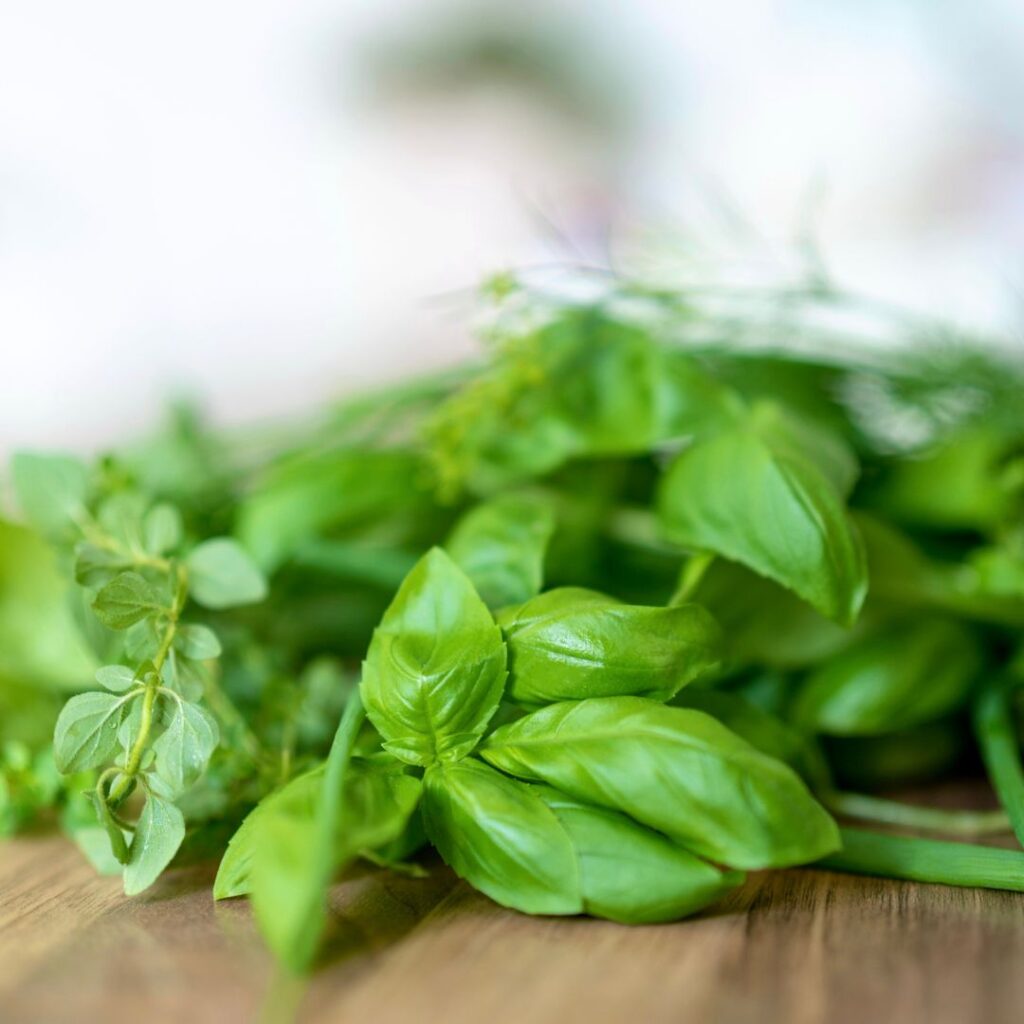
Basil plants are not only easy to care for, but they also offer many ways to enjoy their fragrant leaves. From cooking to preserving, and even landscaping, basil can bring joy to your home.
Harvesting for Cooking
I love using fresh basil in my favorite dishes. Harvesting is easy and fun. Snip the leaves from the top of the plant to encourage more growth. You can use basil leaves in soups, salads, pasta, and more.
When picking basil, it’s best to do it in the morning when the leaves are full of moisture. Rinse them gently under cold water, pat dry with a towel, and they’re ready to use. What’s your favorite basil recipe? 🍝
Preserving Basil
Do you have more basil than you can use? Don’t worry! There are simple ways to preserve basil for later. One method is to freeze basil leaves. Place clean, dry leaves in an ice cube tray, add water, and freeze. Pop out a basil cube whenever you need it.
You can also make basil pesto and store it in the fridge or freezer. Just blend basil with olive oil, nuts, and garlic. Yummy! Another option is to dry basil by hanging small bunches upside down in a dark, dry place. Once dried, crumble it and store it in an airtight container.
Basil in Landscaping
Basil isn’t just for the kitchen—it’s also great for your garden. It’s easy to plant basil in flower beds or pots. The bright green leaves and small white flowers can add a splash of color to any outdoor space.
Plant basil near tomatoes to improve growth and flavor. Basil can also repel pests and attract pollinators like bees. It’s a win-win! Plus, having basil in your garden means you always have fresh leaves handy. 🌿 What creative ways do you use basil in your garden?
I hope you find these tips helpful for enjoying your basil plants. Don’t forget to share your thoughts in the comments!
Frequently Asked Questions
Here’s a quick guide to keep your basil happy and thriving outdoors. From watering tips to transplanting supermarket basil, I’ve got you covered.
How should I water my outdoor basil plants to keep them healthy?
Water your basil deeply but less often. The soil should stay moist but not soggy. When the top inch of soil is dry, it’s time to water. 🪴 Don’t forget to water the base, not the leaves!
What are the best conditions for growing basil in outdoor pots?
Basil loves well-draining soil and pots with drainage holes. Clay pots work great. 🌞 Place the pots where they’ll get at least 6 hours of sunlight.
Can you provide tips for transplanting a supermarket basil plant outdoors?
First, harden off your plant by gradually exposing it to outdoor conditions over a week. 🌱 Replant it in nutrient-rich soil, and make sure to soak the roots well before transplanting.
Is full sun exposure necessary for outdoor basil, or can it thrive in partial shade?
Basil prefers full sun but can tolerate partial shade. Aim for 4-6 hours of sunlight a day. 🌤️ If you’re in a very hot area, some afternoon shade can be helpful.
What steps should I follow to grow basil from cuttings outdoors?
Snip a 4-inch cutting below a node. Remove the lower leaves and place the cutting in water until roots form. 🌿 Once the roots are a few inches long, plant them in well-draining soil.
In regions with hot climates like Florida, how does outdoor basil plant care differ?
In hot climates, mulch helps to retain soil moisture and keep roots cool. 🌞 It’s best to water more frequently during extreme heat and provide some afternoon shade.