
Growing a basil plant outdoors can be a fun and rewarding experience! 🌿 It’s great for adding fresh flavor to your meals, and it’s pretty easy to care for. Basil thrives in warm weather and needs plenty of sunlight. Make sure you pick a spot in your garden that gets at least six hours of sunlight each day.
Watering your basil is important, but don’t overdo it. Keep the soil moist, not wet. Too much water can lead to root rot, which nobody wants. I like to water my basil in the morning so it has the whole day to absorb it. Does anyone else have a morning routine with their plants?
One more tip: Pinching off the flowers will keep your basil growing strong. When you see little flower buds starting, just pinch them off. This helps the plant focus on growing more tasty leaves. Do you have any special tips for growing basil? Share them in the comments below! 🌱✨
Getting Started with Basil
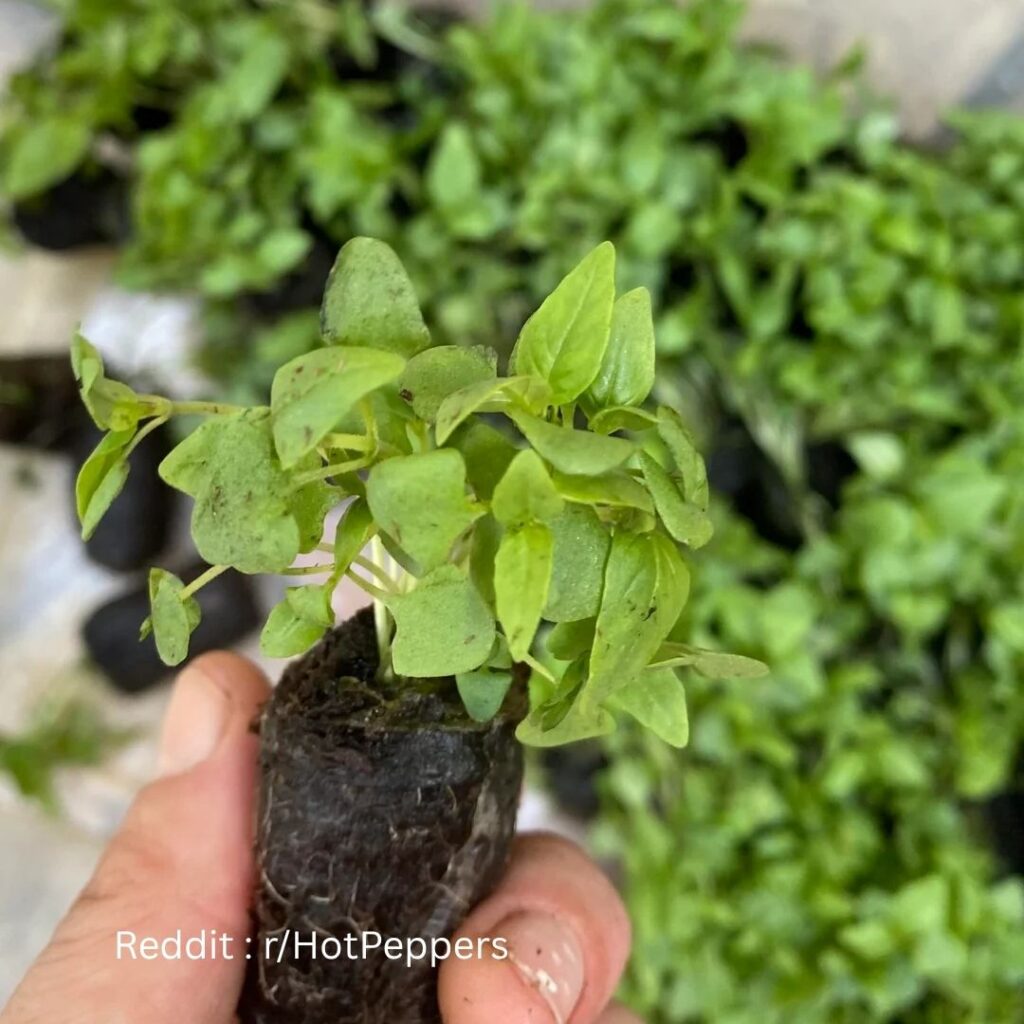
Basil is a wonderful herb to grow in your garden. To begin, it’s important to pick the right variety, wisely choose a location, and ensure your soil is just right. Let’s get things rolling!
Choosing the Right Basil Variety
There are many types of basil, and each one has its own special features. Sweet Basil is the most popular and great for cooking. Thai Basil has a slightly spicy flavor perfect for Asian dishes. Lemon Basil adds a citrusy twist to salads and drinks.
Pick a variety that matches your taste and cooking style. Ever tried making pesto from your garden? Sweet Basil is a perfect choice! 🍃
Selecting the Perfect Location
Basil loves sunlight. Make sure it gets at least 6-8 hours of sunshine a day. A spot with plenty of morning sun and some late afternoon shade works wonders.
Avoid areas with strong winds. Basil plants have delicate stems that can easily break. A protected spot with good air circulation is ideal. Do you have a favorite sunny spot in your yard?
Understanding the Basics of Soil
Basil grows best in well-drained soil. Soil that holds too much water can lead to root rot. Use a mix of compost and perlite to improve drainage and add nutrients.
The soil should be slightly acidic to neutral. A pH level between 6.0 and 7.0 is perfect. If you’re unsure, pH testing kits are readily available.
Keep the soil moist but not soggy. Using mulch can help retain moisture and keep weeds at bay. Do you have any tips or tricks for keeping your basil happy? Feel free to share them! 🌿
Planting Your Basil
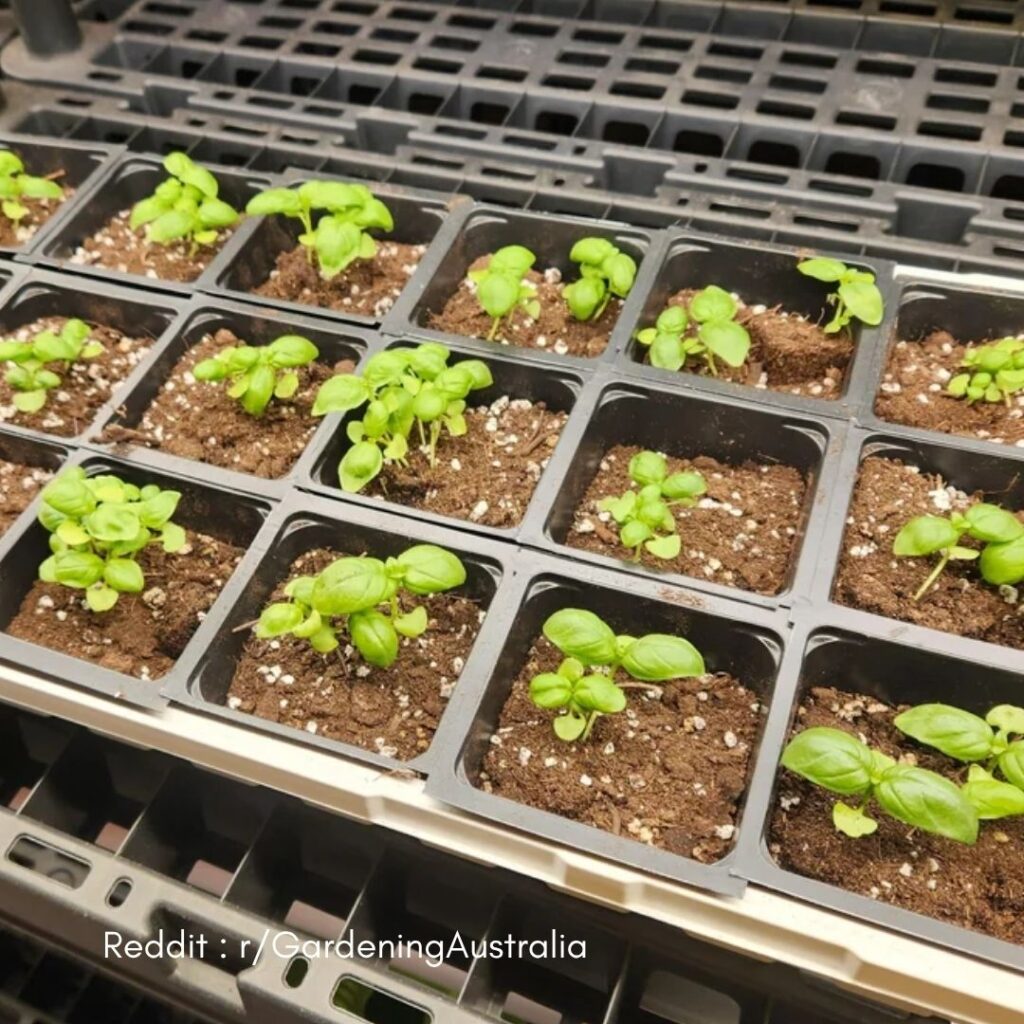
Planting basil outdoors can be so exciting! Timing, technique, and care are key to growing a happy and healthy basil plant. Let’s get started! 🌱
Best Time to Plant Basil
I always plant my basil when the soil is nice and warm, typically in late spring or early summer. Basil loves warm weather and hates frost. To check, I poke my finger into the soil. If it’s warm to the touch and nighttime temps stay above 50°F (10°C), it’s go time! 🕒
Sowing Basil Seeds Outdoors
Sowing basil seeds directly in the garden is super easy. I barely cover the seeds with soil, about 1/4 inch deep. Keeping the soil moist but not soaked is crucial for germination. Make sure to space the seeds 12 inches apart so they have room to grow. Tip: A light misting with a spray bottle works wonders in those first few days! 🚿
Transplanting Basil Seedlings
If you start your basil indoors or buy seedlings, they need a gentle transition to the great outdoors. I harden off my seedlings by placing them outside for a few hours each day, gradually increasing the time over a week. When they’re ready, I plant them in soil with good drainage and compost. I love watching them spread out and thrive!
So, plant your basil with a smile and let those aromatic leaves flourish! 🌿😊 Don’t forget to share your planting stories in the comments below.
Caring for Your Basil Plants
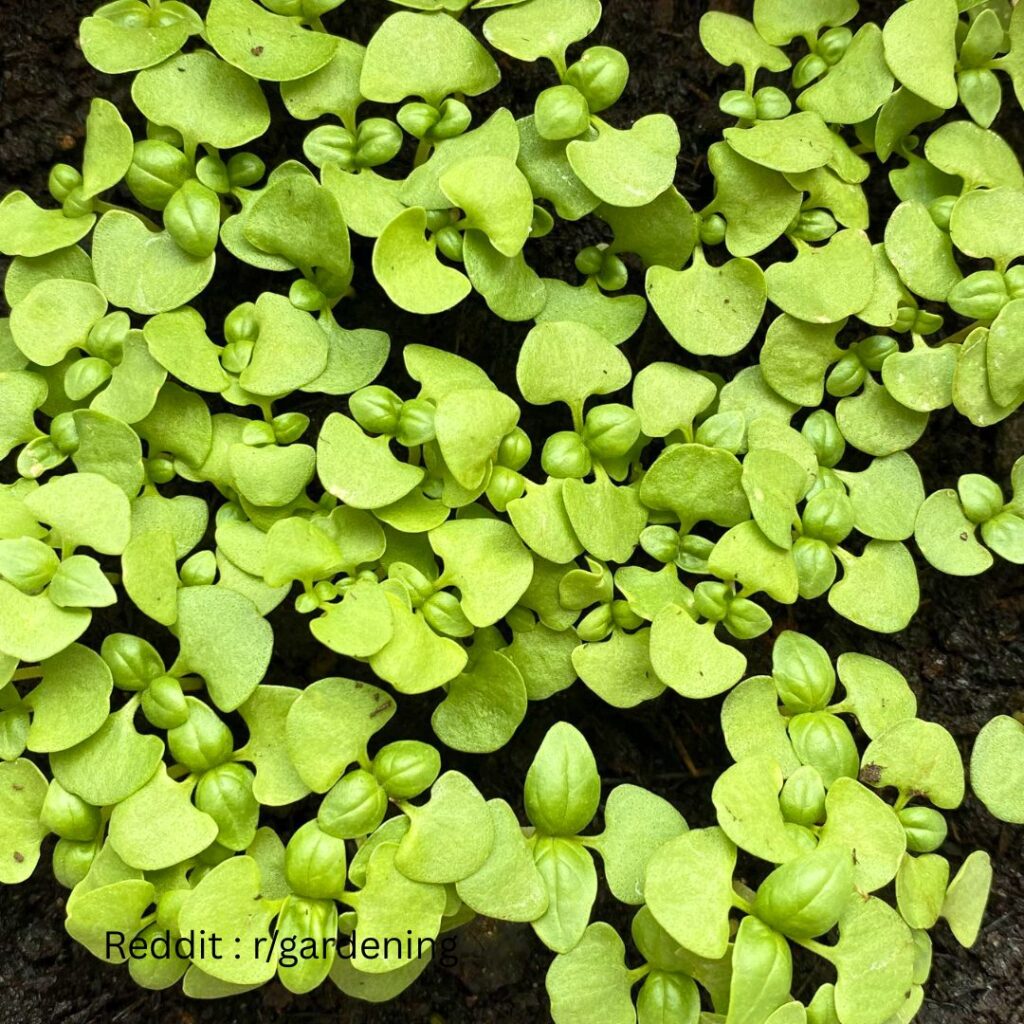
Taking care of your basil plants is key to keeping them healthy and flavorful. It’s all about watering, mulching, and fertilizing the right way. Let’s dive in!
Watering Techniques
I always make sure to keep the soil moist, but not soaking wet. Overwatering can lead to root rot, while underwatering can make the leaves wilt.
I recommend watering your basil plants in the morning. This way, the soil has time to dry out by evening, preventing fungal diseases. A good soak every few days works better than light watering every day.
Have you tried using a soaker hose? It’s perfect for delivering water directly to the roots without wetting the leaves. This method saves water and keeps the leaves dry, reducing the risk of disease.
How do you usually water your basil? Share your tips below! 💧
Mulching and Weed Control
I use mulch around my basil plants to help keep the moisture in the soil. Mulching also helps control weeds. Weeds compete with basil for nutrients and water, so keeping them at bay is essential.
I like using organic mulch like straw or shredded leaves. It looks natural and breaks down over time, adding nutrients back into the soil.
Make sure to spread the mulch about 2-3 inches thick around your plants. Keep it away from the stems to prevent rot. Weed regularly, and if you spot any stubborn ones, pull them out by hand.
Do you have a favorite type of mulch? Let’s discuss in the comments! 🌿
Fertilizing for Growth
Basil loves a nutrient-rich soil. I use a balanced fertilizer every 4-6 weeks to keep my plants growing strong.
A liquid fertilizer works best because it delivers nutrients quickly. You can also use compost tea if you prefer organic options. Just be careful not to over-fertilize, as this can make the leaves too big and reduce their flavor.
I mix the fertilizer into the soil at the base of the plant and water it in well. This helps the nutrients reach the roots quickly. What type of fertilizer do you use? Share your experiences below! 🌱
Taking care of basil plants isn’t too hard, and the fresh leaves are totally worth it. Happy gardening! 🌸
Pest and Disease Management
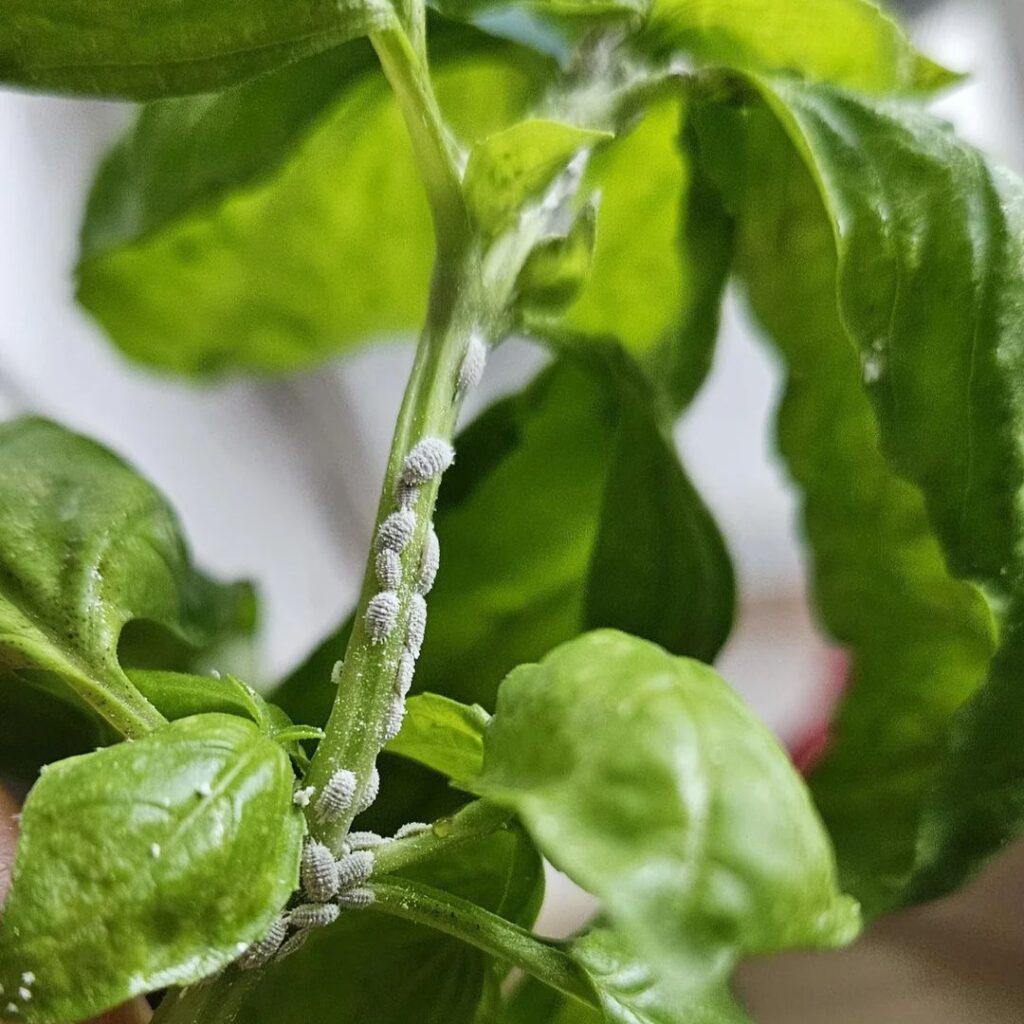
Basil plants outdoors can face several pests and diseases. To keep your basil healthy, you should know what to look for and how to handle these issues effectively.
Identifying Common Pests
Some common pests that affect basil include aphids, spider mites, and Japanese beetles.
- Aphids: These tiny insects are usually green or black. They suck sap from the plant, causing leaves to curl and yellow.
- Spider Mites: These pests are almost invisible but leave tiny webs on the leaves. Look for dots on the leaves.
- Japanese Beetles: They eat the foliage, leaving behind skeletonized leaves.
Ever seen these critters on your basil? 🐞 Let’s share tips in the comments!
Disease Prevention Strategies
To prevent diseases:
- Water your basil in the morning to allow foliage to dry during the day.
- Space your plants properly to improve air circulation.
- Rotate crops to avoid soil-borne diseases.
Watch out for downy mildew and fusarium wilt. Downy mildew appears as a yellow, fuzzy growth under the leaves, while fusarium wilt causes yellow streaks on stems.
Is your basil showing any weird symptoms? 🌿 Tell me what you’ve spotted!
Organic Control Methods
Let’s keep it natural:
- Neem oil: Spraying neem oil repels many insects.
- Companion planting: Plant basil with marigolds or garlic to fend off pests.
- Hand-pick: Manually remove larger pests like beetles.
Need some friendly advice for using these methods? Drop your questions below! 🌱
Don’t forget to share your own tips and tricks on keeping basil plants pest and disease-free.
Harvesting and Pruning
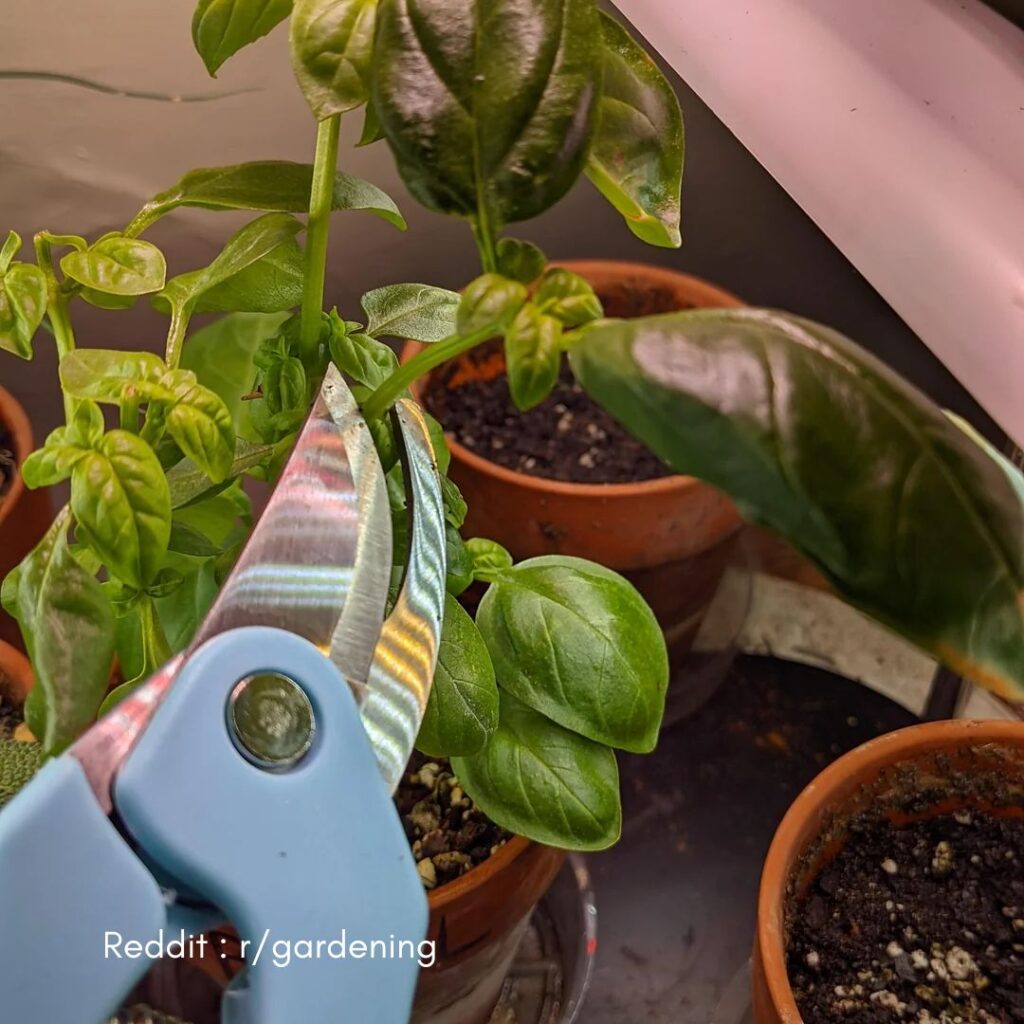
Taking care of your basil plants includes knowing when to harvest and pruning them to keep them healthy and bushy.
When and How to Harvest Basil
I always look forward to the first harvest! 🌿 It’s best to pick basil leaves in the morning when they are most fragrant.
- Start Harvesting: When the plant has at least 6-8 leaves.
- Pinch the Leaves: Use your thumb and forefinger to pinch off the leaves. Avoid using dirty tools to prevent disease.
Remember to not remove more than one-third of the plant at a time, or it may struggle to grow back. Regular harvesting helps promote new growth, keeping your plant full and lush.
Pruning for Bushier Plants
Pruning is like giving your basil a nice haircut 😊. It encourages bushier growth and helps keep the plant healthy.
- First Prune: When the plant is about 6 inches tall.
- Cut Above a Node: Trim just above the leaf nodes (sets of leaves) to encourage more branches.
- Regular Trimming: Continue to prune every couple of weeks.
Make sure to remove any flower spikes that appear. Flowers can make the leaves taste bitter. Keep your basil well-pruned for a delicious and abundant harvest!
Do you have any special tips for harvesting or pruning basil? Share them in the comments! 💬
Seasonal Care Tips
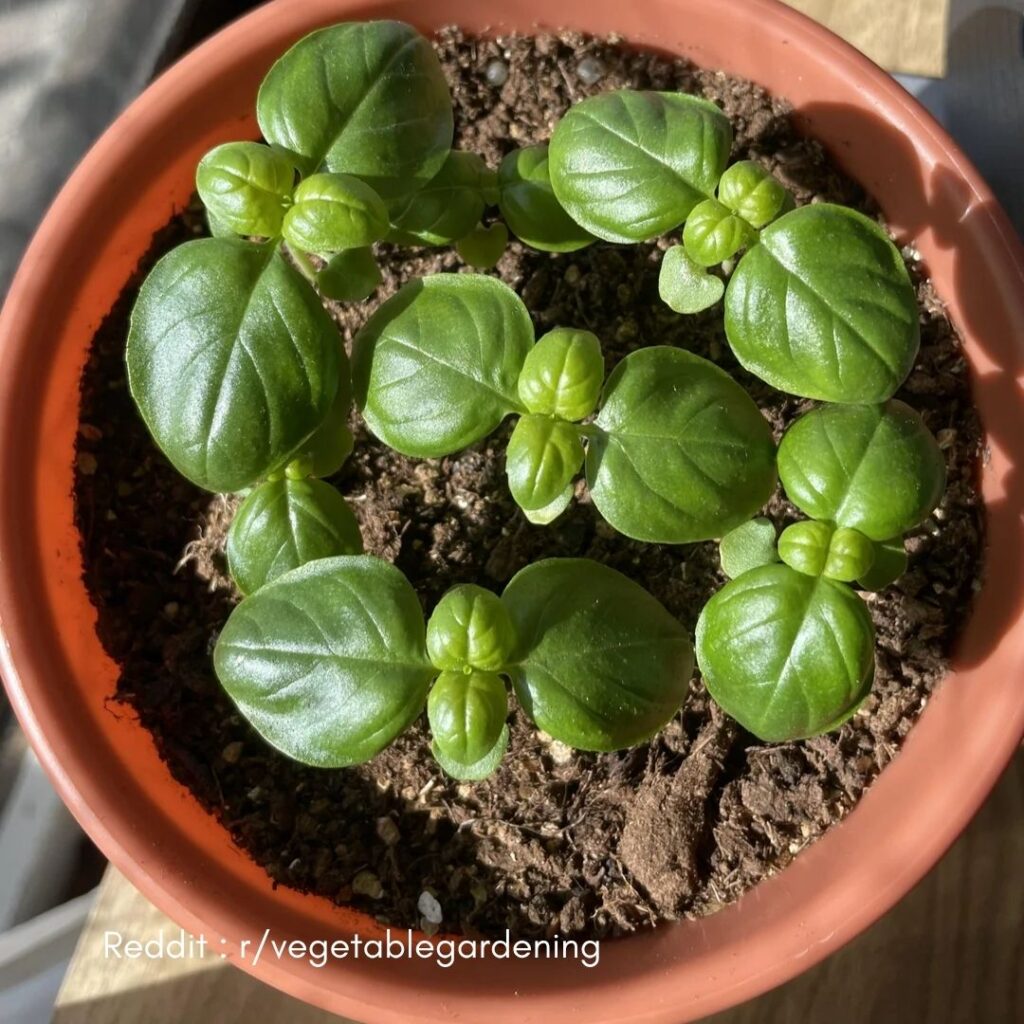
Keeping your basil thriving requires some specific care depending on the season. Learn how to protect your basil during extreme weather and prepare it for the winter months.
Protecting Basil from Extreme Weather
Basil loves warmth and can be picky about temperature. Hot summer days can cause the leaves to droop. To help, I sometimes use a shade cloth to reduce direct sunlight during peak hours.
Heavy rain can be another challenge. Basil doesn’t like its roots waterlogged. I often check the soil drainage and use raised beds or pots with holes to avoid this. By doing so, I ensure the water doesn’t stay around too long.
During unexpected cold snaps, I might bring potted basil indoors. Frost is a basil killer. When frost is forecasted, I use a lightweight frost cover or even an old bed sheet to keep my plants cozy.
Winterizing Basil Plants
If you live in a place where winters are harsh, basil won’t survive outdoors. Here’s where creativity comes in! I often move my basil indoors before the first freeze. Putting it on a sunny windowsill works wonders.
Don’t forget to trim your basil before bringing it in. This reduces shock and helps it adjust to the indoor environment. I like to take the opportunity to make a delicious batch of pesto with the trimmings.
For those who can’t bring basil inside, consider growing it as an annual plant. Harvest all the leaves before winter hits and let it go. Plant fresh seeds in the spring for a new batch! 🌱
Ever had a funny basil care mishap? Share your stories in the comments! 😊
Propagating Basil

Want to grow more basil in your backyard? It’s easy and fun! You can either use cuttings or start from seeds. Both methods are straightforward and give great results. Let’s dig in!
Propagating from Cuttings
Taking cuttings is a super quick way to get new basil plants. First, look for a healthy basil plant. Cut a 4-inch piece just below a leaf node. Make sure the cut is clean.
Remove the lower leaves, leaving a few at the top. Place the cutting in a glass of water. Within a week, you’ll see roots starting to form! 🌱
Once the roots are about 2 inches long, you can plant the cutting in soil. Keep the soil moist, and place it in a spot with plenty of sunlight. Soon, you’ll have a thriving basil plant. Want to impress your friends? Show them your new basil plant and share the cutting method with them! 😊🌿
Growing Basil from Seeds
Starting basil from seeds takes a bit longer, but it’s just as rewarding. First, get some basil seeds. You can find them at any garden store or even online.
Plant the seeds in a pot filled with good potting soil. Cover the seeds lightly with soil and water gently. Keep the soil moist but not soaked. Place the pot in a sunny spot.
In about a week or two, you’ll see tiny seedlings. Isn’t it amazing watching something grow from a tiny seed? Once the seedlings are big enough to handle, you can transplant them to your garden. Remember to give them enough space to grow big and bushy.
Do you have any tips or tricks for growing basil? Share them in the comments! 👇🏼✨
Using Your Basil
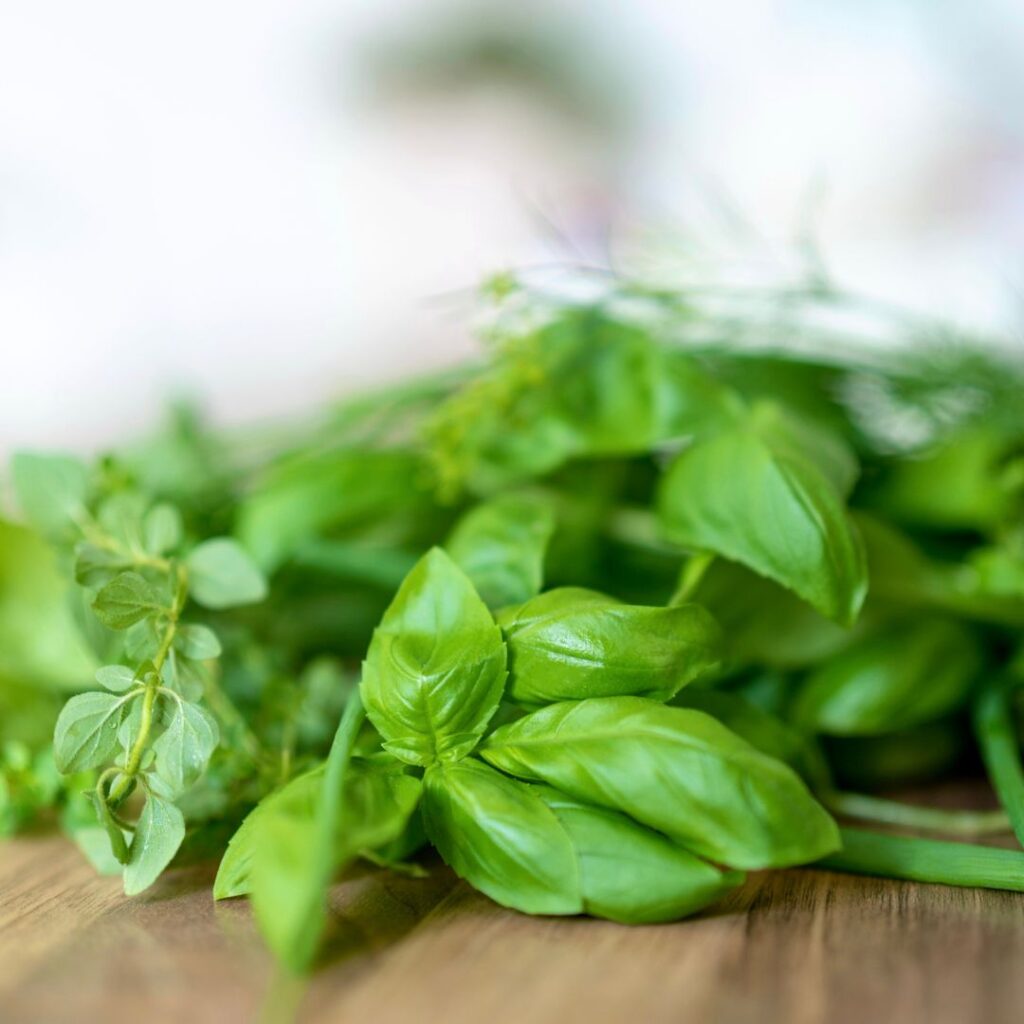
Basil isn’t just for the garden—it’s perfect for your kitchen. Let’s talk about preserving basil leaves and some awesome culinary uses for fresh basil.
Preserving Basil Leaves
To keep basil fresh, I usually trim the stems and put them in a glass of water, just like a flower bouquet. Covering the leaves loosely with a plastic bag helps too. Want to save basil for later? You can freeze it by chopping the leaves and putting them in ice cube trays with a bit of water or olive oil. Another option is making a quick basil pesto and freezing that in small portions. Drying basil is also a good idea. Hang a bunch upside down in a dry, dark place. Once it’s dry, crumble the leaves and store them in an airtight jar. 🌿 Do you have a favorite method for preserving basil? Let me know in the comments!
Culinary Uses for Fresh Basil
Fresh basil can up your cooking game big time. 🍝 Add it to pastas and pizzas for an Italian flair. I love tossing a handful into a tomato salad with some mozzarella—yum! Basil’s not just for Italian dishes, though. Try it in a Thai curry or sprinkle it on top of a Vietnamese Pho. Blend it into smoothies for a fresh twist or mix it into a cocktail—basil mojito, anyone? 🍹 Ever tried basil lemonade? It’s super refreshing. Do you have a go-to basil recipe? Share below! 😊
Frequently Asked Questions
Taking care of basil outdoors can be simple and fun with the right know-how. Here are some key points to help you keep your basil thriving in your garden.
How much water does my basil plant need when grown outside?
Basil likes consistent moisture. I water my basil about 1-2 times per week. It’s best to keep the soil damp but not soggy. Too much water can lead to root rot! 🌱💧
What are the best practices for planting basil outdoors?
Plant basil in well-draining soil. I make sure to space the plants 12-18 inches apart to give them room to grow. Planting after the last frost is important since basil loves warm weather. Feel free to add compost for extra nutrients!
Can you recommend any companion plants for basil in the garden?
Basil grows well with tomatoes, peppers, and oregano. These plants can help each other by repelling pests. Plus, you can make delicious dishes with these garden buddies! 🍅🌿
Does basil thrive better in full sun or partial shade?
Basil is a sun-lover! I usually plant mine in a spot where it gets 6-8 hours of full sun every day. This helps the leaves grow large and flavorful. 🌞
What should I do to protect my outdoor basil plant from getting too much sun?
If the sun is too intense, you can use a light shade cloth. I’ve also planted basil in pots so I can move them around to avoid harsh sun. Remember, very hot sun can scorch the leaves. ☀️⛱️
How should I care for a basil plant that I’ve brought from the grocery store and want to grow outside?
First, harden off the plant by gradually exposing it to the outdoors over a week. Plant it in your garden with good soil, and give it a good watering. Pinch off the top leaves to encourage bushier growth. Enjoy watching it thrive! 🏡🌱