
Ever wonder why your basil plant sometimes looks sad indoors? 🌿 Keeping basil happy inside can be easier than you think! The key to thriving indoor basil is plenty of sunlight and just the right amount of water. Too much water? Not good. Too little sun? Same problem.
I’ve learned that placing my basil near a bright window works wonders. If you don’t have much natural light, a grow light can do the trick. Let’s make it fun—talk to your basil, it might not help scientifically, but who’s judging? 🌞
Do you struggle with overwatering? I used to as well. A rule of thumb: water only when the top soil feels dry. You don’t want a swimming pool in your pot! Have you tried these tips or have your own? Share in the comments below! 🌱
Essential Basil Plant Care Basics
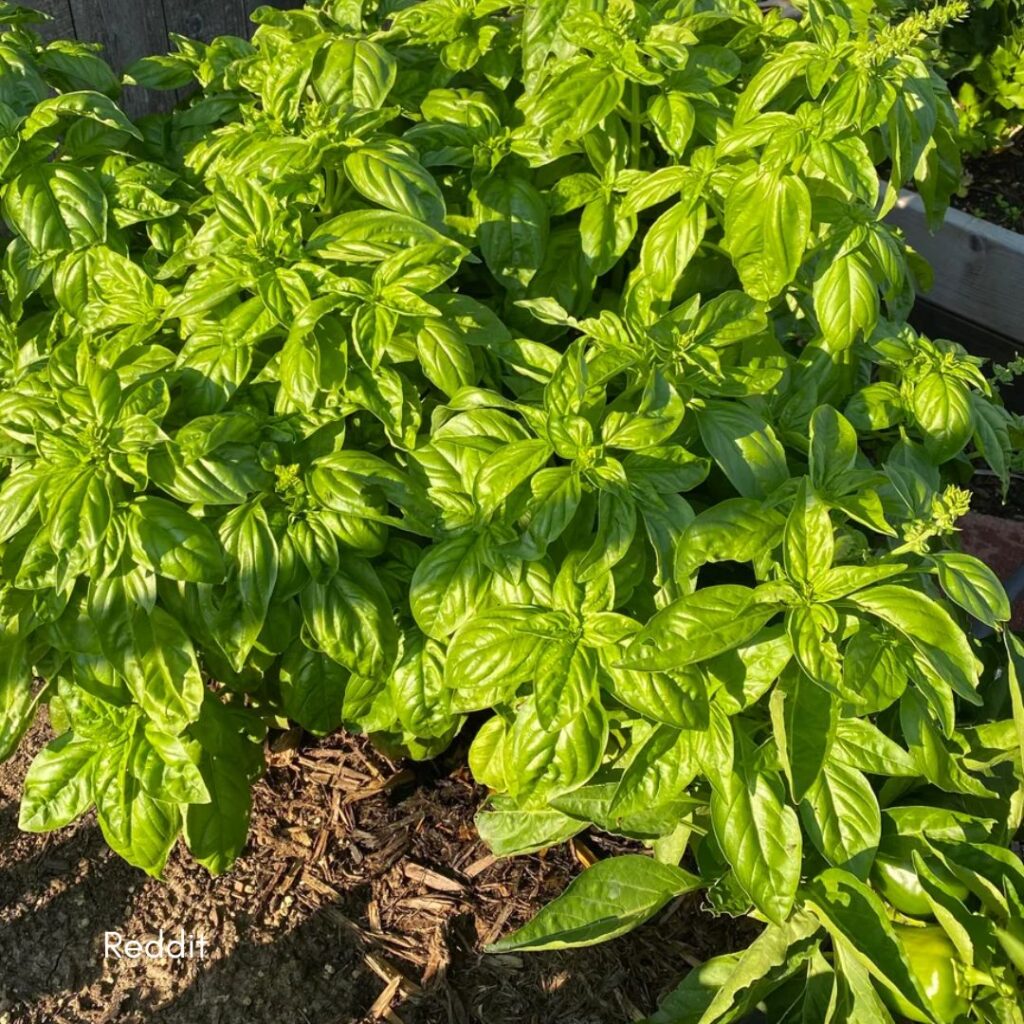
Taking care of a basil plant indoors can be fun and rewarding. The key areas to focus on are understanding its needs, providing enough light, and watering it properly. Let’s dig into each of these essentials. 🌱
Understanding Basil Plant Needs
Basil plants love warmth, light, and proper moisture. They are not cold-tolerant and prefer temperatures between 70–80°F. Want your basil to grow lush? Keep it away from drafts or cold windows.
Make sure the soil is well-draining. I use a potting mix with perlite. Basil also likes slightly acidic to neutral pH. Give it good nutrients; a balanced liquid fertilizer every month works wonders. Keep an eye out for pests like aphids or spider mites — they can be a real headache!
Light Requirements for Healthy Growth
Basil loves sunlight! Place it in a spot where it gets at least 6-8 hours of bright light daily. Got a sunny windowsill? Perfect! 🌞 If not, consider using grow lights. I use LED grow lights during the winter months.
Don’t let them stretch out too much; that means they’re not getting enough light. Rotate the pot every few days. This helps the plant grow evenly by ensuring all sides get light exposure. It’s like giving it a little workout!
Watering Practices to Thrive Indoors
Watering basil can be a bit tricky. 🪴 You want the soil to be moist, but not soggy. Let the top inch of soil dry out between waterings. Overwatering can cause root rot, which is a big no-no. I stick my finger in the soil to check its moisture level.
In a dry household, mist the leaves occasionally. This can mimic the humid environment basil loves. Make sure your pot has drainage holes to prevent water from pooling. Nobody likes soggy roots!
Got any tips or questions about growing basil? Drop them in the comments below! Let’s make our indoor gardens thrive together. 🌿✨
Planting and Repotting
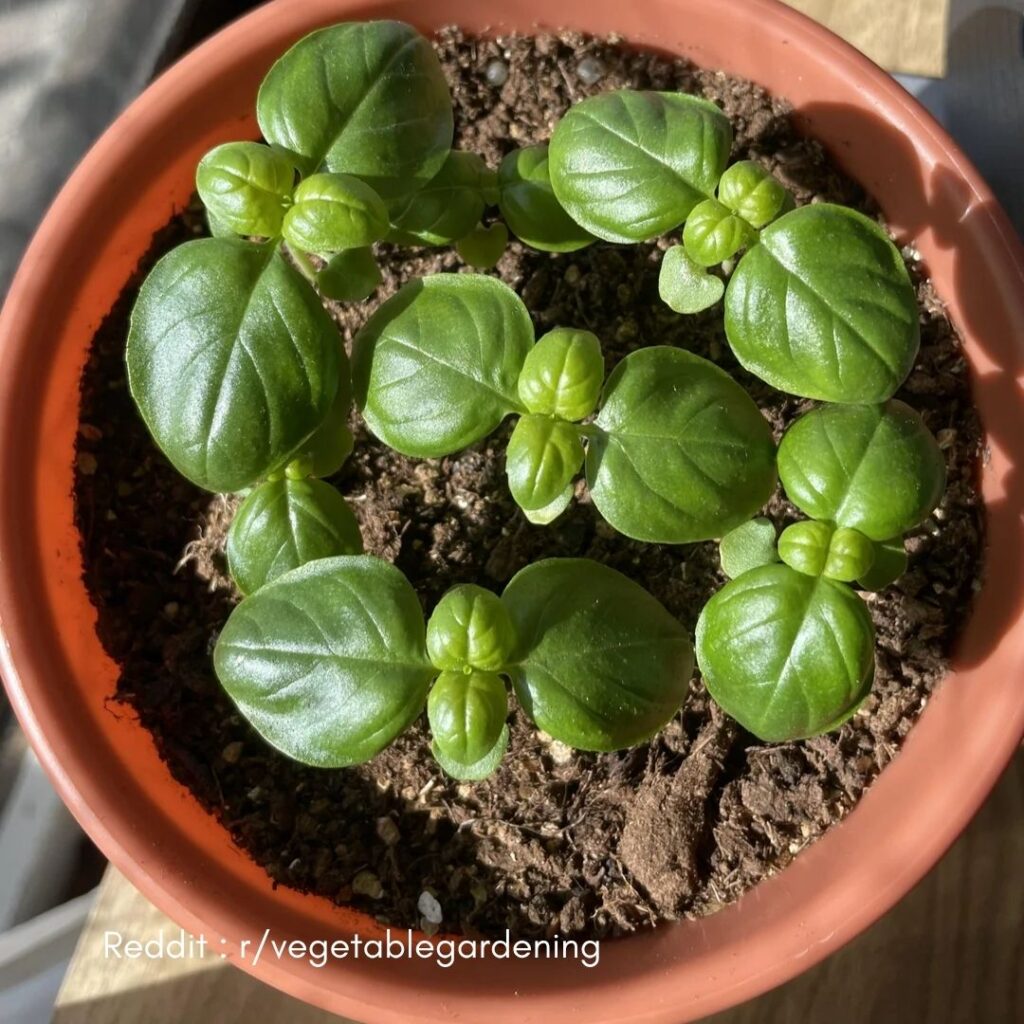
Growing basil indoors can be fun and rewarding! To get started, it’s all about choosing the right soil, knowing when to repot, and picking the perfect pot.
Choosing the Right Soil Mix
For happy basil plants, soil is key. 🌱 You want to use a light, well-draining soil mix. A blend that includes peat moss, perlite, and vermiculite works great. This prevents water-logging and lets roots breathe. Have you ever felt how soggy soil can get? That’s a big no-no for basil!
I always start with fresh, sterile soil to avoid pests. Try mixing in a bit of compost to give your plant an extra boost. Easy, right?
When to Repot Your Basil Plant
Timing matters. Watch for signs like roots poking out of the drainage holes or the plant looking too big for its current pot. If you notice these, it’s repotting time! 🌿 How often do you repot? For basil, about every 6 months is good.
Carefully lift the basil from its pot, gently shake off old soil, and place it in a new pot with fresh soil. Water it and let it settle in. Simple!
Pot Selection for Optimal Growth
Choosing the right pot makes a difference. Pick a pot that’s at least 6-8 inches in diameter with drainage holes. Basil loves a good soak but hates soggy roots. A pot with good drainage prevents root rot.
I use terra cotta pots because they allow the soil to dry out evenly. Plus, they look nice on my window sill! 🪴 Find a pot that fits your space and style. Got a favorite type of pot? Let me know!
Nutrition and Fertilization
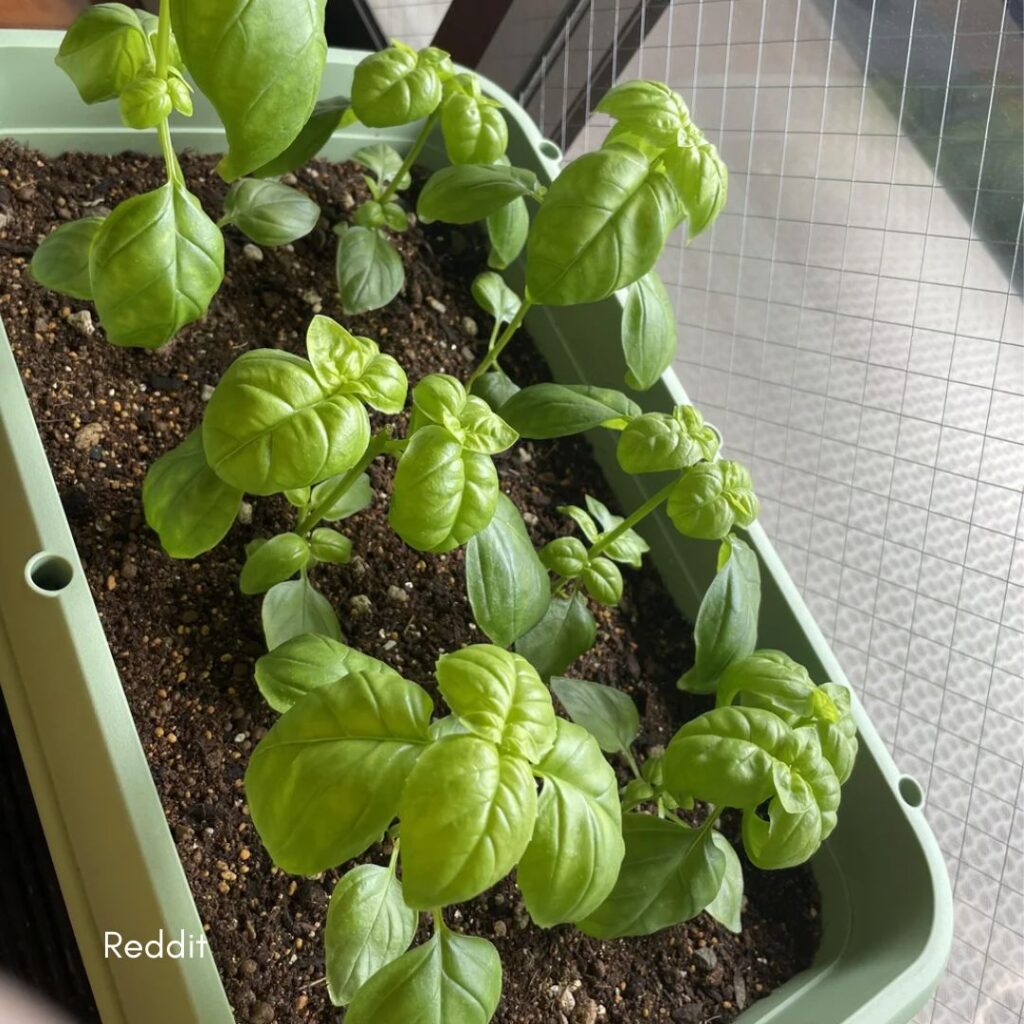
Keeping your indoor basil healthy involves feeding it well and identifying any nutrient issues it may have. Here’s how to make sure your plant gets the nutrients it needs.
Feeding Your Basil Plant Properly
Basil thrives with regular feeding. I like to use a balanced, all-purpose liquid fertilizer. Mix it according to the package instructions. I typically feed my basil every two weeks during the growing season.
For more natural options, you can use compost tea or worm castings. These methods feed the plant slowly and are great if you prefer organic gardening.
Don’t overdo it with the fertilizer. Too much can damage the plant. Keep an eye on your basil. Does it look happy and green? That’s usually a sign it’s getting just the right amount of nutrients. 🌿
Identifying Nutrient Deficiencies
Noticing yellowing leaves or stunted growth? Your basil might be telling you it needs more or different nutrients.
- Yellowing leaves often mean a nitrogen deficiency.
- Purple veins on the leaves can indicate a lack of phosphorus.
- If your basil isn’t growing well, it might need more potassium.
Check the leaves regularly. If you notice any of these signs, it’s time to adjust your feeding routine. Sometimes, adding a bit more fertilizer or using a different type can make a big difference.
Have you tried any specific types of fertilizer for your basil? What worked best for you? Share in the comments! 🌱
Pruning and Harvesting
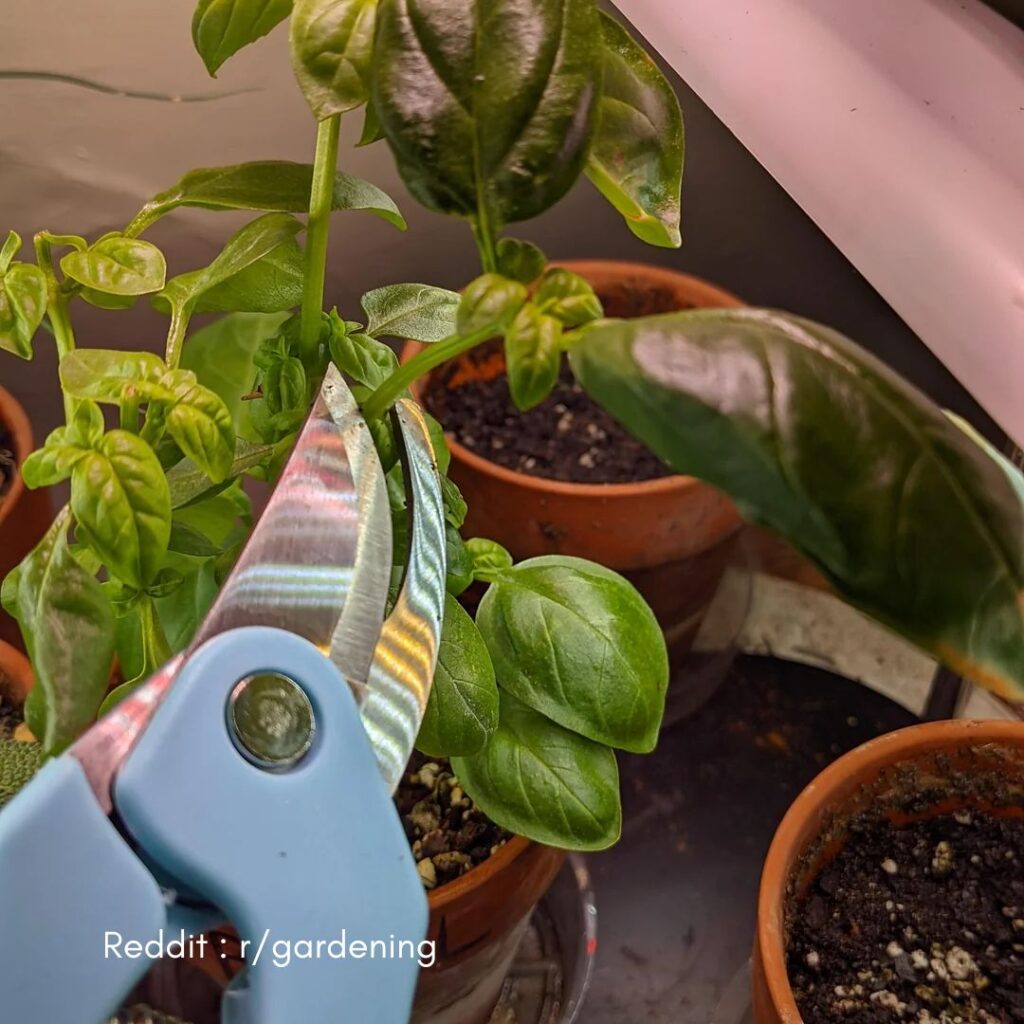
To keep your basil plant thriving indoors, it’s important to know how to prune and harvest correctly. This not only helps the plant grow bushier but also ensures you get the freshest leaves.
Pruning Techniques for Lush Growth
Pruning is super easy and makes a big difference! I start by pinching off the leaves right above a pair of leaves on the stem. This encourages new branches to form, making the plant look fuller and bushier 🍃.
Be sure to remove any flowers you see. Flowers take energy away from leaf production. Snip them off to keep the plant focused on growing delicious leaves.
Remember to always use clean scissors to avoid introducing diseases. A little care goes a long way in keeping your basil happy and healthy!
Harvesting Leaves Without Harming the Plant
When it’s time to use those tasty basil leaves, you don’t want to harm your plant. I always pick larger leaves first, which helps keep the plant balanced. Don’t worry, picking leaves actually promotes growth!
Harvest by pinching leaves from the top down, but make sure to leave enough on the plant. Aim to harvest up to a third of the plant in one go.
Harvesting in the morning makes the flavor even better. The essential oils in the leaves are at their peak, promising the richest taste for your dishes. 🌿
Got any basil care tips or questions? Share them in the comments below! Let’s keep our basil plants happy together 😊.
Pest and Disease Management
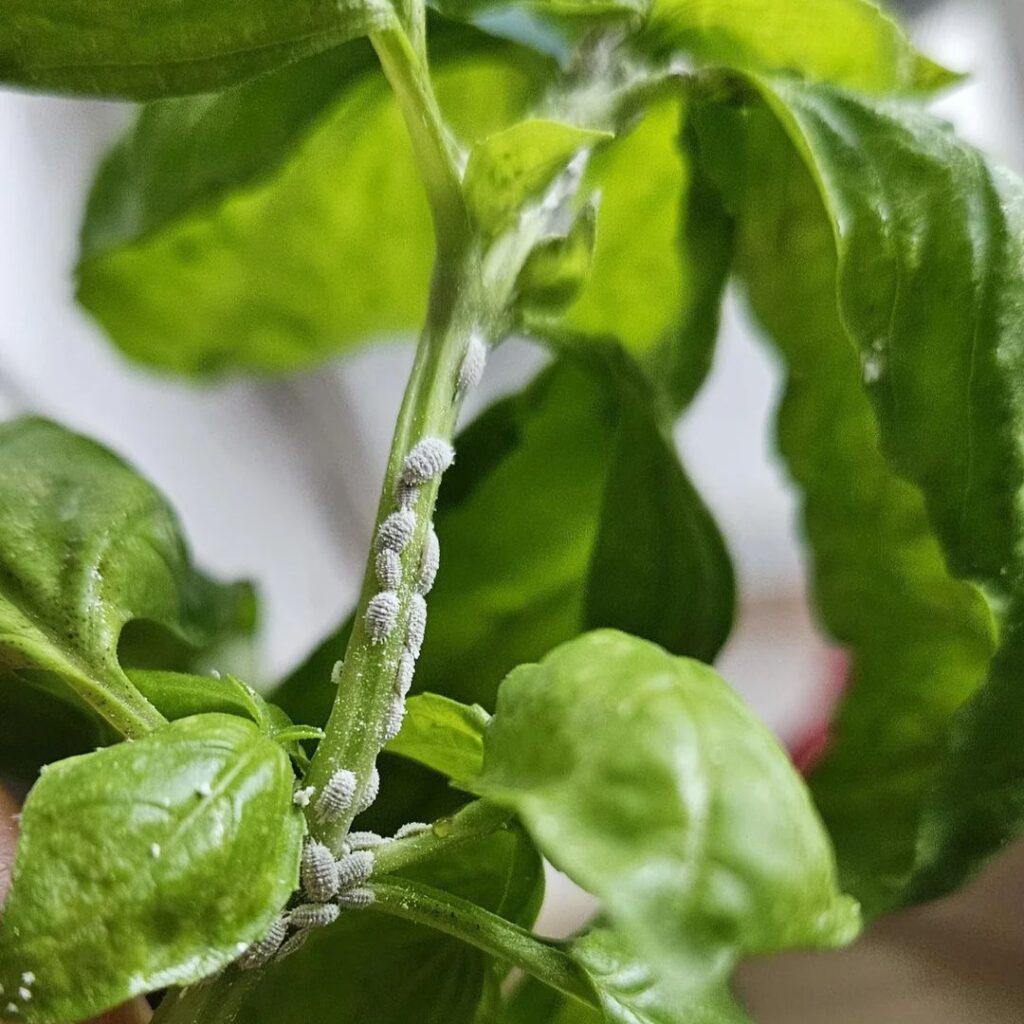
Keeping your basil plant healthy indoors requires tackling pests and diseases. Both are common issues that can hinder the growth of your plant.
Common Pests and How to Deal with Them
Indoor basil plants often attract aphids, spider mites, and whiteflies. These tiny bugs can weaken your plant by sucking its juices. Here’s how to handle them:
Aphids: These green or black insects cluster on stems and leaves. A gentle spray of soapy water can help. Use a mix of water and dish soap.
Spider Mites: These red or brown mites can create webs. Wipe leaves with a damp cloth or use a neem oil spray.
Whiteflies: Small white insects that fly when you touch the plant. Sticky traps can catch them effectively. Yellow sticky traps work best.
Have you dealt with any of these pests? Comment below with your tips and tricks! 🌿
Disease Prevention and Treatment

Indoor basil can also suffer from diseases like downy mildew, powdery mildew, and root rot. Prevention is key:
Downy Mildew: This disease appears as yellow patches and gray fuzz. Ensure good air circulation and avoid overhead watering.
Powdery Mildew: White powdery spots on leaves indicate this. Remove affected leaves and use a homemade mix of baking soda and water.
Root Rot: Caused by overwatering, leading roots to decay. Water your plant only when the top inch of soil is dry.
Have you seen mildew on your plants? Let me know how you handle it! 🌱
Remember, taking these steps can keep your basil plant thriving indoors. Happy planting! 🍃
Seasonal Care Adjustments
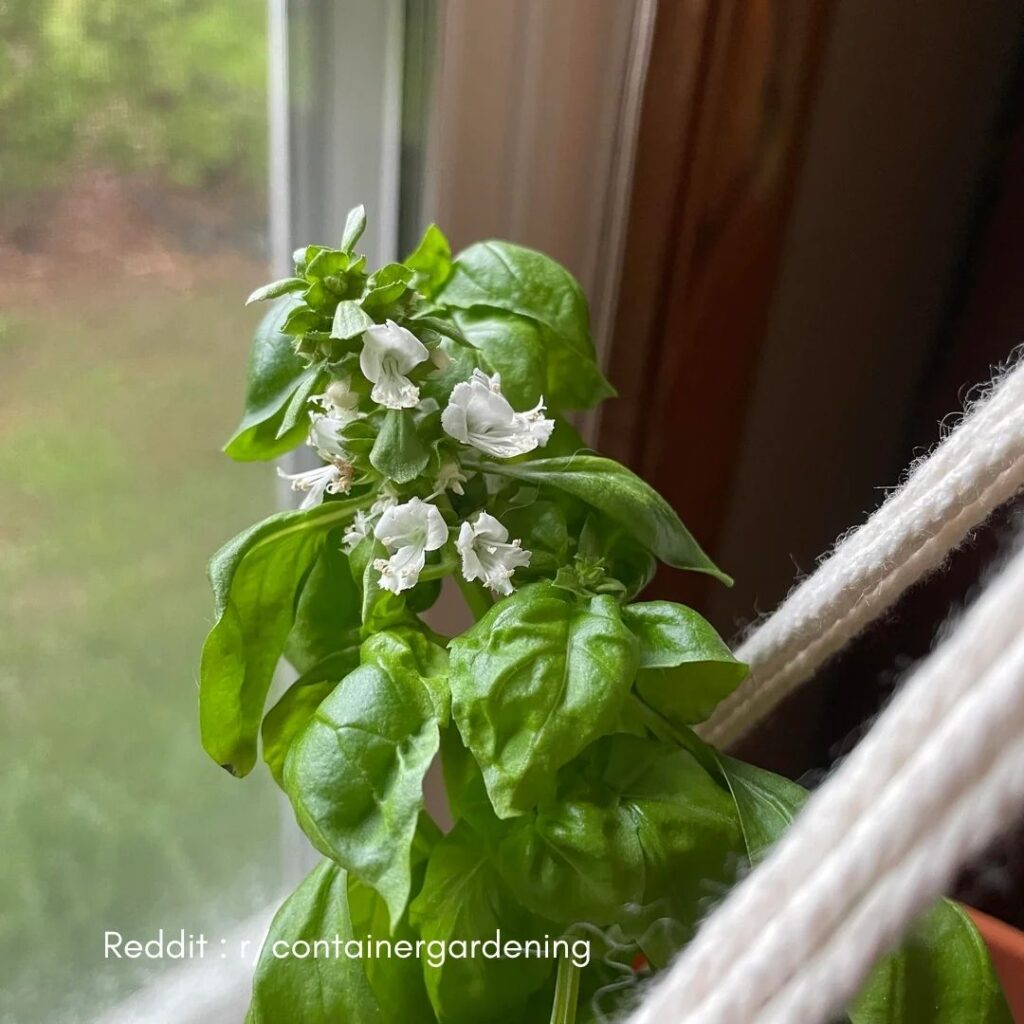
Indoor basil plants need different care during different seasons. I’ll give you some easy-to-follow tips for both winter and summer to help your basil thrive all year round.
Winter Care for Indoor Basil Plants
Winter can be tough on basil plants since they prefer warmth and sunshine. First, move your basil to bright spots with good sunlight. South-facing windows are great! If natural light is scarce, consider using a grow light.
Keep it warm! Basil likes temperatures between 70-75°F (around 21-24°C). Too cold? Your basil might wilt or its growth could slow down. Avoid placing it near drafty windows or doors.
Watering is key but be careful not to overdo it. The soil should be slightly moist, not soggy. Let the top inch dry out before watering again. Too much water can cause root rot.
You might notice growth slowing down in winter. That’s normal! Don’t stress about it too much 😊. A little extra care and your basil will be just fine.
Adapting Care During the Summer Months
During summer, basil plants can flourish with plenty of light and warmth. Put them in a spot where they can soak up 6-8 hours of sunlight daily.
It’s hot, so your basil will need more water. Check the soil often. If the top inch is dry, it’s time to water. On very hot days, you might need to water every day. Remember to water at the base, not on the leaves!
Watch out for pests. Summer warmth can attract bugs like aphids or spider mites. If you see any, a gentle spray of water or insecticidal soap can help.
If your basil starts to grow quickly, pinch off the top leaves to encourage bushier growth. This also prevents the plant from flowering too soon.
Summer basil care is all about keeping it sunny, hydrated, and bug-free. 🌞🚿🌿
Do you have any tips for keeping your basil happy? Drop them in the comments below! 😃
Propagation Techniques

Want to grow more basil from the plants you already have? 🌿 It’s easy! Let’s jump into two simple ways: rooting basil cuttings in water and planting basil seeds indoors.
Rooting Basil Cuttings in Water
Taking cuttings from a basil plant and growing them in water is super easy. First, use clean scissors to snip a 4-6 inch stem from a healthy basil plant. Make sure it has at least a few sets of leaves.
Next, place the cuttings in a jar of water, making sure the stems are submerged but the leaves are above the water. Put the jar in a sunny spot like a windowsill. Change the water every few days to keep it fresh.
Roots should start forming in about a week. When the roots are about 2 inches long, it’s time to transplant the cuttings into a small pot with soil. Don’t forget to water them regularly!
Planting Basil Seeds Indoors
If you want to start from scratch, basil seeds are the way to go. Begin by filling a seed tray or small pots with potting mix. Sprinkle a few basil seeds on top of the soil. Lightly press them down and cover with a thin layer of soil.
Keep the soil moist but not soggy. Place the tray or pots in a warm, sunny area. You can even use a grow light if natural sunlight is limited.
After about a week, you should see little sprouts popping up! 🌱 Once the seedlings are about 3-4 inches tall, you can transplant them to larger pots. Keep them in a sunny spot and water them regularly. Happy planting!
Do you prefer growing basil from cuttings or seeds? Share your experiences in the comments!
Tips for Long-Term Indoor Basil Care
Taking care of a basil plant indoors is easy with a few simple tips! 🌿
First, sunlight is key. Basil loves the sun, so I place mine near a sunny window where it gets at least 6 hours of sunlight each day. Sometimes, I’ll even rotate the pot to make sure all sides get enough light.
Watering can be tricky. I make sure the soil is moist but not soggy. Overwatering can cause root rot. A good rule of thumb is to water when the top inch of soil feels dry to the touch.
Pruning is your friend! ✂️ I trim the top leaves regularly. This helps the plant grow bushier and prevents it from becoming leggy. Plus, it gives me extra basil to use in the kitchen! Win-win!
Temperature matters too. I keep the room between 70°F and 80°F. Basil doesn’t like it too cold. If the temperature drops, my basil gets grumpy and might stop growing.
Fertilizing every 4-6 weeks keeps my basil happy and healthy. I use a balanced, water-soluble fertilizer, diluted to half-strength. Too much fertilizer can burn the plant, so less is more.
Sometimes, pests like aphids or spider mites try to move in. 🐜 Not on my watch! I inspect my basil regularly and use insecticidal soap if needed.
Have any tips of your own? Share them in the comments below! 🌱✨
Frequently Asked Questions
Caring for basil indoors can be a lovely and rewarding experience. Let’s dive into some common questions about keeping this delicious herb happy and healthy. 🌱
How do you keep basil alive indoors?
To keep basil alive indoors, water it regularly but make sure the soil doesn’t stay soggy. Place it in a sunny spot near a window. Trim the leaves regularly to promote new growth.
Do indoor basil plants need direct sunlight?
Yes! Basil loves the sun. Aim for at least 6 hours of sunlight each day. If natural sunlight is hard to come by, consider using a grow light.
How do you take care of potted basil?
Use a pot with good drainage holes. Water when the top inch of soil feels dry. Don’t forget to feed it with a balanced fertilizer every few weeks.
Can you grow basil indoors all year round?
Absolutely! With enough light and the right care, you can enjoy fresh basil even in the winter. Keep it warm and make sure it gets enough light.
What are the benefits of having a basil plant indoors?
Basil is not just tasty; it also purifies the air and can help repel certain insects. Plus, it’s great to have fresh herbs at your fingertips! 👍
What’s the best way to grow basil from a supermarket plant?
Start by repotting the supermarket basil into a larger pot with fresh soil. Give it plenty of light, water it well, and it should start thriving in no time.
Do you have any basil care tips of your own? Share them in the comments! 🌿