
Have you ever noticed tiny bugs munching on your basil plants? 🌿 It can be so frustrating to see your lovely green herbs turning into a bug buffet. Basil plants often attract pests like aphids, spider mites, and whiteflies, but don’t worry—there are ways to protect your garden.
I love using basil in my cooking, and bugs are not invited to dinner! 😂 One trick I’ve found helpful is to regularly check the underside of the leaves where pests like to hide. Keeping your plants healthy and clean is key to preventing infestations.
Tell me your tips and tricks for keeping basil plants bug-free. Have you tried any special sprays or natural remedies? 🌱👇 Let’s share our best advice in the comments!
Understanding Basil Plant Basics
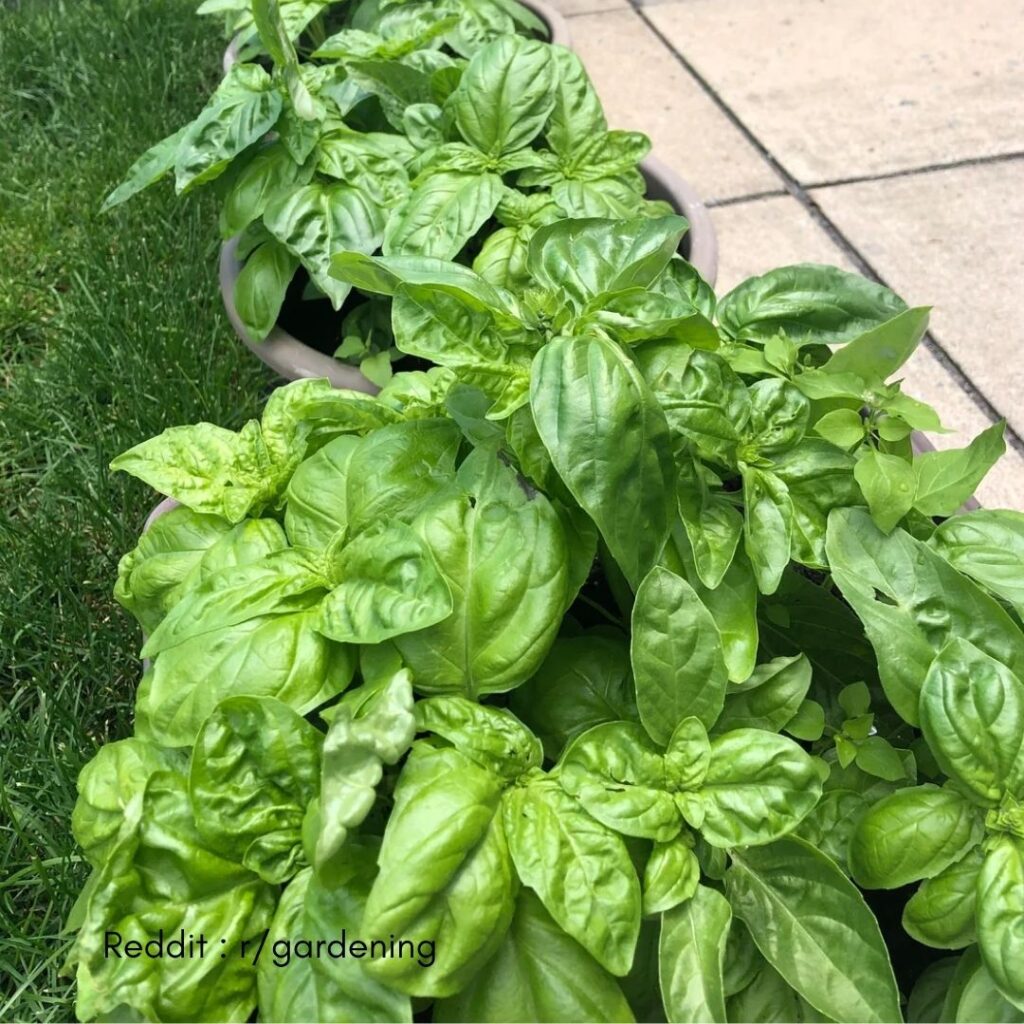
Basil is a great plant for your garden, and it’s pretty easy to grow if you know the basics. Let’s look at where basil thrives and some popular types you might like to try.
Basil Habitat and Growth Requirements
Basil loves sunny spots. It needs at least six hours of direct sunlight each day. If you have a garden, find a place that gets plenty of rays. If you’re growing it indoors, place the pot near a sunny window. A south-facing window is ideal.
Soil should be well-draining and a bit rich in nutrients. Mixing in some compost can really help. Keep the soil moist but not waterlogged. Basil doesn’t like to sit in water, so make sure there’s good drainage.
The temperature is key too. Basil thrives in warm weather. It doesn’t do well in the cold. I usually wait to plant it until night temperatures are consistently above 50°F (10°C). If it’s too cold, your basil won’t grow well and might even die.
Common Varieties of Basil
There are many types of basil, each with its own unique flavor and use. Sweet basil is probably the most common. It’s what you typically see in Italian dishes and pesto. It has a sweet, slightly peppery taste.
Thai basil has a hint of licorice flavor. It’s great for Asian dishes. You’ll often find it in Thai cuisine, adding a unique twist to your meals.
Lemon basil has a bright citrusy taste. I love using it in salads and teas. It’s like adding a splash of lemon without the actual fruit.
What’s your favorite basil variety? Let me know in the comments! 🌿✨
Identifying Common Basil Pests
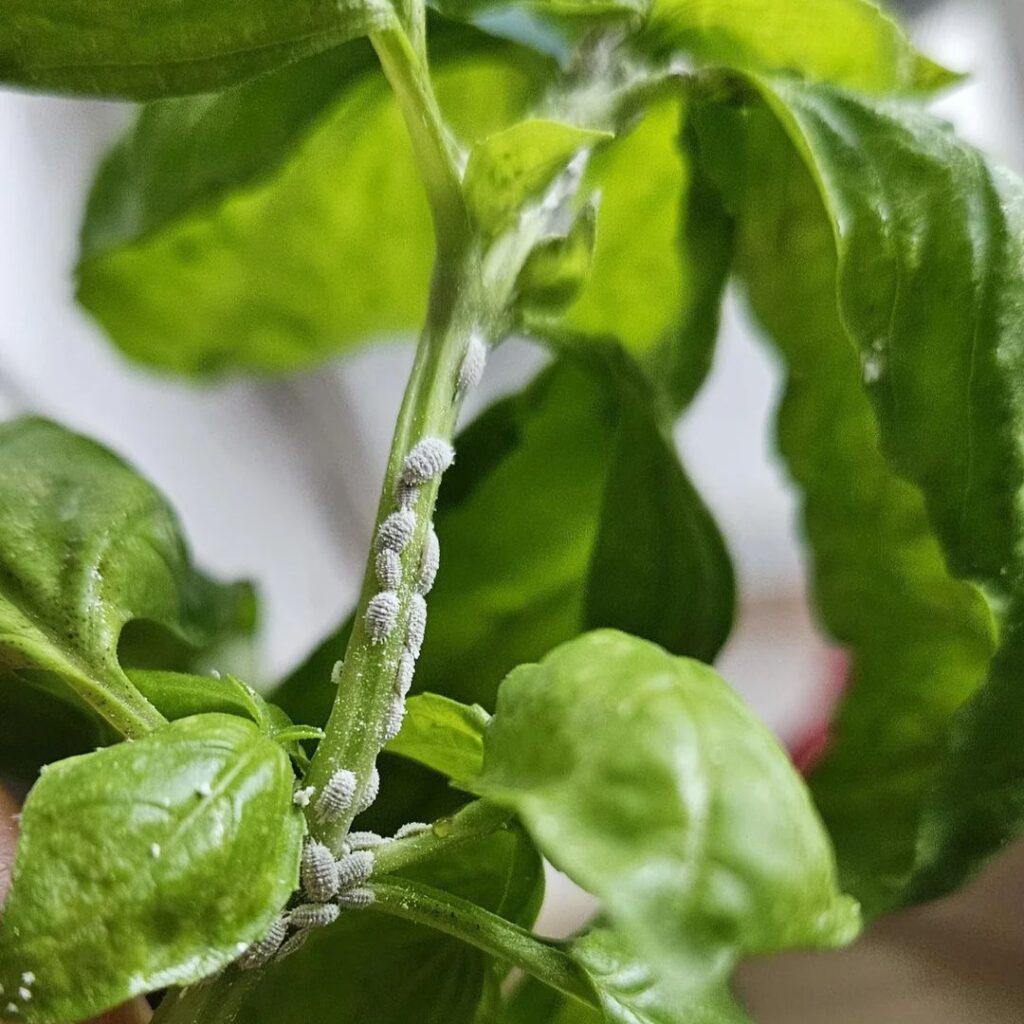
Basil plants can fall prey to various pests that harm their health and growth. Let’s look at the most common basil pests and how to recognize them.
Aphids on Basil Plants
Aphids are tiny insects that suck sap from basil leaves. They are usually green, but can also be black or brown. I often spot them on the undersides of the leaves. Do your basil leaves look curled or yellow? 🧐 That could be due to these little pests.
You might notice a sticky substance called honeydew on the plant. That’s also a sign of aphids. Don’t worry, they’re small but manageable!
Spider Mites Infestation
Spider mites are almost invisible but cause noticeable damage. They leave tiny yellow or white spots on basil leaves, making them look dusty. Have you ever seen fine webs around your plants? That’s a telltale sign of spider mites.
I usually find that these pests thrive in hot and dry conditions. If your basil looks weak or its leaves start to drop, check closely for spider mites. They can spread quickly and harm your whole plant!
Japanese Beetles Damage
Japanese beetles are quite easy to spot. These shiny, metallic-green beetles chomp on basil leaves, leaving behind jagged holes. They often feed in groups 🪲, making the damage even worse.
I remember one summer when I found my basil leaves looking like lace! That was definitely the work of Japanese beetles. If you see these beetles around, act fast to save your plant.
Slugs and Snails Preference for Basil
Slugs and snails love basil plants, especially at night. They leave silvery slime trails and munch on leaves, creating irregular holes. 🌜 You might find them hiding in damp, shady spots during the day.
I often notice the most damage after rainy nights. If you see munched leaves and slime, you’ve likely got slugs or snails. Try checking your plants at dusk or dawn to catch these nocturnal pests in the act.
👉 Have you dealt with any of these pests on your basil plants? Share your experiences in the comments! 🌿😊
Preventive Measures for Basil Plant Health
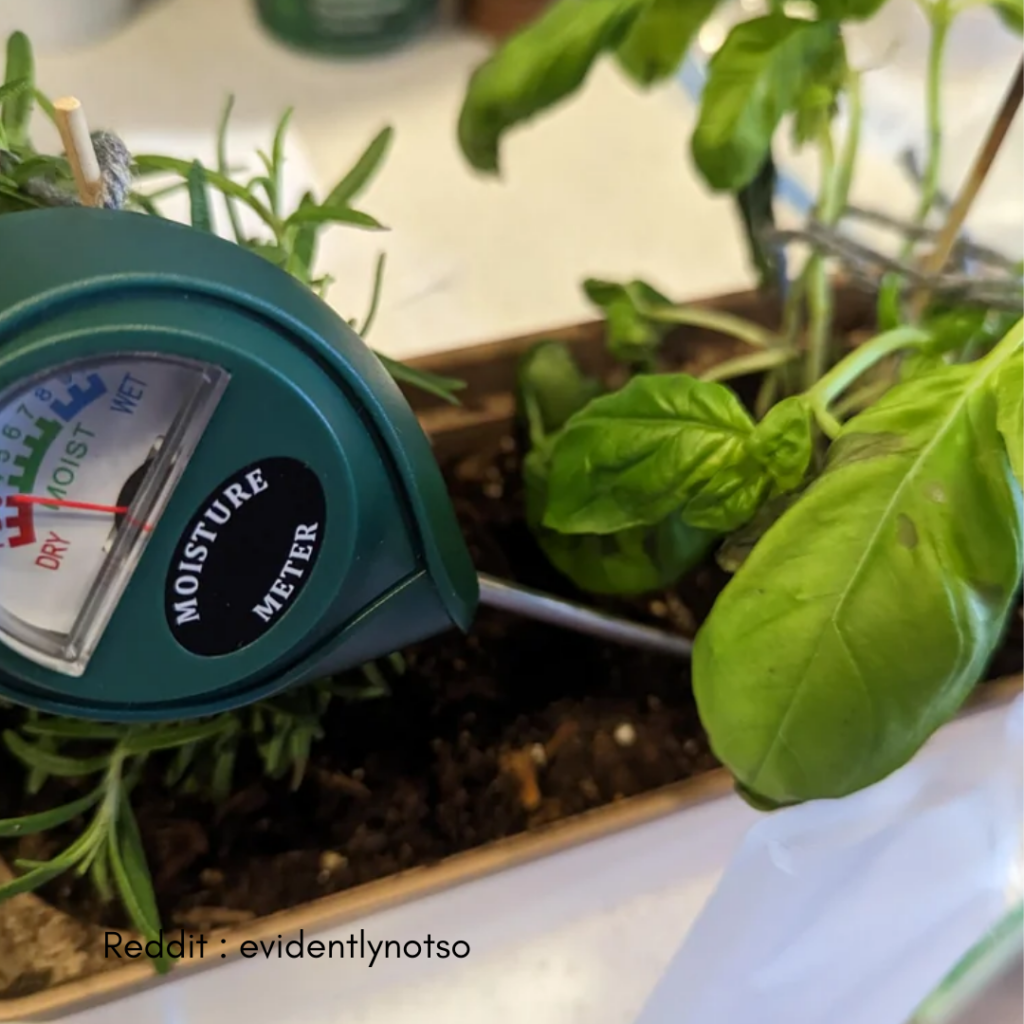
Keeping basil plants healthy involves proper watering, mulching to control weeds, and companion planting to fend off pests. Let’s explore these!
Proper Watering Techniques
To keep basil plants vibrant, I make sure they get the right amount of water. Basil likes moist soil but hates sogginess. I water them deeply once a week, ensuring the soil is moist about an inch down. Overwatering can lead to root rot, so it’s essential to check the soil before adding more water. 🌿
Using a drip irrigation system can help deliver water directly to the roots without wetting the leaves, which can prevent diseases. If you’re using a watering can, aim it at the soil, not the leaves. Water early in the morning so the plants can dry out before night. Have you tried these watering tips with your basil?
Mulching and Weed Control
Mulching around my basil plants helps keep the soil moist and controls weeds. I use organic mulch like straw or shredded leaves, spreading a 2-3 inch layer around the base. This keeps the soil temperature steady and reduces evaporation.
Weeds compete with basil for nutrients and water. With a good mulch layer, you can cut down on weeding chores significantly. Plus, it keeps your garden looking neat! 😊 Just remember to leave a little space around the stem to avoid rot. What’s your favorite mulch to use in the garden?
Companion Planting Benefits
Did you know that companion planting can protect your basil from pests? I often plant basil near tomatoes, peppers, and marigolds. These plants naturally repel pests like aphids and mosquitoes. 🪲
Marigolds are my go-to because they add color and protect basil. Borage and chamomile also offer benefits by attracting beneficial insects and boosting basil’s growth. Planting basil near these companions creates a more resilient and productive garden. 🌼 Have you noticed a difference when companion planting? Let me know in the comments!
By following these steps, we can enjoy a healthier basil harvest. Plus, sharing our experiences makes gardening even more fun! Happy planting! 🌱
Organic Pest Control Methods
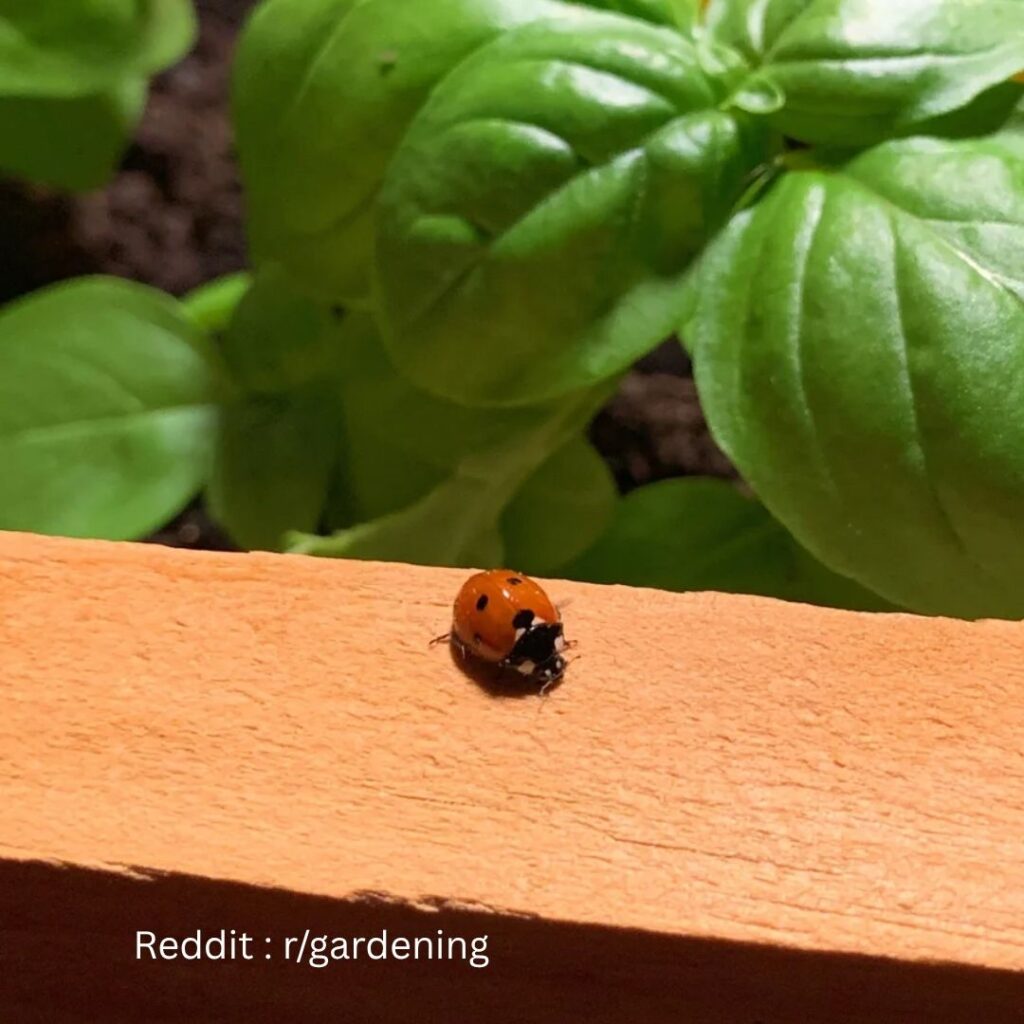
Let’s explore some fun and effective ways to keep those pesky bugs away from our basil plants using organic methods.
Natural Predators of Basil Pests
One great way to manage basil pests is by using natural predators. Ladybugs, lacewings, and spiders love munching on aphids, whiteflies, and other small insects that bother basil plants. I once spotted a ladybug going to town on an aphid colony, and it was like watching a tiny superhero in action! 🐞
To attract these helpful bugs, I plant flowers like marigolds and dill nearby. Birds, like wrens and sparrows, also feast on larger pests. Seeing bluebirds in my garden is a delightful bonus to pest control! By encouraging these natural predators, my basil plants stay healthier and pest-free.
Homemade Pest Repellents
Who knew that my kitchen could hold the secret to pest control? I use simple homemade sprays to keep bugs at bay. One favorite is mixing water with a bit of soap. Spraying this on the basil leaves works wonders against aphids and spider mites.
For a stronger solution, I add crushed garlic or chili peppers to the mix. This spicy spray sends pests packing! 🌶️ I also sometimes use neem oil, which smells a bit funky but is super effective. It’s great to know that with a few ingredients, I can protect my plants without harmful chemicals.
Biological Insecticides Usage
Sometimes, we need a bit more muscle to tackle tough pests. Biological insecticides like Bacillus thuringiensis (Bt) come in handy. These products are made from natural bacteria that harm pests but are safe for humans and pets.
Bt is especially good for caterpillars and larvae that munch on basil leaves. I’ve used it when I spotted little green caterpillars making holes in my basil. With a few applications, my plants bounced back to health. Remember to follow the instructions carefully to make sure you’re using it correctly.
What are your favorite organic pest control methods? Share your tips in the comments below! 🌿
Chemical Pest Control
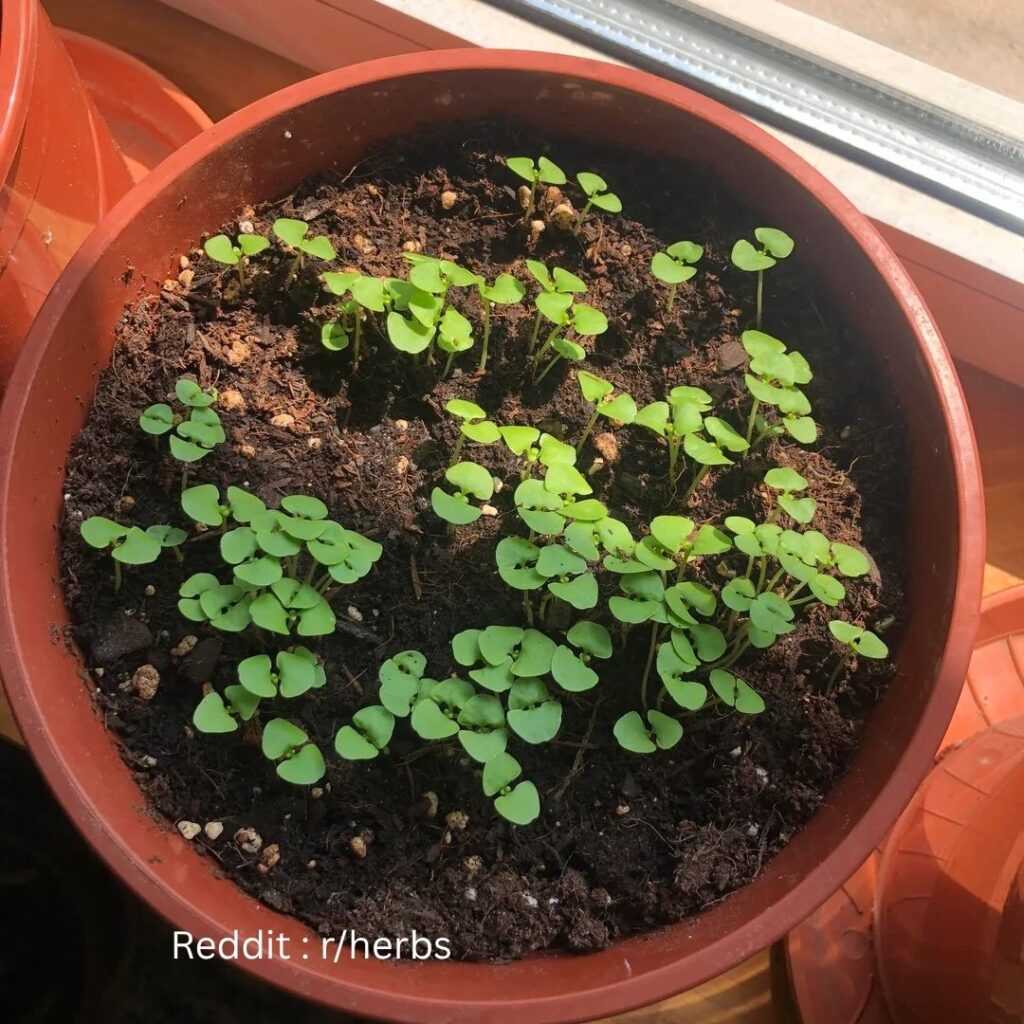
When dealing with bugs on your basil plant, chemical pest control can be a helpful method. I will look at two effective types: selective insecticides and systemic pesticides.
Selective Insecticides
Selective insecticides target specific pests while sparing other insects. This method is great for those of us who care about beneficial bugs like bees and ladybugs. For example, Spinosad, derived from a special type of bacteria, only affects pests like thrips and caterpillars.
Using these targeted chemicals reduces the impact on the environment. Fun fact: some of them can even be used in organic farming! Always check the label for instructions and remember to wear gloves and a mask when applying to keep yourself safe.
Systemic Pesticides
Systemic pesticides work by being absorbed into the plant. This means when bugs munch on your basil, they get a dose of the pesticide. Neem oil and Imidacloprid are commonly used systemic pesticides.
These chemicals can be super effective but remember, they might kill off beneficial bugs too. Be careful with the dosage; follow the instructions on the label. Have you used any of these? Drop me a comment and let’s chat about what worked for you! 😊
Let’s beat those basil bugs together! 💪🌿
Monitoring and Maintenance
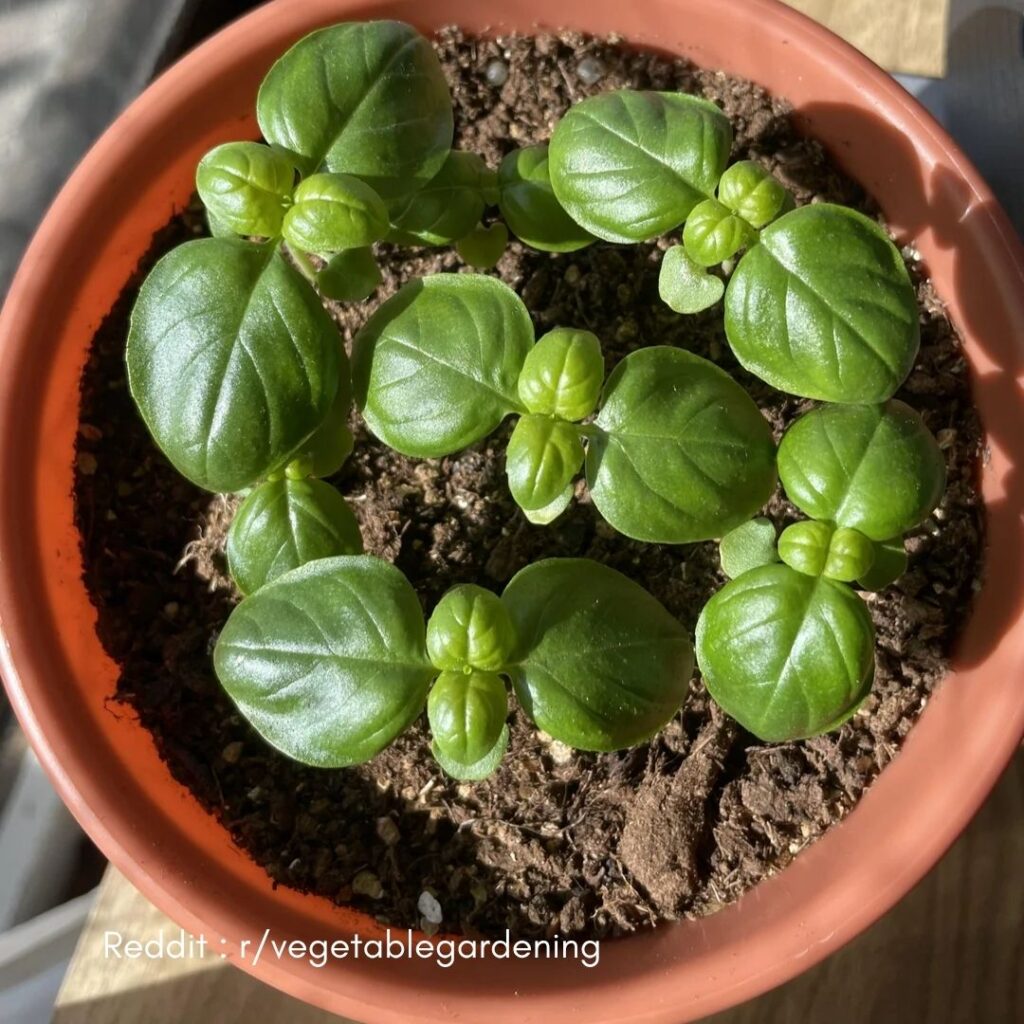
Taking care of basil plants involves keeping a close eye on them and making sure they stay healthy through the seasons. By doing regular inspections and preparing for winter, we can keep these plants thriving. 🌱
Regular Inspection Schedules
To keep my basil plants healthy, I inspect them every week. I look for bugs, spots on leaves, or yellowing. Bugs can hide under leaves, so I make sure to check both sides. Have you ever found little dots on your basil leaves? Those might be aphids or spider mites! 🤔
If I spot any bugs, I use a gentle spray of water or a bit of soapy water to wash them off. A weekly check-up helps catch problems early and keeps the plants looking great. I like to keep a small journal to note down anything unusual. This way, I stay on top of my plant’s health!
Overwintering Basil Plants
Winter can be tough on basil plants, but with a few steps, they can make it through. When the weather starts getting cold, I bring my basil plants inside. I place them in a sunny spot, like a windowsill, where they can still get light. 🌞
Sometimes, I use indoor grow lights to give them extra light during shorter days. I also make sure not to overwater them since they need less water in winter. Do you have a favorite spot to keep your plants warm? Share it with me in the comments!
By taking these steps, we can ensure that our basil plants survive winter and are ready to go back outside when spring arrives. 🌱
Dealing With Severe Infestations
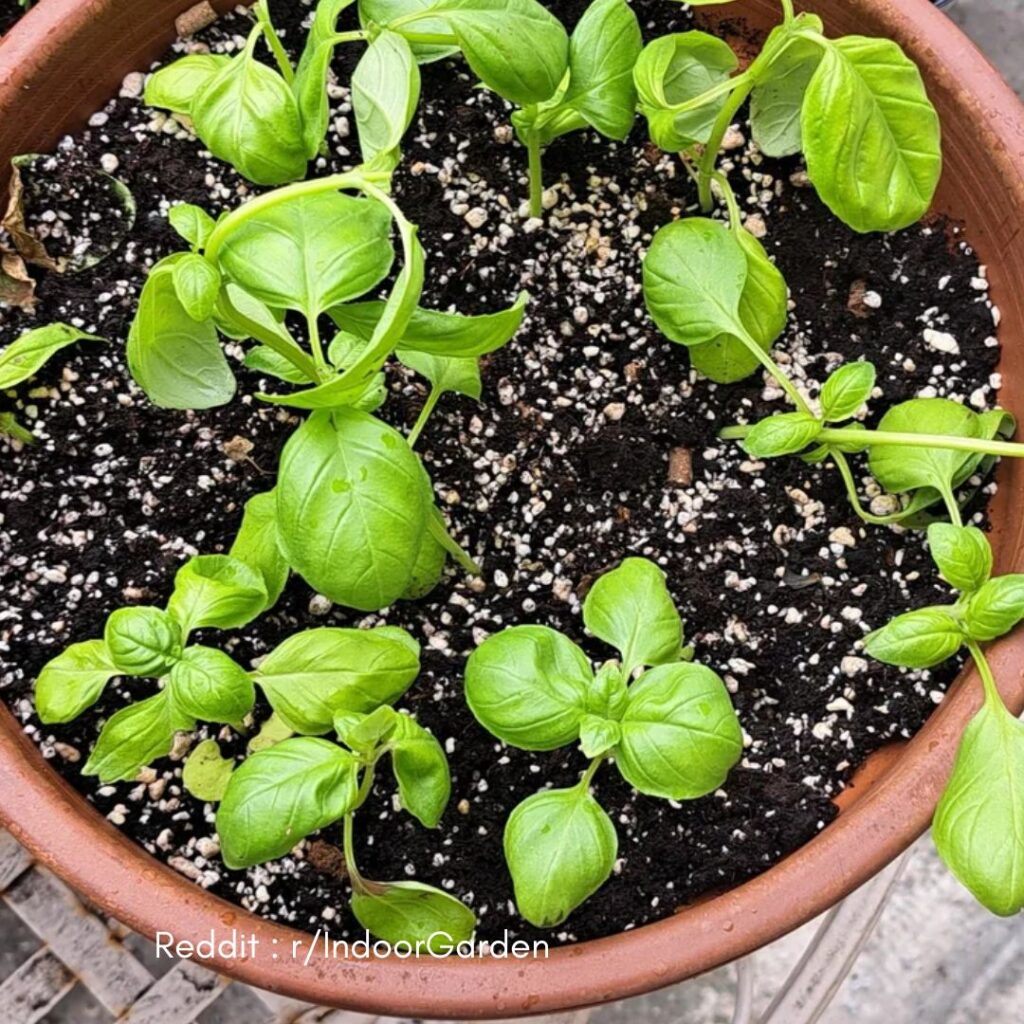
Sometimes, basil plants can be overrun by pesky bugs. When things get really bad, there are a couple of steps you can take that might help save your plants. 🚨🌿
Quarantine of Affected Areas
First things first – if you notice a severe infestation, it’s important to quarantine the affected plant. Move it away from healthy plants to prevent the spread of bugs.
Check your plants every few days. Inspect leaves and stems for any signs of pests. If you find bugs, consider using insecticidal soap or neem oil. These are safer alternatives to harsh chemicals.
And don’t forget to clean your garden tools and pots! Bugs can hide there too. It’s like having an unwelcome guest hiding under your sofa. 🕵️♂️
Professional Pest Control Services
Sometimes, DIY methods just aren’t enough. That’s when it’s a good idea to call in the pros. Professional pest control services have access to stronger, more effective treatments than what you can buy at the store.
When hiring a service, ask about their experience with edible plants. Basil is something we eat, so it’s crucial they use plant-safe methods. 📞
Don’t be afraid to ask questions. It’s your garden! They can give you tips on how to prevent future infestations and help you get your basil plants back to their best. 🌱
Got any tips or stories about dealing with basil plant bugs? Share in the comments! Let’s help each other grow happier, healthier plants. 🌿✨
Basil Plant Health and Harvesting
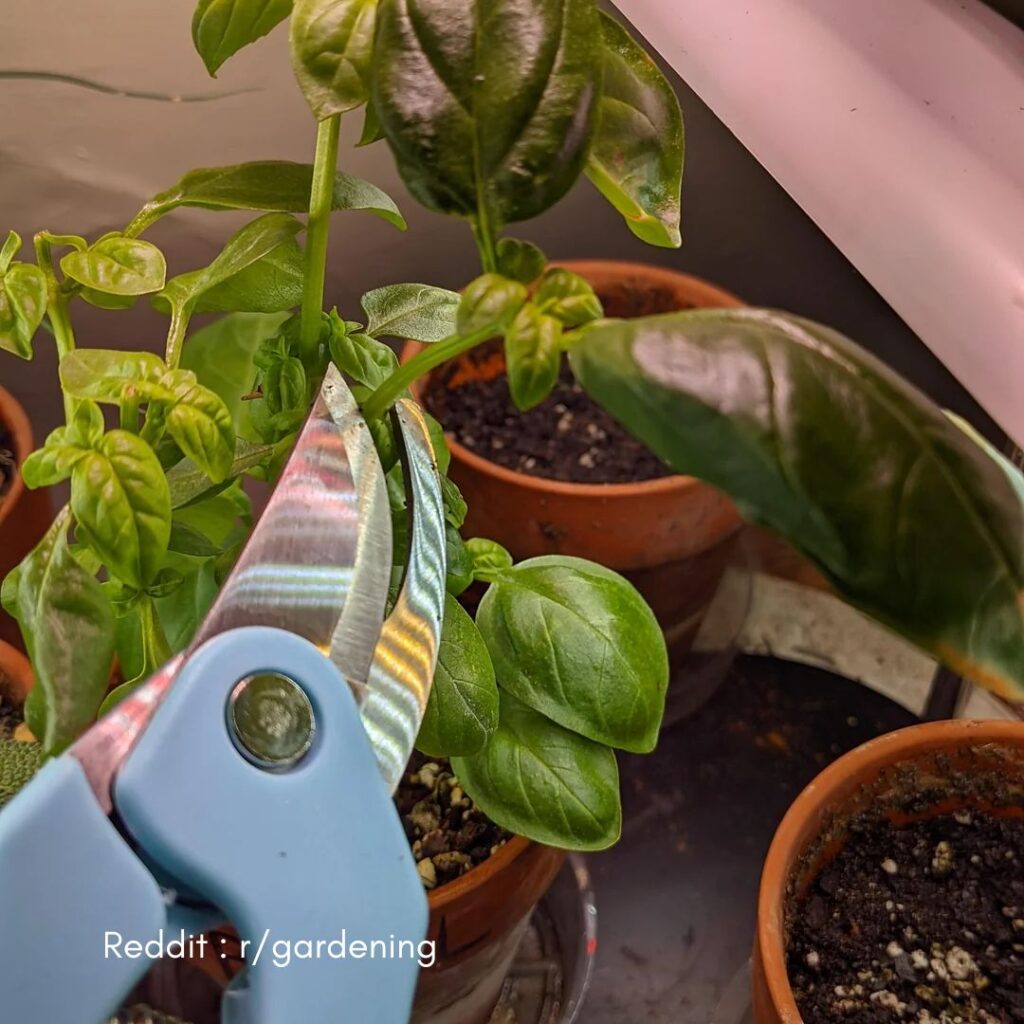
When it comes to basil plants, keeping them healthy and knowing when and how to harvest them is key. Here’s how to ensure your basil thrives and how to make the most of your harvest. 🌿
Optimal Harvesting Times
I always find it best to harvest basil in the morning, after the dew has dried but before the heat of the day. This keeps the leaves fresh and full of flavor. 🌞
You’ll want to start harvesting once the plant has six to eight leaves. That’s when it’s mature enough to handle some clipping. Make sure to snip just above a leaf pair to encourage new growth. ✂️
Remember to never strip all the leaves at once. This can stress the plant and slow down its growth. Instead, take a few leaves from each plant so it can continue thriving. 🌿
Storing and Preserving Basil
Once harvested, there are several ways to store and preserve your basil to keep it fresh.
Refrigeration Method:
- Wrap the basil leaves in damp paper towels.
- Place them in a plastic bag.
- Store in the vegetable crisper.
Freezing Option:
- Wash and dry the leaves.
- Chop them up and place in ice cube trays.
- Cover with olive oil and freeze.
📦 Another great way is to dry the basil. Hang small bunches upside down in a warm, dry place. Once dry, crumble the leaves and store in airtight jars.
Whichever method you choose, always handle basil gently to keep it from bruising. Happy harvesting! 🌱✨
What’s your favorite way to use fresh basil? 🍃👇 Drop a comment and let me know!
Frequently Asked Questions
Let’s tackle some common questions about bugs on basil plants. If your basil plant is facing some pest troubles, read on for solutions and tips! 🌿
How can I treat pests on my indoor basil plants?
For indoor basil plants, start by isolating the affected plant. I wash the leaves gently with water and a bit of mild soap to remove bugs. Neem oil is also an effective solution. It’s safe for indoor use and gets rid of many kinds of pests.
What are some natural remedies to keep bugs off basil?
One of my favorites is garlic spray. I mix crushed garlic with water, strain it, and spray it on the plant. Another method is to use a mix of water and a few drops of dish soap. Both methods are effective and plant-friendly! Plus, you can also try using companion plants like marigolds, which naturally deter pests.
What do I do if I find tiny black bugs on my basil plant?
If you spot tiny black bugs, those might be aphids. Use a strong stream of water to dislodge them from the leaves. After that, I spray with a soap-water solution. Also, introducing ladybugs to your garden can help, as they eat aphids!
How can I prevent bugs from eating my basil leaves?
Regularly inspect your plants. This helps catch any problems early. I like to keep my basil healthy with good air circulation and proper watering. Another tip is to use floating row covers to protect the plants.
How can I identify and get rid of green bugs on my basil?
Green bugs are often aphids or leafhoppers. I check the leaf undersides as these bugs like to hide there. Spray with neem oil or a soap-water solution to get rid of them. Also, introducing natural predators like ladybugs can help keep them under control.
What should I do to treat holes in my basil leaves?
Holes in leaves can be caused by various pests like caterpillars or beetles. First, remove any visible bugs. Then, I spray the plant with neem oil or a soap-water mix. Setting up traps or barriers can also help protect the plant from further damage.
Got more tips or questions about basil pests? Share your thoughts or questions in the comments! Let’s help each other keep our basil plants healthy and happy. 🌱😊