
Have you ever walked outside to check on your basil plant only to find its stem turning brown? 🌱 Yikes! Basil plants with brown stems can be a sign of trouble, but don’t worry—I’ve got some tips to help you figure out what’s going on and how to fix it. Whether you’re a gardening newbie or a seasoned pro, this post is for you.
Sometimes, the brown stem can be caused by overwatering. Imagine soaking your favorite pair of sneakers in water all day—yuck, right? Basil feels the same way! Make sure your plant is in a pot with good drainage and give it a chance to dry out a bit between waterings. Less soggy soil means happier basil.
Have you noticed any pests lately? Little bugs can be a real hassle! Aphids and other pests love basil just as much as we do. Keep an eye out for any unwelcome guests and consider using natural remedies to keep your plant healthy. Got any other gardening tips or tricks you’ve used? Drop them in the comments! Let’s help each other grow some amazing basil! 🌿✨
Understanding Basil Plant Health
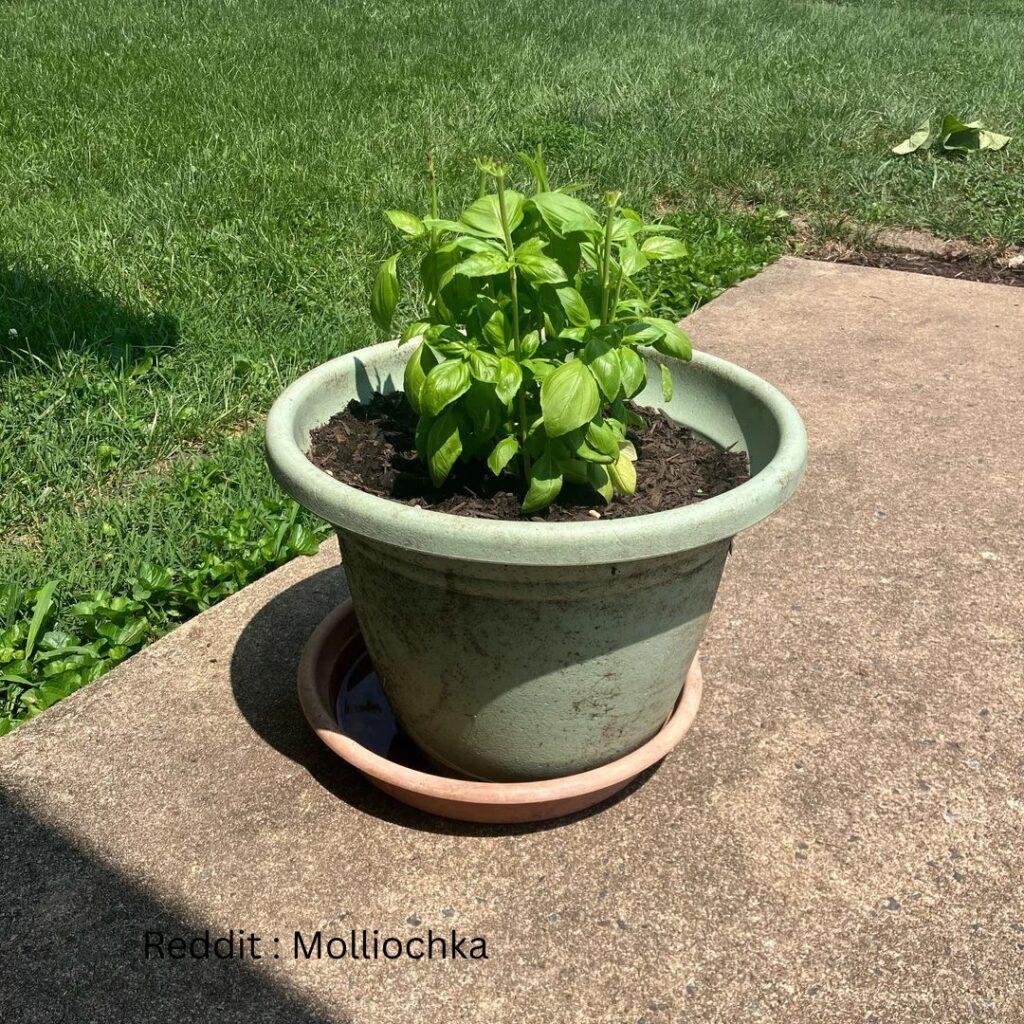
Keeping a basil plant healthy involves knowing its structure and spotting signs of healthiness. Let’s dive into its anatomy and what to look for in a well-grown plant.
Anatomy of the Basil Plant
The basil plant has a simple structure but each part plays an important role. The roots anchor the plant and absorb water and nutrients. The stems support the plant, with the main stem being the thickest. The leaves are where photosynthesis happens, giving the plant energy.
Did you know basil flowers can affect the taste of leaves? I usually pinch them off to keep the flavor strong. Speaking of flavor, the oils in the leaf give basil its aromatic qualities! 🌱
Key parts:
- Roots: Take up water and nutrients.
- Stem: Provides support.
- Leaves: Where photosynthesis and oil production occur.
- Flowers: Can change the leaf’s taste.
Next time you look at your plant, notice these parts!😊
Common Signs of a Healthy Basil
A healthy basil plant shows clear signs. Leaves should be vibrant green and free of spots or yellowing. The stem should be firm and not mushy or soft. Does your plant have a strong aroma? That’s another good sign!
One quick trick I use is to lightly touch the leaves. Healthy basil feels slightly crisp and resilient. Wilted or droopy leaves need attention.
Key signs:
- Green leaves: No yellowing or spots.
- Firm stems: No softness.
- Strong scent: Indicates healthy oils.
- Crisp texture: Leaf resilience upon touch.
Take a moment to assess your plant’s health using these tips! 🌿
What signs do you look for in a healthy basil plant? Share in the comments! 🌱✨
Causes of Browning in Basil Stems
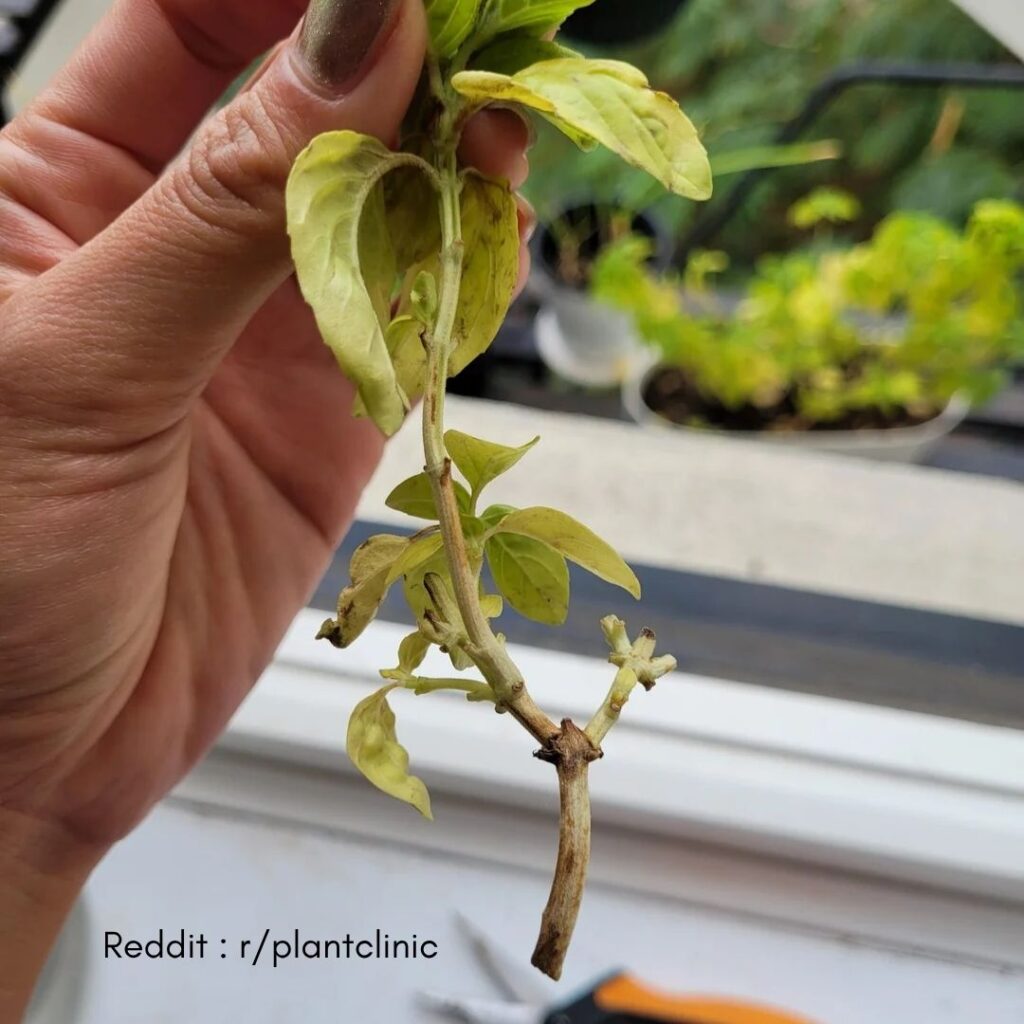
As someone who loves growing basil, I’ve faced brown stems a few times. Let’s explore some reasons why this happens, so we can all keep our plants healthy! 🌱
Water Stress and Overwatering
Basil plants need just the right amount of water. Too much water can make the stems brown and mushy. Imagine wearing wet socks all day. Yuck, right? That’s how your basil feels! Overwatering drowns the roots, cutting off oxygen they need to breathe. Also, not watering enough stresses the plant. Do you skip drinking water on hot days? Of course not! Your basil needs consistent moisture—just not too much.
Diseases and Pests
Fungal infections and pests love to munch on basil. The most common culprits are Fusarium wilt and Downy mildew. They cause browning and sometimes wilting. Creepy crawlies like aphids and spider mites also damage stems, causing them to turn brown. I often check under the leaves for tiny insects during my gardening routine. You should too! Keep an eye out for discolored spots or mold on your basil.
Nutrient Deficiencies and pH Imbalance
Basil plants can’t tell us when they’re hungry, but brown stems can be a clue. They need a mix of nutrients like nitrogen, potassium, and magnesium to stay green and healthy. Sometimes, simply adding a balanced fertilizer can improve things. Also, the pH of the soil is key. Basil prefers slightly acidic soil with a pH between 6.0 and 7.0. Using a soil testing kit helps you check if it’s just right.
Got any tips or funny stories about your own basil adventures? 🥗 I’d love to hear them! Drop your thoughts in the comments below. 🌿💬
Diagnosing the Problem
Let’s figure out what might be causing the brown stems on your basil plant.
Visual Inspection Techniques
First, take a close look at your basil plant. Are there spots or discoloration on the leaves? Check for brown or black spots. These can be signs of a fungal infection. How about the base of the stem? If it looks slimy or mushy, it might be stem rot.
Also, inspect for pests. Tiny bugs like aphids and spider mites can cause damage. Look under the leaves too. Sometimes they hide there. Do you see any webs? Spider mites might be the culprits. 🤔
Consider Environmental Factors
Think about the plant’s environment. Is it getting enough light? Basil loves sun, so a shady spot might be problematic.
Overwatering or poor drainage can also lead to brown stems. Is the soil soggy? Try watering less frequently.
Are the temperatures too cold? Basil prefers warmth. If it’s been chilly, consider moving the plant indoors or providing some protection. 🌞
Don’t forget to share your basil issues and tips in the comments! Have you dealt with brown stems before? What worked for you? Let’s help each other out! 🌿
Preventive Measures
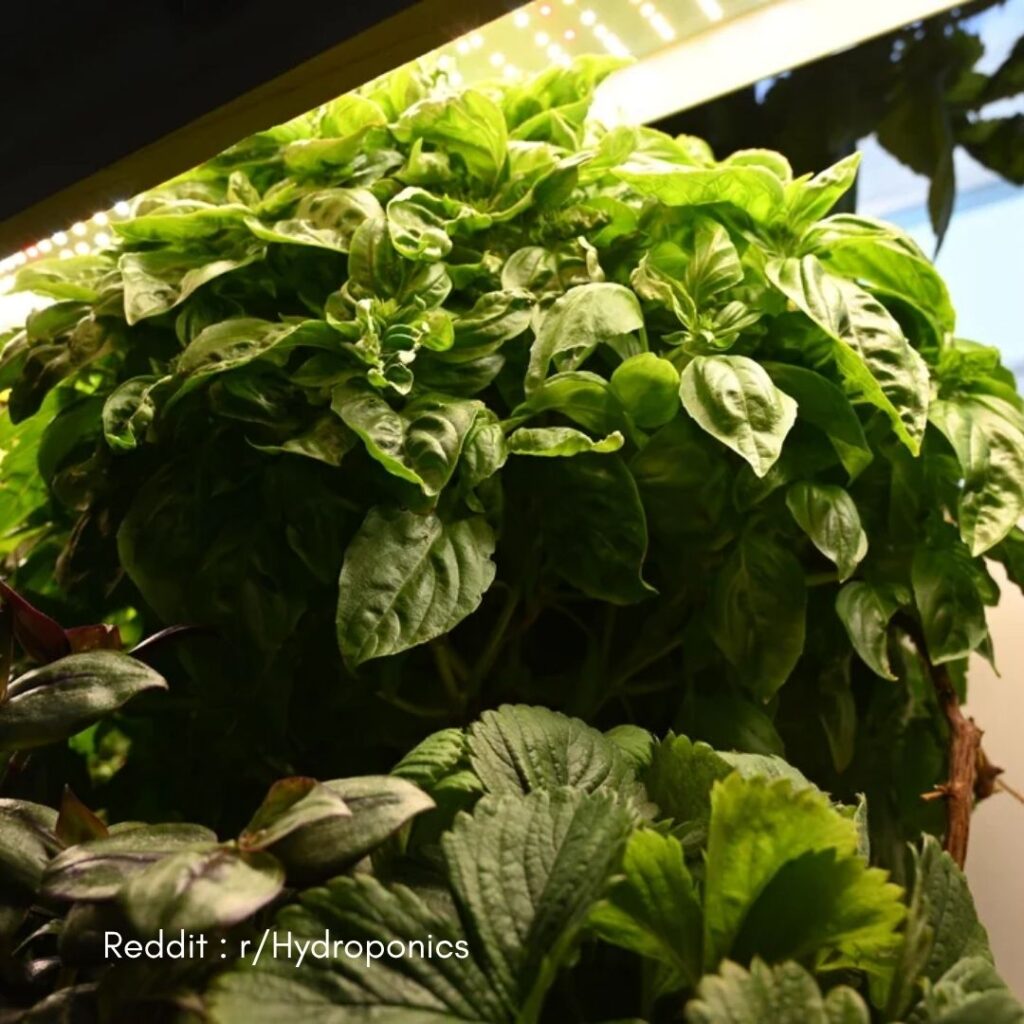
Keeping your basil plant healthy involves some specific actions. It’s all about watering properly, maintaining good soil quality, and monitoring the plant regularly. Let’s dive into these practices.
Proper Watering Practices
Watering can make or break your basil plant. 🌿 Water the plant at its base rather than from above to avoid wetting the leaves. Wet leaves can lead to mold growth and other problems. Consistency is key: aim to keep the soil slightly moist, not soaked.
A good rule of thumb is to water when the top inch of soil feels dry. Ever wondered why your basil looks sad sometimes? It could be thirsty! Be careful though, overwatering can be as bad as underwatering. So finding that right balance is crucial.
Soil Quality and Drainage
The soil you choose is very important. Good-quality, well-draining soil works best for basil. Without proper drainage, water can accumulate, causing the roots to rot. You don’t want that! 🪴 Look for soil mixes that mention “well-draining” on the package.
I usually mix some perlite or coarse sand into regular potting soil to improve drainage. Ever tried this? It works wonders! Also, basil plants love slightly acidic soil with a pH of 6-7. If you’re unsure about your soil, you can get a simple pH test kit from a garden store.
Regular Monitoring and Maintenance
Keeping an eye on your basil is crucial. Regularly check your plant for any signs of trouble, like brown stems, yellowing leaves, or pests. Early detection can save your basil from major issues.
I find it helpful to inspect my plant about once a week. Ever noticed a bug on your basil? It’s time to act! Use organic insecticidal soap if necessary. Prune your plant to encourage new growth and improve air circulation. This helps in preventing fungal infections. Remember, a lit bit of weekly maintenance goes a long way in keeping your basil happy! 🌿
Have any tips of your own? Share them in the comments! 😊
Treatment and Recovery
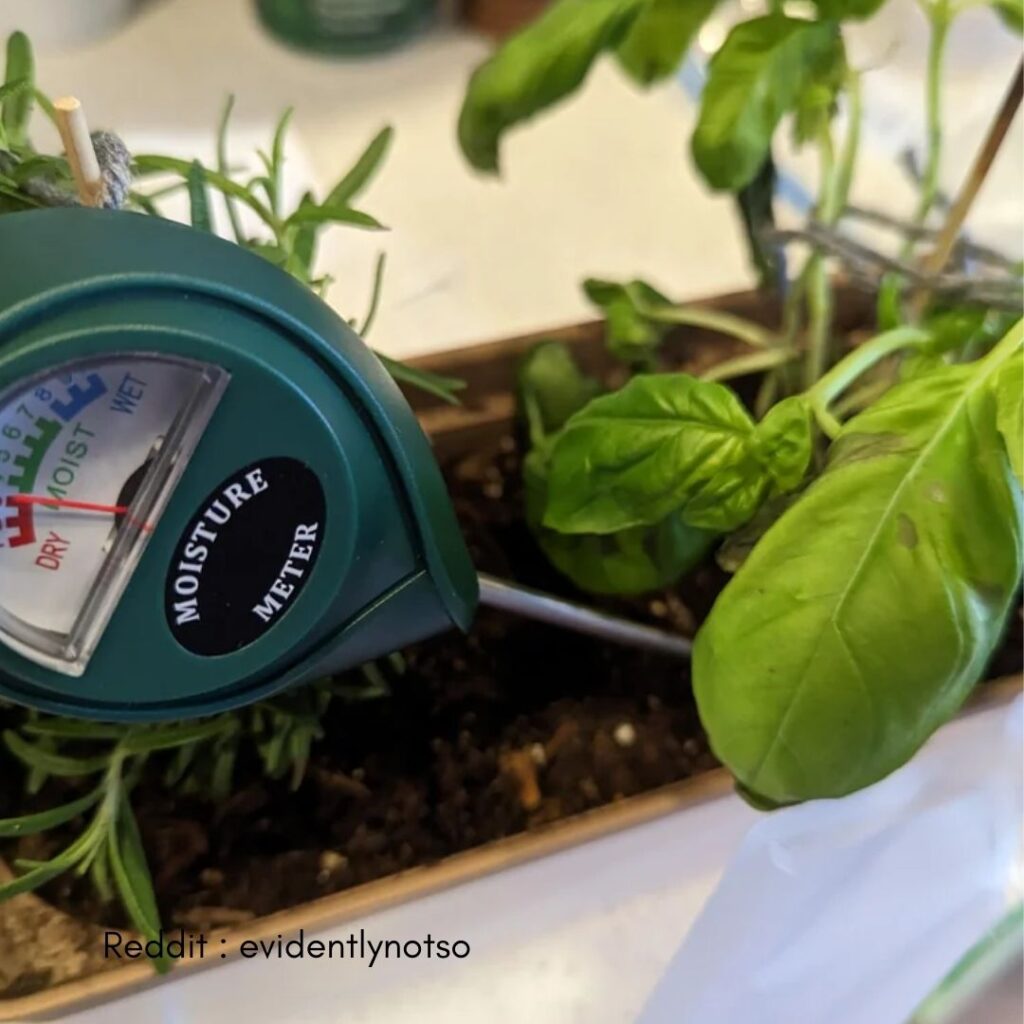
Brown stems on basil plants can make you worry, but don’t fret! With the right care and attention, your basil can bounce back. Let’s explore how to adjust your watering schedule, tackle diseases and pests, and manage nutrients.
Adjusting Watering Schedules
Watering can be tricky, right? Too much water can drown your basil, and too little can dry it out. The key is consistent, moderate watering. 🪴
- Check soil moisture: Stick your finger about an inch into the soil. If it feels dry, it’s time to water.
- Water in the morning: This gives your basil all day to absorb water and dry off, reducing the risk of rot.
- Avoid over-watering: Soggy soil can cause the stems to turn brown and mushy. It’s better to keep the soil moist but not soaking.
Do you use a watering schedule? How has it worked for you?
Dealing with Disease and Pests
Those pesky diseases and pests can be a real hassle! 🦠 🐛 Here’s how I manage them.
- Check for pests: Look for aphids, spider mites, or other small insects. These critters can weaken the plant, causing brown stems.
- Use natural treatments: Neem oil or insecticidal soap can help keep pests at bay without harming the plant.
- Disease prevention: Fungal infections like Fusarium wilt can cause browning. Make sure to maintain proper air circulation around the plant to keep fungi away.
Ever tried neem oil? It’s a game-changer for me!
Nutrient Management and Fertilization
Nutrient balance is super important for healthy basil. Here’s what you can do:
- Use a balanced fertilizer: A 10-10-10 fertilizer is a good choice. It gives equal parts of nitrogen, phosphorus, and potassium.
- Don’t over-fertilize: Too much can cause a nutrient buildup, leading to brown stems. Stick to the recommended amount on the package.
- Check soil pH: Basil prefers a pH between 6.0 and 7.5. Use a pH tester to make sure your soil is within this range.
What fertilizers do you use for your basil? Share your tips!
Can’t wait to hear how these tips help your basil bounce back! 🌿 Feel free to leave your questions and share your experiences in the comments below.
Pruning and Plant Care Techniques
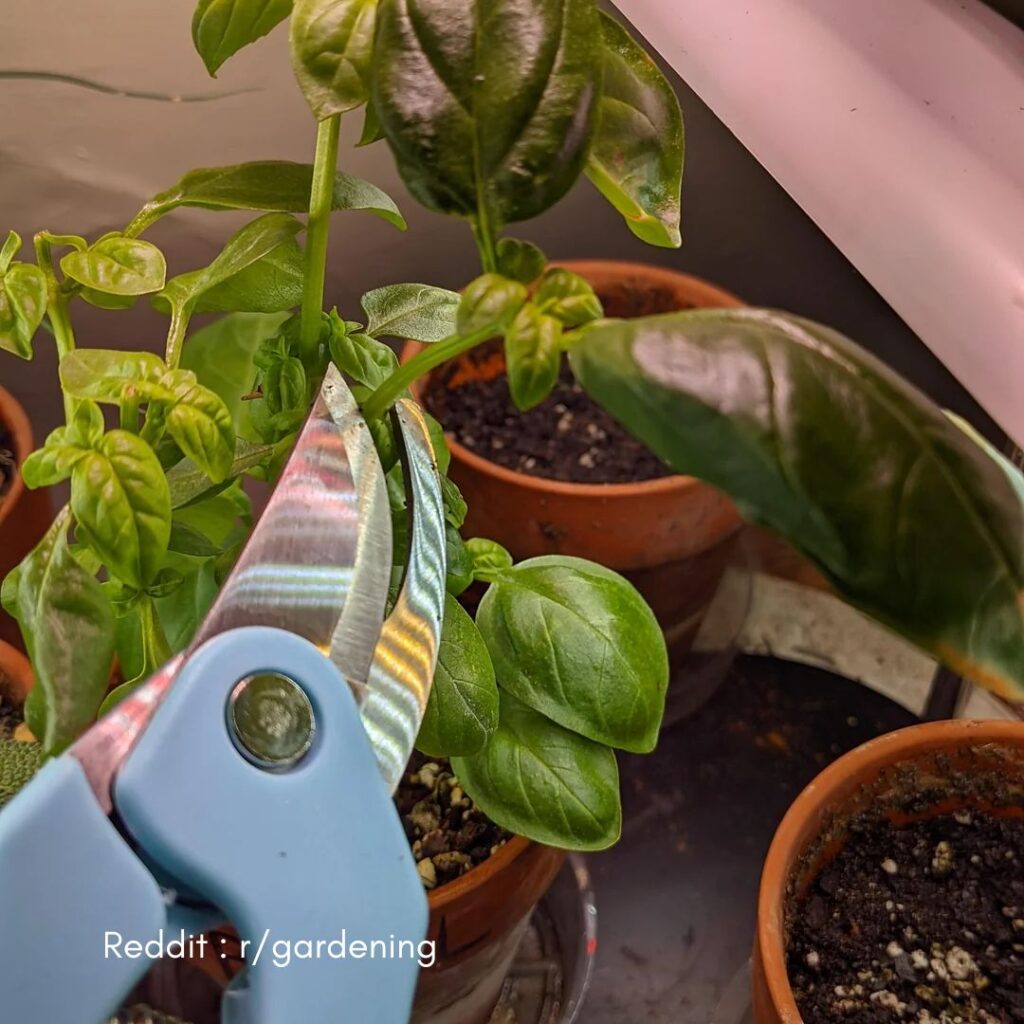
Taking care of a basil plant can be fun and easy! 🌿 Pruning is essential to help your basil grow healthy and strong. Here’s how I do it:
Pinch off the top stems: Use your fingers or scissors to snip the top leaves just above a pair of leaves. This encourages the plant to grow bushier.
Remove any brown stems: If you notice brown or dead stems, remove them right away. This keeps the plant healthy and prevents disease from spreading.
Trim regularly: I find that trimming my basil every couple of weeks keeps it thriving. Aim to trim about every 2-3 weeks.
Do you know when to water your basil? 🪴 Keep the soil moist but not too wet. I usually water it when the topsoil feels dry to the touch.
Here’s a quick table on watering:
| Condition | How Often | Amount |
|---|---|---|
| Indoors | Every 2-3 days | Lightly soak |
| Outdoors | Daily | Deep soak |
Basil loves sunlight. I place mine near a window where it can soak up at least 6 hours of light each day. ☀️ Bright light makes basil thrive!
Feeding my basil is another important step. I use a liquid fertilizer every 4-6 weeks. It’s like a treat for the plant!
Let’s keep our basil plants happy and healthy together! 🌿 Have any tips or questions? Drop them in the comments below.
When to Seek Professional Help
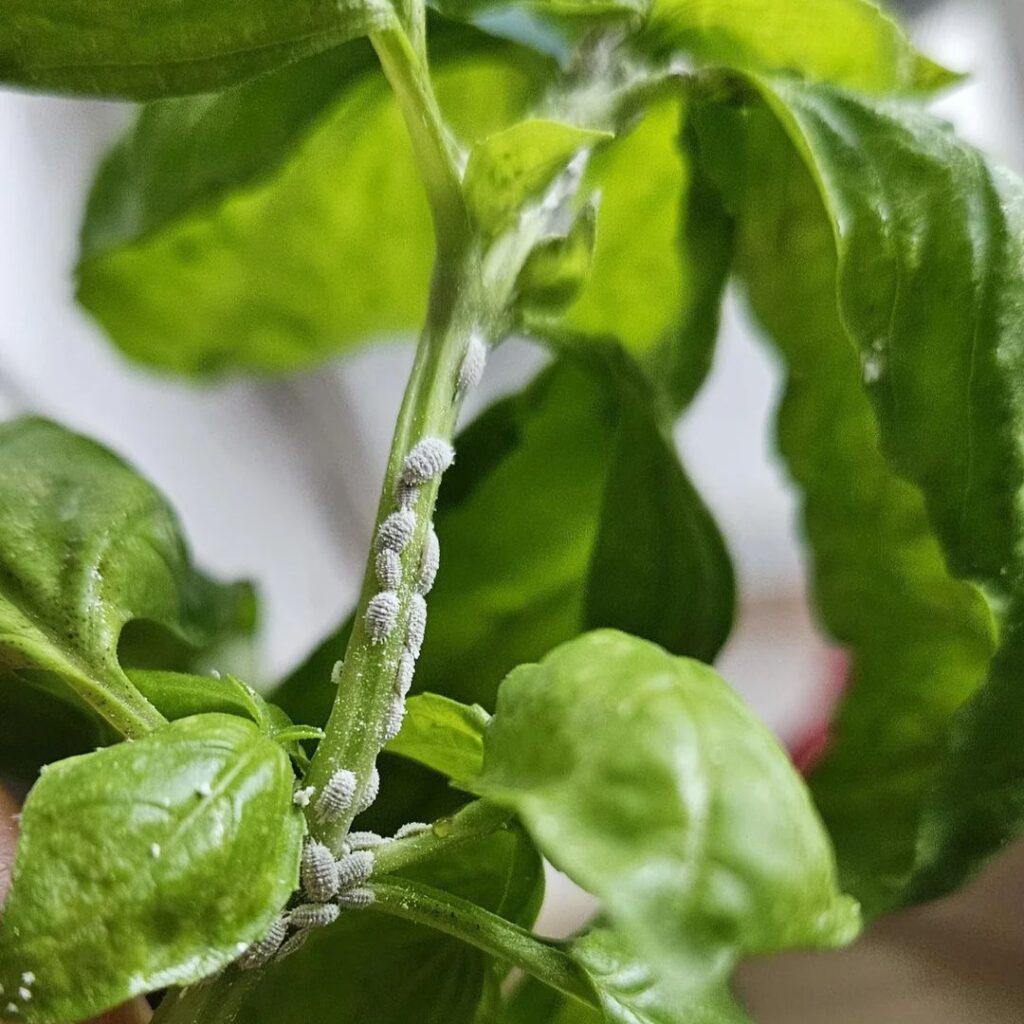
Is your basil plant looking like it needs a doctor? 🌱 Sometimes, it’s best to call in the pros. Here are a few signs:
1. Persistent Brown Stems: If your basil’s stems stay brown despite your best efforts, it might be time for some expert help.
2. Spreading Symptoms: Are the brown stems spreading to other parts of the plant? A professional can diagnose and treat the problem before it gets worse.
3. Wilting Leaves: If leaves are wilting and falling off along with brown stems, a specialist might save your plant.
4. Mold or Fungus: Notice any mold or fungus growing? That’s a sign bigger issues are at play.
5. Pests: Sometimes tiny pests are the culprits. Professionals have the tools to deal with infestations.
Share your basil plant stories below! 🌿 Have you ever had to call in the pros? Let’s chat in the comments!
Frequently Asked Questions
Here’s what you need to know about taking care of your basil plant and dealing with brown stems. Let’s keep your basil looking fresh and healthy! 🌿
What causes brown spots on basil stems, and how can I treat them?
Brown spots on basil stems are often caused by fungal infections or pests. To treat them, trim the affected areas and make sure to improve air circulation. You might also need to apply a fungicide. Keep an eye on your basil and treat issues early!
How can I prevent my basil’s stems from turning woody?
To prevent woody stems, prune your basil regularly. This encourages new growth and keeps the plant tender. It’s good to pinch off the flower buds as soon as they appear. This not only helps with the texture but also boosts flavor.
Is it safe to eat basil leaves that are browning on the edges?
Yes, it’s generally safe, but the taste might be off. Brown edges usually mean the leaf is past its prime. I suggest trimming those leaves and using the fresher, green ones instead. Who wants to eat a salad with sad, brown leaves anyway? 🥗
What are the signs of overwatering in basil plants?
Overwatered basil has wilting leaves and a droopy appearance even when the soil is wet. It’s important to let the soil dry out between waterings. Stick your finger in the soil; if it feels moist a couple of inches down, skip watering that day.
Why are the stems of my basil turning black, and what should I do?
Black stems can be a sign of fungal infection or root rot. Remove the affected parts and check your watering habits. Make sure your basil has good drainage. Keep the plant in a spot with good airflow and plenty of sunlight.
After repotting, why might a basil plant have brown stems, and how can I care for it?
Repotting can stress your basil and cause temporary browning. Keep the plant well-watered but not soggy, and place it in a light spot. Give it a couple of weeks to settle into its new home. It’ll likely bounce back with a bit of TLC. 🌱
Got more questions or tips of your own? Drop them in the comments! Let’s help our basil plants thrive together! 🌿💬