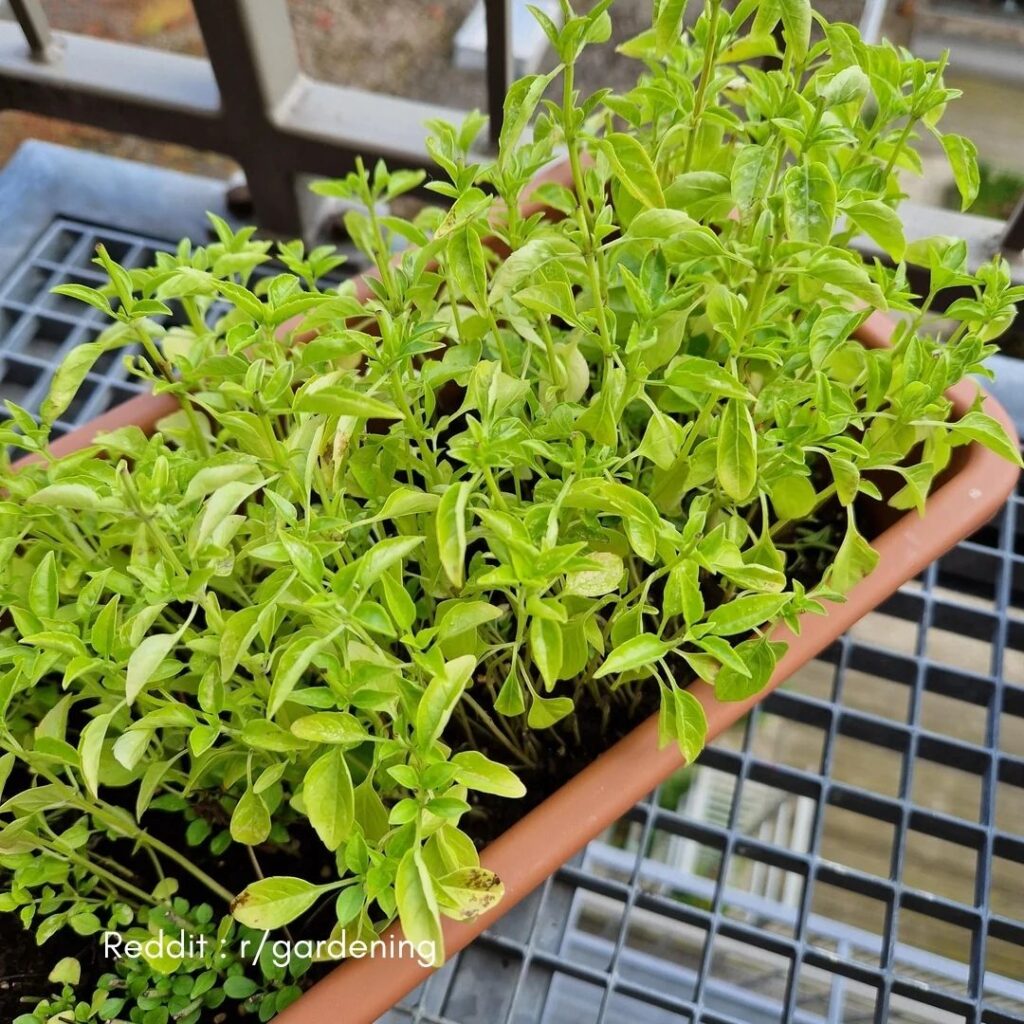
Basil is more than just a tasty herb to sprinkle over your pizza; it’s loaded with health benefits you won’t want to miss. 🌿 Did you know that basil is packed with essential nutrients like vitamin K, vitamin A, and manganese? These nutrients can help boost your immune system and keep your body running smoothly.
Whenever I add fresh basil to my meals, I notice a big difference in flavor and aroma. It’s like my taste buds are having a party! 🍕 Plus, basil contains antioxidants which can fight off free radicals, helping you stay healthy and feel great. Who couldn’t use a little extra help with that?
Have you ever tried adding basil to your tea? It’s a game changer! The herb can help reduce stress and improve digestion. Imagine sipping on a warm cup of basil tea after a long day. ☕ Sounds wonderful, doesn’t it? Give it a try, and share your favorite basil recipes in the comments! 💬
Historical Background of Basil
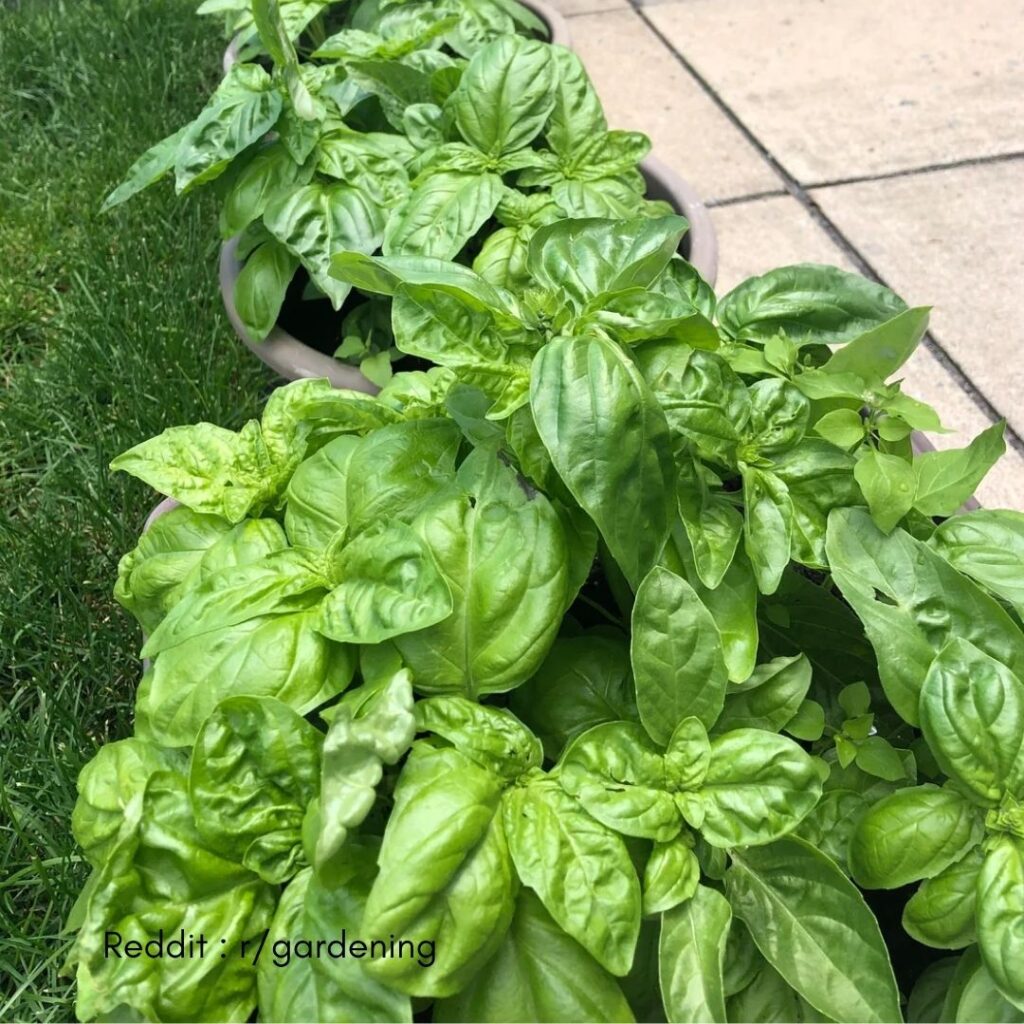
Basil has a rich history that spans many cultures and centuries. It has not only flavored the food but also played a significant role in various traditional ceremonies and cultural practices.
Origins and Cultural Significance
Basil, or Ocimum basilicum, originally came from India. Fun fact: it was considered a sacred herb in Hindu culture and used in rituals. Basil spread from India to Persia (now Iran) and then to the Mediterranean. By the 16th century, it was popular in Europe. 🧳
In ancient Greece, basil was a symbol of mourning, and in Egypt, it was found in tombs. How interesting is that? 🏺 In Italy, basil represents love, a tradition dating back centuries. Makes you think about how herbs aren’t just for cooking, right?
Traditional Use in Cuisine
When it comes to food, basil is a superstar. 🌿 In Italy, it’s the star of pesto sauce. Imagine a world without pesto pasta! Basil is also key in the famous Vietnamese soup, Pho. 🍜 Have you tried it?
Thai dishes make use of sweet basil, which adds a unique flavor. Even in the Middle Ages, basil was used to mask odors and improve the taste of food, which wasn’t always fresh. 😅 It’s amazing how one little plant can bring so much flavor!
What’s your favorite dish with basil? Share it in the comments! 🍴📲
Nutritional Profile of Basil

Did you know basil is more than just a tasty herb? It’s packed with vitamins, minerals, essential oils, antioxidants, and more. Let’s explore what makes basil such a nutritional powerhouse! 🌿
Vitamins and Minerals
Basil is loaded with vitamin K, offering about 80% of the daily recommended amount in just a small serving. This helps with blood clotting and bone health. It also contains a good amount of vitamin A, which is great for your vision and immune system.
You’ll also find calcium and iron in basil. Calcium helps strengthen bones, while iron is essential for making red blood cells. Next time you sprinkle some basil, remember you’re adding more than just flavor!
Essential Oils and Antioxidants
Basil contains essential oils like eugenol, which have anti-inflammatory properties. These oils can help relieve pain and swelling. Eugenol is also known to have antimicrobial effects, helping to fight off bacteria.
The herb is rich in antioxidants like flavonoids and polyphenols. These help protect your cells from damage caused by free radicals. Antioxidants are crucial for maintaining good health and reducing the risk of chronic diseases. 🌟
Caloric Content and Macronutrients
Basil is very low in calories, with only about 5 calories per 2 tablespoons. It has almost no fat and is low in carbohydrates, making it a perfect addition to any diet without adding extra calories.
It also contains a small amount of protein. While it’s not a significant source, every bit helps. Adding basil to your meals can be a tasty way to boost your nutritional intake without extra fuss. Plus, it adds a burst of flavor to your dishes. 🍴
Ever thought basil could be this amazing? What are your favorite ways to use basil in your cooking? Share in the comments below! 🌱✨
Health Benefits
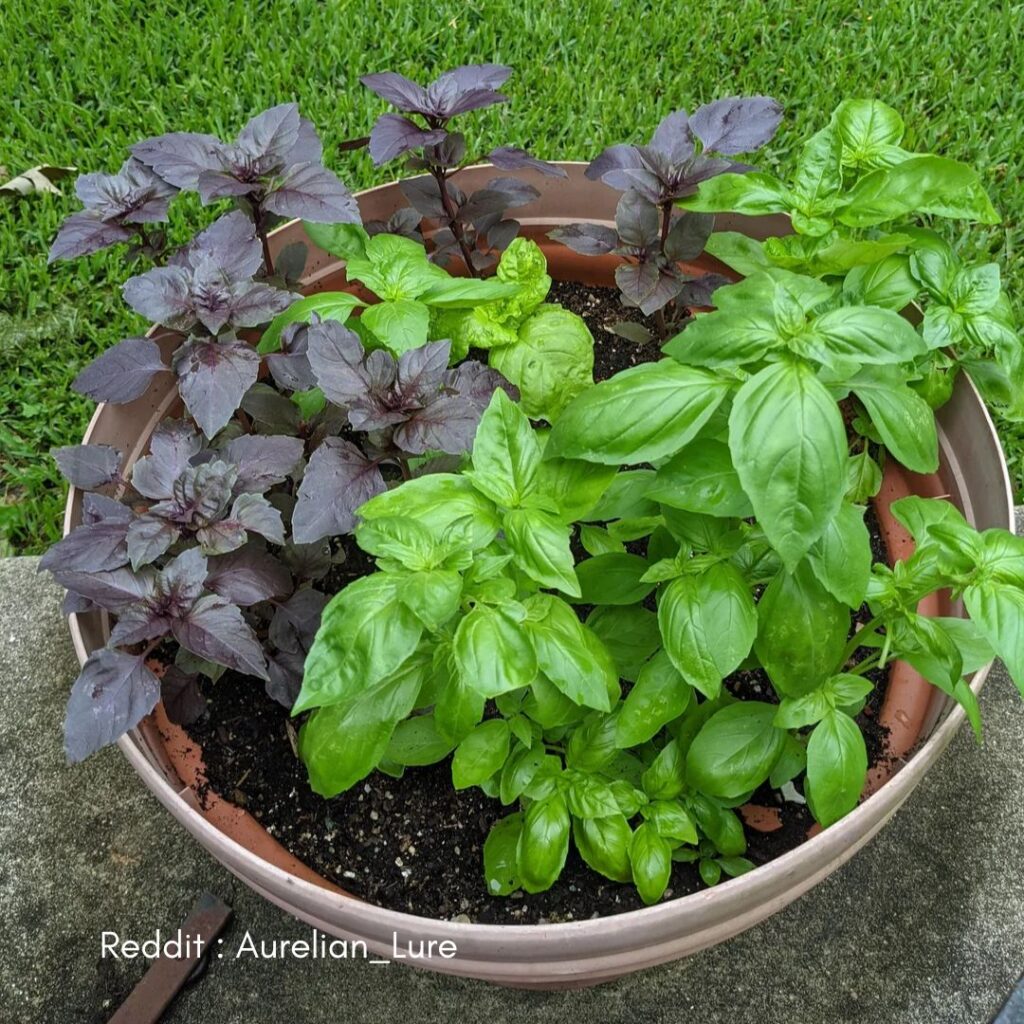
Basil isn’t just a kitchen staple; it offers amazing health benefits. From helping with digestion to supporting mental health, this plant can do wonders.
Supports Digestive Health
Ever had a heavy meal and felt bloated? Basil can help with that. It contains eugenol, which helps balance the acids in your stomach. Because of this, it can reduce bloating and discomfort even after the largest of feasts. 🌿 Plus, it can stimulate your appetite by increasing the production of digestive enzymes. Next time your tummy grumbles, think basil!
Promotes Cardiovascular Well-being
Did you know basil can help your heart? Rich in antioxidants, basil helps prevent damage to your heart’s cells. It also contains beta-carotene, which helps keep your arteries clear. This means a healthier heart and better blood flow 💓. Adding basil to your diet could be one step toward keeping your heart in good shape.
Anti-inflammatory Properties
Do you have achy joints or muscles? Basil might be your new best friend. 🌟 This plant has anti-inflammatory compounds like linalool and citronellol. These compounds can reduce swelling and pain in your body. Whether it’s from a tough workout or day-to-day stress, a little basil could make a big difference.
Stress Reduction and Mental Health
Feeling stressed or blue? Basil can come to the rescue. It contains adaptogens, which help your body cope with stress better. 🧘♂️ These adaptogens can balance chemicals in your brain, helping improve your mood and reduce anxiety. So, if you’re feeling down, a basil-infused tea might be just what you need.
Have you tried using basil for any of these benefits? Share your thoughts in the comments below! 🌟
Culinary Uses of Basil
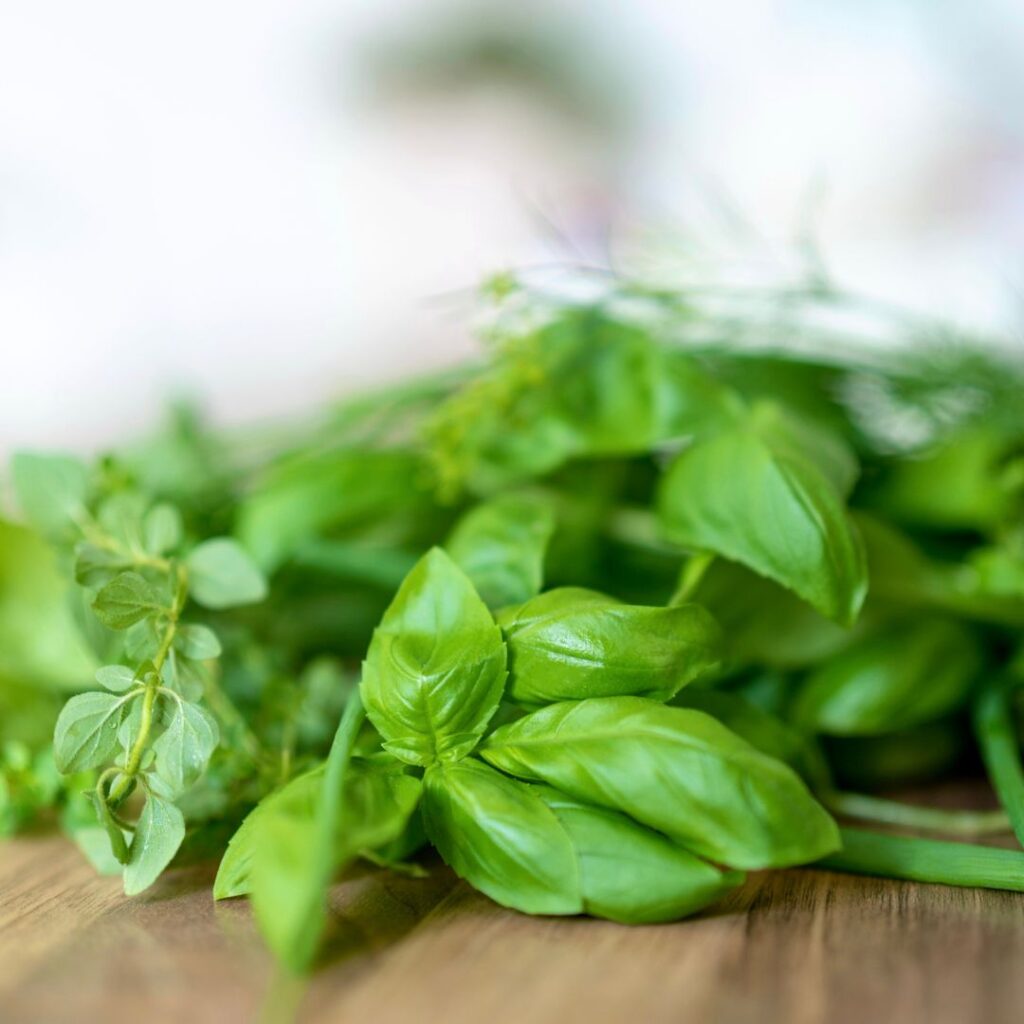
Basil is a versatile herb that can be used in many recipes. From making pesto to adding flavor to your favorite snacks, it transforms dishes with its fresh and aromatic qualities. Ready to explore how to make the most out of this amazing herb?
Pesto and Sauces
One of my favorite ways to use basil is in making pesto. It’s super simple: just blend fresh basil leaves, garlic, pine nuts, Parmesan cheese, and olive oil. You’ll get a delicious green sauce that’s perfect with pasta 🍝.
Basil is also great in tomato-based sauces. Toss some chopped basil into your spaghetti sauce for an extra flavor kick. You can even sprinkle it on homemade pizza! 🍕
Herbal Teas and Beverages
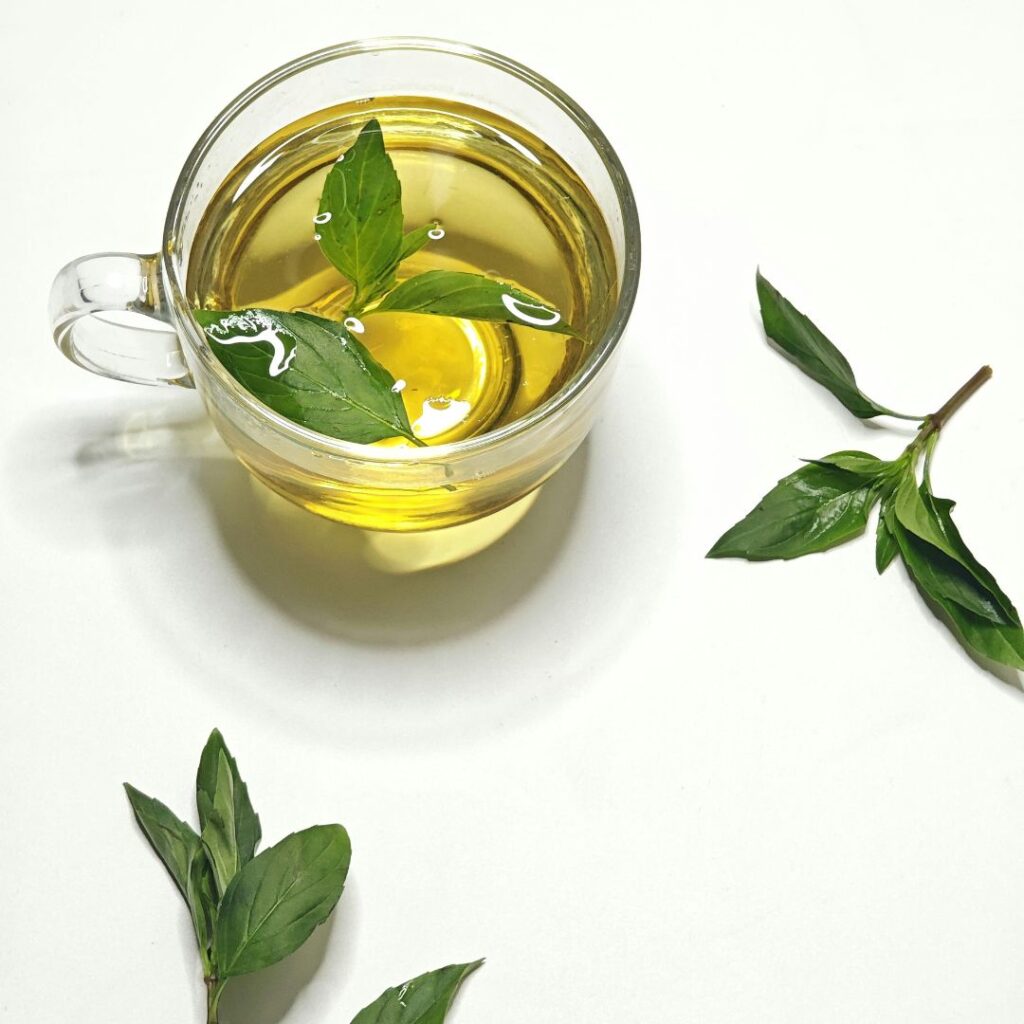
Have you tried basil in tea? It’s fantastic! Just steep a handful of fresh basil leaves in hot water for a soothing herbal tea. Basil tea is known for its calming effects and can help with digestion.
You can also infuse basil into lemonade for a refreshing summer drink 🥤. The combination of citrus and basil is so uplifting! Just muddle some fresh leaves into your lemonade pitcher and enjoy.
Flavoring for Meals and Snacks
Basil isn’t just for fancy dishes. Add some chopped basil to scrambled eggs or omelets for a fresh taste. It’s also amazing in sandwiches—try it in a caprese sandwich with mozzarella and tomatoes.
Ever tried basil with fresh fruit? Mix basil leaves with strawberries or watermelon for a surprising twist. Basil adds a unique punch to fruits that you wouldn’t expect. 🍓🍉
Let me know how you like to use basil in your kitchen. Share your favorite recipes in the comments! 🍽️
Growing Basil at Home
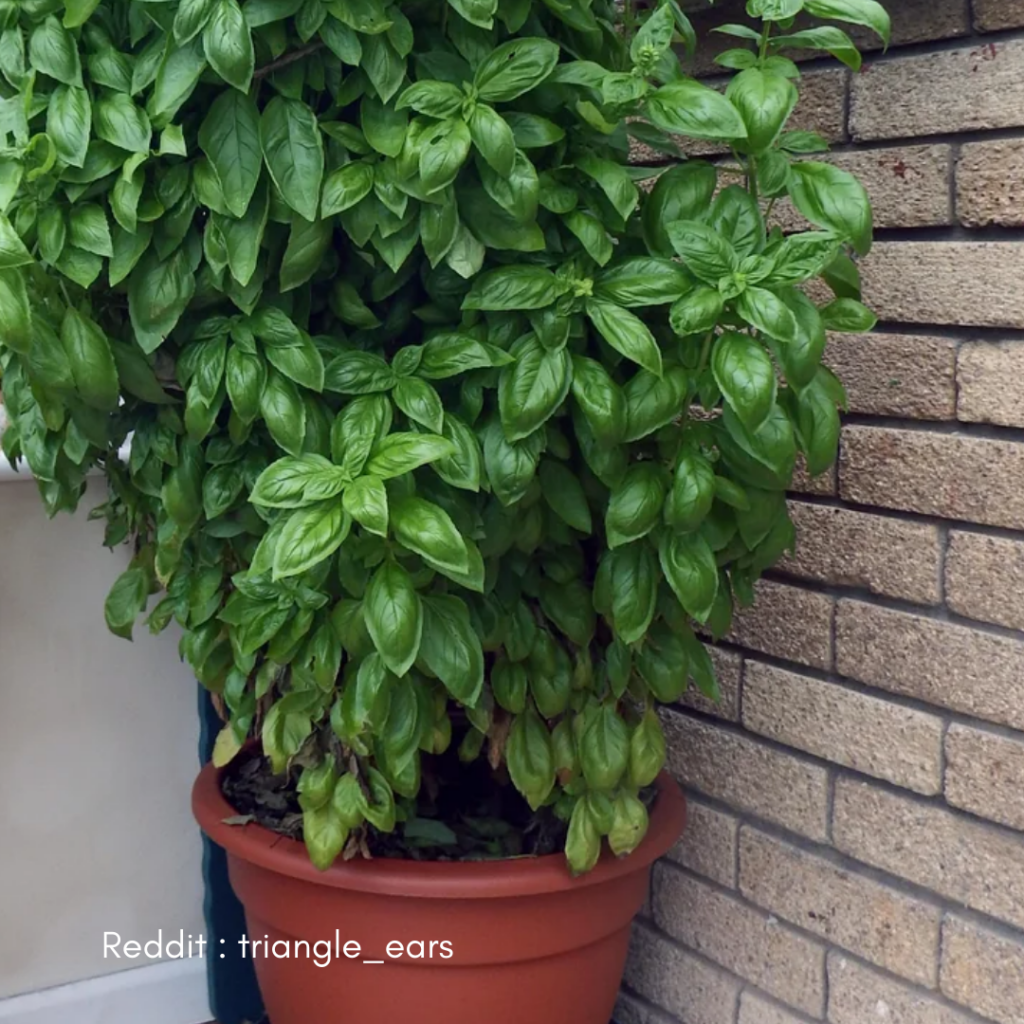
Growing basil at home is easy and rewarding. You’ll need to choose a suitable variety, plant it properly, take care of it, and know when to harvest the leaves.
Choosing the Right Variety
There are many types of basil to choose from. Whether you like sweet basil for your pasta dishes or Thai basil for your stir-fries, there’s a variety for you. Personally, I love Genovese basil for its classic flavor.
Think about what you’ll use the basil for, and find the variety that fits your needs. Some kinds are better for indoor growing, while others thrive outside. Check the seed packet for tips and growing conditions.
Soil and Planting Tips
Basil loves well-drained soil and sunny spots. I always make sure to use potting soil mixed with some compost for extra nutrients. If planting in a pot, choose one that’s at least 12 inches wide.
Plant the seeds about a quarter inch deep and keep the soil moist but not soggy. It’s fun to watch the little green sprouts pop up! 🌱 For even growth, remember to rotate the pot or thin the seedlings.
Maintenance and Care
Caring for basil is straightforward. Watering is key; I water mine every few days, especially in hot weather. It’s important not to overwater, so check the soil before watering again.
Pinching back the top leaves helps the plant become bushy and full. I also keep an eye out for pests like aphids. If they show up, a mixture of water and dish soap usually does the trick.
Harvesting and Storing Leaves
Once the basil is about 6-8 inches tall, it’s ready for harvesting. I pick the leaves from the top, which encourages more growth. 🌿
For storage, fresh basil can be kept in a glass of water on the counter, like a bouquet. If I have more leaves than I can use, I dry or freeze them for later. This way, I always have fresh basil flavor handy for my cooking!
Growing basil at home is fun and easy. Have you tried it? Let me know your favorite basil varieties or tips in the comments! 🌿🍃
Environmental Impact of Basil Farming
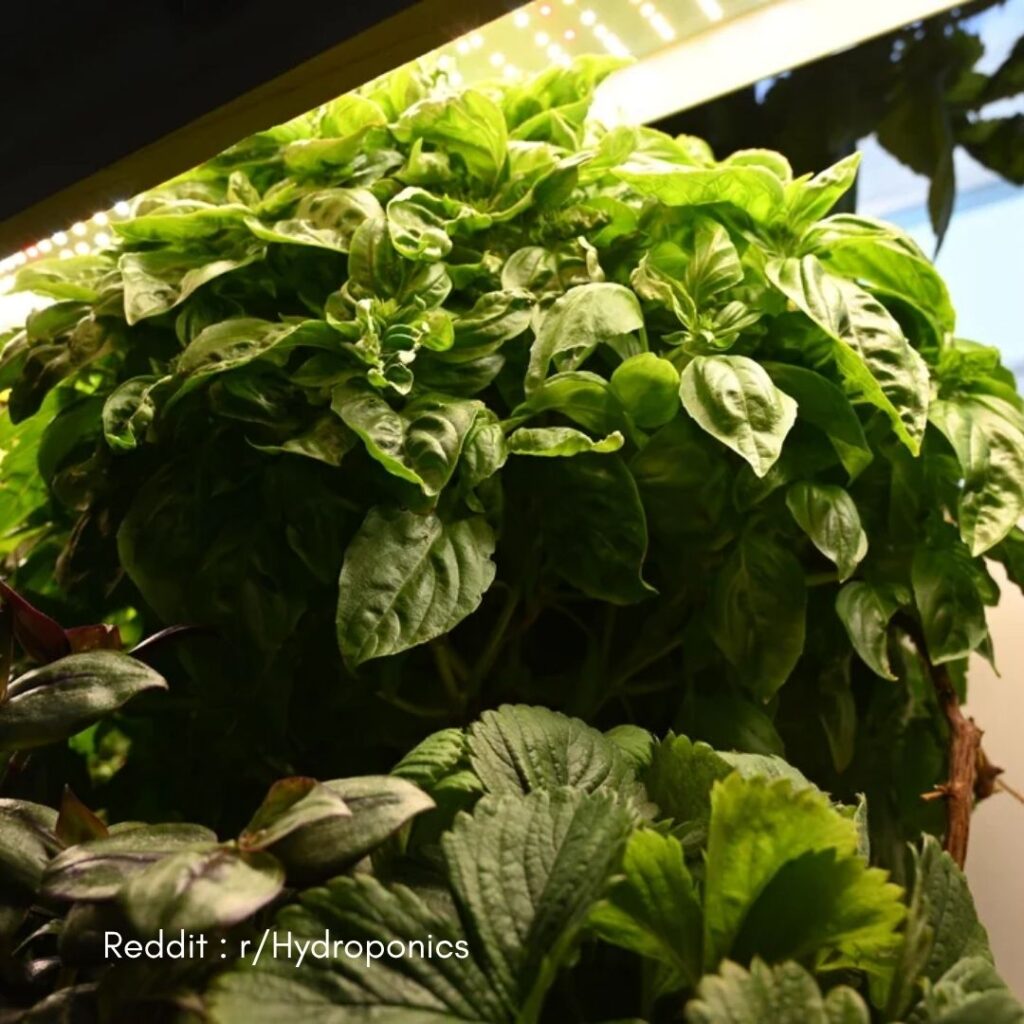
Basil farming can impact the environment in positive ways, especially when using sustainable practices and supporting pollinators. Let’s explore these aspects. 🌱🐝
Sustainable Farming Practices
When I grow basil, I use sustainable farming practices to protect the environment. One important method is crop rotation. By changing the type of plant grown in a specific area, I prevent soil depletion and reduce the need for chemical fertilizers.
I also practice organic farming. This means that I avoid using harmful pesticides that can damage wildlife and waterways. Instead, I use natural alternatives like neem oil or insecticidal soap. These methods keep my basil healthy without harming the environment.
Finally, I use water-conserving techniques. Drip irrigation systems deliver water directly to the plant roots, reducing waste. Collecting rainwater in barrels offers another eco-friendly way to water basil plants. Have you ever tried any of these methods in your gardening?
Basil and Pollinator Health
Basil isn’t just great in the kitchen; it’s also fantastic for pollinators like bees and butterflies! 🌼 These tiny helpers love basil flowers, and their activities boost pollination, not only for basil but for other nearby plants too.
Healthy pollinator populations are essential for a thriving ecosystem. By planting basil, I’m not just growing tasty herbs but also supporting local wildlife. Imagine a garden buzzing with bees and colorful butterflies—sounds wonderful, right?
Additionally, growing basil without pesticides creates a safe environment for these pollinators. Harmful chemicals can kill or deter them, which would be a real loss for your garden’s health.
Do you have basil in your garden? If not, it might be time to start! 🌿✨ Share your thoughts in the comments below!
Uses in Aromatherapy and Beauty
Basil is more than a kitchen herb. It’s a star in aromatherapy and skincare. Let’s explore these amazing uses together.
Basil Oil in Aromatherapy
Basil oil has a fresh and spicy aroma. I find it super uplifting and energizing. When I’m feeling stressed or tired, I love diffusing basil oil in my home. It helps clear my mind and boosts my spirits.
Have you tried adding a few drops to your bath? It can create a spa-like experience right in your bathroom. Imagine soaking in warm water with the lovely scent of basil swirling around you! 😊
Skincare Benefits
Basil isn’t just for eating; it’s a skincare hero too! Basil-infused products can help keep your skin clear and glowing. I’ve noticed it works great for acne because it has natural anti-inflammatory properties.
I like mixing basil oil with some coconut oil and applying it to my skin. It feels refreshing and helps reduce redness. Have you ever used basil for your skin? Share your tips in the comments! 🌿
Basil in your beauty routine can be a game changer. Why not give it a try and see the magic for yourself? 🌟
Basil in Alternative Medicine
Basil has been used in various traditional healing practices for centuries. Let’s explore how it’s used in Ayurvedic Medicine and Chinese Medicine.
Ayurvedic Medicine
In Ayurvedic Medicine, basil is considered a sacred and powerful herb. It’s often referred to as Tulsi or Holy Basil. This plant is believed to have adaptogenic properties, meaning it helps the body adapt to stress.
People use basil for various digestive issues like acid reflux and bloating. It’s also said to boost the immune system and has been used to relieve common colds and fevers. I find it fascinating that some even make a tea from its leaves for these very benefits.
Basil’s anti-inflammatory properties are another plus. Got a sore throat? Gargle some basil tea! Some folks even use basil oil for skin care to treat acne and other skin conditions. Makes you wonder what else this plant can do, right? 🌱✨
Chinese Medicine
In Chinese Medicine, basil plays a different role but is equally fascinating. Known as Luo Le, it is commonly used for its warming and moving properties. This means it’s used to help get rid of blockages and improve circulation.
Basil is often included in formulas to boost energy and relieve pain. It’s even been used for reducing stomach cramps and improving digestion. I think it’s pretty amazing that a simple leaf can have such versatile applications.
Chinese Medicine also considers basil to be good for the lungs. It helps with conditions like a cough and asthma. Plus, the anti-inflammatory benefits are well-regarded here too. If you’ve ever tried a herbal remedy for a cough, basil might have been one of the ingredients.
So, what do you think? Ever used basil for any of these alternative medicine practices? Let me know in the comments! 🌿🗣️
Frequently Asked Questions
Basil isn’t just delicious; it also brings many health benefits and uses. Let’s go through some common questions about this amazing herb.
What are the health advantages of consuming basil leaves daily?
Eating basil can help boost your immune system. It’s packed with antioxidants that fight off harmful free radicals. Plus, it’s known to reduce stress and keep your mind sharp 🧠. Isn’t that cool?
Can you describe some medicinal uses for basil?
Basil is often used to treat colds and coughs. It can also help with digestion and reduce inflammation. Some people use it to soothe headaches too. How awesome is that?
What are the potential side effects of eating basil?
Eating too much basil might cause an upset stomach for some people. It’s also good to note that basil oil should be used carefully, as it can have strong effects.
How many basil leaves are recommended for daily intake?
I usually go with about 4-6 leaves a day. It’s enough to get the benefits without overdoing it. What about you? How do you use your basil?
What benefits does basil offer for skin health?
Basil can help clear up acne and reduce skin irritation. Its antibacterial properties make it a natural way to get healthier skin. Have you tried a basil face mask yet?
What culinary uses do basil leaves have?
Basil is a star in many dishes! I love adding it to pasta, pizza, and salads. It gives a fresh, vibrant flavor. 🍝🍕 What’s your favorite basil recipe?
Feel free to share your thoughts and experiences in the comments. 🌿