
Growing basil at home can be both fun and rewarding. Imagine having fresh basil leaves ready for your favorite dishes anytime you want! Basil loves warm weather and lots of sunlight, so make sure to place your plant in a sunny spot. The key to thriving basil is to keep the soil moist but not waterlogged. 🌱
I’ve learned that pinching off the top leaves encourages the plant to grow wider and bushier, giving you more basil to harvest. Don’t be shy about using those leaves; the more you use, the more the plant produces! Ever had a basil plant that just didn’t seem to be growing? It’s probably because it isn’t getting enough sun.
What are your favorite uses for fresh basil? Share your tips and tricks in the comments below! 💬🌿
Understanding Basil
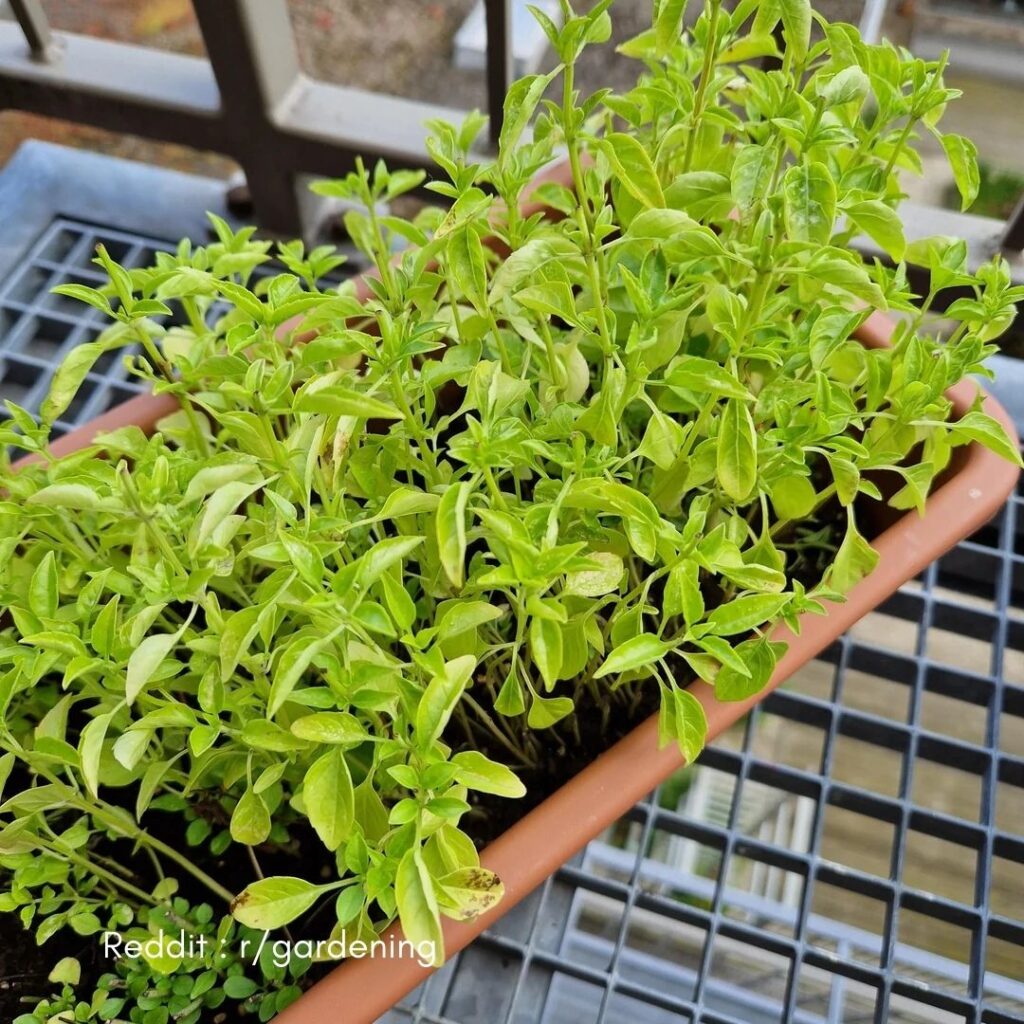
Basil is a fragrant herb that’s easy to grow and adds amazing flavor to dishes. Let’s look at its botanical profile, the different types, and why you might want to grow it.
Botanical Profile
Basil is part of the mint family, and it’s known for its aromatic leaves that are often used in cooking. This herb usually grows to about 1 to 2 feet tall. The leaves are smooth, broad, and usually green, although some varieties can have purple leaves.
Most types have small white or purple flowers. They bloom in the summer. 🌿 Fun fact: Basil’s scientific name is Ocimum basilicum. Many people don’t know that it can act as a great natural insect repellent. 😲
Varieties of Basil
There are many types of basil, each with a unique flavor and appearance. Here are a few popular ones:
- Sweet Basil: Probably what comes to mind when you think of basil. Great for pesto.
- Thai Basil: Has a spicy, licorice-like flavor and is used in Asian cuisine.
- Purple Basil: Adds a pop of color and a slightly spicy taste.
- Lemon Basil: Offers a zesty, lemony flavor perfect for fish dishes.
Which type is your favorite? 🌿😊
Benefits of Growing Basil
Growing basil is super rewarding. Here’s why you should consider planting it:
- It enhances the flavor of your favorite dishes. Imagine homemade pesto or fresh basil on your pizza! 🍕
- It’s great for your mental health. Gardening is known to reduce stress.
- Basil attracts pollinators like bees, which help your garden thrive.
- It’s easy to grow. You can plant it in pots, indoors, or in your garden.
Do you already grow basil, or are you excited to start? Share your thoughts in the comments! 🌿🚀
Getting Started with Basil
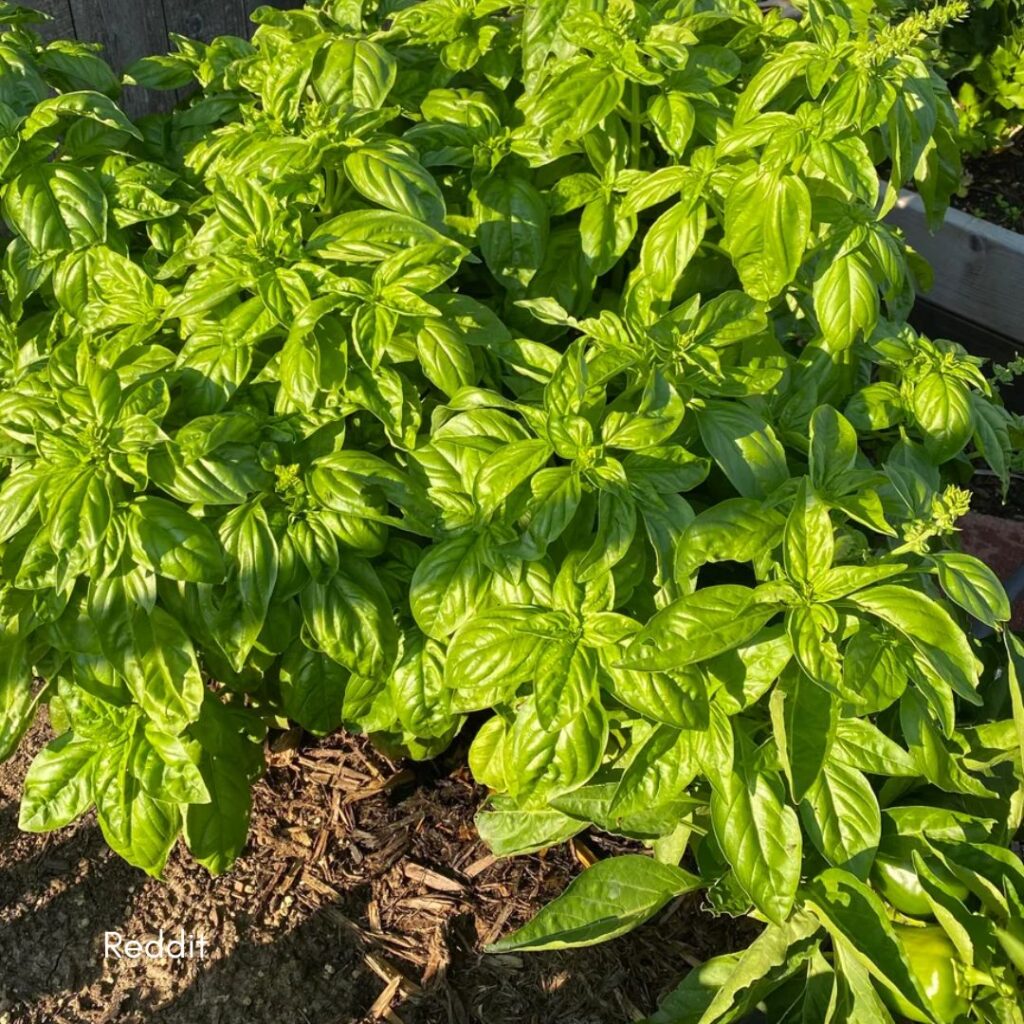
Basil is a fantastic herb to grow at home. It’s easy to start and adds fresh flavor to many dishes. Let’s dive into where to plant and how to select and sow your seeds.
Choosing the Right Spot
Basil loves sunlight. I recommend finding a place in your garden or balcony that gets at least 6 to 8 hours of direct sunlight every day. If you don’t have an outdoor space, a sunny windowsill can work too.
Good soil drainage is key for healthy basil. Make sure the soil is well-drained but still moist. You can mix in some compost for extra nutrients. 🪴
Do you have a favorite spot in your garden that gets lots of sun? Share in the comments! 🌞
Seed Selection and Planting
When picking seeds, look for varieties like Genovese for classic flavor or Purple Basil for a splash of color.
Plant the seeds about 1/4 inch deep in the soil and water them lightly. Keep the soil moist but not soggy. Basil thrives in temperatures between 70-90°F (21-32°C). Once the seedlings are about 2 inches tall, thin them out to allow about 6 to 12 inches of space between each plant.
Do you enjoy a particular type of basil? Share your picks! 🌿🌱
Caring for Your Basil Plants
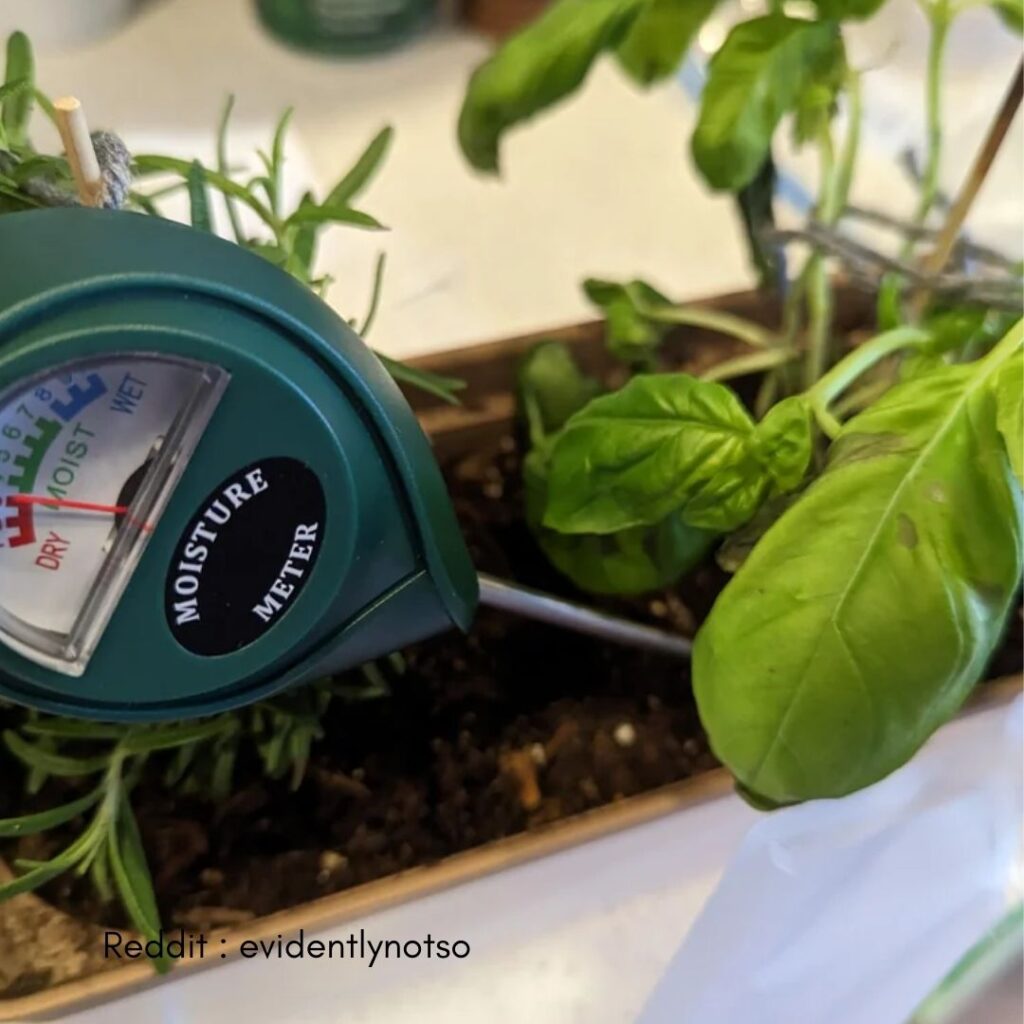
Basil is a delicious herb, but it needs proper care to thrive. Let’s talk about how to water, fertilize, prune, and harvest your basil plants.
Watering Essentials
Basil loves water, but too much can be harmful. I water my basil every 2-3 days to keep the soil moist, not soggy. When it’s really hot, I check the soil daily. If the top inch feels dry, it’s time to water. Overwatering can cause root rot. Are you guilty of this? Keep the leaves dry to prevent mildew. Morning watering is best because it gives the plant all day to dry out. 🌞
Soil and Fertilizer Preferences
Basil isn’t too picky about soil, but it does best in well-draining soil that’s rich in organic matter. Use a mix of potting soil and compost for nutrients. I feed my basil every 4-6 weeks with a balanced liquid fertilizer. Too much fertilizer can make the leaves less flavorful. Small amounts frequently work best for a happy, tasty plant. Have you ever seen a yellow leaf? That could mean the soil needs better drainage or less fertilizer.
Pruning and Harvesting Techniques
Pruning your basil helps it grow bushier and more robust. I pinched off the top leaves when the plant was 6-8 inches tall to encourage side shoots. Don’t be shy – regular pruning keeps the plant healthy. When harvesting, I always pick the leaves just above a pair of leaves or nodes. This helps new growth. If you see flowers, pinch them off! They can make the leaves bitter. How do you like to use your fresh basil? 🍃
Feel free to share your basil growing tips or questions in the comments! Happy gardening! 🌱
Troubleshooting Common Issues
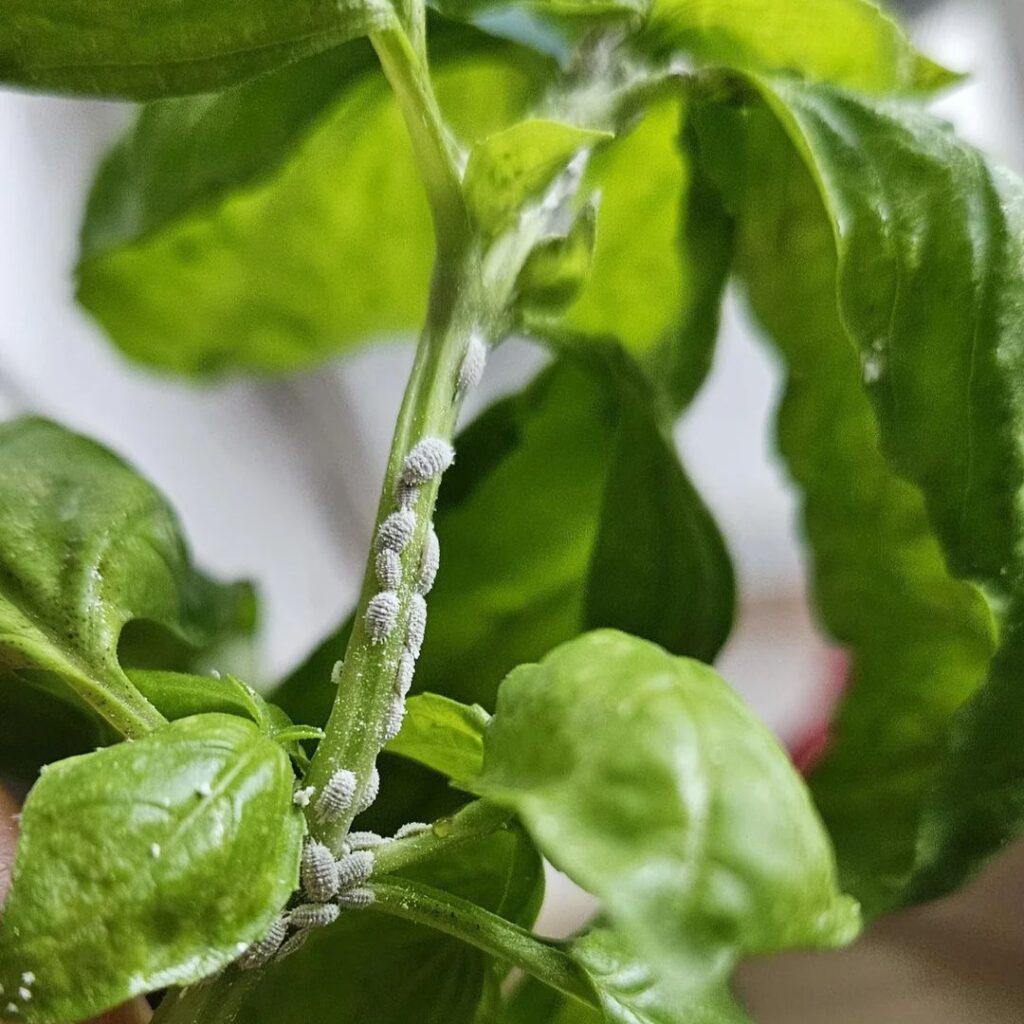
Keeping basil healthy can sometimes be tricky. Below, I’ll share some tips to fix common problems so your basil thrives.
Pest Management
Basil can attract pests like aphids, spider mites, and whiteflies. I’ve found that a simple mix of water and dish soap can help. Spray it on the leaves to get rid of these tiny intruders.
For a more natural solution, introduce ladybugs to your garden. They love to munch on aphids! 🐞
Watch out for slugs and snails, too. You can put out beer traps or use crushed eggshells around the base of your basil plant to deter them.
Disease Prevention
Fungal diseases like downy mildew and fusarium wilt can harm basil. Keeping the leaves dry is key.
Water at the base of the plant instead of from above. I also space my plants to improve air circulation.
If you spot any infected leaves, remove them right away. Adding mulch can also help by preventing water from splashing up onto the leaves, spreading disease.
Weather-Related Challenges
Basil loves warm, sunny days but hates the cold. If it’s too chilly, your basil might struggle. 🌡️
I always bring my basil indoors if the temperature drops below 50°F. A sunny windowsill works wonders.
On scorching days, don’t forget to keep the soil moist. Watering in the morning ensures the plant doesn’t dry out and wilt.
Have you had any basil-growing challenges? Share your tips in the comments! 🌿
Extending the Growing Season

Want to keep your basil thriving even when the weather cools down? I’ve got some great tips for you. Learn how to grow basil indoors and make the most of greenhouses to extend your growing season.
Indoor Cultivation Tips
Growing basil indoors is a game-changer for keeping fresh herbs all year round. 🌿 Start by choosing a sunny spot in your house. Basil loves light, so make sure it gets at least 6 hours of sunlight each day. Don’t have a sunny window? No problem! Use grow lights to supplement natural light.
Watering is key. Keep the soil moist but not soggy. Overwatering can cause root rot, so be careful. If you’re not sure when to water, stick a finger in the soil. If it feels dry, it’s time to water.
Temperature matters too. Basil thrives in warm conditions. Keep your indoor basil at a comfortable room temperature, ideally between 70-75°F. Drafts can harm your plants, so place them away from vents and open windows.
Using Greenhouses
Greenhouses are a fantastic way to extend the basil growing season. They provide a controlled environment that mimics warm, sunny conditions even during cool months. If you already have a small greenhouse or are thinking of getting one, you’re in luck!
Start by ensuring your greenhouse has good ventilation. Proper airflow prevents mold and mildew, which can harm your basil. Use fans or vents to circulate air.
Temperature control is crucial. Keep the temperature steady between 70-80°F. Use heaters when necessary to maintain warmth during cooler nights or days. Basil loves this consistent warmth.
Don’t forget about humidity! Basil prefers a humid environment. You can use a humidifier in the greenhouse or place trays of water near your basil plants. This helps keep the air moist, encouraging healthy growth.
What tricks do you use to keep your basil thriving? Share your tips and stories in the comments! 🌱✨
Enjoying Your Harvest
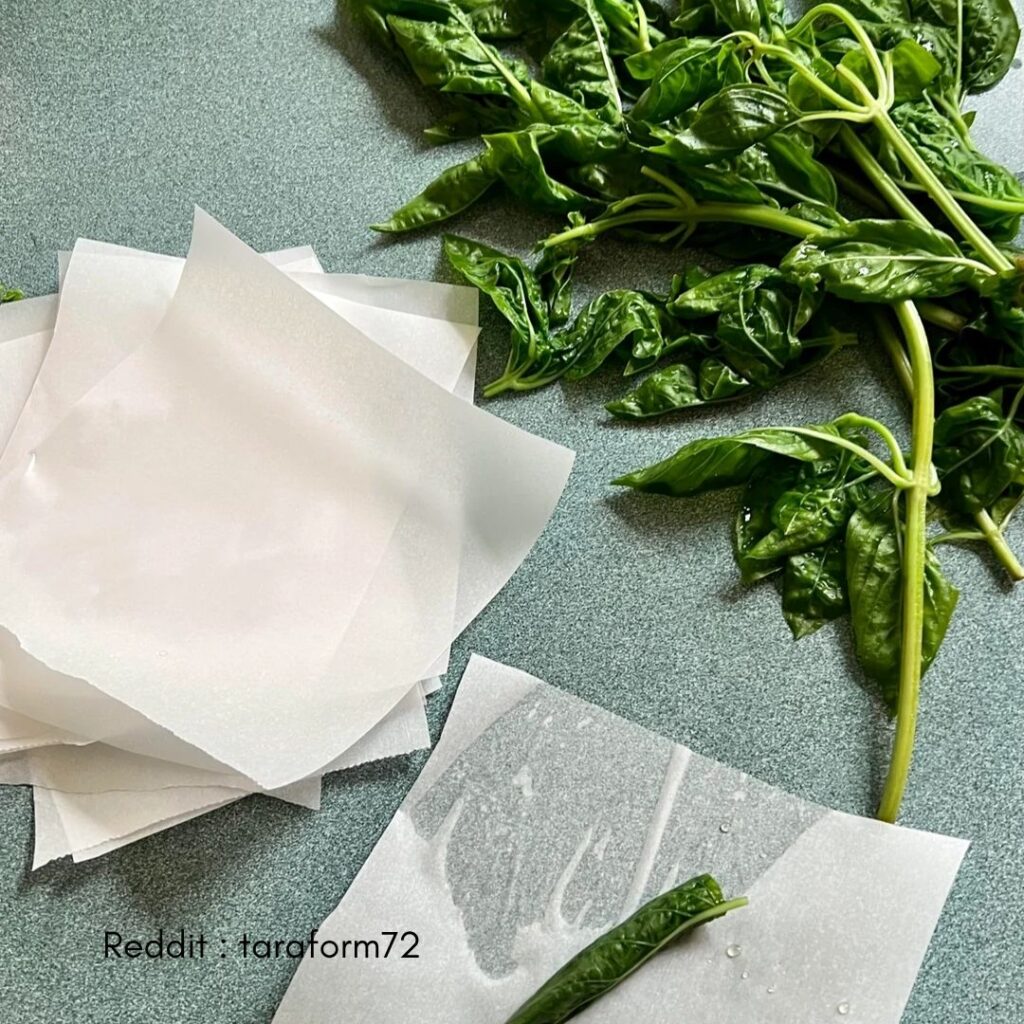
Once you’ve harvested your basil, there are some great ways to preserve it and use it in your kitchen. From drying leaves to making delicious recipes, let’s get the most out of your fresh basil! 🌿
Preserving Basil
One of my favorite ways to keep basil fresh is freezing it. Just chop the leaves, mix them with a bit of olive oil, and freeze in ice cube trays.
Drying basil is also super easy. Hang the stems upside down in a warm, dry place, and in a couple of weeks, you’ll have dried basil ready to crumble into your meals.
If you have a lot of basil, try making pesto. Blend basil leaves with garlic, pine nuts, Parmesan cheese, and olive oil. You can freeze this for future use too!
How do you like to preserve your basil? Share your methods in the comments! 😊
Cooking with Basil
Basil is a superstar in the kitchen! 🍳 One simple way I use it is in caprese salad. Slice tomatoes and mozzarella, then add fresh basil leaves and a drizzle of balsamic glaze. It’s so refreshing!
Have you tried basil in pasta? Spaghetti with fresh basil and a light tomato sauce is delicious. Just mix cooked pasta with diced tomatoes, minced garlic, olive oil, and fresh basil leaves.
Another tasty dish is basil lemonade. Blend fresh basil with lemonade for a surprising twist that’s perfect for hot days.
What’s your favorite basil recipe? Let me know below! 🌱
Frequently Asked Questions
Let’s tackle some common questions about growing basil. You’ll find tips on watering, soil, indoor growing, light needs, propagation, and supermarket basil care. 🌿
How to properly water a basil plant to ensure healthy growth?
Water the basil only when the top inch of soil feels dry. Avoid overwatering to prevent root rot. Aim for thorough watering until you see water draining out the bottom.
What soil composition is best for planting basil in pots?
Use a well-draining potting mix that retains some moisture but doesn’t stay soggy. Adding a bit of perlite can improve drainage.
Can basil grow effectively indoors, and if so, how?
Yes, basil can thrive indoors! Place it in a sunny spot with at least 6 hours of direct sunlight. If natural light is scarce, use grow lights to supplement.
What are the light requirements for sustaining a healthy basil plant?
Basil loves light! Make sure your plant gets 6-8 hours of sunlight daily. A south-facing window is ideal. Without enough light, basil may become leggy and weak.
What are the steps to propagate basil from cuttings?
Snip a healthy stem just below a leaf node. Remove lower leaves and place the cutting in a glass of water. Change the water every few days. Roots should appear in about a week. Then, plant the new basil in soil.
How do you care for a basil plant purchased from the supermarket to keep it thriving?
Replant your supermarket basil in a larger pot with fresh soil. Trim it regularly to encourage bushier growth. Make sure it has adequate light and water. Don’t forget to share your basil tips in the comments! 🌱