
I reach for asters when I want real color at the tail end of the season. These daisy-like flowers light up the garden just as summer gives up, and they keep bees and butterflies busy right through autumn.
If you like the idea of long-lasting blooms without much fuss, asters are worth a shot. They’re easy to care for and genuinely cheerful.
Healthy asters need full sun, well-drained soil, and steady watering as they settle in. I’ll break down the main types in the aster genus, including michaelmas daisies, and how they fit into the Asteraceae family.
Choosing the right aster for your space and climate makes a big difference. There’s more variety than most people realize.
Aster Types and Botanical Classification
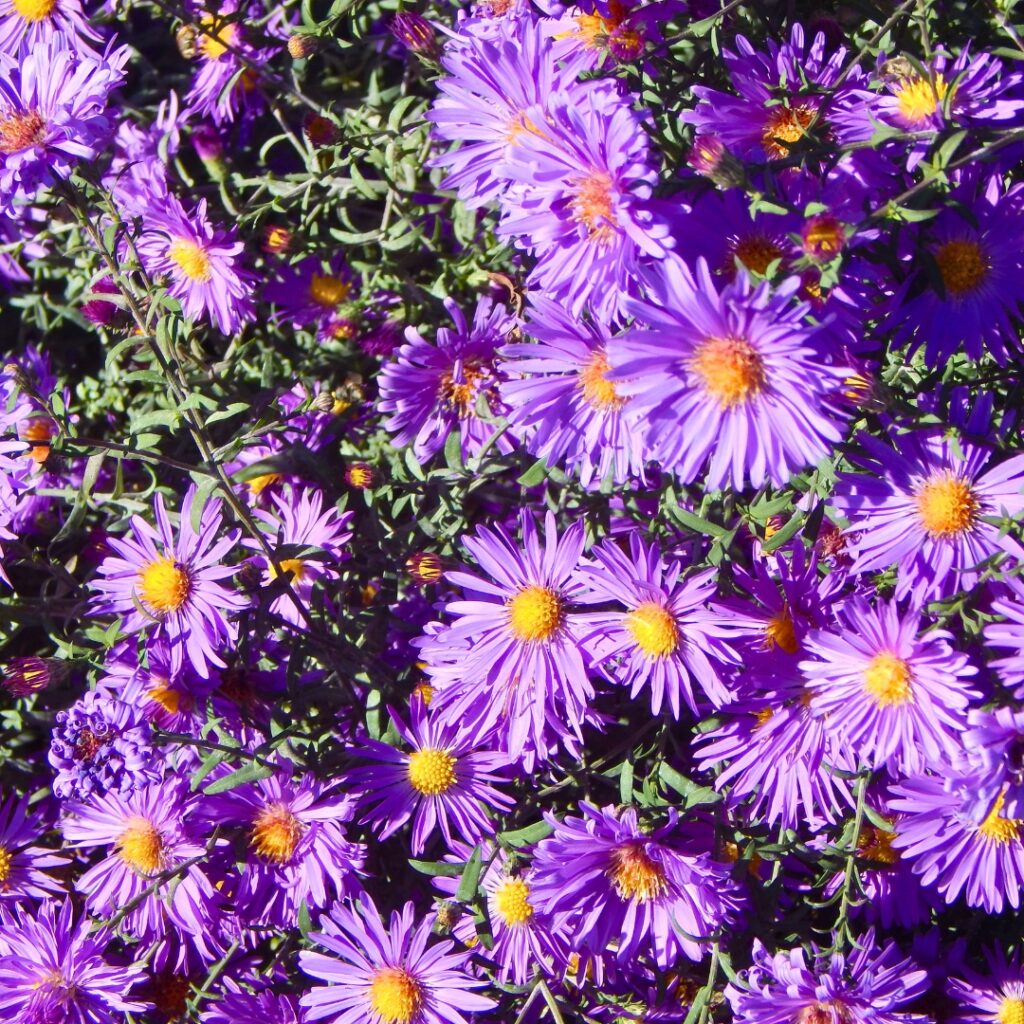
Asters come with a lot of names, species, and confusing look‑alikes. I sort them by what gardeners actually grow, new genus names, and whether they’re perennials or annuals.
Common Varieties and Species Gardeners Actually Grow
When I say “aster,” I’m usually thinking of fall‑blooming perennial asters. The crowd favorites are New England aster (Symphyotrichum novae-angliae) and New York aster (Symphyotrichum novi-belgii).
New England types shoot up 3–6 feet with hairy stems and purple‑pink flowers. New York asters stay a bit shorter, and their leaves feel smoother.
I spot blue wood aster, calico aster, heath aster, and aromatic aster in native gardens. Blue wood aster tolerates part shade, heath aster has delicate, airy leaves, and aromatic aster smells spicy if you crush a leaf—kind of a surprise if you’re not expecting it.
China aster (Callistephus chinensis) is a different animal. It’s an annual, not a true aster from Aster spp. or Symphyotrichum spp.. People grow it for loud summer color.
Quick Tip: Always check the tag for the full Latin name. It tells you more than any common name ever will.
Understanding Genus Changes and Why Labels Now Say Symphyotrichum
Botanists moved most North American asters out of the old genus Aster. Now they’re in Symphyotrichum, sometimes Eurybia. So, when I buy New England aster, the label reads Symphyotrichum novae-angliae now, not Aster novae-angliae.
This shift helps scientists group plants by actual traits, not just flower shape. Garden centers usually stick with “aster” on the tag since that’s what people recognize.
I treat Symphyotrichum spp. just like I did with the old “aster” listings. Nothing about care changes just because the name did.
Quick Tip: If you’re searching online, try both names—the old Aster and the newer Symphyotrichum. You’ll get more results that way.
Perennial and Annual Differences That Affect Care and Bloom Time
Most garden asters in cold places are perennials. They die back after frost and return in spring from the roots. New England, New York, heath, and aromatic asters all fit here.
China aster acts as an annual. I sow it after the last frost, and it blooms through summer. It won’t survive winter if you get freezing weather.
Perennial asters usually bloom from late summer into fall. Some folks call them Michaelmas daisies because they flower around the Michaelmas holiday in late September.
Quick Tip: If you want flowers year after year with less hassle, go for perennial asters. In warm zones, make sure summer heat won’t stress them out.
Name Origins, “Michaelmas Daisy,” and Other Nicknames Explained
“Aster” comes from the Greek word for “star.” The flower heads do look like little stars with a yellow center.
In the UK, people say Michaelmas daisy or Michaelmas daisies. Sometimes you’ll hear frost flower since the blooms handle a touch of frost.
Common names can get you in trouble. “Blue aster” might mean blue wood aster or something else entirely. I stick to the Latin name—like Symphyotrichum novi-belgii or Eurybia divaricata—to avoid confusion.
Quick Tip: When shopping, match the nickname to the Latin name on the tag. It’ll save you from planting the wrong thing in the wrong spot.
Planning and Planting Asters in the Garden
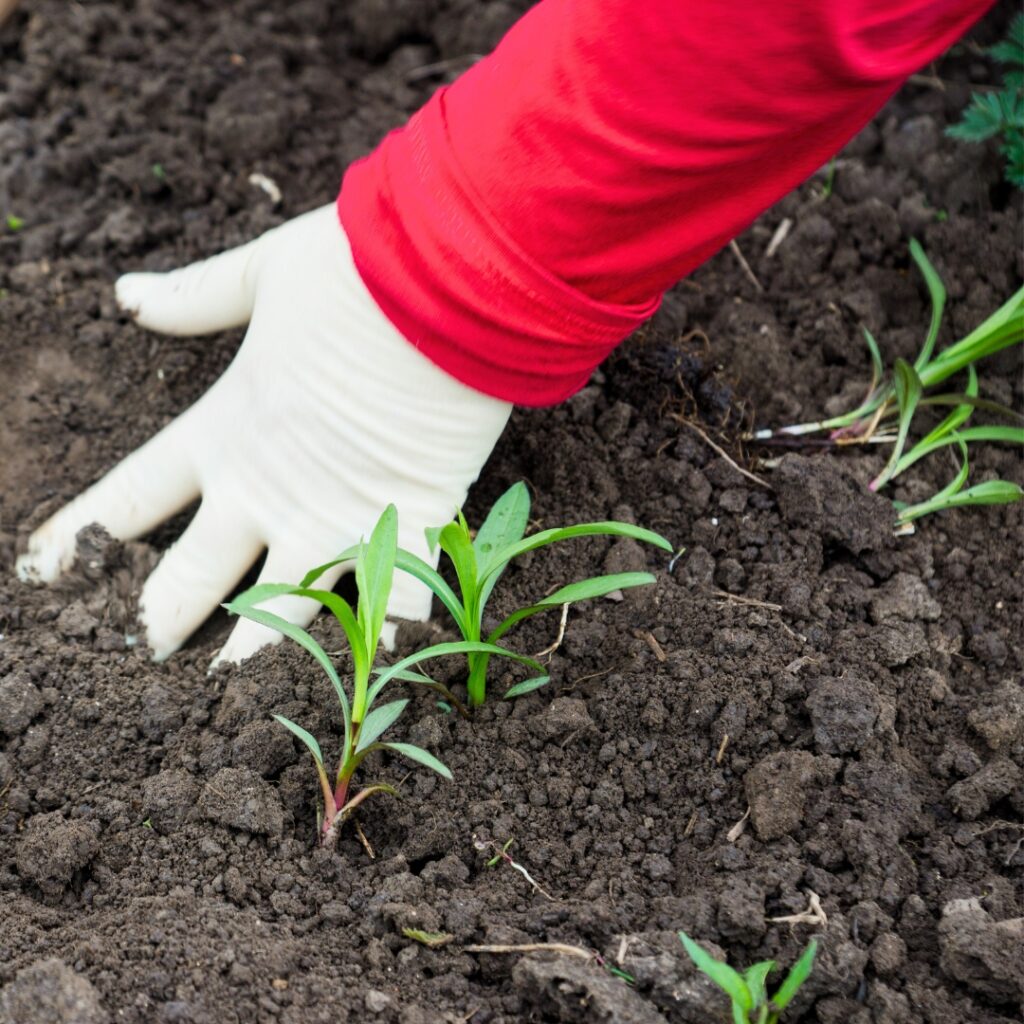
Before I plant asters, I think ahead so they’ll bloom strong and stay tidy. Getting the light, soil, and spacing right makes everything easier and dodges problems down the road.
Site Selection and Light Needs for Strong Stems and Full Blooms
Sunlight is non-negotiable. Most asters need at least 6 hours of direct sun per day to really perform.
In cooler zones (3–6), I give them full sun all day. In hotter zones (7–9), I let them have a bit of afternoon shade so the leaves don’t fry.
Asters look great in perennial borders, wildflower patches, and rock gardens. I put taller types at the back, shorter ones along the edge so nothing gets crowded out.
Good air flow is key. I skip tight corners or spots up against fences where air can’t move. Still, damp air brings on mildew.
Quick Tip: If stems lean or blooms are puny, the plant probably needs more sun.
For container asters, I put the pots where they’ll get steady sun and spin them every week so growth stays balanced.
Soil Preferences and Preparation for Healthy Root Growth
Asters want well-draining soil. Soggy, heavy soil can rot roots, especially in winter.
Loamy soil that crumbles in your hand is ideal. If I’m stuck with clay, I mix in compost to loosen things up. Sandy soil? Compost helps it hold water.
Before planting, I loosen the top 8–10 inches of soil. Roots spread easier that way.
I avoid over-fertilizing. Too much richness makes stems floppy and flowers sparse.
Quick Tip: After rain, check the area. If water pools for more than an hour, you’ll need to improve drainage.
For potted asters, I use a good potting mix—never garden soil. Pots need drainage holes, or you’re asking for trouble.
Spacing and Planting Techniques That Prevent Crowding and Disease
Spacing matters. I set most asters 12–24 inches apart, based on how wide they’ll get.
Crowding traps moisture between leaves, and that’s mildew’s best friend.
When planting, I dig a hole as deep as the root ball and twice as wide. The top of the root ball should sit level with the soil surface.
I firm the soil in gently and water deeply right away to settle the roots.
Quick Tip: If the top inch of soil feels dry, water slowly at the base—not over the leaves.
Every couple of years, I divide asters in early spring or fall. Dividing keeps the center from getting woody and helps the plants put on a better show.
Caring for Aster Plants
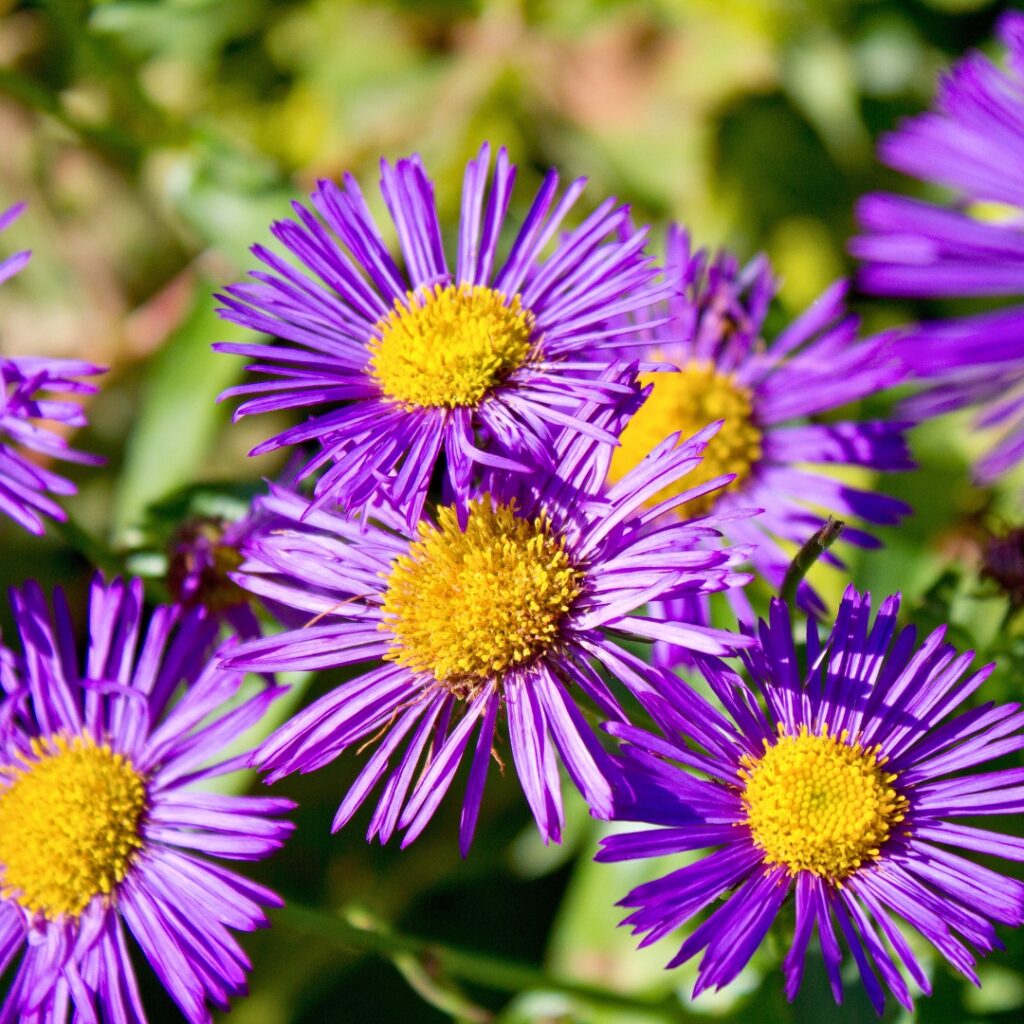
I keep my asters healthy by staying consistent with water, soil, sun, and a bit of pruning. When I nail these basics, asters are about as easy as it gets.
Watering Schedule and Moisture: How I Keep Soil Evenly Moist Without Overdoing It
I water asters deeply but not too often. I just stick my finger in the soil—if the top inch feels dry, it’s time to water.
Most asters want about 1 inch of water per week, from rain or me. If it’s hot and dry, I water more. If it’s cool or wet, I back off.
I aim the water at the base, not over the leaves. Wet leaves invite mildew, especially in muggy weather. Mornings work best so plants dry out by evening.
I always plant in well-draining soil. Asters hate soggy roots. If water lingers for hours, I fix the drainage or move the plant.
I spread 2–3 inches of mulch around the base. Mulch keeps moisture steady and cools the roots when it’s blazing out.
Quick Tip: If the soil feels wet and heavy a couple days after watering, you’re watering too much.
Fertilization and Soil Amendments: Feeding Asters Without Creating Weak Growth
I go light on fertilizer. Too much makes stems tall and floppy, and flowers get sparse.
In early spring, I mix in compost. It improves soil structure, adds slow nutrients, and helps drainage if the ground’s heavy.
If I need to, I use a balanced fertilizer like 10-10-10 once in spring. High-nitrogen feeds push leaves, not flowers, so I avoid those.
If plants look pale mid-season, I might give a tiny boost. I stop feeding by late summer—late fertilizer can mess with bloom timing.
Every couple of years, I divide asters in early spring or fall. Fresh soil and more space mean better blooms and less disease.
Quick Tip: Floppy stems and few buds? Ease up on the fertilizer.
Sunlight and Temperature Considerations: Giving Asters the Right Light for Strong Blooms
I plant asters where they’ll get full sun—6–8 hours of direct light daily. More sun, more flowers, plain and simple.
In hot southern zones, I give them a touch of afternoon shade to keep leaves from burning. Up north, I go for full sun all day.
If asters sit in partial shade, they stretch for light. Stems thin out, and blooms shrink. I’ll stake them if I have to, but better light fixes the problem.
Air flow matters too. I space plants about 1–3 feet apart, depending on the type, to keep mildew at bay and leaves dry.
Quick Tip: If your aster leans dramatically in one direction, it wants more sun.
Pruning and Deadheading: Shaping Plants for More Flowers and Less Flop
I pinch back young asters in late spring, taking 1–2 inches off the tips. This encourages branching and a bushier plant.
More branches mean more buds. Plus, the plant stays shorter and less likely to flop.
During bloom, I deadhead spent flowers to keep things tidy and sometimes squeeze out a few extra blooms.
After frost blackens the leaves in late fall, I cut stems down to a few inches above the ground. In cold zones, I toss on a thin mulch layer for winter protection.
If plants get crowded or look weak, I divide them next season.
Quick Tip: Pinch early in the season—if you wait until buds form, you’ll just delay the show.
Blooming, Flower Features, and Seasonal Impact
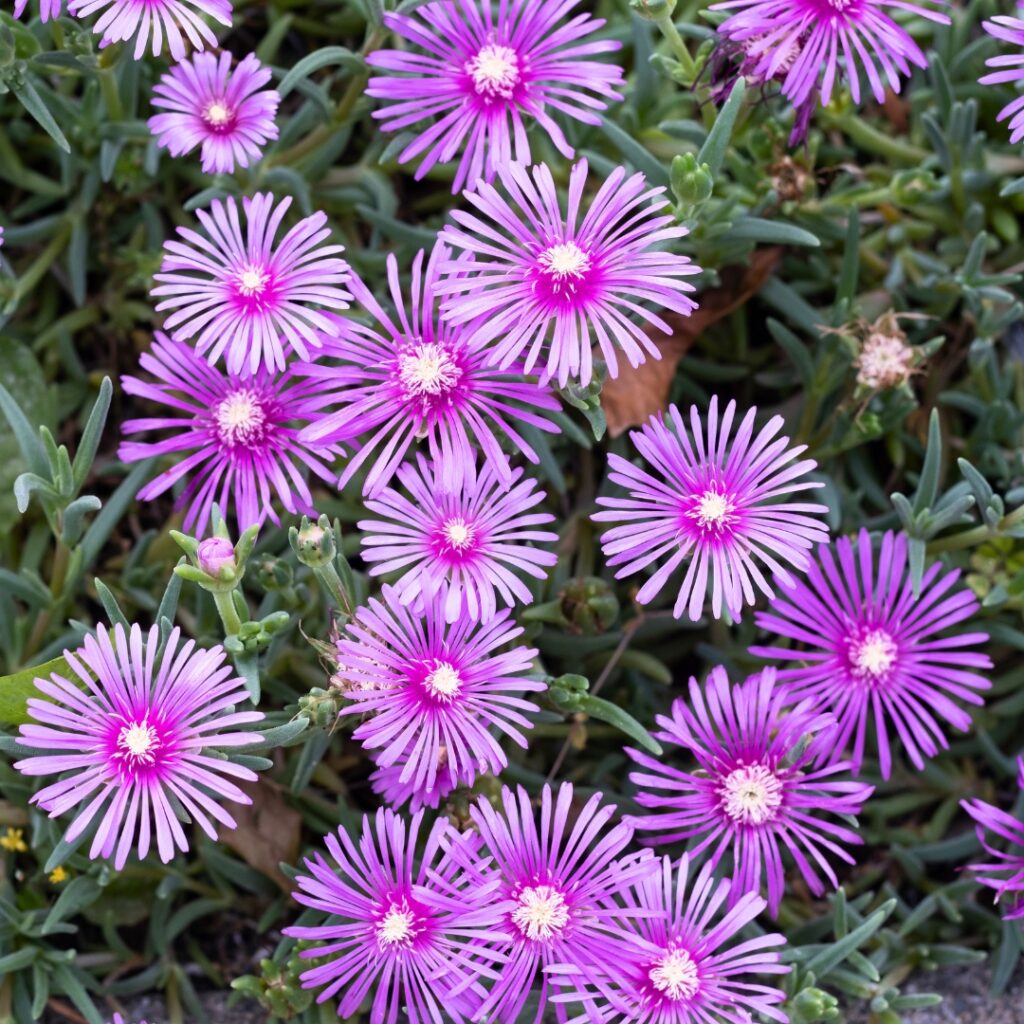
Asters bring bold color when most flowers have packed it in. I love their long fall bloom, classic daisy look, and the steady buzz of bees and butterflies they pull in.
Flowering Period and Color Range That Brightens the Fall Garden
Most asters start blooming in late summer and really hit their stride in early to mid-fall. Around here in Zone 6, I usually see flowers from August through October, and some michaelmas daisies keep going until the first light frost sneaks in.
Their daisy-like blooms have a bright yellow center with thin petals stretching out. You’ll find purple, blue, pink, white, and sometimes a soft red—though purple and blue seem to glow the most when autumn light gets low.
Hot weather can push bloom time back, especially farther south. In warm climates, I always tuck them where they catch morning sun but get a break from the harsh afternoon rays, just to help the flowers last.
Quick Tip: If your asters shoot up tall and leafy but skip blooming, pinch the stems back by about a third in early summer. You’ll get more branches and a much better show.
Pollinator Value in the Garden When Few Other Flowers Bloom
Asters do a lot for pollinators when the rest of the garden starts winding down. On warm fall afternoons, I’ll spot bees and butterflies crowding the flowers, sometimes more than I’d expect.
The open, flat centers make it easy for pollinators to land and feed. Native bees, honeybees, and even the tiniest butterflies can hop from flower to flower with almost no effort.
That late-season nectar is a lifesaver for pollinators gearing up for winter. In places where frost comes early, this feels extra important.
Grouping asters together works better than dotting single plants around. Bigger clumps pull in more insects and make a stronger color splash.
Quick Tip: Skip spraying anything—yes, even organic stuff—while asters are blooming. Bees don’t need the extra trouble.
Using Asters for Cut Flowers That Last Indoors
I like to cut aster flowers just as they open and the centers look vivid yellow. Stems snipped at this stage seem to last longer in a vase for me.
Pick sturdy stems with a few buds. The open blooms give instant color, and the tight buds keep opening for days indoors.
Pull off the lower leaves so nothing sits in the water. I swap out the water every couple of days to keep things fresh and stems firm.
Asters look great with ornamental grasses and late roses in fall bouquets. Their small, daisy-like blooms add texture without stealing the show.
Quick Tip: Cut stems early in the morning, while they’re cool and crisp. Hydrated stems just hold up better inside.
Popular Uses and Landscape Design
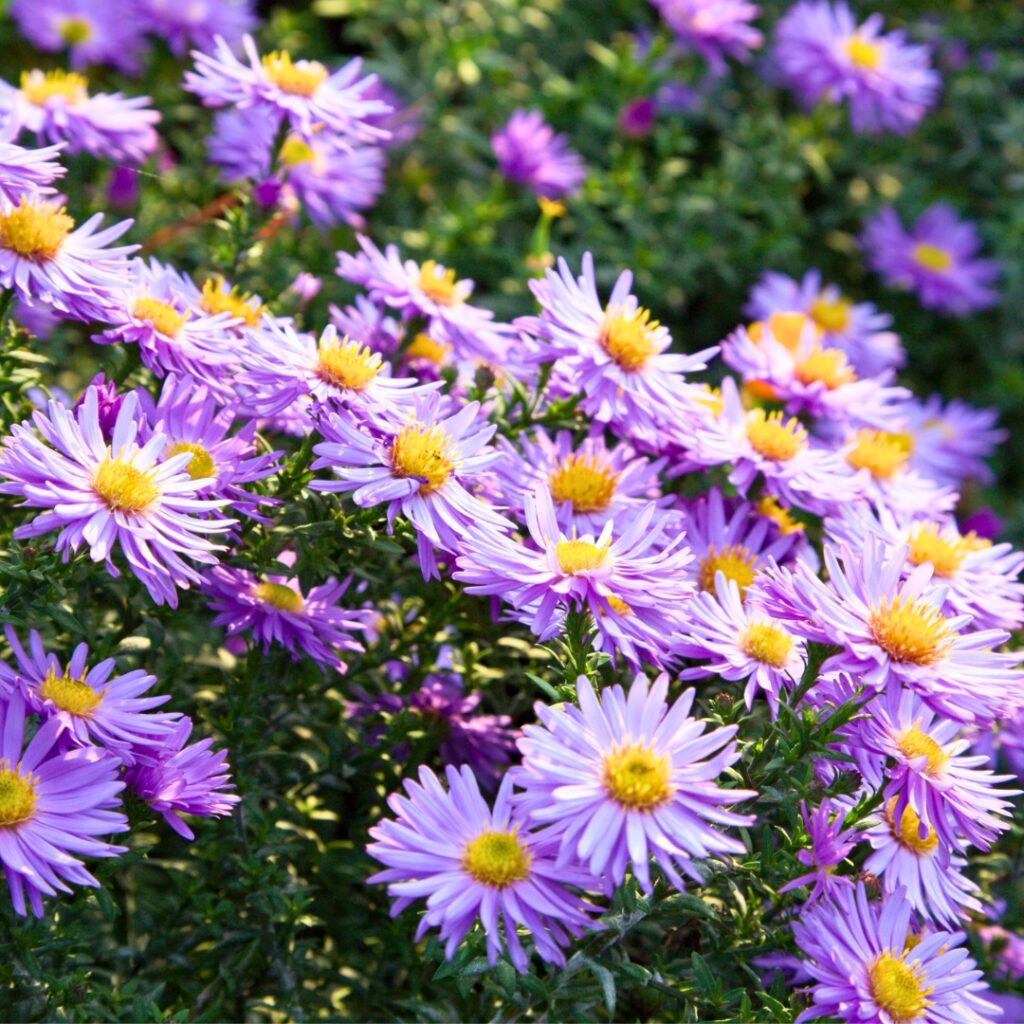
I lean on asters for steady color in late summer and fall, right when the rest of the garden starts to fade. They work in perennial borders, containers, or in looser plantings with a wildflower vibe.
Borders and Companion Planting for Long-Lasting Color and Pollinator Power
I plant asters mid-border or toward the back, where their height fills in gaps after summer flowers slow down. They look right at home next to sedum, ornamental grasses, or black-eyed Susans.
Those soft purple, blue, and pink shades blend easily with autumn’s warmer hues. I usually plant three to five together for a nice block of color—spreading them out too much just doesn’t have the same impact.
Asters really shine in a pollinator garden too. Bees and butterflies stick around as long as the flowers last.
Quick Tip: Pinch back tall asters in early summer to keep them shorter and bushier, especially if wind’s an issue where you garden.
In hot zones, I give them some afternoon shade. Up north, full sun gets the best bloom.
Asters in Containers and Potted Displays That Brighten Patios and Entryways
I like asters in containers for a pop of color near doors or patios. Compact types are best for potted asters—they stay tidy and don’t flop everywhere.
I use pots with drainage holes and a basic potting mix. The soil needs to stay lightly moist, not soggy. If the top inch dries out, I water.
For fall pots, I mix asters with pansies, small grasses, or trailing ivy. It keeps the display interesting even after the main bloom passes.
Quick Tip: Pots at least 10–12 inches wide give roots room to spread.
In cold climates, I treat potted asters as seasonal unless I can protect the pot from freezing. Roots in containers freeze way faster than those in the ground.
Naturalizing and Mixing with Other Perennials for a Relaxed, Wildflower Look
I let some asters wander in open spots for a softer, more natural look. They fit right into wildflower gardens or along the edge of a lawn.
Coneflowers, goldenrod, and native grasses mix in well. The combo keeps pollinators busy and the view lively with color and movement.
For rock gardens, I pick low-growing types that stay compact. They sneak between stones and soften hard lines.
Quick Tip: I split clumps every couple of years to control spread and keep blooms coming strong.
In rainy areas, I space them out for better airflow and less mildew. In dry spots, a light mulch holds moisture—just keep it off the crown.
Common Problems and How to Prevent Them
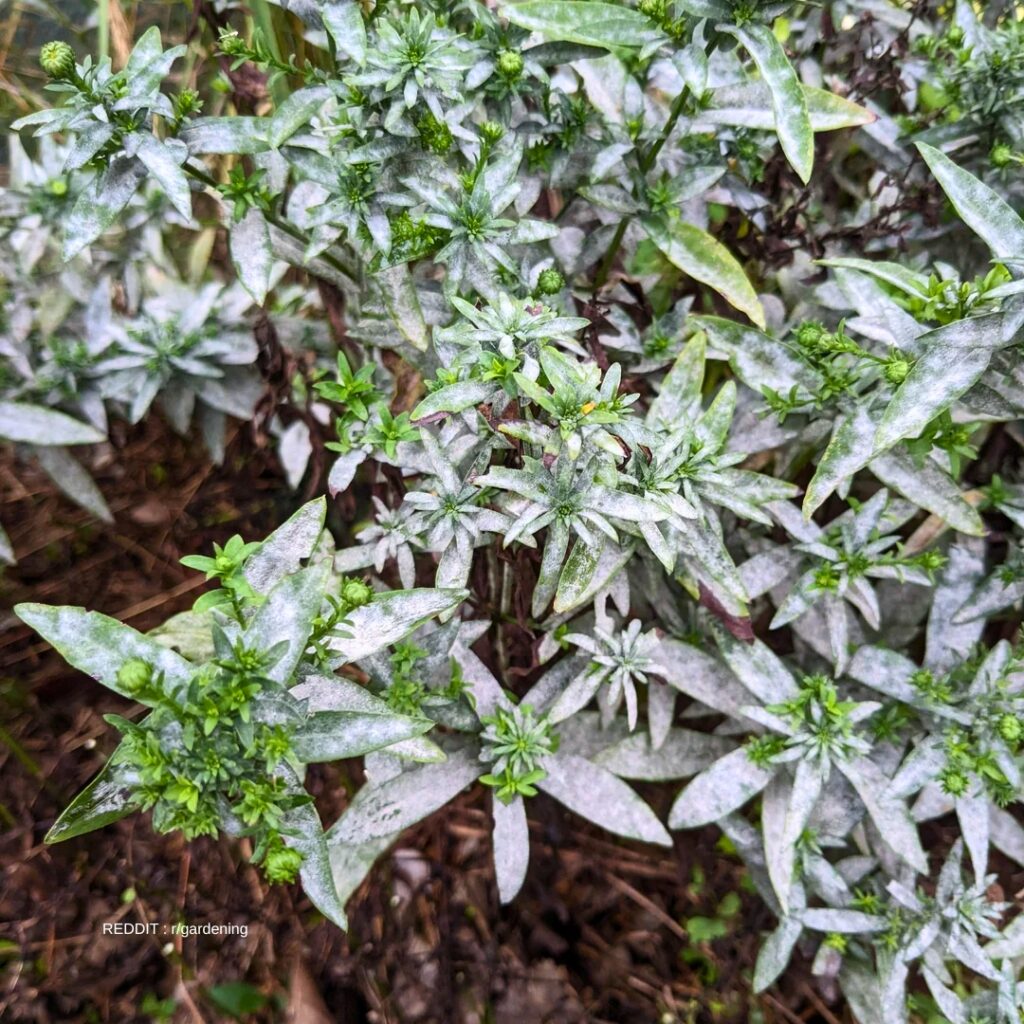
Asters hold up well when I spot problems early and act fast. Most trouble comes from damp leaves, crowding, soggy soil, or forgetting basic upkeep.
Fungal Diseases and Pest Issues That Damage Leaves, Stems, and Blooms
Powdery mildew looks like a white, dusty layer on leaves. It spreads quickly when days are warm and nights cool, usually late summer. I space plants 12–18 inches apart and always water at the base, not overhead.
Rust shows up as orange or brown spots under leaves. Fusarium wilt turns leaves yellow and can cause sudden collapse, usually starting at the soil line. I pull sick plants as soon as I spot them and never compost the remains.
Aster yellows warps growth and makes flowers go green. Leafhoppers spread it, so I yank affected plants right away.
Aphids gather on soft new tips and leave sticky messes. Slugs and snails chew holes at night if I’m not paying attention.
Quick Tip: Water early, keep leaves dry, and check under leaves once a week for trouble.
After a rainy stretch, especially in humid areas, I stay extra alert. Clean tools and good airflow really do help.
Managing Environmental Stresses Like Heat, Drought, and Poor Drainage
Asters hate wet feet. Soggy soil leads straight to rot and fusarium wilt. I plant in well-drained beds and mix in compost to help the soil breathe.
When it gets hot, leaves might droop by afternoon. If the soil feels dry an inch down, I water deep at the base. In cooler areas, I water less but still check the soil before reaching for the hose.
Too much shade makes stems weak and cuts down on blooms. About six hours of sun keeps them sturdy. In really hot southern gardens, a bit of afternoon shade saves the flowers from burning.
Wind can flatten tall types, so I stake them early—before a storm sneaks up.
Quick Tip: Stick a finger in the soil; if it’s dry an inch down, it’s time to water.
Healthy roots deal with stress better, so I always focus on soil and sunlight first.
Division for Health and Longevity So Plants Stay Vigorous and Bloom Well
Asters slowly form big, dense clumps. Crowded centers bloom less and trap moisture, which brings disease. Every two or three years, I dig up and divide them in early spring or fall.
I slice the clump into smaller pieces with healthy roots and shoots, tossing out any woody or dead bits.
I plant divisions back at the same depth and water well. If it’s hot, I mulch to hold moisture but keep it away from the stems.
Quick Tip: If the blooms shrink or the center’s bare, it’s time to divide.
Frequently Asked Questions
Asters bloom in late summer and fall, come back every year in most climates, and do best with full sun and steady moisture. I time planting right, keep them in check, and tweak care for beds or pots so they stay full of flowers.
When is the best time to plant asters in the garden for strong roots and full fall blooms?
I plant perennial asters in early spring, once frost has passed. That way, roots get settled before any summer heat rolls in.
If the climate’s mild, I’ll also plant in early fall, about six to eight weeks before the first frost. The soil’s still warm and roots grow quickly.
Hot, dry weather stresses new plants, so I skip planting during heat waves.
Quick Tip: Plant on a cool, cloudy day and water right after planting to help them settle.
Are asters perennials, and do they come back every year in most climates?
Most garden asters are perennials in zones 3–8. They die back after frost, then pop up again in spring from the same roots.
I cut dead stems down to a few inches after a hard frost. In cold areas, I throw on a thin mulch for winter protection.
Some asters sold in fall are annuals, not perennials. Always check the tag before buying.
Quick Tip: For plants that return each year, pick hardy perennial varieties—skip the florist or bedding types.
What month do asters usually start blooming, and how long do they flower in the fall garden?
Most asters kick off in August or September. In warmer spots, they stretch into October.
I get four to six weeks of flowers if I keep up with watering and deadheading. The blooms stay bright and papery, even as nights cool down.
Shade can slow down blooms, so I stick with full sun for the best display.
Quick Tip: Pinch stems back in early summer to delay bloom a bit and get bushier, longer-lasting flowers in fall.
How tall do asters typically grow, and do they need staking to stay upright?
Asters range from one to four feet tall, depending on the variety. Tall types can flop under all those blooms.
I stake tall plants early, before they start leaning. Shorter types usually hold up on their own.
Wind and heavy rain can knock them over, so I sometimes plant tall ones near fences or sturdy neighbors for backup.
Quick Tip: Pinch stems back by a third in late spring to keep plants a bit shorter and sturdier.
Do asters spread over time, and how can I keep them from taking over my garden beds?
Perennial asters spread by roots, and one clump can double in size over a few years.
I divide my asters every couple of years in spring. I dig up the clump, cut it into healthy sections, and replant the good outer pieces.
If I skip dividing, the center gets thin. Division keeps the plants full and stops them from taking over.
Quick Tip: Give each divided chunk about 18–24 inches of space to avoid crowding later on.
How do I care for asters in pots to keep them healthy and blooming all season?
Asters in pots get thirsty a lot faster than those planted in the ground. I poke my finger into the top inch of soil—if it’s dry, I water until I see it coming out the bottom.
Always use a pot with drainage holes. A quality potting mix makes a difference, too.
Soggy soil spells trouble, especially when the weather turns cool and damp. Root rot can sneak up on you if you’re not careful.
Potted asters really crave sunlight. I aim for at least 6 hours a day.
If you’re gardening where summers get scorching, I’d move the pots somewhere they catch a bit of afternoon shade.
Quick Tip: I feed my potted asters with a balanced liquid fertilizer every couple of weeks while they’re growing. That keeps the blooms coming and the plants looking lively.