
Poinsettias can irritate cats and dogs, but they rarely cause serious poisoning. If your pet chews this bright Christmas flower, I know it can feel alarming.
The milky sap may cause drooling, mouth irritation, vomiting, or an upset stomach.
Quick Tip: I’d remove the plant, wipe any sap from your pet’s mouth or fur, and call your vet if symptoms continue or seem severe.
I’ll help you spot warning signs and keep holiday plants and decorations out of reach.
The Short Answer: Mild Risk, Not a Deadly Emergency
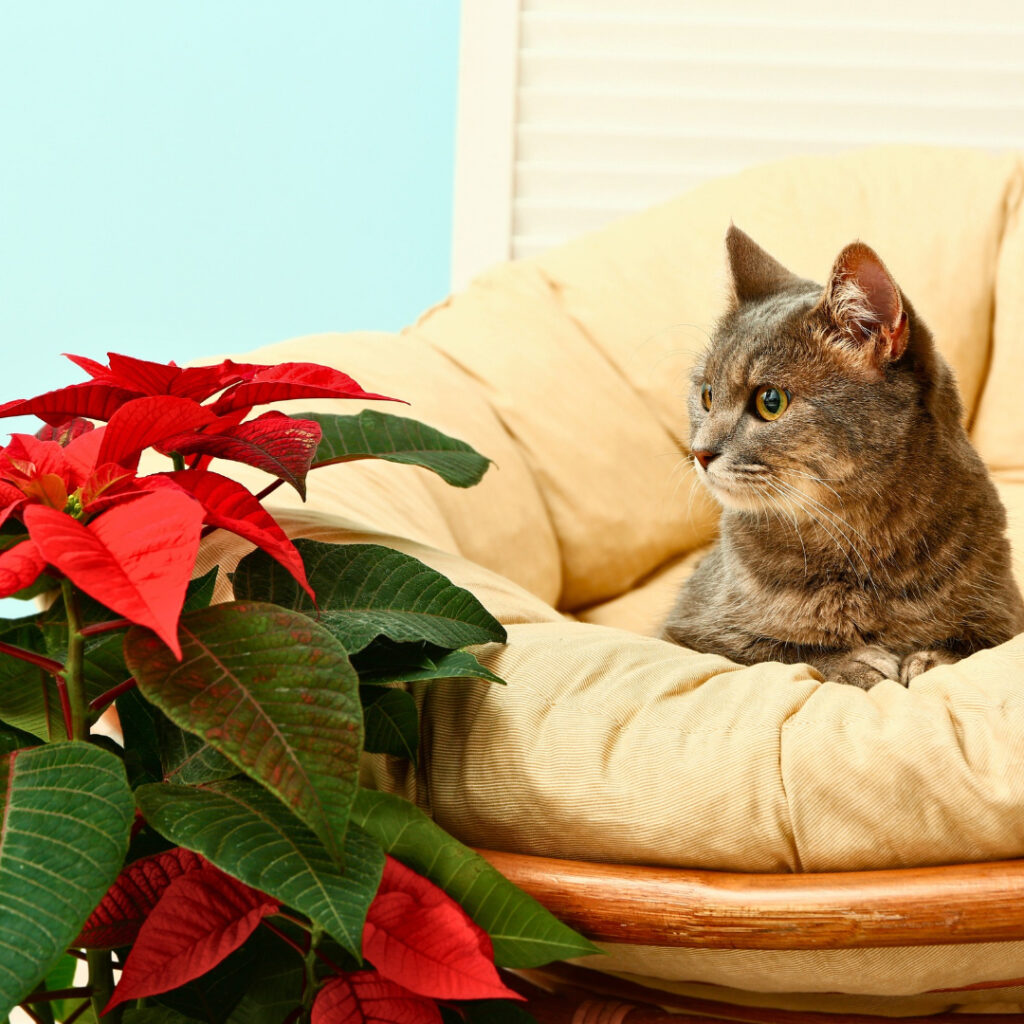
Poinsettias are mildly toxic plants, not usually a life-threatening poison for cats or dogs.
I’d still keep Euphorbia pulcherrima out of reach because its sap and leaves can cause an unpleasant stomach upset.
What Veterinary Sources Say About Toxicity
The ASPCA lists poinsettias as toxic to cats and dogs, but the usual effects are mild. If a pet chews leaves or stems, it may drool, vomit, or have diarrhea.
The white, milky sap can also irritate the mouth, skin, or eyes. Purdue University notes that poinsettias have low toxicity.
A cat or dog would need to eat a large amount before serious problems became likely. Most pets stop after a few bites because the plant tastes bitter and the sap feels irritating.
Quick Tip: If my pet eats poinsettia, I remove plant pieces from its mouth, offer water, and watch for vomiting, heavy drooling, or eye irritation.
I call my veterinarian or a pet poison service if symptoms are severe, last more than a few hours, or involve trouble breathing.
Why the Poinsettia Myth Persists
The idea that poinsettias are deadly toxic to cats and dogs has circulated for decades. It grew from an old report about a child’s death that was linked to eating poinsettia leaves, but later reviews didn’t prove the plant caused the death.
That story stuck because poinsettias have bright red bracts and white sap. They look dramatic, and the sap can sting sensitive skin or upset a pet’s stomach.
Still, “toxic to cats” doesn’t always mean “deadly.” Quick Tip: I treat poinsettias like any plant my pet shouldn’t chew, even though panic isn’t needed after a small bite.
Cats may nibble indoor plants out of boredom. Dogs may chew fallen leaves or pots.
Keeping the plant on a high shelf or in a pet-free room helps prevent the mess, the bitter taste, and a possible upset stomach.
What Makes Poinsettias Irritating
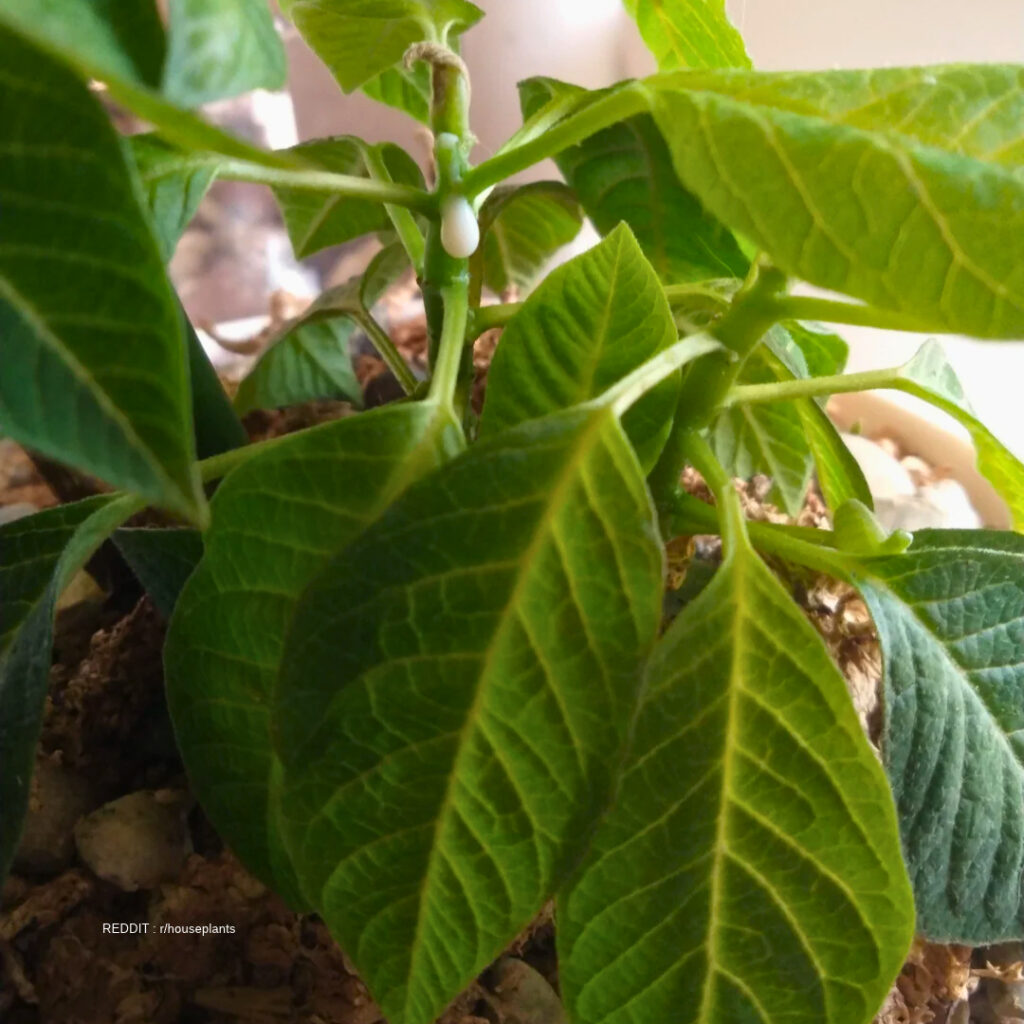
I find poinsettias more irritating than truly poisonous for most cats and dogs. Their sticky white sap can bother the mouth, stomach, skin, and eyes after chewing or contact.
The Milky White Sap and the Compounds That Cause the Sting
Poinsettia sap is a milky white latex that leaks from broken stems and leaves. It can feel sticky and may irritate sensitive tissue, especially inside a pet’s mouth or around the eyes.
The sap contains compounds linked to Euphorbia plants, including diterpenoid euphorbol esters, sometimes called phorbol esters. These compounds can cause mild burning or redness.
Poinsettias may also contain saponin-like detergents, which can upset the stomach. A cat or dog that chews the plant may drool, lick its lips, or vomit once or twice.
The bitter taste often stops them from eating much. Sap in the eye can cause squinting, tearing, or rubbing.
Quick Tip: I’d rinse sap from fur, paws, or skin with mild soap and lukewarm water before a pet spreads it to its face.
Which Parts of the Plant Create the Most Exposure Risk
The poinsettia leaves and stems cause most exposure because they break easily and release milky sap. The colorful red, pink, or white parts are actually modified leaves called bracts, and they can also release sap when torn.
Poinsettia ingestion usually happens when a pet chews dropped leaves or bites a low branch. A small nibble often causes only mild stomach upset, but eating several pieces may lead to more vomiting or diarrhea.
I’d watch for drooling, vomiting, pawing at the mouth, red skin, or eye irritation. Call a veterinarian if symptoms continue, seem severe, or your pet has trouble breathing, repeated vomiting, or marked swelling.
Signs to Watch for in Cats and Dogs
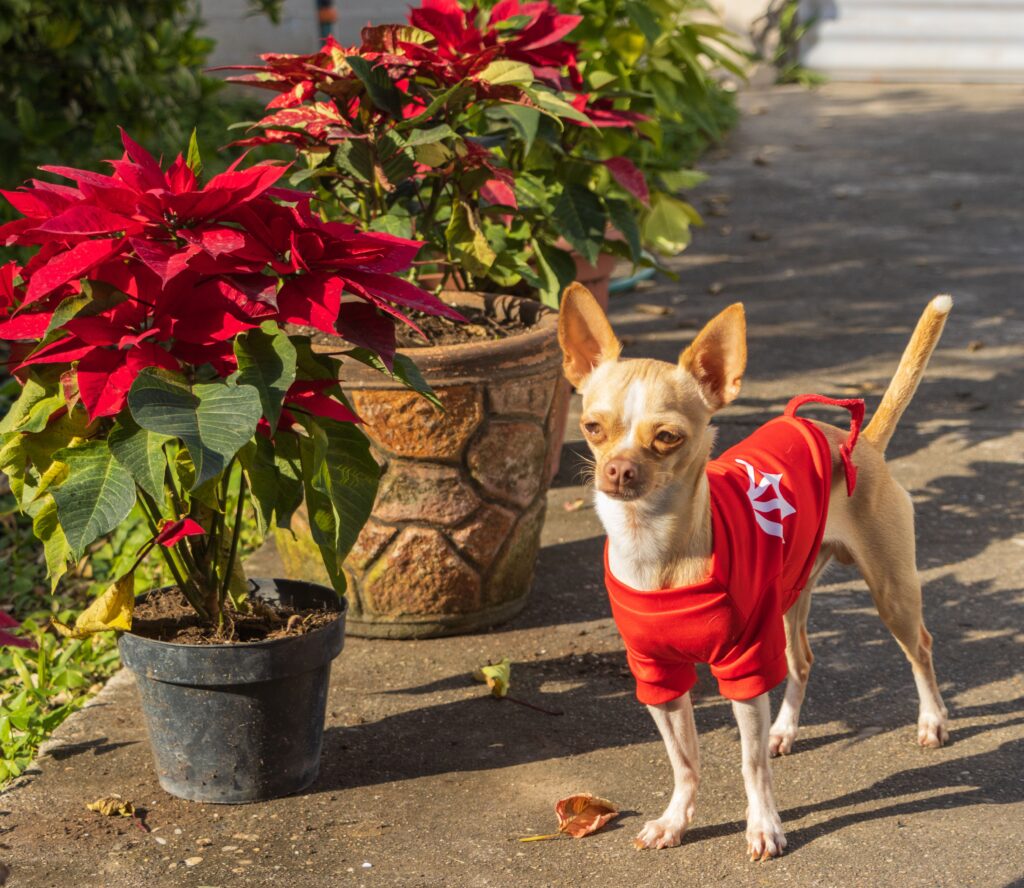
I’d watch for stomach upset after a pet chews a poinsettia and for irritation where the white sap touches skin or eyes. Most signs of poinsettia poisoning are mild, but repeated vomiting or eye pain needs a vet call.
Digestive Signs After Chewing or Swallowing
Poinsettia poisoning in cats and dogs usually causes irritation, not severe poisoning. The milky sap and plant material can upset the mouth and stomach, especially if a pet chewed several leaves or stems.
Common signs include:
- Drooling or foamy saliva
- Pawing at the mouth or licking the lips
- Mild vomiting, often soon after chewing
- Reduced appetite for a short time
- Diarrhea or soft stool
I’d remove loose plant pieces and offer fresh water. Don’t try to make your pet vomit.
If vomiting happens more than once, diarrhea continues, or your pet seems weak, sleepy, or unable to keep water down, I’d contact a veterinarian or pet poison service.
Quick Tip: Take a photo of the plant and note when your pet chewed it. That small detail can help the vet assess the risk.
Skin and Eye Reactions From Sap Contact
The white poinsettia sap can cause skin irritation, especially on the face, paws, or belly. I’d look for redness, swelling, itchiness, or frequent licking where the sap touched the skin.
Wash the area gently with lukewarm water and mild soap, then dry it well. Keep your pet from licking the spot if the skin looks sore.
Sap in an eye may cause redness, squinting, tearing, or conjunctivitis. Flush the eye with clean lukewarm water for several minutes, and call a veterinarian if the eye stays red, swollen, or painful.
What to Do If Your Pet Eats a Poinsettia
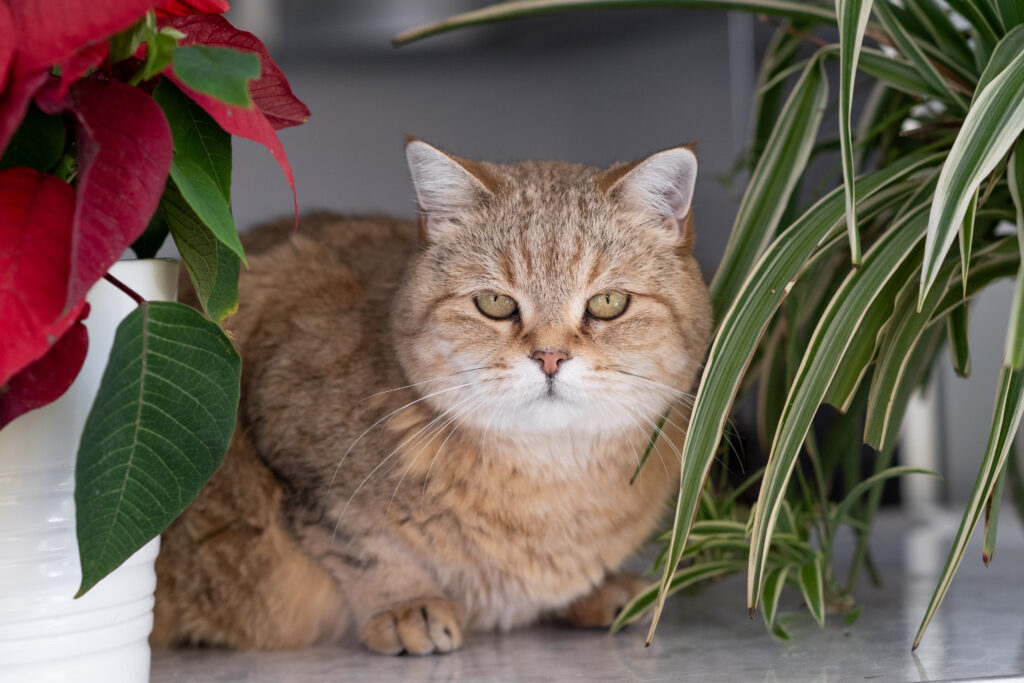
Poinsettia poisoning usually causes mild mouth or stomach upset, but I’d still act quickly and watch my pet closely. Remove the plant and clean up loose leaves.
Safe First Steps at Home
I’d gently take any leaves, stems, or red bracts from my pet’s mouth. Wipe away the milky sap with a damp cloth, especially around the lips and paws.
The sap can feel irritating and may cause drooling or lip-smacking. Offer a small amount of fresh water if my pet wants to drink.
I wouldn’t force water, milk, food, or medicine. I’d also never make a pet vomit unless a veterinarian tells me to do so.
Quick Tip: I’d place the poinsettia out of reach and save a photo of the plant or its label in case I need help later.
I’d watch for vomiting, diarrhea, drooling, pawing at the mouth, reduced appetite, or eye redness if sap got into the eyes.
A calm pet with no signs often only needs monitoring and supportive care, like rest and access to water.
When to Call a Veterinarian or Poison Expert
I’d call my veterinarian if my pet vomits more than once, seems weak, has trouble breathing, has swollen lips or face, or keeps rubbing its eyes.
Eye exposure needs prompt attention. I’d rinse the eye gently with clean lukewarm water for several minutes while arranging advice.
Small pets, puppies, kittens, older pets, and pets with health problems may need help sooner. I’d also call if my pet ate a large amount or chewed other holiday plants, since mixed plant exposure can change the risk.
Quick Tip: I’d keep the plant label, estimate how much my pet ate, and note the time it happened before I call.
For urgent guidance, I’d contact my veterinarian, an emergency animal hospital, or a pet poison helpline. They can tell me whether home monitoring is enough or whether my pet needs an exam and supportive care.
Keeping Holiday Plants and Decorations Pet-Safe
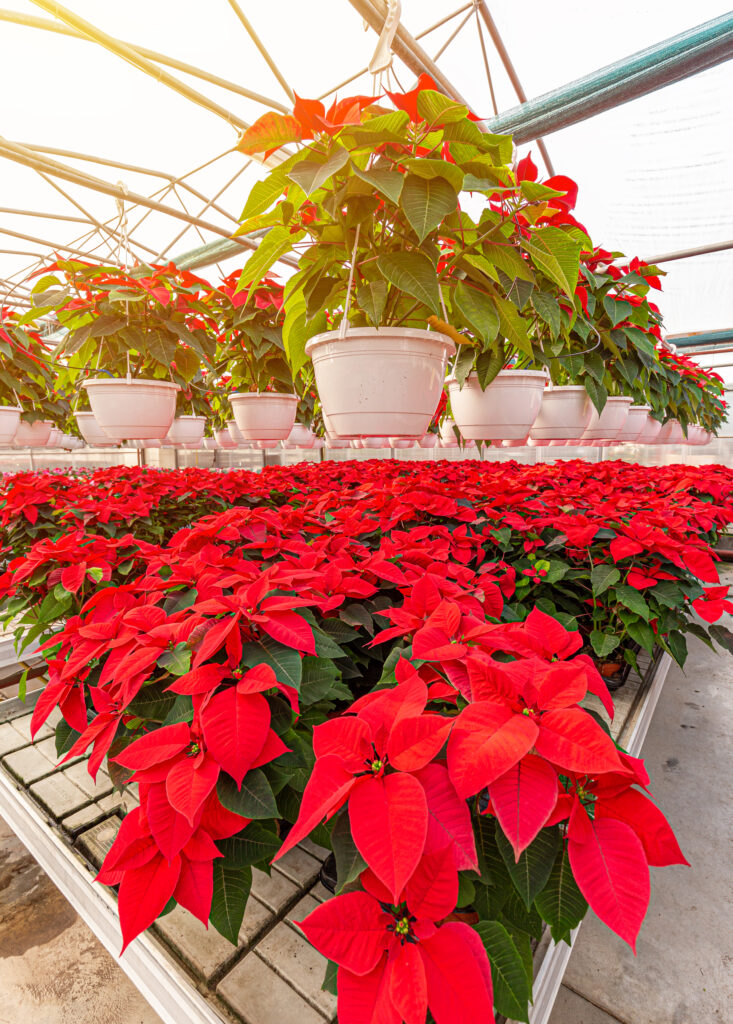
I treat holiday plants and decorations like any other pet hazard: I place them out of reach and remove fallen leaves, berries, and needles quickly.
A little planning keeps curious noses away from trouble.
Practical Poinsettia Placement Tips
I place poinsettias on a high, sturdy table or in a hanging basket where pets can’t reach the leaves or soil. Their milky sap may irritate the mouth or skin, and chewing the plant can cause drooling, vomiting, or loose stool.
I avoid low stands, floor pots, and tables beside a couch. Cats climb, and dogs can knock over a pot in seconds.
I also skip loose tinsel, ribbon, and fake snow near plants because these holiday decorations can cause choking or a gut blockage.
Quick Tip: I wipe up fallen leaves and spilled potting soil right away. A clean floor gives pets less to investigate.
Fresh cedar garlands and wreaths need care, too. Cedar needles and oils can upset the stomach if eaten, while wire, hooks, and ornaments can injure a pet.
I secure them high and check for loose pieces after guests arrive or decorations get bumped.
Holiday Plants That Pose Greater Risks
I keep lilies completely out of my home if I have cats. Even small amounts of pollen, leaves, or vase water can cause severe poisoning and kidney failure in cats.
This risk includes many true lilies and daylilies. I also keep mistletoe, holly, and amaryllis away from pets.
Holly leaves and holly berries contain saponins, which can cause drooling, vomiting, and diarrhea. American mistletoe usually causes milder signs than some other mistletoe types, but large amounts may cause weakness, stomach upset, or seizures.
Quick Tip: I choose pet-safe décor instead of real berries or mistletoe when pets roam the house.
Amaryllis bulbs are the biggest concern because they can cause vomiting, diarrhea, belly pain, and drooling. These toxic plants can also harm horses, so I keep holiday arrangements away from barns, stalls, and grazing areas.
Frequently Asked Questions
Poinsettias usually cause mild stomach upset or mouth irritation in cats and dogs, not severe poisoning. The white sap can taste bitter and irritate the mouth, so pets may drool, gag, or vomit after chewing the plant.
What happens if a cat eats a poinsettia?
A cat may drool, lick its lips, gag, or vomit after eating poinsettia leaves or stems. The milky white sap can irritate the mouth and stomach, but serious illness is uncommon.
I’d remove plant pieces from the cat’s mouth and offer fresh water. Watch for repeated vomiting, trouble breathing, swelling, or unusual tiredness.
Quick Tip: Take a photo of the plant before calling your vet, especially if your cat ate more than a small bite.
What should I do if my dog chews on a poinsettia?
I’d take the plant away, wipe any sap from the dog’s mouth, and give the dog water. A dog may drool, paw at its mouth, vomit, or have loose stool after chewing the plant.
Call your vet if vomiting continues, your dog ate a large amount, or the plant had pesticide, fertilizer, glitter, or other decorations on it. Those extras can cause bigger problems than the poinsettia itself.
Quick Tip: Check the floor for fallen leaves and chewed pot pieces. Dogs often swallow more than just the plant.
How toxic are poinsettias compared with other houseplants?
Poinsettias are actually pretty low-risk for cats and dogs. They might cause some irritation or an upset stomach, but they’re nowhere near as dangerous as true lilies for cats or sago palms for dogs.
I keep poinsettias out of reach, just to play it safe. Every pet is different, and honestly, some smaller animals might react worse to the same amount.
Quick Tip: Put holiday plants on a stable shelf or in a room your pets can’t get into. Trust me, a wobbly plant stand is just asking for trouble.
Can poinsettias cause vomiting or irritation in pets?
Yeah, they can. The sap can make your pet’s mouth sore or itchy, and the leaves might upset their stomach.
You could see drooling, lip licking, gagging, vomiting, or even diarrhea. If sap gets in their eyes, it can cause redness or watering too.
If that happens, I’d rinse the eye gently with clean water. If your pet keeps squinting, rubbing, or the redness doesn’t fade, it’s time to call the vet.
Quick Tip: Wash your hands after handling broken stems, and keep sap away from your pet’s fur and face.
Are poinsettias safe to keep in a home with cats and dogs?
You can keep poinsettias around if you put them somewhere pets can’t reach. A high shelf, a closed-off room, or even a hanging display works way better than a low table—especially if you have a curious cat or dog.
I’d also ditch the foil wraps, plastic picks, and that decorative moss in the pot. Those things can be choking hazards or cause blockages.
Quick Tip: If your pet keeps sniffing or pawing at the plant, just move it. Usually, the second visit is when the chewing starts.
Which holiday plants are more dangerous for pets than poinsettias?
True lilies—like Easter lilies and tiger lilies—pose a much bigger risk to cats. Even a tiny bit of the plant, some stray pollen, or water from the vase can lead to severe kidney damage.
Sago palms threaten dogs with serious liver damage. Mistletoe, holly, and amaryllis also pack a punch, causing stronger stomach upset and other symptoms.
If you ask me, it’s just not worth the risk. I’d keep these plants far away or just pick something safer for pets.