
You spot those bright aster blooms at the garden center and wonder, will they come back next year? I hear that all the time. Picking plants that fit your space, schedule, and climate can feel like a puzzle.
Annual asters grow, bloom, and finish their lives in one season. Perennial asters come back from the same roots every year. That single difference changes how you plant, care for, and use them in your garden.
Understanding Plant Life Cycles: Annual, Perennial, and Biennial
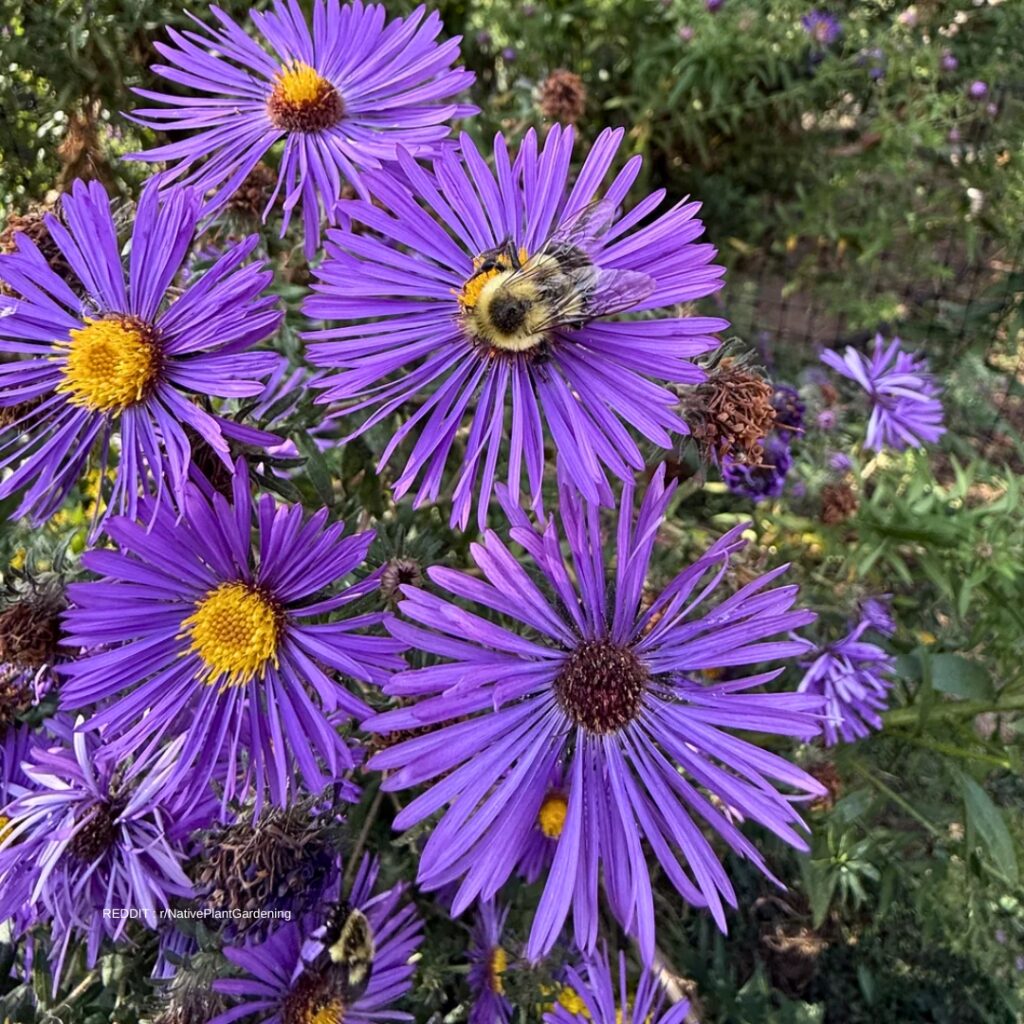
Plant life cycles basically tell me how long a plant will stick around and when it’ll flower. Knowing the differences between annuals, perennials, and biennials helps me map out my garden for steady color and pollinator support.
What Are Annual Plants? One Season of Fast Growth and Nonstop Blooms
I reach for annual plants when I want quick, bold color. Annuals sprout, flower, set seed, and die—all in one growing season.
Most annuals, including many asters, bloom for months, from summer right until frost. Bees and butterflies love that steady supply of flowers.
Since annuals don’t survive winter, I have to replant them each year. Sometimes, in warm spots, a few will self-seed and surprise me, but a cold snap usually ends the show.
Quick Tip: I tuck annuals into bare spots where perennials are slow to fill in. It keeps the beds lively all summer.
Annuals are perfect for containers and changing up color schemes. I get to experiment every year—no commitment issues here.
Defining Perennials: Plants That Return Year After Year
Perennial plants stick around for years. I plant them once, and they return each season from the same roots.
Many perennial asters bloom late in the season. They might look sleepy in spring, but once summer heats up, they take off. After frost, the tops die back, but roots keep quietly working underground.
Perennials don’t always bloom as long as annuals, but they give my garden structure. Over time, they get bigger and put out more flowers.
Quick Tip: I cut dead stems back in late fall or early spring, just to keep things tidy and healthy.
Some perennials can’t handle harsh winters, but in mild climates, they might even stay green. Always worth checking your zone before planting.
Perennials pull double duty for pollinators—year after year, their blooms anchor the habitat if I plant them in groups.
Exploring Biennial Plants: Two Years, Two Very Different Stages
Biennial plants are a bit odd—they take two years to finish their cycle. Year one, they focus on leaves and roots. Flowers? Not yet.
In their second year, they bloom, set seed, and then call it quits. Some reseed themselves, so I sometimes spot new plants popping up nearby.
The two-year wait can throw me off. If a plant skips flowers the first year, I have to remind myself to be patient.
Quick Tip: I mark young biennials so I don’t accidentally yank them out, thinking they’re weeds.
Weather can speed things up or slow them down. Still, when they reseed, biennials help keep the pollinator buffet going.
Key Differences Between Annual and Perennial Asters
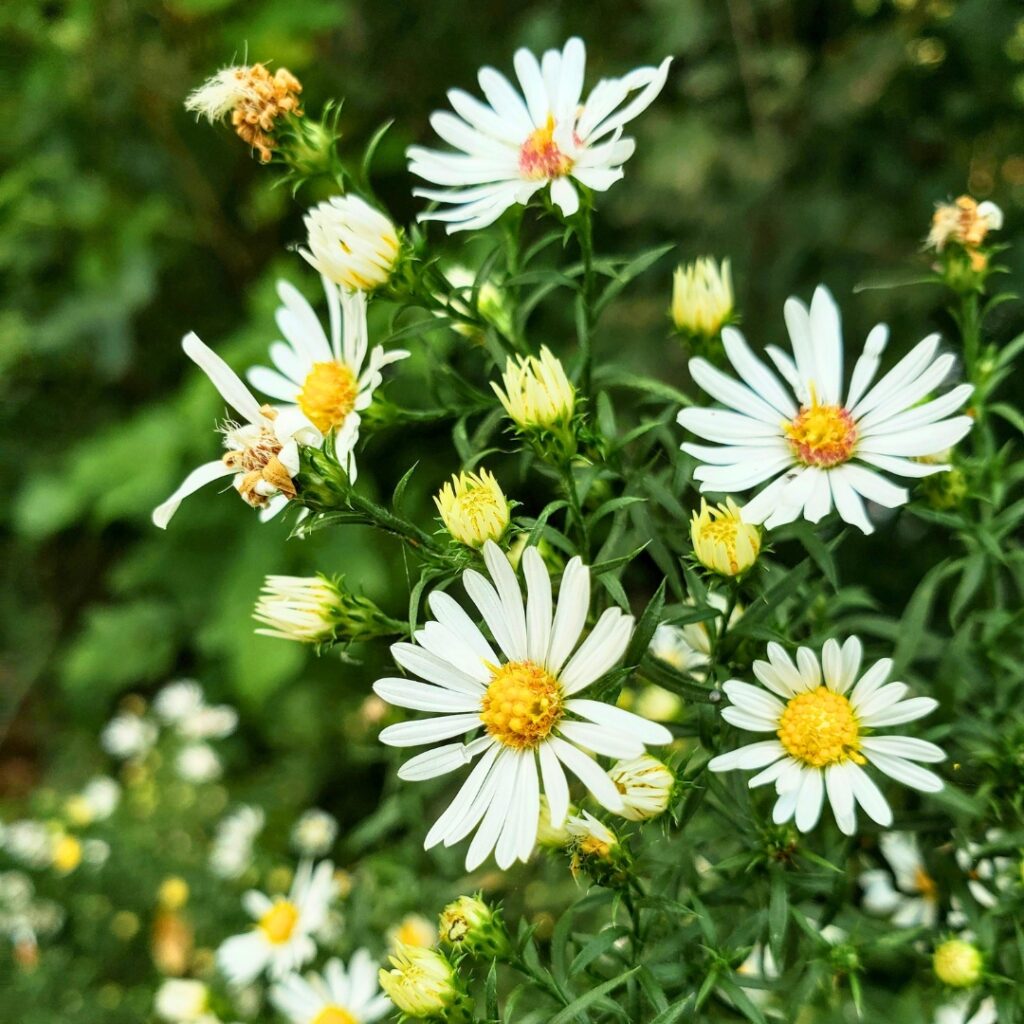
Annual and perennial asters look similar at first, but they live, bloom, and need care in totally different ways. I always weigh how long they last, when they flower, and how much work they need before picking one for my beds.
Growth Habits and Duration: How Long They Live and How They Spread
Annual asters finish their entire life in one season. I plant them in spring, enjoy the blooms, and pull them out after frost. If I want them again, I have to sow new seeds.
Perennial asters come back every year. They die back in winter, then send up fresh growth in spring. Some spread slowly by roots and form bigger clumps each season.
This really matters for planning. When I crave instant color, annuals do the trick. For lasting structure, perennial asters win out.
Quick Tip: In colder areas, read the plant tags—some “annual asters” might act as perennials in milder climates.
Blooming Seasons and Color Range: When Asters Flower and What Shades to Expect
Annual asters usually bloom from midsummer into fall, showing off big, daisy-like flowers in pink, purple, red, or white. I use them for steady color during the hottest months.
Perennial asters tend to bloom later, often from late summer into fall. Their flowers are smaller and a bit wilder looking, with purple, lavender, blue, or white petals.
This difference shapes the mood of a garden. Annuals fill summer gaps, while perennial asters keep bees busy in autumn. Mild climates might stretch the bloom season even longer.
Quick Tip: Want color all season? Mix annual and perennial asters for overlapping blooms.
Care Requirements: Water, Pruning, and Seasonal Maintenance
Annual asters need regular attention during their one season. I water them when the soil dries out and deadhead spent blooms to keep flowers coming. They’re hungry, so I give them balanced fertilizer every few weeks.
Perennials don’t need as much feeding, but I cut them back after frost and split up crowded clumps every few years. Good air flow is crucial—otherwise, mildew sneaks in, especially when it’s muggy.
Annuals keep me busy short-term. Perennials are more of a slow build, but they pay off with years of flowers.
Quick Tip: If stems flop after rain, I stake them early to keep things upright and tidy.
Popular Varieties: Annual and Perennial Asters Compared
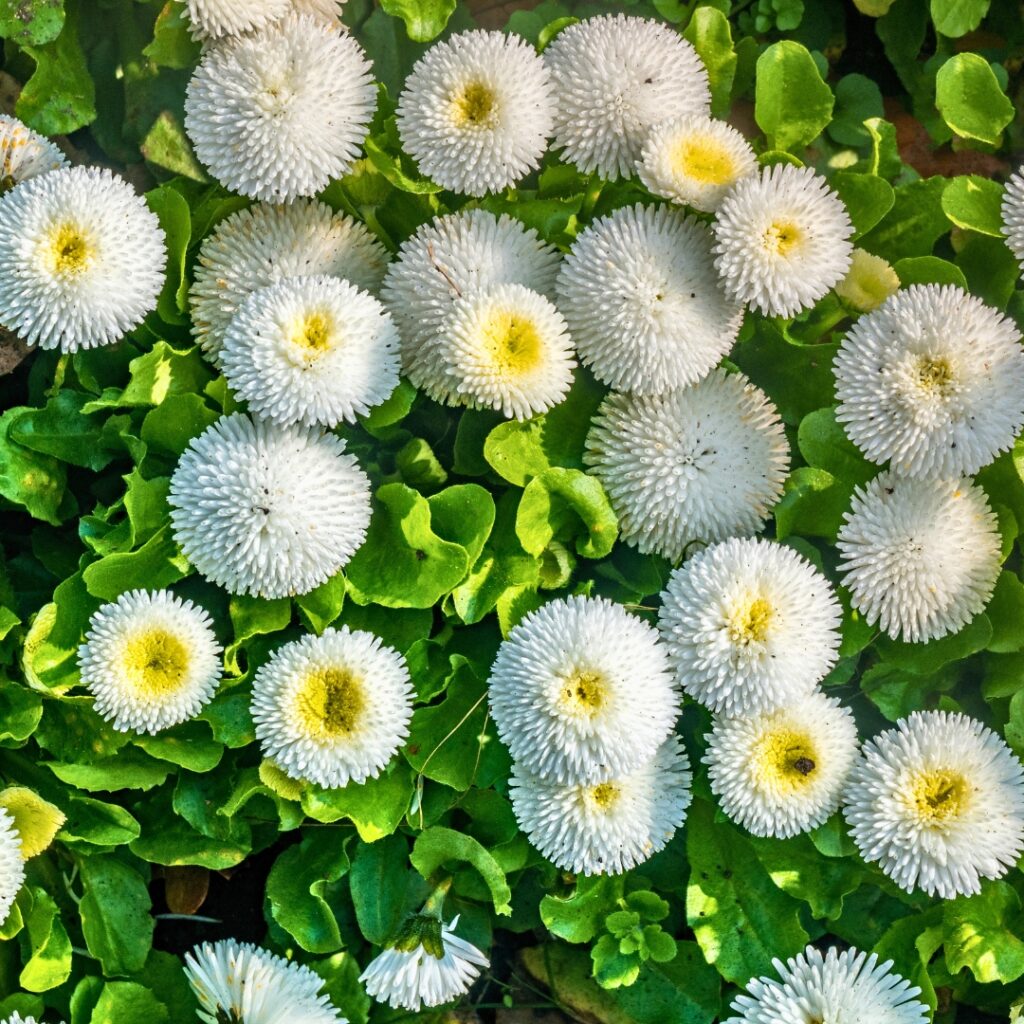
When I grow annual and perennial asters side by side, the differences pop out. Some race from seed to bloom in a single season, while others return each year and slowly take over more space.
Notable Annual Aster Varieties That Bloom Fast and Fill Empty Beds
If I want quick color, I plant annual asters—usually called China asters (Callistephus chinensis). They’re speedy, going from seed to bloom between midsummer and fall.
Some favorites: ‘Matsumoto’ for bright pink, purple, or white blooms, and ‘Crego’ for their full, almost shaggy flowers. They’re great for cutting, a bit like zinnias or cosmos.
I put them in full sun and well-drained soil. If the top inch is dry, I water deeply. In hot, sticky weather, mildew can be a problem—especially down South.
Quick Tip: I space annual asters 8–12 inches apart for air flow. That really helps keep diseases away.
I like mixing them with other annuals—petunia, lantana, sunflowers. They fill gaps where perennials are still getting established.
Well-Loved Perennial Asters That Return Year After Year With Fall Color
Perennial asters are the backbone of my late-season beds. I rely on New England asters (Symphyotrichum novae-angliae) and New York asters (Symphyotrichum novi-belgii).
New England asters get tall—sometimes 3 to 5 feet. Their purple or pink flowers with yellow centers attract bees nonstop in late summer and fall.
New York asters are a bit shorter and bushier. Both like full sun, but in really hot spots, they’ll tolerate some afternoon shade.
I cut them back in early summer to keep them from flopping. Skip that, and a heavy rain will flatten them.
Quick Tip: Every 2–3 years, I divide clumps in spring if the centers start looking woody or sparse.
I pair perennial asters with coneflower, sedum, phlox, daylilies, and peonies for a season-long mix of color and texture.
Other Common Annuals and Perennials in the Garden That People Confuse With Asters
People often lump asters together with other daisy-like flowers. I hear lots of comparisons to daisies, coneflowers, or even zinnias.
Annuals like cosmos, zinnias, petunia, and sunflowers also bloom for just one season and need replanting each year. They grow fast and fill beds quickly.
Perennials such as phlox, sedum, peonies, and daylilies return every spring, getting bigger over time—just like perennial asters.
I mix both in my beds. Annuals give me instant color, while perennials slowly build the garden’s bones.
Quick Tip: If you want flowers from seed this year, go annual. For less replanting and bigger clumps over time, choose perennials.
Designing Borders and Beds with Asters
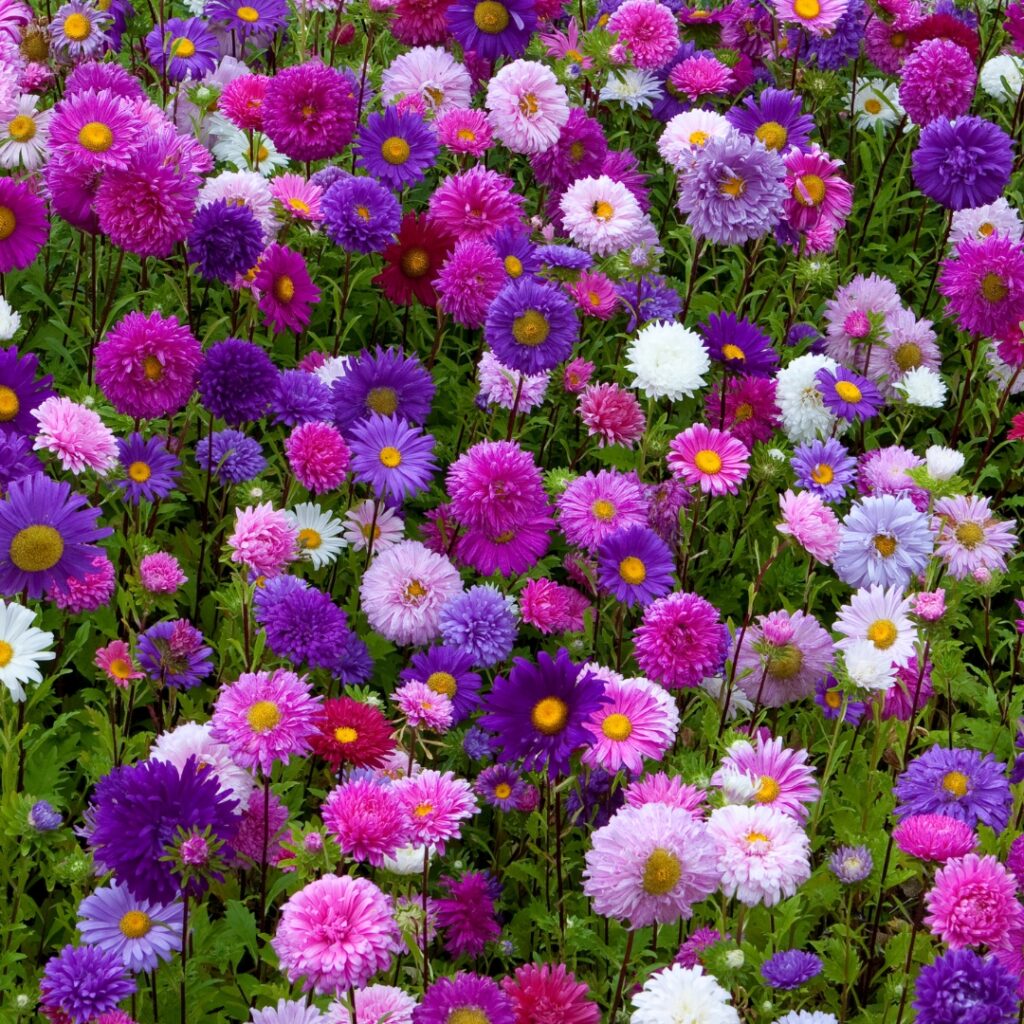
Asters really shine when most flowers start winding down. Mixing annuals and perennials lets me fill gaps and keep color going well into fall.
Choosing the Right Asters for Your Garden Style and Space
I always check height and spread first. Some perennials shoot up 2 to 4 feet—perfect for the back of a border. Shorter annual asters hug the front edge nicely.
Color’s another biggie. Purple, pink, blue, white—so many choices. I try to echo colors from nearby plants so everything feels intentional, not thrown together.
For a tidy, formal look, I’ll group one color tightly. If I’m aiming for that cottage vibe, I mix colors and let them mingle with daisies and coneflowers.
Quick Tip: I always read height on the tag before buying. Tall asters can block their neighbors if I stick them up front.
In hot places, some perennials appreciate a little afternoon shade. In cooler regions, full sun brings out the best blooms.
Blending Asters with Other Flowering Plants for Season-Long Color
I like to match asters with plants that bloom at the same time. Zinnias and petunias keep up with annual asters in summer—they all love sun and bright colors.
For fall, I mix perennial asters with coneflowers and late-blooming phlox. The different flower shapes play off each other: coneflowers with bold centers, asters with clouds of petals.
Daisies add simple white accents, making the purple and pink asters pop even more.
Spacing is key. Crowded beds hold moisture, which can mean mildew—especially when it’s humid.
Quick Tip: I leave enough space for air to move. If leaves stay wet for hours, I thin things out.
I group plants in odd numbers—three or five. It just looks more natural and less stiff than even rows.
Best Uses for Annuals vs Perennials in Borders and Garden Beds
I use annual asters as quick color fillers. Whenever I spot gaps in my borders, I tuck them in for instant blooms.
They’re perfect near walkways where I want a punch of color right at eye level.
Perennial asters, on the other hand, act as anchors in my beds. I plant them once and let them come back year after year.
They build structure, especially in the middle or back of borders.
Here’s a layout I lean on for mixed borders:
- Front: low annual asters or petunia
- Middle: zinnias, phlox, or compact coneflower
- Back: tall perennial asters and daisies
Quick Tip: I pinch back tall perennial asters in early summer. That keeps them shorter and bushier by fall.
If I’m gardening in a cold zone, I mulch perennials for winter. Warmer zones? I cut them back after blooming to tidy things up.
Supporting Pollinators and Biodiversity
I lean on asters to feed pollinators when most other flowers start fading. Both annuals and perennials offer nectar and pollen, but their timing and impact shift depending on how I use them.
Asters as Pollinator Magnets in Late Summer and Fall Gardens
Asters earn their keep because they bloom when bees and butterflies are still hungry. Most perennial asters flower in late summer and fall, right as nectar sources drop off.
On warm afternoons, you’ll catch honeybees, native bees, and butterflies all over the blooms.
Annual asters show up earlier, usually in summer. They bridge the gap before fall flowers like sedum and late coneflower take over.
This steady bloom cycle keeps pollinators busy for months.
Color and flower shape matter. Bees really go for purple, blue, and pink asters with open centers. Flat blooms make pollen easy to reach.
Quick Tip: I always plant asters in clumps, not singles. Big patches make it easier for pollinators to find them and stick around.
Hot zones can zap blooms fast if I skip watering. When soil feels dry an inch down, I water deeply to keep the flowers coming.
Pairing with Other Pollinator-Friendly Plants for Stronger Habitat
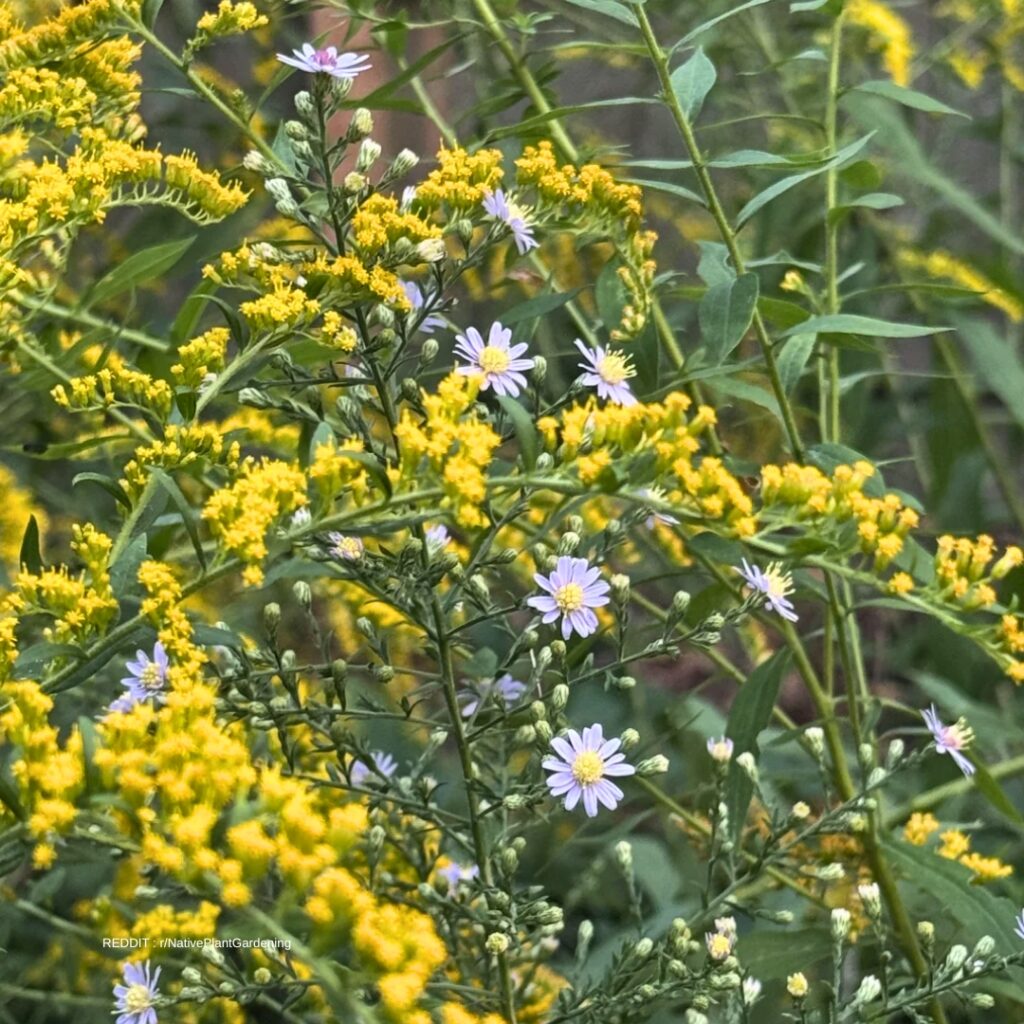
I mix asters with other nectar-rich plants to support more species. Phlox, coneflower, sedum, and lantana add variety in both height and bloom time.
This combo draws in bees, butterflies, and sometimes even hummingbirds.
I stagger blooms on purpose. Early coneflowers feed pollinators in summer, then annual asters and lantana keep things lively through the heat. Perennial asters and sedum finish the season strong in fall.
Different flower shapes help different insects. Coneflowers have raised centers. Phlox forms clusters. Asters offer flat landing pads. Variety really does build more biodiversity, even in tight spaces.
Quick Tip: I leave some stems standing after bloom. Hollow stems and seed heads give insects winter shelter, especially in colder gardens.
I skip heavy pesticides. Even organic sprays can hurt good bugs if I use them while flowers are open.
Planting, Care, and Propagation Tips
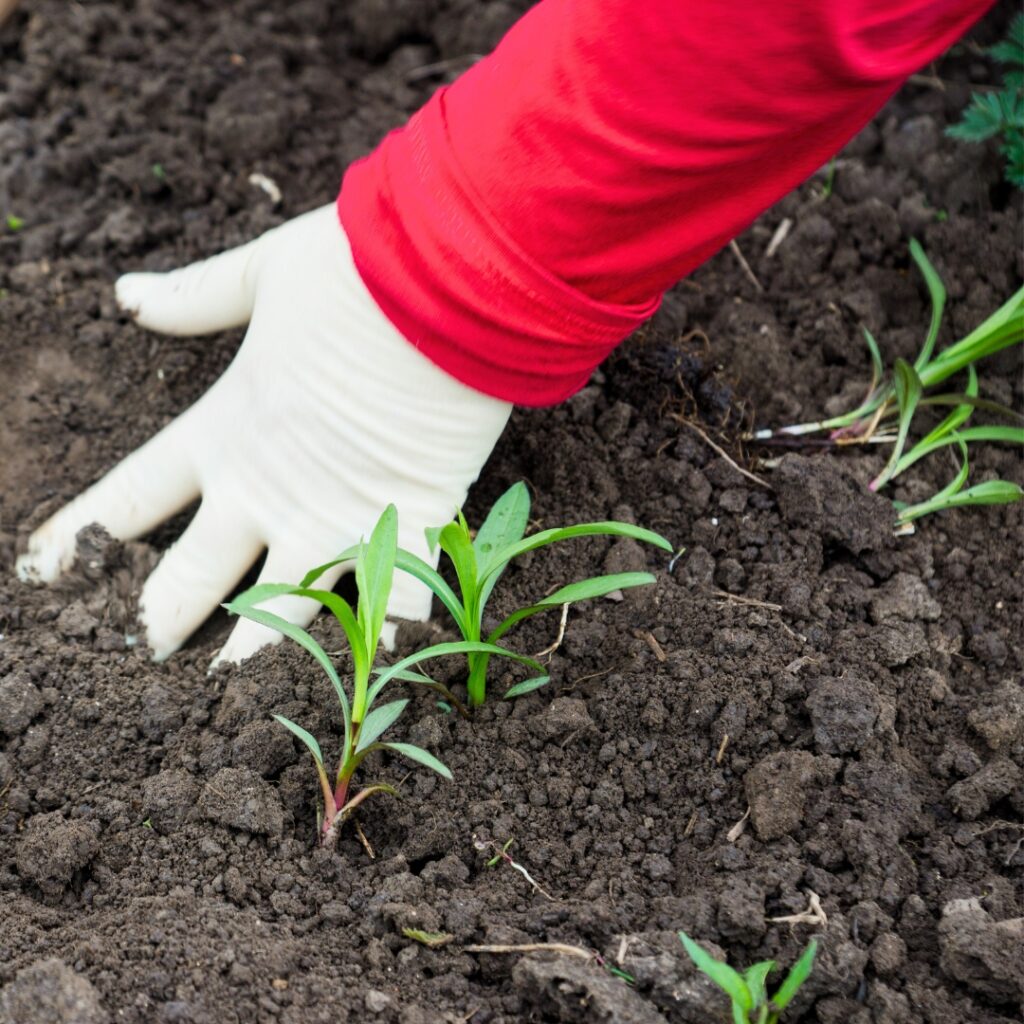
I get better asters when I pick the right spot, water on time, and divide or start new plants the right way. A few habits make annual asters and perennial plants like phlox and sedum much easier to manage.
Sourcing and Planting Asters the Right Way for Strong Roots and Full Blooms
I buy asters from local nurseries when I can. Plants grown nearby usually handle my climate better, and I can check for healthy leaves and strong stems.
I skip any with yellow leaves or soggy soil—never worth the headache.
Annual asters grow fast from seed. I start them indoors 6–8 weeks before my last frost, then move them out once the soil warms up.
Perennials go in the ground in spring or early fall so the roots can settle before summer heat or a hard frost.
I plant asters in full sun for the best blooms. In blazing hot areas, a little afternoon shade helps. The soil needs to drain well or roots might rot.
- Space most asters 12–18 inches apart
- Loosen soil 8–10 inches deep
- Mix in compost for steady growth
Quick Tip: I plant on a cool, cloudy day or in the evening to dodge transplant shock.
Watering, Feeding, and Deadheading for Healthier Annual and Perennial Plants
I water new asters often for the first few weeks. After that, I check the top inch of soil—if it’s dry, I water deeply at the base.
Wet leaves can mean mildew, especially in humid weather, so I keep the water low and slow.
Annuals need steady moisture to keep blooming. Perennials like established asters, sedum, and some phlox handle short dry spells, but long droughts slow down the flowers.
I feed lightly. Too much fertilizer just makes tall, floppy stems and fewer blooms. I use a balanced slow-release fertilizer in spring for perennial asters.
- Remove spent flowers to push new buds
- Cut back tall stems by one-third in early summer for bushier growth
Quick Tip: I deadhead once a week during peak bloom. It’s quick work and keeps things looking sharp.
Propagation Methods: Dividing Perennials and Starting Annual Asters from Seed
I divide perennial asters every couple of years. Clumps get crowded and the center thins out.
In early spring or fall, I dig up the plant and split it into sections with healthy roots and shoots. I replant the divisions right away and water them well.
Dividing helps the plant stay strong and keeps it from taking over. It’s also a good way to fill bare spots.
Annual asters grow best from seed each year. I sow seeds indoors in trays with light seed mix. They need bright light and even moisture, but not soggy soil.
- Keep seedlings near a sunny window or under grow lights
- Harden off plants for 7–10 days before planting outside
Quick Tip: I always label trays with the variety name. Saves a lot of confusion later, especially if I’m growing more than one color.
Frequently Asked Questions
People often ask how to tell annual and perennial asters apart and how to care for each. Here’s what I look for—leaf and flower clues, growth habits, height, winter survival, and when to plant.
How can I tell annual and perennial asters apart by their leaves and flowers before they bloom fully?
I check the plant’s shape first. Annual asters, like China asters, grow in neat clumps with soft, bright green leaves and thick stems.
Perennial asters usually have narrower leaves and a looser shape. Their stems can feel rough or even a bit woody near the base by late summer.
Flowers help, too. Annual blooms are often big and full—sometimes double—and come in bold shades like bright pink or purple. Perennial flowers tend to be smaller, with yellow centers and thinner petals.
Quick Tip: If the plant looks bushy and tidy in early summer and comes in a flat of bedding plants, it’s probably an annual.
Which types of asters come back every year, and which need replanting each season in most home gardens?
Perennial asters come back each year from the same roots. New England asters (Symphyotrichum novae-angliae) and New York asters (Symphyotrichum novi-belgii) are pretty common.
China asters (Callistephus chinensis) are annuals. I replant them each spring since frost wipes them out in fall.
In warmer climates, some plants behave differently, but most annual asters won’t survive a cold winter. I treat them as one-season flowers.
Quick Tip: If the label lists a species name like Symphyotrichum, it’s almost always a perennial.
Do asters spread or self-seed in the garden over time, and should I plan for extra space?
Many perennial asters spread by underground roots called rhizomes. In just a few years, one clump can double in width.
Some also drop seeds. I often spot little seedlings popping up near the parent plant in spring.
Annual asters might self-seed, but they don’t spread by roots. Seedlings from hybrids may not look like the parent.
Quick Tip: Give perennial asters at least 18 to 24 inches of space so they don’t crowd out neighbors.
How tall do asters usually grow, and do they need staking to stay upright in wind and rain?
Height really varies. Dwarf types stick around 12 inches, but tall perennial asters can reach 3 to 5 feet.
Tall plants might flop, especially after rain. I pinch back stems in early summer to keep them shorter and fuller.
If they still lean, I use simple stakes or a ring support. Windy spots need extra help.
Quick Tip: Pinch back stems when they’re about 6 inches tall to cut down on flopping later.
Are asters perennials in Zone 5, and what winter care do they actually need to survive the cold?
Most perennial asters thrive in Zone 5. They handle winter lows as long as the soil drains well.
After the first hard frost, leaves go brown. I cut the stems down to a few inches above the soil.
I toss on a light layer of mulch after the ground freezes. That protects roots from freeze-thaw cycles.
Quick Tip: Don’t pile thick, wet mulch against the crown, or you’ll risk rot.
When is the best time to plant asters for the healthiest blooms and strong root growth?
I usually plant perennial asters in spring, right after the last frost. That way, their roots have a good stretch of time to settle in before winter rolls around.
Early fall can work too, especially if you live somewhere with mild autumns. Just aim for at least six weeks before your first hard frost, and make sure the soil still feels warm to the touch.
For annual asters, I wait until spring when the risk of frost is gone. Cold, soggy soil just slows them down and nobody wants that.
Quick Tip: Pick a spot that gets plenty of sun—at least six hours if you can swing it. Decent drainage matters too; asters really don’t appreciate soggy feet.