
Summer’s honestly the best time to grow vegetables that love heat and sunshine. If you’re planning your garden now, you’ll want to pick crops that can handle the hot weather and still give you a great harvest.
Starting the right vegetables in summer means you’ll be picking fresh produce well into fall. Some veggies actually seem to prefer being planted when it’s hot out, and honestly, they grow faster than spring crops. The trick is figuring out which ones won’t just wilt away in the sun.
This guide covers ten vegetables that do well when started during the summer months. I’ve also included tips for getting them off to a strong start and some common problems you might run into.
1) Cherry Tomatoes
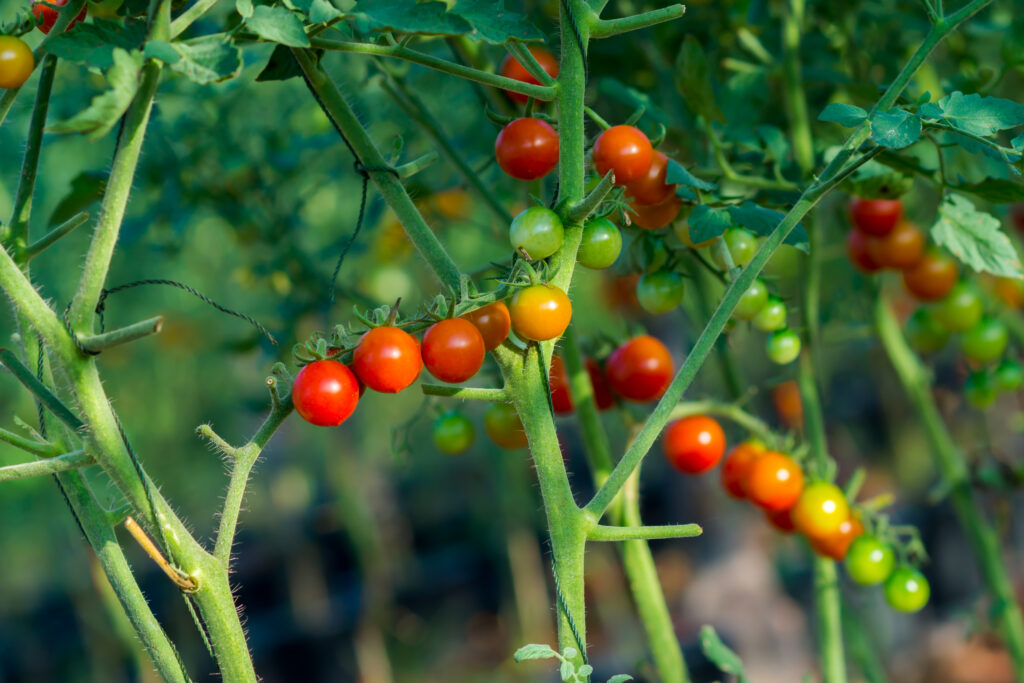
I always suggest cherry tomatoes for anyone starting a summer garden. They grow quickly, produce loads of fruit, and honestly seem to handle the heat better than the big types. You can pop them in containers or right in the ground—whatever works.
Start seeds indoors about six weeks before your last frost date, or grab some transplants once nights stay above 50°F. Cherry tomatoes love warm soil and full sun—at least six to eight hours a day if you can swing it.
Quick Tip: Plant them deep, burying the stem up to the first set of true leaves. This helps them grow stronger roots.
They’ll need regular watering, especially once the fruit starts coming in. I usually water when the top inch of soil is dry. If you let them dry out and then soak them, you might see cracks in the fruit—so try to keep things steady.
Grab a cage or stake early. These plants get bushy and heavy with fruit. If you’re in a really hot zone (9+), a little afternoon shade can help prevent sunscald on the tomatoes.
2) Zucchini

Zucchini is honestly one of the easiest summer veggies to grow. I just plant seeds directly in the garden once the soil feels warm—about 70°F is perfect. For most places, late May through early July is usually a safe bet.
These plants grow fast and need plenty of elbow room. I usually give each one about 3 feet on all sides because they really do sprawl. Zucchini is a thirsty plant, so I check the soil every couple days when it’s hot out.
Quick Tip: Plant zucchini in full sun and mix in some compost before planting. It makes a noticeable difference.
Sneaky pests like squash bugs and powdery mildew can be a headache. I check under the leaves and pick off any bugs I see. If you’re in a humid area, space your plants out more so air can move through.
You’ll usually start picking zucchini around 50 days after planting. I pick them when they’re about 6 to 8 inches long for the best flavor and texture.
3) Cucumber

Cucumbers are a summer favorite for me because they’re so easy to grow when it’s warm. They need soil at least 70°F to germinate, so summer is pretty much ideal. You can sow seeds straight in the ground or start them in pots if you want a jump start.
Cucumbers grow quickly and give you lots of fruit if they get enough sun and water. I make sure they get at least 6-8 hours of sunlight. They’re thirsty, so I water deeply every few days instead of just a little sprinkle.
Quick Tip: Plant cucumbers near a trellis or fence so they can climb. It saves space and keeps the fruit cleaner.
Powdery mildew can be a pain, especially if it’s humid. Good air flow helps prevent that white, fuzzy coating on the leaves. In super hot zones, a bit of afternoon shade can keep them from getting stressed out.
You’ll start picking cucumbers in about 50-70 days, depending on the type. I pick them when they’re firm and bright green for the best taste.
4) Bell Peppers

Bell peppers really shine in summer—they love the heat. Just wait until the soil is good and warm before planting them out.
They take their time to mature, usually 60-90 days, depending on the variety. I like to start mine indoors 8-10 weeks before the last frost, then move them outside when nights stay above 55°F.
Quick Tip: Give peppers at least 18 inches of space so air can move around and help prevent disease.
They need full sun and steady watering to get those thick, crunchy walls. I keep the soil moist but not soggy—no one wants root rot.
The first peppers will show up green. If you leave them on the plant longer, they’ll turn red, yellow, or orange, which means they’re sweeter and more nutritious. Green peppers are tasty too, though.
5) Green Beans

Green beans are a classic summer vegetable and honestly, they’re super easy to grow. I plant them directly in the garden after the last frost and once the soil’s warm. They don’t need much fuss, which is great when you’re busy.
I pick between bush beans and pole beans depending on my space. Bush beans are compact and great for small gardens. Pole beans climb and keep producing longer, but they do need something to climb up.
Quick Tip: Plant green beans every couple weeks through mid-summer for a steady harvest instead of one big glut.
The seeds sprout quickly, usually in a week if the soil’s warm. I keep them in full sun and water when the top inch of soil dries out. Beans usually show up in about 50-60 days.
Watch for beetles—they love bean leaves. I check for bugs every few days and pick them off by hand. Harvest beans while they’re still tender and snap easily for the best flavor.
6) Eggplant

Eggplant is a summer staple in my garden because it just loves the heat. Wait until nighttime temps stay above 70°F before planting. I always make sure to plant after the last frost date, just to be safe.
Eggplant usually takes 70 to 85 days to start producing. I give mine full sun and keep the soil moist—not soggy, but not dry either. They can get pretty tall, so I stake them for support.
Quick Tip: Feed eggplant every few weeks with a balanced fertilizer. It really helps production.
Flea beetles can be a real pain—they love the leaves. I check my plants often and pick off any bugs I spot. Harvest the purple fruits when they’re shiny and firm. If the skin turns dull, you’ve waited too long.
If you’re in a cooler zone, start eggplant indoors about 8 weeks before your last frost. They need a long season to really get going.
7) Basil

Basil is my go-to summer herb because it absolutely thrives in the heat. It needs temperatures above 50°F at night, so don’t plant too early or you’ll risk stunting it—or worse.
Basil grows fast in warm, sunny spots. I pick a place that gets at least six hours of direct sun. Keep the soil moist, but make sure it drains well—basil hates soggy feet.
Quick Tip: Pinch off the top leaves once basil hits about six inches tall. It helps the plant grow bushier.
I harvest leaves often to keep it producing. Once basil starts to flower, the leaves can get bitter, so I pinch off flower buds as soon as I spot them.
In really hot places, basil might like a bit of afternoon shade. The leaves can scorch if it’s over 90°F for days at a time.
8) Okra

Okra is a summer winner because it keeps going when other plants wilt. It needs soil temps around 65-70°F to sprout, so I wait until late spring or early summer to plant seeds right in the garden.
Once the heat kicks in, okra takes off. I give it full sun and well-draining soil. These plants can get tall—sometimes up to 6 feet—so I space them about 12-18 inches apart.
Quick Tip: Harvest okra pods when they’re just 2-4 inches long. They get tough and woody if you let them go too long.
I pick pods every other day during peak season because they grow fast. The more I pick, the more I seem to get. Okra loves hot, humid climates, but in cooler zones, it might not do as well.
The fuzzy leaves can irritate your skin, so I usually wear gloves when picking. The flowers are actually really pretty—yellow with dark centers—so that’s a nice bonus.
9) Sweet Corn

Sweet corn just tastes different when you pick it fresh—there’s nothing like it. The sugars start turning to starch the moment you pick it, so homegrown corn is way sweeter than anything from the store.
I plant corn seeds straight in the ground once the soil’s at least 60°F. If it’s too cold, they’ll just rot. I usually wait about two weeks after the last frost, just to be on the safe side.
Corn needs full sun and lots of space. I plant in blocks of at least four rows (not one long row) so the wind can pollinate properly. Each stalk gives you one or two ears, so honestly, plant more than you think you’ll need.
Quick Tip: Water deeply once a week, especially when tassels and silks show up. That’s when the ears are forming and they need it most.
Raccoons and earworms can be a problem as harvest gets close. In really hot areas, look for heat-tolerant types that can handle 95°F and up without stressing out.
10) Hot Peppers

Hot peppers are made for summer—they love the heat. These plants need warm soil and lots of sun to really crank out those spicy fruits.
Summer gives peppers exactly what they need. The soil stays warm, and the hot days help them set fruit faster than if you planted in spring.
There are so many varieties to choose from. Jalapeños are great for beginners, while habaneros and ghost peppers are for the real spice lovers out there.
Quick Tip: Plant peppers where they’ll get at least 6-8 hours of direct sun each day for the best harvest.
Keep the soil moist but not soggy—peppers hate wet feet. If you’re in a really hot spot, a bit of afternoon shade can help keep the flowers from dropping before they set fruit.
Watch out for aphids and pepper hornworms as the plants grow. Pick peppers once they’re full size and the color deepens for the best flavor.
Key Gardening Tips for Summer Vegetables
In my experience, summer veggies need three things to thrive: well-prepped soil, steady water during heat waves, and a good layer of mulch to keep roots cool.
Soil Preparation Made Easy
I always check my soil before planting summer vegetables. It should crumble in your hand—not too sandy, not too heavy with clay.
I mix in a couple inches of compost or aged manure about two weeks before planting. It gives the soil time to settle and feeds the plants all summer.
Quick Tip: I use a simple soil pH kit from the garden center—most summer veggies like it between 6.0 and 7.0.
If my soil’s too acidic, I add lime. If it’s too alkaline, I’ll work in a bit of sulfur or peat moss. Breaking up big clumps and pulling out rocks or debris helps roots grow better, too.
Summer vegetables are heavy feeders, so I don’t skimp on organic matter. Worm castings are great if you have them around.
Watering Strategies for Hot Weather
I usually water my summer veggies early in the morning, somewhere between 6 and 10 AM. That way, the leaves dry off before nightfall and there’s less chance of disease sneaking in.
Most summer vegetables need about 1-2 inches of water per week. I keep a rain gauge handy so I can see what nature provides, then fill in the rest as needed.
Quick Tip: I just stick my finger a couple inches into the soil—if it feels dry down there, I know it’s time to water.
I always aim the water right at the base of my plants, not over the leaves. Drip irrigation and soaker hoses are a lifesaver for this, and they help save water too.
When it gets crazy hot—like over 90°F—I sometimes water twice a day for the really thirsty stuff, like cucumbers and tomatoes. Containers dry out way faster than garden beds, so I check those every day.
Mulching to Retain Moisture
Once the soil’s warmed up, I spread about 2-4 inches of organic mulch around my summer veggies. Straw, shredded leaves, or even grass clippings—whatever I’ve got on hand.
Mulch actually keeps the soil cooler by a good 10-15 degrees on those scorching afternoons. Plus, it helps keep weeds from stealing water and nutrients from my plants.
Quick Tip: I leave a couple inches of space between the mulch and plant stems to avoid rot and pest issues.
If the mulch breaks down or gets patchy, I just add more in mid-summer. In really hot places, I’ve noticed lighter mulches like straw bounce heat away better than dark ones.
Plastic mulch is an option, but honestly, I prefer organic stuff—it breaks down and feeds the soil over time. My plants seem to stay hydrated longer with a solid mulch layer, even if I miss a watering here and there.
Common Challenges and Solutions in Summer Vegetable Gardening
Summer heat brings two main headaches: bugs that love your plants as much as you do, and scorching temperatures that can cook your crops before harvest.
Pest Management Strategies
I’ve learned the hard way that summer pests multiply fast when it’s hot. Aphids, tomato hornworms, cucumber beetles—they can wipe out a garden in no time if you’re not watching.
Quick Tip: Check under the leaves every morning. That’s where most of the pests hide and lay their eggs.
I usually start simple: picking off bugs by hand. It sounds tedious, but honestly, five minutes each morning can make a real difference. I just drop them in soapy water and that’s that.
Neem oil spray does the trick for soft-bodied bugs like aphids. I always mix it according to the label and spray in the evening, after the pollinators have clocked out. Never spray in direct sun—it’ll burn your plants.
Companion planting is another trick I like. Basil near tomatoes, marigolds around squash—the strong scents seem to confuse pests looking for their favorite snack.
Row covers help protect young plants from flying insects. Just remember to pull them off when flowers show up so the bees can get in there.
Dealing With Heat Stress
Plants wilt and shut down when it stays above 90°F for days on end. I’ve lost whole pepper crops to heat stress before figuring out a better routine.
Quick Tip: Water deeply in the early morning so roots stay cool all afternoon.
Mulch is my go-to defense for summer heat. I spread 2-3 inches of straw or wood chips around everything. It keeps the soil way cooler and helps the ground hold moisture longer.
Shade cloth is a lifesaver for heat-sensitive crops like lettuce and spinach. I use 30-50% shade fabric over hoops. Even tomatoes and peppers seem happier with a little afternoon shade when things get brutal.
I hold off on fertilizing during heat waves. No point pushing plants to grow when they’re already stressed out. I wait for a break in the weather before feeding them again.
Consistent watering is way more important in summer than any other time. I check soil moisture every day—just a finger two inches down. If it’s dry, I water. Simple as that.
Frequently Asked Questions
Summer planting always brings up a bunch of questions, especially around heat tolerance and timing. Here’s what I’ve figured out about growing veggies in hot weather, container gardening, and getting ready for fall harvests.
What vegetables can handle 100°F heat and still grow well in summer?
Okra is a total champ in extreme heat—it actually cranks out more pods when it gets over 95°F. I’ve grown it through some brutal summers and it’s always reliable.
Cherry tomatoes keep setting fruit even when it’s blazing, though you might see fewer flowers in the hottest weeks. Armenian cucumbers are tougher than regular ones and keep going even when temps hit triple digits.
Eggplant loves the heat and seems to grow faster when it’s roasting outside. Yard-long beans are another winner—they just don’t care about 100°F days.
Quick Tip: Water these heat-lovers early in the morning so they’ve got what they need to make it through the hottest part of the day.
Which vegetables are easiest to start in summer for beginners?
Zucchini and green beans are at the top of my list. They sprout fast and don’t need much babysitting—just stick the seeds in, water, and they’re up in a week.
Cherry tomatoes are super easy from transplants, and you can find those at most garden centers. They pump out fruit without a lot of fuss or fancy tricks.
Cucumbers grow fast and tell you when they’re thirsty—the leaves droop, you water, and they perk right up. Bell peppers are pretty forgiving too, though they’re a bit slower to produce.
Quick Tip: If you want faster results and less guesswork, start with transplants instead of seeds.
What are good summer vegetables to plant in Texas?
Okra is basically made for Texas summers and just keeps producing in the heat. I plant it around late May or early June and it keeps going until fall.
Cherry tomatoes do well as long as you pick heat-tolerant varieties. Southern peas (like black-eyed peas) are a sure bet for the heat and humidity.
Armenian cucumbers and yard-long beans both thrive in Texas heat. Sweet potato slips planted in early summer will give you a nice harvest before the first frost.
Quick Tip: Mulch heavily around your plants to keep soil moisture steady during those brutal July and August days.
What are good summer vegetables to plant in California?
In California, it really depends on where you are. Coastal areas can grow cucumber, zucchini, and green beans all summer since they don’t get the same heat stress as inland spots.
Cherry tomatoes and bell peppers love the California sun, especially in the inland valleys. Eggplant goes wild in the Central Valley heat.
Down in Southern California, you can even plant a second round of tomatoes in July for a fall crop. Armenian cucumbers handle the dry heat in the desert better than regular varieties.
Quick Tip: If you’re near the coast, start cool-season crops like lettuce and broccoli in late summer for a fall harvest.
What vegetables should I plant in summer for a fall harvest?
I like to plant green beans in mid to late summer for a fall crop—they mature in about 60 days. Bush types are better since they produce a little faster than pole beans.
Cucumbers planted in July will keep producing into September and October, once the weather eases up a bit. Zucchini works too, but keep an eye out for powdery mildew as nights get cooler.
Broccoli, cauliflower, and cabbage transplants go in during late summer in most places. Bell peppers planted now will usually give you a decent fall harvest before frost hits.
Quick Tip: Count backward from your area’s first expected frost and check the days-to-maturity on your seed packet to get your timing right.
What are the best vegetables to grow in pots during the summer months?
Cherry tomatoes are honestly a favorite of mine—they thrive in 5-gallon containers and just keep producing all summer. I always go for pots with drainage holes, and, yeah, I end up watering them pretty much every day when it gets hot out.
Bell peppers? They need at least a 3-gallon pot, but they’re surprisingly easy to manage on a patio or even a small balcony.
Zucchini works, too, as long as you’ve got a large container—I’d say at least 5 gallons. The only catch is you have to stay on top of watering, since those pots dry out way faster than garden beds.
Cucumbers can totally handle pots if you give them something to climb. Green beans are another solid pick for containers, and honestly, they don’t hog much space at all.
Quick Tip: Container plants dry out fast in summer heat, so check the soil daily and water whenever that top inch feels dry.