Spring has always been one of my favorite times to get out in the garden. The cool weather just feels right for growing certain vegetables, and honestly, some of them only really thrive if you get them started before the summer heat rolls in.
Planting early means you get fresh food sooner, and you’re making good use of soil that would otherwise just sit there doing nothing. The best spring veggies? They’re the ones that can shrug off a little frost and don’t mind chilly soil.
I’ve learned over the years that choosing the right crops for spring makes a world of difference. Some vegetables just can’t take the heat—they’ll bolt or fizzle out—so getting them in the ground early is key.
This guide is all about my favorite spring veggies, plus some tips for prepping your garden beds and sidestepping mistakes that can mess up your harvest.
1) Radishes
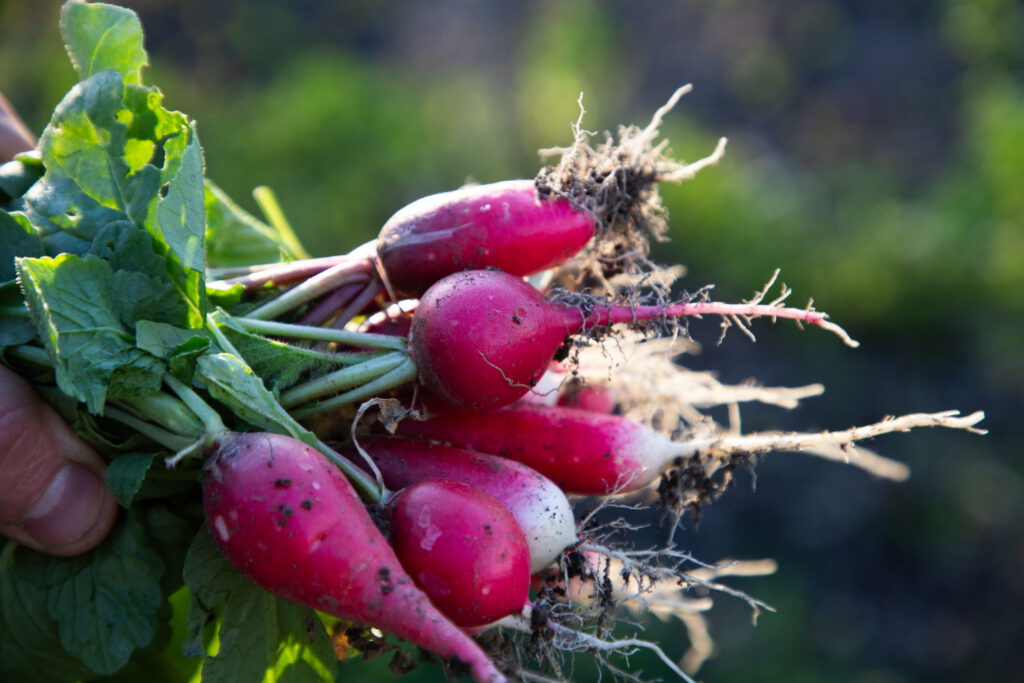
Radishes are one of my go-to spring crops because they grow ridiculously fast. Most are ready to pull in just three or four weeks, which is perfect when you’re impatiently waiting for the rest of your garden to catch up.
You can scatter radish seeds right in the ground as soon as the soil isn’t frozen solid. They like cool weather, so don’t wait too long. Just space the seeds about an inch apart, cover lightly, and you’re good to go.
Quick Tip: If you want a steady supply, plant a new batch every couple of weeks instead of all at once.
Radishes need consistent moisture or they get tough and way too spicy. I water when the top inch of soil dries out. In hotter climates, they’ll bolt fast once it warms up, so get them planted early.
They barely take up any space, which is great. I’ve tucked them into containers, between other veggies, or in those odd corners where nothing else seems to fit.
2) Spinach
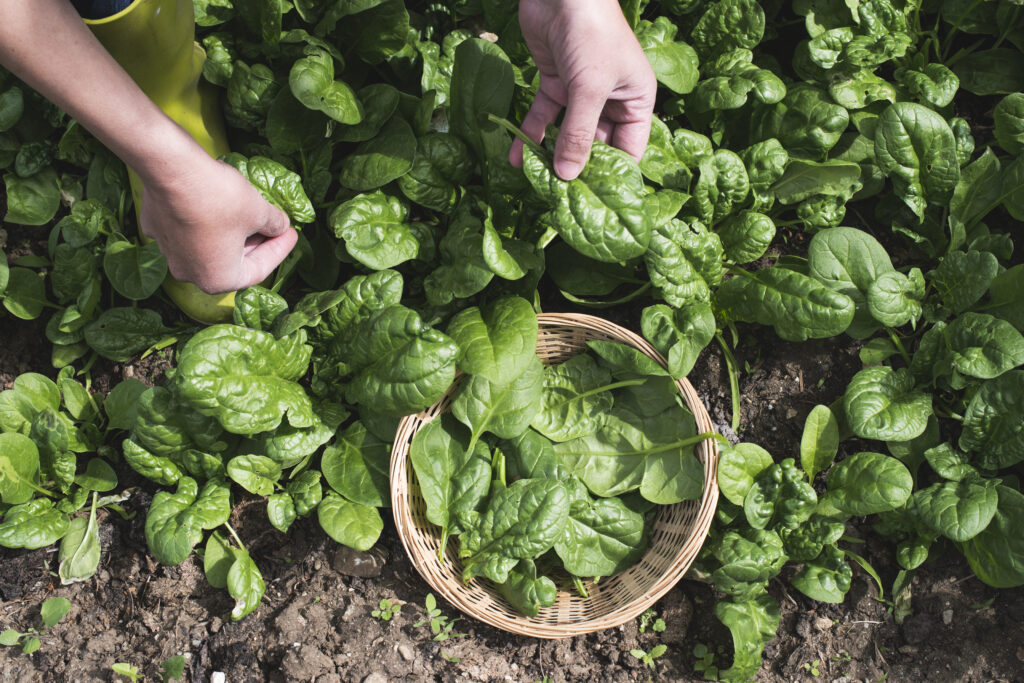
Spinach is a must for me in early spring. It actually prefers the chill—anywhere from 35 to 75 degrees is its happy place. I usually get seeds in the ground about a month before the last frost.
It’s a pretty low-maintenance green. I sow the seeds about half an inch deep, space them an inch apart, then thin them to 3-4 inches when they pop up.
Quick Tip: Keep planting a new row every couple of weeks for a longer spinach season.
Spinach grows fast. Most types are ready in about 37-45 days, and I start picking the outer leaves as soon as they’re big enough. That way, the plant keeps chugging along.
But as soon as temps climb above 75, spinach gets the urge to bolt. If you’re somewhere warm, get it planted as early as possible to avoid disappointment.
3) Lettuce

Lettuce is another spring favorite since it’s quick to grow and doesn’t mind a bit of cold. I usually scatter seeds outside about a month before the last frost. It actually prefers those gentle spring temps before things heat up.
You can start harvesting leaves in just 30-45 days, depending on the variety. I like to stagger plantings every couple of weeks so there’s always something to pick.
Quick Tip: Morning sun with some afternoon shade works best, especially if your spring warms up fast.
Keep an eye out for slugs and snails—they’ll go after tender lettuce leaves. If you get a sudden heat wave, lettuce can bolt and turn bitter, so spring really is the sweet spot.
Loose-leaf types are my top pick for beginners. They’re forgiving, and you can just harvest a few leaves at a time while the plant keeps growing.
4) Carrots

Carrots are perfect for spring because they don’t mind cool soil, and you can plant the seeds about three weeks before the last frost. They’ll sprout once the soil is around 45°F, though a little warmth speeds things up.
The real trick is loose soil. If your dirt’s rocky or heavy, you’ll end up with weird, twisted carrots. I dig down at least a foot and mix in compost to keep things fluffy.
Quick Tip: Carrot seeds are tiny—mix them with sand before sowing to help space them out.
Don’t expect instant results. Carrots usually take 60 to 80 days, and germination can be slow, so keep the soil damp while you wait.
If you’re in a hotter area, plant early before the heat sets in. Hot weather can make carrots taste pretty rough.
5) Green Peas

Peas are one of those rare veggies that actually prefer it cold. I plant them as soon as I can work the soil, even if there’s still a chance of frost. They’re tough enough to handle temps down to about 28°F.
I usually sow peas directly in the garden about a month before the last frost. The seeds don’t mind chilly, damp soil, unlike beans.
Quick Tip: Double rows about six inches apart help peas support each other as they climb.
Most peas need something to grab onto, so I set up a trellis or some twine right away. Even bush types seem happier with a little support.
Pick the pods when they’re plump but not overfilled. In warmer areas, the window is short—peas stop producing fast once it gets hot.
6) Broccoli
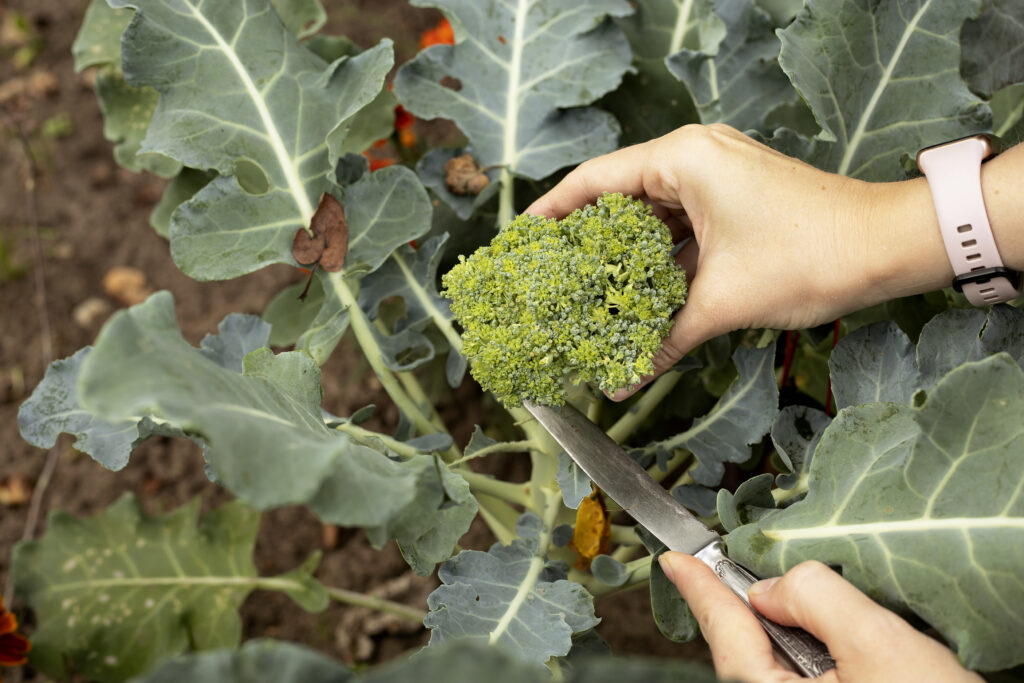
Broccoli is another cool-weather lover. I try to get it in the ground two to four weeks before the last frost. Those lower temps help it form nice, tight heads without rushing to flower.
It likes full sun and well-draining soil, so I always mix in compost before planting. Eighteen inches between plants seems to do the trick.
Quick Tip: Keep the soil consistently moist—broccoli gets cranky if it dries out.
Cabbage worms can be a pain. I check for them every few days and just pick them off when I see them. If your springs are short and warm, you might find fall is a better time for broccoli, but spring usually works out fine.
Harvest when the heads are tight and deep green, before any yellow flowers pop up.
7) Kale
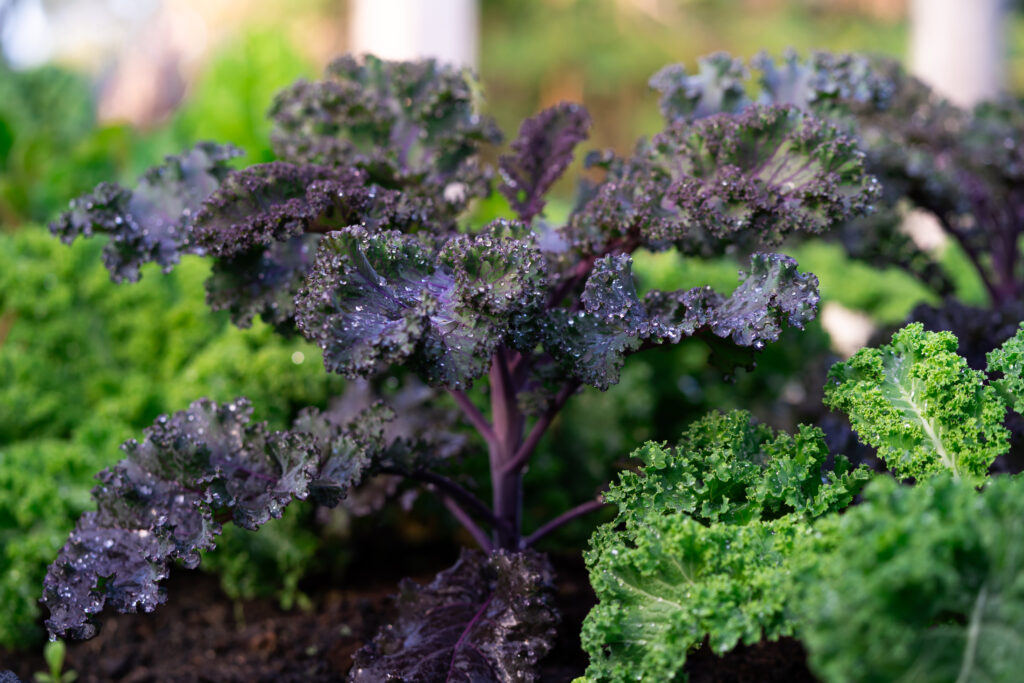
Kale is honestly one of the easiest greens to grow in spring. I sow seeds directly in the garden about a month before the last frost. It actually tastes better when it grows in the cold.
Seeds pop up fast—sometimes in less than a week. I give each plant about a foot of space to spread out.
Kale doesn’t need much attention once it’s going. Water when the soil starts to dry out, and that’s pretty much it.
Quick Tip: Pick the outer leaves first—leave the center alone and you’ll get more harvests.
Keep an eye out for cabbage worms, especially if you see those little white butterflies fluttering around. A quick check every few days saves a lot of trouble later.
8) Beets
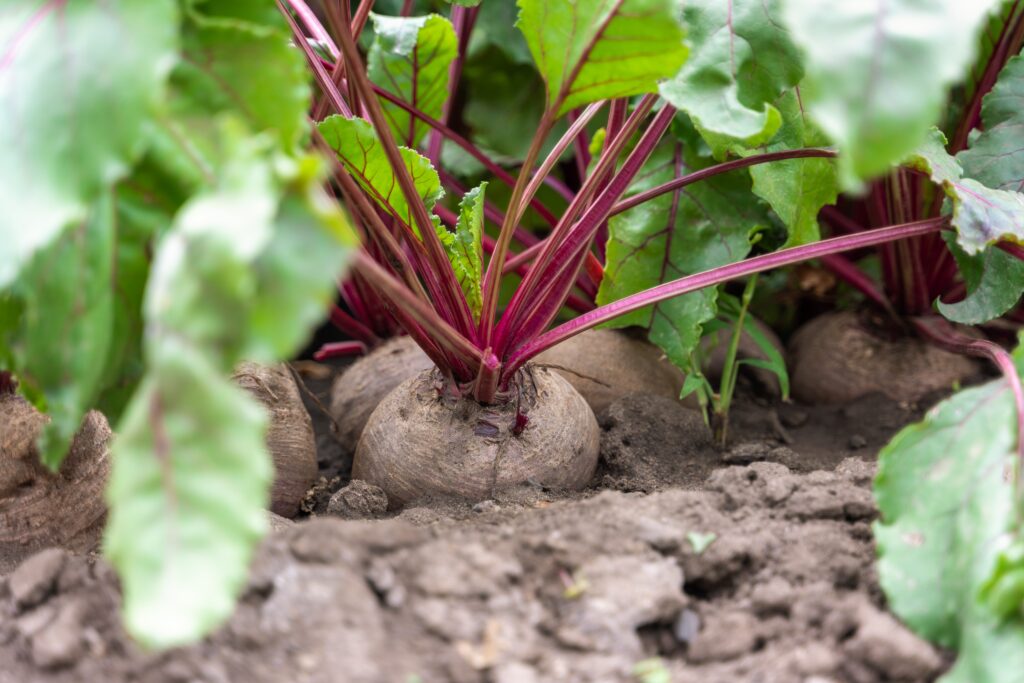
Beets are another spring favorite for me—they handle chilly weather with no complaints. You can plant them about four weeks before your last frost, once the soil warms to around 50°F.
Beet seeds are actually clusters, so you’ll get a few sprouts from each one. I thin them out when they’re a couple inches tall, leaving about three inches between each plant. The thinnings are tasty in salads, so nothing’s wasted.
Quick Tip: Soak beet seeds overnight before planting—it helps them sprout faster.
Loose, well-drained soil is best for beets. I keep the soil moist but not soggy, and in hot areas, a little afternoon shade helps keep them happy.
They’re usually ready in 50-70 days. I like to harvest when they’re about two inches across, but you can let them get bigger if that’s your thing.
9) Swiss Chard
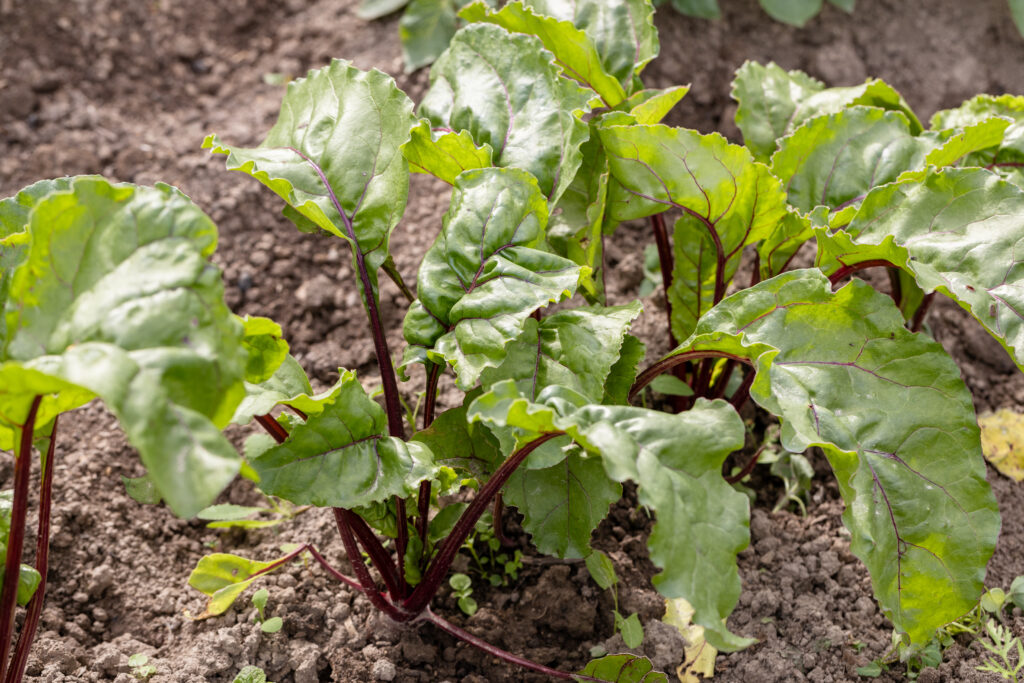
Swiss chard is a spring winner for both looks and taste. The stems come in crazy bright colors—red, yellow, orange—which always makes my garden look a little more cheerful.
It handles cool spring weather like a champ. I plant seeds right in the ground two or three weeks before the last frost. The seeds are big and easy to handle, which is a nice change from tiny lettuce or carrot seeds.
Swiss chard doesn’t need much fuss. I just keep the soil moist and it takes off. You can start picking outer leaves in about 50 to 60 days.
Quick Tip: Always pick the outer leaves first and let the center keep growing for a longer harvest.
One thing I really appreciate is that chard doesn’t bolt as fast as spinach when it gets warm. It’ll keep going into early summer in most places. If you’re somewhere hot, a bit of afternoon shade helps.
10) Cabbage

Cabbage is tough and loves cool weather. I usually start seeds indoors six to eight weeks before the last frost, but you can direct sow outside once the soil is workable. Full sun and moist, well-drained soil are a must.
Give cabbage enough space—12 to 18 inches between plants—so the heads can get nice and big. I always add compost because cabbage is a heavy feeder.
Quick Tip: Keep the water coming—if the soil dries out, you risk the heads splitting right when they’re almost ready.
Pests like cabbage worms and aphids can be a headache. Floating row covers help keep them at bay without resorting to chemicals.
If you’re in a warm zone, try planting in late winter for a spring harvest, or wait until late summer for a fall crop. Summer heat isn’t cabbage’s friend.
How to Prepare Your Garden for Spring Vegetables
Getting your garden ready means checking your soil, finding a sunny spot, and knowing when the last frost is likely to hit. These steps can really make or break your spring garden.
Soil Preparation Tips
I always start with a soil pH test—most spring veggies like it between 6.0 and 7.0. You can grab a cheap kit at any garden center.
Once I know the pH, I mix in two or three inches of compost or aged manure into the top six to eight inches of soil. That adds nutrients and helps with drainage. I use a garden fork to break up clumps and pull out rocks or junk.
If your soil’s heavy clay, add some coarse sand or peat moss to loosen it up. Sandy soil? More compost helps it hold moisture.
Quick Tip: Grab a handful of soil and squeeze—if it crumbles, you’re good to go. If it stays in a tight ball, give it a few days to dry out.
I also toss in a balanced organic fertilizer (like 10-10-10) about a week before planting. That way, the nutrients have time to settle in before the seeds go down.
Choosing the Right Location
Spring veggies really need a lot of sun—at least 6-8 hours a day. I always hunt for the brightest spot in my yard, usually somewhere on the south or west side where the sun isn’t blocked by buildings or trees.
Drainage is a big deal too. I dig a little hole and fill it with water—if it disappears in an hour or two, perfect. If not, well, you’ll probably want to build a raised bed or just pick a new spot.
Make sure your garden isn’t too far from a hose or faucet. Trust me, dragging a hose across the yard gets old fast, and spring veggies aren’t forgiving if they dry out.
Quick Tip: Stay away from low spots where cold air settles—those “frost pockets” can wreck tender seedlings even after you think you’re safe from frost.
Understanding Frost Dates
The last spring frost date is my go-to for knowing when to plant outside. I usually check the USDA website using my zip code, or just ask someone at the garden center.
Some crops like peas, lettuce, and spinach can handle being planted 2-4 weeks before that last frost. They actually like the chill. Tomatoes and peppers, though? They need to wait until it’s definitely warm.
I always keep row covers or just some old sheets on hand, just in case there’s a surprise cold snap. Even a quick freeze can wipe out young plants.
Quick Tip: If you’re in a valley or a shady spot, tack on another 7-10 days to your frost date—those areas stay cold longer than you’d think.
Common Mistakes When Starting Spring Vegetables
It’s easy to go overboard with watering when you’re new to gardening, and figuring out where to start your seeds can be confusing too.
Overwatering Young Plants
I’ve definitely smothered my share of seedlings with too much water. When spring rolls around, it’s tempting to grab the watering can every single day.
But young plants want moist—not soggy—soil. Their roots can’t breathe if they’re swimming, and that leads to rot and wilting. I just poke a finger into the top inch of soil; if it’s damp, I wait another day before watering again.
Spring veggies like lettuce, peas, and spinach are especially sensitive to cold, wet soil. It’s basically a recipe for disaster for those little roots.
Quick Tip: Water in the morning so any extra moisture dries up during the day, and always use pots or beds with drainage holes.
I try to water deeply but less often, so roots grow down instead of staying shallow. Light, daily sprinkles just make plants weak when the real heat shows up.
Starting Seeds Indoors vs. Outdoors
Some spring veggies really don’t like being moved. I learned the hard way after watching my transplanted carrots come up all twisted and sad.
Root crops like carrots, radishes, and beets need to be sown right in the garden. Their roots get messed up if you try to move them, and they just never bounce back. Peas are pretty picky about this too.
Tomatoes, peppers, and eggplants are the opposite. They need 6-8 weeks indoors before the last frost, since they hate the cold. For my zone 6 garden, I start them in March.
Lettuce, kale, and broccoli are a bit more flexible. You can start them inside 4-6 weeks early, or just plant them outside a couple weeks before your last frost. I usually just sow them straight in the garden since they pop up fast in cool soil.
Quick Tip: Double-check each veggie’s needs—seed packets usually tell you if you should start indoors or sow directly.
Frequently Asked Questions
Spring planting really depends on your local frost dates and how warm your soil is. Most cool-season veggies are fine between 40-70°F, and some even shrug off a light frost.
When is the best time to start planting vegetables in early spring?
I usually plant about 2-4 weeks before my last expected frost. The soil should be at least 40°F for most cool-season seeds to sprout.
I just stick my finger a couple inches into the soil—if it’s cold and soggy, I wait. If it’s cool but crumbly, I go for it.
Quick Tip: If you’re in zones 9-10, you can start as early as late February. For zones 4-5, hold off until around mid-April.
Which vegetables can handle light frost and cooler spring temperatures?
Spinach, lettuce, and green peas actually handle light frost just fine. They can survive down to about 28°F without much trouble.
Radishes are pretty tough, too. They actually taste better when it’s cool—between 50-65°F is their sweet spot.
Carrots can handle frost once they’re up, though they’re slow to sprout in cold dirt. If a hard freeze is coming, I just toss a row cover on top.
Quick Tip: Plant these frost-hardy veggies first, then wait until all risk of frost is gone before adding the tender stuff like tomatoes.
What are the fastest-growing vegetables I can plant in spring for an early harvest?
Radishes are the speed demons—just 20-30 days from seed to salad. I’m always surprised how fast they’re ready.
Spinach is next at 40-50 days, and lettuce isn’t far behind at 45-55 days. It’s nice to have fresh greens while everything else is still tiny.
Baby carrots can be picked in 50-60 days if you don’t mind them small. Green peas take a bit longer, around 60-70 days, but they’re totally worth it.
Quick Tip: I like to tuck radishes between slower-growing plants to make the most of my space and get something to eat early.
How do I know whether to direct sow seeds or start them indoors for spring planting?
I always direct sow radishes, carrots, lettuce, and peas—they just don’t like being disturbed. They do best going straight into the garden.
Spinach can go either way, but I usually sow it directly since it sprouts quickly in cool soil. The seeds are tiny but honestly not that hard to space out.
Starting seeds indoors is really for veggies that need a long season or warm soil. For most spring crops, direct sowing is just easier and works well.
Quick Tip: Always read your seed packet—if it says “resents transplanting,” just plant it straight outside.
What vegetables should I plant in spring that will keep producing into summer?
Lettuce will keep going for weeks if you just pick the outer leaves and let the center grow. Once it gets hot (over 80°F), it’ll bolt, though.
Green peas will give a good 3-4 weeks of harvest before the heat shuts them down. In cooler places, they last even longer.
Carrots are happy to hang out in the ground well into early summer. I just pull them as I need them—no rush.
Quick Tip: Try planting lettuce and spinach in a bit of shade or use some shade cloth once it gets above 75°F. It really helps stretch the harvest.
What spring vegetables grow best in California’s different climate zones?
Coastal California usually has these cool, gentle springs—lettuce, spinach, and radishes just love it. Honestly, in zones 9-10 near the coast, I can grow them almost all year if I want.
Inland valleys, though, heat up faster than you’d think. I always try to plant early and by late May, I’m already dragging out the shade cloth.
Carrots and peas seem to thrive if you get them in the ground by March. Timing really matters out there.
Mountain and desert areas? Those are a whole different story with their wild temperature swings and shorter springs. I stick with cold-hardy veggies like spinach and peas, and I’m always keeping an eye out for those sneaky late frosts in April.
Quick Tip: In Southern California’s hotter zones, get your spring veggies planted by February. That way, you’ll actually get a harvest before the summer heat hits.