Honestly, fall might just be my favorite time to plant veggies. The cooler air gives many crops a real boost compared to what they get in the summer heat.
Plus, there’s something special about harvesting fresh produce well into winter—especially when most gardens have already called it quits for the year.
Starting the right vegetables in fall can give you a harvest when most gardens have stopped producing. Some veggies, I swear, get even sweeter after a touch of frost. Timing is everything though—you’ve got to know what to plant and get it in before the cold really settles in.
1) Brussels Sprouts
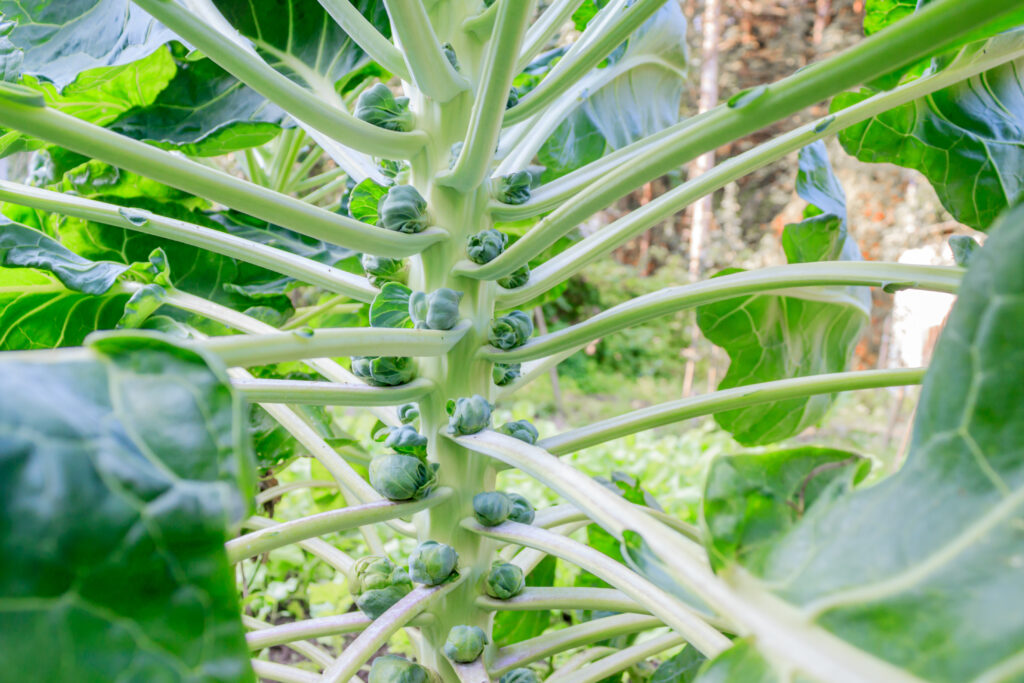
Brussels sprouts? They’re a fall favorite for me. After a light frost, those little cabbages actually taste sweeter and lose a lot of their bitterness.
I try to get them in the ground about 12 to 14 weeks before the first expected frost. They need full sun and rich, well-draining soil. Honestly, they get pretty big, so I give them 18 to 24 inches of space.
These guys can handle temps down to the mid-20s. That makes them perfect for stretching the garden season well into late fall.
Quick Tip: Water deeply once a week instead of shallow daily sips—it really helps the roots dig in.
Cabbage worms and aphids love these plants, so I check under the leaves every few days. In warmer zones, you might want to wait a bit longer to plant so they mature in cooler weather.
They grow slowly, not gonna lie, but picking your own sprouts off the stalk in late fall is pretty satisfying. I start harvesting from the bottom up once the sprouts are firm and about an inch across.
2) Kale
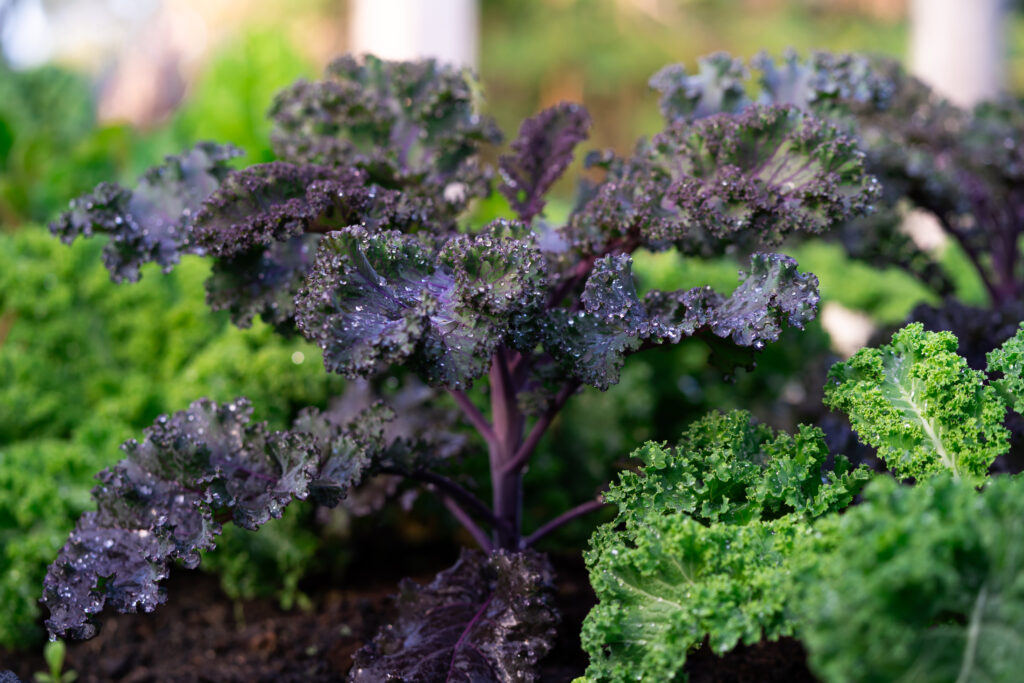
Kale is a must for my fall garden. It honestly tastes way better after it’s been kissed by a few frosts—sweeter, less bitter, just better all around.
This stuff grows fast in cool weather and shrugs off frost like it’s nothing. I usually start seeds 6-8 weeks before the first frost, but transplants work if you want a jumpstart.
Give kale at least 6 hours of sun and some compost in the soil for a real boost. Space them about 12-18 inches apart—they like their elbow room.
Quick Tip: Pick the outer leaves first and let the center keep growing. You’ll be eating fresh kale for ages.
Cabbage worms can be a pain, so I keep an eye out and pick them off. If it’s still hot in early fall, a little shade helps keep kale happy.
3) Carrots

Carrots just seem to get sweeter in fall. Once the temps dip below 75°F, they’re in their element.
I direct-sow seeds about 6-8 weeks before the first frost. Loose, rock-free soil is key—otherwise, you’ll end up with some pretty funky-shaped carrots. I plant them a quarter-inch deep and thin to 2 inches apart after they sprout.
Quick Tip: Keep the soil moist until the seeds pop up, which can take a couple of weeks.
Carrots like full sun, but they’ll deal with a bit of shade if needed. Cool nights bring out their natural sugars, so fall carrots are just… better.
If carrot rust flies are a thing in your area, a row cover works wonders. Most types take 60-80 days, so with a little planning, you can be pulling carrots well into winter if your climate’s mild.
4) Cauliflower
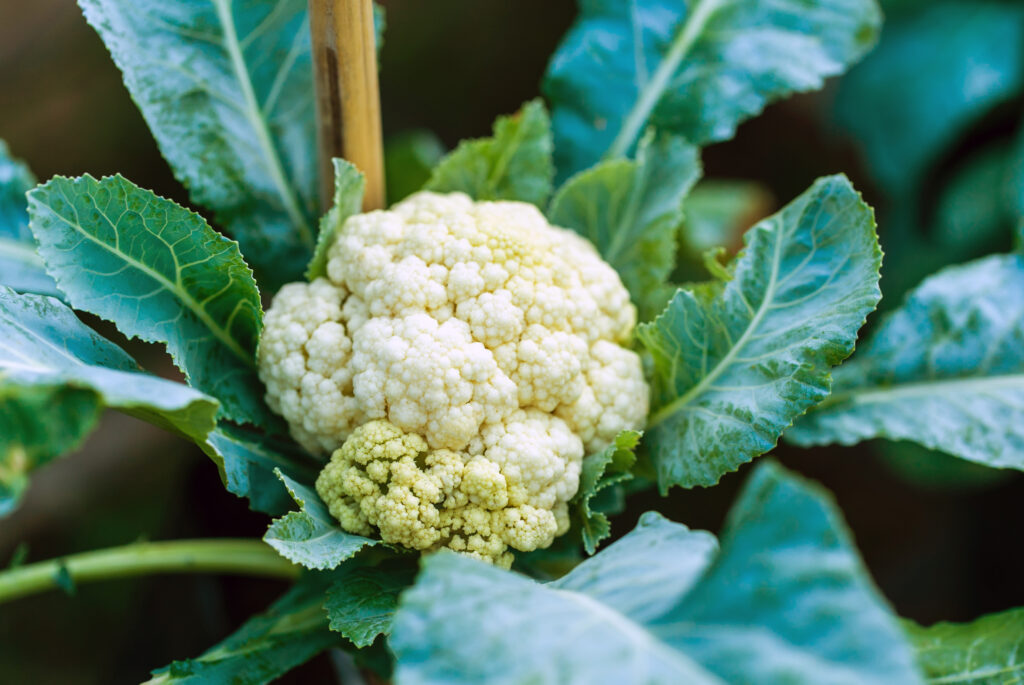
Cauliflower is way happier in cool weather. Hot spells make the heads bitter and weirdly shaped, so I always plant in late summer or early fall for the best shot at nice, tight heads.
Depending on the variety, you’re looking at 50 to 80 days to maturity. I usually go with transplants—they just take off faster. Give them 18 inches of space so those big leaves can stretch out.
Quick Tip: Full sun and well-drained but slightly moist soil is the sweet spot.
Cabbage worms and aphids are the main pests, so I check leaves often. If you get early hard frosts, pick a quick-maturing variety.
Harvest when the head is firm and white. Wait too long and it’ll start to separate or go yellow, which nobody wants.
5) Broccoli
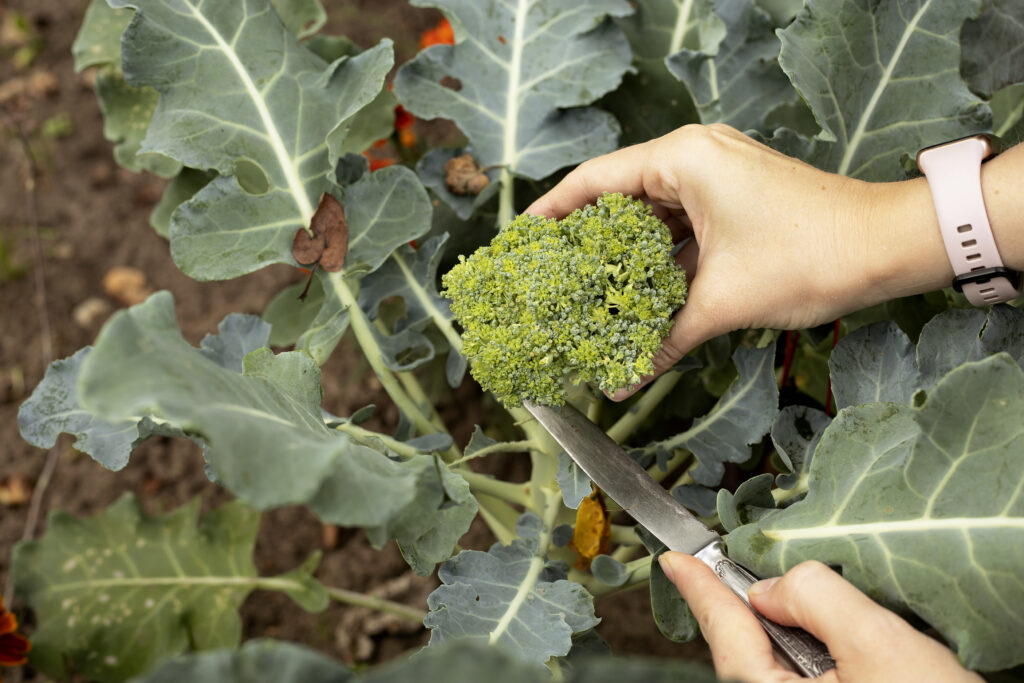
Broccoli really shines in fall—the cooler weather brings out a sweeter flavor that spring heads just can’t match.
I start seeds in late summer or early September, giving them 10-12 weeks to mature before any hard freezes. In zones 8-10, you can even plant later into October.
Daytime temps around 65-75°F are ideal. If it’s too hot, the heads end up small and bitter. Not great.
Quick Tip: Keep the soil consistently moist but not soggy. Dry spells make the heads bolt and flower early.
Cabbage worms are the main pest. I hand-pick them and sometimes throw a row cover over young plants to keep moths away.
Harvest when the head is tight and dark green. If yellow flowers start popping, you’ve missed your window.
6) Beets
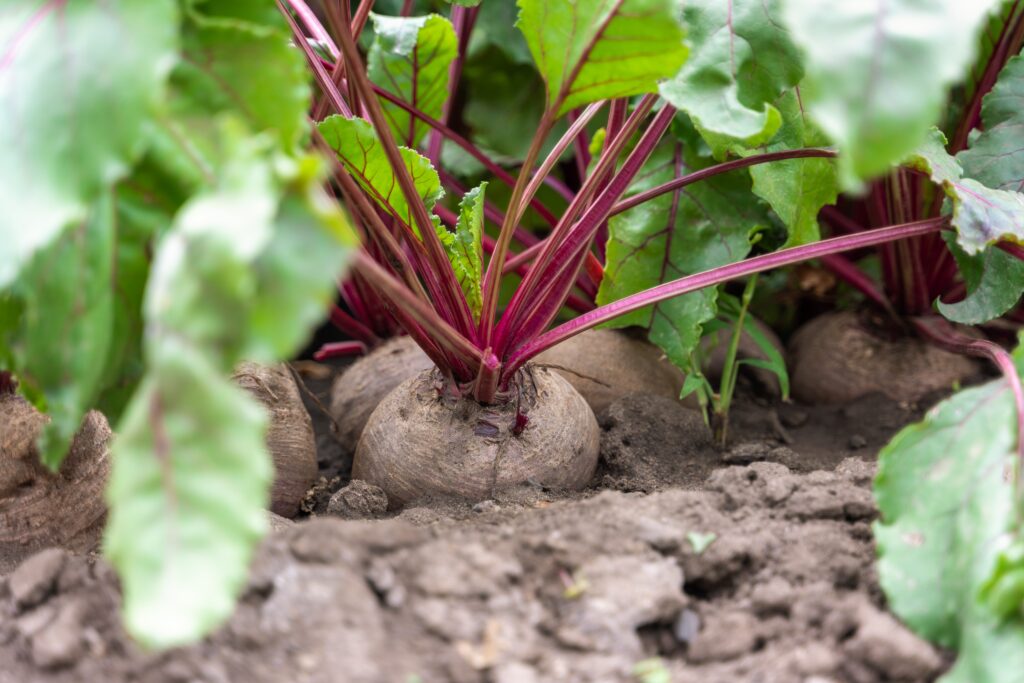
Beets are tough little things and love the cold. They get sweeter as the temps drop, so I plant them 8-10 weeks before the first frost.
Loose, well-drained soil is best. I put seeds about half an inch deep and give each one a few inches of space. Since beet seeds are actually clusters, you’ll get a few sprouts per spot.
Quick Tip: Thin seedlings to 3-4 inches apart. Crowded beets just don’t size up well.
Beet greens are ready in about a month, while the roots take 50-70 days. I usually pull them when they’re golf ball-sized for the sweetest flavor. In zones 8-10, you can keep planting almost all winter.
Leaf miners can be annoying—if you see squiggly trails, just pull those leaves right away.
7) Spinach
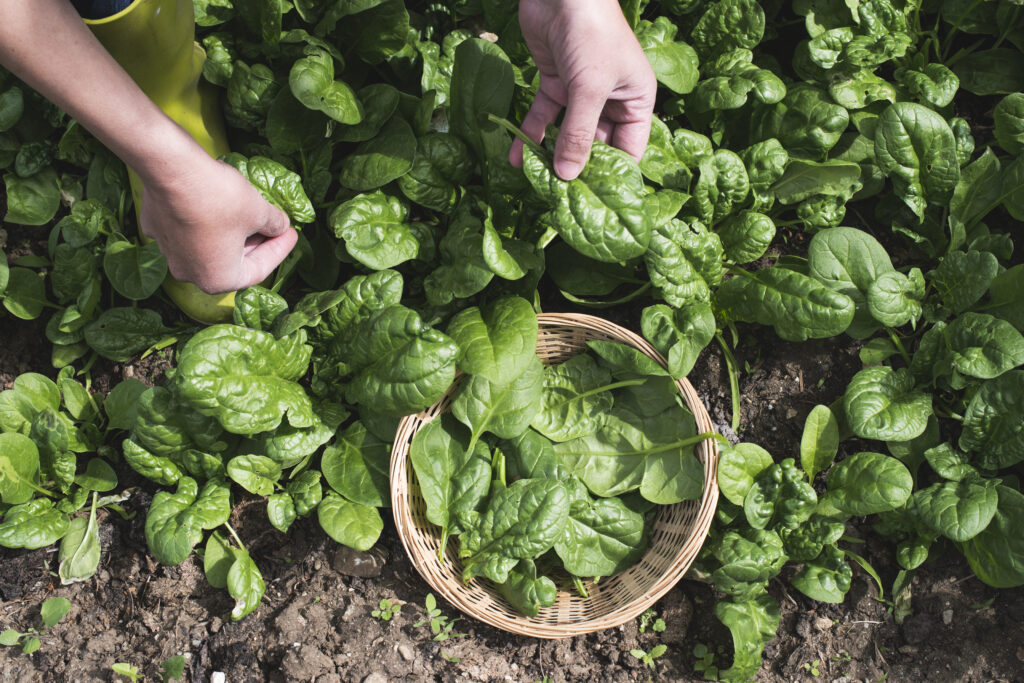
Spinach just doesn’t like summer heat—it bolts and gets bitter. But in fall? It’s perfect. The cool weather makes for tender, sweet leaves.
I plant spinach about six weeks before the first frost. Seeds sprout best when soil is between 50-70°F. I sow them half an inch deep and a few inches apart, right in the garden.
Quick Tip: Stagger your planting every couple of weeks for a steady supply into winter.
Spinach grows fast once it gets going. I start harvesting outer leaves in about 40 days and let the center keep producing. In warmer places, spinach might even survive winter and pop back up in spring.
Slugs can be a problem in damp weather—if you see holes in the leaves, they’re probably the culprits.
8) Swiss Chard
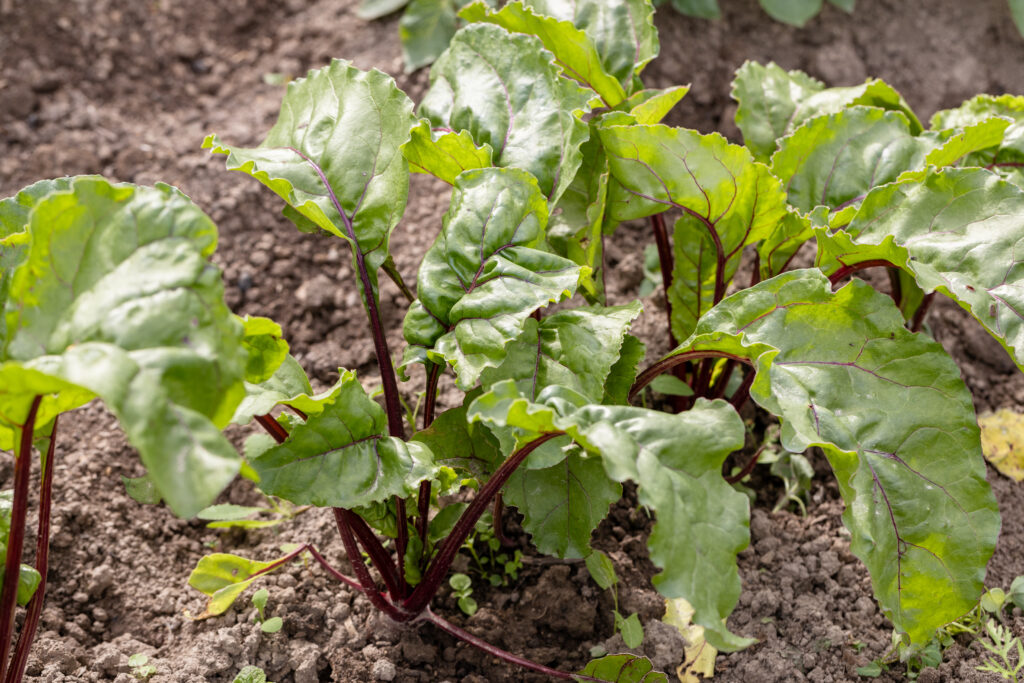
Swiss chard is underrated, honestly. It gets even sweeter after a frost, and those colorful stems—red, yellow, orange, white—are gorgeous when everything else is fading out.
You can start planting it about 8 weeks before your first frost. Chard shrugs off cold and keeps going well into winter, especially in zones 7 and up. Even a hard freeze won’t knock it out right away.
The best part? Harvest a few outer leaves and the plant just keeps cranking out more. I only take what I need for a meal and leave the rest.
Quick Tip: Plant seeds half an inch deep and thin to 6 inches apart for happy, healthy plants.
Leaf miners sometimes show up—if you spot those squiggly lines, just pick off the affected leaves. Chard is pretty low-maintenance otherwise, just needs regular water and halfway decent soil.
9) Radishes
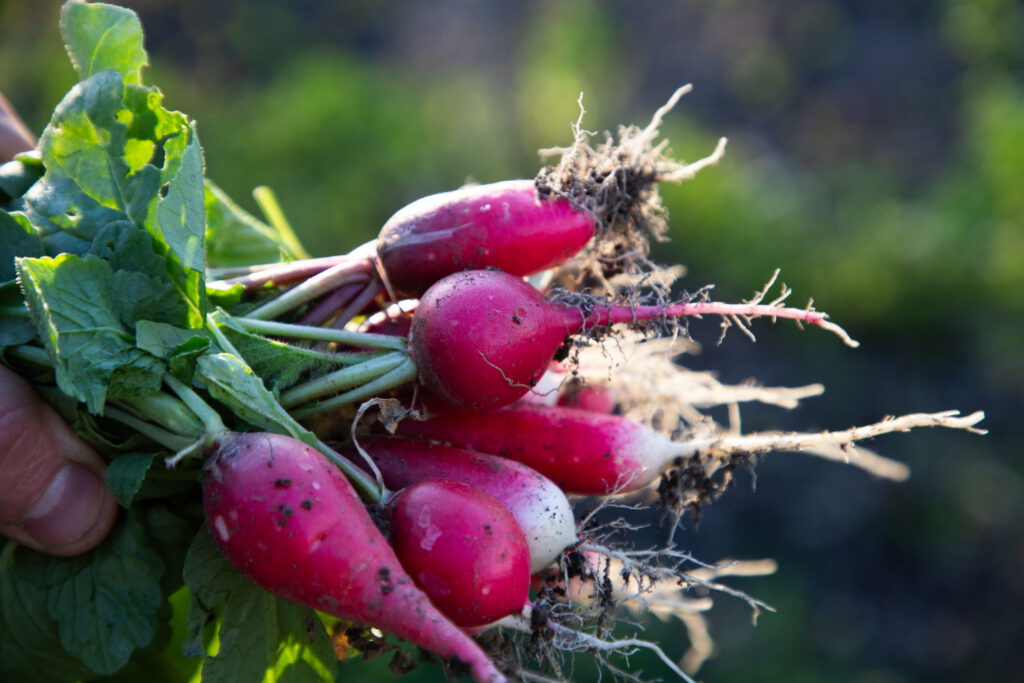
Radishes are ridiculously easy in fall. They go from seed to plate in three or four weeks, and they love the cool weather.
I plant seeds half an inch deep, an inch apart. They hate being crowded, so I thin them out if needed. Full sun and loose soil make for the best roots.
Quick Tip: Keep the soil moist—dry spells make radishes tough and bitter.
Cool temps make radishes sweeter and less spicy. They can handle a light frost, so I keep planting until about a month before the first hard freeze. In warm zones, you can grow them nearly all winter.
Flea beetles can be a pain—those tiny holes in the leaves are a giveaway. Row covers help. I pull radishes when they’re about an inch wide for the best crunch and flavor.
10) Turnips
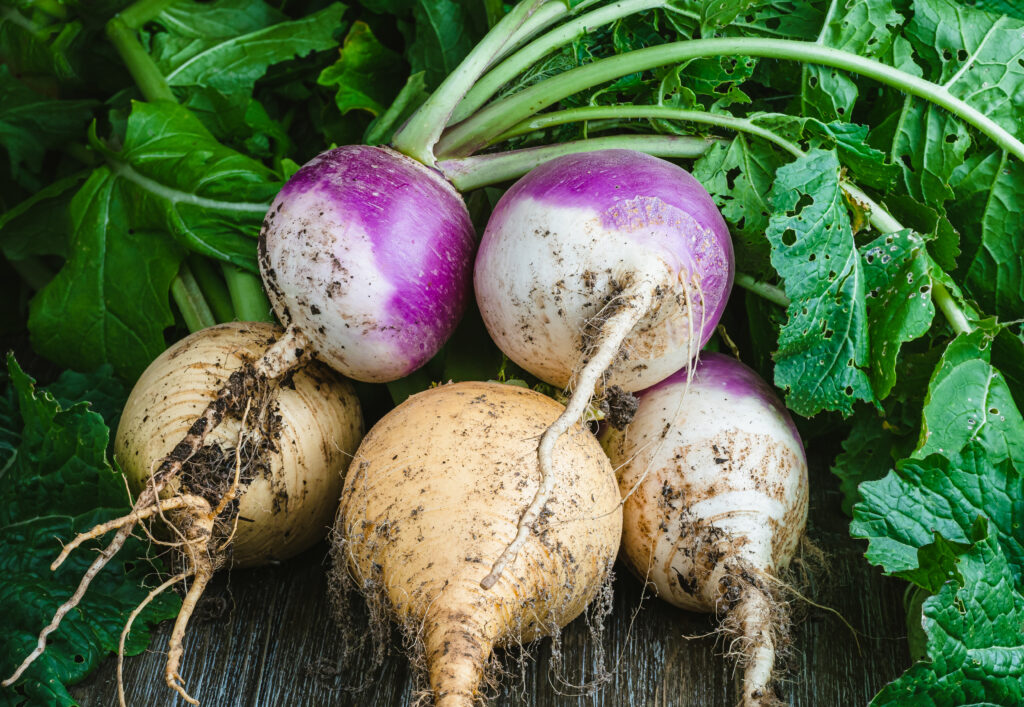
Turnips are another cold-weather champ. I sow seeds 8-10 weeks before the first frost and the roots turn out sweeter after a light frost.
They’re fast growers and don’t need much fuss. Roots are ready in 40-60 days, depending on the type. I plant seeds half an inch deep, straight into the garden.
Quick Tip: Don’t skip the greens—they’re really good sautéed or tossed in soups.
Space seeds 2-4 inches apart in rows. They like full sun but will deal with some shade. Keep the soil damp but not soggy.
Harvest when they’re 2-3 inches across for the best flavor. Leave them too long and they get woody and bitter—not ideal.
Benefits of Planting Fall Vegetables
Fall planting gives me more food when I need it most, keeps pests away naturally, and makes my vegetables taste better than spring crops.
Extended Harvest Season
Honestly, one of the best parts about fall veggies is picking fresh food well into winter. Most spring gardens are done by July, but cool-weather crops keep going as the temps dip.
Kale, spinach, carrots—they all survive light frosts. Some even hang on down to 20°F with a little protection. I’ve been out picking in November and December while everyone else is stuck with store-bought produce.
Quick Tip: Plant 8-10 weeks before my first expected frost date for the best results.
It just works out—summer crops finish up, and I can use the same space again. My fall lettuce tastes crisp and fresh while my neighbors are eating stored summer tomatoes.
Natural Pest Reduction
There are way fewer bugs bugging my fall crops. Most pests slow down or disappear as the weather cools. Aphids, cucumber beetles, squash bugs—they all lose steam when nights get chilly.
I almost never have to spray anything in fall. The cool weather slows pest reproduction, so I don’t get those crazy infestations like I do in July.
Quick Tip: I still check leaves weekly for cabbage worms since they tolerate cold better than other pests.
Diseases are less of a headache, too. Fungal stuff like powdery mildew needs warmth and humidity, so my fall broccoli always looks healthier than what I manage in spring.
Cool Weather Flavor Enhancement
Cold temperatures really do make my vegetables sweeter. When plants sense frost coming, they turn starches into sugars as a kind of natural antifreeze.
This means my fall carrots, kale, and Brussels sprouts taste way better than their summer versions. I can honestly taste the difference in every bite.
My spring lettuce sometimes gets bitter, but fall lettuce? It stays mild and sweet. Parsnips need at least one frost before I even think about harvesting them—otherwise, the flavor just isn’t there.
Quick Tip: Wait until after the first frost to pick Brussels sprouts and parsnips for maximum sweetness.
The cold also makes leafy greens more tender. My fall spinach has softer leaves than spring spinach, which can be tough and a little strong tasting.
Key Tips for Growing Vegetables in Fall
Fall gardening isn’t quite the same as spring planting. I focus on getting the soil ready early, planting at the right time, and keeping young plants safe from surprise cold snaps.
Preparing Your Garden Beds
I always start by clearing out my summer plants and weeds. Dead tomato vines and spent bean plants have to go so they don’t bring diseases into winter.
Once the bed is clear, I add a couple inches of compost or aged manure. Fall soil can get compacted from summer watering and walking around, so I break it up with a garden fork.
This helps drainage, and that’s important since fall rains can easily waterlog beds. I check my soil pH too—most fall vegetables like it between 6.0 and 7.0.
If my soil is too acidic, I’ll add lime. Too alkaline? I mix in sulfur or peat moss, depending on what I have.
Quick Tip: Prep beds at least two weeks before planting so the soil has time to settle and amendments can start breaking down.
Timing for Seed Sowing
I count backwards from my first expected frost date to figure out when to plant. Each vegetable needs a certain number of days to mature, and I usually add two weeks since fall days are shorter and cooler.
For example, if my first frost is around November 1st and I want to grow lettuce (which takes about 50 days), I plant in early September. Carrots take longer—about 70 days—so those go in by mid-August.
Some vegetables can take a light frost. Kale, spinach, and Brussels sprouts actually taste sweeter after a frost, but the more tender crops like beans need to finish before freezing temps arrive.
I also direct-sow when I can in fall. Transplants sometimes struggle with the change when temperatures start dropping.
Quick Tip: Write your first frost date on your calendar and work backwards from there for each vegetable you want to grow.
Protecting Young Plants from Frost
Seedlings are vulnerable to surprise cold snaps. I keep row covers handy starting in late September, just in case.
These lightweight fabric sheets trap warmth and can protect plants down to about 28°F. I drape the covers over hoops or stakes so they don’t sit directly on the leaves.
When frost is coming, I put them on in the late afternoon and pull them off the next morning once it’s warmer. Cold frames work great too—I built a simple one with old windows and scrap lumber.
It acts like a mini greenhouse and keeps plants 10-15 degrees warmer than the outside air. Mulch helps protect roots from temperature swings, so I spread a few inches of straw around plants once they’re a few inches tall.
In colder zones (6 and below), I add extra mulch as winter gets closer. Quick Tip: Check the weather forecast twice a week in fall so you’re never caught off guard by an early freeze.
Frequently Asked Questions
I’ve covered the main vegetables to plant in fall, but you probably have some specific questions about timing and location. Let me answer the most common questions I get about fall gardening.
What vegetables are best to plant in the fall for a spring harvest?
I always recommend planting garlic, onions, and shallots in fall if you want a spring harvest. These crops need a cold period to develop properly.
You can also try planting peas in late fall in milder climates. Carrots planted in early fall will often overwinter and be ready to pull in spring—just make sure to mulch them well before the first hard freeze.
Quick Tip: Plant your garlic cloves about 6 weeks before your first hard frost for the best spring bulbs.
When is the best time to plant fall vegetables in my area?
The best planting time depends on your first frost date. I count backward from that date based on each vegetable’s days to maturity.
For example, if your first frost is November 1st and you want to grow broccoli (about 60 days), you need to plant by early September. Most fall vegetables like Brussels sprouts and kale should go in the ground 8-12 weeks before your first expected frost.
Carrots and other root vegetables can handle a bit less time. Check your USDA hardiness zone online to find your average first frost date.
Your local extension office can also give you specific planting dates for your area. Quick Tip: Write down your first frost date and keep it handy when planning your fall garden.
Is September too late to plant vegetables for a fall garden?
September isn’t too late in most areas. I still plant plenty of fast-growing vegetables in early September.
Leafy greens like kale mature quickly and can handle light frosts. You can plant carrots in September in zones 7 and warmer—they’ll be ready before the ground freezes hard.
Cauliflower transplants also work well if you get them in the ground early in the month. In colder zones (5 and below), stick to the fastest-growing options.
Spinach and lettuce can go from seed to harvest in about 30 days. Quick Tip: Choose smaller or fast-maturing varieties in September to beat the frost.
What fall vegetables grow well in California’s climate?
California’s mild fall weather is perfect for growing Brussels sprouts, broccoli, and cauliflower. I love that these crops actually taste better when grown in California’s cool coastal areas.
The moderate temperatures mean you can plant later than gardeners in other states. Kale grows like crazy in California fall gardens—plant it in September or even early October in warmer parts of the state.
Carrots also do really well since the soil stays workable longer. In Southern California, you can grow fall vegetables almost year-round.
Just watch out for heat waves in September that might stress young transplants. Quick Tip: Use shade cloth on new transplants if you get a late-season heat spike.
What are the best fall vegetables to plant in Texas?
I find that Texas gardeners have great success with broccoli and cauliflower in fall. Plant them in late August or early September before the weather cools down—they need time to establish before winter.
Carrots love Texas fall gardens. The cooler soil helps them develop sweet, crisp roots.
Brussels sprouts also work well in most parts of Texas, though they need consistent watering. Kale is my top pick for Texas because it handles both the early fall heat and winter cold.
Plant it in September for harvests through winter. Quick Tip: In North Texas, plant earlier than South Texas because frost comes sooner.
Which vegetables should I plant in the fall in Georgia?
Georgia’s fall climate is honestly perfect for crops like Brussels sprouts and broccoli. I usually get those in the ground around late July or maybe early August—just to make sure they finish up before those December freezes roll in.
Funny thing, a light frost actually makes them taste sweeter. Nature’s little bonus, right?
Kale and carrots are about as easy as it gets for fall gardens here. I toss kale seeds out in August, and it just keeps on going through most of the winter.
Carrots are pretty forgiving too. You can plant them all the way into September in most parts of Georgia.
Cauliflower’s a bit trickier, honestly. I stick to putting out transplants in early August, hoping for a good November harvest.
Quick Tip: Don’t forget to mulch your carrots and kale really well in November. That little extra effort can keep the harvest coming even when it gets chilly.