
Are you finding that your beautiful orchid is starting to look a bit under the weather? 🌸 Orchids can be tricky to care for, but there’s hope! Your orchid might be dying due to improper watering, lighting, or humidity levels. These delicate plants need just the right balance of care to thrive.
I remember looking at my wilting orchid and thinking, “What am I doing wrong?” Sound familiar? It’s a common struggle. Figuring out the perfect amount of water can be a game-changer. Orchids don’t like to be too wet or too dry. Finding that sweet spot is key!
Is your orchid getting enough light? Not too much, not too little—just right! 🌞 Also, considering the humidity levels can make a big difference. Let’s get your orchid back to its former glory. Share your orchid woes or tips in the comments below! 🌿✨
Understanding Your Orchid
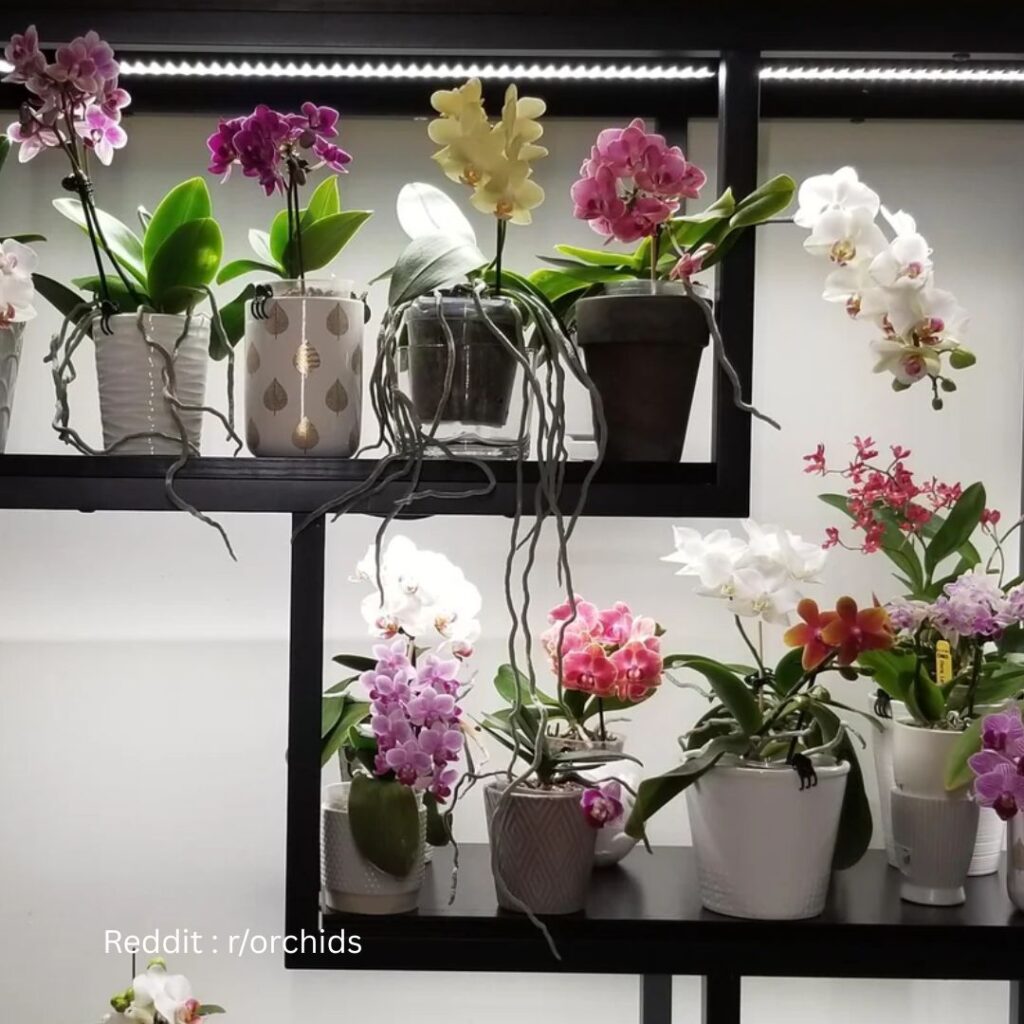
Taking care of orchids can be confusing, but knowing some basics can make a huge difference. Let’s break it down so you can help your orchid thrive.
Types of Orchids
Orchids come in many types. Some popular ones you might know are Phalaenopsis, Cattleya, and Dendrobium.
Phalaenopsis, or moth orchids, are common and great for beginners. They have big, beautiful blooms and prefer moderate light.
Cattleya orchids are known for their large, fragrant flowers. They need bright light and a bit more attention.
Dendrobium orchids have tall stems and come in many colors. They thrive in bright, indirect light.
Do you have one of these at home? Each type has specific care needs, so it’s important to know which kind you have. 🌸
Orchid Biology
Orchids are unique plants. They have special roots called aerial roots. These roots absorb moisture and nutrients from the air, not just the soil.
Leaves are also key. Healthy leaves should be firm and green, not yellow or wilted. This part can tell you a lot about your plant’s health.
Blooms can last for several weeks. After the flowers fade, the plant might rest before blooming again.
By understanding these parts, you can better care for your orchid. Pay close attention to roots, leaves, and blooms to spot any issues early.
Ideal Growing Conditions
Orchids need specific conditions to grow well. First, they love indirect sunlight. Too much direct sunlight can scorch their leaves, while too little light can prevent blooming.
They prefer humid environments. A room with around 50-70% humidity is perfect. You can use a humidity tray or a humidifier to help with this.
Temperature is another factor. Orchids tend to like it warm during the day (70-80°F) and cooler at night (60-70°F). This fluctuation helps them thrive.
Good air circulation is also important. This helps prevent diseases and keeps your orchid happy. 🌿
What has worked for you? Share your tips in the comments! 💬
Common Signs of Distress
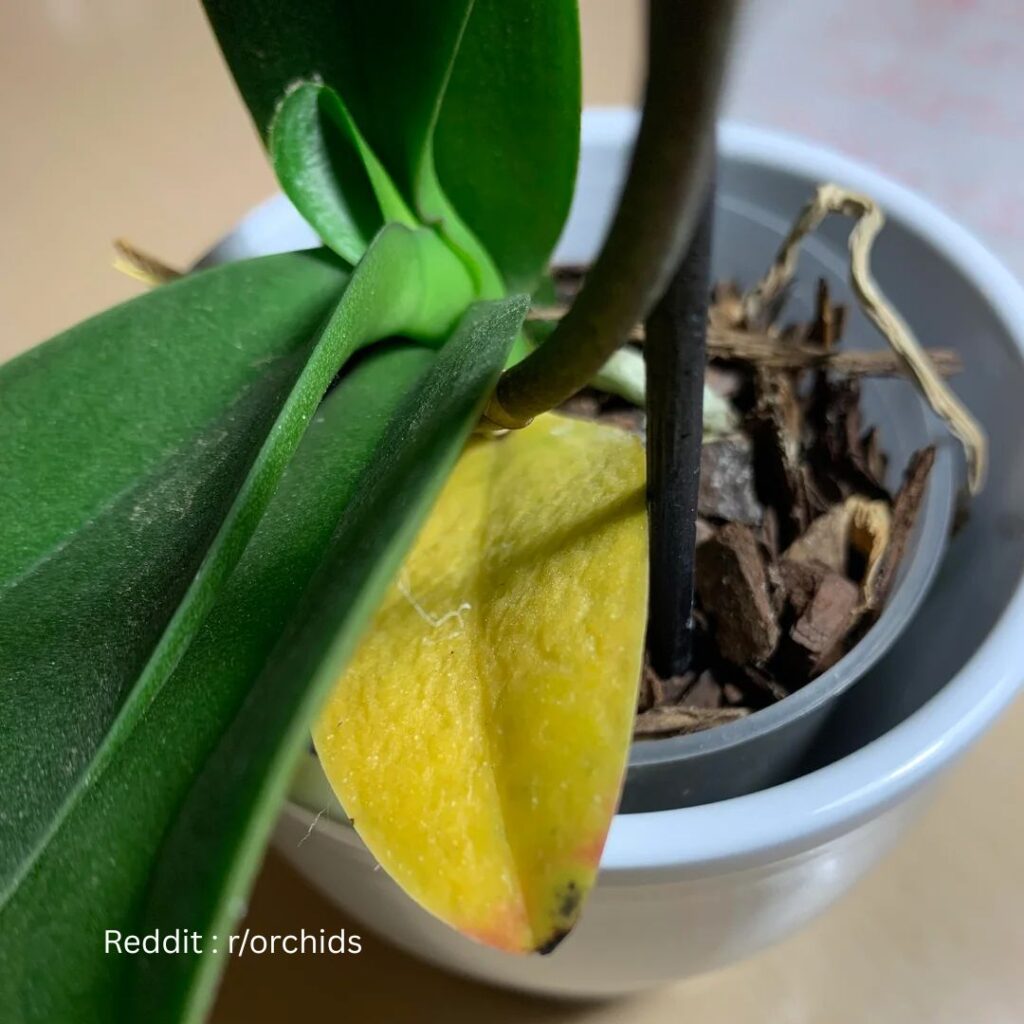
When your orchid starts showing signs of distress, it’s important to know what to look for. I’ll cover some common signs to help you figure out what might be going wrong and how to fix it.
Yellowing Leaves
Yellow leaves on an orchid can be a real bummer. If you notice this happening, it could mean overwatering or underwatering. Too much water can drown the roots, while too little can dry them out. 🤔
Sometimes it’s about the age of the leaf. Older leaves can naturally turn yellow and fall off. Also, take a look at the light your plant is getting. Too much direct sunlight can burn the leaves, causing them to yellow. Have you been moving your plant around? 🪴 This can also stress it out.
Wilting Flowers
Wilting flowers are like a cry for help. Orchids usually wilt because they’re not getting the right amount of water or humidity. It could be too dry in your home, especially in the winter when heaters are on. 🥶
Have you recently changed the orchid’s location? Shifts in temperature or light can cause flowers to wilt pretty quickly. Another thing to consider is the age of the flower. Orchids naturally lose flowers after a certain period, and new ones should grow back if the plant is healthy.
Drooping Stems
Drooping stems can make your orchid look pretty sad. This often points to an issue with watering. Too much can make the stems soft, while too little can make them weak.
It could also mean the potting medium has broken down. When the soil gets too old, it doesn’t let enough air reach the roots, weakening the plant. Also, check if your orchid is getting enough light. Not enough light means the plant can’t make enough energy to keep things upright.
Leaf Spotting
Spots on orchid leaves can be a sign of disease or fungus. Dark spots often mean a fungal infection. Yuck! 🦠 To handle this, you might need to cut off the affected leaves and use a fungicide.
Sometimes, spots can come from pests like mites or aphids. Look closely; you might see tiny bugs. Another issue could be nutrient deficiency. If the plant isn’t getting enough of the right nutrients, it can show up as spots on the leaves.
If you’ve noticed any of these signs, don’t fret! It’s all about figuring out what your orchid needs. 🌸 Is there a particular issue your orchid is facing? Share in the comments so we can help each other out!
Watering Mistakes
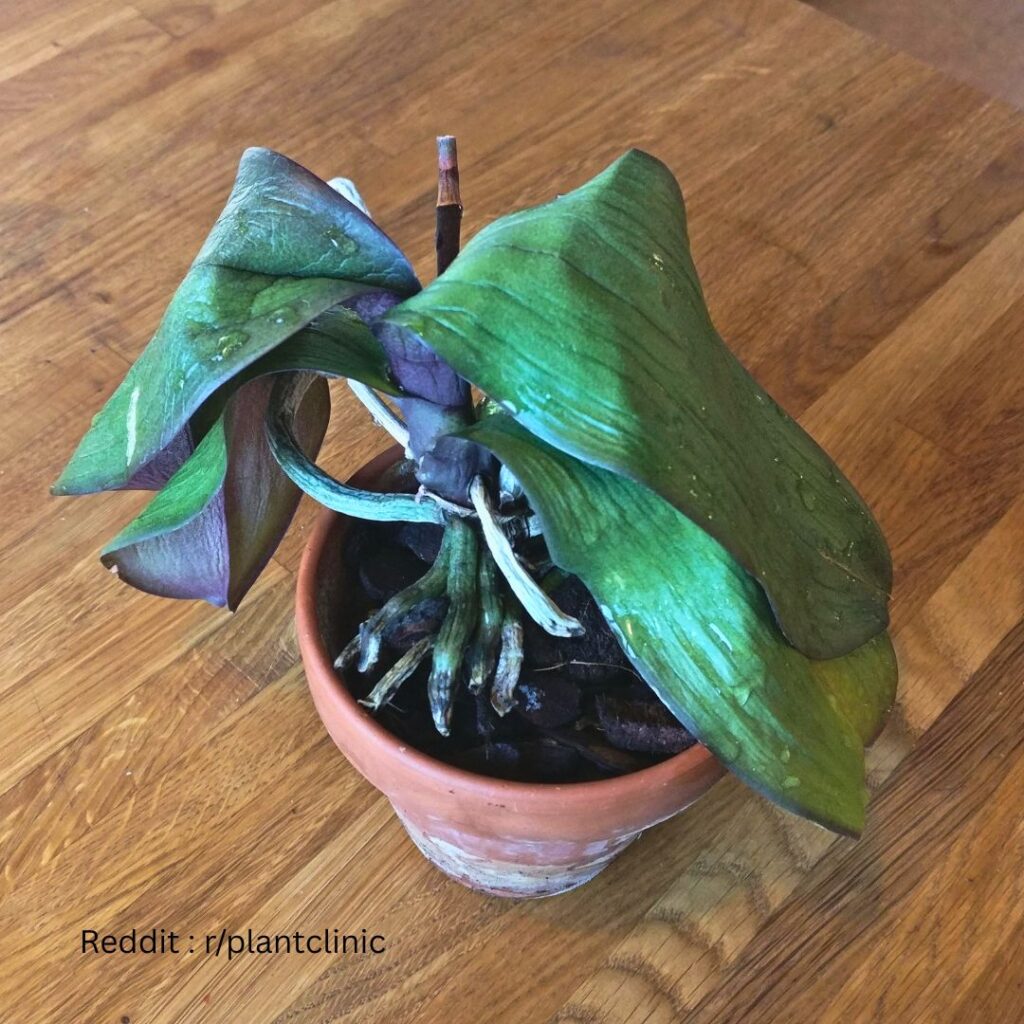
Watering your orchid the right way can be tricky. Overwatering, underwatering, and the quality of water you use can all play a big role in the health of your orchid.
Overwatering
Too much water can cause the roots to rot, which is bad news for your orchid. 🌿 Orchids like a good soak but only when the soil is almost dry. If the roots stay wet for too long, they can’t breathe. This can lead to mushy roots and a sad, wilting orchid.
A good tip: water your orchid every 7-10 days. Check if the potting mix is dry an inch below the surface before watering again. Make sure the pot has drainage holes so excess water can escape. Can you imagine sitting in a puddle all day? Your orchid wouldn’t like it either!
Underwatering
Not giving your orchid enough water can be just as harmful. 💦 Without enough water, the roots dry out and can’t support the plant. You might see shriveling leaves or buds that fall off before they bloom.
I get it, you don’t want to overwater. But a dry orchid is a sad orchid. Make sure to water it properly, letting the water flow through the potting mix and out the bottom. Think of it like treating your mum to a spa day: she deserves the best!
Quality of Water
You can’t just use any water. Tap water often contains chemicals like chlorine and fluoride that can hurt your orchid. 🌸 So what’s the solution? Rainwater or distilled water are great options. If you must use tap water, let it sit out for 24 hours so the chemicals can evaporate.
Ever noticed spots on the leaves or crusty white deposits on the soil? That’s a sign the water quality isn’t right. Treat your orchids like royalty—they’ll thank you with beautiful blooms.
This is why paying attention to how you water your orchid is so important. Share your orchid successes or struggles in the comments! 🌷
Lighting Issues
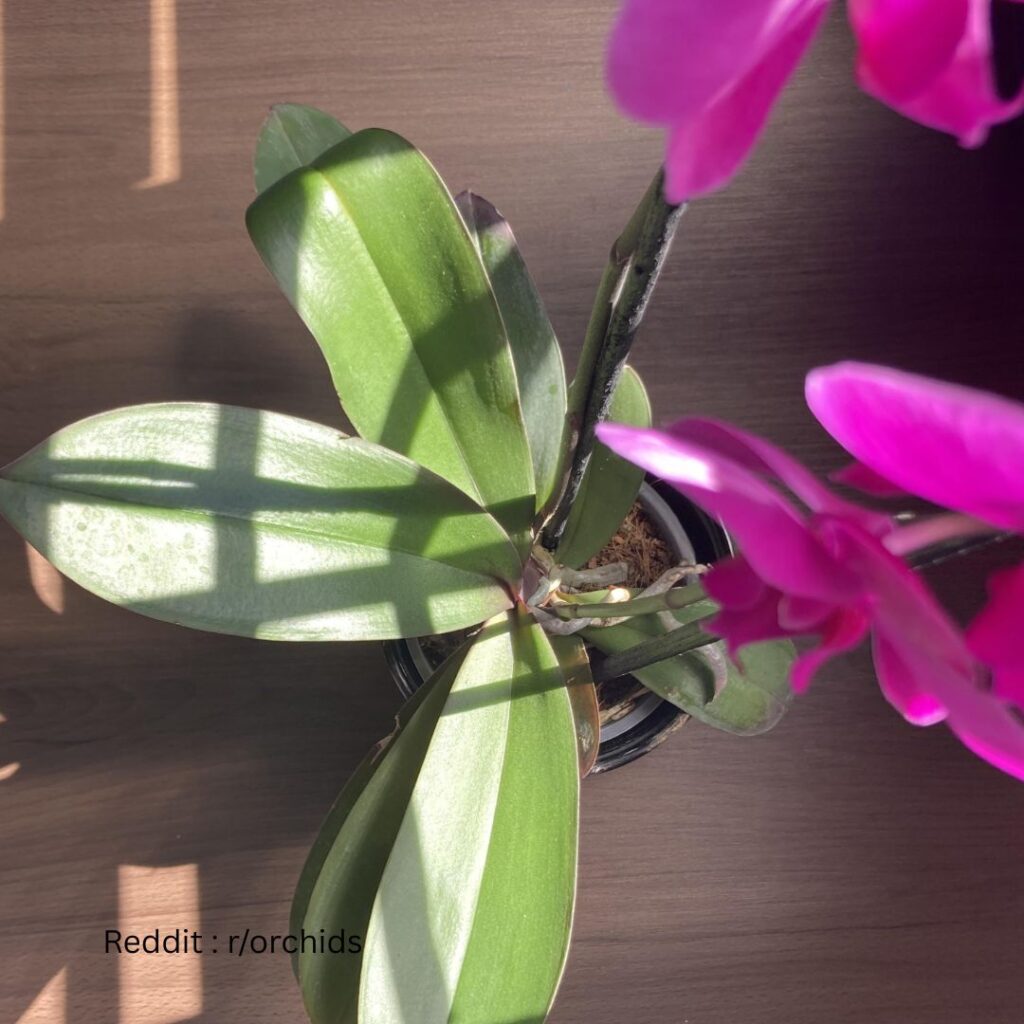
Orchids are quite picky about their lighting. Finding the right balance can help keep their leaves green and their flowers blooming. Let’s look at how too much light and not enough light can affect your orchid.
Too Much Light
If your orchid is getting too much light, you’ll see signs like leaf burn or yellowing leaves. Orchids usually love bright, indirect light. Direct sunlight can be too harsh for them. Think about how you’d feel standing in the scorching sun all day—same goes for your orchid!
Place your orchid in a spot where it can get plenty of filtered light, like near a north or east-facing window. If all your windows get too much direct sunlight, try using a sheer curtain to block out some of the intensity.
Tip: If you’re using artificial light, make sure it’s not too close to the plant. A distance of about 12 inches should work fine. Have you checked if your orchid’s leaves look like they’re sunburned? It’s a clue!
Not Enough Light
On the flip side, if your orchid isn’t getting enough light, it might stop blooming. The leaves can become dark green, but the plant won’t be happy. Imagine trying to read a book in a dim room—it’s tough, right?
In this case, you might need to move your orchid to a brighter spot. Sometimes, placing it a bit closer to a good light source can make a big difference. If your home just doesn’t get much natural light, consider a grow light designed for orchids.
Reminder: Some types of orchids, like Phalaenopsis, need warmer light (around 12-14 hours a day). So if you find your orchid looking sad, poor lighting might be the reason. Do you think your orchid could use a change of scenery? 😊
Your orchid’s lighting needs are key to keeping it healthy and vibrant. Got any lighting tips or questions? Drop them in the comments! 🌸
Potting Problems
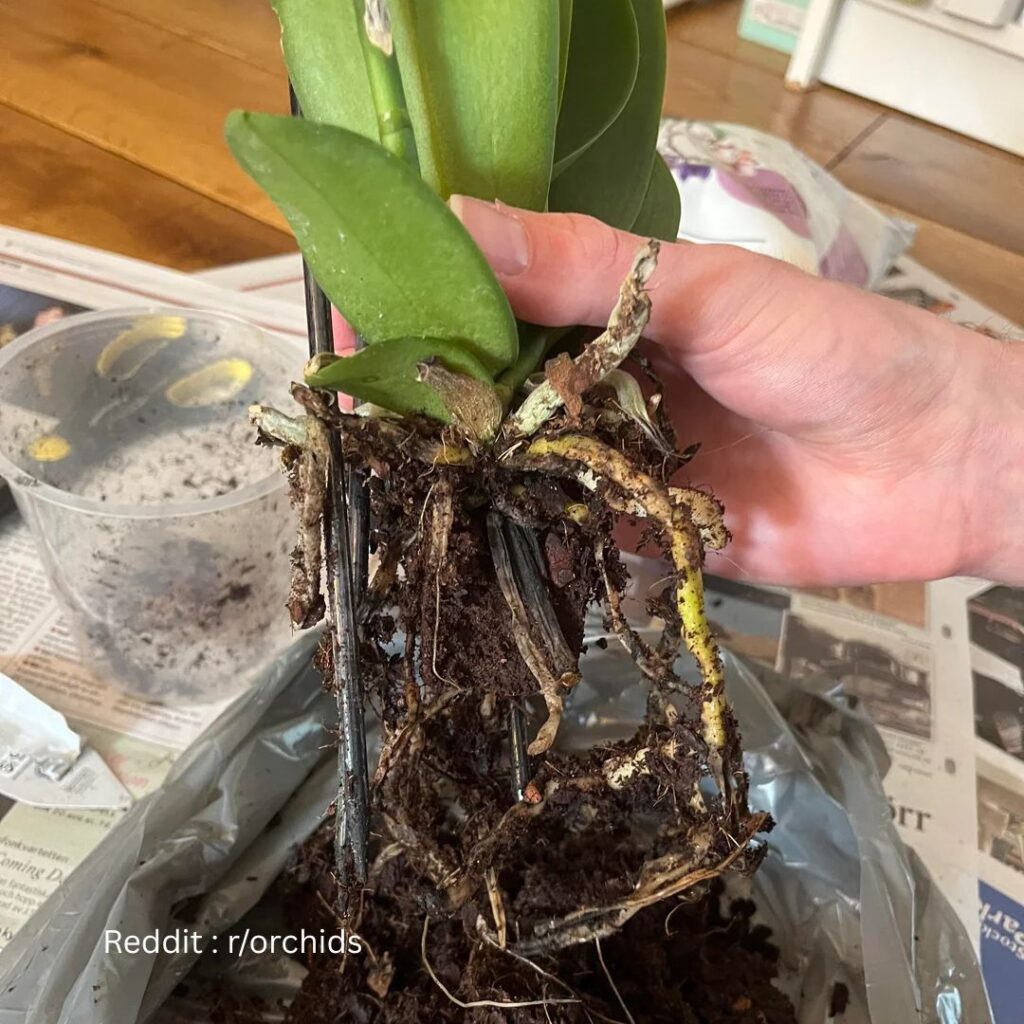
When it comes to orchids, the wrong potting mix, root bound issues, and improper timing for repotting can cause big problems. Let’s dive into these common issues and how to solve them.
The Wrong Potting Mix
Orchids are not like regular houseplants. They need a special mix to thrive. Regular soil? Not a good idea! Orchids prefer a mix of bark, charcoal, and perlite. This helps their roots get air and drainage.
Got a heavy, soggy mix? That’s a big no-no! It can lead to root rot. Have you checked your orchid’s potting mix recently? 🪴 Make sure it’s light and airy. Trust me, your orchid will thank you for it!
Root Bound Orchids
Ever feel like your orchid just isn’t growing? It might be root bound! This means the roots have outgrown the pot and are cramped. Orchids need space to spread and breathe.
Take a look at your orchid’s pot. See roots spilling over the edges? That’s a sign it’s time for a new, bigger pot. Don’t worry, giving your orchid more room can really help it grow better and bloom more often. 🌸
Repotting Timing
Timing is everything. Repotting too often can stress your orchid. On the flip side, if you never repot, it can lead to all sorts of problems. The best time to repot orchids is right after they finish blooming. This usually gives them enough time to adjust before their next bloom cycle.
Are you unsure when to repot? Keep an eye on those roots and the potting mix. If things look cramped or soggy, it’s time to repot. Happy orchids bloom better and look happier! 😊
Temperature and Humidity Control
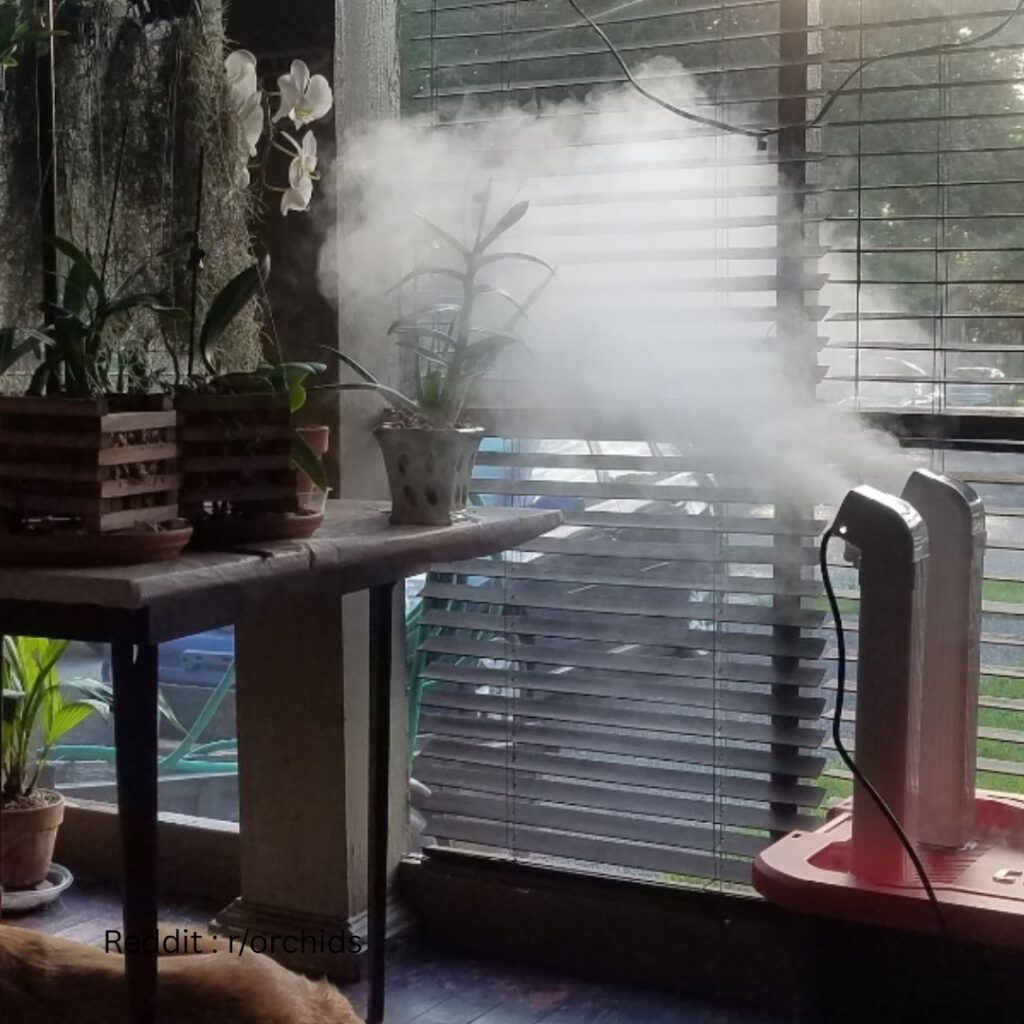
Controlling temperature and humidity is crucial for keeping your orchid healthy. Let’s dive into the ideal temperature range and how to maintain the right humidity levels for your plant.
Ideal Temperature Range
Orchids love a specific temperature range. Daytime temperatures should be between 70-80°F (21-27°C). At night, keep it cooler, around 60-70°F (15-21°C). 🌞🌛
Too much warmth or cold can stress the orchid. You might notice wilting leaves or fewer blooms if it’s too hot. Got an air conditioner or heater? Make sure it doesn’t blow directly on your orchid. They love steady, comfortable temps, just like us!
Keeping an eye on your thermostat will help. Consider using a thermometer placed near your orchid to track its environment.
Maintaining Humidity Levels
Orchids are tropical plants, so they thrive in high humidity levels. Aim for 50-70% humidity. Dry air can make orchids unhappy and cause their leaves to dry out and curl. 🌿💧
You can use a humidifier to add moisture to the air. If you don’t have one, placing a tray with water and pebbles near your orchid helps too. The water evaporates, adding moisture around the plant without soaking its roots.
If you’re like me and want to keep it simple, a regular misting can also boost humidity. Just be careful not to mist too much, or you might get mold or rot. Try to mist in the morning so the water has time to evaporate during the day.
How do you keep your orchid happy with temperature and humidity? Share your tips and experiences in the comments! 🌸👇
Pest and Disease Management
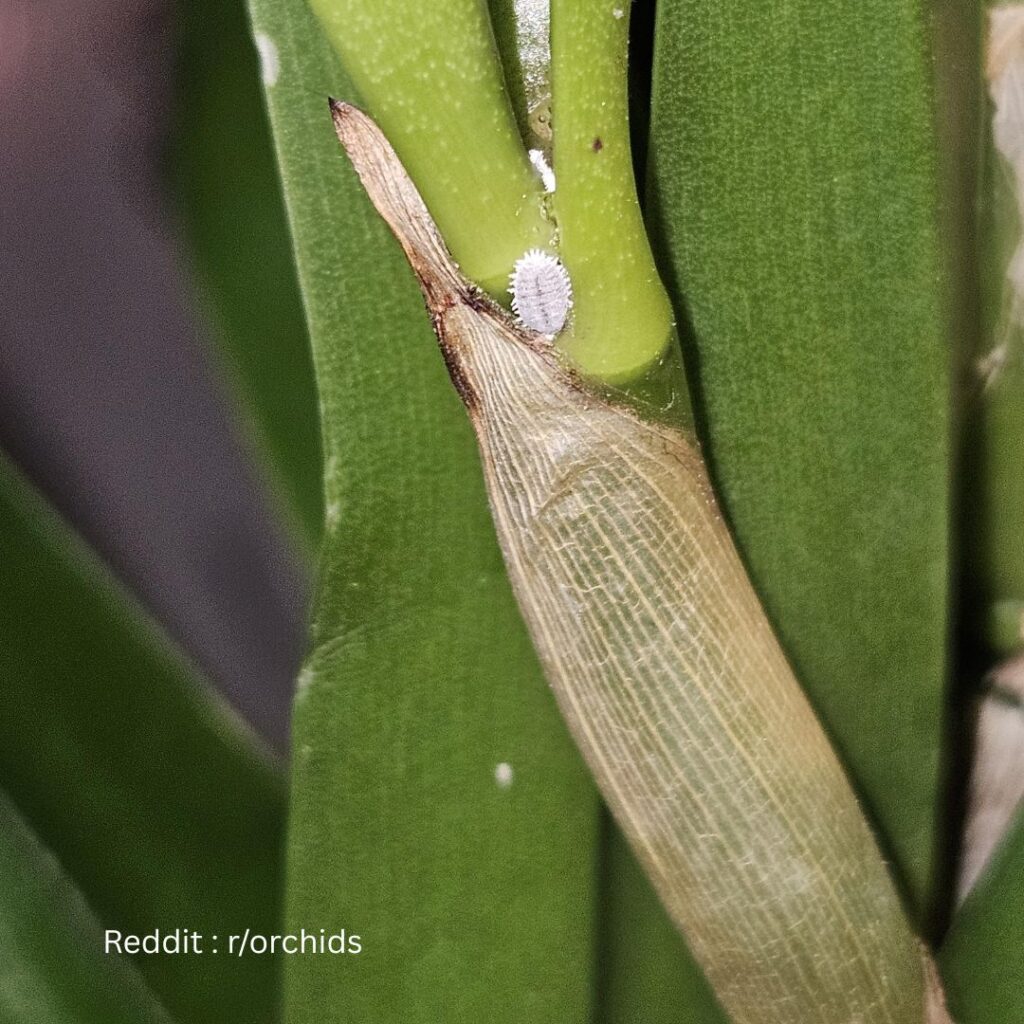
Orchids can be quite sensitive. 🌸 Keeping them healthy means managing pests and diseases effectively. Let’s break it down:
Common Pests
Orchids can get attacked by aphids, mealybugs, spider mites, and scale insects. These pests suck the sap from the plants, making them weak and unhealthy.
- Aphids: Tiny green or black insects. You’ll often find them on new growths.
- Mealybugs: White, cotton-like creatures hiding in leaf joints.
- Spider Mites: Minute, red or brown pests causing yellow spots on leaves.
- Scale Insects: Hard, brown bumps often found on stems and leaves.
Spraying your orchid with a mild soap solution can keep these pests at bay. Have you noticed any of these critters on your plants? 🕵️♂️
Fungal Infections
Fungi thrive in warm, moist environments. Orchids are particularly prone to root rot, black rot, and powdery mildew.
- Root Rot: Overwatering can lead to roots that are black and mushy. It’s vital to check the roots regularly.
- Black Rot: Causes black, mushy spots on leaves and stems. This spreads quickly, so immediate action is crucial.
- Powdery Mildew: A white, powdery film on leaves. This usually happens in high humidity and poor air circulation.
I always keep an eye on humidity levels and ensure good air circulation. It’s essential to properly water your orchid and avoid getting water on the leaves.
Bacterial Infections
Bacteria can also infect orchids, especially if they have cuts or damaged areas. Common bacterial problems include bacterial brown spot and soft rot.
- Bacterial Brown Spot: Looks like small, water-soaked lesions that turn brown. These spots can merge and spread.
- Soft Rot: Causes a mushy, foul-smelling rot on leaves and stems. This can be fatal for the orchid.
Sterilizing tools and removing infected plant parts quickly helps a lot. I’ve saved many of my orchids by acting fast! Do you keep your tools clean? 🌱🧽
Nutrition and Fertilization
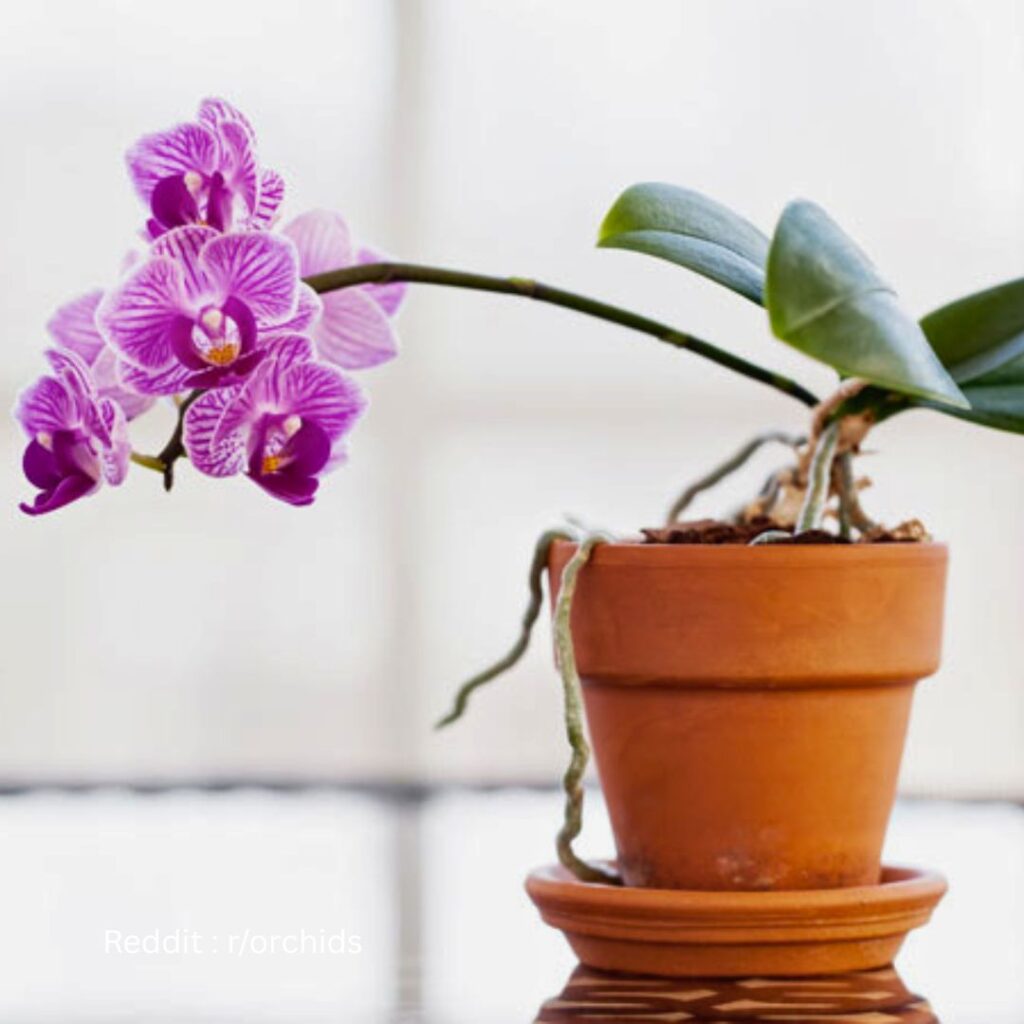
Taking care of your orchid’s nutrition is key to keeping it vibrant and healthy. Fertilizers play a big role in this, and it’s important to know what types to use and how often to feed your plant. Let’s dig into some details on this!
Fertilizer Types
For orchids, specialized fertilizers work best. You’ll see options like balanced, high-nitrogen, and bloom boosters.
- Balanced fertilizers (with equal ratios like 20-20-20) are great for general use.
- High-nitrogen fertilizers are good during the growing season.
- Bloom boosters (higher phosphorus) help when you want more flowers 🌺.
Make sure the fertilizer is water-soluble to ensure easy absorption. Always check the instructions on the package for mixing details!
Feeding Schedule
Orchids have specific needs for feeding schedules.
During the active growing period, usually spring and summer, I feed my orchid every two weeks.
In fall and winter, I cut back to once a month.
Use half-strength of the recommended dosage to avoid over-fertilizing. 🌱
Quick tip: Always water your orchid before adding fertilizer to prevent root burn!
Signs of Nutrient Deficiency
Is your orchid showing signs it’s hungry? Here’s what to look for:
- Yellowing leaves could mean it needs more nitrogen.
- Poor or no flowering might indicate a need for more phosphorus.
- Weak or limp growth often signals a lack of potassium.
Keep an eye out for these signs and adjust your feeding schedule or fertilizer type accordingly.
Got tips or questions about orchid care? Drop them in the comments! 🌿✨
Proper Orchid Care Techniques
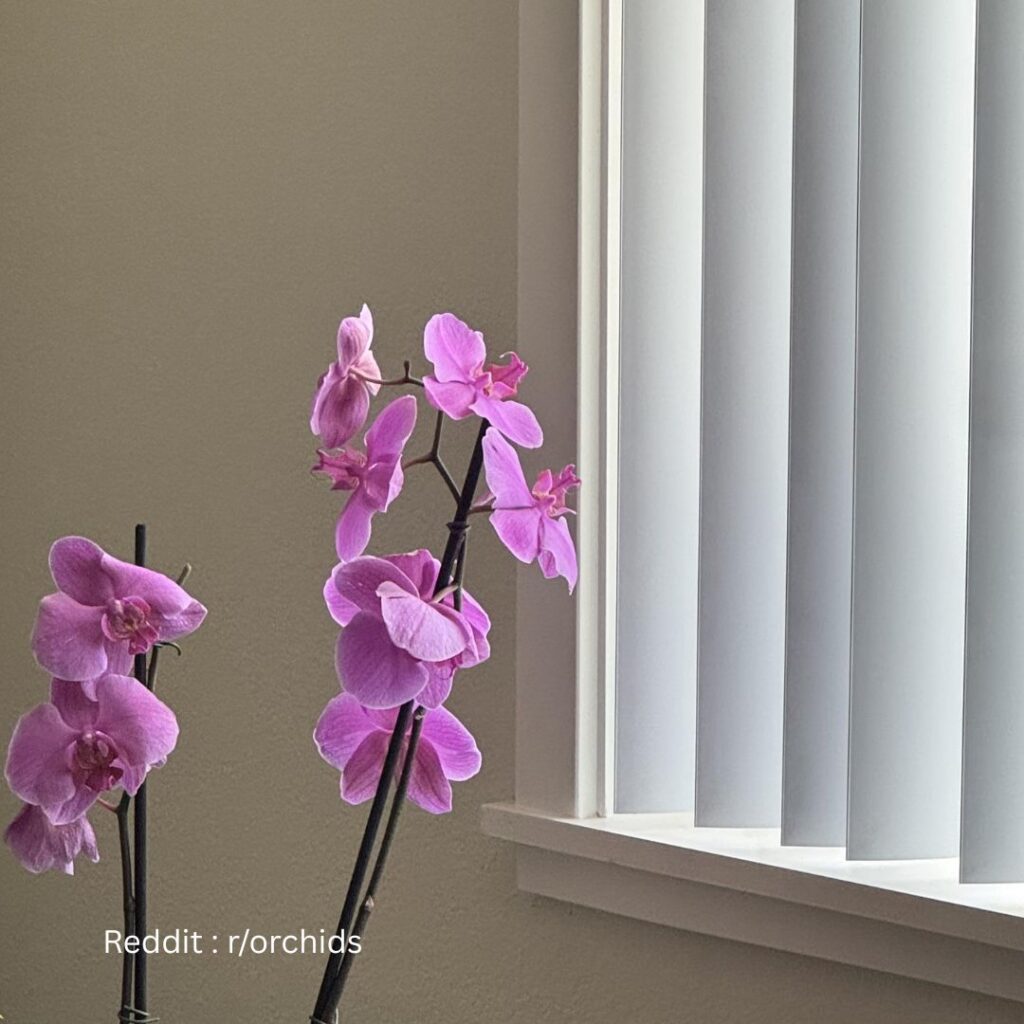
Hey there! Are you struggling to keep your orchid happy? Don’t worry, I’ve got your back. Let’s jump into some proper orchid care techniques to keep your plant thriving. 🌸
Watering: Orchids don’t like to sit in water. It’s best to water them once a week. I usually check the moisture by sticking my finger about an inch into the soil. Does it feel dry? Then it’s time to water! 💧
Light: Orchids love bright, indirect light. Too much direct sunlight can burn the leaves, which nobody wants. I keep my orchid near a window with sheer curtains. How do you ensure your plant gets enough light? 🌞
Temperature: Orchids thrive in temperatures between 60-80°F (15-27°C). They like it warm during the day and cooler at night. Isn’t that just like us? Make sure the temperature doesn’t fluctuate too much.
Humidity: Orchids are tropical plants and love humidity levels of 40-60%. I use a humidity tray or a room humidifier to keep my orchid happy. Do you use a humidifier, or do you have other tricks to maintain humidity? 🌿
Fertilizing: Orchids need food, too. I use a balanced orchid fertilizer every two weeks during the growing season. It’s key to remember, more isn’t better! Follow the instructions on your fertilizer package.
Repotting: Orchids generally need repotting every 1-2 years. I usually repot mine when the roots start crowding the pot. Fresh potting mix can make a big difference in their health. When was the last time you repotted your orchid?
Pruning: After the flowers fall, I trim the stem about an inch above a node to encourage new growth. This way, I might get more blooms! 🌿
Got any tips or funny stories about caring for your orchid? Share them in the comments below! Let’s help each other out. 😊
Frequently Asked Questions
It’s common to have questions when your orchid isn’t looking its best. Here are some specific ways to identify issues and solutions for your orchid. Let’s get into it!
How can I tell if my orchid is dying?
If your orchid is drooping, losing leaves, or has yellowing foliage, it might be in trouble. Are the roots shriveled or mushy? These are clear signs your plant needs help.
What should I do to save a wilting orchid?
First, check the roots. If they’re dry, give your orchid a good soak. If they’re mushy, the plant might be overwatered. Trim any dead roots and repot your orchid in fresh orchid mix.
What are the signs of an overwatered orchid?
Overwatered orchids often have mushy roots and yellowing leaves. You might also see mold on the potting medium. Let the plant dry out and reduce watering to once a week.
Can orchids recover after losing their flowers?
Yes, they can! Just because the flowers have fallen off doesn’t mean the orchid is dead. Keep caring for it, and you might see new flower spikes appear. 🌸 Patience is key!
Why are my orchid’s leaves turning yellow?
Yellow leaves can be a sign of overwatering, underwatering, or too much direct sunlight. Check the light and water situation. Sometimes, moving your orchid to a different spot can make all the difference.
What does it mean when an orchid stem turns brown?
A brown stem could mean that part of the plant is dead. Trim it back to the green part. This can help the plant focus its energy on healthy growth. 🚀
Have any more questions about your orchid? Drop them in the comments below and let’s chat! 🌿